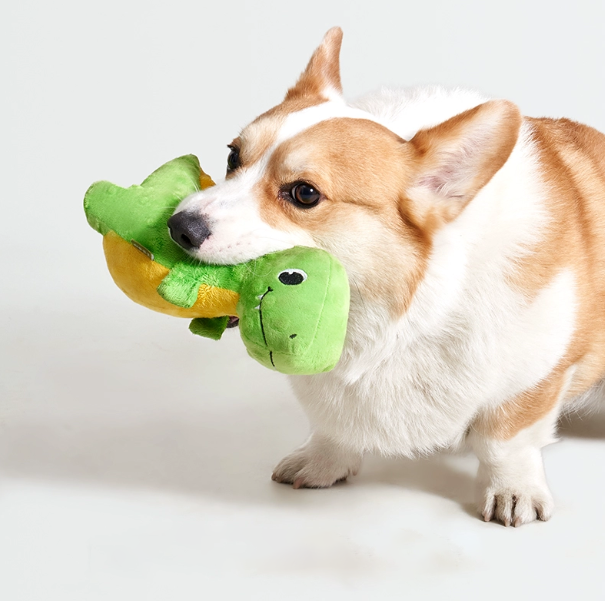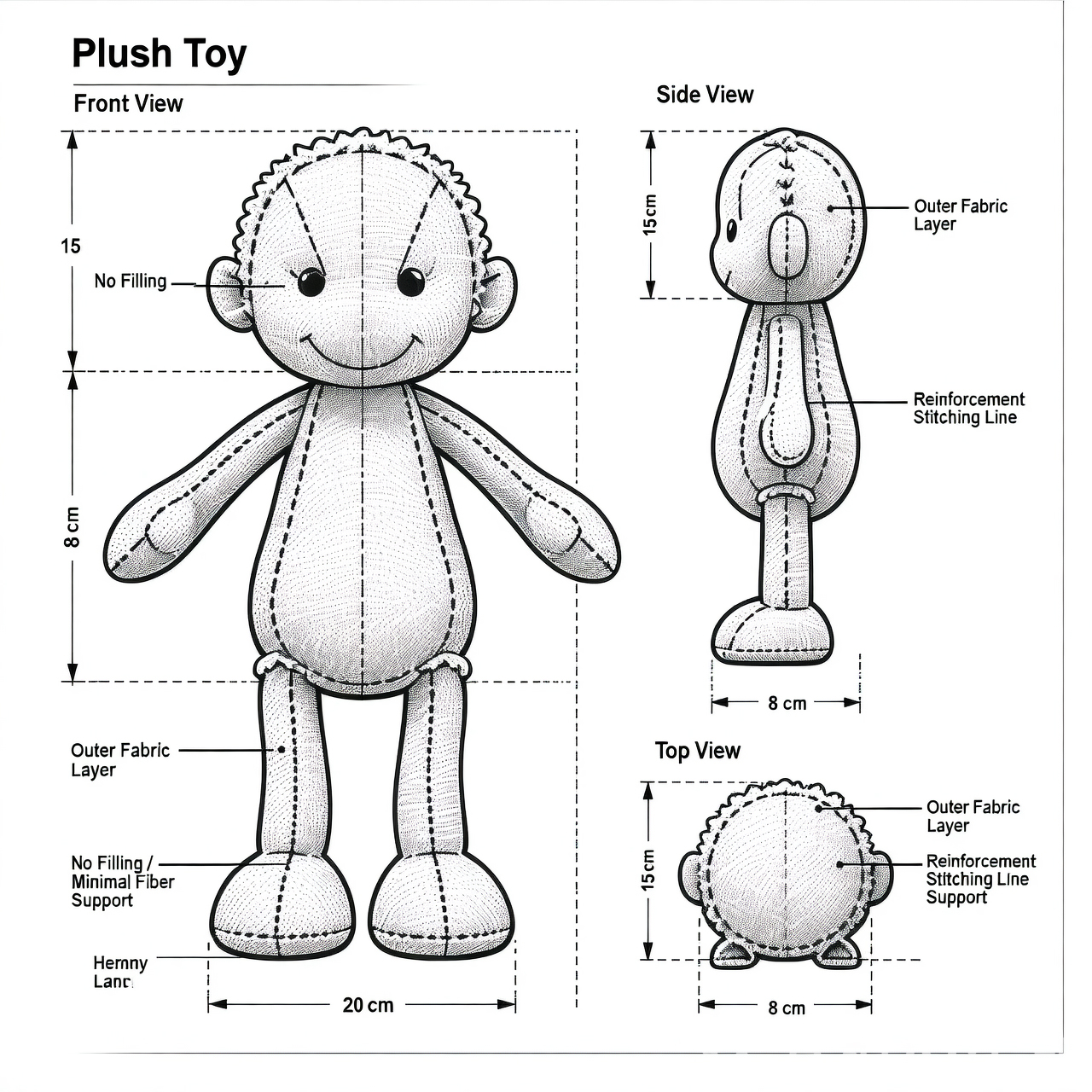

Cats are fascinating creatures — graceful, independent, and mysterious. Yet, beneath that aloof demeanor lies a playful predator with instincts that never fade. Many cat owners notice their feline friends batting, biting, or curling up with plush pet toys, and wonder: Do cats really like stuffed toys? The answer is yes, but the reasons go far beyond simple play.
The Instinct Behind the Play: Understanding Feline Behavior
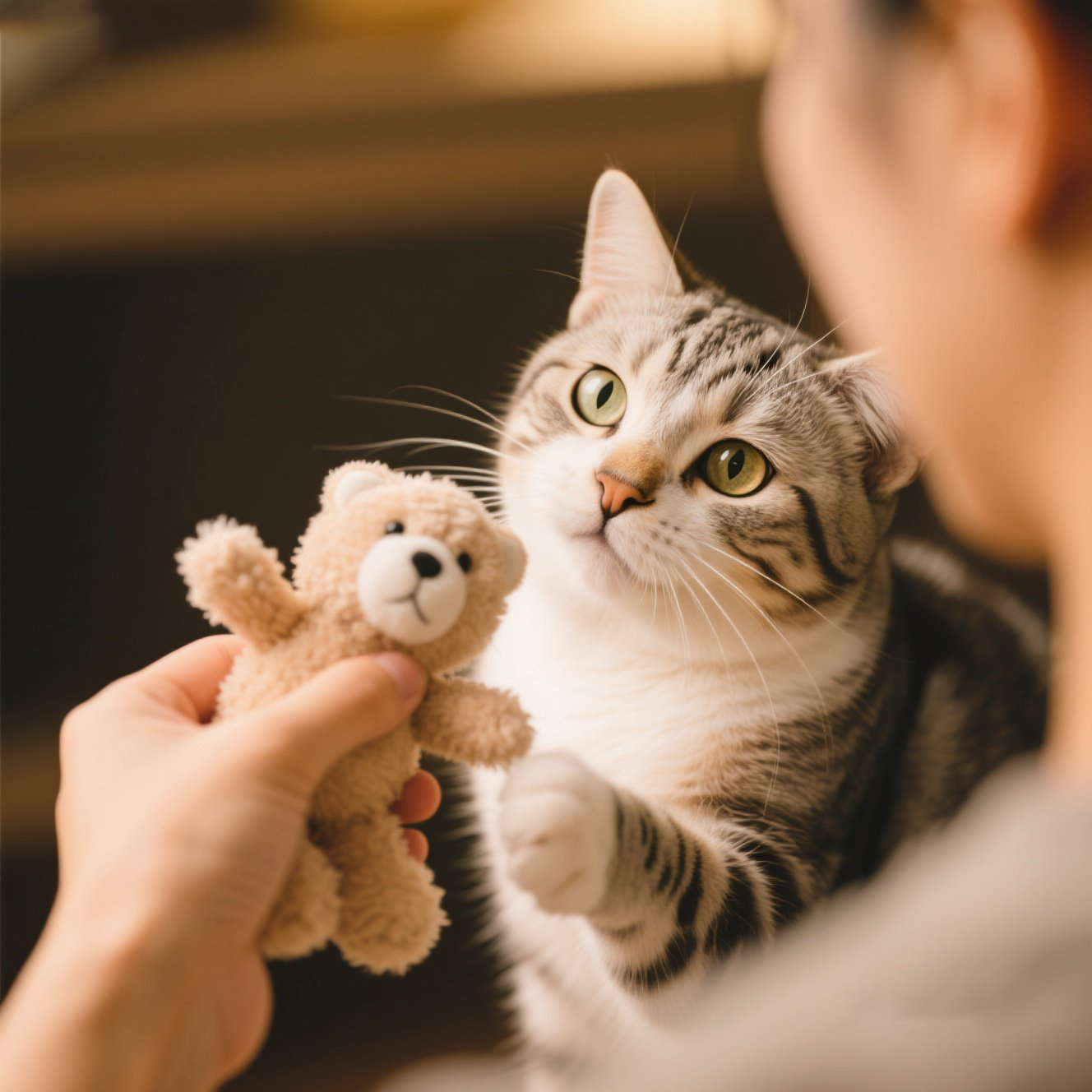
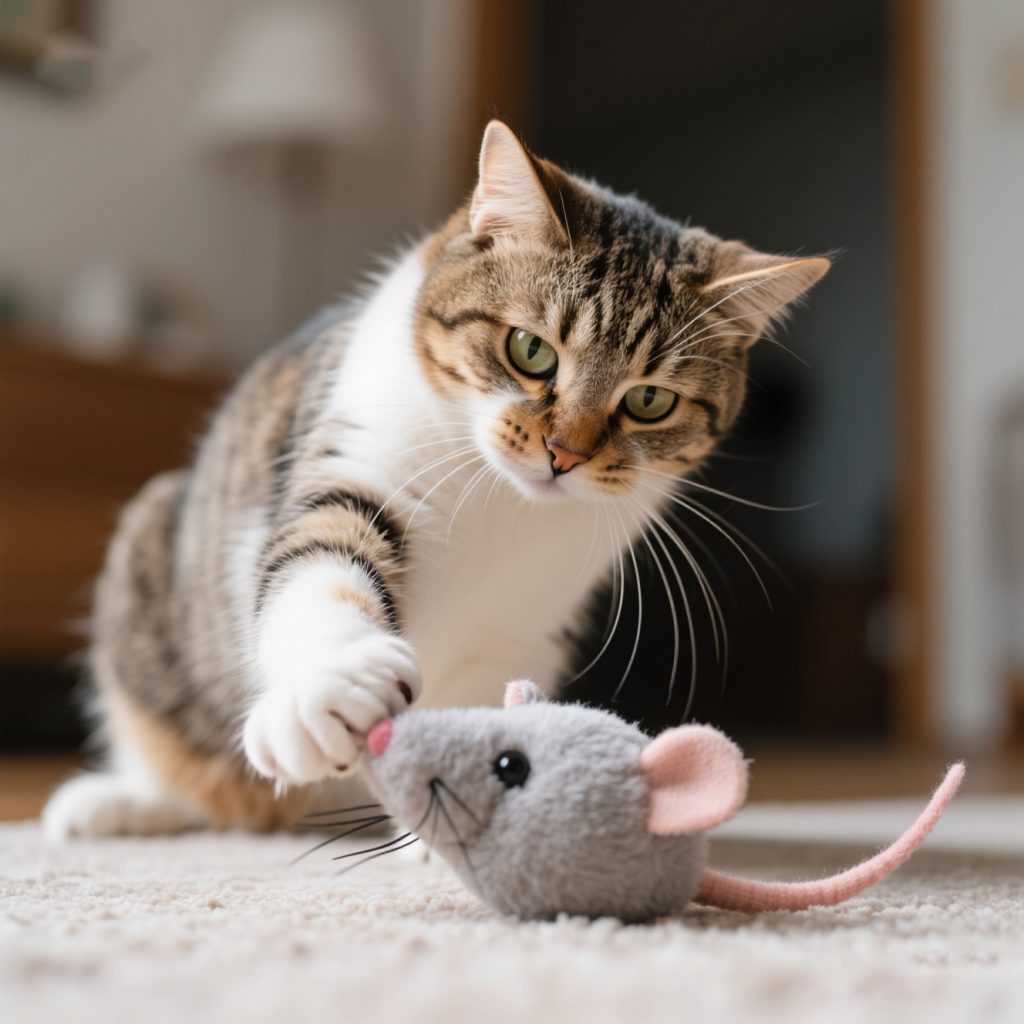
To understand why cats are drawn to cat plush toys, it helps to think about their hunting instincts. Even domestic cats have an inborn drive to stalk, pounce, and “capture” moving objects. A soft plush toy simulates the texture of prey — something they can grab, bite, and toss around. For an indoor cat, this type of play enrichment provides the physical and mental stimulation they crave.
According to a study from the National Institutes of Health on the associations between play and welfare in cats, regular play is directly linked to improved feline well-being and reduced behavioral issues. Simply put, play keeps a cat’s body sharp and its mind content.
Comfort Objects and Emotional Attachment
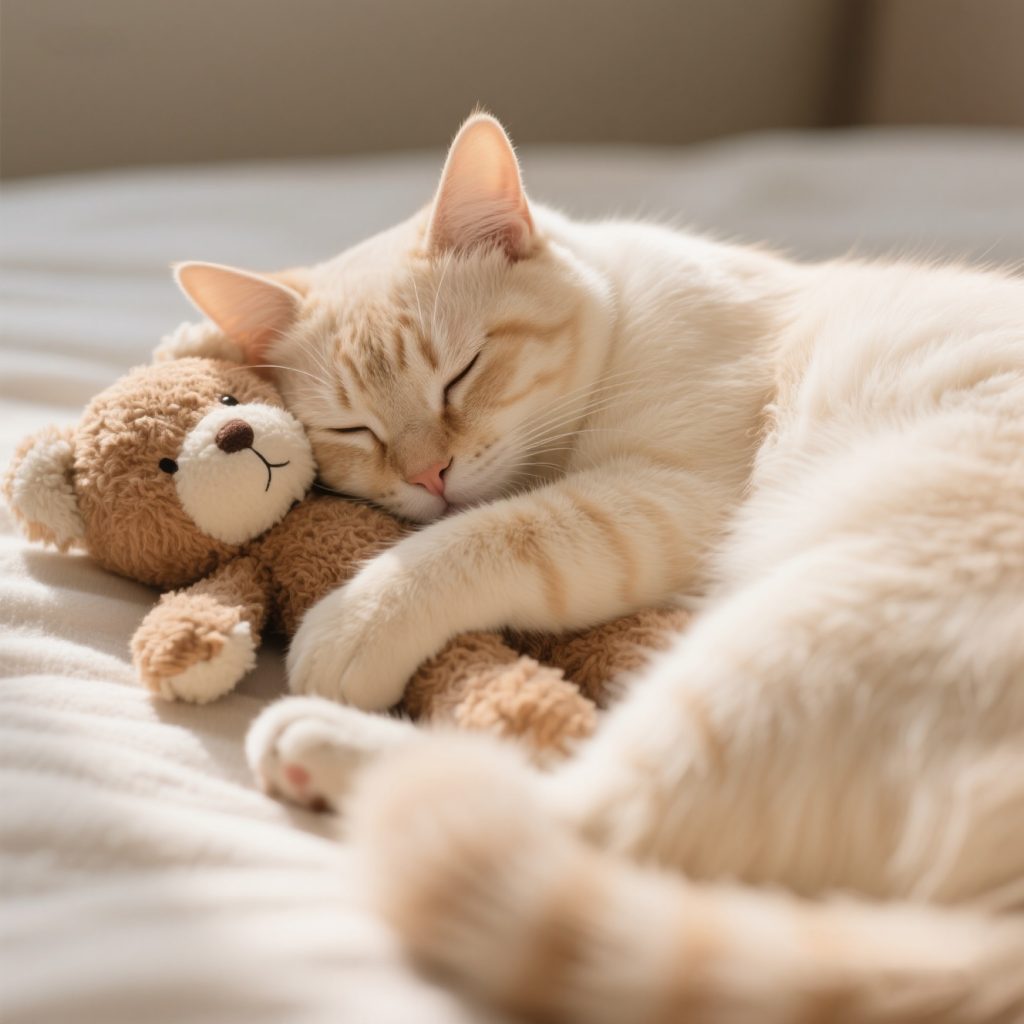
Cats are not only hunters; they can also be surprisingly sentimental. Some develop attachments to stuffed toys for cats the same way a child might cling to a favorite blanket. These comfort objects provide a sense of security, especially for kittens or rescued cats adjusting to a new environment.
A cat might carry soft toys for cats around the house, meow at them, or sleep beside them as if guarding a friend. This behavior often reflects separation anxiety relief, showing that plush companions can help calm stress when owners are away.
Interactive Play and Cognitive Stimulation
Modern pet designs have evolved far beyond the ordinary stuffed mouse. Interactive plush cat toys now feature built-in crinkle sounds, catnip pouches, or motion sensors that trigger movement. These designs engage a cat’s curiosity while satisfying its natural urge to chase.
Experts from Fear Free Pets explain that toys simulating prey behavior—through motion or sound—stimulate both physical exercise and emotional satisfaction. Interactive play doesn’t just entertain cats; it helps reinforce trust, prevent anxiety, and create a stronger bond between cats and their owners.
Safety First: Choosing the Right Toy for Your Cat
Not every toy on the shelf is safe for your pet. Cats use their teeth and claws during play, so owners should always select safe plush toys for cats that are durable and free from choking hazards. Look for non-toxic stuffing, soft fabric materials, and durable stitching that can withstand rough play.
The Cornell Feline Health Center recommends avoiding small plastic eyes, ribbons, or glued decorations that could come loose. Instead, choose toys with washable plush design, which allows easy cleaning and prevents bacteria buildup. A safe toy means a safe pet playtime, protecting both curiosity and health.
Emotional and Physical Benefits of Plush Companions
Playing with cat cuddle toys offers more than physical activity — it supports a cat’s emotional balance. Toys provide a positive outlet for stress, encouraging independence and confidence. They also mimic hunting experiences, releasing endorphins that make your feline happier and more relaxed.
For owners, watching a cat engage in this type of play can be equally rewarding. It deepens the bond between you and your pet while providing a fun, low-cost form of daily enrichment.
The Best Plush Options for Every Cat Personality
When it comes to choosing the best plush toys for cats, there’s no one-size-fits-all approach. Some cats prefer toys infused with catnip, while others love crinkle textures or feather attachments. Kittens might enjoy smaller toys they can easily carry, while older cats may prefer larger, softer ones for cuddling.
If your cat enjoys biting or chewing, plush cat chew toys are ideal. These are designed with reinforced seams and soft yet resilient stuffing, satisfying your cat’s need to gnaw safely.
Meanwhile, plush toys for kittens should be extra soft and lightweight, encouraging gentle play that supports early development. Always observe your pet’s preferences and rotate toys regularly to keep the experience exciting.
Why Plush Pet Toys Are Here to Stay
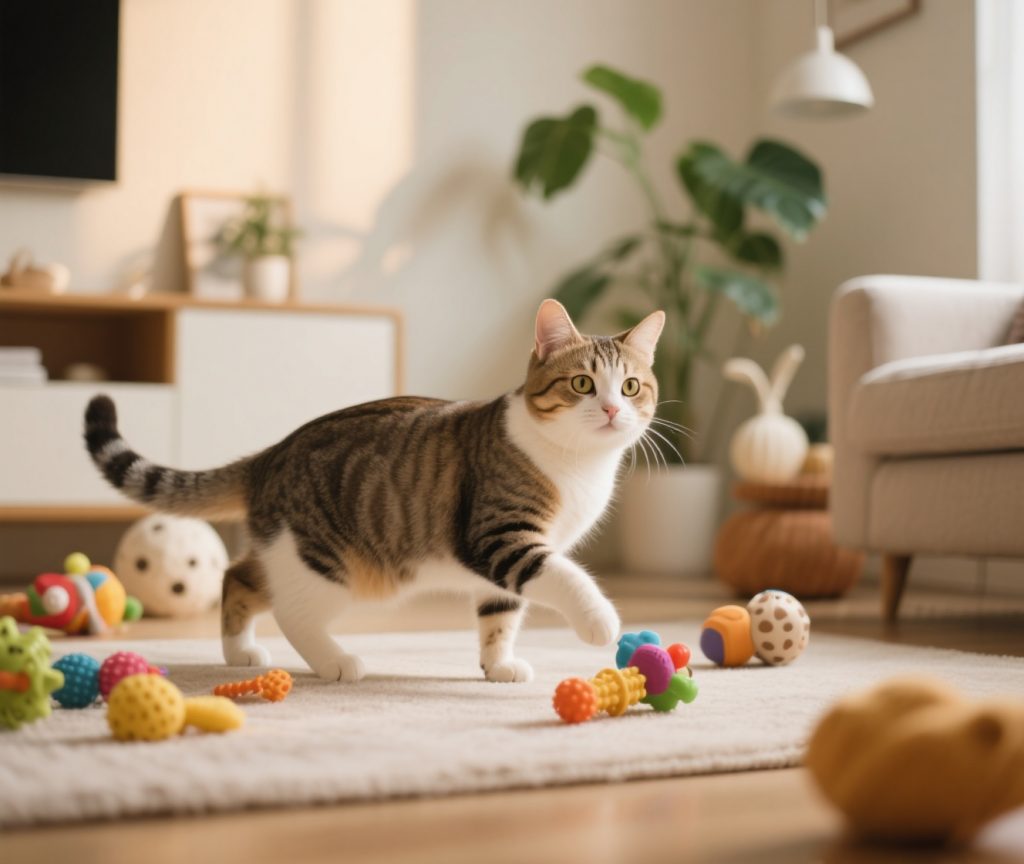
The rise of plush pet toys in modern cat care reflects a growing understanding of animal psychology. Cats benefit from play that blends instinct, comfort, and safety. A thoughtfully chosen toy can entertain, soothe, and stimulate — turning an ordinary afternoon into an adventure.
For indoor cats especially, playtime is essential. Studies on environmental enrichment for indoor cats show that enriching their surroundings with safe, stimulating toys reduces destructive behavior and boosts overall wellness.
Whether your feline prefers a crinkly mouse, a fluffy pillow toy, or an interactive plush companion, one thing remains certain: these toys bring out the best in their playful nature while supporting both physical and emotional well-being.
Conclusion
So, do cats like stuffed toys? Absolutely. For them, it’s not just about fun — it’s about fulfilling instincts, easing loneliness, and enriching daily life. By offering a selection of plush companions, especially plush pet toys, owners can give their cats the joy of safe, engaging play that satisfies their curious hearts.