
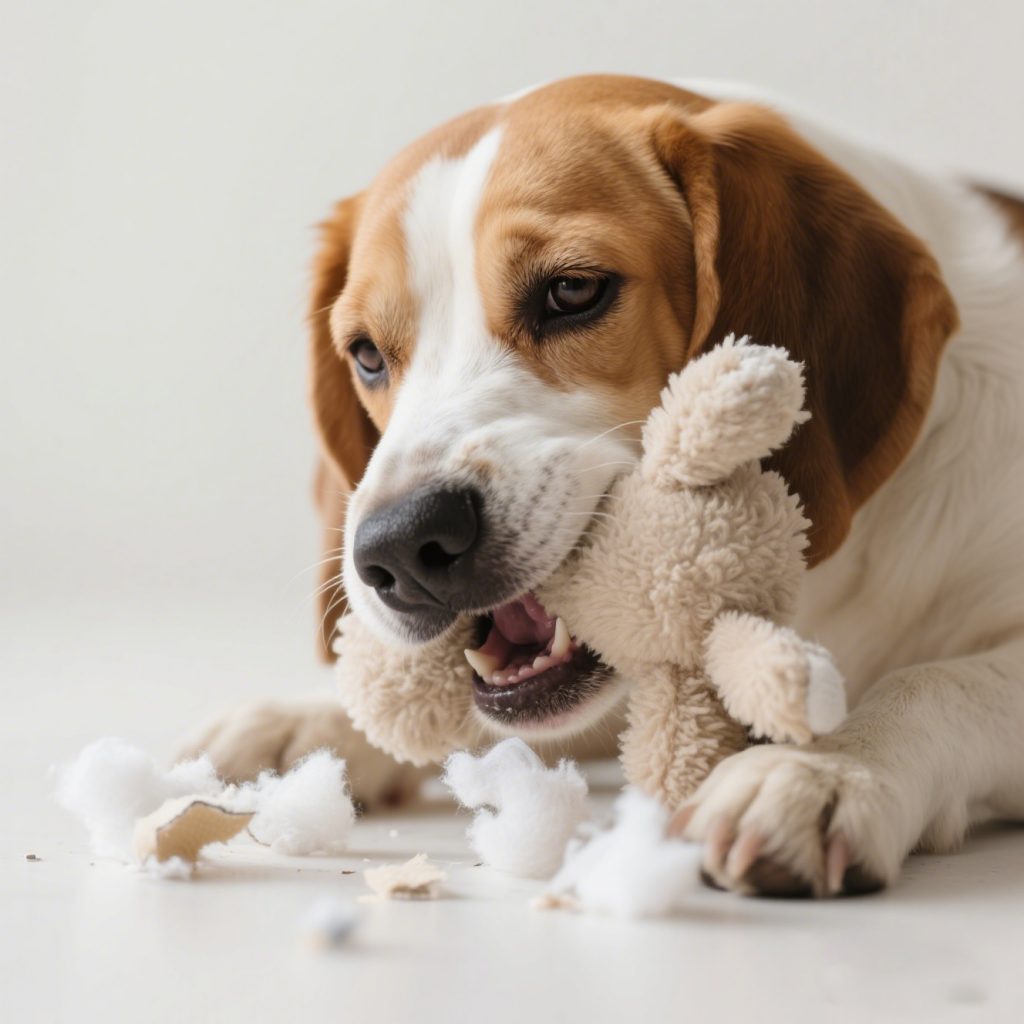
When you discover a pet swallowed toy, panic tends to strike before rational thinking has a chance to catch up. Yet this is exactly the moment when calm, informed action matters most. Pets—especially curious dogs and playful cats—often explore the world with their mouths, which makes plush toys a surprisingly common risk.
Early Warning Signs to Watch For
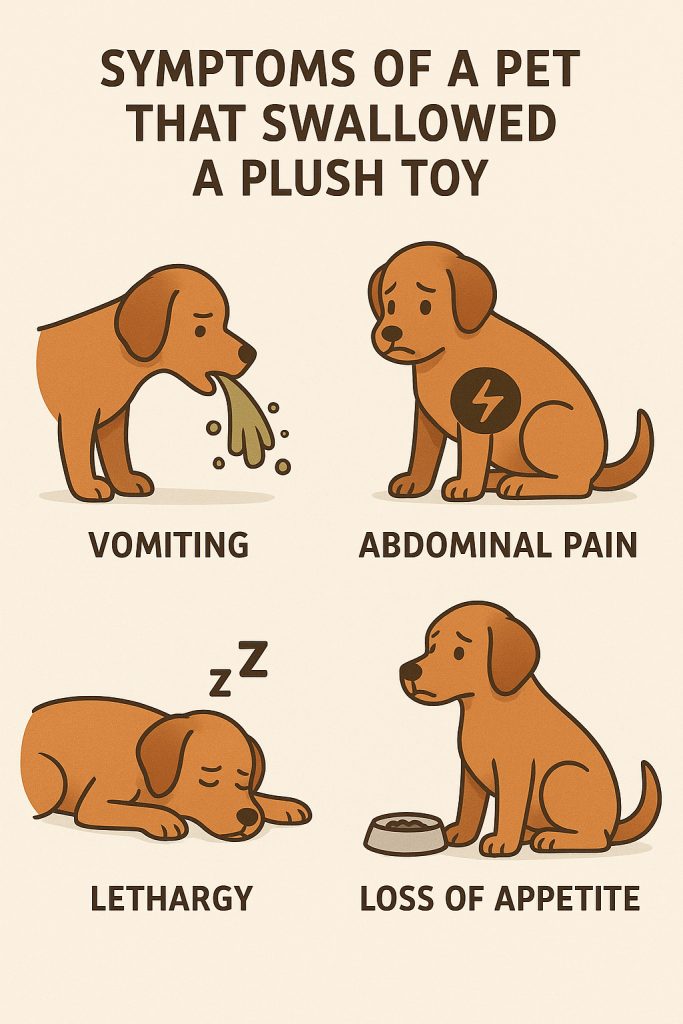
The first clues often show up subtly. A pet that was energetic an hour ago may suddenly seem restless, unusually quiet, or hesitant to eat. Loss of appetite, gagging, or changes in bowel movements can appear quickly. Veterinary specialists note that symptoms such as vomiting or diarrhea in pets may be early markers of a deeper problem like ingestion of foreign objects. Chewy’s veterinary team also emphasizes how mild abdominal pain in dogs and cats can progress rapidly into something more serious — their overview of swallowed object symptoms illustrates how timing affects outcomes
Immediate Steps — What You Should Do First
Take a deep breath and assess your pet’s behavior. Avoid inducing vomiting on your own unless a professional explicitly recommends it. In cases where a dog swallowed plush toy or a cat ingested stuffed toy, improper first-aid attempts can cause more harm than good. As PetMD explains in its emergency guidance on swallowed objects, quick and steady action—rather than improvisation—gives your pet the best chance of avoiding complications
What Your Vet Will Do — Professional Intervention
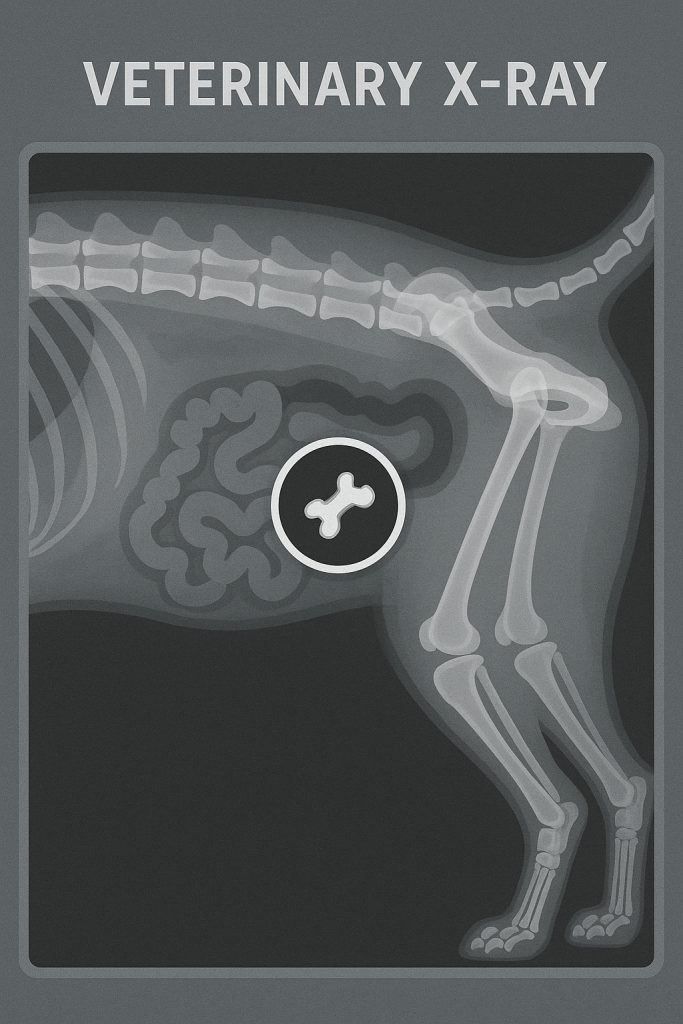
If symptoms worsen or do not improve within a short window, contacting an emergency vet for pets becomes essential. Your vet may perform an X-ray, ultrasound, or endoscopy to locate the object and determine whether it has caused a gastrointestinal obstruction. Cornell University’s College of Veterinary Medicine explains how such diagnostic imaging helps pinpoint items before they lead to a full digestive tract blockage, ensuring the safest path toward removal
Why Plush Toys Can Become a Serious Hazard
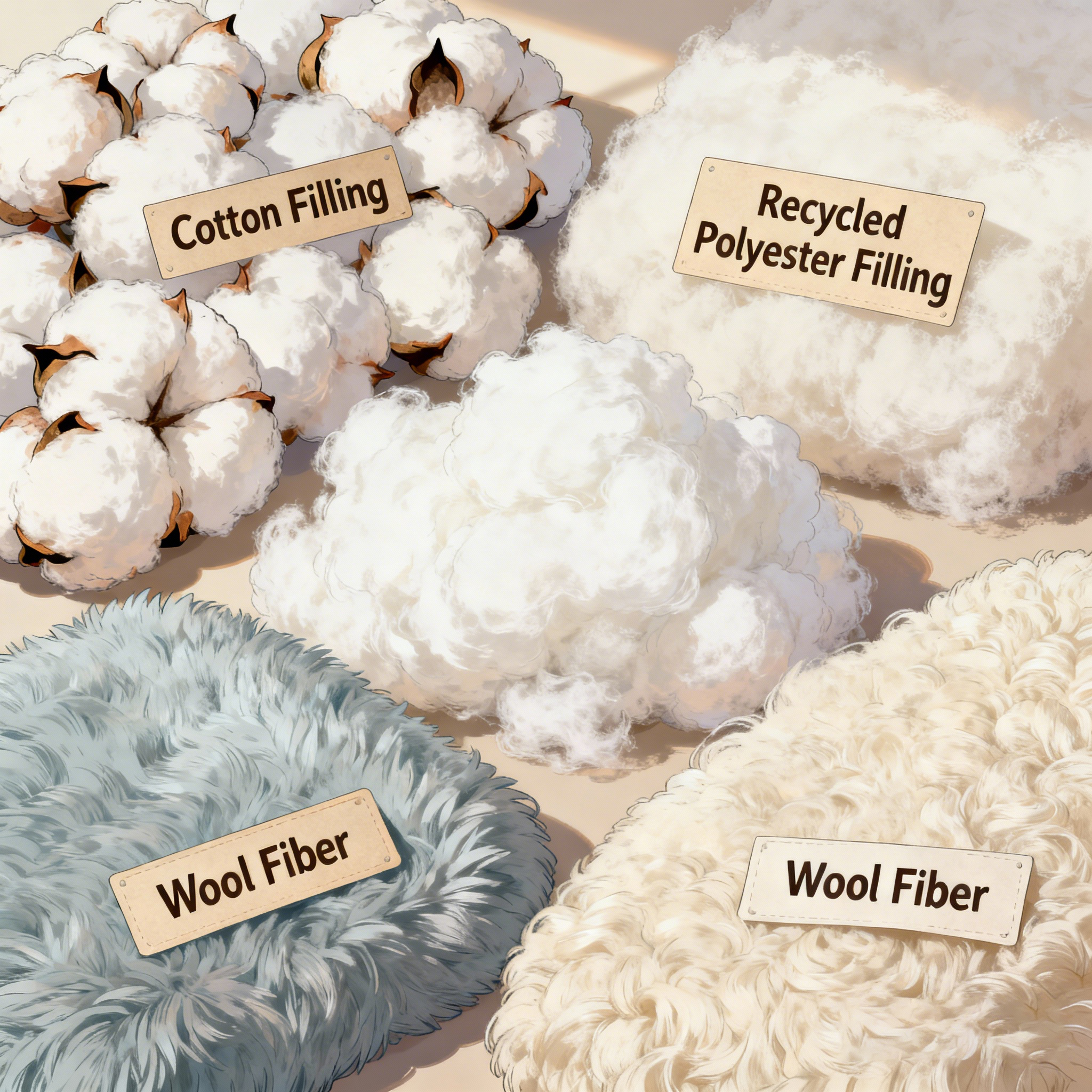
A plush toy may look soft and harmless, but its stuffing, fabric, and stitching can quickly turn into a pet choking hazard or, worse, trigger signs of intestinal blockage in pets. According to veterinary observations shared by Braselton Animal Hospital, even small fragments of non-toxic plush pet toys can lodge in the digestive system, forming dense clusters that block intestines and require surgical extraction
Monitoring at Home After the Incident
Once the plush toy is safely out—either naturally or through professional care—monitoring pet behavior after ingestion remains important. Pay attention to stool consistency, appetite changes, or lingering discomfort. Even after the safe removal of pet toy, the digestive system may be sensitive for several days.
Prevention — Reducing the Risk in the Future
Preventing future emergencies involves selecting safe chew toys for pets, supervising play sessions, and immediately discarding toys that begin to fray, tear, or lose structural integrity. Durable, non-toxic materials significantly reduce future pet health emergency risks, especially for households with aggressive chewers or high-energy pets.
Final Thoughts
A plush toy might seem innocent, but in the wrong moment, it can trigger a dangerous sequence of events. Recognizing symptoms early, responding calmly, and seeking timely veterinary intervention can make all the difference. With thoughtful prevention and awareness, you can protect your pet from turning playtime into a medical crisis.