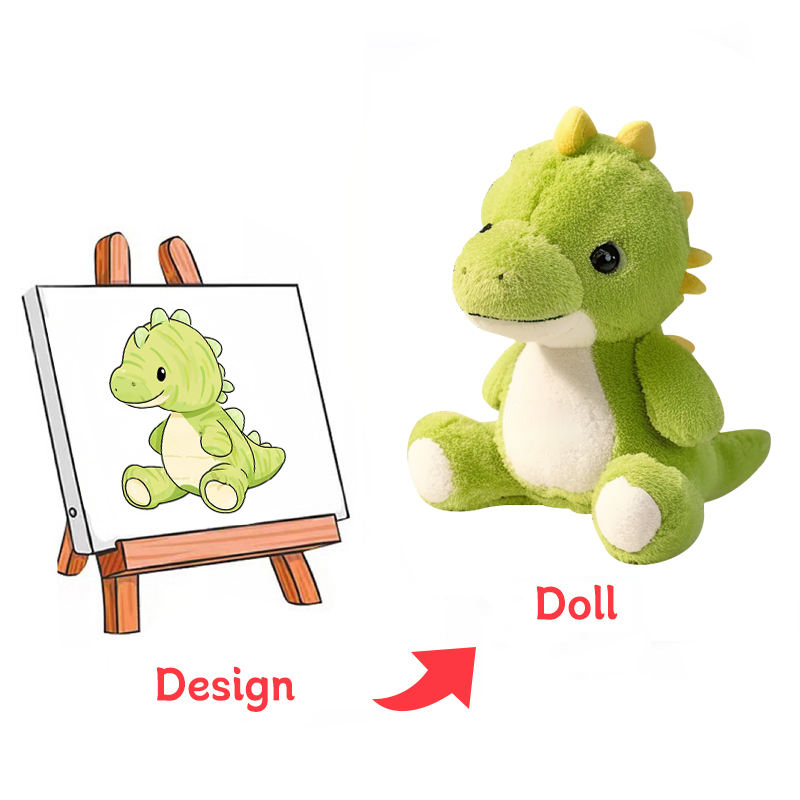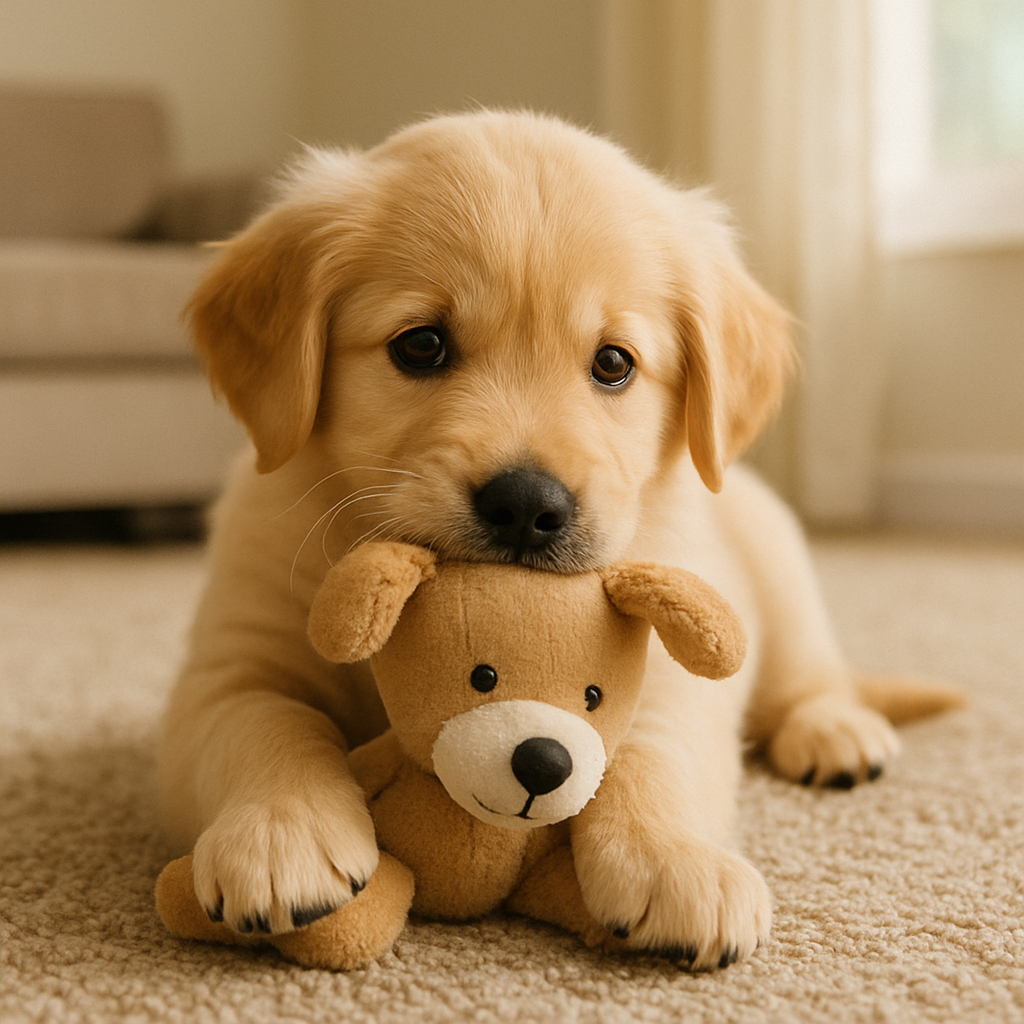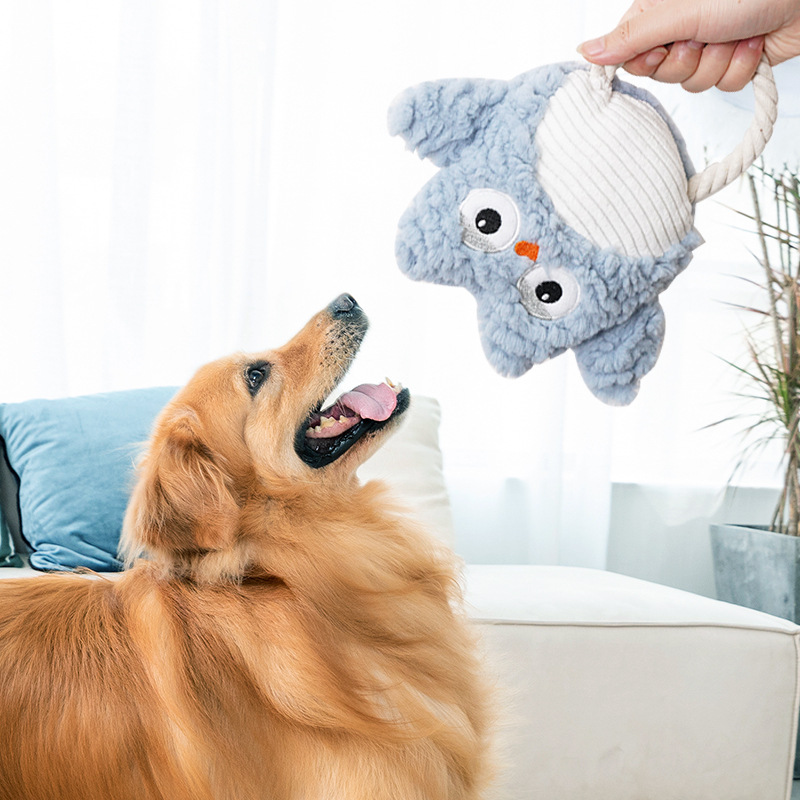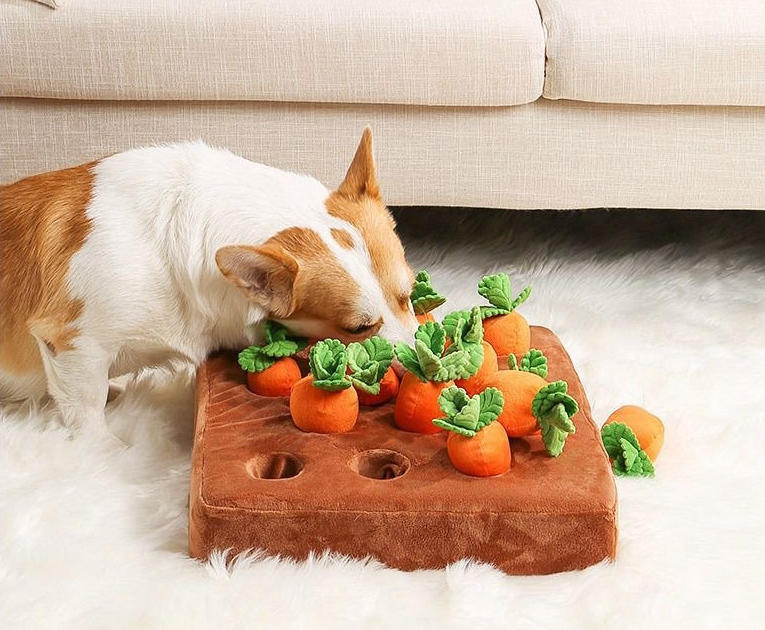

Introduction
Material choice is one of the earliest—and most irreversible—decisions in custom plush development and is typically established during early project discussion.
From our experience supporting OEM and ODM plush projects for the U.S. market, material selection affects not only touch and appearance, but also sampling speed, cost structure, quality risk, and compliance readiness.
This guide explains how commonly used plush materials behave in real production scenarios, and how buyers should evaluate them before moving into sampling.
Understanding Common Plush Toy Materials
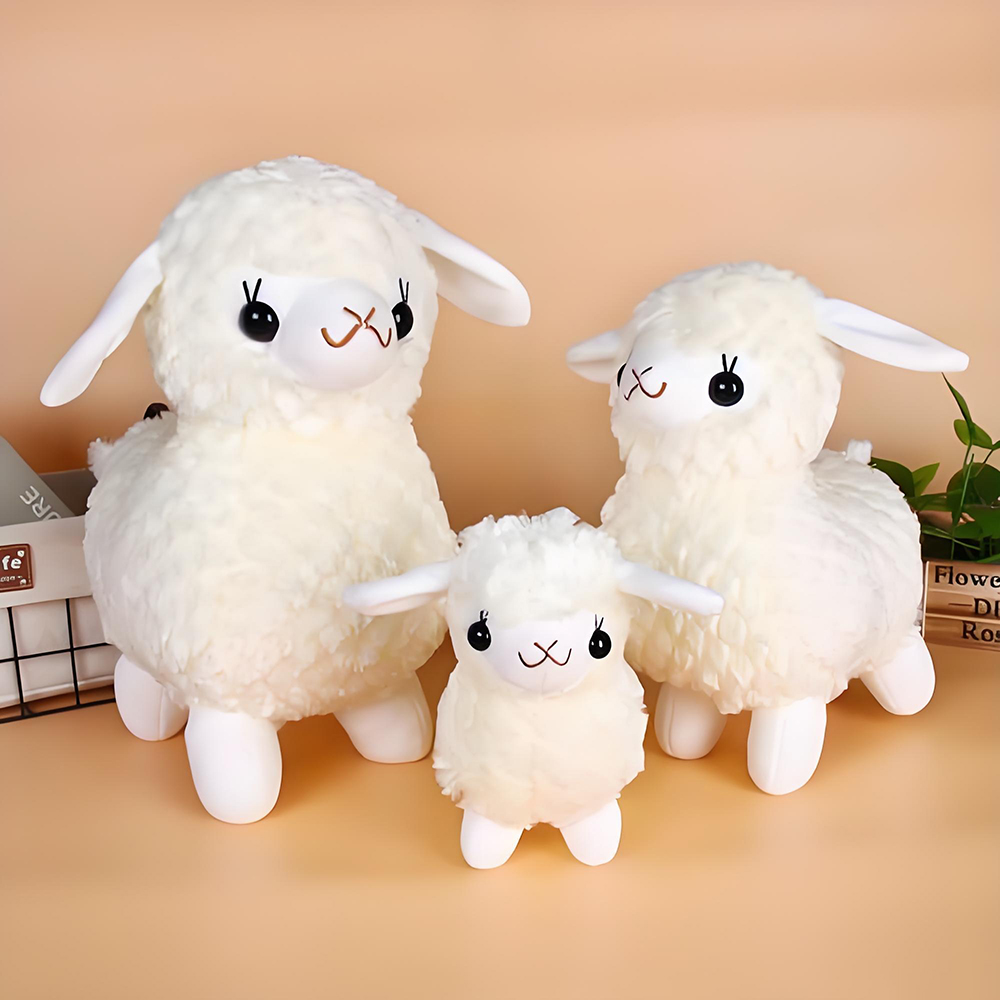
Minky Fabric: Softness and Visual Consistency
Minky is widely used for retail plush toys because of its smooth texture and stable color performance.
It works well for character-driven designs where surface consistency matters.
Considerations:
- Higher fabric cost than basic polyester
- Limited tolerance for frequent sample revisions
- Performs best with embroidery rather than heavy printing
Cotton and Cotton Blends: Breathability Over Shine
Cotton-based fabrics are often selected for eco-oriented or baby-focused products.
They provide a natural hand feel but are less forgiving in mass production.
Considerations:
- Shrinkage control must be addressed early
- Not ideal for complex 3D shaping
- Sampling may require multiple adjustments
Sherpa and Fleece: Volume and Warmth
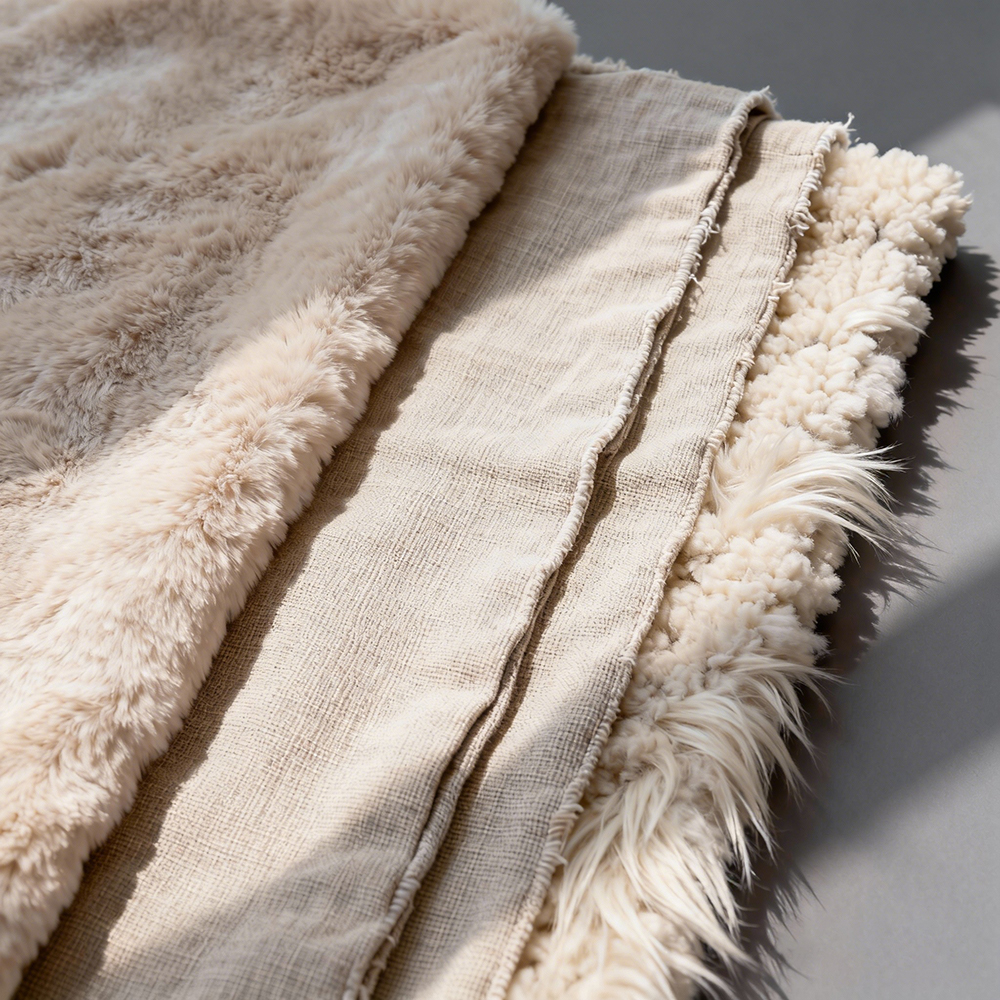
Sherpa offers a thick, fluffy appearance, often used for seasonal or comfort-oriented plush items.
It visually enlarges the product but hides fine details.
Considerations:
- Higher fabric consumption per unit
- Stitching visibility is reduced
- Detail precision is limited
How Material Choice Impacts Cost and MOQ
Material is a major cost driver, but not only because of fabric price.
Cutting loss, yield rate, and sourcing stability all influence MOQ requirements.
For example, specialty fabrics may require higher minimum fabric purchases, which directly raises the project’s entry threshold—even if the toy itself is small.
Sampling Reality: What Can and Cannot Be Easily Changed
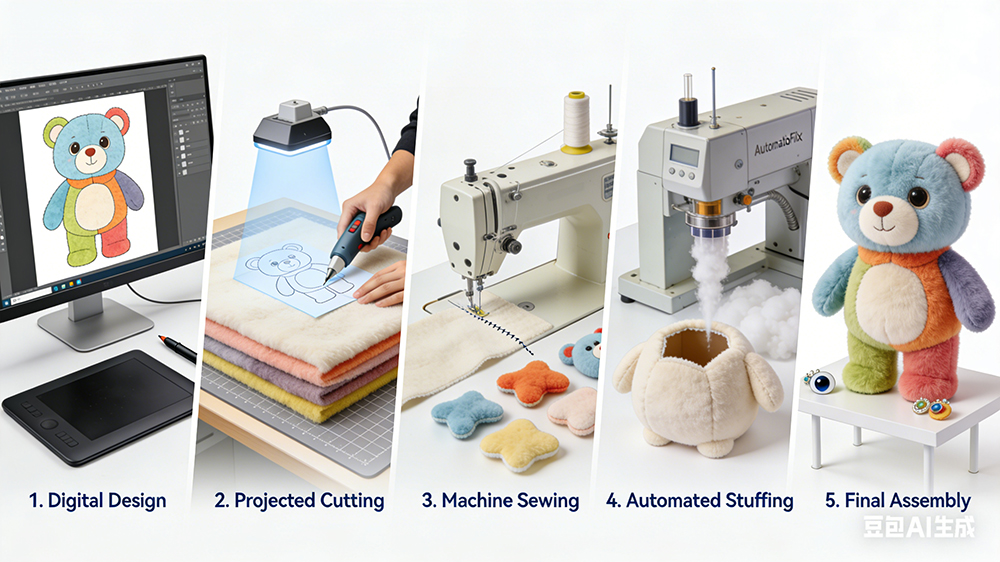
Not all materials are equally flexible during sampling workflow.
Short-pile fabrics allow easier revisions to shape and proportion, while long-pile or textured materials often require re-cutting entire sections.
For buyers planning iterative refinement, sample material options flexibility should be evaluated before approving the first prototype.
Quality Control Risks by Material Type
Quality Control Risks by Material Type
Based on approved plush samples, each material introduces different inspection focus points:
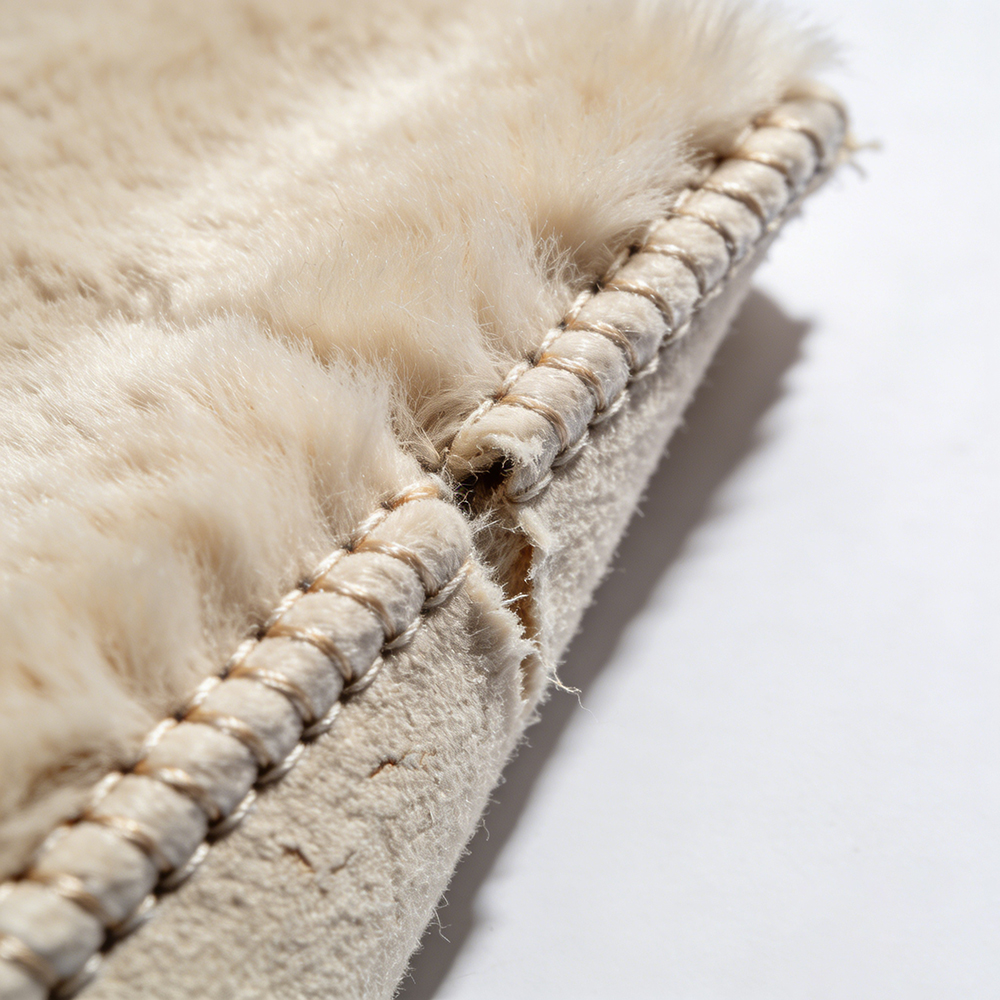
- Pile shedding and seam stability
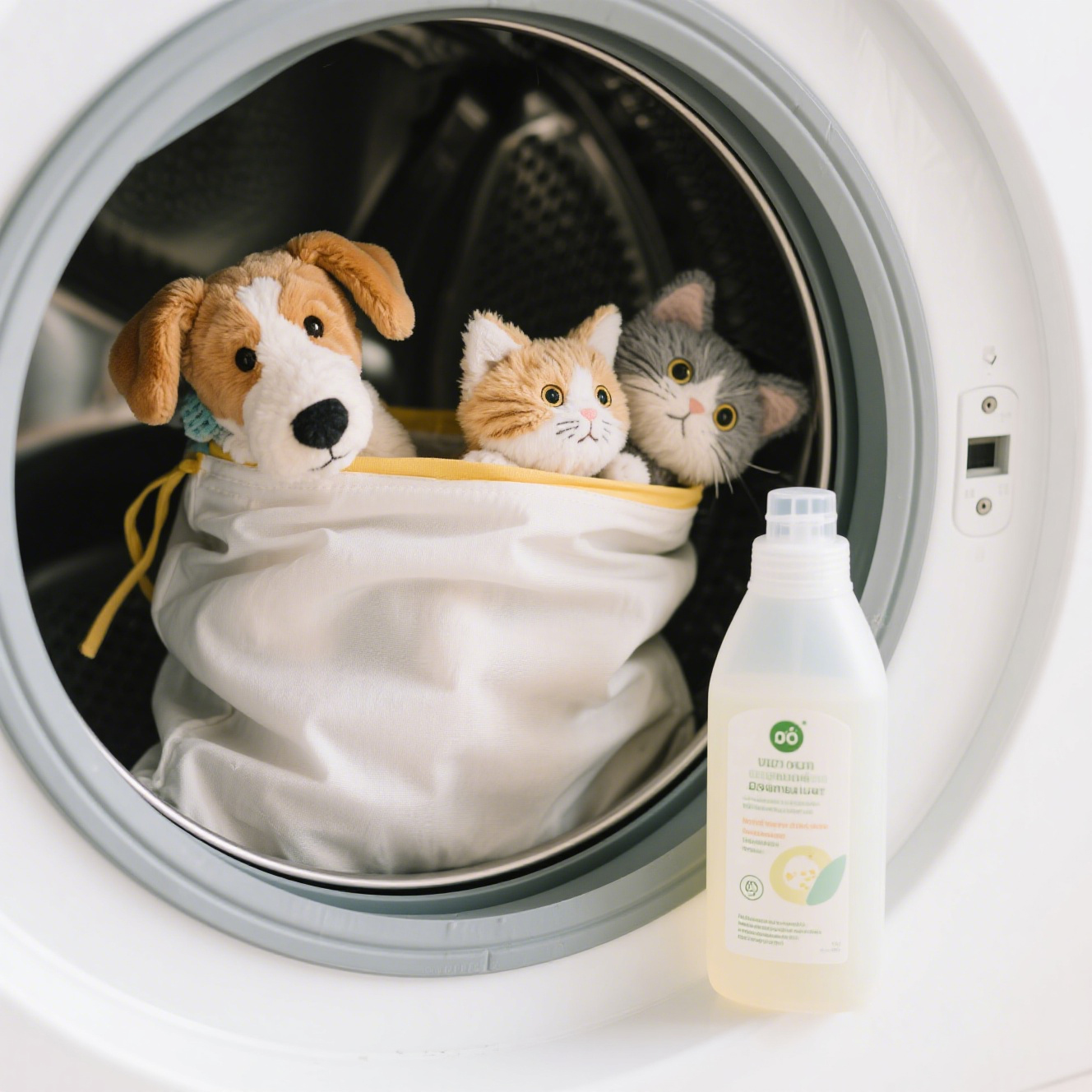
- Color migration after washing
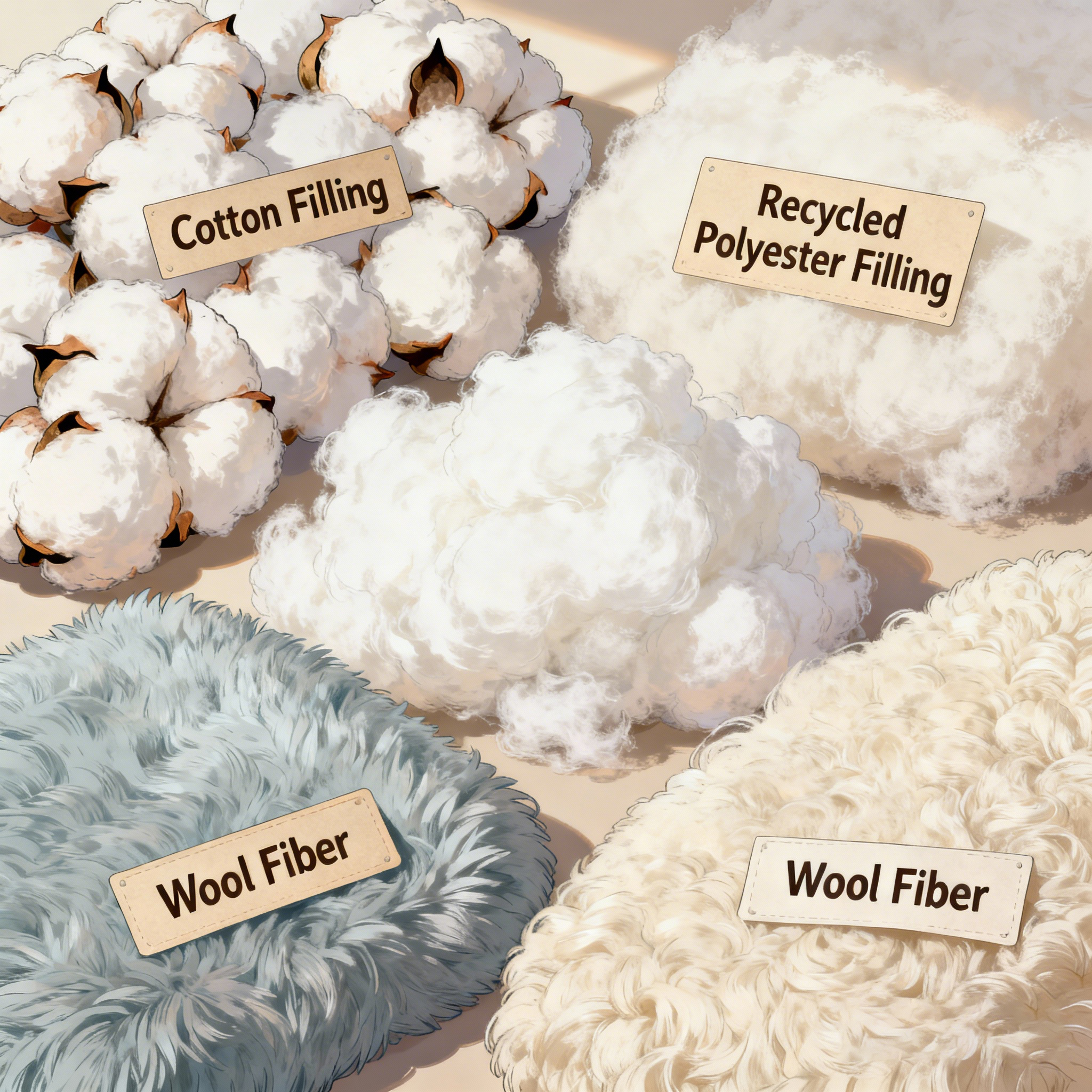
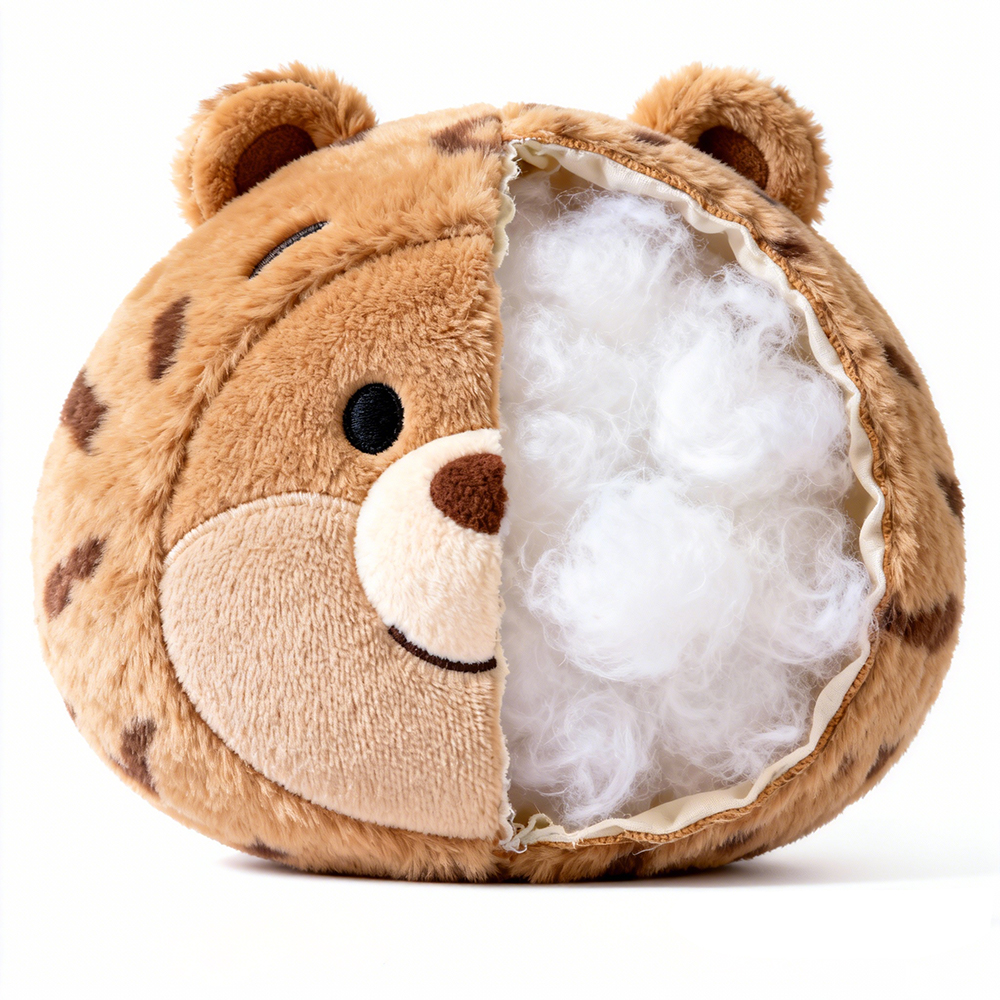
- Filling exposure under stress
Understanding these risks early, and validating them against approved plush samples, helps define inspection standards before bulk production.
Compliance Considerations for the U.S. Market
Surface fabric and internal stuffing must align with U.S. safety expectations.
Certain recycled or blended materials may require additional documentation or testing confirmation before market entry.
Material selection should therefore be aligned with the intended age group and usage scenario, not aesthetics alone.
Who These Materials Are Suitable For
Best fit for:
- Brand owners with defined target markets
- Buyers planning structured sampling timelines
- Projects requiring predictable quality outcomes
Who Should Reconsider Certain Materials
May not be ideal for:
- Very low-volume custom runs
- Projects requiring frequent last-minute design changes
- Buyers prioritizing speed over material specificity
FAQ|Plush Toy Materials (B2B Focus)
1. Does fabric choice affect minimum order quantity?
Yes. Fabric choice directly influences MOQ, even when the toy design itself is simple.
Some materials require higher minimum fabric purchases from upstream suppliers, which can raise the overall project entry point. Specialty or less common fabrics often increase MOQ more than standard plush materials.
2. Which materials are easier to adjust during sampling?
Short-pile and smooth fabrics are generally easier to revise during sampling.
They allow adjustments to proportions, seams, and facial placement without requiring a full material re-cut. Long-pile or textured fabrics limit fine revisions and usually increase resampling cost and time.
3. How does pile length impact stitching durability?
Pile length affects both seam strength and visual inspection.
Longer piles can conceal stitching issues but may increase seam stress during use. Shorter piles expose stitching clearly, making quality control more straightforward but less forgiving of sewing inconsistencies.
4. Are certain materials more suitable for pet plush toys?
Yes. Pet plush toys typically require materials with higher tear resistance and seam stability.
Softness alone is not sufficient—fabric density and reinforcement compatibility are more critical for toys intended for chewing or pulling behavior.
5. Can different materials be mixed in one plush design?
They can, but material mixing increases complexity.
Each fabric behaves differently during cutting and sewing, which can affect alignment, durability, and appearance. Mixed-material designs should be evaluated carefully during sampling to avoid uneven wear or visual imbalance.
6. How early should material be finalized in a project?
Material selection should be confirmed before the first formal prototype.
Changing materials after sampling often resets cost calculations and may require new pattern adjustments. Early material decisions help stabilize timelines and reduce unexpected revisions.
7. What causes color variation between samples and bulk?
Color variation is usually caused by fabric dye batch differences or lighting conditions during inspection.
Even with the same color reference, production batches may show slight shifts. Clear color standards and pre-production approvals help minimize this risk.
8. Are natural fabrics harder to control in mass orders?
Generally, yes.
Natural fibers are more sensitive to humidity, shrinkage, and dye absorption. This can lead to higher variation between units, which requires tighter quality checks and realistic tolerance expectations.
9. How does material choice affect shipping volume?
Fabric thickness and pile density influence both carton size and compressibility.
Fluffier materials occupy more space per unit, increasing shipping volume even if the product weight remains similar. This should be considered during cost planning.
10. Which materials require additional testing for the U.S.?
Materials used in children’s or pet products may require additional safety verification.
Surface fabrics, dyes, and stuffing must align with U.S. safety expectations. Certain recycled or blended materials may need extra documentation before market entry.