
Introduction
When evaluating a custom plush project, quality inspection is not a single checkpoint. It is a series of judgments made across samples, materials, structure, and tolerances. For buyers sourcing for the U.S. market, understanding how to assess plush toy quality early helps prevent downstream issues in cost, timelines, and compliance.
This article explains what we typically check during plush toy quality inspection, and why each step matters from a procurement perspective.
Sample Consistency Comes First
Why the approved sample sets the baseline
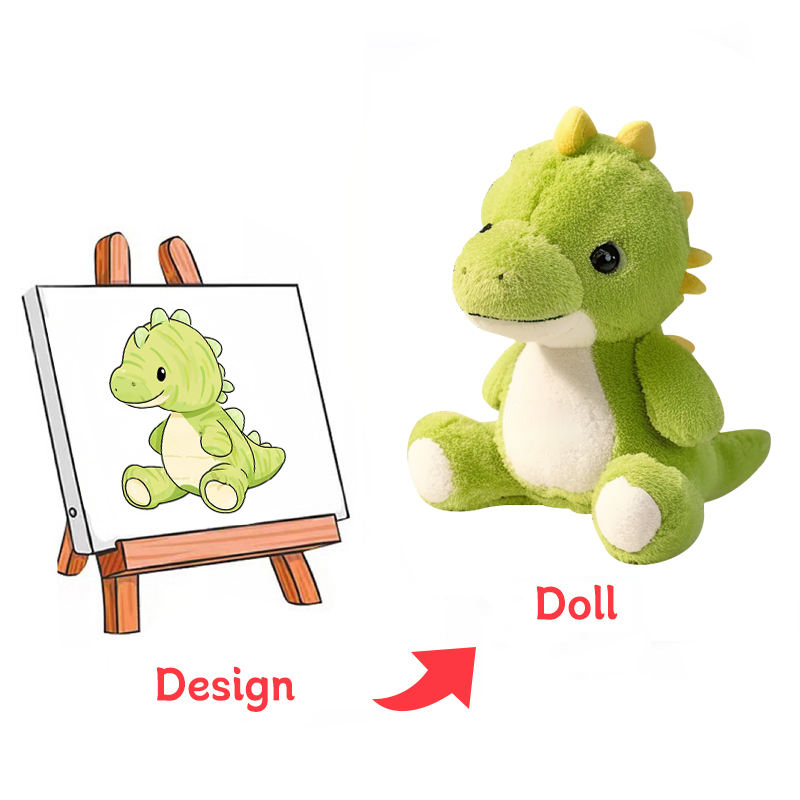
In plush projects, the approved sample is the only reliable quality reference. Every later inspection should answer one question: does this unit match the confirmed sample?
Visual similarity alone is not enough. We compare size, weight, hand feel, embroidery placement, and structural firmness against the approved sample. Any deviation needs a clear reason, not an assumption.
What buyers often miss at this stage
Some buyers focus on appearance but overlook internal structure or filling density. These details are harder to correct later and directly affect durability and perceived value.
Materials and Touch Are Quality Indicators
Fabric selection and surface feel
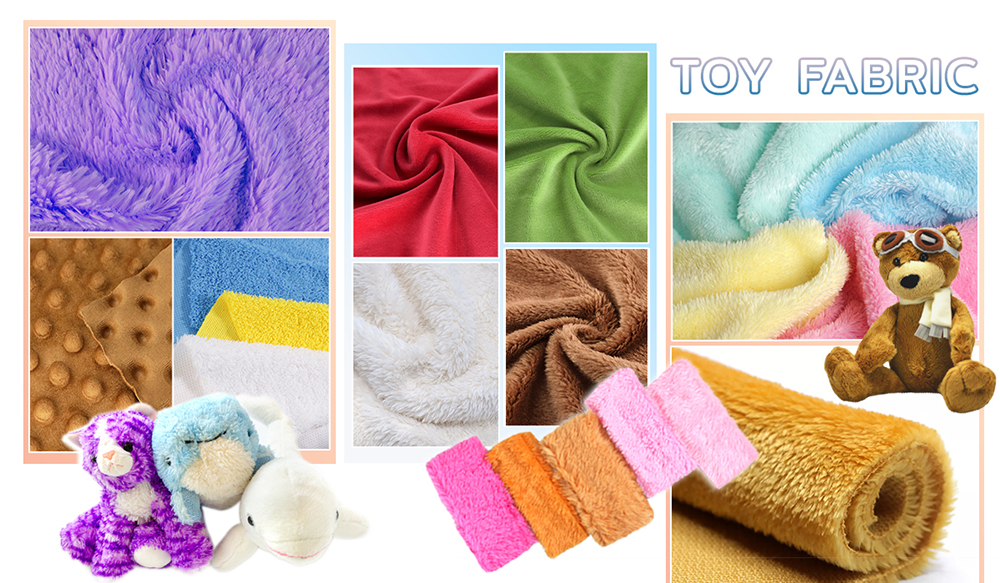
Plush quality is closely tied to fabric behavior. Pile length, fiber density, and surface shedding should be checked by hand, not just by specification.
Different markets tolerate different textures. For the U.S., buyers usually prefer consistent hand feel across batches rather than extreme softness that degrades quickly.
Filling material and recovery
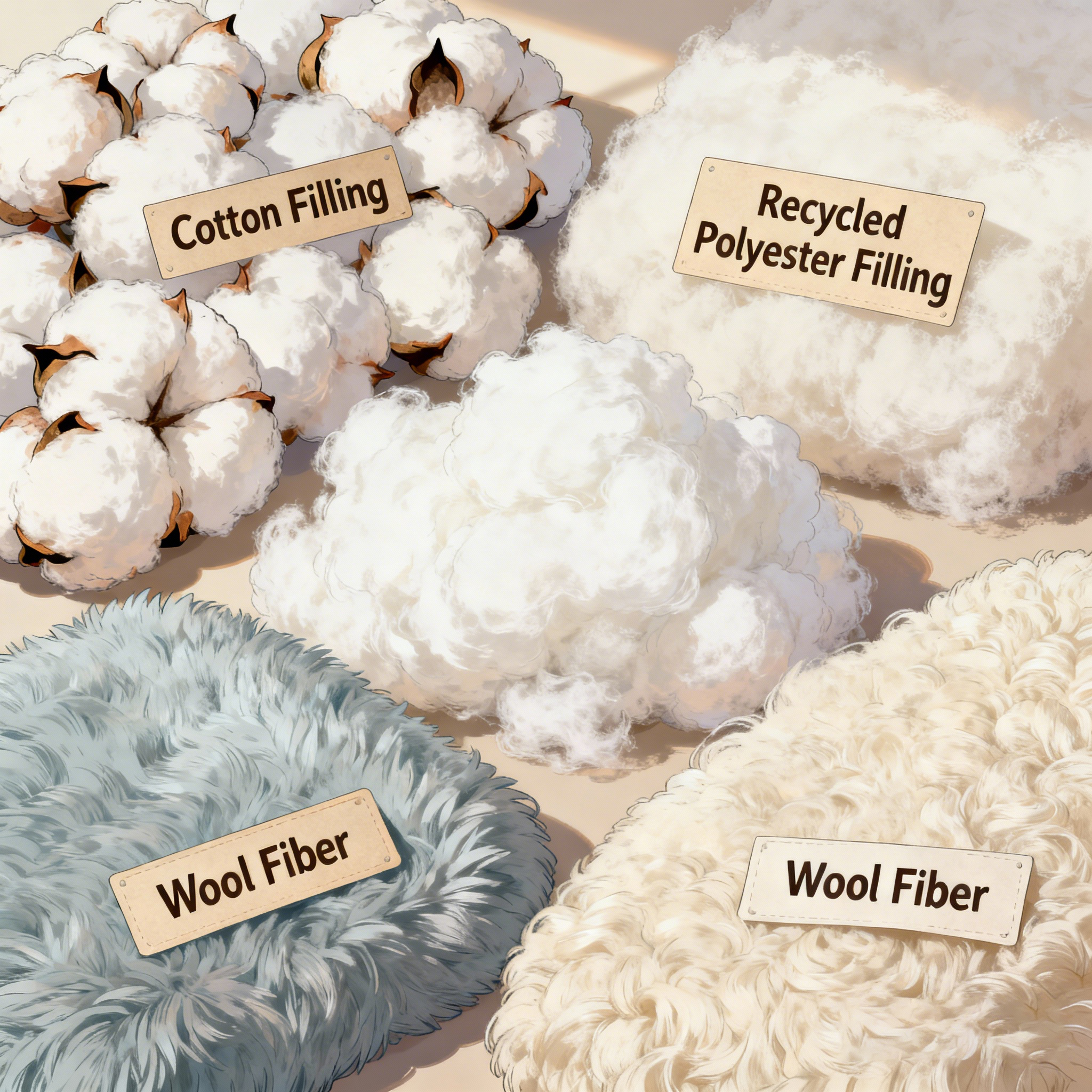
Squeeze recovery is a simple but effective test. Poor rebound often indicates inconsistent filling or low-grade fiber, which impacts both durability and shipping compression.
Stitching and Structural Integrity
Stitch density and stress points
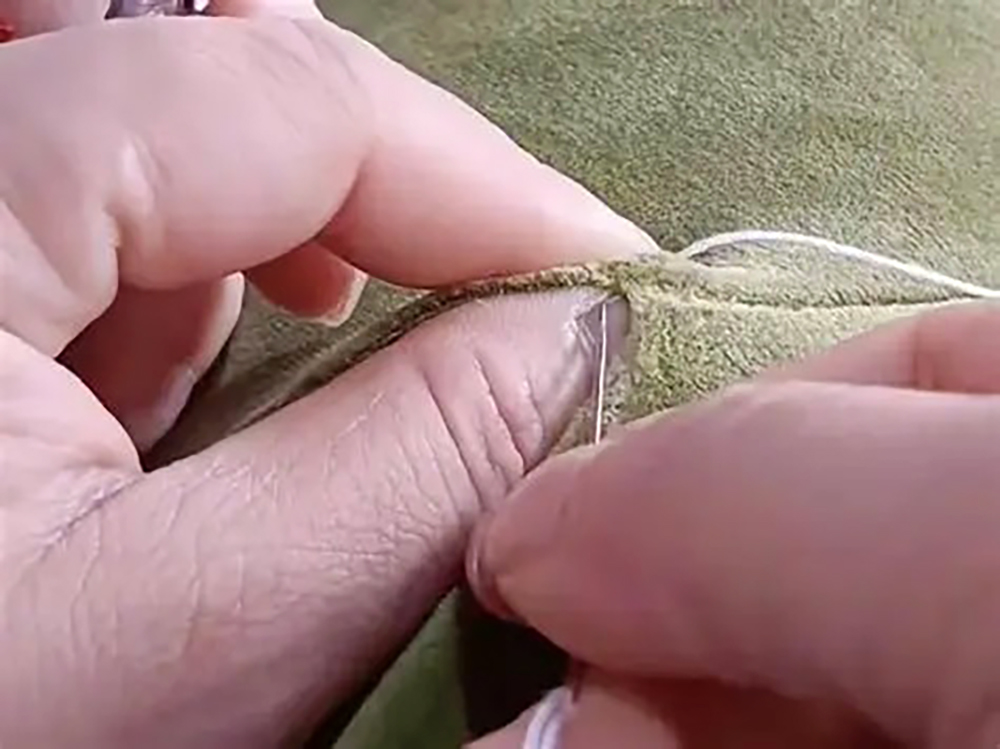
Loose stitching rarely fails in the center. It fails at seams, corners, and attachment points. These areas deserve closer inspection than flat surfaces.
We pay special attention to areas around limbs, ears, and hanging loops, where repeated pulling concentrates stress.
Internal construction matters
Two toys can look identical externally while behaving very differently after use. Internal seam reinforcement is often invisible but critical for long-term quality.
Size Accuracy and Tolerance Control
Why small deviations matter
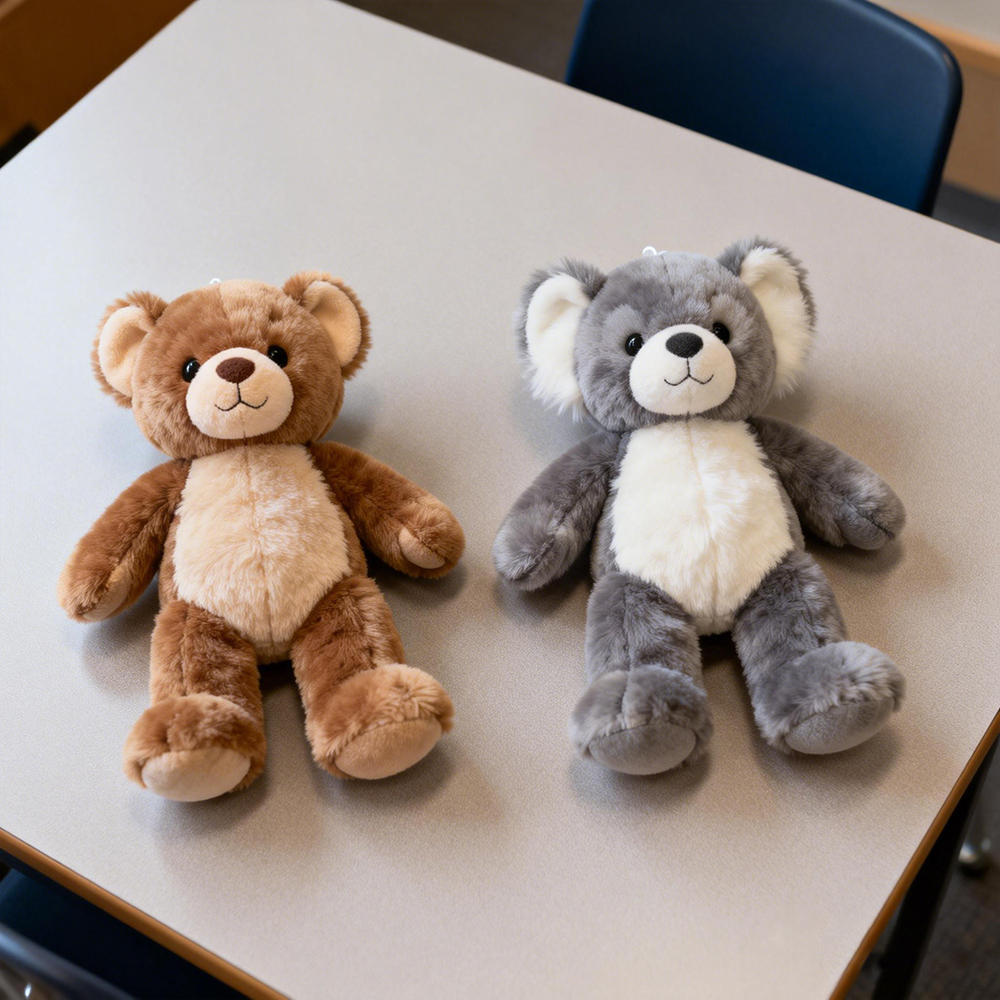
A 5–8 mm size variance may seem minor, but it can affect packaging fit, carton counts, and even retail shelf presentation.
Buyers should clarify acceptable tolerances early, rather than assuming “close enough” will be acceptable later.
Measuring consistently
Measurements should always follow the same method and reference points. Inconsistent measuring creates confusion rather than insight.
Functional Parts and Accessories
Squeakers, cords, and decorations
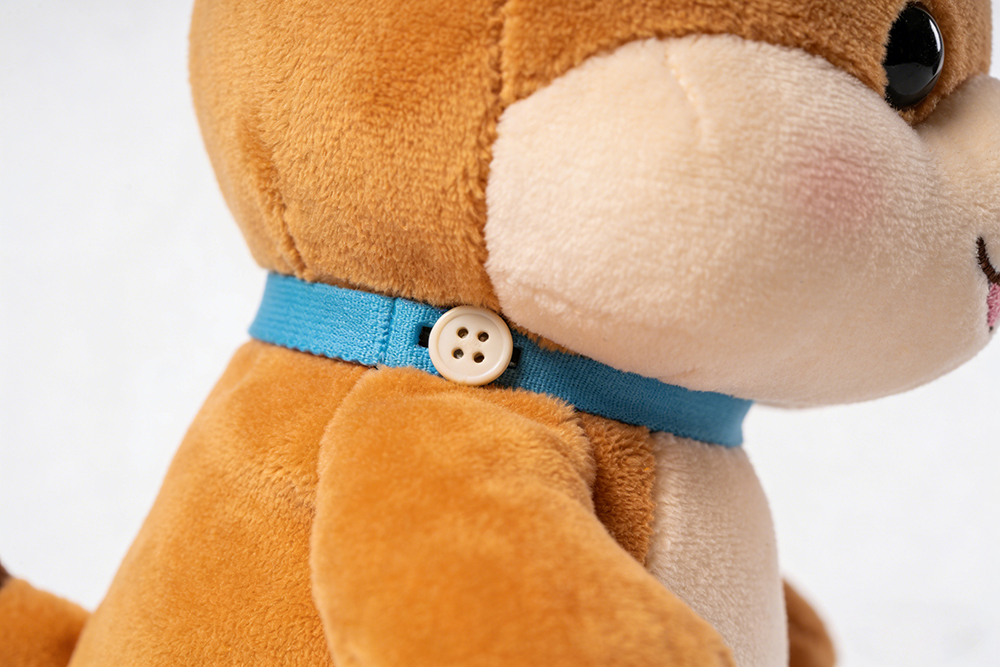
Any functional or added component introduces risk. Squeakers should respond consistently, cords should be firmly secured, and decorative elements should resist pull force.
We recommend testing these parts repeatedly rather than relying on a single pass check.
Risk concentration awareness
Most quality issues arise from a small number of components. Identifying these early reduces inspection complexity.
Inspection, Sampling, and Cost Reality
Sampling is part of quality control
Sampling is not a formality. It is where design assumptions meet physical reality. Changes at this stage are far less costly than corrections after bulk production.
Projects with low MOQs often have tighter quality-cost boundaries, which should be acknowledged upfront.
Understanding acceptable variation
No plush project is perfectly uniform. The key is distinguishing acceptable variation from systemic inconsistency that signals process problems.
Who This Inspection Approach Fits — and Who It Doesn’t
Suitable for:
This approach works well for buyers who value consistent sample outcomes, repeatability, and long-term sourcing stability, especially for branded or regulated markets.
Not suitable for:
It may not fit buyers seeking the lowest possible unit cost with minimal sampling, or those comfortable with wide batch variation.
FAQ
What is the most important factor in plush toy quality inspection?
The approved sample is the most important reference. All inspections should compare against it rather than against assumptions or drawings.
How many samples should be reviewed before bulk production?
At least one fully approved pre-production sample is essential. For complex designs, additional iterations help reduce risk.
Are small stitching issues acceptable?
Minor cosmetic variations can be acceptable. Structural stitching issues at stress points are not and should be corrected.
How do buyers judge filling quality?
Buyers should test squeeze recovery, weight consistency, and internal firmness rather than relying on visual checks alone.
What size tolerance is reasonable?
This depends on the design, but tolerance should be clearly defined before production. Ambiguity leads to disputes.
Do lower MOQs affect quality consistency?
Lower MOQs often limit process optimization, which can increase variability. This trade-off should be understood early.
How often should inspections happen?
Sampling and inspection stages should occur at sample approval, early production, and before shipment. Skipping stages increases risk.
Is third-party inspection always necessary?
Not always. It depends on buyer experience, order value, and complexity. Internal checks can be sufficient for simpler projects.