
Introduction
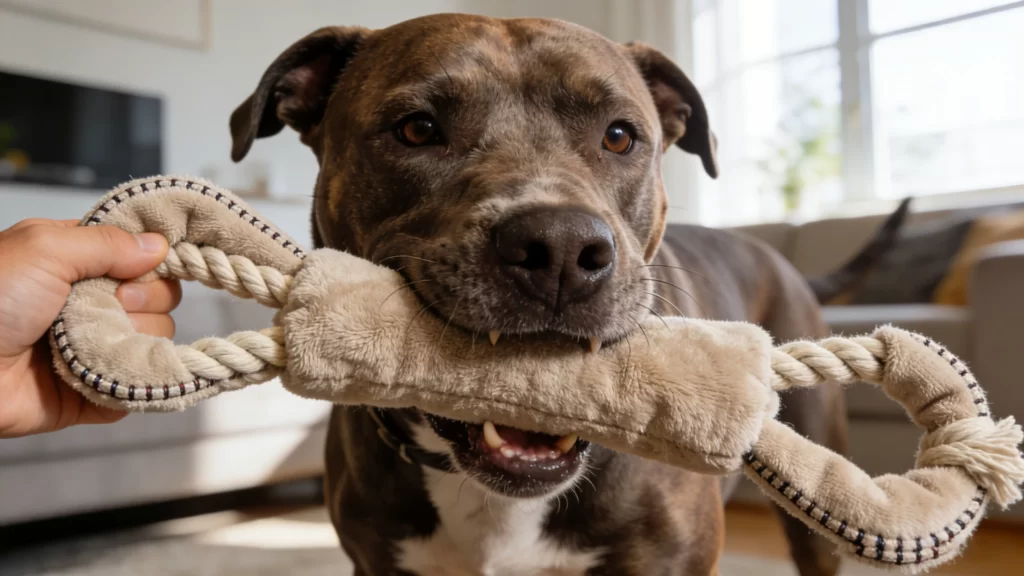
As pet owners, we cherish those cuddly soft dog toys and plush cat toys that bring joy to our pets. Yet over time, saliva, dirt, and even germs can accumulate — making those beloved items not so lovable after all. Cleaning and disinfecting plush pet toys is essential to prevent mold and bacteria, remove odors, and keep your furry friends safe. In this guide, you’ll learn practical steps, and how to incorporate eco-friendly pet care routines into your cleaning.
Why Clean Plush Pet Toys Matters
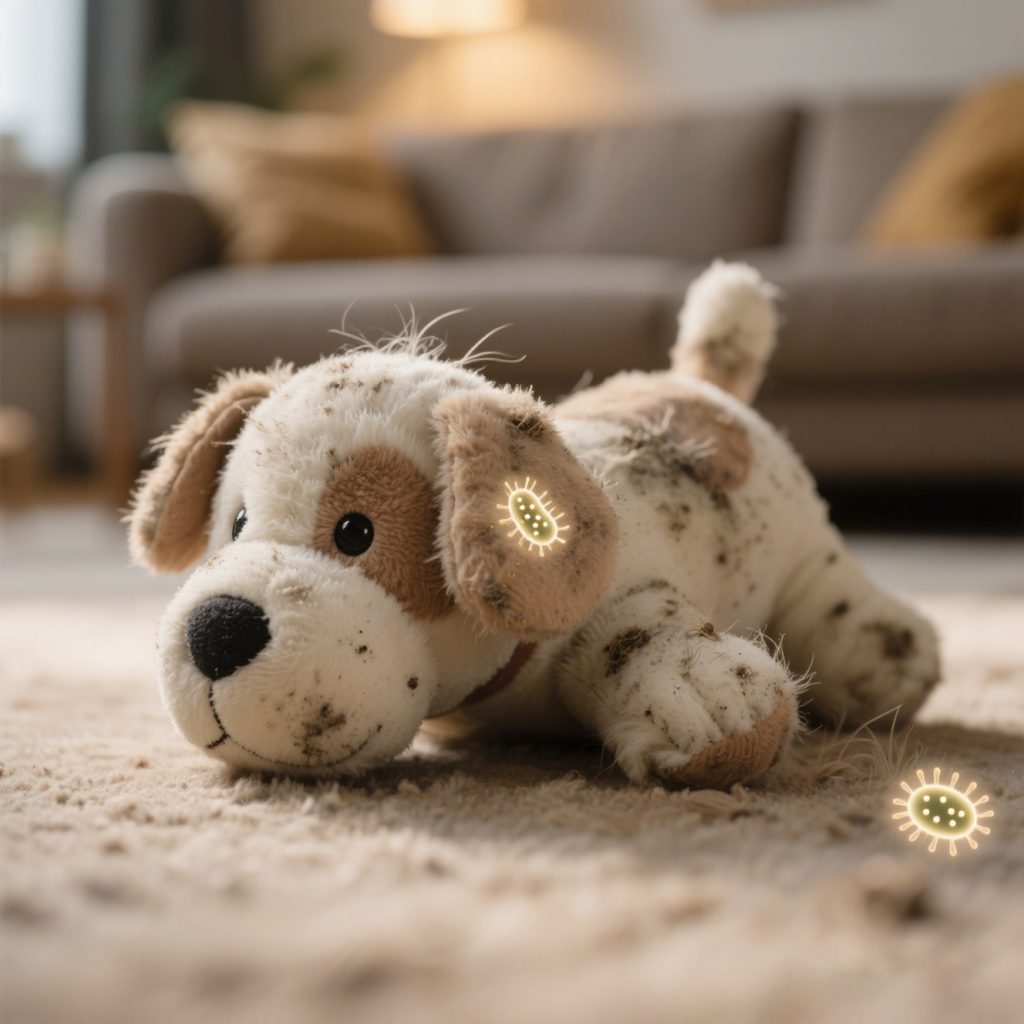
Plush toys are porous and absorbent. Moisture, drool, or dirt can soak in, creating a cozy environment for bacteria or mold to grow. For pet hygiene and health, regular maintenance is more than just aesthetics — it’s about preventing disease, bad smells, and keeping playtime safe. Dirty toys may harbor germs that could upset your pet’s stomach or trigger allergies. By committing to a pet toy care routine, you protect both your pet and your home environment.
Preparing for Cleaning: What to Know First
Before diving in, check whether the toy is labeled as washable. If it’s among washable plush dog toys or machine washable pet toys, you’re in luck. For delicate plush toys or those with parts (like squeakers), consider hand washing pet toys instead. Always ensure cleaning supplies qualify as pet-safe: gentle laundry detergent for pet toys, non-toxic cleaning for pet toys, or a pet-safe disinfectant. Avoid harsh chemicals or scented detergents that may irritate your pet or leave residue.
How to Wash Plush Pet Toys
Machine Washing Method
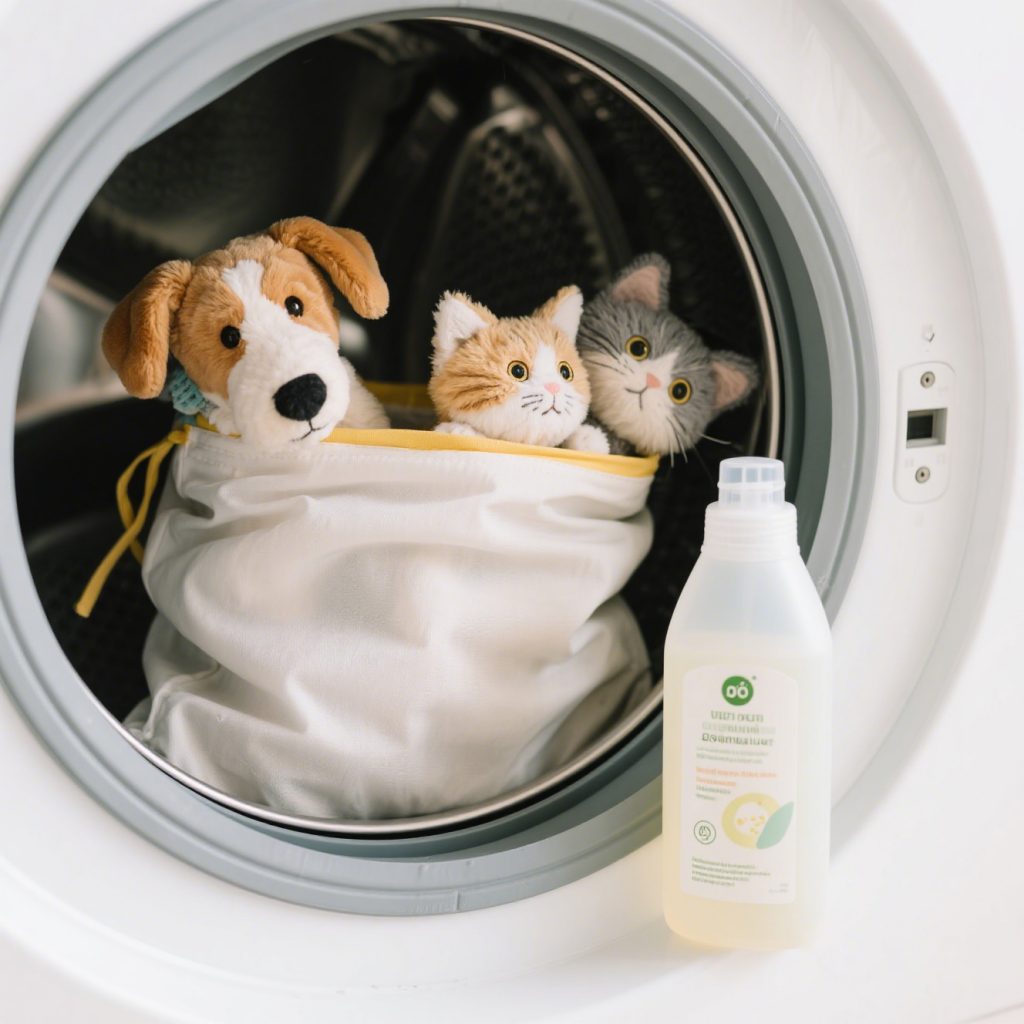
For sturdy plush toys without delicate components, machine washing is often the best way to clean plush pet toys. Use a gentle cycle with warm—but not scalding—water, along with a mild, unscented detergent. Placing toys in a mesh bag helps protect them during the spin. After washing, rinse thoroughly, then dry completely, either in a dryer set to low heat or via air drying. Complete drying is essential to prevent mold or mildew forming inside the fabric.
Hand Washing Method
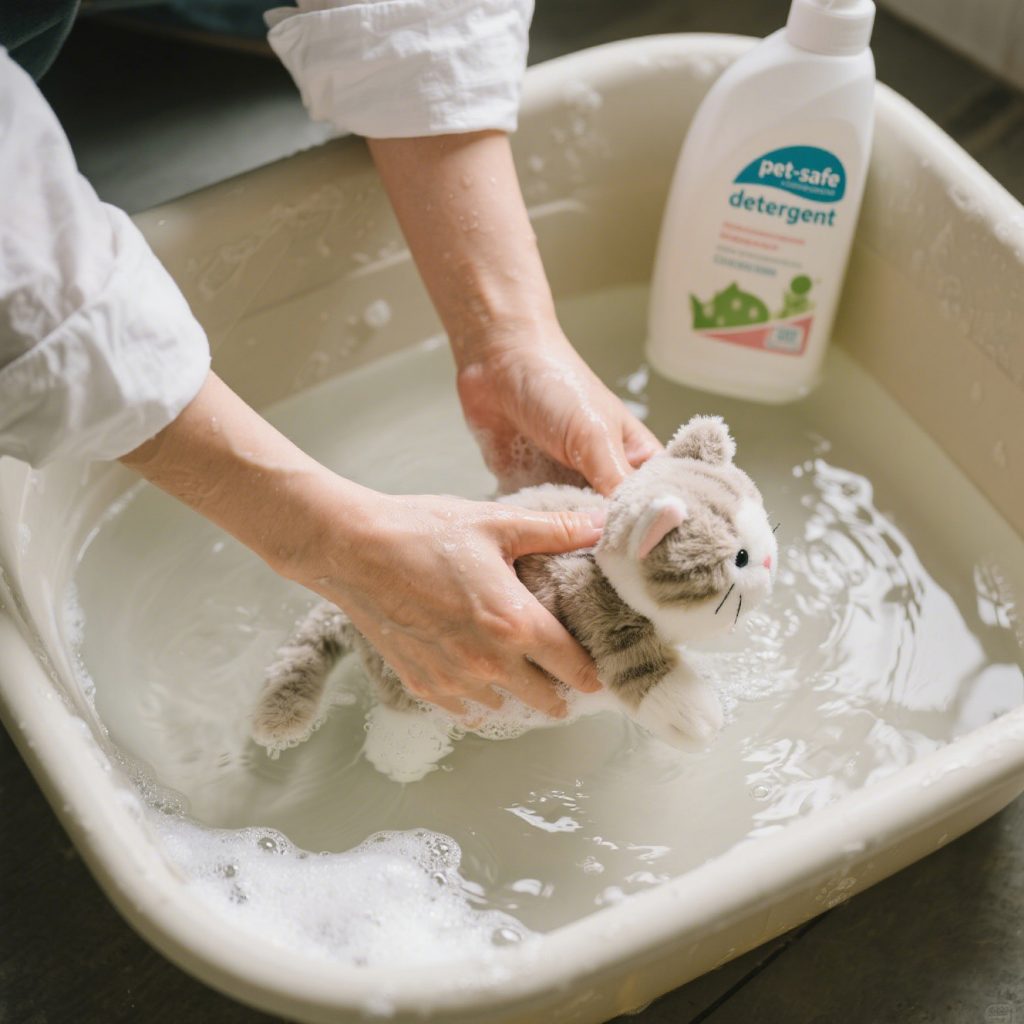
If a toy is fragile, has glued seams, plastic parts, or embedded squeakers, hand wash it. Fill a basin with warm water and add pet-safe detergent. Gently scrub — a soft brush or cloth works well to lift dirt, drool stains, or grime. Rinse thoroughly until no soap residue remains. To further refresh, you might sprinkle a bit of baking soda to assist in removing lingering odors, then rinse again and let the toy air dry. This is a gentle but effective method, especially good for plush toys that cannot withstand the rigors of a washing machine.
Disinfecting Plush Pet Toys Safely
Cleaning removes visible dirt, but disinfecting helps kill harmful bacteria or viruses lurking beneath the surface. However, it’s important to use pet-safe disinfectants. Some pet-safe sprays or solutions avoid harsh chemicals. For soft toys, avoid bleach or strong chemicals — they can damage the fabric or irritate your pet. Instead, a mild pet-safe disinfectant or natural cleaning methods for pets (like a weak vinegar solution, if recommended for that toy) may work. According to guidelines from the CDC, using pet-safe disinfectants is essential when sanitizing plush toys to avoid harmful chemical exposure. After applying, ensure full drying before returning the toy to your pet. This step of sanitization helps keep the environment hygienic, especially if your pet recently recovered from illness or has a sensitive immune system.
Odor Removal, Drying, and Maintenance Tips
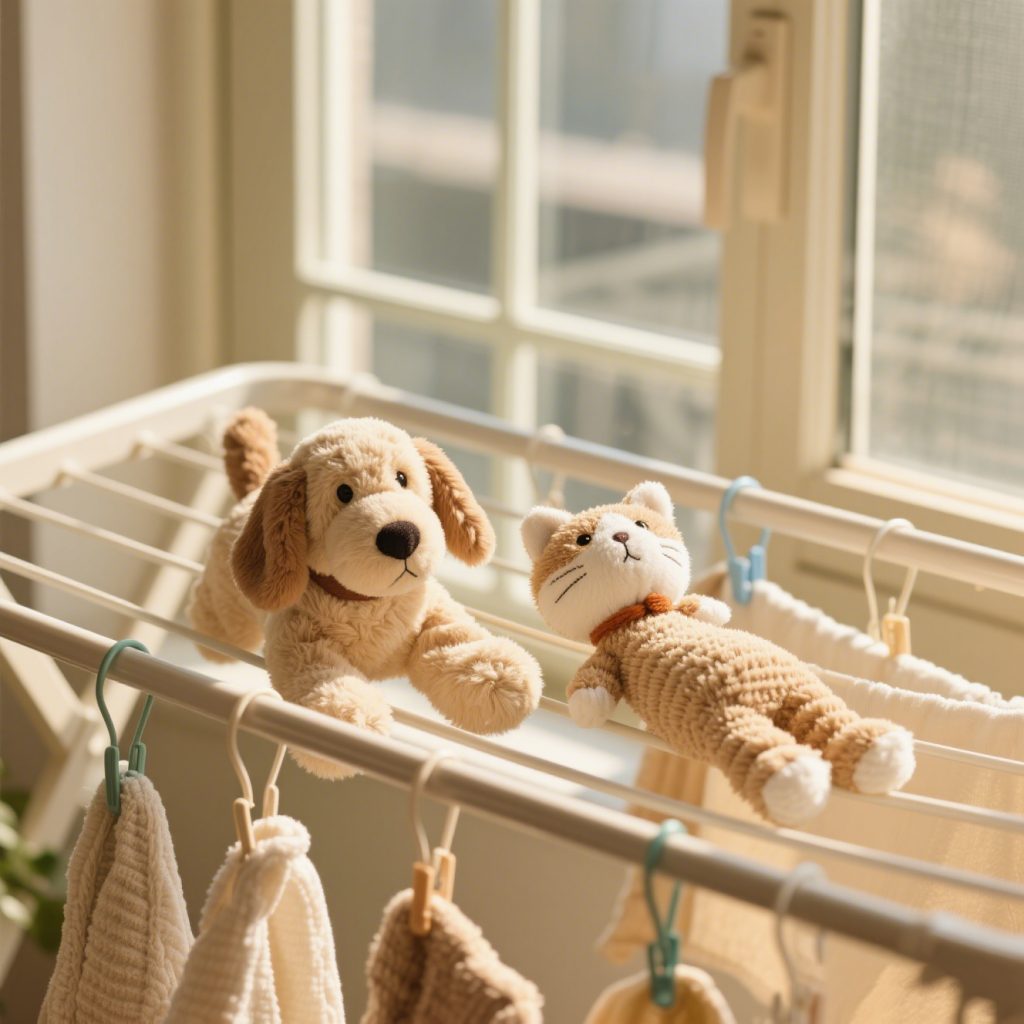
Often, the unpleasant smell is what alerts you to do a deep cleaning. A mix of gentle washing and odor-neutralizing agents like baking soda can help removing odor from pet toys. Always dry plush toys thoroughly — dampness can lead to mildew or bacteria growth. For drying plush pet toys, air drying in a well-ventilated area is ideal. Some plushes tolerate dryer on low heat gently, but only if manufacturer instructions allow it.
Set a cleaning frequency for plush toys based on usage: for toys used daily — monthly cleaning is a minimum, but more frequent cleaning may be necessary if they get very dirty or smelly. For less frequently used toys, every few months may suffice. Maintaining a regular pet toy care routine ensures long-term hygiene and safety.
Tips for Eco-Friendly and Safe Cleaning
If you prefer eco-friendly cleaning pet toys, choose non-toxic cleaning for pet toys — mild detergents, or natural cleaning methods, such as baking soda and water or pet-safe disinfectants. Avoid scented detergents, bleach, or strong chemical cleaners. A gentle laundry detergent for pet toys, used correctly, removes dirt and odor without harming fabric or your pet. This approach supports overall eco-friendly pet care and aligns with responsible pet hygiene practices.
Conclusion
In the end, the health and happiness of your pet depend not only on food and love — but also on the cleanliness of their belongings. By following best practices — washing, sanitizing, odor control, and proper drying — you ensure plush toys remain soft, safe, and inviting. With patience and a bit of routine, cleaning and disinfecting plush pet toys becomes second nature. Your pet gets a fresh toy, and you get peace of mind.