
Understanding What Shapes the Price
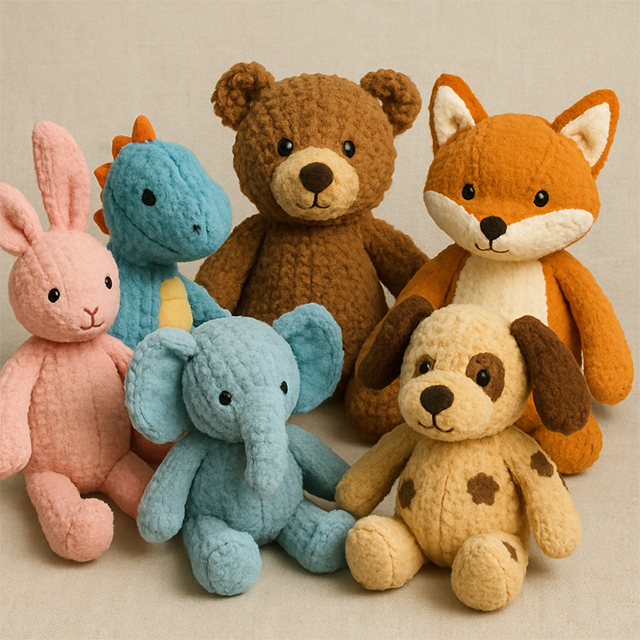
Creating a plush toy seems simple at first glance, yet the moment you explore the idea of customizing plushies, the process reveals a surprisingly layered structure. Costs are influenced by design work, prototype development, materials, sewing complexity, and—most significantly—order quantity, which can dramatically shift the final price per unit.
Why Custom Plush Toys Vary So Much
Some plush designs are straightforward, with soft curves and minimal stitching. Others demand intricate embroidery, specialty fabrics, or accessories. These details help determine whether a plush becomes budget-friendly or a premium creation.
For a deeper look into fabric types commonly used in toys, you can check resources like the Textile Industry overview on external platforms such as FabricLink (https://fabriclink.com).
Breaking Down the Main Cost Factors
1. Design & Concept Development
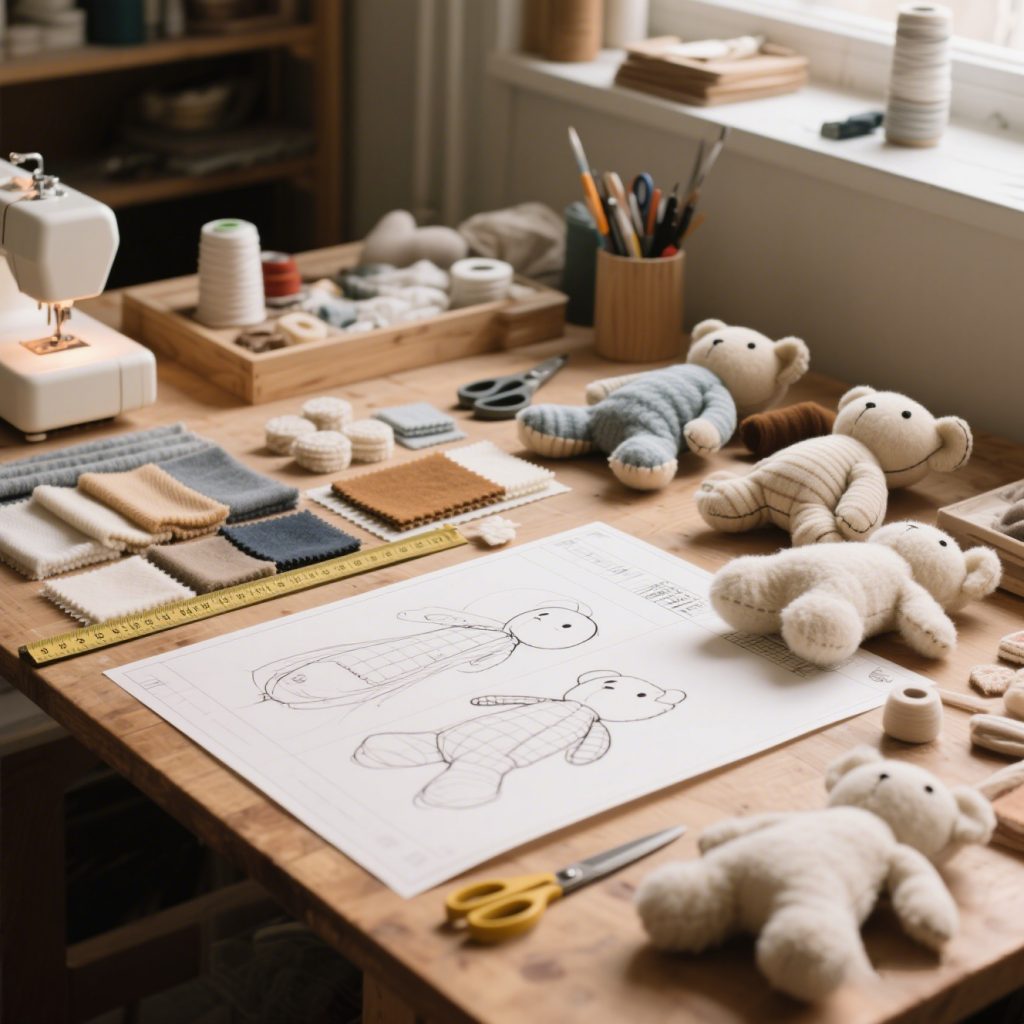
Every custom plush begins with a concept sketch. Sometimes clients provide clear reference images; other times the design team starts from scratch. The more detailed the idea, the more hours the designer invests. This early stage may feel small, but it sets the tone—and budget—for everything that follows.
2. Prototype Creation
Prototyping is where ideas turn into something tangible. A skilled crafting team cuts patterns, selects materials, and adjusts proportions until the plush toy feels alive. A perfect sample can take one attempt—or several. Each revision adds incremental cost.
If you’re curious about how product prototyping works in general, ProductPlan offers helpful guidance (https://www.productplan.com).
3. Fabrics, Fillings & Features
Material choice influences durability, softness, safety, and, of course, cost. High-pile fabrics and complex embroidery naturally cost more than basic fleece or felt. Weighted beads, squeakers, wire armatures, and accessories also raise the price.
4. Complexity of Construction
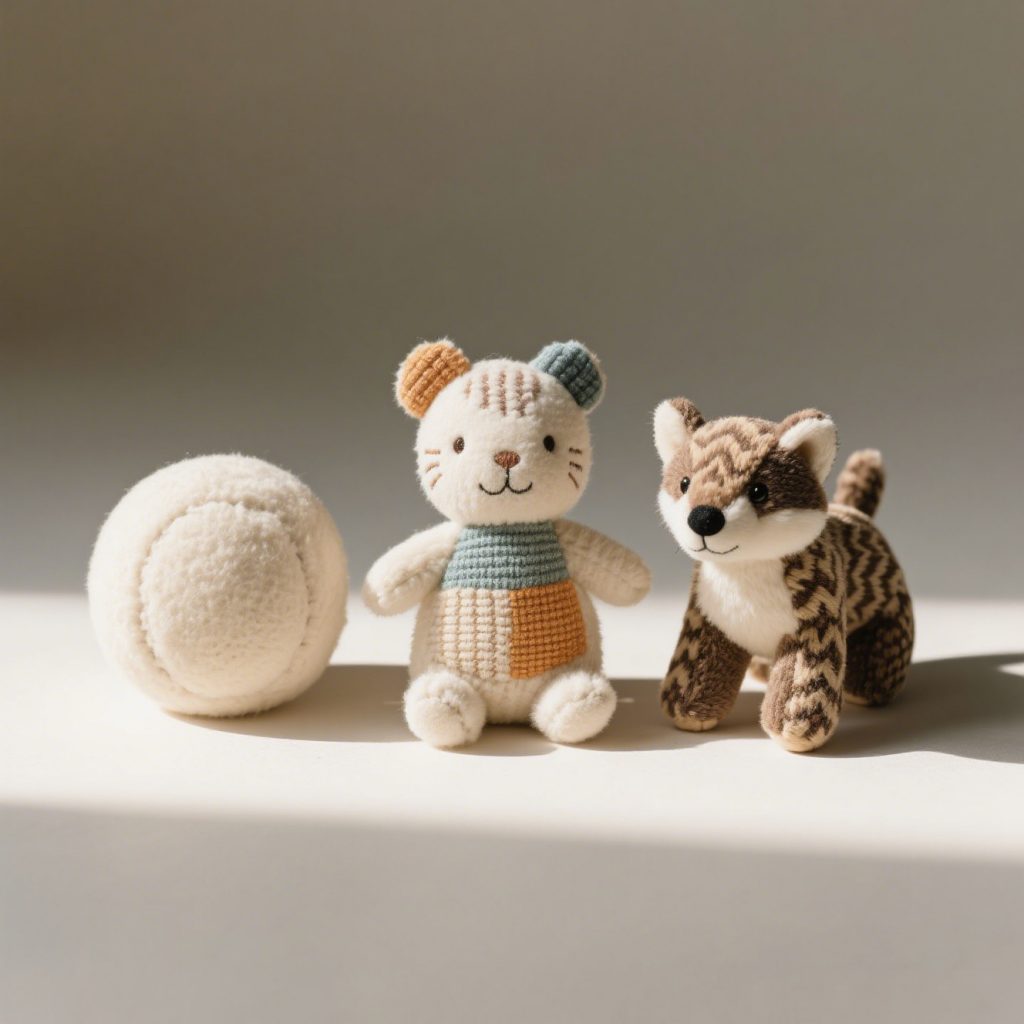
Some plush toys are simple silhouettes. Others require jointed limbs, multi-layer appliqués, expressive faces, or complex color block work. Each additional element increases the time required for sewing, which increases overall cost.
5. Order Quantity (The Big Cost Changer)
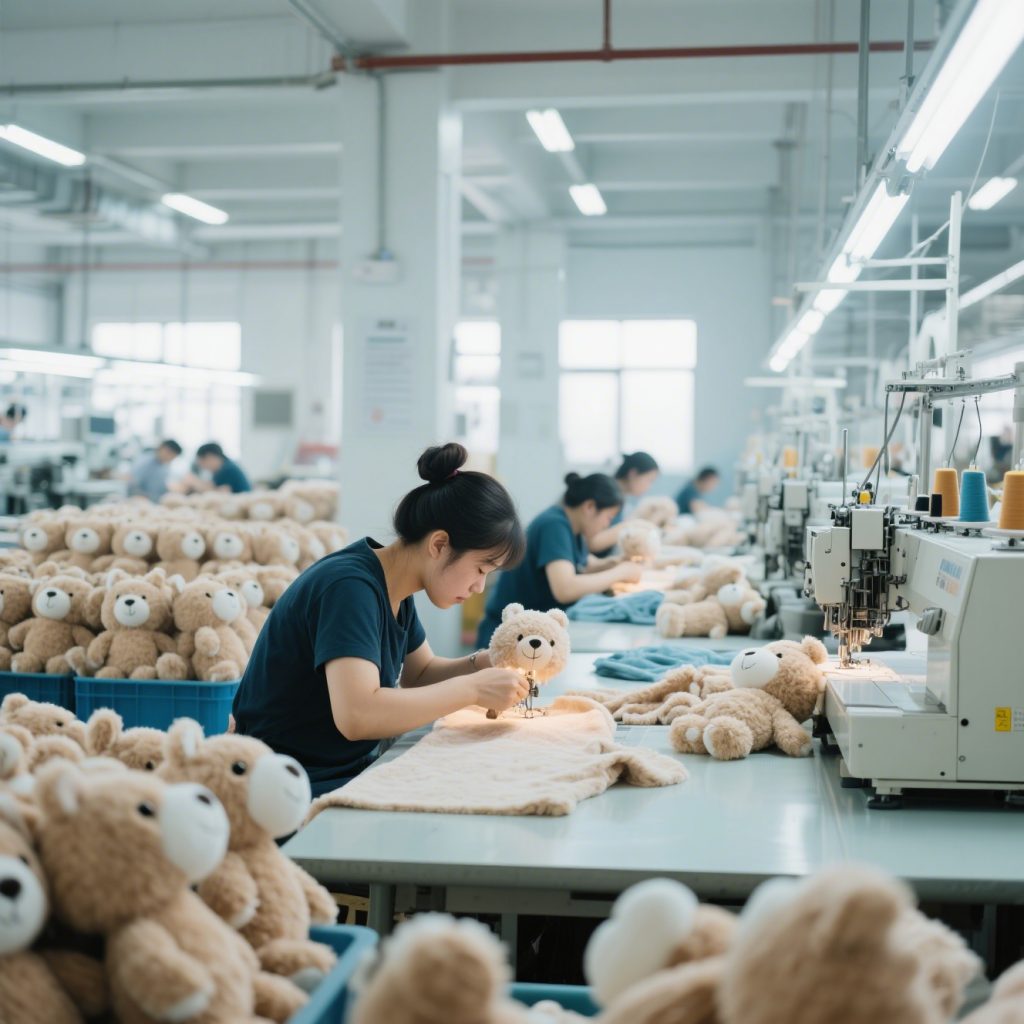
Manufacturing one plush toy is always more expensive per piece than making 300 or 3,000. Factories adjust pricing based on labor efficiency, bulk material purchasing, and machine setup. Small-batch creators may pay premium rates, while large orders benefit from economies of scale.
Companies exploring manufacturing costs can reference general production economics resources such as Investopedia’s breakdown on economies of scale (https://www.investopedia.com).
How Much Does a Custom Plush Toy Actually Cost?
There’s no single number—and that’s why most manufacturers provide quote-based pricing instead of fixed packages. But typical ranges look like this:
Single custom plush sample: Often $80–$300 depending on complexity
Small batch (50–100 units): Usually $15–$40 per piece
Medium batch (300–500 units): Often $8–$20 per piece
Large orders (1,000+ units): Prices can drop to $5–$12 per piece
These estimates shift depending on size, fabrics, stitching, accessories, and packaging. A plush toy with a simple pattern might be budget-friendly, while a realistic animal plush could require far more craftsmanship.
What About Personal or Pet Plush Orders?
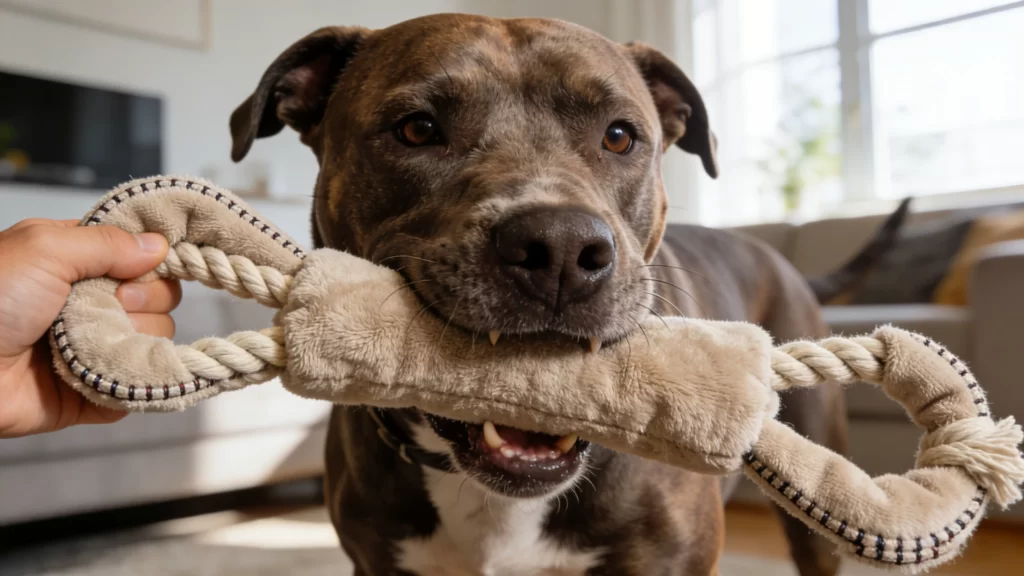
Some people want a plush version of a family pet, bringing a very emotional dimension to the project. A manufacturer might create custom stuffed animals of your pet, capturing its colors, patterns, and unique characteristics. This type of design usually requires a more detailed prototype, but many find the result worth the investment.
How Manufacturers Estimate Final Pricing
When you request a quote, you’ll often answer these questions:
1. What Size Should the Plush Be?
Smaller plush toys use fewer materials, though trimming costs too aggressively can compromise proportions. Larger plush designs increase both material and labor requirements.
2. How Detailed Is the Artwork?
A simple round plush differs greatly from a multi-colored creature with textured features. The more intricate the pattern, the higher the crafting time.
3. Which Materials Do You Prefer?
Minky, velvet, short plush, recycled fibers, and branded textiles each come with different price points.
4. Do You Need Packaging or Tags?
Boxed packaging, embroidered tags, and custom hangtags add to the cost but help elevate brand presentation.
The Unique Value of Custom Plush Manufacturing
A plush toy isn’t just fabric and stuffing. It’s a story, a memory, sometimes even a character crossing from imagination into reality. Whether you need custom stuffed animals for a product line or a single meaningful gift, the creation process blends artistry with engineering.
Some people order a custom animal plush as a collectible. Others commission a custom pet plush to honor a beloved companion. No matter the reason, each plush has a personal connection that transforms the investment into something more than a simple purchase.
Tips to Reduce Your Cost Without Compromising Quality
Simplify the Design
Reducing excessive accessories or complex pattern pieces can lower labor costs.
Choose Standard Fabrics
Opting for commonly stocked materials avoids the need for special sourcing.
Increase Order Quantity
Bulk orders spread setup and labor costs across more units.
Work Closely With Your Designer
Clear references shorten revision cycles and reduce sampling fees.
For general design and manufacturing workflow tips, sites like HubSpot’s product development guides offer helpful overviews (https://www.hubspot.com).
Conclusion: Cost Depends on Craftsmanship and Purpose
So—how much does it cost to make a stuffed animal? It depends on your vision, the materials you choose, the complexity of the design, and how many pieces you need. But the beauty of producing custom plushies is that you’re not just buying a toy; you’re creating something truly personal.
Whether you’re exploring customizing plushies, ordering for a business, or planning a sentimental keepsake, understanding these cost factors helps you make informed decisions and collaborate effectively with your plush manufacturer.