
Introduction
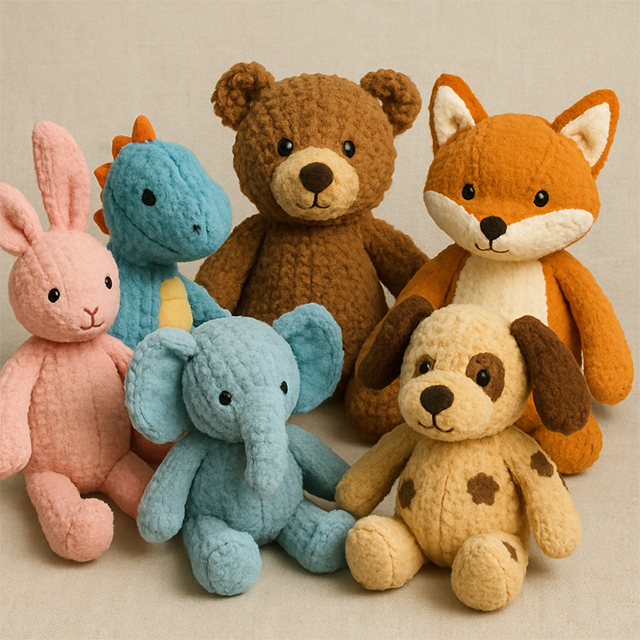
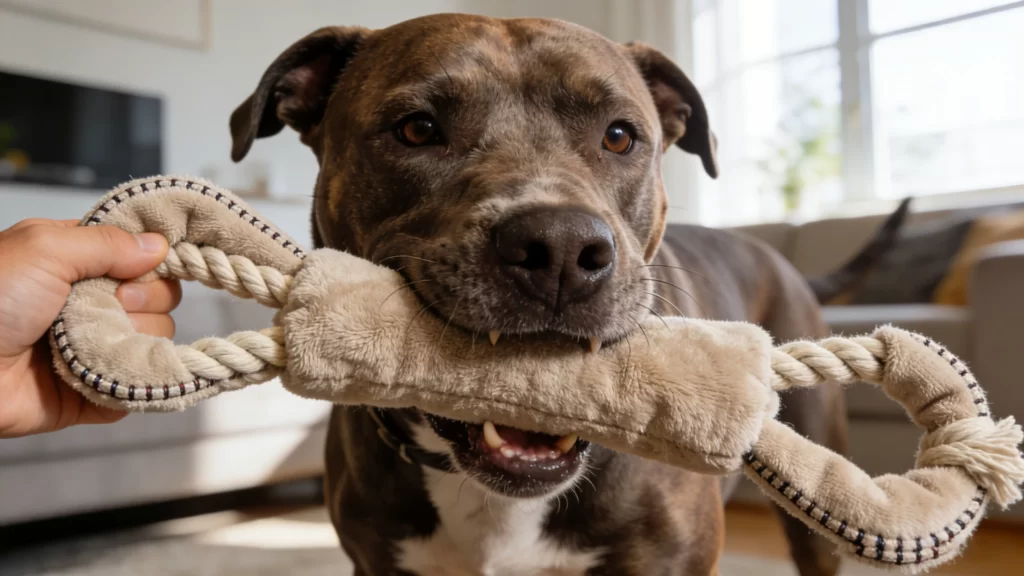
Bringing a puppy home is exciting, but it also comes with important choices about toys and safety. One common question is: is it bad if you let your puppy play with stuffed animals?
At first glance, these toys look soft and safe. Yet, there are benefits and risks you need to understand. The right choice depends on toy quality, your puppy’s chewing style, and your supervision.
This guide explores why puppies love soft toys, what dangers to watch out for, and how to pick safe options. You can also explore our collection of pet plush toys to find the best fit for your furry friend.
Why Puppies Are Drawn to Soft Toys
Puppies explore the world through chewing and carrying objects. Soft toys mimic prey animals, making them instinctively fun to shake and bite.
The sound inside some squeaky toys excites dogs, triggering play and hunting instincts. It’s no surprise that dogs love toys that make noise and feel soft in their mouths.
Many puppies also treat toys like comfort objects. Just like children with teddy bears, puppies sometimes love stuffed toys for napping and security. As explained in PetMate Academy, dogs are naturally drawn to plush textures because they resemble prey and provide comfort. For soft play options, check out our dog plush toys collection designed for safe and fun use.
Benefits of Letting Puppies Play with Stuffed Animals
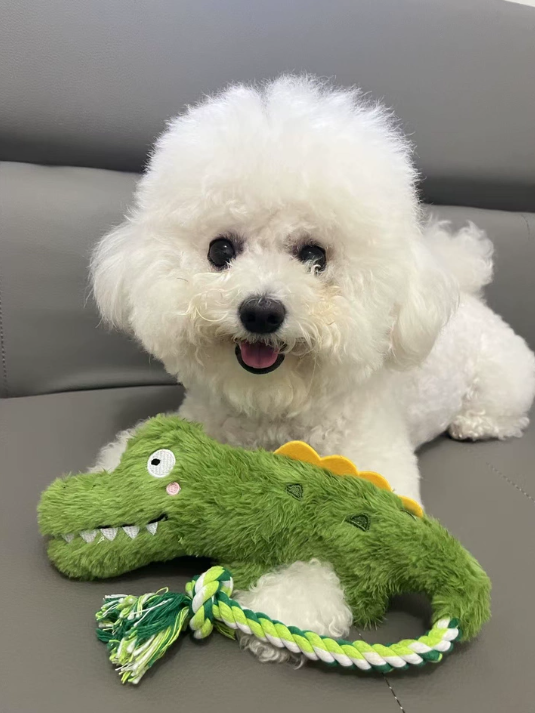
- Comfort and Security
Plush toyscan reduce separation anxiety. According to the American Kennel Club, soft textures remind puppies of littermates, easing stress. - Mental Stimulation
Chewing and shaking toys helps puppies release energy. This prevents destructive chewing on shoes or furniture. - Training Opportunities
Stuffed animals are useful for teaching “drop it” or “leave it.” They provide a safe way to practice control. - Bonding and Play
Interactive games like fetch or tug strengthen your bond. Shared play builds trust and keeps your puppy healthy.
Risks of Letting Puppies Play with Stuffed Animals
While helpful, stuffed animals can also be risky. The ASPCA highlights several hazards:
- Choking Hazards
Plastic eyes, buttons, or loose stuffing can block airways or cause intestinal issues. - Unsafe Materials
Toys not designed for pets may contain harmful fillers. As the Rover Blog points out, some materials can be toxic if chewed or ingested. Always select toys that are pet-safe. Choose only pet-specific products like durable plush toys for dogs. - Durability Issues
Strong chewers may tear toys apart quickly. Once stuffing leaks, it becomes dangerous. - Over-Attachment
Over-reliance on one toy may cause stress if it gets lost or destroyed.
How to Choose Safe Stuffed Toys for Puppies
- Pick Pet-Safe Toys
Choose toys tested for dogs, not children’s stuffed animals. - Check Durability
High-quality stuffed toysuse reinforced stitching to prevent tears. - Avoid Small Parts
Never buy toys with beads or buttons. These are the first things puppies rip off. - Supervise Play
The PetMD recommends never leaving a puppy alone with soft toys. Always watch playtime. - Rotate Toys
Switching toys prevents boredom and keeps them exciting. Our puppy plush toys selection offers many safe options to rotate.
Alternatives to Stuffed Animals
If your puppy chews aggressively, safer options may work better:
- Rubber Chew Toys: Durable and good for teeth cleaning.
- Puzzle Toys: Hide treats inside for mental challenge.
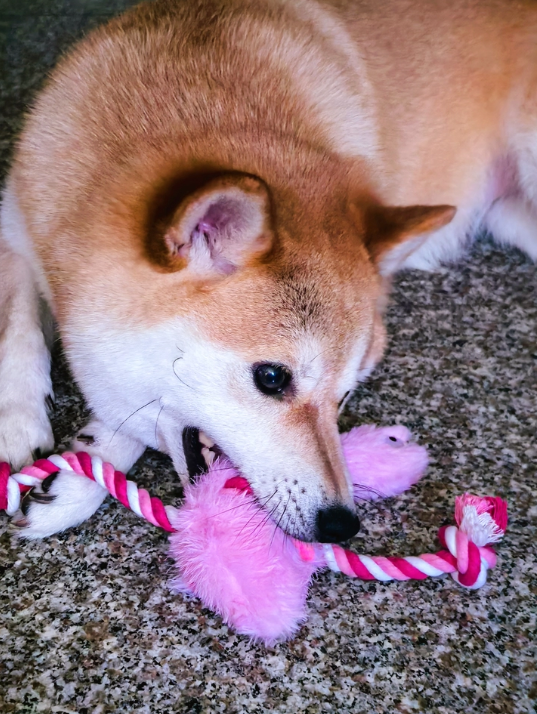
- Rope Toys: Safer for tug games and chewing.
- Textured Balls: Offer stimulation without fabric tearing.
These can replace fragile toys while still keeping your puppy entertained. For variety, consider interactive plush toys that combine soft play with engaging designs.
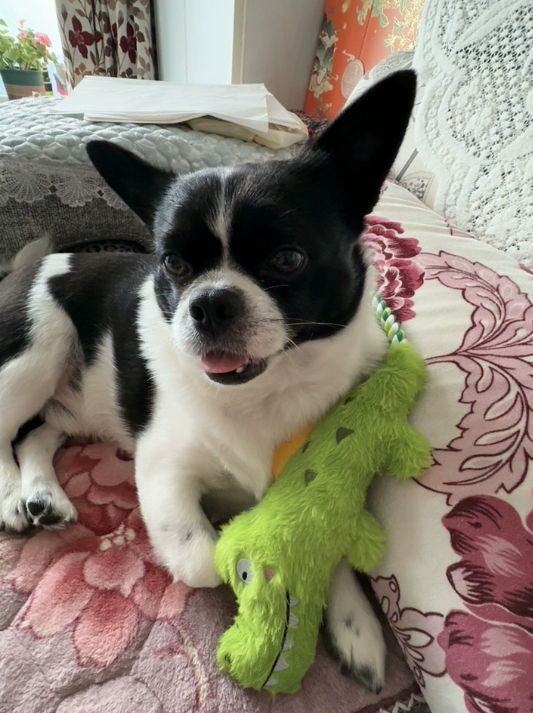
Tips for Safe Playtime
- Know Your Puppy’s Chewing Style
Aggressive chewers need tougher toys. - Inspect Toys Regularly
Check seams and squeakers. Replace damaged toys. - Mix Activities
Balance soft play with durable alternatives. - Use Training Commands
Incorporate toys into obedience training for control and safety.
Conclusion
So, is it bad if you let your puppy play with stuffed animals? Not always. When you choose the right toys and supervise, they can bring comfort and joy.
By mixing plush toys with safe alternatives, you give your puppy stimulation, security, and fun. With careful choices, stuffed animals can be part of a happy and healthy upbringing.