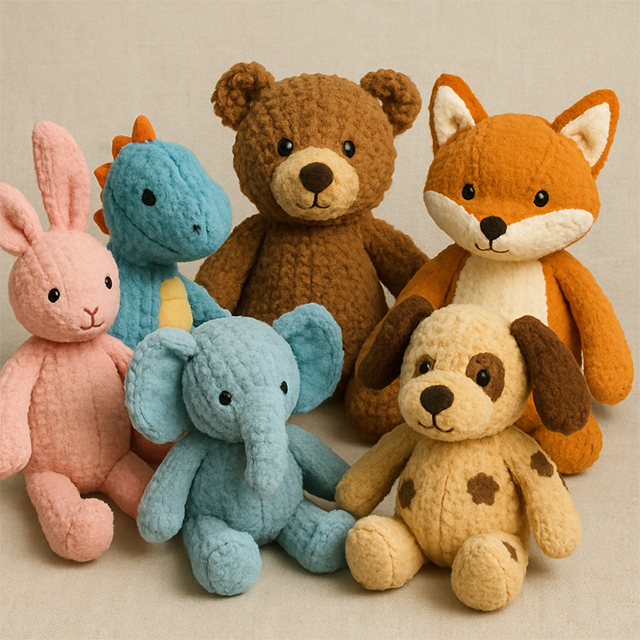

When we pick a plush toy for our beloved pets — a dog curled up with a soft toy, a cat kneading a comfy plush — what really matters is deep inside: the filling. Choosing the right stuffing isn’t just about softness — it’s about safety, hygiene, and longevity. In this article, we’ll explore what makes a good stuffing choice and how pet owners can ensure their plush toys are truly pet-safe.
Why Stuffing Matters in Plush Pet Toys
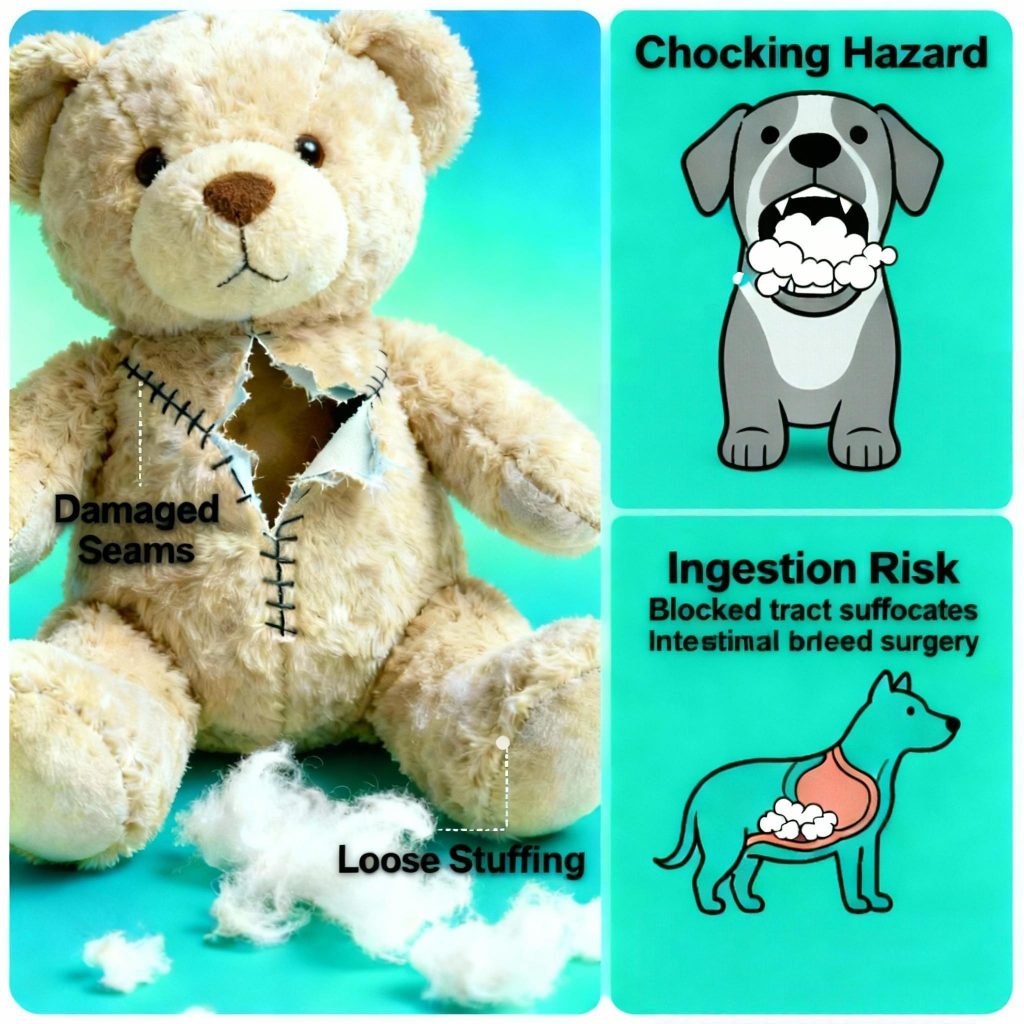
Stuffing defines the feel, safety, and lifespan of stuffed pet toys (or more broadly, stuffed pet toys). Low-quality fillings can pose risks: if they contain harmful chemicals or degrade quickly, pets may ingest fragments, risk choking, or develop allergies.
On the other hand, a carefully chosen stuffing enhances softness, makes the toy comfortable to cuddle with, and ensures the toy stands up to regular chews and washes.
What Makes a Stuffing “Safe and Soft”
Hypoallergenic and Non-Toxic Fillings
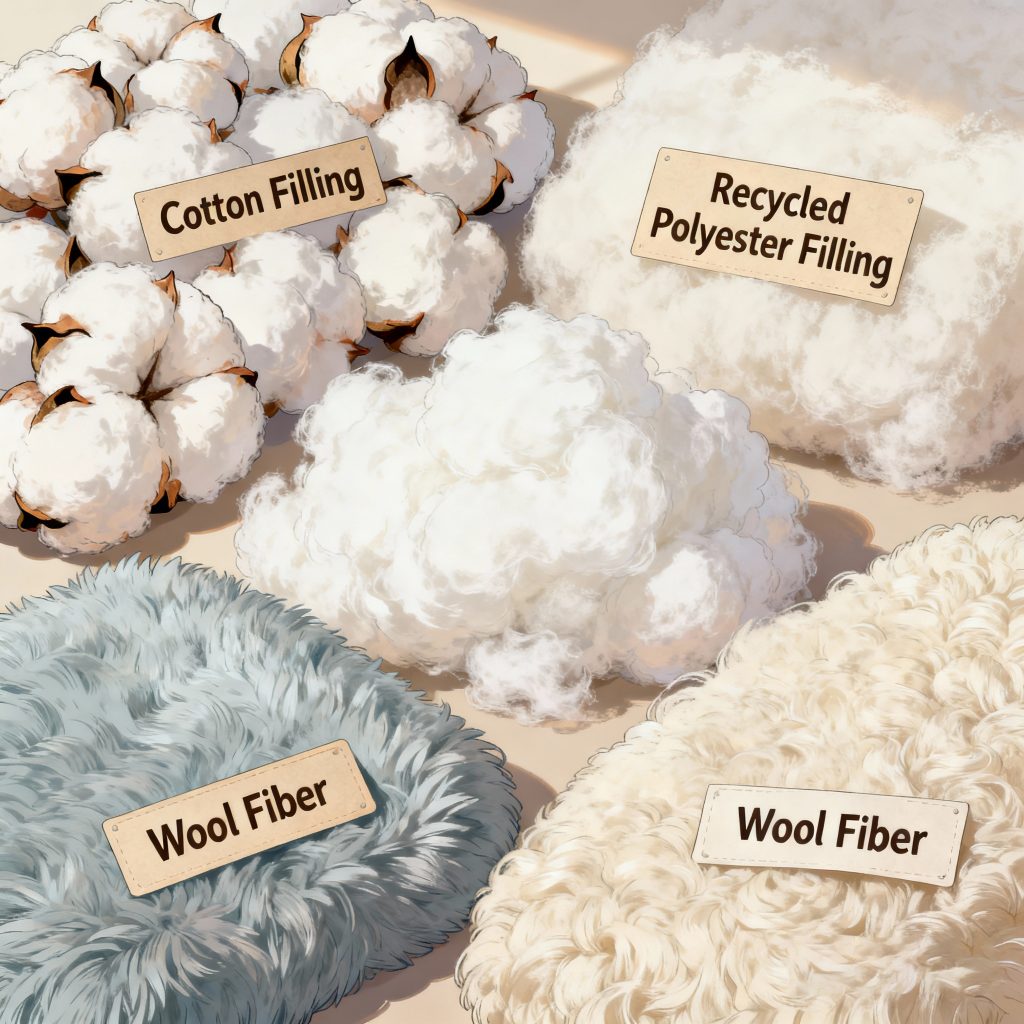
A good choice for safety is stuffing that meets recognized safety standards. Hypoallergenic polyester fiberfill (also called fiberfill stuffing) and clean cotton filling for plush toys are widely regarded as safer options — soft, lightweight, and less likely to trigger allergies.
Avoid fillers treated with harsh chemicals or dyes, and steer clear of unknown foam or pellet fillings unless they’re clearly labeled as pet-safe.
Eco-Friendly and Sustainable Fillings
With rising awareness of environmental impact, many manufacturers now offer recycled polyester stuffing or natural cotton batting. These options support eco-safe toy manufacturing and reduce reliance on virgin synthetic materials.
Choosing the Right Stuffing: Fiberfill vs Cotton vs Recycled Fill
- Polyester Fiberfill:Soft, fluffy, lightweight, hypoallergenic, and retains its shape well. Many commercial plush toys use this because it balances comfort and practicality.
- Cotton Filling:Natural, breathable, eco-friendly, and biodegradable. Good for pets (or owners) sensitive to synthetic fibers, though may flatten over time or absorb moisture more readily.
- Recycled Polyester / Recycled Fiberfill:Sustainable alternative providing many benefits of conventional fiberfill with reduced environmental footprint — ideal for eco-conscious pet owners.
For many pet plush toys, recycled polyester stuffing represents a sweet spot: durable, clean, soft, and aligned with eco-friendly values.
What to Check When Selecting Plush Pet Toys
- Confirm that the toy’s filling is clearly labeled — e.g., “non-toxic plush toy stuffing,” “pet-safe plush toy filling,” or “hypoallergenic stuffing for pet toys.” Good labeling boosts transparency and trust.
- Ensure the toy meets recognized pet toy safety standards: for many markets, compliance with toy-safety regulations such as ASTM F963 (USA) or EN71 (Europe) is a strong sign of quality.
- Prefer toys with tight, reinforced stitching — to reduce risk of stuffing leakage when pets chew or tug.
- For pets that chew vigorously, consider more robust options — avoid fragile pellets, glued-on parts, or loosely packed stuffing.
Maintenance and Hygiene: Keep Plush Toys Clean and Safe
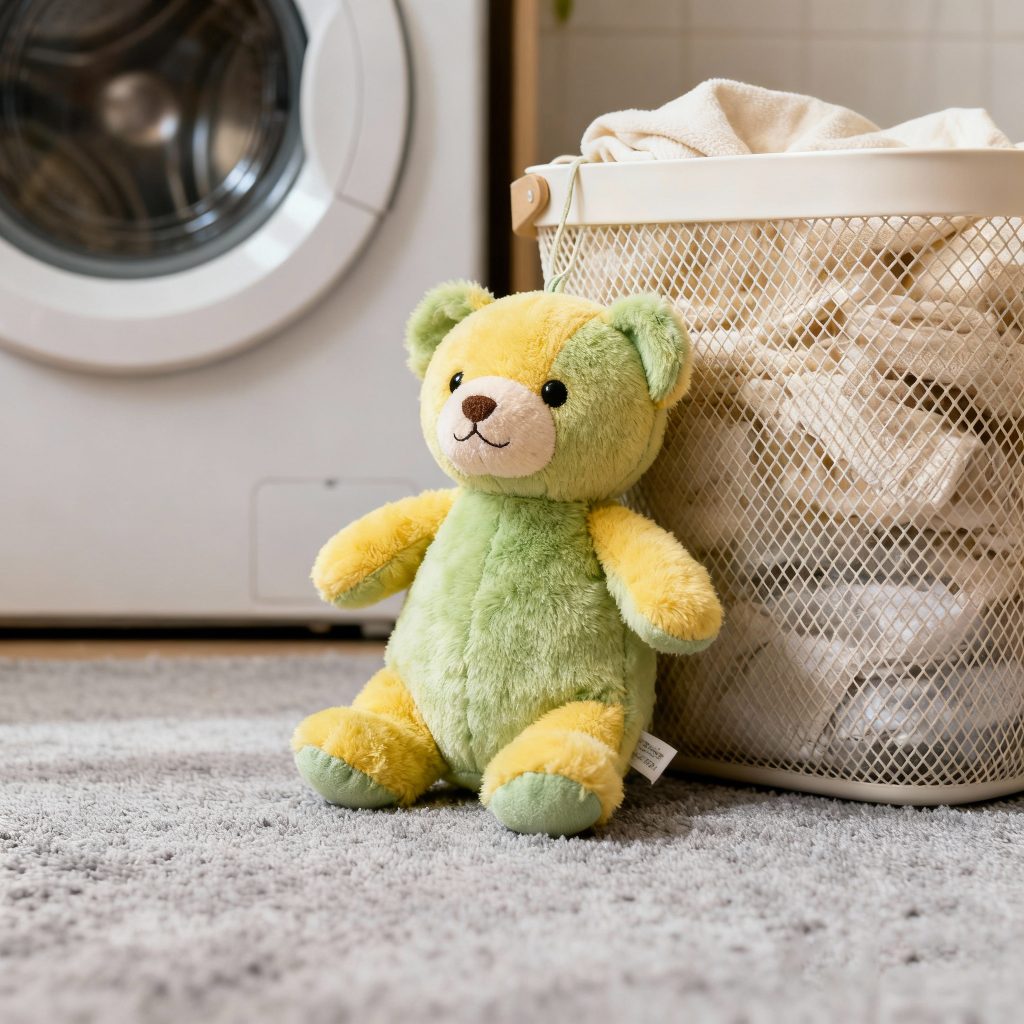
Even if a plush toy starts out safe and well-crafted, regular cleaning and inspection matter. Synthetic stuffing like polyester fiberfill tends to tolerate machine washing well, which helps keep the toy sanitary.
After each wash, check seams carefully — any tear or opening may expose stuffing, which pets could chew off or ingest. Remove toys from rotation if they become heavily worn.
DIY or Handmade Plush Pet Toys — What to Know
If you make your own handmade plush pet toys using cotton filling or recycled fiberfill stuffing, you gain control — you choose soft materials, avoid harmful treatments, and can double-stitch seams for durability. Many crafters emphasize careful sewing and use of tightly woven fabrics to reduce risk. Communities that discuss handmade plush toys often warn: loosely stuffed toys or cheap fabrics can pose choking hazards once pets chew them.
For hand-crafted toys, choosing cotton or eco-friendly recycled filling under well-stitched fabric ensures a safer, more cuddle-friendly final product.
In Summary: Striking the Right Balance
When you opt for pet-safe plush toys made of safe stuffing, you combine softness and comfort — what plush pet toys are all about — with the peace of mind that comes from responsible material choices.
Pick fillings that are non-toxic, hypoallergenic, and if possible, recycled. Favor durable construction and stitches that hold under chewing. Wash and inspect toys regularly.
That way you give your furry friend a toy that’s not just soft — but reliably safe, washable, and long-lasting.