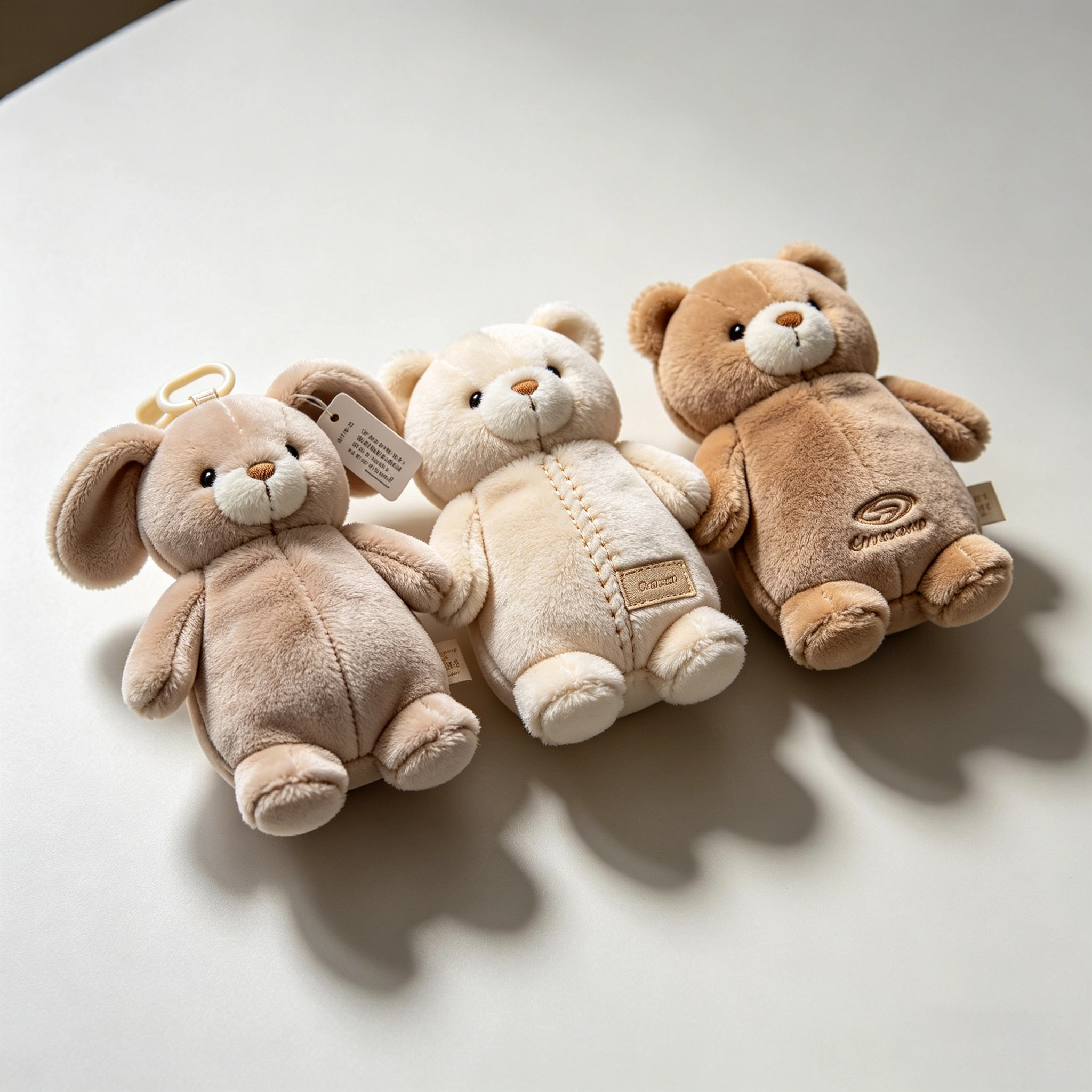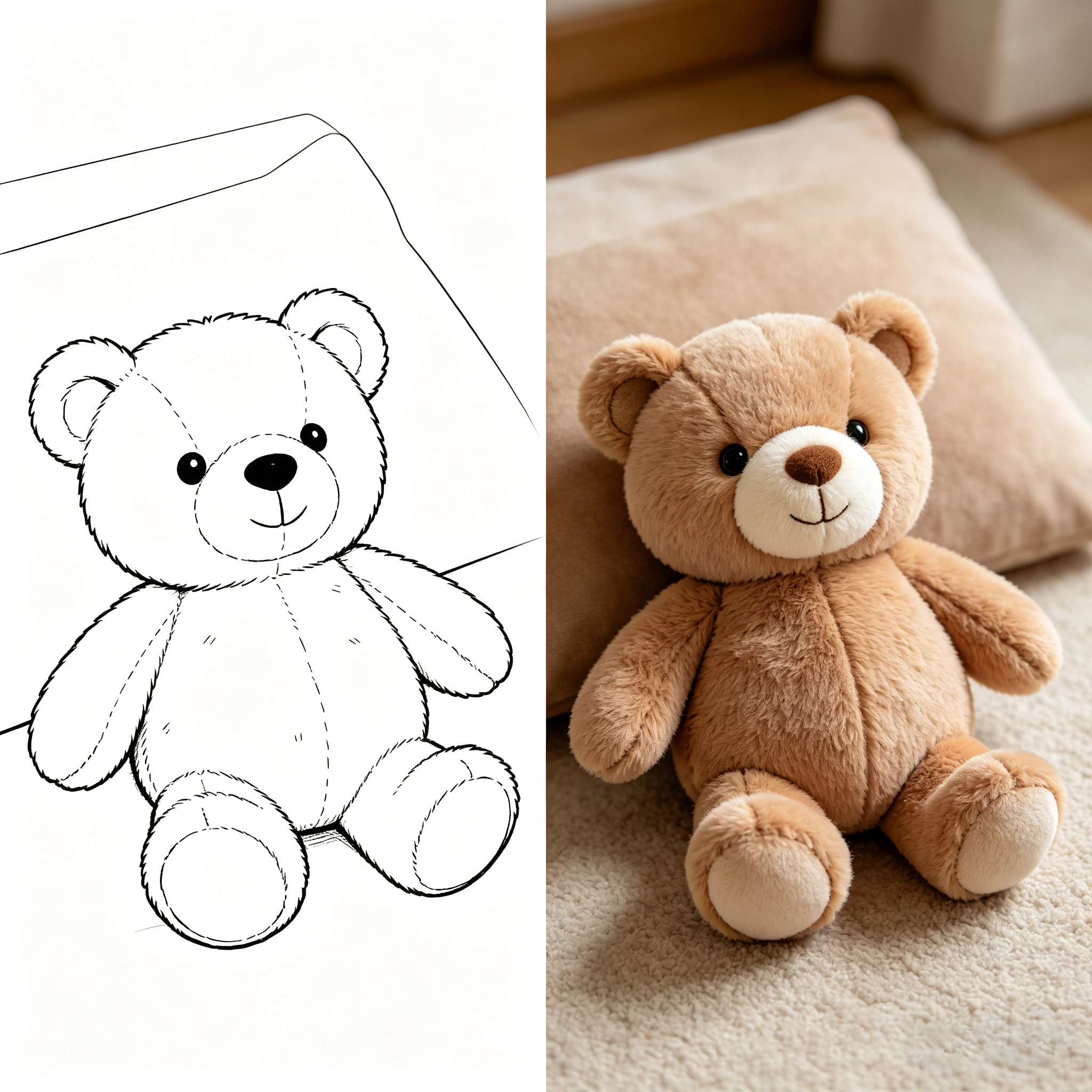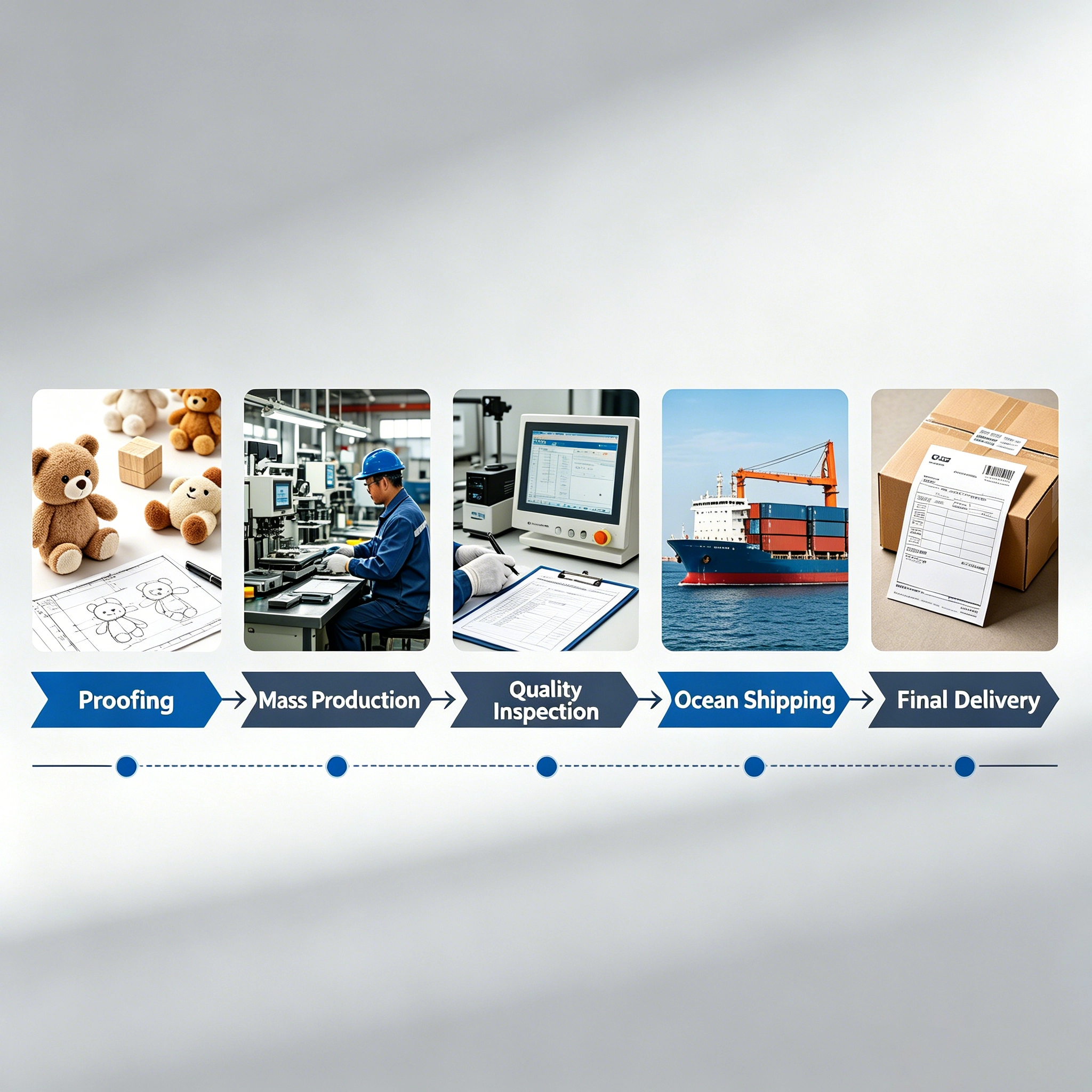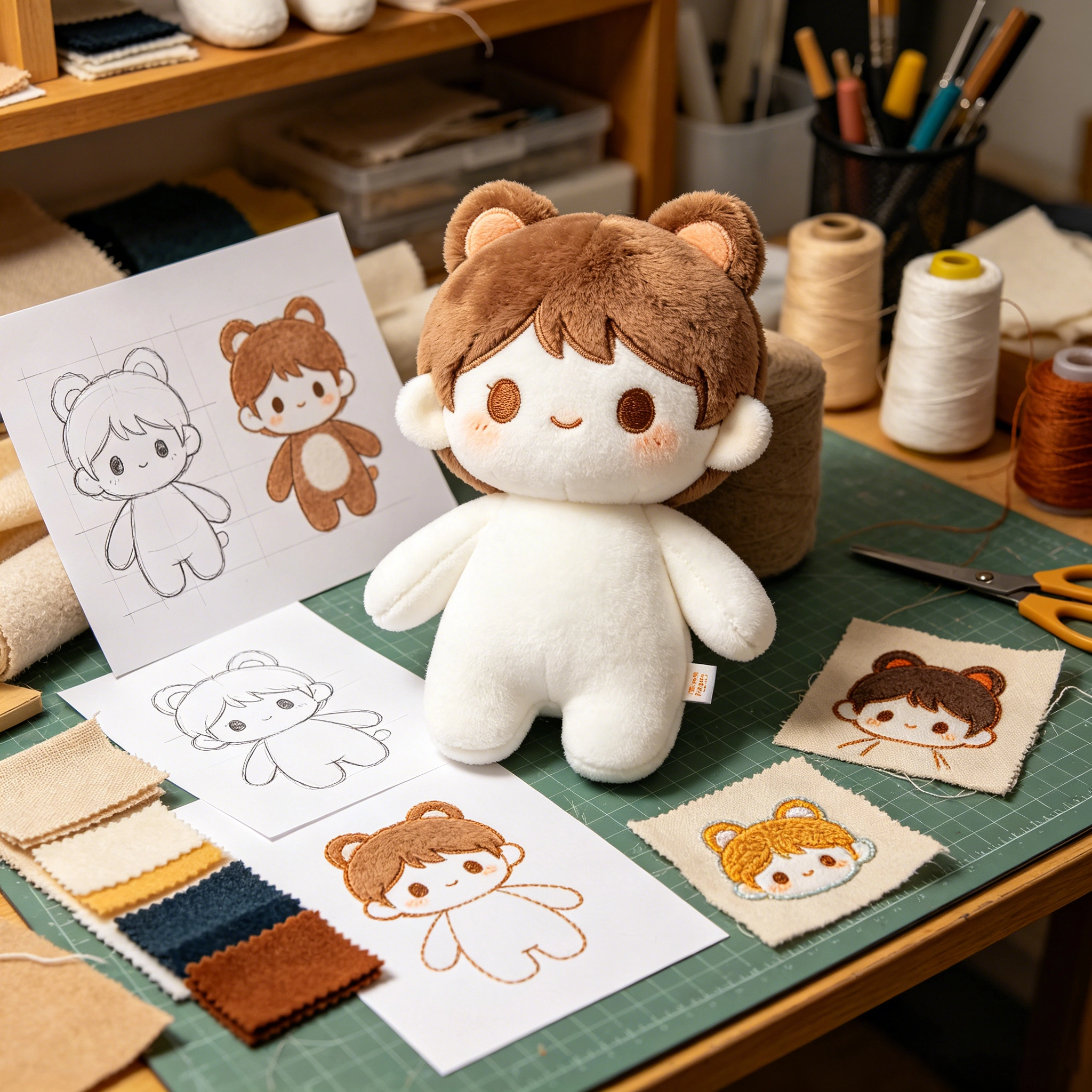
When a plush toy is developed under a private label program, the toy itself is only part of the finished product.
Packaging, labels and inserts form the structure that carries brand identity, regulatory information and product presentation. These elements are typically confirmed during the sampling stage so they can be applied consistently once bulk production begins.
For buyers launching a plush toy brand or product line, understanding how these packaging components work together helps avoid unnecessary revisions and ensures the final product reflects the intended brand image.
What Are Private Label Plush Toys?
Private label plush toys are plush products developed for a brand owner but produced by an external manufacturing partner.
The products are sold under the buyer’s brand name rather than the supplier’s name. Because of this, branding elements such as labels, packaging and inserts are customized so the final product reflects the buyer’s brand identity.
In most projects, packaging planning is part of the product development process rather than something added after production.
What Is Included in Plush Toy Packaging?
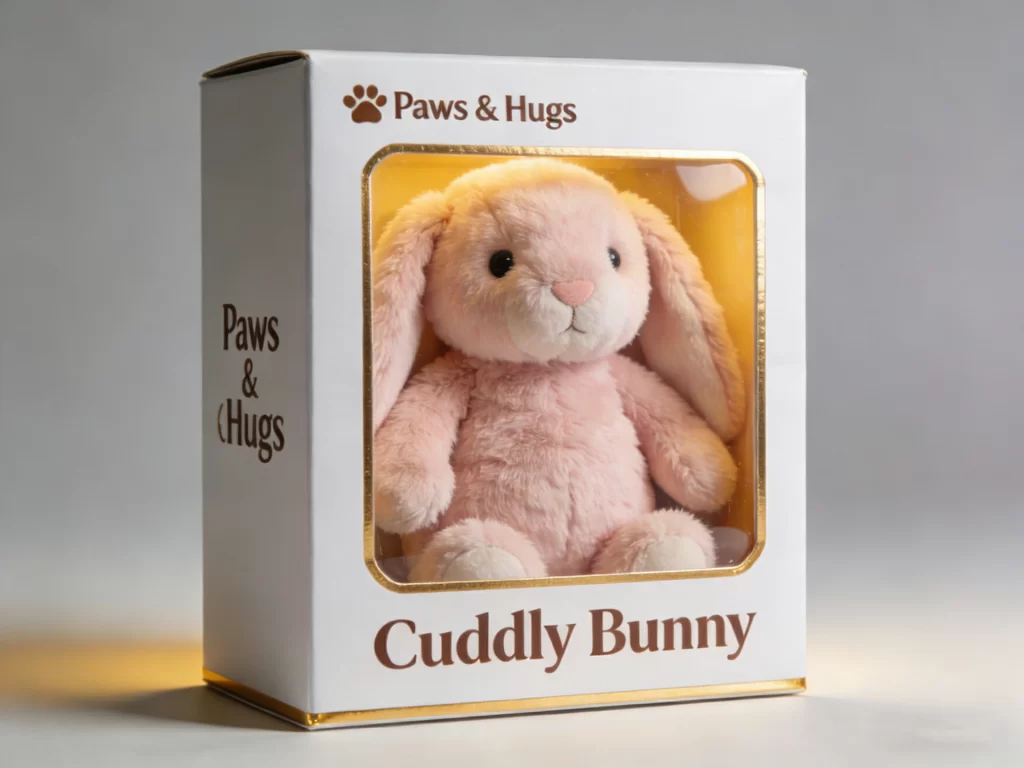
Private label plush toy packaging normally includes three main components: sewn-in labels, external packaging and printed inserts.
These elements work together to identify the product, communicate brand information and protect the toy during shipping.
During the sample development stage, buyers usually review the plush toy together with its packaging components to ensure the label placement, packaging size and inserts all match the toy’s final dimensions.
What Is the Difference Between Labels, Hang Tags and Inserts?
Labels, hang tags and inserts are often used together in plush toy packaging, but each serves a different purpose.
A label stays attached to the toy permanently, a hang tag is removable and used mainly for product presentation, and an insert card is placed inside the packaging to provide additional information or brand messaging.
Understanding these differences helps buyers design packaging structures that fit their product and sales channel.
Sewn-In Labels
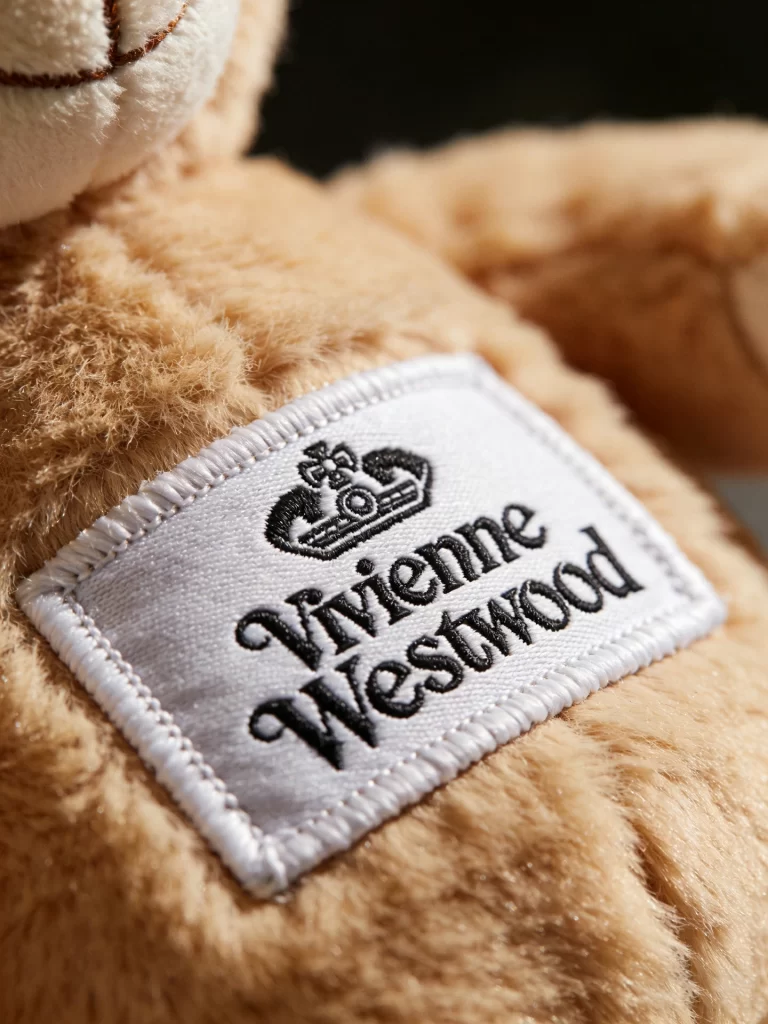
A sewn-in label is a fabric label stitched directly into the plush toy.
It usually contains brand identification, material composition and care instructions. In some markets it may also include traceability information required for product tracking.
Because the label is attached during toy assembly, its placement and size are typically confirmed during the sampling stage.
Hang Tags
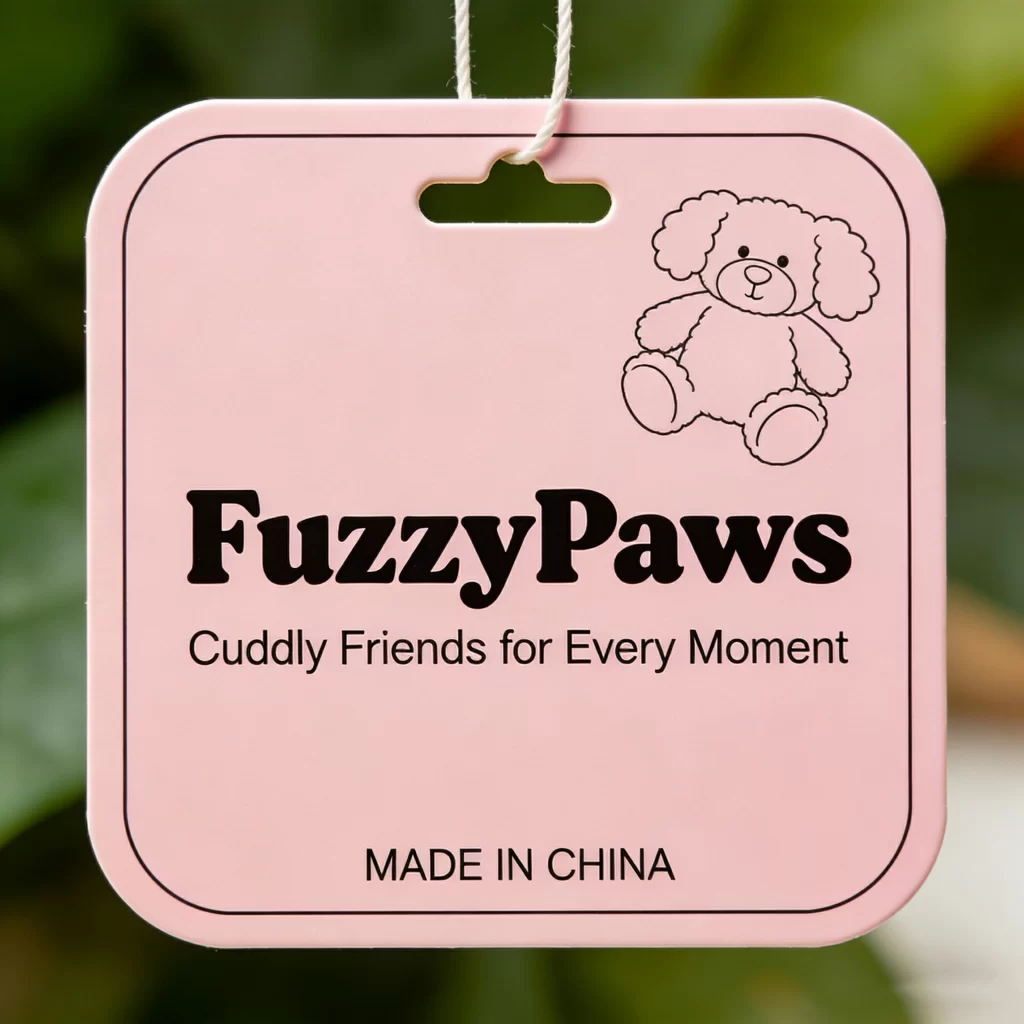
Hang tags are printed cards attached to the plush toy using plastic fasteners or string.
They are commonly used for branding, product storytelling or retail presentation.
Unlike sewn labels, hang tags are removable and therefore considered part of the packaging rather than a permanent part of the toy.
Insert Cards
Insert cards are printed materials placed inside the packaging.
They may contain product instructions, brand messages, safety reminders or simple promotional information.
Many private label brands include insert cards to enhance the overall customer experience when the package is opened.
Why Packaging Matters in Private Label Plush Projects
Packaging affects more than appearance. Broader packaging design considerations also influence product protection, presentation and logistics efficiency.
It also influences how the product is perceived by customers, how efficiently it can be shipped and how consistently the product can be reproduced in future production runs.
When packaging components are planned together with the plush sample, it becomes easier to maintain the same brand presentation across multiple orders.
What Compliance Labels Are Required for Plush Toys in the US?
Plush toys sold in the United States may require a tracking label that allows the product batch to be identified according to tracking label guidance issued by the U.S. Consumer Product Safety Commission.
This label typically includes manufacturer or importer information along with production details.
Because compliance information must appear directly on the product, label layout and placement should be considered early in the sampling process to avoid revisions later in the project.
What Packaging Formats Are Common for Plush Toys?
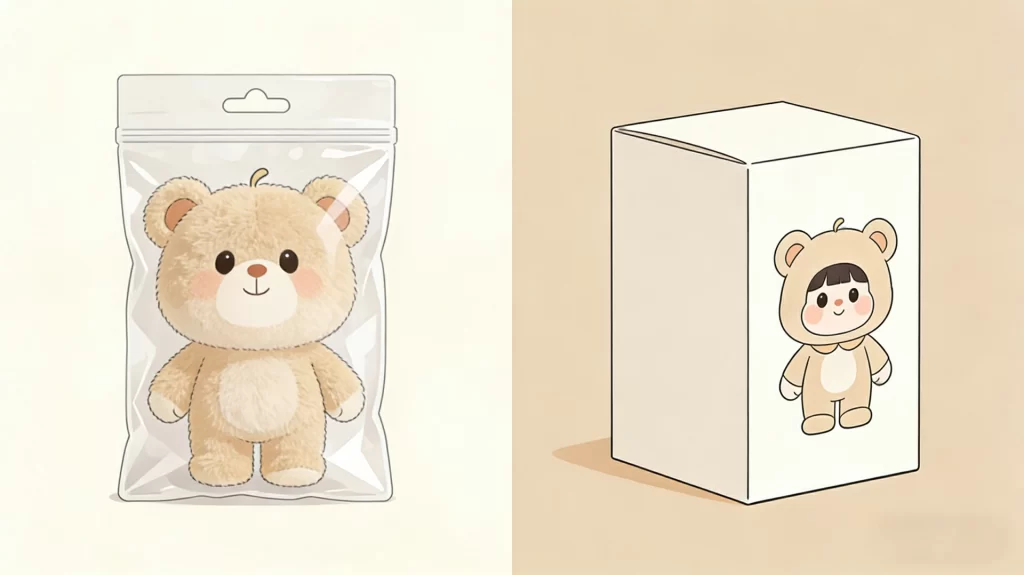
Most plush toys are packaged using one of three formats: poly bags, retail boxes or blind box packaging.
The most appropriate format depends on the product’s sales channel, branding strategy and order quantity.
Poly Bag Packaging
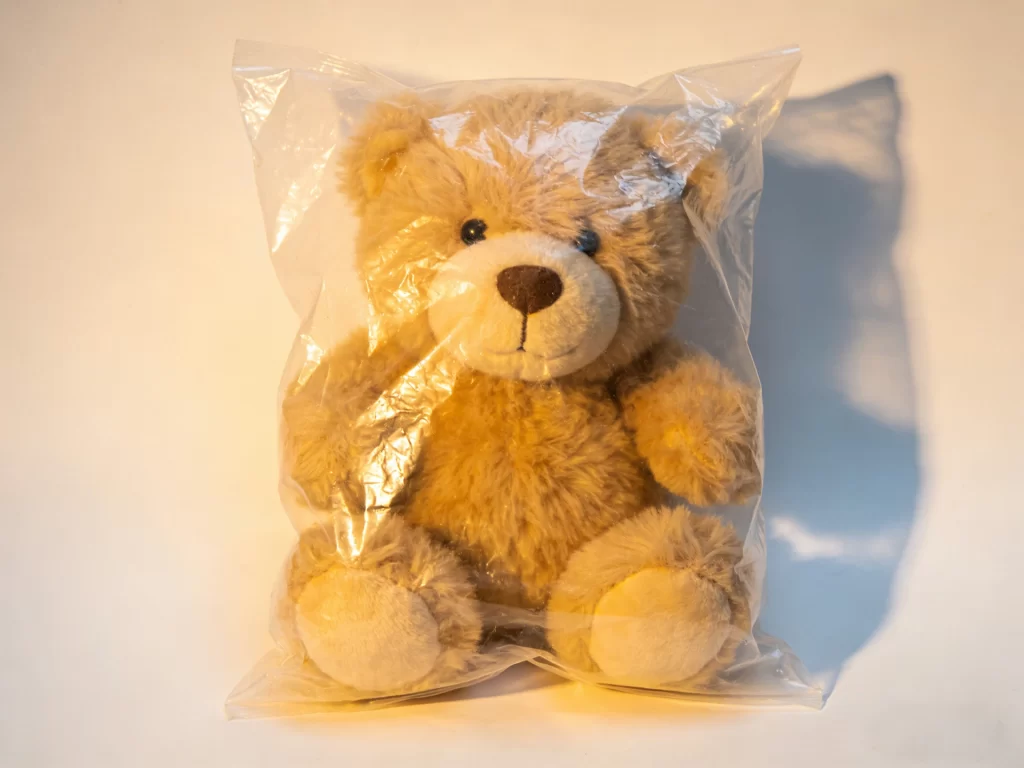
Poly bag packaging is one of the most common solutions for plush toys sold online.
It protects the product while keeping packaging materials and storage space relatively low.
Poly bags also allow more units to fit into shipping cartons, which can improve packing efficiency.
Retail Box Packaging
Retail box packaging is often used for gift products or toys sold through retail stores.
Printed boxes improve shelf visibility and provide additional space for branding elements.
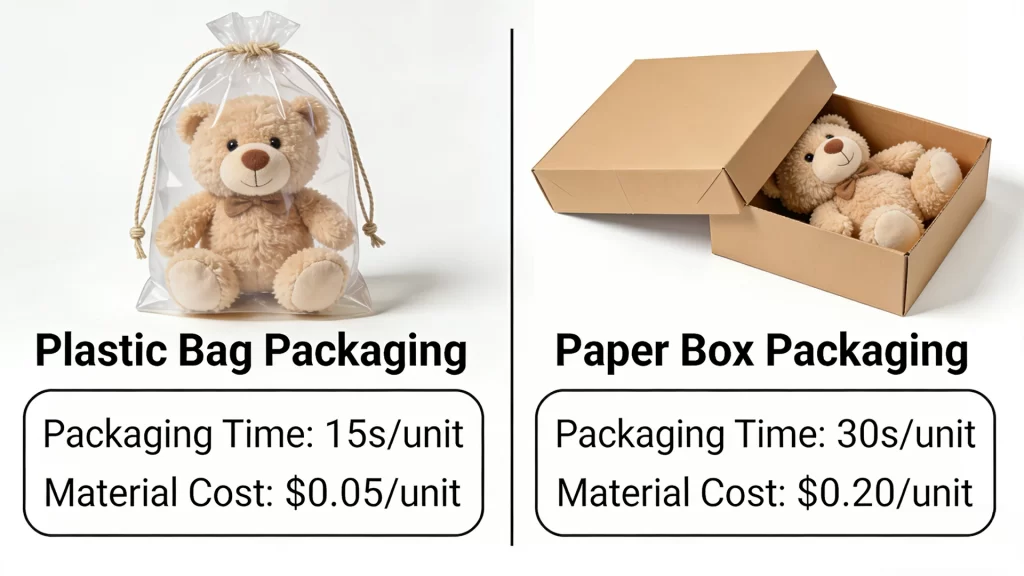
However, box packaging increases packaging cost and shipping volume compared with simple poly bag packaging.
Blind Box Packaging
Blind box packaging is popular for collectible plush toys.
In this format, buyers do not know which character is inside the box until it is opened.
Because blind boxes require custom printed packaging, they often involve higher printing minimum quantities and more design preparation.
When Should Packaging and Labels Be Confirmed?
Packaging and label details are usually finalized during the sampling stage so that label placement, packaging size and inserts can be verified before bulk production begins.
At this point buyers review label artwork, label placement, packaging dimensions and insert card size.
Confirming these details early helps ensure that all packaging components work correctly with the plush toy before bulk production begins.
How Packaging Decisions Affect Cost and MOQ
Packaging structure can influence the overall cost of a plush toy project.
Certain packaging components require minimum production quantities. Woven labels may require minimum weaving runs, while printed boxes usually require minimum printing quantities.
Projects with more complex packaging systems are therefore more efficient when the production volume is larger.
Can Packaging Affect Shipping Cost?
Yes. Packaging format can influence freight cost and shipping efficiency.
A plush toy packed in a poly bag usually takes up less carton space than the same toy packed in a rigid retail box.
For buyers comparing landed cost, carton space utilization and shipping volume can significantly affect the final unit cost.
How to Check Packaging Consistency with the Plush Toy
Packaging should always be reviewed together with the plush toy sample rather than evaluated separately. This allows buyers to evaluate plush samples and packaging details together before confirming production specifications.
During sample review, buyers typically check label size, label placement, packaging fit and overall visual balance.
This process helps ensure the packaging looks proportionate to the toy and can be reproduced consistently in future production runs.
Who This Packaging System Is Suitable For
Private label packaging systems are most suitable for buyers who are building a branded plush toy product line.
These buyers often sell through e-commerce stores, retail partners or promotional campaigns where consistent brand presentation is important. Reviewing examples of custom plush toy projects can help illustrate how packaging structures are applied in practice.
A structured packaging system helps ensure the product looks the same across multiple production batches.
Who May Prefer Simpler Packaging
Not every plush toy project requires a complex packaging structure.
Promotional items, event giveaways and short-run merchandise projects often work well with simple packaging formats.
In these cases, poly bag packaging with minimal branding is usually sufficient.
Common Packaging Mistakes in Plush Toy Projects
One common issue is leaving label decisions until after the plush sample has already been approved.
Another mistake occurs when packaging size is estimated before the final plush sample dimensions are confirmed.
Insert cards may also be designed before the packaging format is finalized, which can create compatibility issues.
Planning packaging together with the plush sample usually helps avoid these problems.
FAQ
Do private label plush toys require custom packaging?
No. Some plush toys use simple packaging such as poly bags, while products intended for retail sales often use custom printed packaging.
Are sewn labels required for plush toys?
Many markets require sewn labels because they provide product identification, material information and traceability details.
What is the most cost-efficient packaging for plush toys?
For many products, poly bag packaging is the most cost-efficient option because it reduces packaging materials and shipping volume.
Can packaging be changed after sampling?
Packaging can be adjusted after sampling, but doing so may require additional sample revisions or new printing preparation.
Do insert cards increase production cost?
Insert cards require additional printing, but the cost is usually relatively small compared with structural packaging such as printed boxes.
Buyers planning a new plush toy product can contact us to discuss packaging and branding structure before starting sample development.