
Introduction
In early-stage product development, size is often treated as a visual preference. In practice, it is a structural decision.
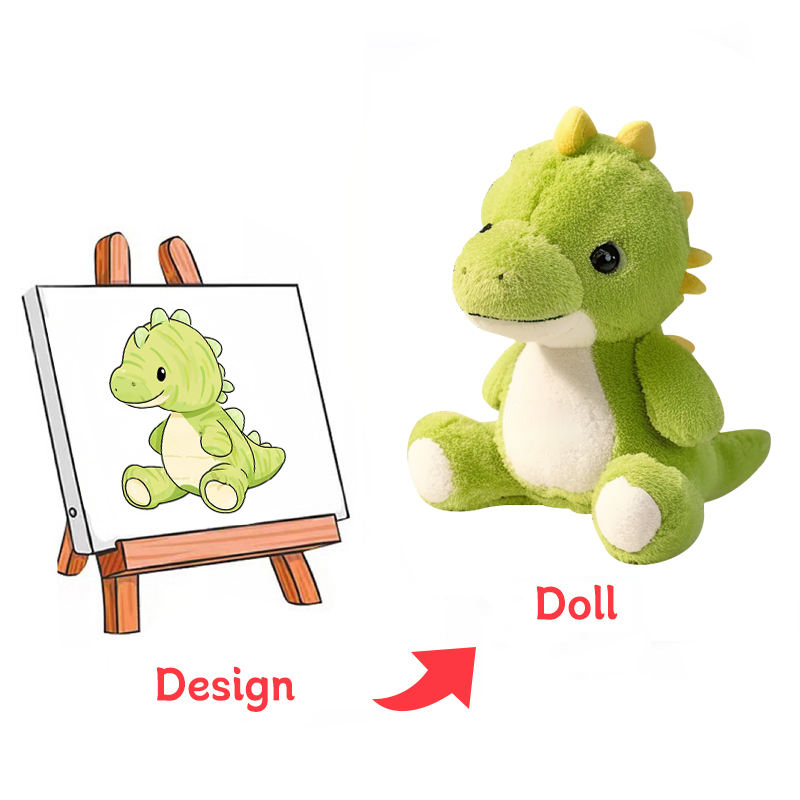
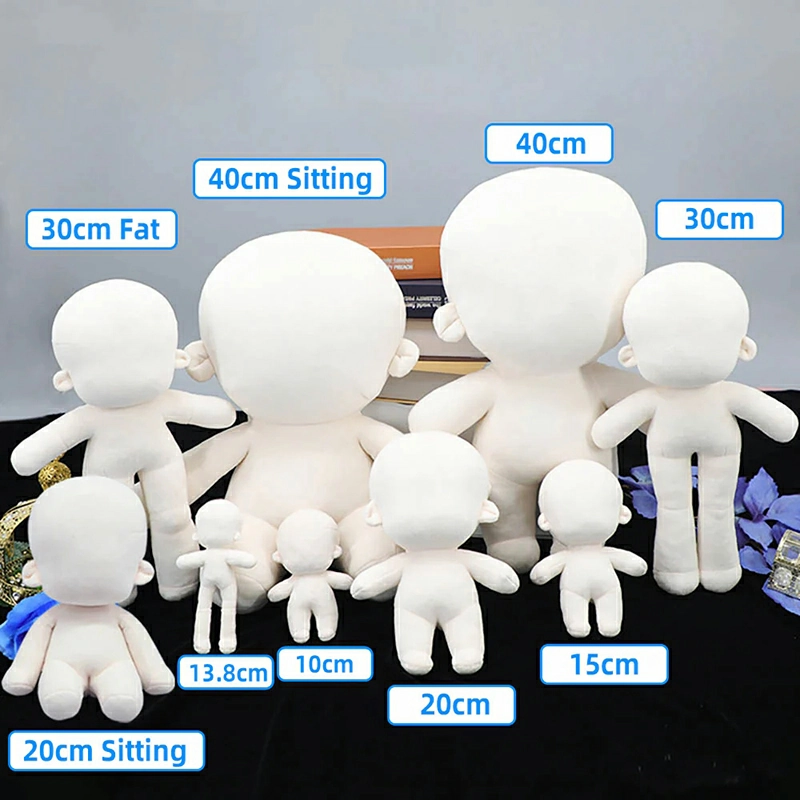
A 10cm plush and a 30cm plush are not scaled versions of the same product. They behave differently in cost, construction, and logistics. This guide breaks down those differences so you can choose a size aligned with your project rather than adjusting later during sampling.
10cm Plush Toys: Compact and Cost-Sensitive
A 10cm plush is typically used for keychains, blind box items, or promotional giveaways.
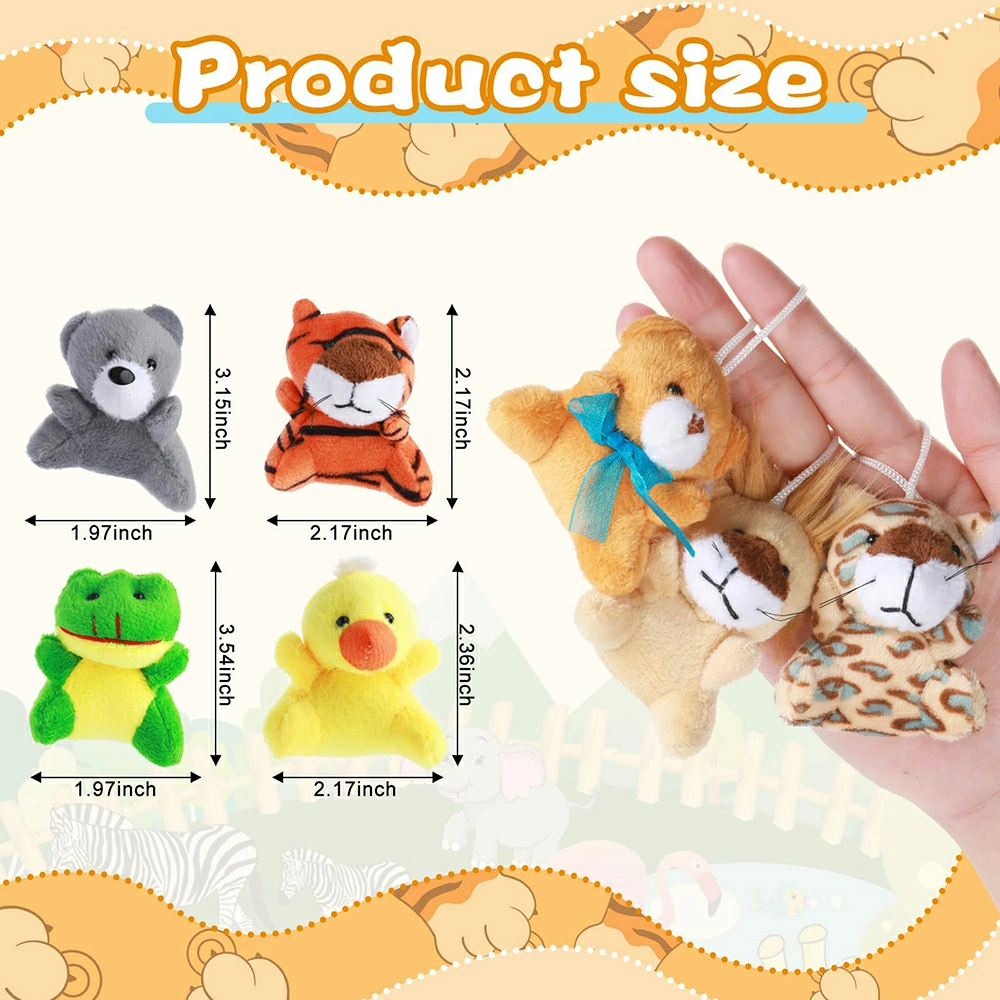
At this size, material usage is minimal, but labor does not scale down proportionally. Sewing becomes more precise, and small details such as embroidery or labels must be simplified.
From a cost perspective, 10cm items are efficient for bulk production, but not always the cheapest per unit if the design is complex.
They are suitable for:
- high-volume campaigns
- low-price-point retail
- add-on products
They are not suitable for:
- detailed character expression
- multi-component structures
MOQ is generally more flexible, especially when avoiding hard accessories or complex attachments.
20cm Plush Toys: Balanced for Most Projects
The 20cm size sits in a practical middle range and is widely used across retail and branded merchandise.
This size allows for clearer shaping, better facial expression, and more stable construction without significantly increasing cost.
From a sampling perspective, this is often the most predictable size. Adjustments in proportion, stitching, and filling can be controlled without introducing too many variables.
They are suitable for:
- brand mascots
- retail plush toys
- IP merchandise
They are not ideal for:
- ultra-low-cost promotional use
- oversized visual displays
For many clients, this is where we start when we evaluate proportion and structure during sampling.
30cm Plush Toys: Visual Impact and Structural Complexity
At 30cm, plush toys shift from small merchandise to display-oriented products.
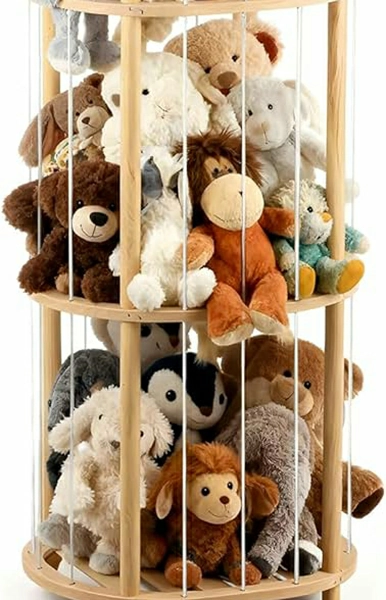
Larger size allows for layered construction, accessory integration, and more expressive design. However, it also introduces challenges:
- uneven filling becomes more visible
- structural balance must be tested
- seam strength becomes critical
They are suitable for:
- premium retail
- brand display items
- gift-oriented products
They are not suitable for:
- cost-sensitive campaigns
- projects with tight shipping budgets
This is also where quality control on filling and stitching consistency becomes more critical.
Cost and MOQ: How Size Changes the Equation
Size directly affects material consumption, but the cost curve is not linear.
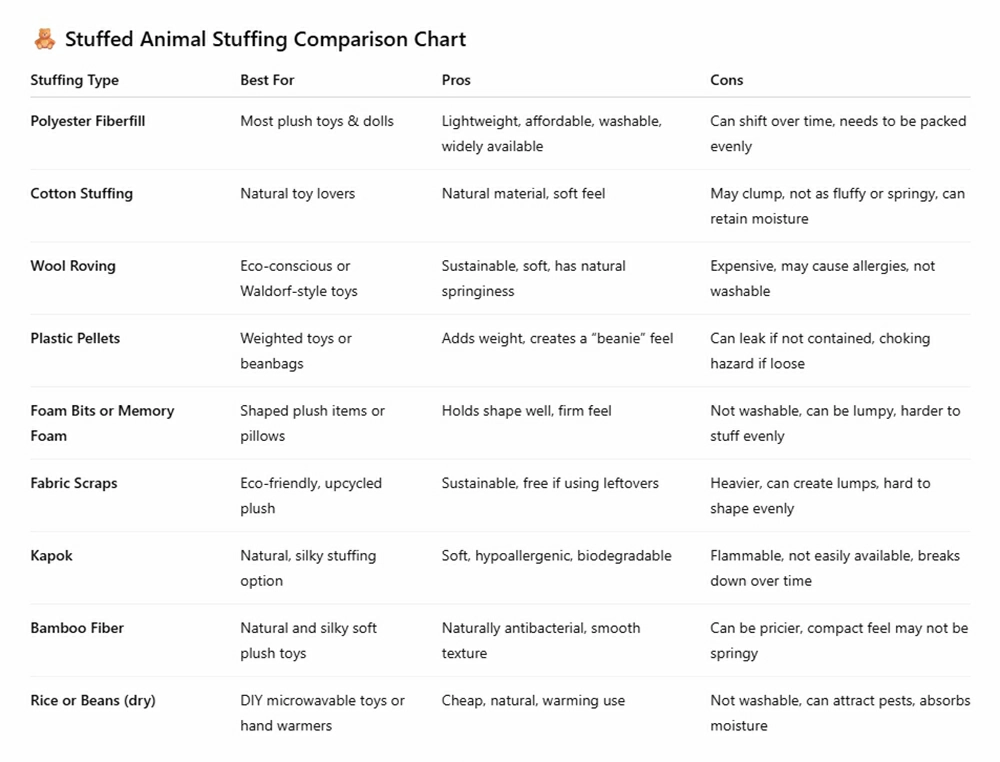
A 30cm plush may use 2–3 times the material of a 10cm one, but labor and packaging scale differently.
Key observations:
- 10cm → lower material, higher precision labor
- 20cm → balanced cost structure
- 30cm → higher material + shipping impact
MOQ also shifts:
- small sizes → easier to start at 200–300 pcs
- larger sizes → often more efficient above 300–500 pcs
If your project requires cost control, size should be decided before sampling, not after.
Sampling and Structure: What Changes Across Sizes
Sampling is where size differences become most visible.
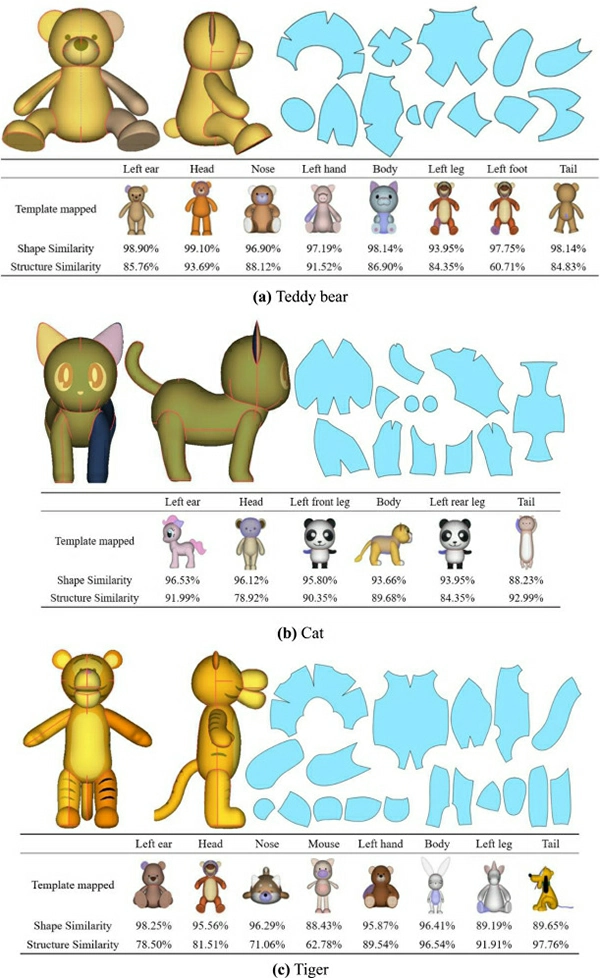
For smaller sizes, sampling focuses on simplification—reducing parts, optimizing embroidery, and ensuring manufacturability.
For larger sizes, sampling focuses on structure—how the toy sits, how weight is distributed, and whether accessories remain stable.
In many cases, clients underestimate how much construction logic changes between sizes rather than just scaling dimensions.
Logistics and Packaging Considerations
Size has a direct impact on shipping strategy.
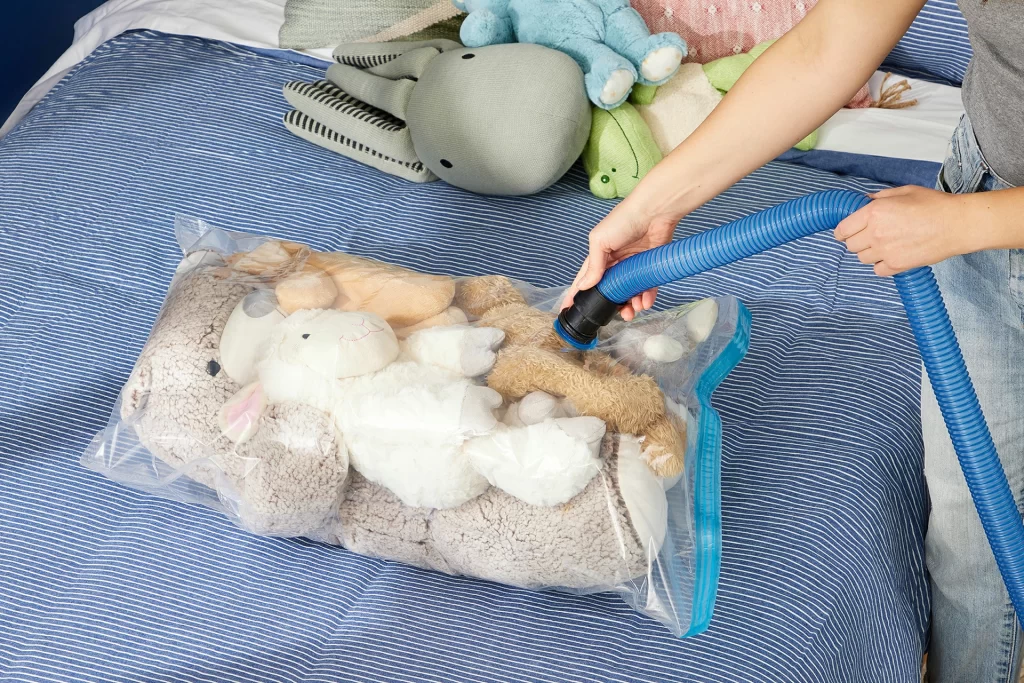
A 30cm plush can occupy 3–5 times the carton volume of a 10cm item, even when compressed.
This affects:
- sea freight cost
- air freight feasibility
- warehouse storage
For projects targeting the US market, shipping efficiency often becomes a deciding factor between 20cm and 30cm.
How to Choose the Right Size
There is no universal “best” size. The decision depends on what you are optimizing for.
- Choose 10cm if your priority is volume and cost control
- Choose 20cm if you need balance across cost, design, and logistics
- Choose 30cm if visual presence and perceived value are critical
If your design includes accessories or complex shapes, it is often safer to test at 20cm first before scaling.
FAQ
What size is most commonly used for custom plush toys?
20cm is the most commonly used size because it balances cost, design flexibility, and shipping efficiency. It also allows for clear expression of brand elements without overcomplicating production.
Can I reduce cost by choosing a smaller size?
Not always. While material cost decreases, smaller sizes can increase labor complexity. If your design includes multiple details, the cost advantage may be limited.
Is it possible to scale a design from 10cm to 30cm directly?
In most cases, no. Larger sizes require structural adjustments, especially for balance and filling. Direct scaling often leads to instability or inconsistent shape.
Does size affect sample development time?
Yes. Smaller sizes may require more iterations to simplify details, while larger sizes may require structural testing. Both can extend sampling depending on design complexity.
Which size is better for shipping to the US?
20cm is often the most efficient balance. It maintains reasonable carton density while still offering strong retail value.