
What determines plush toy weight, shape, and feel?
The weight, shape stability, and tactile feel of a plush toy are primarily determined by stuffing density, material type, and internal structure design. Among these, stuffing density alone can change total weight by 30–60% in the same size product.
In practical sampling, we usually fine-tune stuffing in small adjustments (±10%) to reach a balance between softness, shape retention, and shipping efficiency.
Stuffing Density: The Primary Driver of Weight and Feel
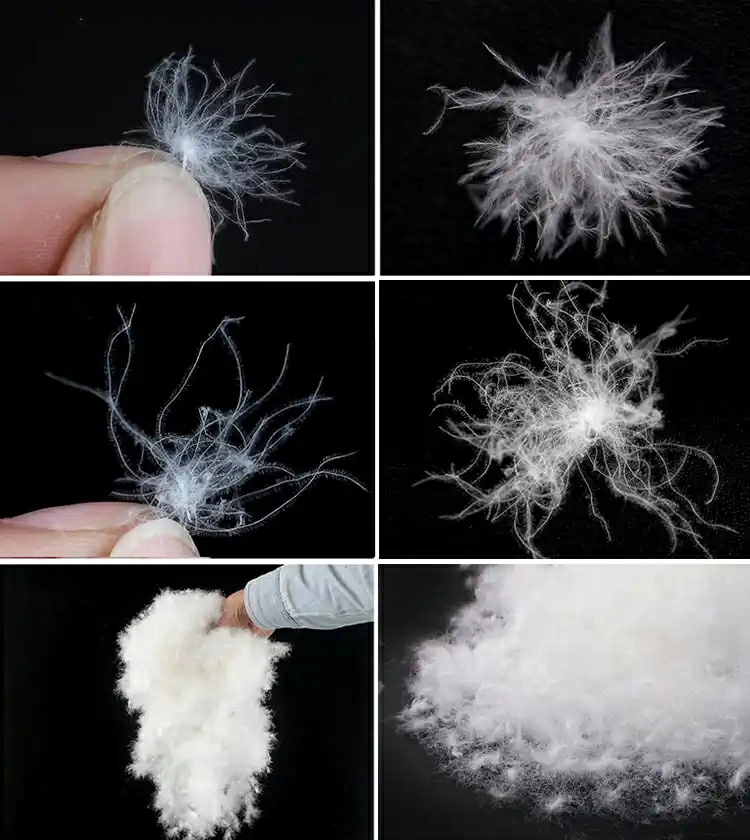
Stuffing density refers to how tightly the filling material is packed inside the plush body.
A higher density creates:
- Firmer shape
- Higher weight (often +40–60%)
- Better display stability
A lower density results in:
- Softer, squeezable feel
- Reduced weight (up to -30%)
- Higher risk of deformation over time
In our sampling experience, products under 20 cm with low-density stuffing often lose shape after 2–3 weeks of handling.
Stuffing Material Types and Their Cost Impact
Stuffing material defines both tactile quality and cost structure. For a larger cushion-style application, see how plush pillows bring fabric, filling, and shape decisions together.
Common options include:
- PP Cotton (standard)
- Most widely used
- Balanced softness and cost
- Suitable for 80% of projects
- Foam inserts
- Used for structural parts
- Increases shape consistency
- Cost increase: +15–25%
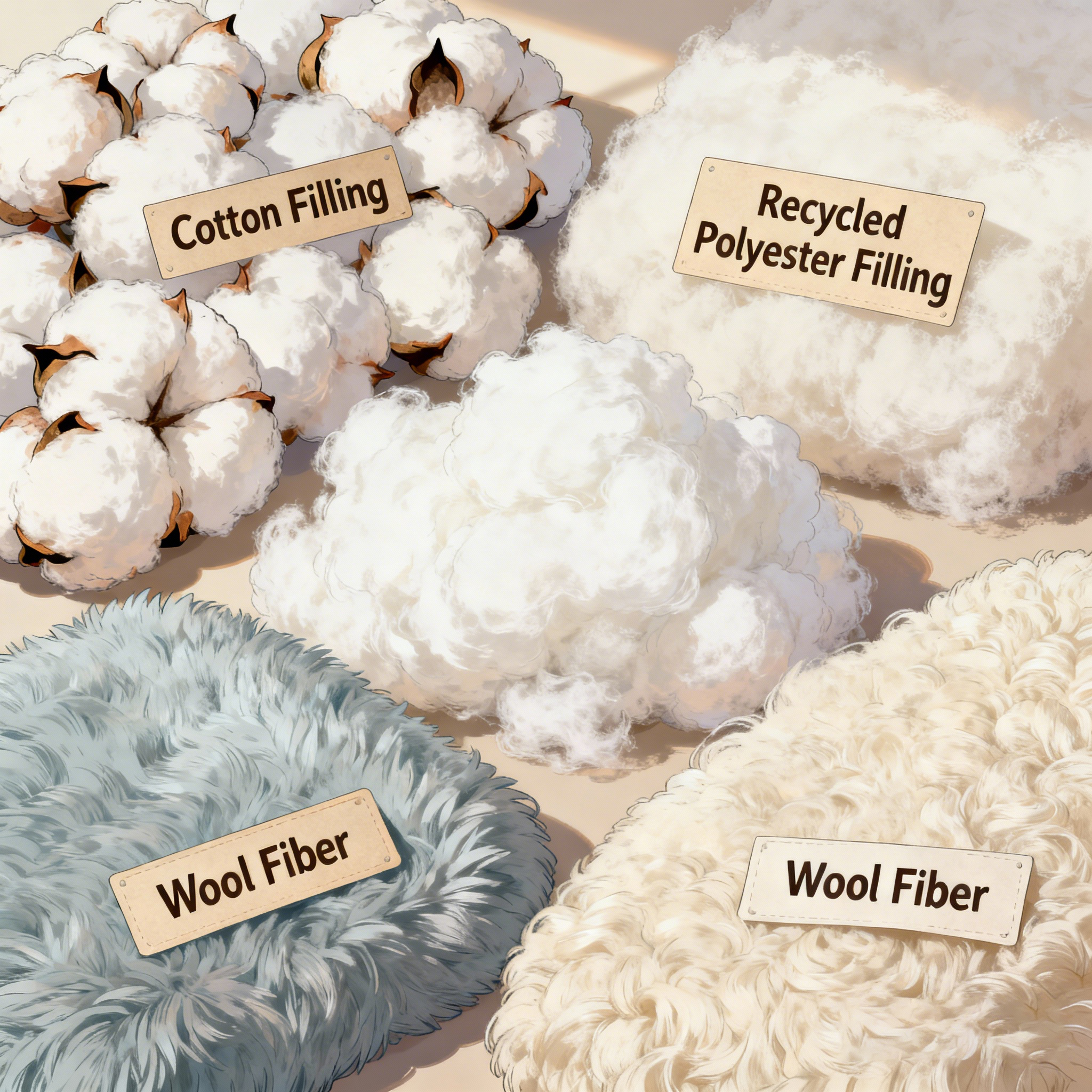
- Specialty fills (memory fiber, recycled blends)
- Premium feel
- Higher resilience
- Cost increase: +20–40%
We typically recommend matching material choice to product positioning rather than defaulting to premium options.
Internal Structure: Why Some Plush Toys Hold Shape Better
Internal structure refers to whether the toy includes segmented filling zones or reinforcement areas.
A structured plush toy may include:
- Separate compartments for head and body
- Reinforced base for sitting stability
- Controlled filling distribution
Compared to single-chamber designs, structured builds:
- improve overall shape retention performance by ~30%
- Reduce uneven filling issues
- Increase labor time by 10–20%
We often apply this approach in projects where consistent results in bulk production matter.
Size Matters: How Dimensions Change Stuffing Behavior
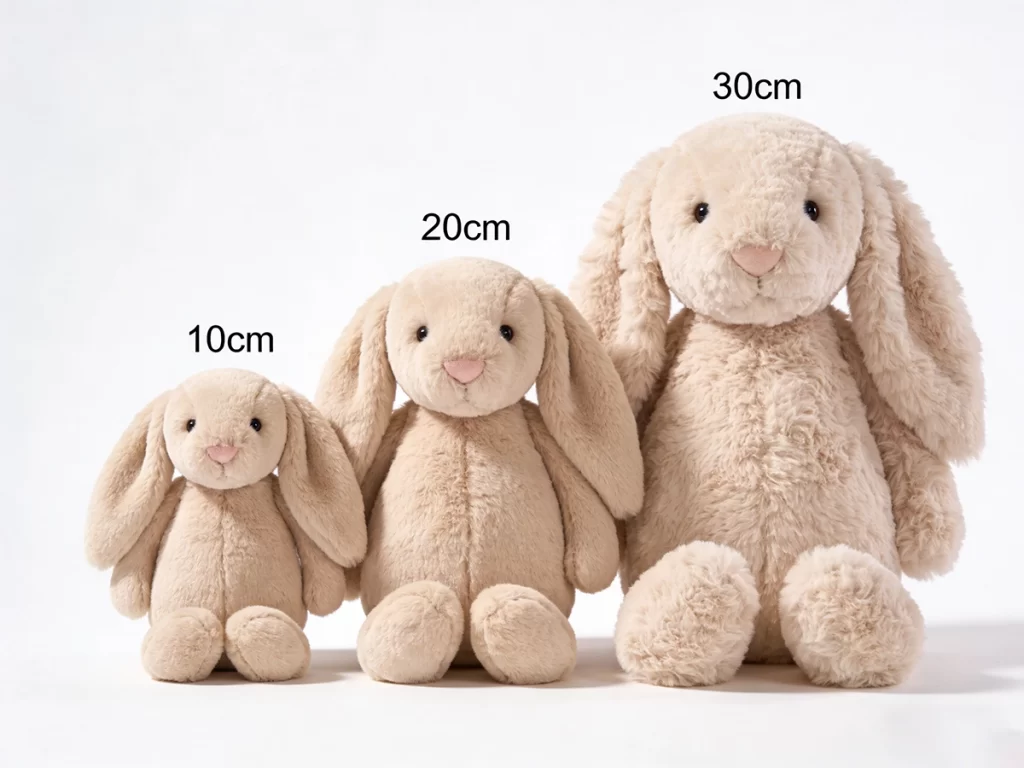
Stuffing behaves differently depending on product size.
For example:
- 10 cm plush
- Limited internal volume
- Requires tighter stuffing to avoid collapse
- 20–25 cm plush
- Most flexible range
- Allows balance between softness and structure
- 30+ cm plush
- Needs internal support or layered filling
- Risk of sagging without reinforcement
In larger designs, we usually introduce internal segmentation to maintain shape over time.
Compression & Shipping: Hidden Cost Factors
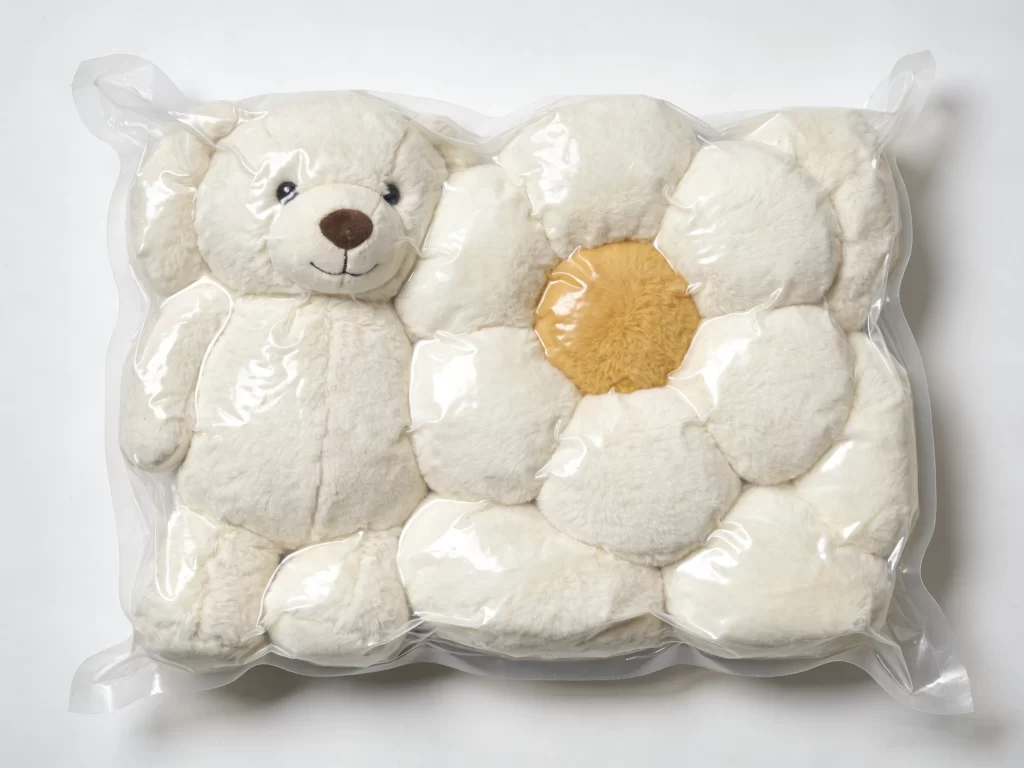
Stuffing density directly affects whether products can be vacuum packed.
- High-density stuffing
- Limited compression capability
- Higher shipping volume
- Medium-density stuffing
- Can be compressed by 30–50%
- Most cost-efficient
- Low-density stuffing
- Maximum compression
- Risk of slow recovery after unpacking
For U.S. shipments, optimized compression can reduce total logistics cost by 20–35%.
Cost Structure: More Than Just Material
Stuffing impacts cost in two ways:
Material cost
- Directly tied to fill weight
- Higher density = higher material usage
Labor cost
- Dense stuffing requires more time
- Inconsistent manual filling increases defect rate
In bulk production, we often see that improving stuffing consistency reduces rework rates by 10–15%.
Who Should Care About Stuffing Decisions?
Stuffing decisions are especially important for:
- Brands focused on premium feel and consistency
- Products intended for display or gifting
- Plush toys with complex shapes or accessories
Less critical for:
- Low-cost promotional items
- Simple shapes under 15 cm
- Short lifecycle products
Sampling: Where Stuffing Decisions Should Be Finalized
Stuffing should always be finalized during sampling, not production.
During sampling, we typically:
- Test 2–3 stuffing densities
- Compare weight differences (often 20–40 g variation)
- Evaluate shape after compression recovery
This is where most adjustments happen before cost is locked.
FAQ
How much does stuffing affect plush toy weight?
Stuffing density can change total weight by 30–60% in the same size plush toy.
For example, a 25 cm plush can vary between 120 g and 200 g depending on fill level.
Is heavier stuffing always better?
Not necessarily.
Heavier stuffing improves shape and perceived quality, but it increases shipping cost and may reduce softness.
We usually recommend balancing firmness with intended use.
Can stuffing be adjusted after sampling?
Minor adjustments are possible, but significant changes after sample approval often affect both cost and production consistency.
It is more efficient to confirm stuffing decisions during sampling.
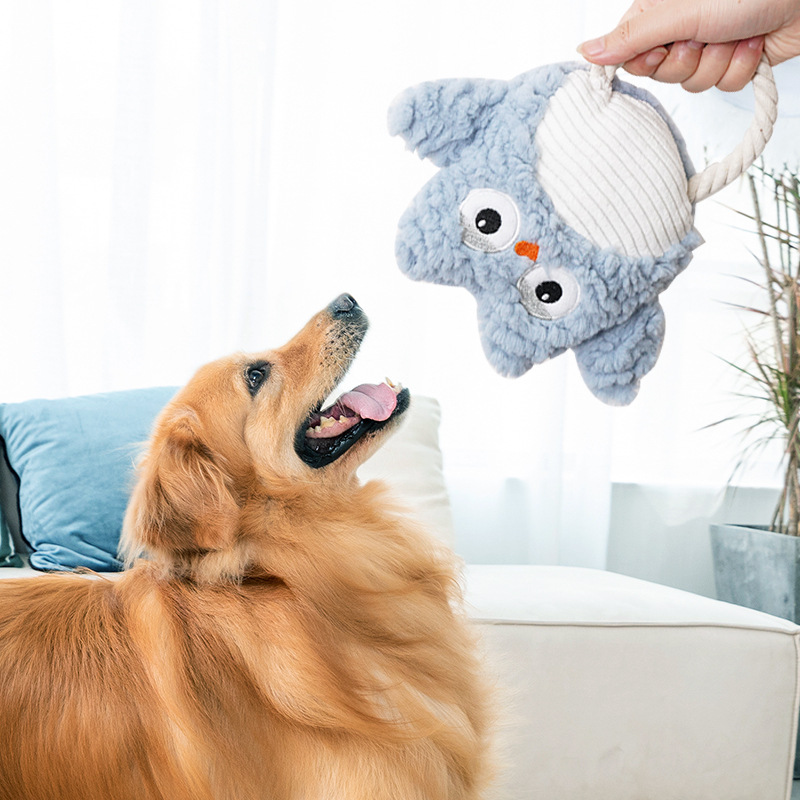
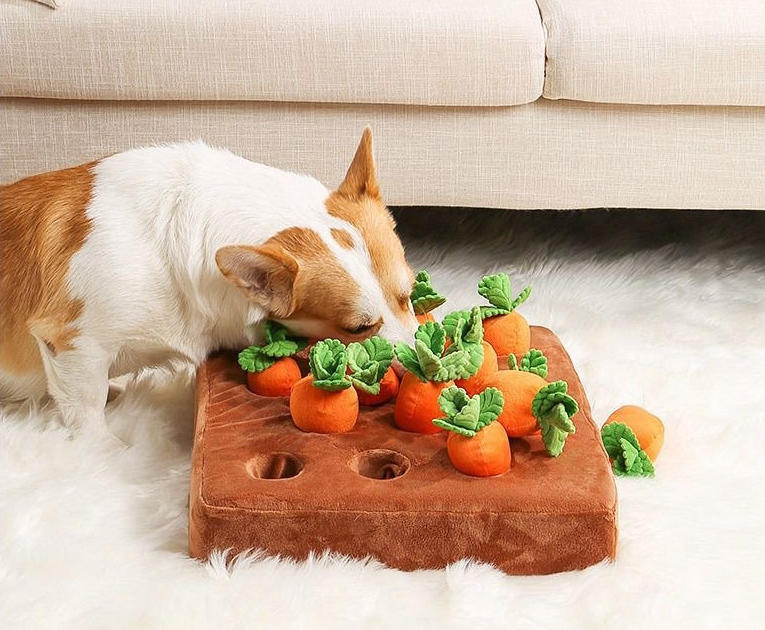
What stuffing is best for pet plush toys?
Pet toys typically require:
- Higher density
- Reinforced stitching
- More durable filling distribution
Softness is less important than durability in these cases.