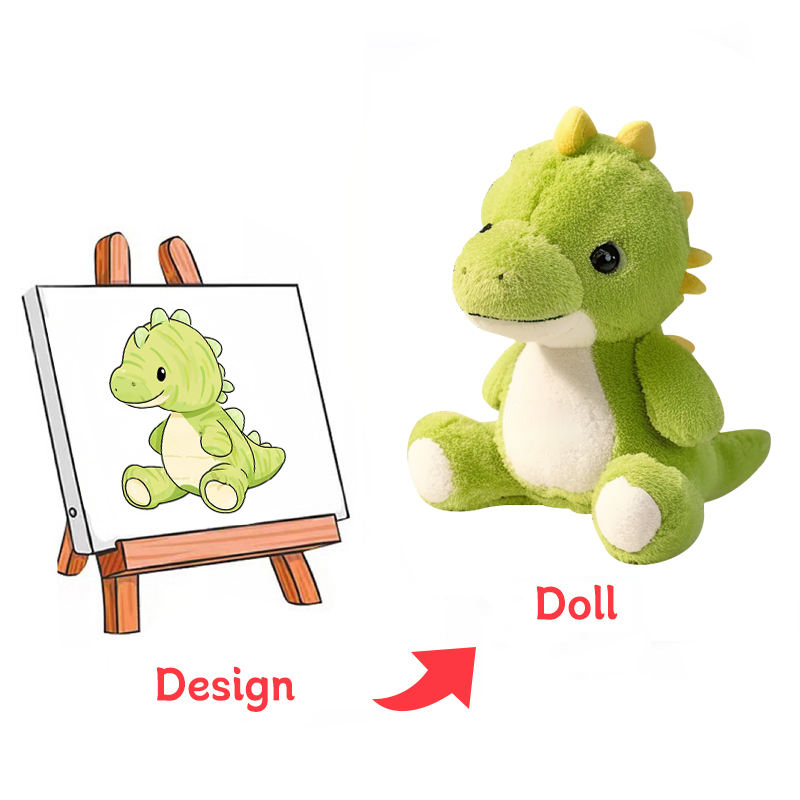
Minky is the softest and most premium-feeling fabric, Velboa is the most cost-efficient and stable for mass production, while Sherpa offers a textured, wool-like appearance but comes with higher variability in production.
In a plush fabric comparison, the choice is not about which is better, but which aligns with your cost, design, and consistency requirements.
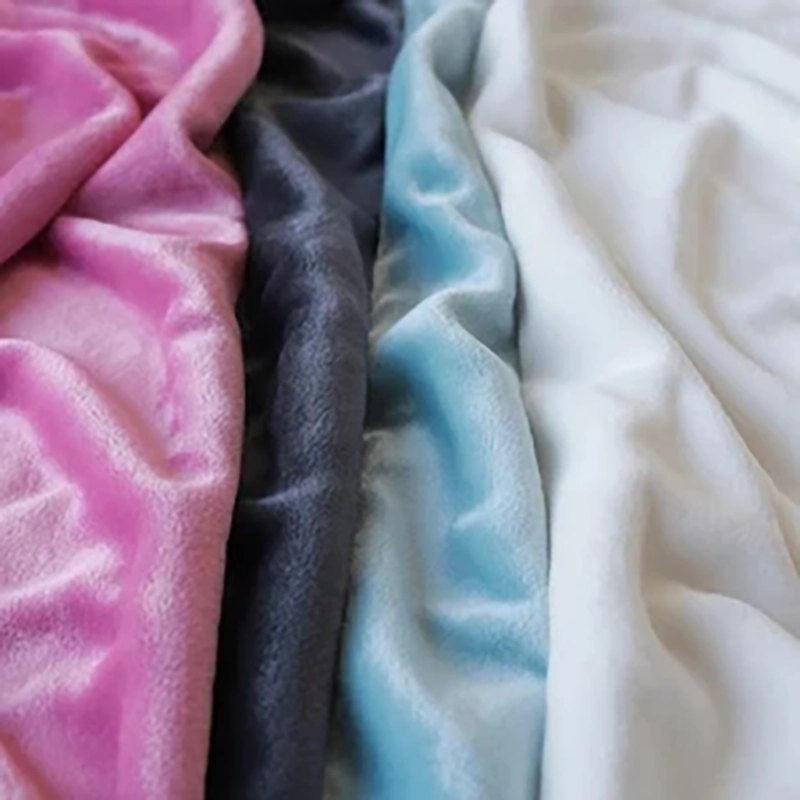
Fabric Texture & Touch Feel
Fabric texture defines how the product is perceived at first contact.
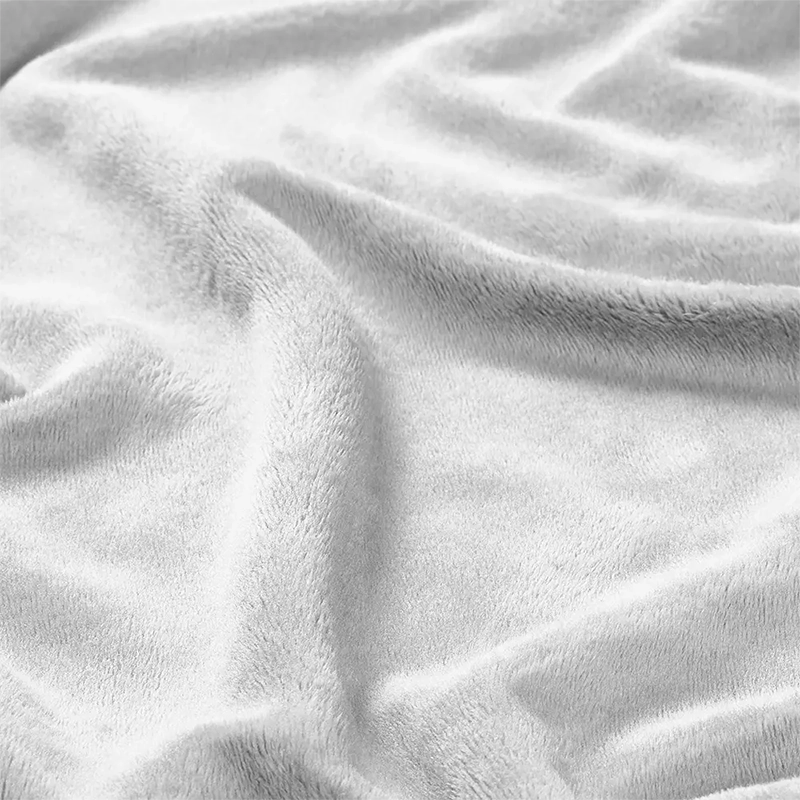
- Minky: Ultra-soft, smooth, with short dense fibers (~1–2 mm)
- Velboa: Slightly firmer, flatter surface, less “luxury” feel
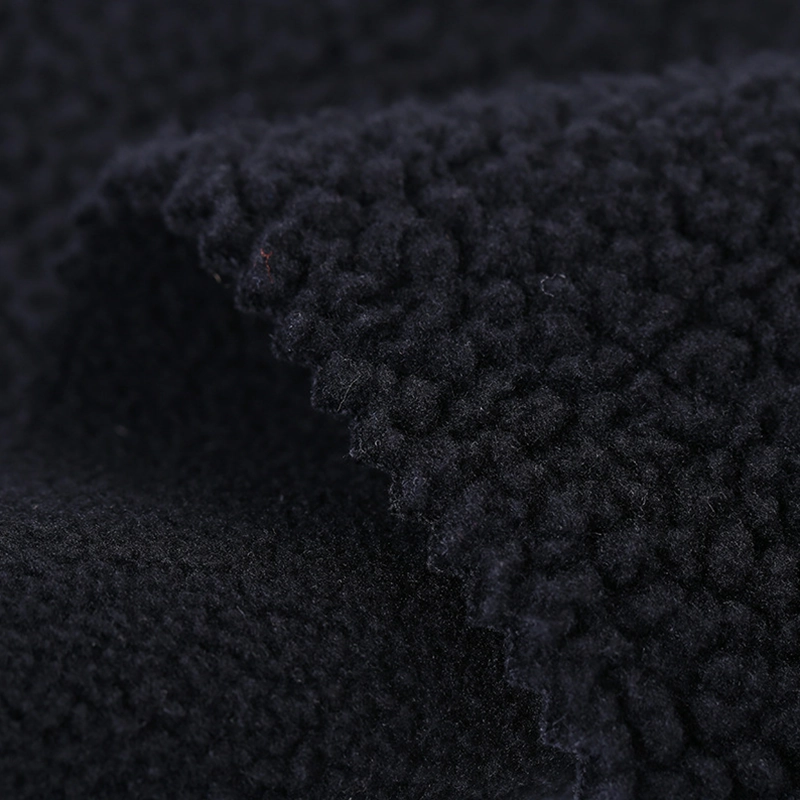
- Sherpa: Curly, fleece-like texture, visually warm but uneven
In our sampling experience, Minky is often chosen for premium plush toys, while Velboa is preferred when consistency matters more than softness.
Cost Structure & MOQ Impact
Fabric selection directly affects unit price and feasible order quantity.
- Minky: typically increases cost by 20–40% vs Velboa
- Sherpa: similar or slightly higher than Minky depending on density
- Velboa: baseline cost, most stable for pricing
We usually observe that projects using Minky require higher MOQ (500–1000 pcs) to balance cost, while Velboa allows more flexibility for smaller test orders.
Durability & Production Stability
Durability is not just about material strength, but also production consistency.
- Velboa: strongest structural stability, low deformation risk
- Minky: soft but can show pressure marks during shipping
- Sherpa: highest variability, fibers may flatten or shift
For compressed packaging, we typically recommend avoiding Sherpa due to recovery inconsistency after long transit.
Appearance Consistency in Bulk Orders
Consistency becomes critical when scaling from sample to mass production.
Velboa performs best in:
- color consistency across batches
- uniform surface appearance
- predictable cutting behavior
Minky performs well visually but may show slight shading differences under lighting.
Sherpa has the reviewing how different fabrics behave in bulk production due to fiber direction and density variation.
Embroidery & Printing Compatibility
Fabric structure directly affects decoration results.
- Velboa: best for printing and embroidery clarity
- Minky: embroidery acceptable, printing less sharp
- Sherpa: not suitable for fine detail work
In projects requiring logo accuracy, we usually recommend Velboa to avoid distortion or uneven stitching.
Sampling Complexity & Lead Time
Different fabrics introduce different sampling challenges.
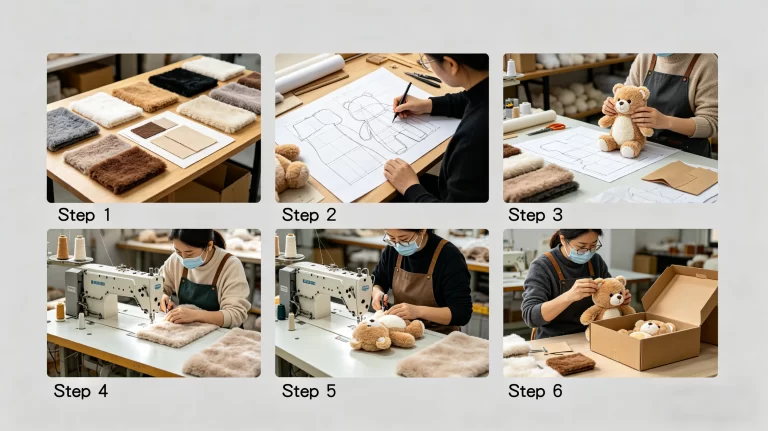
- Minky: managing adjustments during the sampling phase for seam alignment and pile direction
- Sherpa: requires multiple revisions to stabilize shape
- Velboa: fastest and most predictable sampling
In our experience, Sherpa samples often require 1–2 additional revisions, which may extend sampling time by 5–7 days.
Application Scenarios – When to Use Each Fabric
Each fabric serves a distinct purpose.
Minky is suitable for:
- premium gift plush toys
- baby products (soft-touch priority)
- IP merchandise with emotional positioning
Velboa is suitable for:
- promotional plush toys
- large-volume retail items
- projects requiring strict cost control
Sherpa is suitable for:
- winter-themed products
- decorative plush items
- designs where texture is a visual focus
Who Should Choose What?
The decision should discuss the most suitable fabric option for your project.
- If you prioritize cost control and scalability, Velboa is the safest choice
- If your focus is premium positioning, Minky is more appropriate
- If your design relies on visual texture, Sherpa can work—but requires tolerance for variation