
Custom AI Plush Toys for Brands & Character Projects
Turn your brand mascot, character project, or smart toy idea into a custom plush toy with voice, story, app-connected, or simple interactive possibilities. Wehao Toys helps brands explore practical custom AI plush toy concepts based on product goals, target users, and project requirements.
*Have a mascot, character project, or plush AI toy idea? Send us your concept and tell us what kind of interaction you want to explore.*
For Brand Mascots & Character Projects
Bring your mascot, IP character, or original toy idea into a more engaging plush toy format for campaigns, retail products, gifts, or licensed projects.
From Plush Toy Idea to Interactive Concept
Explore voice, sound, storytelling, touch response, or app-connected options that can make AI toys more memorable and useful for real users.
Project Evaluation Before Development
Share your design, target function, quantity, market, and budget range. We will help review which custom plush toy direction is more suitable for your idea.
What Are AI Plush Toys?
AI plush toys are AI toys built around a soft plush toy format. They can look like stuffed animals, plushies, mascots, or character toys, while adding voice, story, touch response, or app-connected features.
For brands, a smart plush toy is not only a soft product. It can make a character more interactive, memorable, and useful in real user scenarios.
How AI plush toys work depends on the selected voice module, app-connected solution, simple interaction function, budget, and project scope.
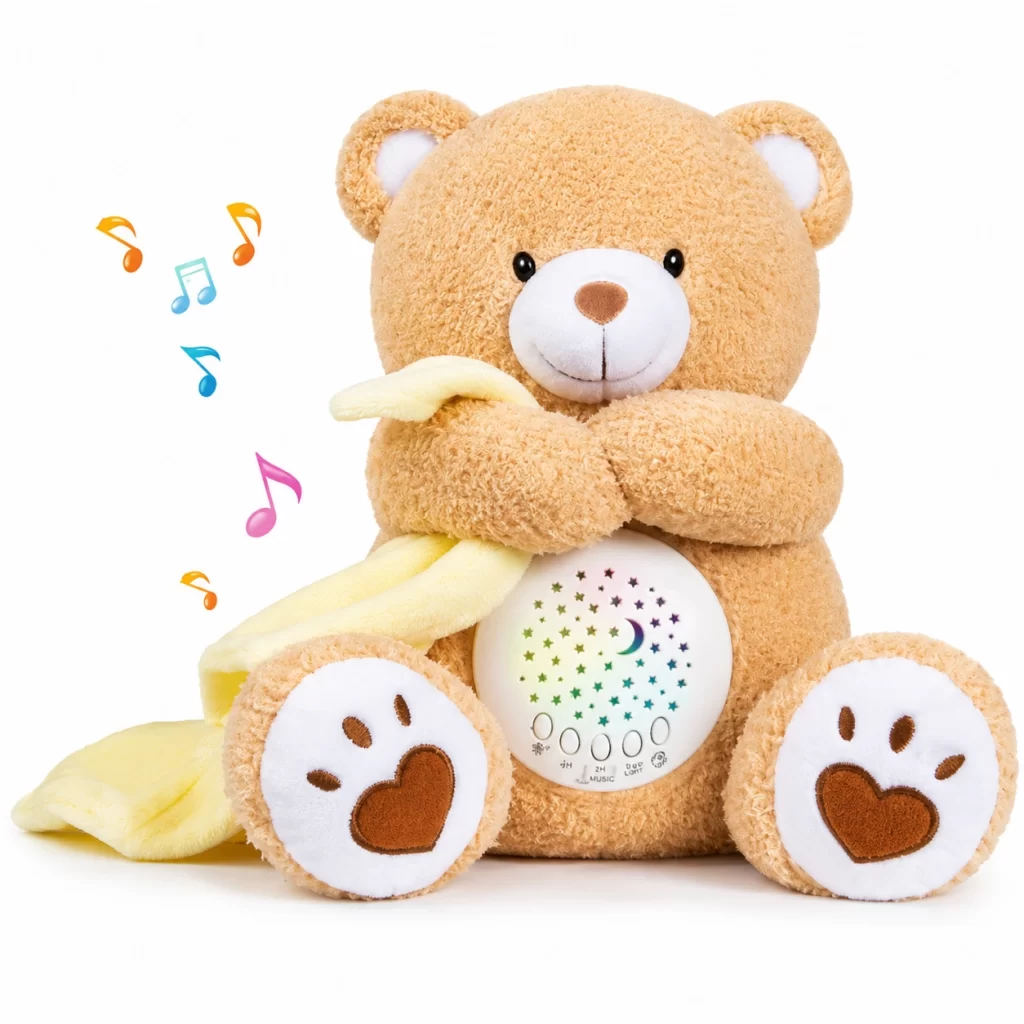
Voice & Sound Output
Add voice lines, music, sound effects, or character phrases to make the plush toy feel more expressive.
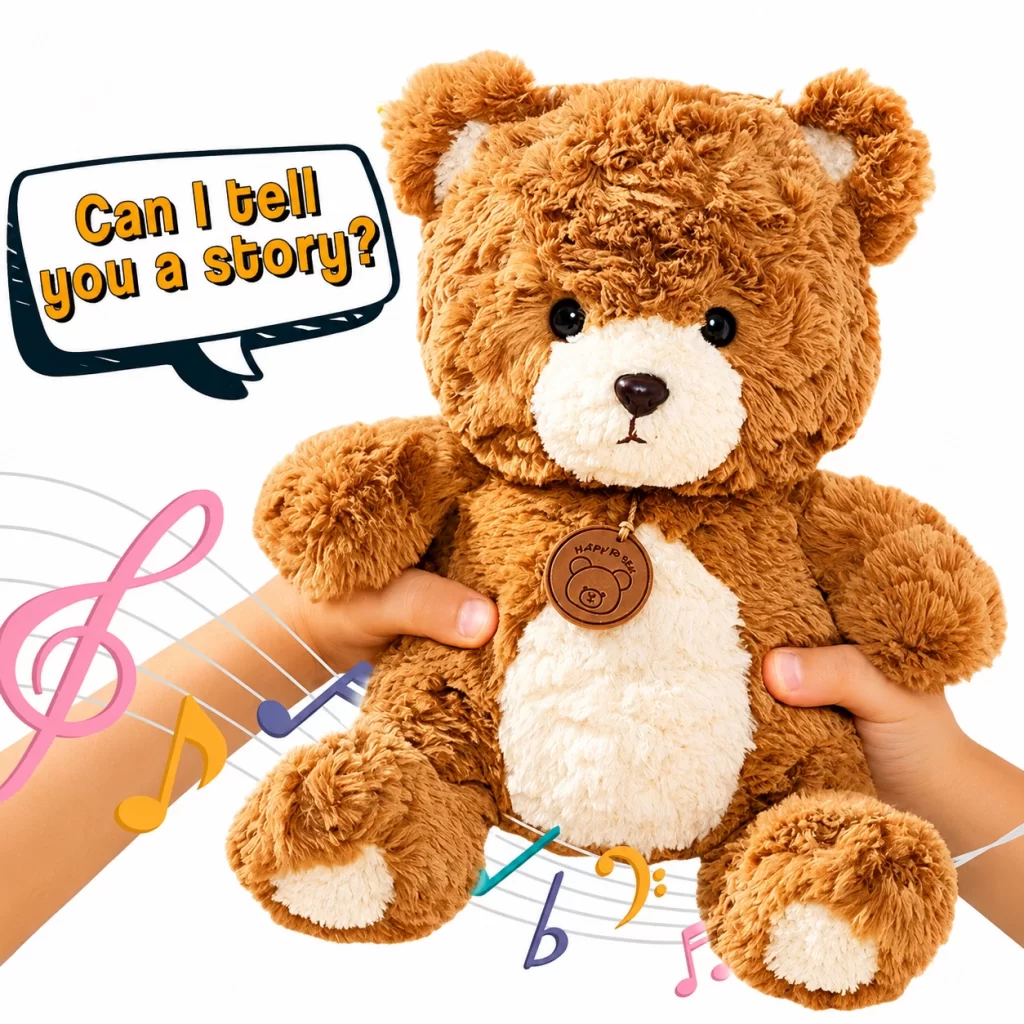
Story & Learning Content
Use the plush toy to deliver bedtime stories, brand stories, learning scripts, or language content.
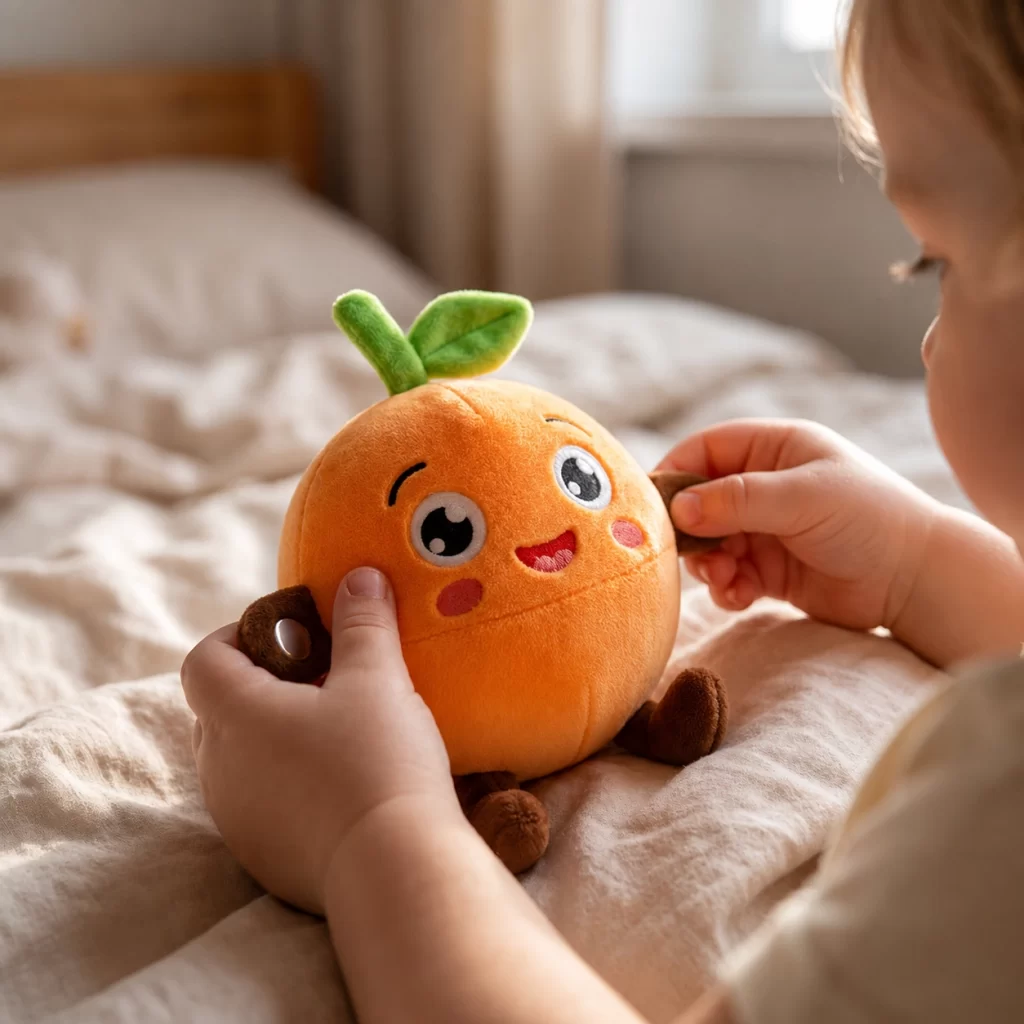
Touch-Based Interaction
Let users trigger sound, light, or simple responses through touch, hugs, buttons, or pressure-sensitive areas.
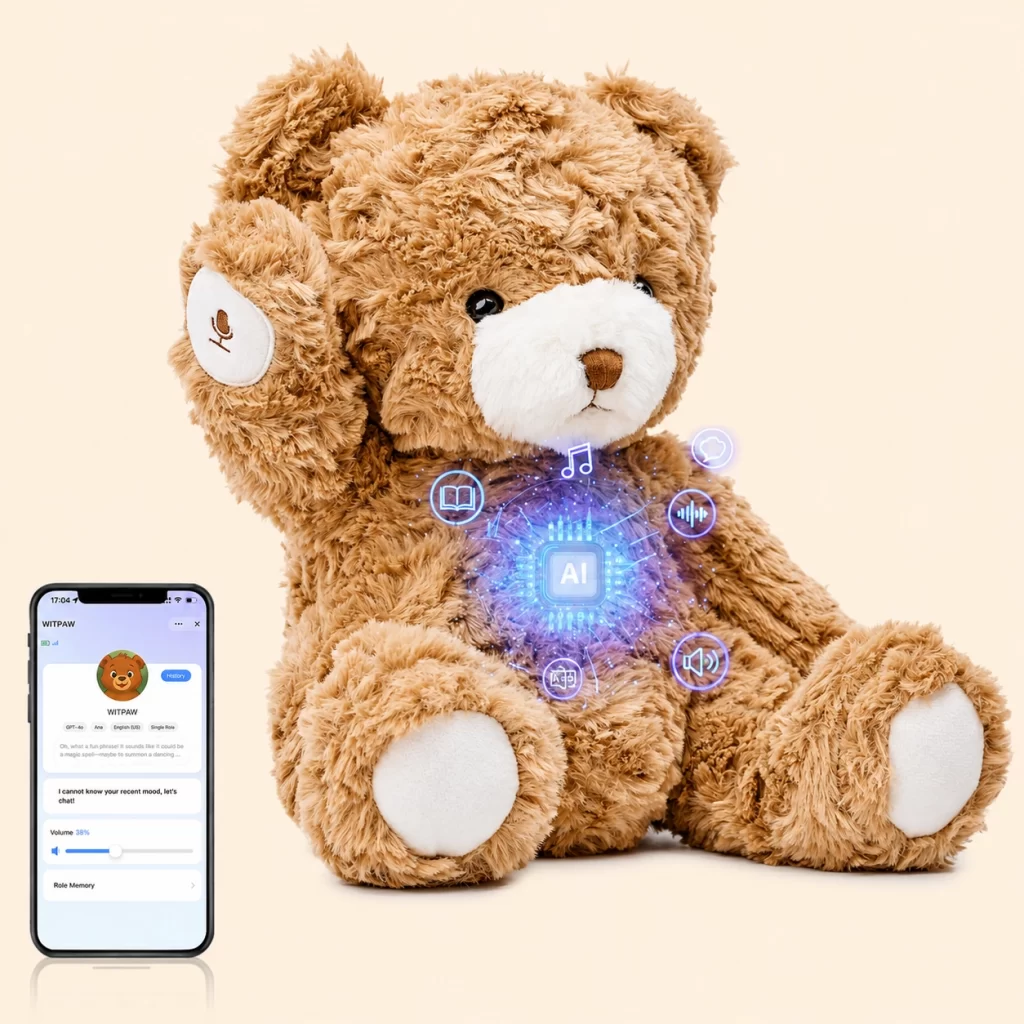
App-Connected Features
Explore content updates, remote messages, language settings, or simple app-connected control when suitable.
Explore AI Plush Toy Types
AI plush toys can take many forms, from a talking teddy bear to interactive stuffed animals, educational plushies, app-connected plush toys, or custom mascot projects. The right plush toy type depends on your character project, target users, and the kind of interaction you want to create.
Each concept can be evaluated based on available voice, sound, app-connected, or simple interaction options.
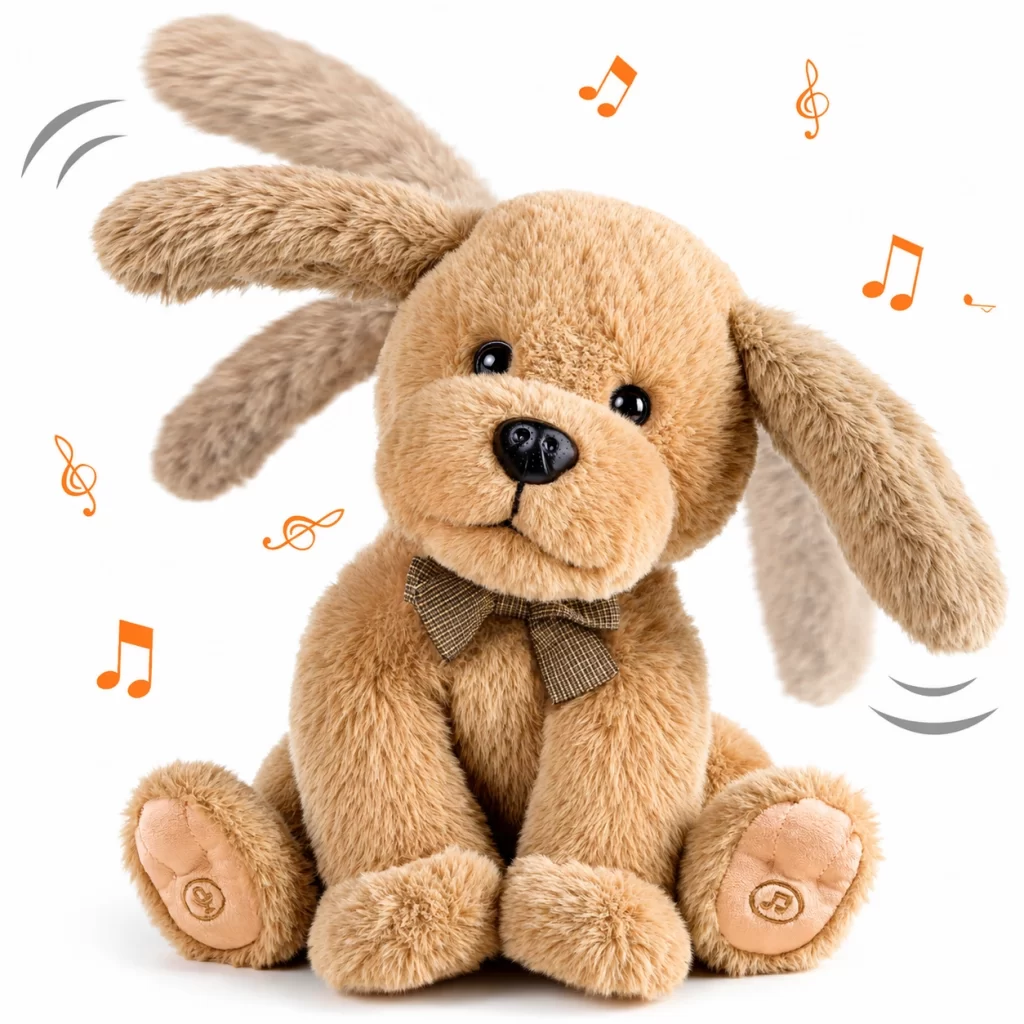
Talking Plush Toys
A talking plush toy is a practical entry point for brands that want to add voice lines, sound effects, character phrases, or storytelling content to a soft toy. It works well for teddy bear concepts, gift products, mascot plush toys, and simple character projects.
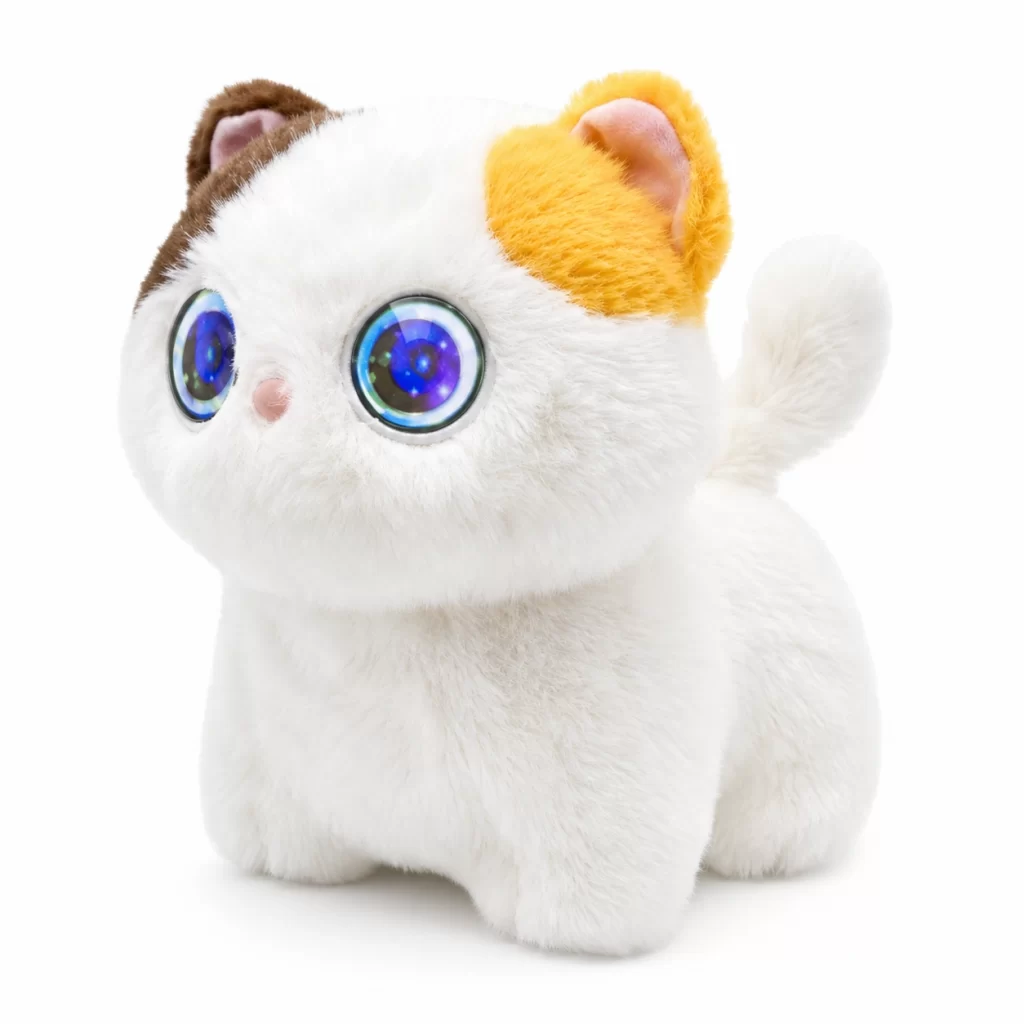
Interactive Plush Animals
Interactive plush animals can be designed as dogs, cats, bears, rabbits, or other stuffed animals with sound, touch response, light, or movement-inspired interaction. This type is suitable for playful plushies, kids’ products, and interactive kids toys concepts.
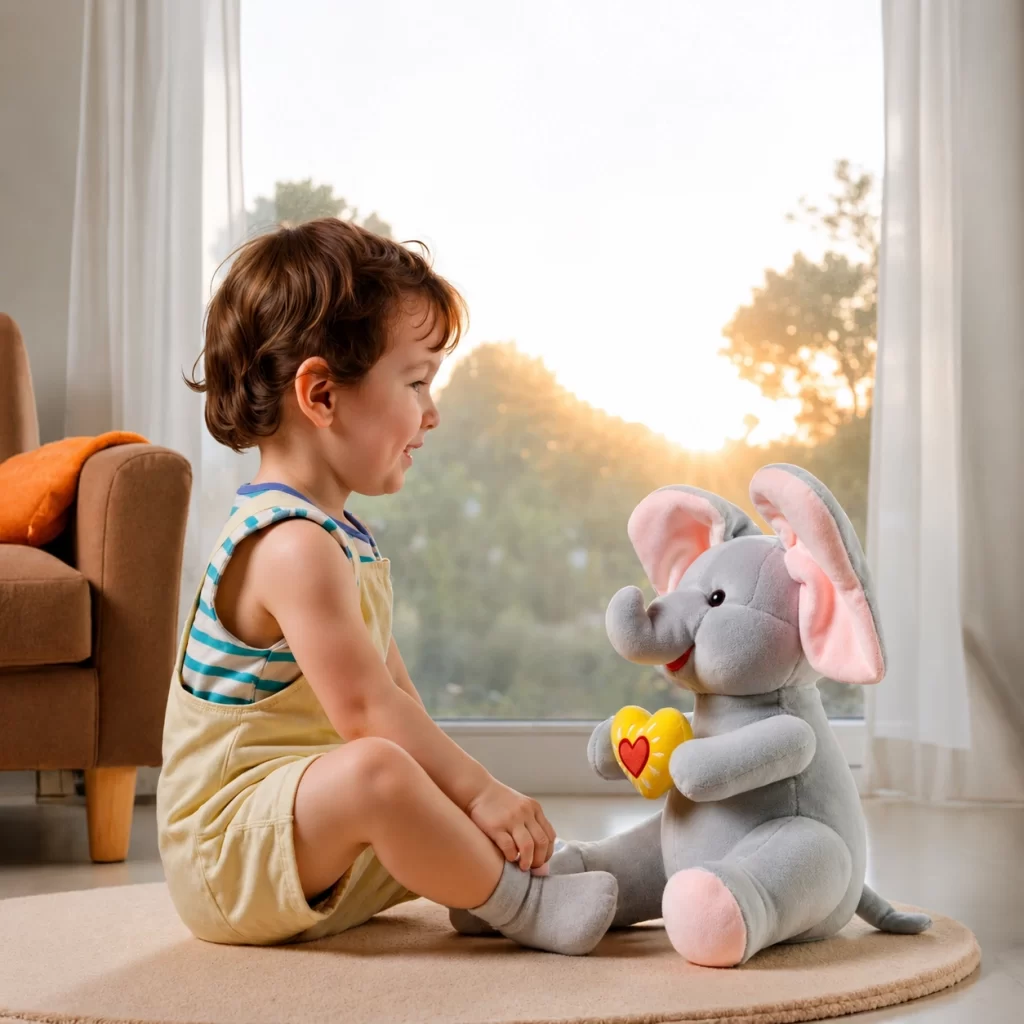
Educational AI Plush Toys
Educational AI plush toys can support learning scripts, language content, story-based lessons, or simple question-and-answer experiences. They are suitable for children’s brands, learning products, and educational toys for kids projects.
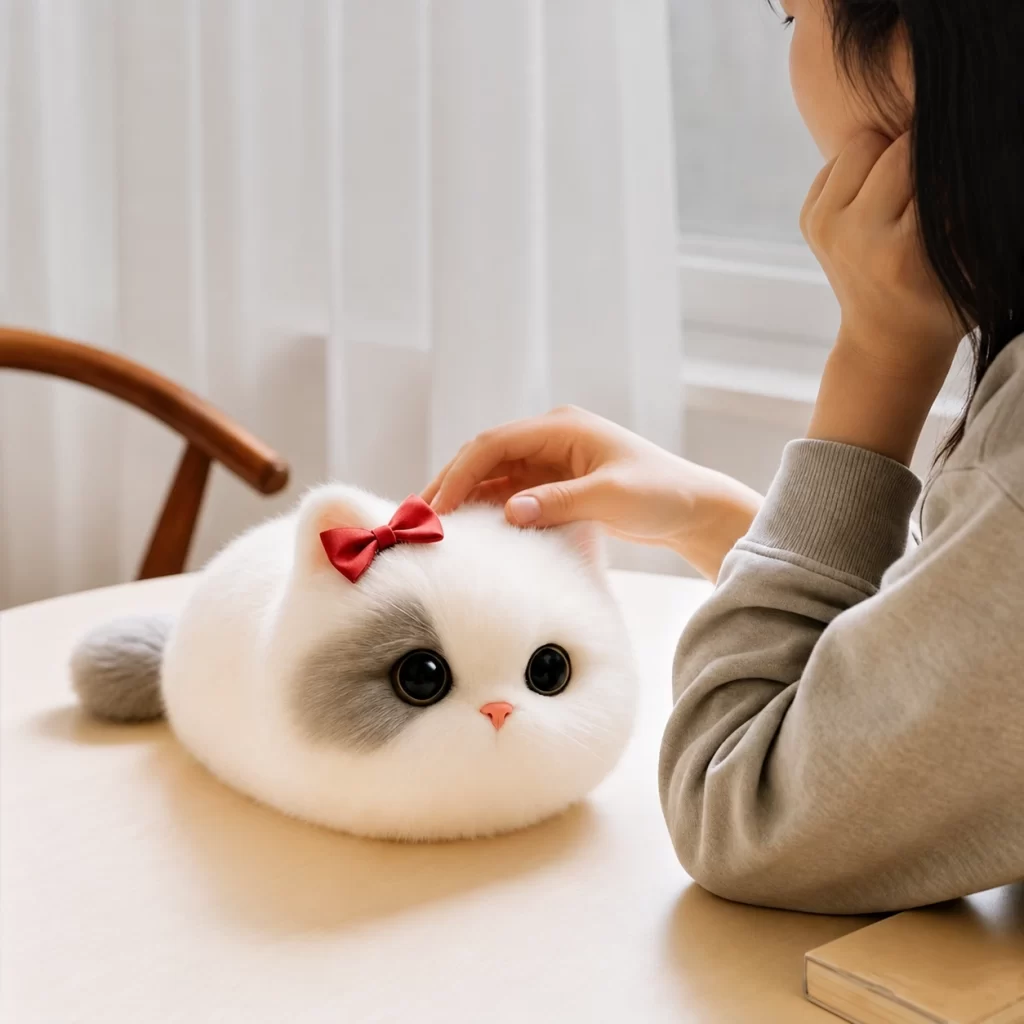
AI Companion Plush Toys
AI companion plush toys focus on soft interaction, character personality, sound, storytelling, or simple response features. They can be considered for gift ideas, home-use plushies, lifestyle products, or character-based companion concepts.
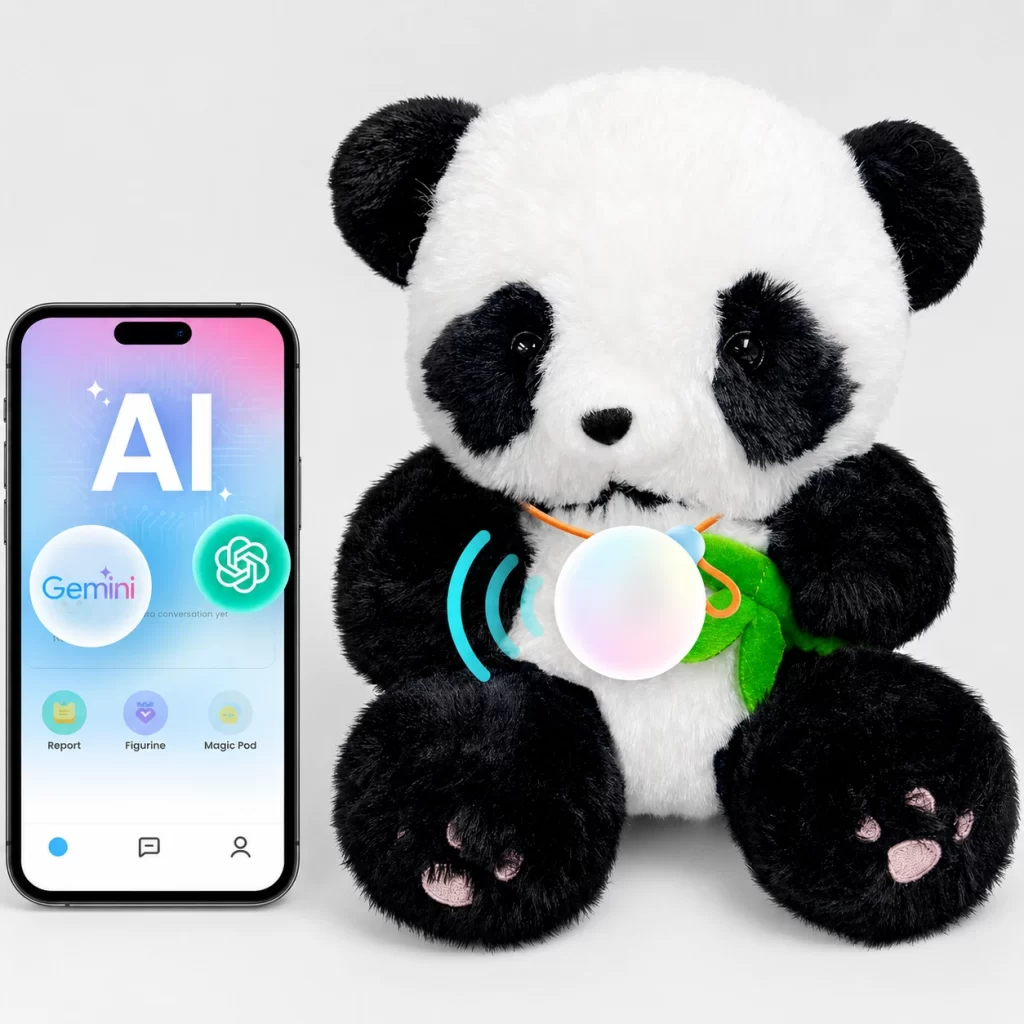
App-Connected Plush Toys
App-connected plush toys may support content updates, remote messages, language settings, or simple control features when the selected solution allows it. This type is more suitable for brands that want a smart plush toy experience beyond basic sound.
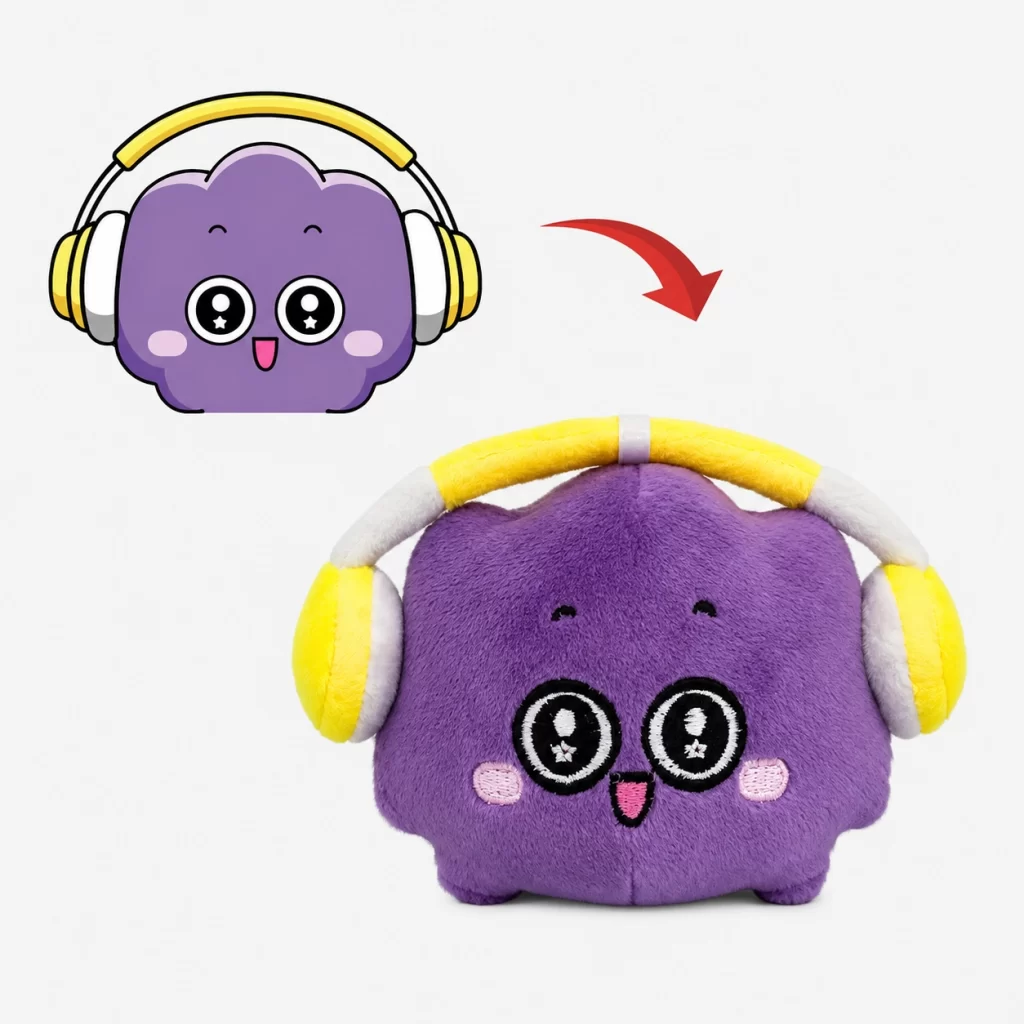
Custom IP & Mascot AI Plush Toys
A custom plush toy based on a brand mascot, licensed character, or original IP can become more engaging when combined with voice, story, or simple interactive features. This is suitable for brand campaigns, retail collections, event gifts, and character project development.
Not sure which type fits your idea?
Share your character design, target users, expected interaction, and quantity, and we can help review the most suitable AI plush toy direction for your project.
Interactive Features for AI Plush Toys
AI plush toys can include different interactive features, such as voice, sound, storytelling, touch response, light effects, or app-connected options. The final feature set depends on the selected solution and project scope.
Voice Plush Toy Features
Voice lines, character phrases, music, or sound effects can be added to create a more expressive plush toy.
Storytelling Plush Toy Content
Storytelling content can include bedtime stories, brand stories, learning scripts, or themed audio messages.
Touch Response
Touch, hug, squeeze, button, or pressure-based triggers can activate sound, light, or simple responses.
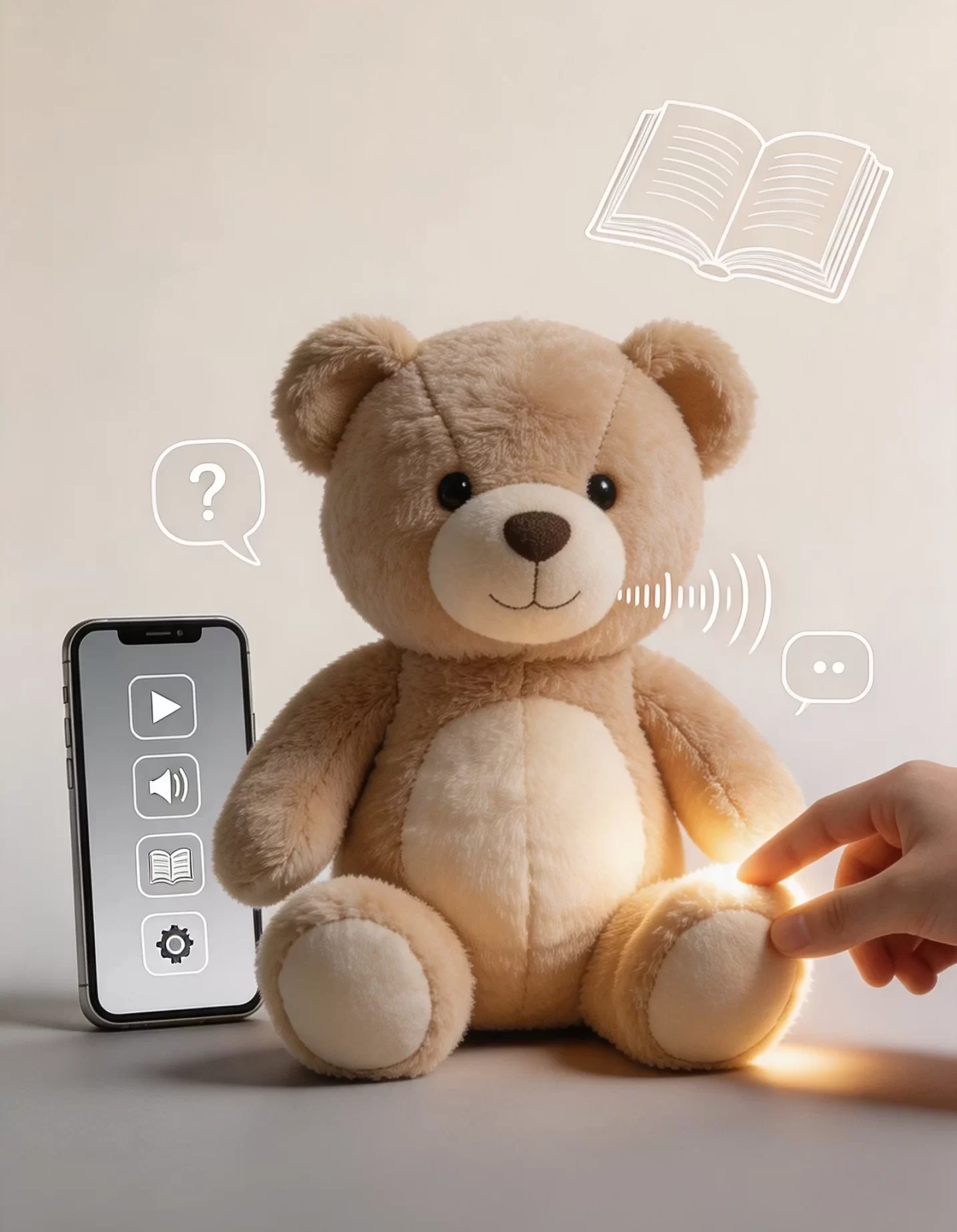
Light-Up Effects
Light up toy features can add soft visual feedback for story moments, reactions, or character expressions.
App-Connected Options
An app-connected plush toy may support content updates, remote messages, language settings, or simple control features.
Simple AI Interaction
Some AI toys may support basic Q&A, multilingual voice content, or simple response logic, depending on the available solution.
4 Custom AI Plush Project Routes
A custom plush toy project can start from a simple voice module, a smart plush toy concept, an existing app or module, or an early AI toy project brief. The suitable route depends on the character idea, interaction level, project scope, and available resources.
Character Plush + Voice Module
For a character project that needs voice lines, music, recording, or storytelling content, a voice plush toy route is often the simplest starting point.
Character Plush + Simple AI Interaction
For a smart plush toy idea with basic Q&A, multilingual voice content, or simple response logic, the available solution and project scope need to be evaluated first.
Your App or Module + Custom Plush Design
If an existing app or module is already available, the project can focus on adapting the character into a custom plush toy format.
Custom Plush Concept + Resource Coordination
For an early AI toy project brief, the first step is to clarify the product idea, target features, budget range, and resources needed for a custom plush quote.
Everyday Uses for AI Plush Toys
AI plush toys can be used in different daily scenarios, from bedtime storytelling and learning moments to family interaction, companion plush ideas, and brand mascot experiences.

Bedtime Storytelling
A storytelling plush toy can play bedtime stories, soft music, or themed audio content for calm evening routines.
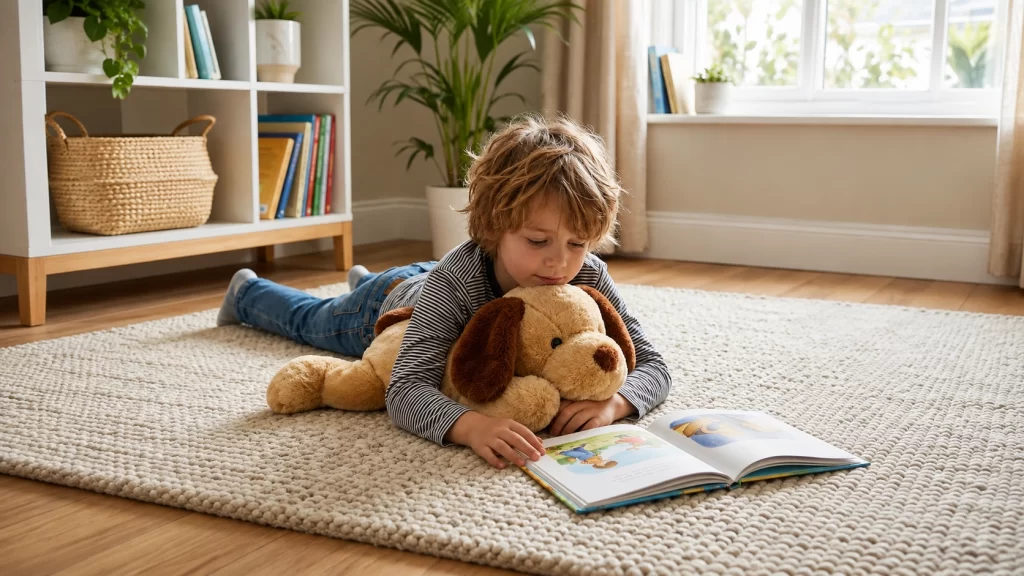
Learning Moments
AI plush toys can support learning scripts, language content, or simple guided messages for educational toys for kids.
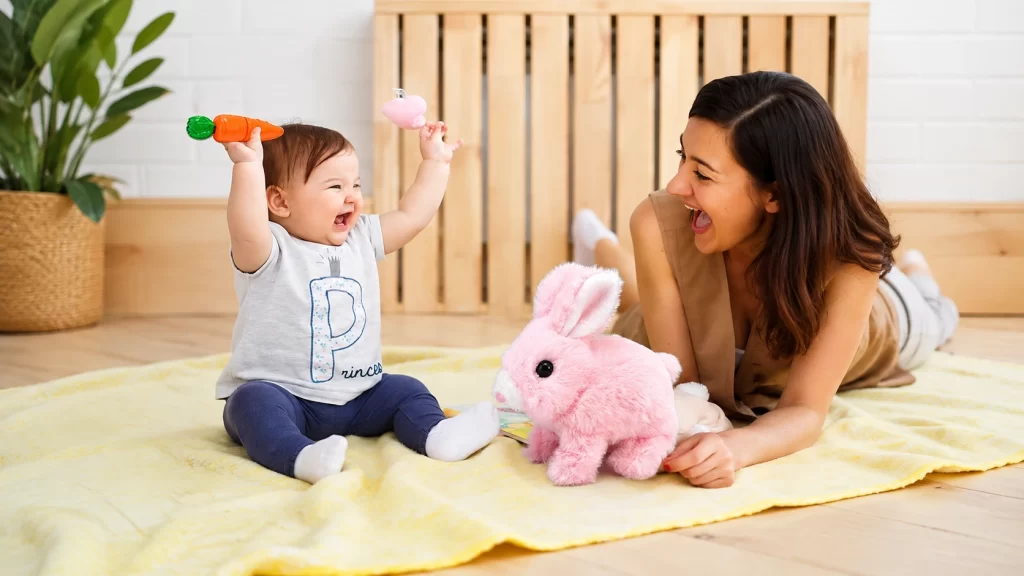
Family Interaction
Voice, sound, touch response, or simple interactive features can make plush toys more engaging during family play.
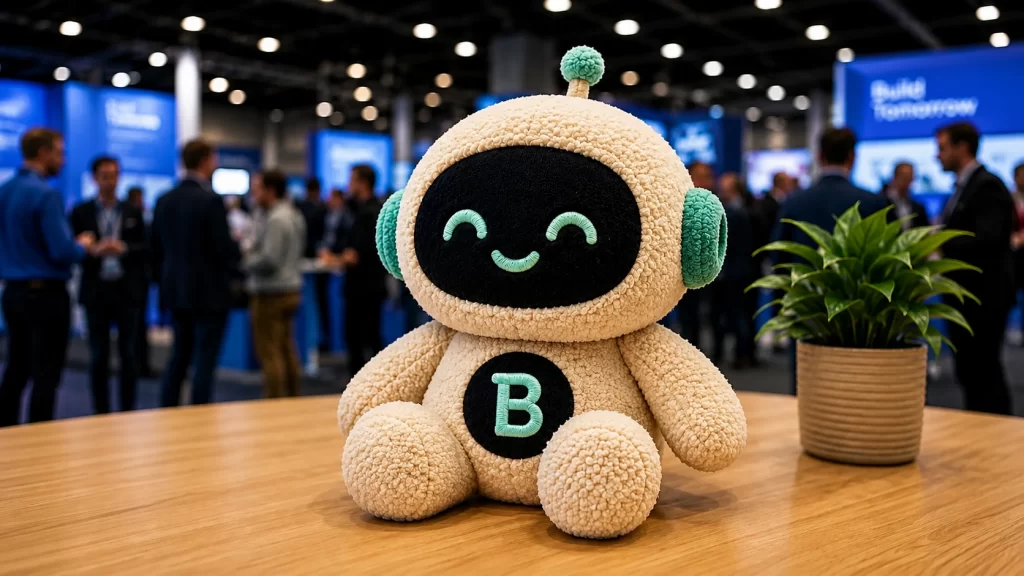
Brand Mascot Experiences
A smart plush toy based on a brand mascot can be used for campaigns, gifts, events, or character-based retail ideas.
What We Need for an AI Plush Toy Project Evaluation
To provide a suitable custom plush quote, we need a clear AI toy project brief with your character idea, target features, quantity range, and project direction.
1. Character or Product Idea
Share your character project, mascot, sketch, reference image, or existing custom plush toy idea.
2. Target Interactive Features
Tell us whether the product needs voice, story, touch response, light effects, app-connected features, or simple AI interaction.
3. Product Use Scenario
Let us know if the plush toy is for brand campaigns, retail products, educational toys for kids, gifts, or IP projects.
4. Quantity or MOQ Expectation
Provide your expected quantity range, so the project can be reviewed with suitable module and sourcing options.
5. Target Market
Share the destination market, such as the US, EU, UK, Canada, Australia, or other regions.
6. Existing App, Module, or Budget Range
Let us know whether you already have an app, module, or technical partner, and your estimated budget range for evaluation.
FAQ About Custom AI Plush Toys
1. Can I customize an AI plush toy with my own character or mascot?
Yes. A custom AI plush toy can be developed around your mascot, IP character, sketch, or product idea, depending on the target function and project scope.
2. What information do you need to evaluate my AI plush toy idea?
Please share your character image or sketch, target features, size idea, quantity range, destination market, and whether you already have an app, module, or technical partner.
3. Can we customize the voice, story, or learning content?
Yes. Voice lines, story scripts, learning content, brand messages, or character phrases can be reviewed based on the selected voice or interaction solution.
4. Do AI plush toys need an app or Wi-Fi?
Not always. Some AI toys can use simple voice or sound modules, while app-connected plush toy or Wi-Fi features are only needed for content updates, remote messages, or online interaction.
5. Can voice, touch response, and light effects be combined?
Yes. A plush toy can be evaluated with voice, sound, touch, squeeze, button, pressure response, or light effects, depending on the available module.
6. Can we use our own app, PCB, or AI module?
Yes. If you already have an app, PCB, AI module, or technical partner, the project can be reviewed around your existing setup and plush product requirements.
7.Can AI plush toys be used for educational toys for kids?
Yes. Educational toys for kids may include story content, language learning, simple guided messages, or basic interactive learning features.
8.Are AI toys safe for kids?
Safety depends on the final product design, age group, electronic function, battery, market requirements, and testing plan. The required standards should be reviewed before production.
9.What quantity should I prepare for a custom AI plush toy project?
Quantity depends on the plush toy design, selected function, module availability, packaging needs, and sourcing requirements. Sharing your expected quantity range helps with the first evaluation.