
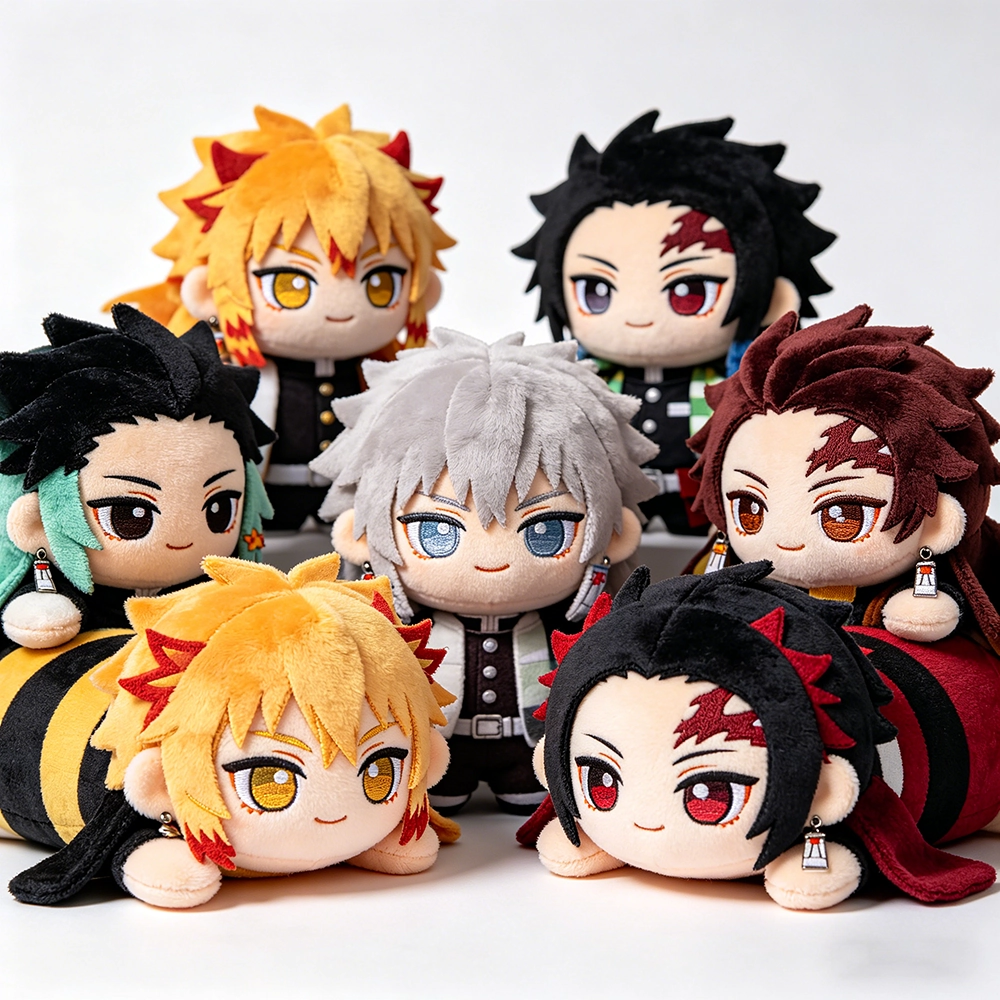
Custom anime plush toys are developed based on characters from animation, comics, games, virtual idols, or original IP concepts. These characters are not generic designs — they are defined by clear ownership, visual identity, and narrative background.
.webp)
Unlike standard plush products, anime plush toys are created to transform a two-dimensional character into a three-dimensional, physical form that can be produced, sold, and experienced. This process involves interpreting the character’s proportions, expression, colors, and personality into a plush-friendly structure while maintaining recognizability.
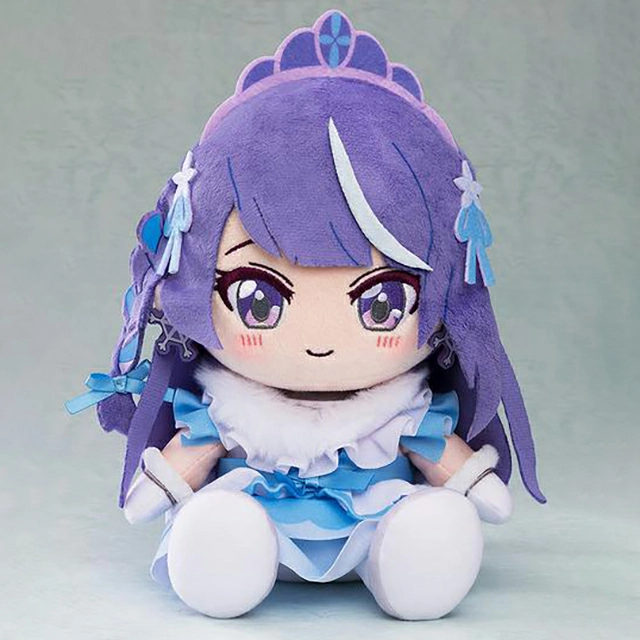
More importantly, anime plush toys function as more than just products. They serve as a bridge between digital content and real-world interaction, allowing users to physically engage with a character they previously could only see on screen. This makes them a core medium for IP commercialization, fan connection, and brand expansion.
Who Needs Custom Anime Plush Toys
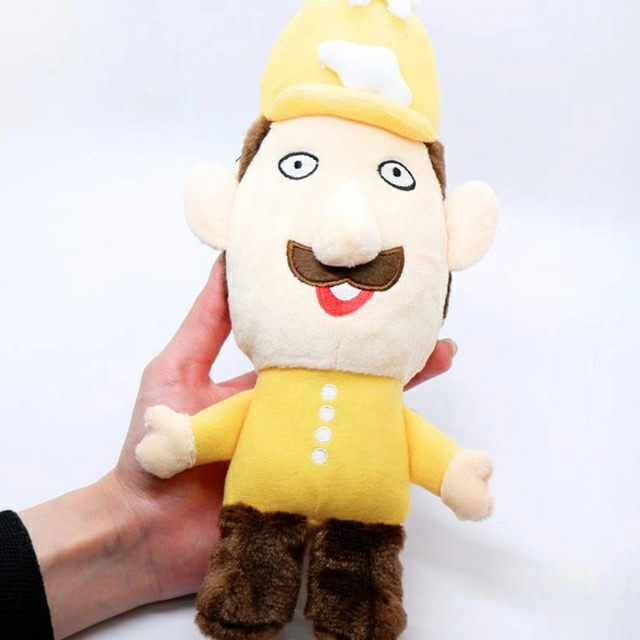
IP Owners & Content Creators
Develop plush products based on original characters from animation, games, or virtual IPs to extend their lifecycle beyond digital content.
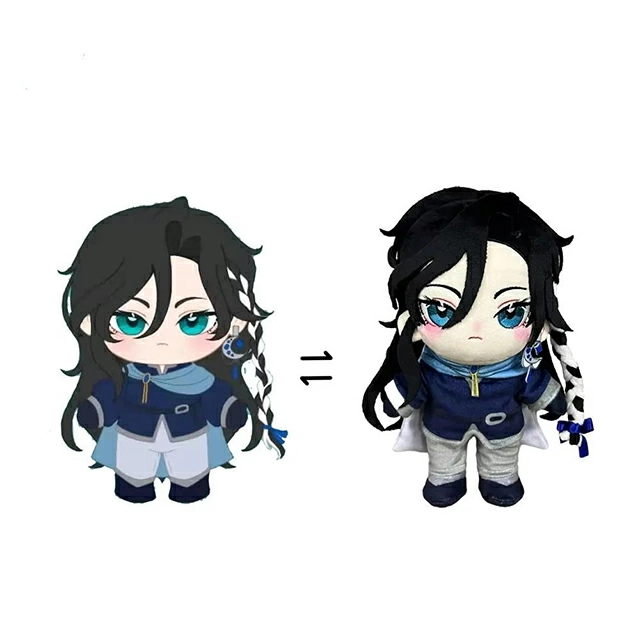
Licensing & Merchandising Companies
Transform licensed characters into retail-ready products that can be distributed through online and offline sales channels.
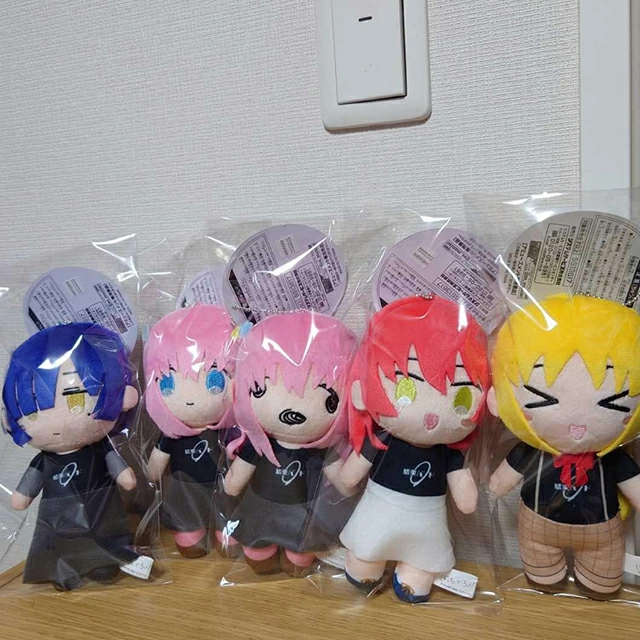
Brands & Co-Branding Projects
Use character-based plush products in marketing campaigns, collaborations, or promotional activities to increase brand visibility.
E-commerce Sellers & DTC Brands
Launch custom plush designs or character-based products to test market demand and build differentiated product lines.
Use Case: Small batch testing / Online sales
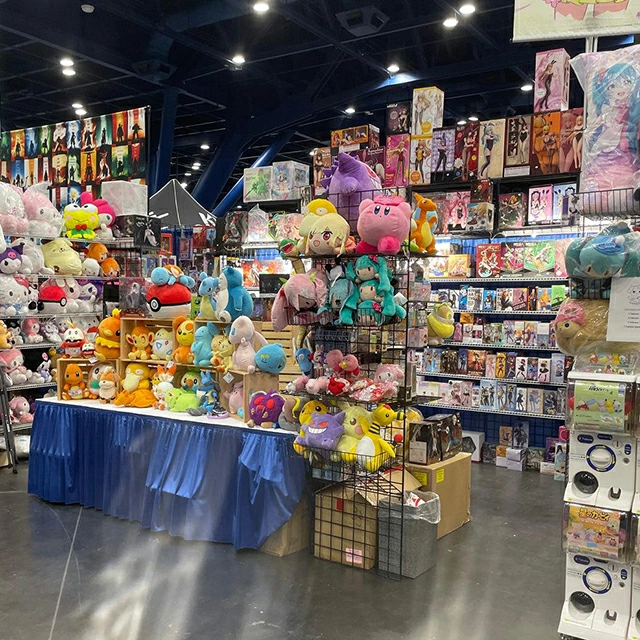
Events, Exhibitions & Attractions
Create plush souvenirs or mascots for exhibitions, theme parks, and tourism projects to enhance visitor experience.
Advanced Custom Options for Anime Plush Development
Custom anime plush development goes far beyond standard product customization. It involves a structured approach to translating character designs into physical products, including character accuracy, style adaptation, multi-variant development, expression systems, modular structures, IP branding, and compliance requirements. Each of these elements works together to ensure that the final product not only reflects the original design but is also manufacturable, scalable, and commercially viable as a complete character-based product system.
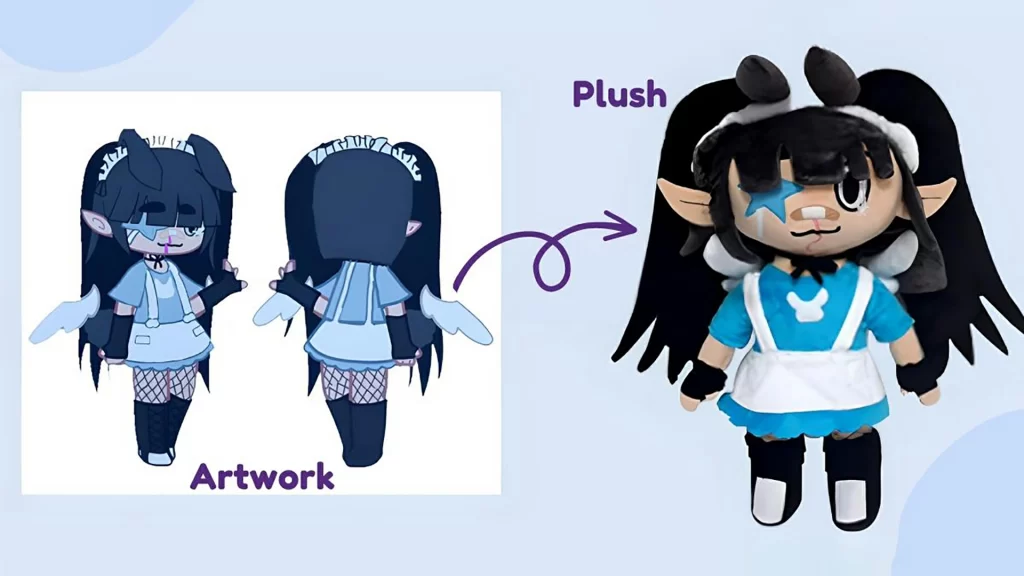
Character Fidelity:
- Body Proportions (1:1 / 1:2 / Chibi)
- Facial Expression Accuracy (Eye angle, spacing, emotion)
- Hairstyle Structure (Layering, direction, volume)
- Color Matching (Pantone-level precision)
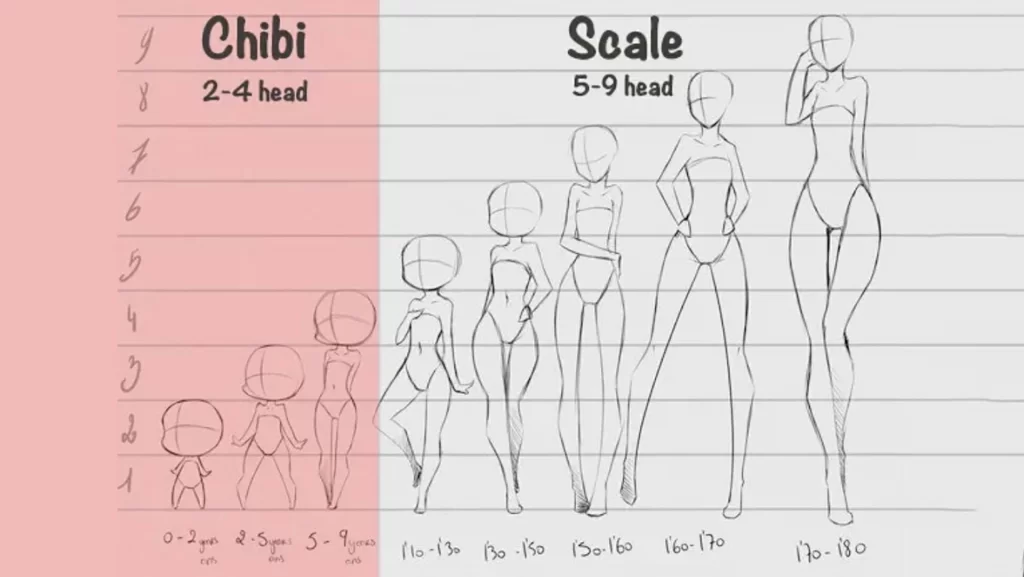
Chibi / Plush-style Design:
- Simplification of complex structures
- Conversion of rigid elements (e.g., armor → fabric representation)
- Proportion adjustments for enhanced “cuteness / huggability / manufacturability”
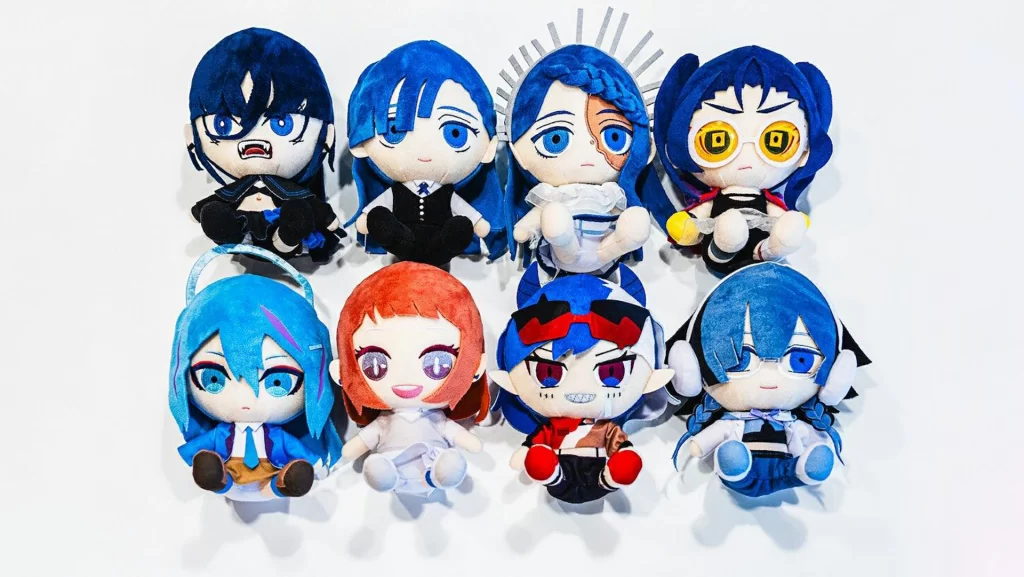
Expression System:
- Happy / Angry / Shy / Sleeping
- Different Eye Styles (Open-eyed / Closed-eyed / Teary-eyed)
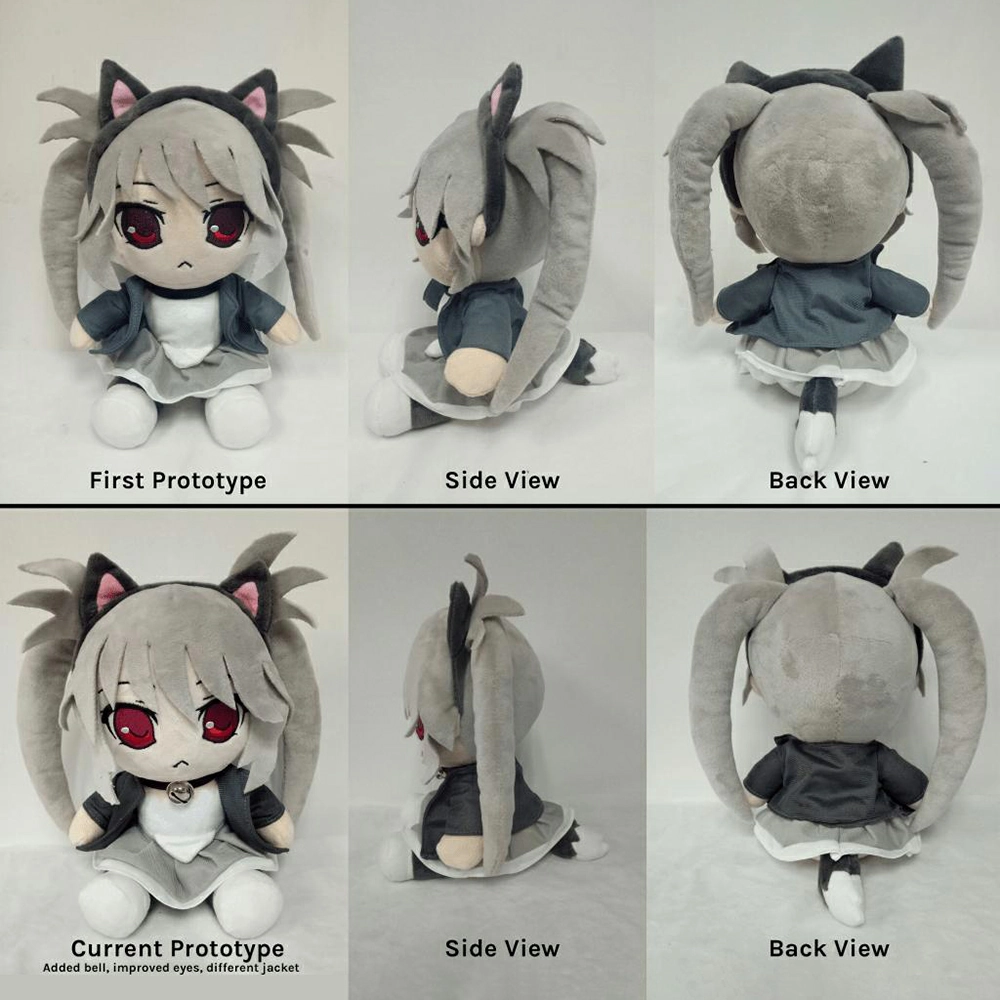
Multi-Version Character Development:
- Different Outfit Variations (School uniforms / Battle gear / Seasonal themes)
- Different Poses (Sitting / Standing / Hanging charms)
- Different Sizes (10cm / 20cm / 40cm)
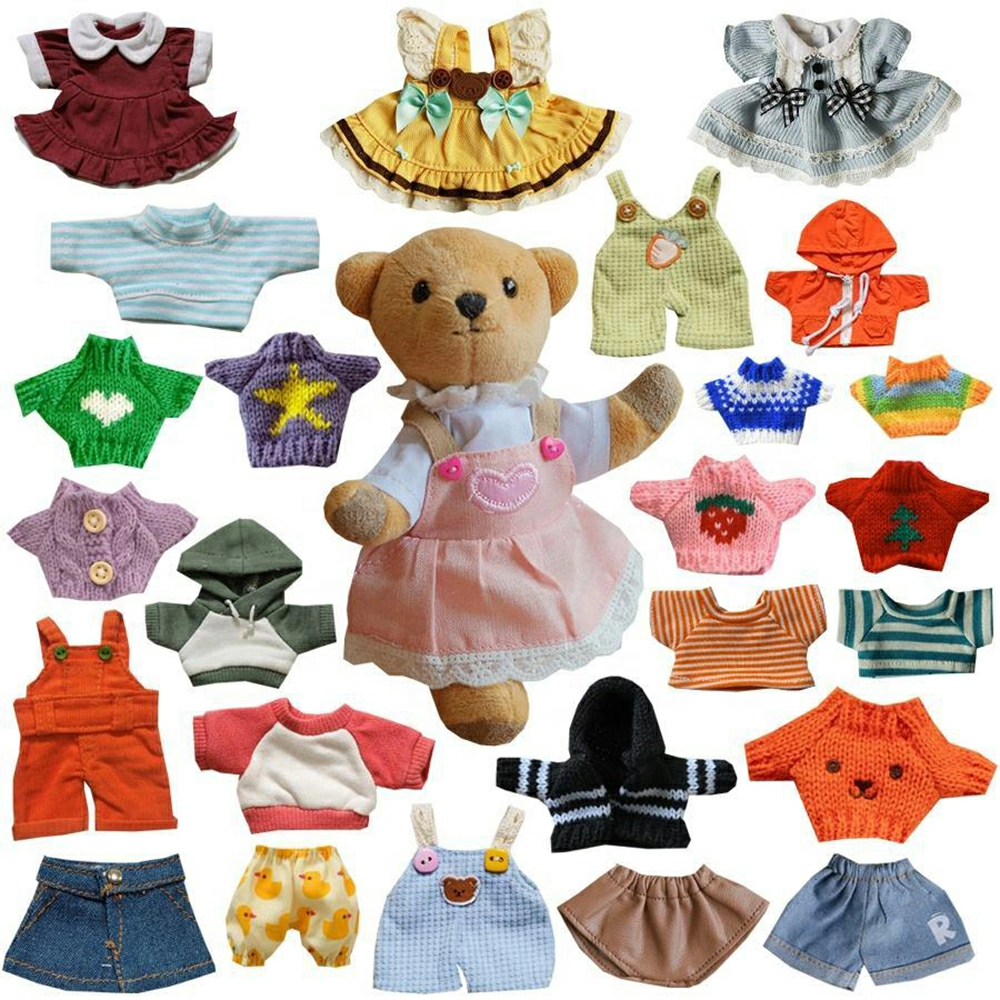
Interchangeable / Modular Structures:
- Replaceable Outfits (Velcro / Magnetic fasteners / Zippers) Detachable
- Accessories (Hats / Weapons / Backpacks)
- Multi-Component Combinations (Main figure + Pet companion + Props)
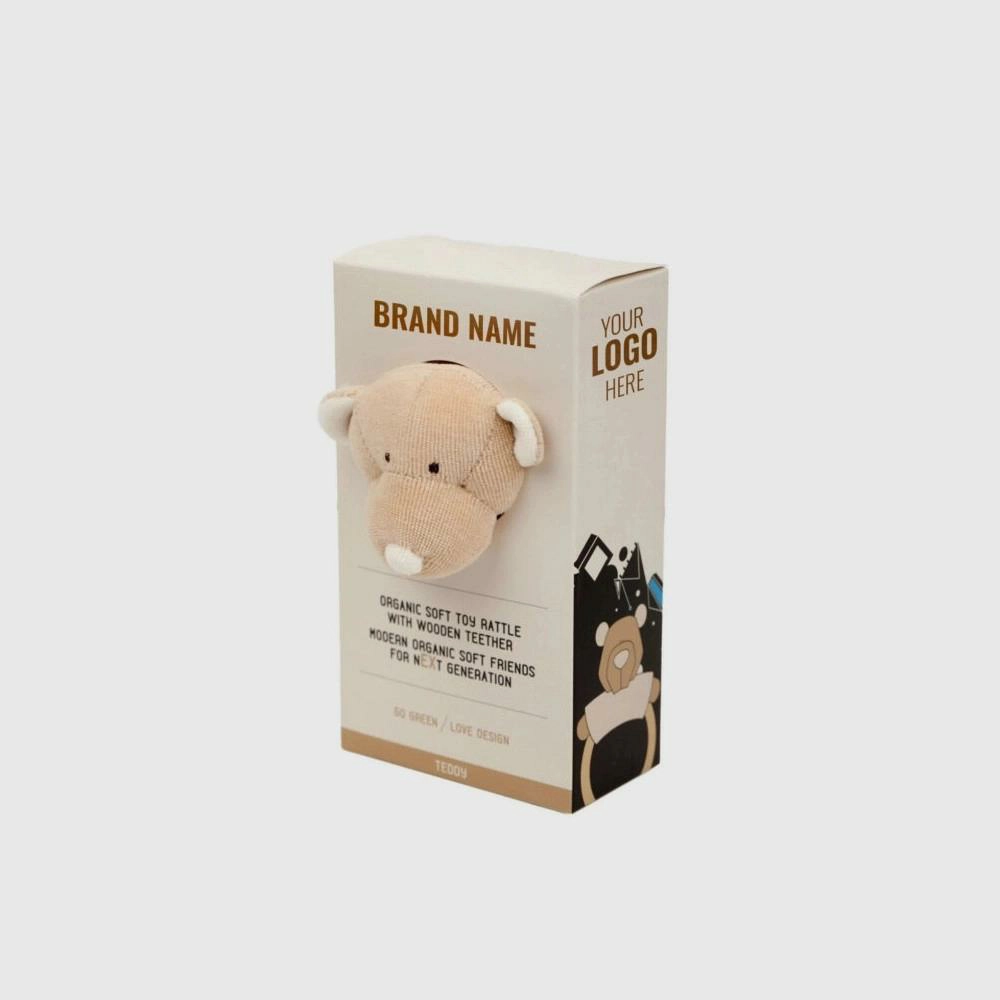
IP-Specific Packaging & Brand Presentation:
- Visual Continuity (Consistent illustration style)
- World-building Elements (Story cards / Lore cards)
- Official Licensing Mark (License information)
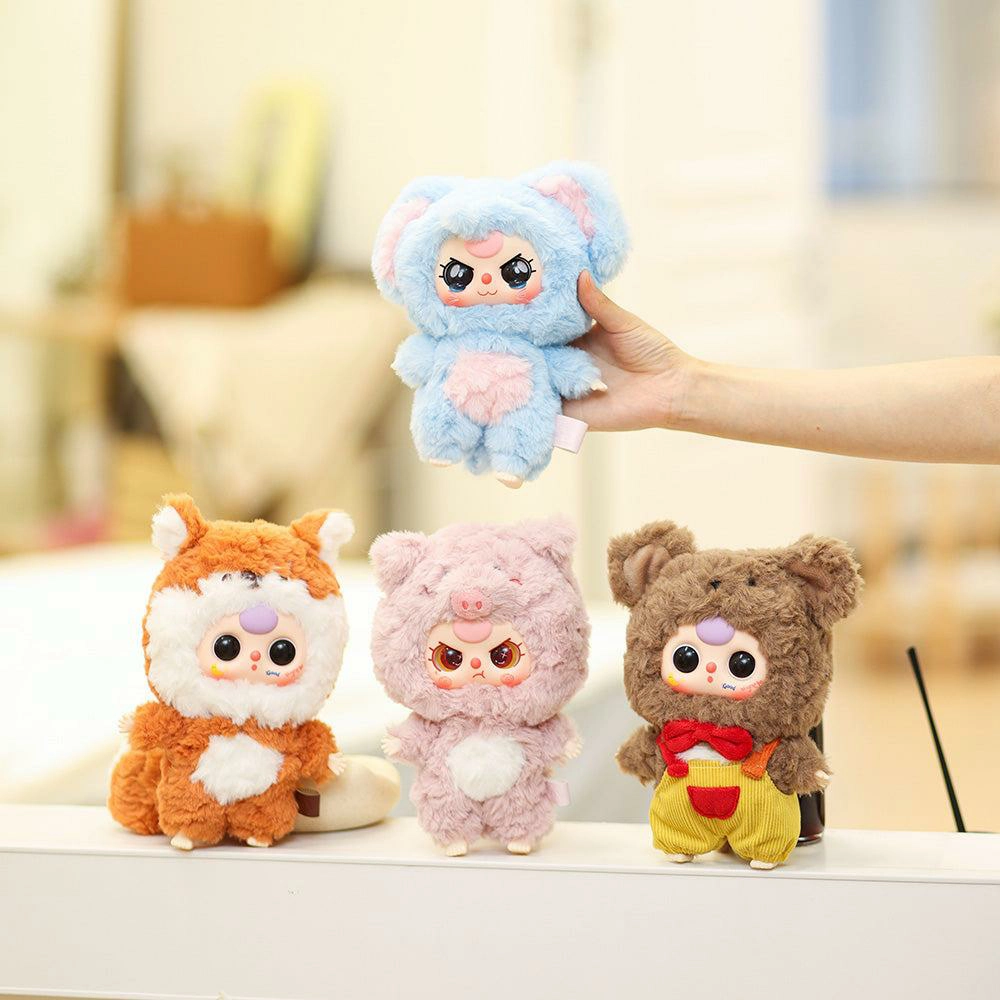
Compliance & Copyright Adaptation:
- Safety Standards (e.g., CPSIA / EN71)
- Labeling Regulations (Age ratings / Warning statements)
Specialized Materials for Anime Plush Character Realization
Unlike standard plush products, anime plush development relies on specialized material combinations to accurately represent character details, textures, and visual effects. These materials are selected not only for softness, but for their ability to recreate layered designs, complex structures, and distinctive character features. From mixed fabric applications to structural support and decorative elements, material selection plays a critical role in ensuring both visual accuracy and product functionality.
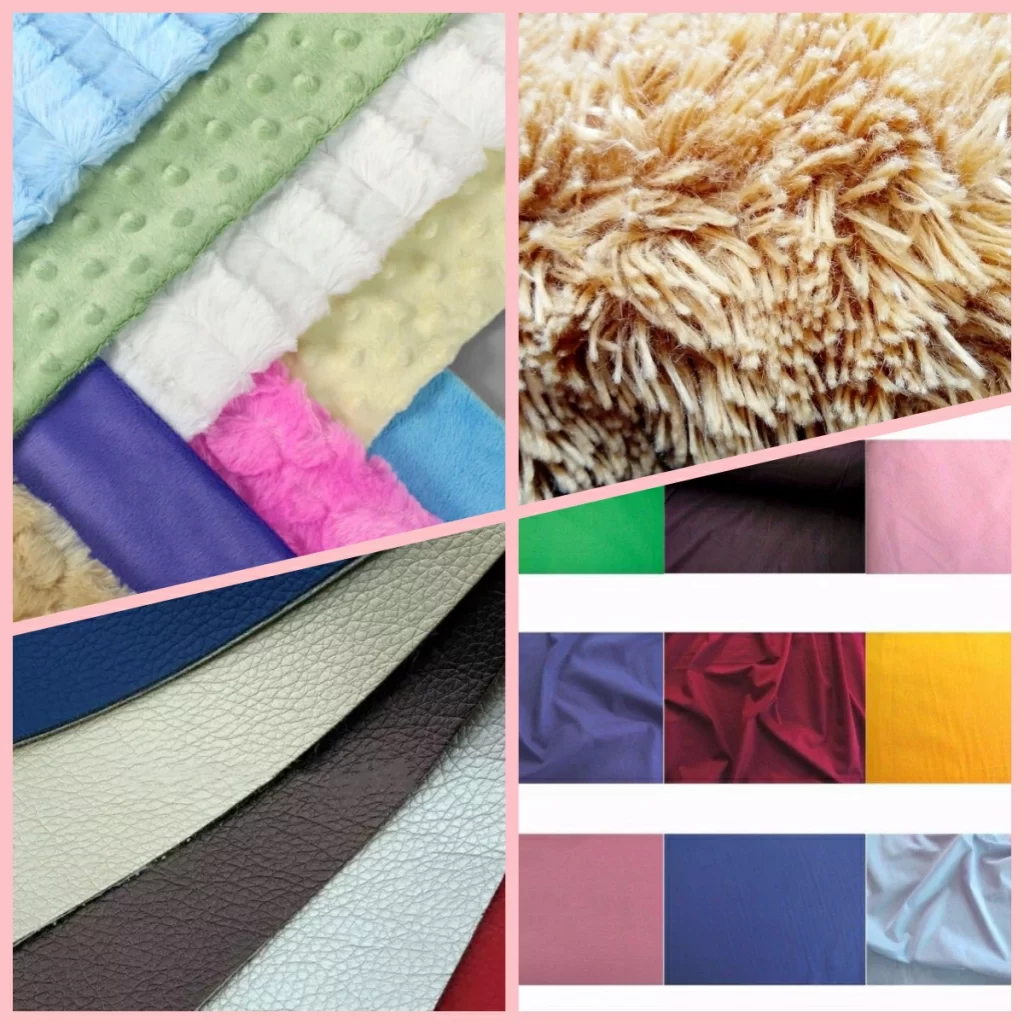
Multi-Fabric Construction
- Different fabrics are used across face, hair, and clothing to replicate layered character design
- Enables visual separation between character elements (skin, outfit, accessories)
- Supports more accurate color blocking and design segmentation
- Essential for recreating complex anime-style appearances
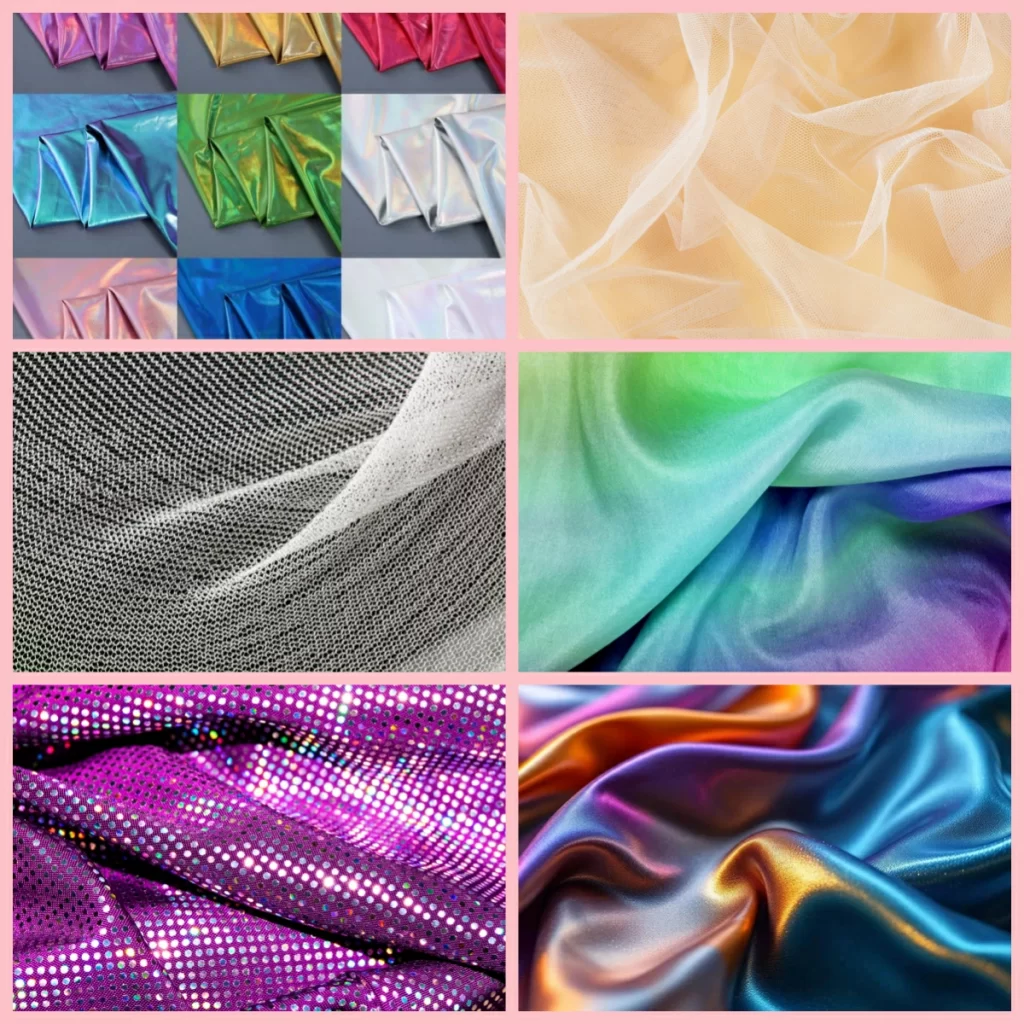
Special Effect Fabrics
- Metallic fabrics used for armor, tech, or futuristic character elements
- Translucent fabrics (organza / mesh) for wings, skirts, or magical effects
- Gradient-printed fabrics for anime-style hair color transitions
- Reflective or glossy materials for stage or idol-style characters
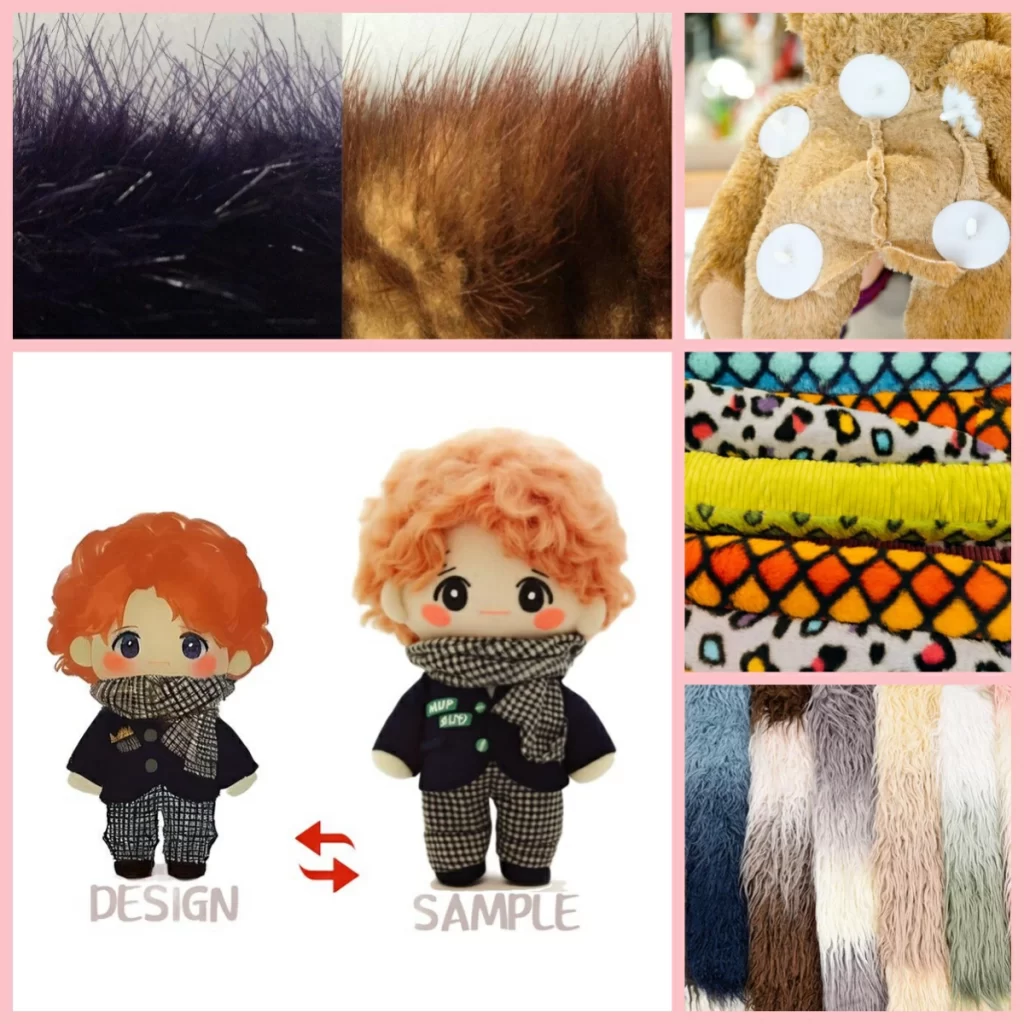
Hair Structure Materials
- Multi-layer fabric construction to simulate anime hairstyle volume
- Internal interfacing materials used to maintain shape and direction
- Fabric density variations to create depth and dimension
- Allows structured styling instead of flat surface representation
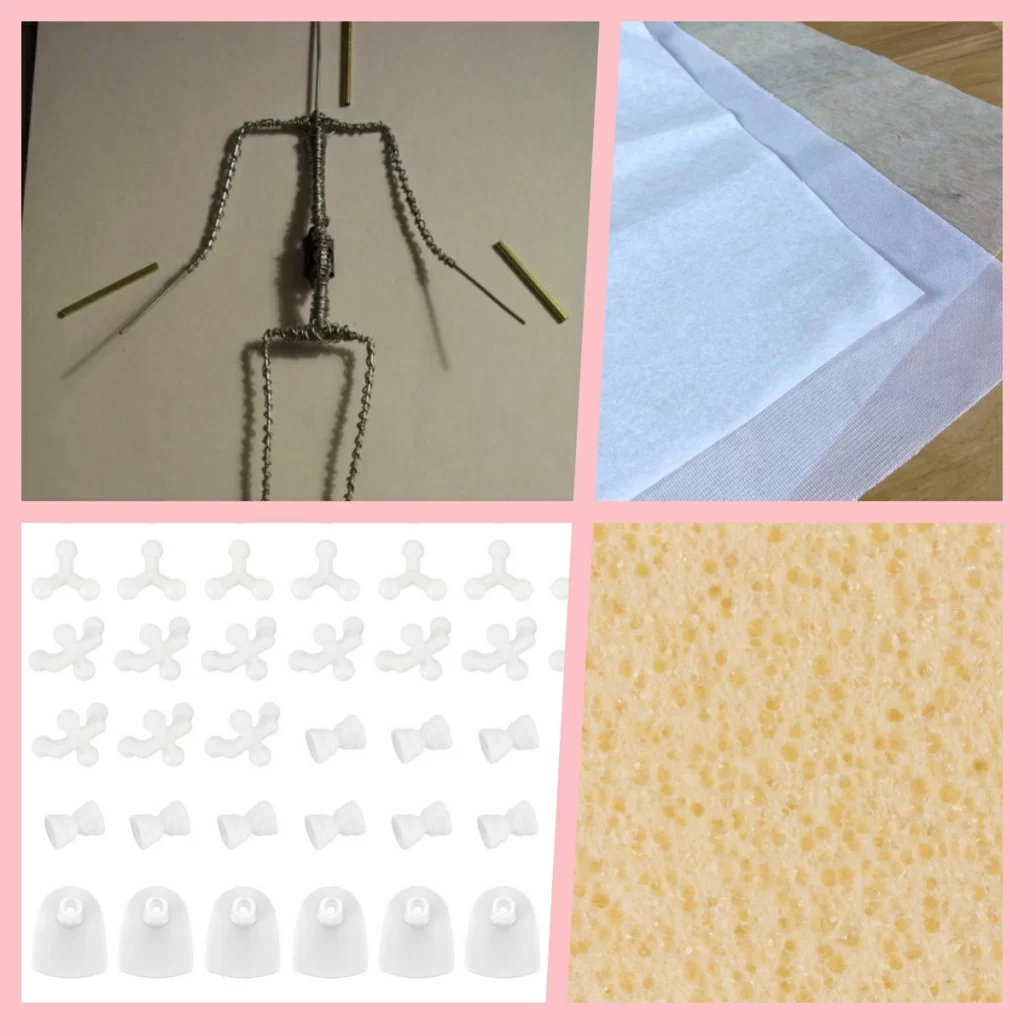
Internal Support Structure
- Wire frames used for flexible limbs, tails, or poseable parts
- EVA or foam inserts used to maintain head and body shape
- Reinforcement materials applied to prevent deformation over time
- Enables better posture and display stability
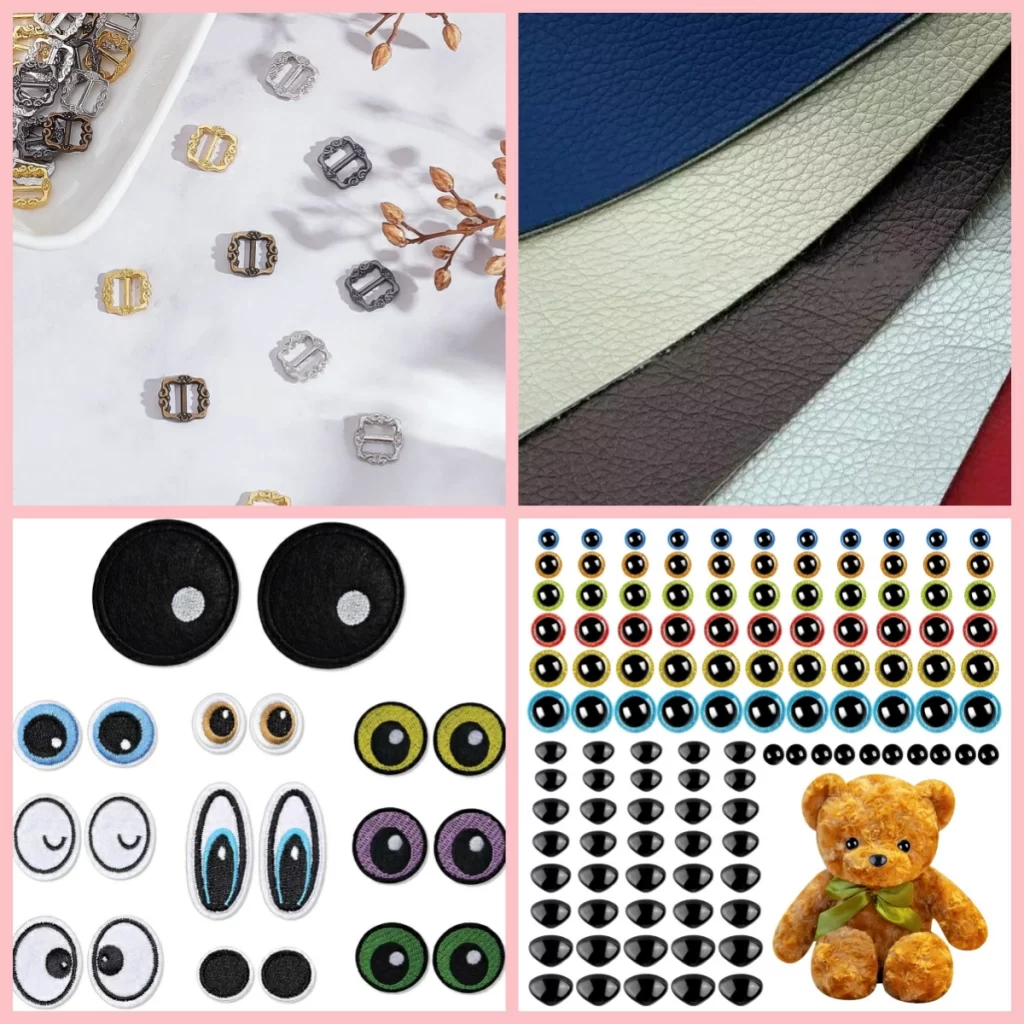
Character Accessories Materials
- PU leather used for belts, shoes, and costume details
- Plastic components used for glasses, props, or small accessories
- Metal elements used for chains, buckles, or decorative parts
- Patch and embroidery badges used for logos and symbols
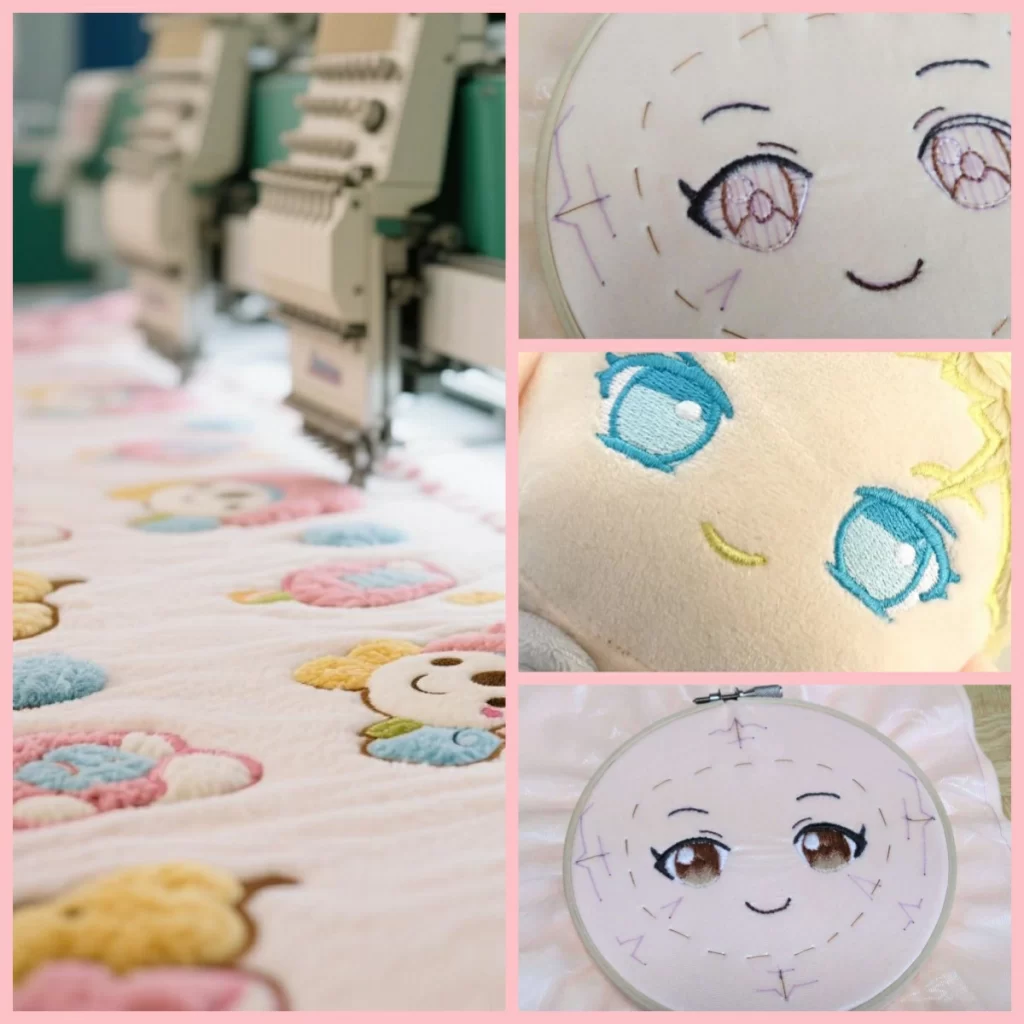
Detail Enhancement Materials
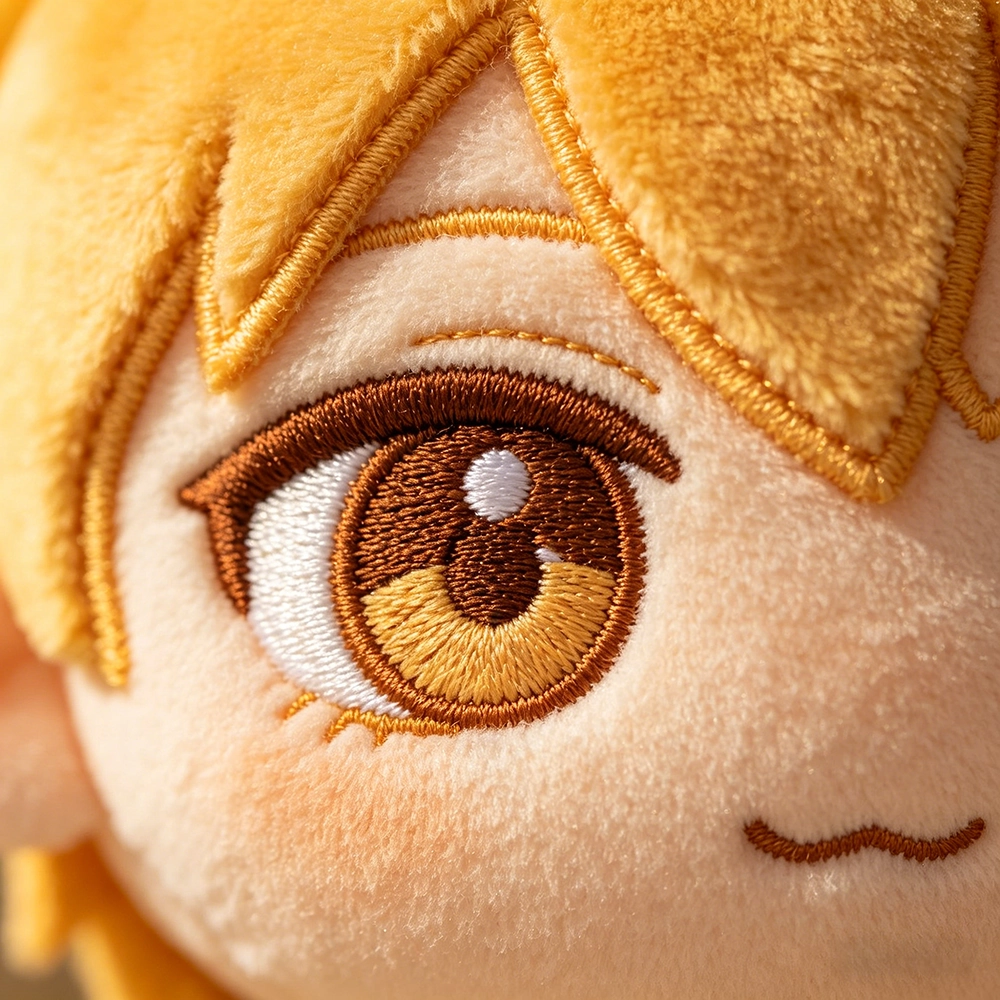
- High-density embroidery threads for facial precision
- Digital printing for complex eyes and gradient expressions
- Appliqué techniques for layered visual elements
- Specialized finishes for highlights, blush, and subtle details
Where Custom Anime Plush Toys Are Used
Custom anime plush toys are widely used across commercial, promotional, and experiential scenarios. Beyond being simple products, they function as physical extensions of characters, enabling brands, IP owners, and creators to connect with audiences through tangible experiences. Whether for direct sales, marketing campaigns, or fan engagement, these products help transform characters from digital presence into real-world interaction.
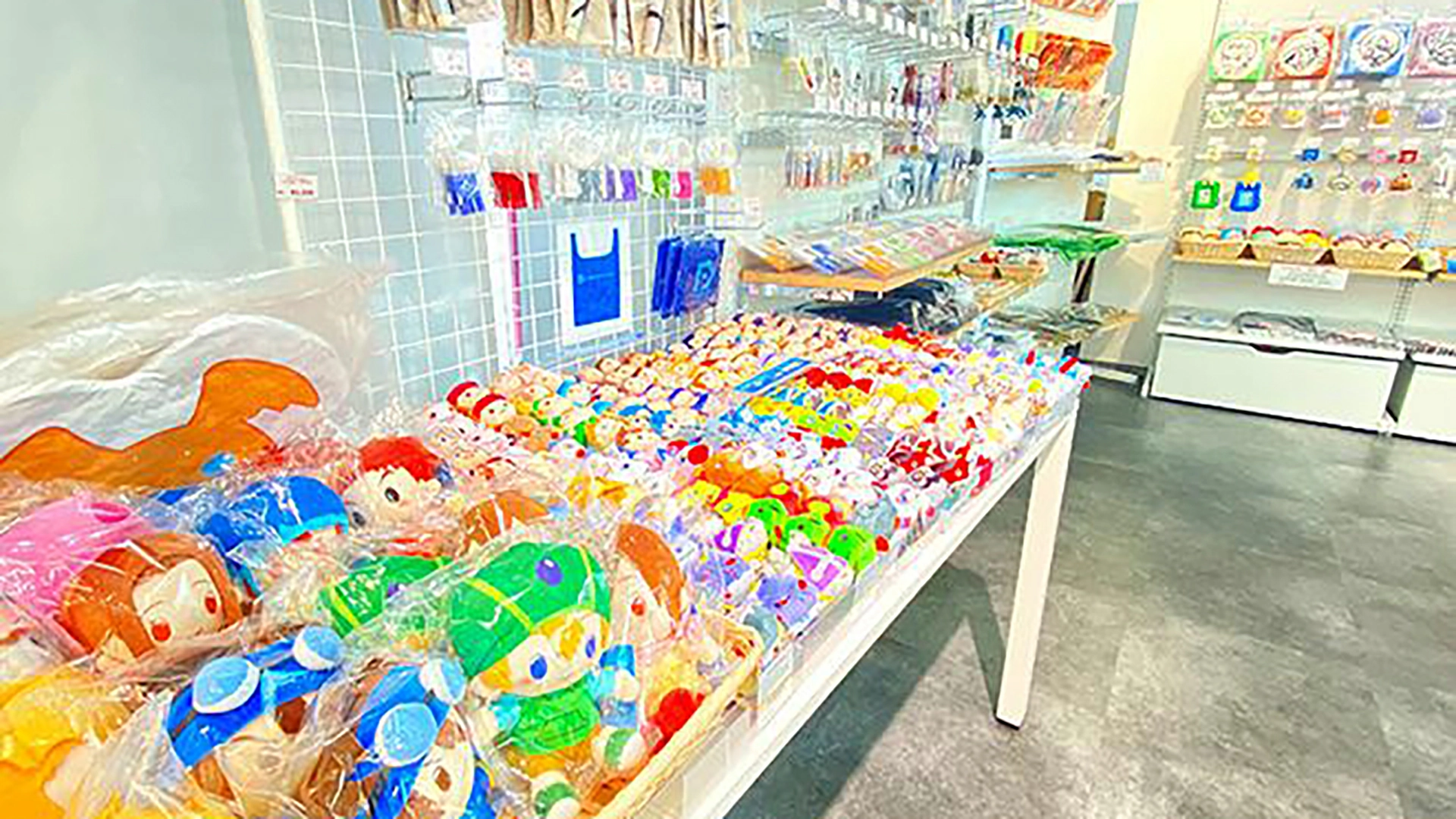
Retail & Merchandising
• Sold as official merchandise through online stores and retail channels
• Used in product lines for anime, game, or original IP brands
• Often developed as part of collectible series or limited editions
• Supports long-term IP monetization strategies
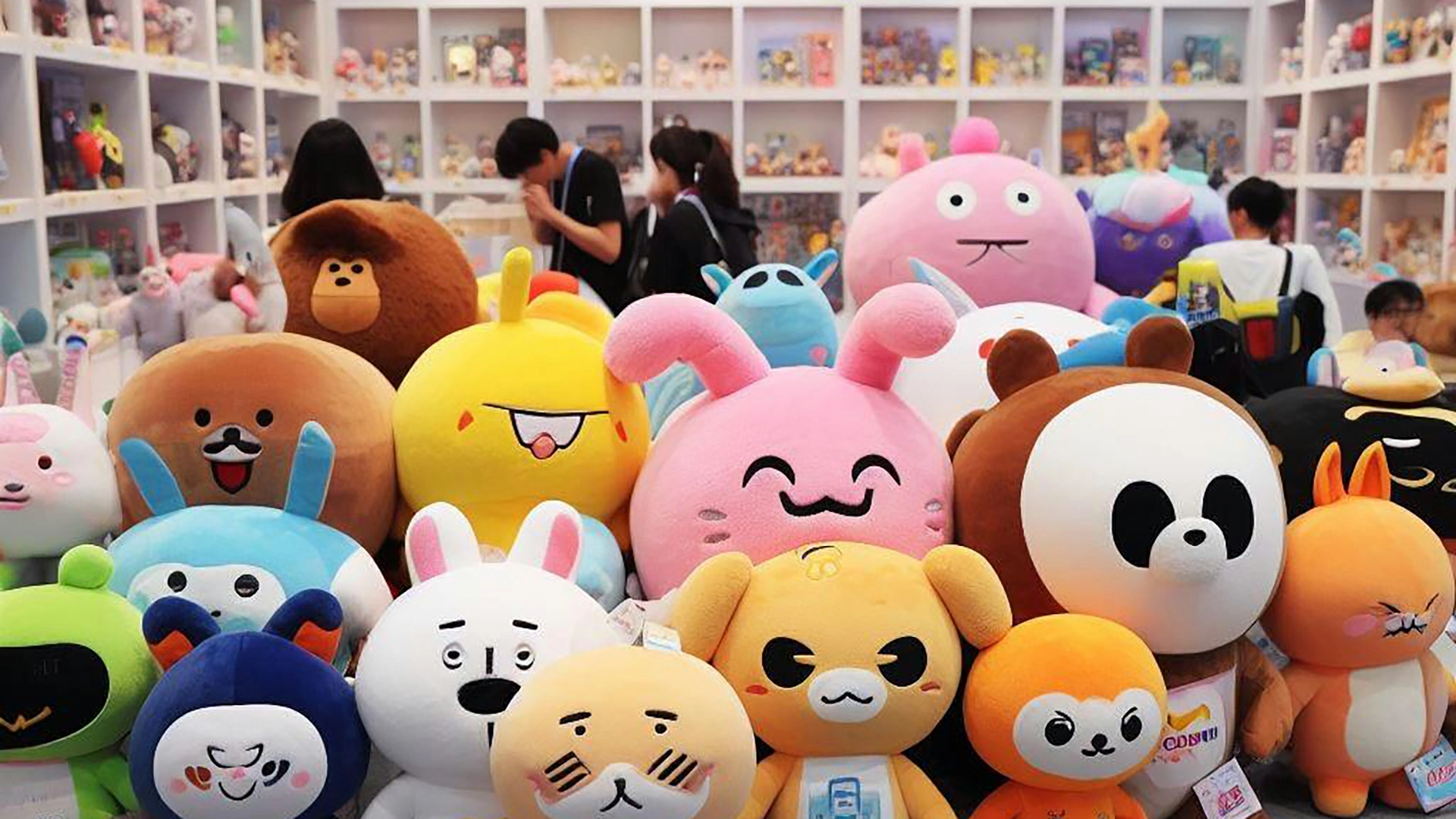
Brand Campaigns & Promotions
• Used in co-branding campaigns between IP and commercial brands
• Distributed as promotional gifts or event giveaways
• Designed for seasonal or limited-time marketing activities
• Enhances brand visibility through character-based engagement
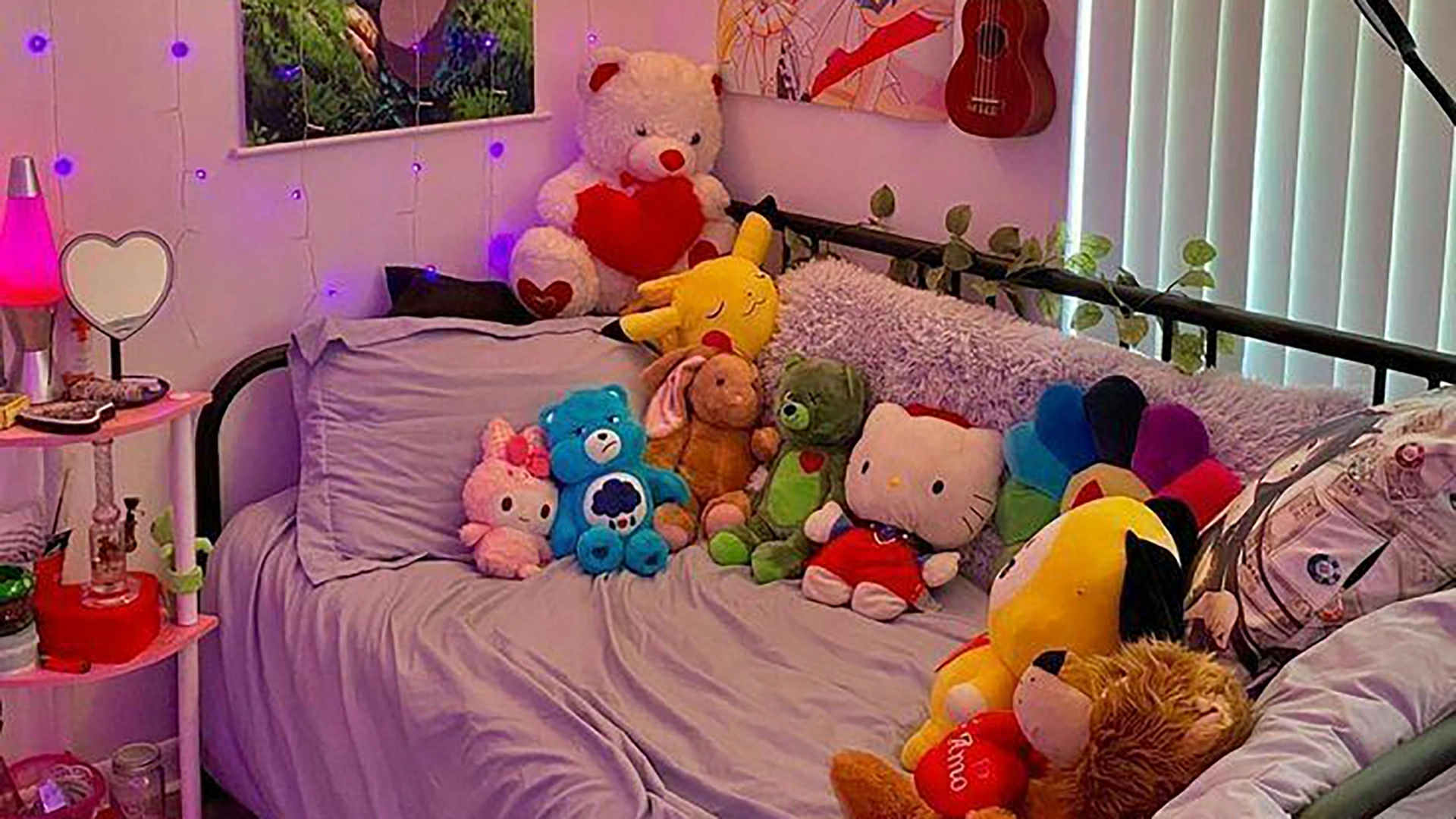
Fan Engagement & Collection
• Collected by fans as part of character-based merchandise sets
• Used for display, photography, and personal expression
• Provides a tangible connection between fans and characters
• Encourages repeat purchases through multiple versions or series
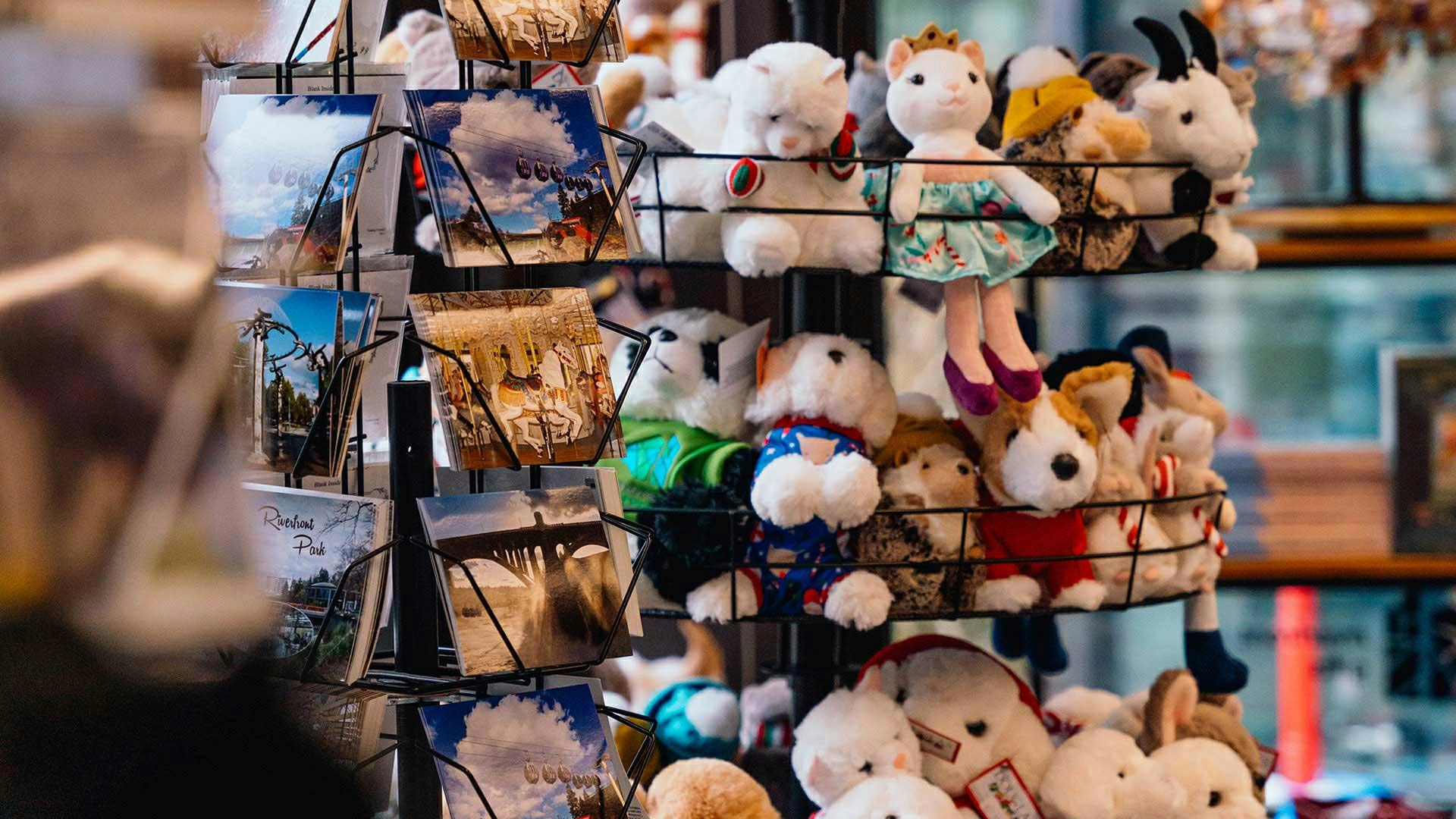
Events, Exhibitions & Attractions
• Sold as souvenirs in exhibitions, conventions, or theme parks
• Used as official merchandise in pop-up events or IP activations
• Enhances visitor experience through physical takeaways
• Extends the lifecycle of event-based IP interactions
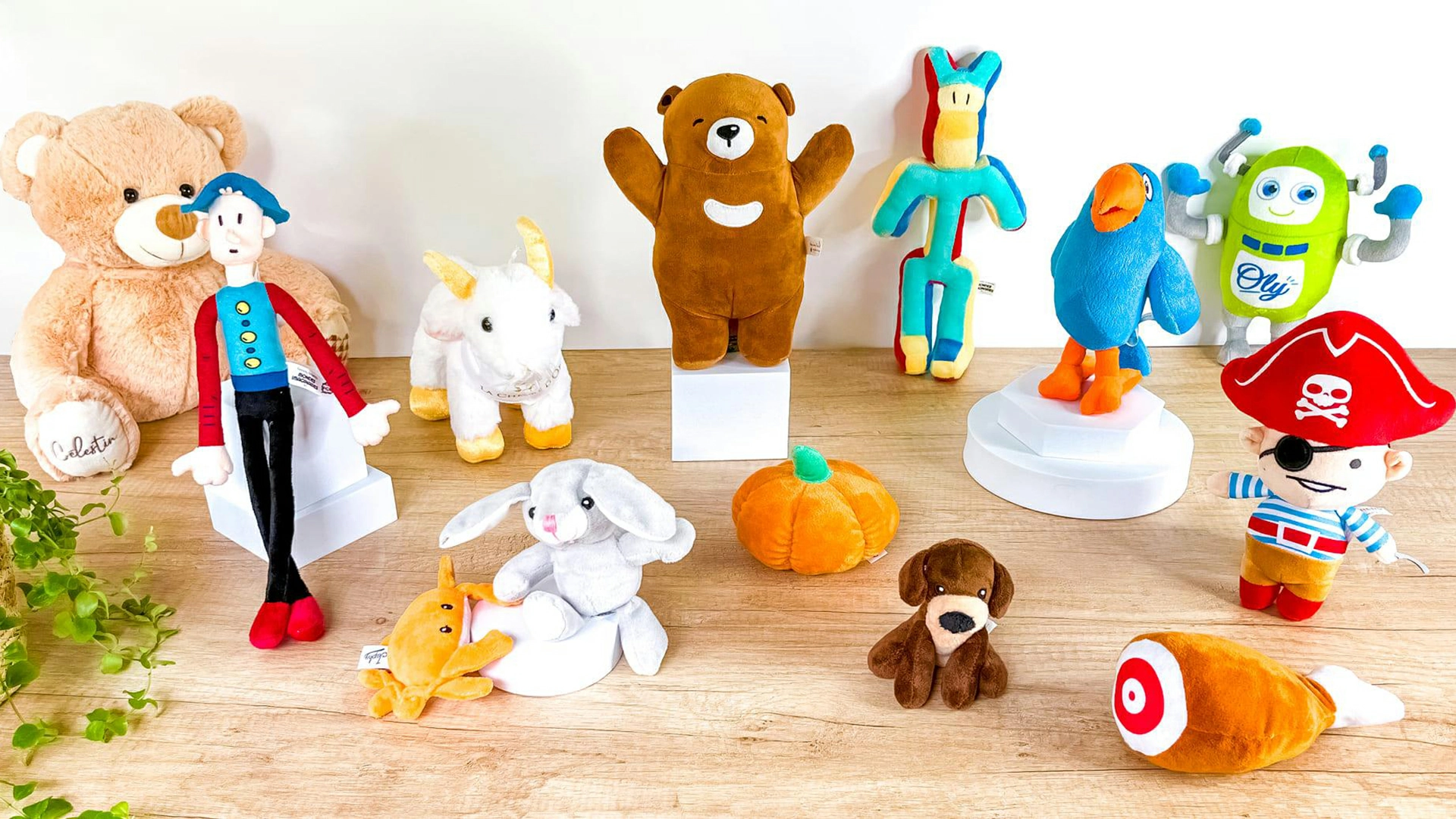
IP Testing & Market Launch
• Used for small-batch production to test new IP concepts
• Supports crowdfunding or early-stage product validation
• Helps evaluate market response before scaling production
• Acts as an entry product for launching new character brands
Flexible MOQ and Reliable Lead Time for Anime Plush Production
For custom anime plush projects, production planning is defined by minimum order quantities and development timelines rather than fixed product models. From sample creation to bulk manufacturing, each stage is structured to balance flexibility and efficiency, allowing brands, IP owners, and sellers to manage both small-batch testing and large-scale production with clear expectations and stable delivery.
Flexible MOQ for Different Project Stages
• Standard MOQ typically ranges from 500 to 1000 pcs per design
• Lower quantities (200–500 pcs) can be supported for initial testing or new IP launches
• MOQ depends on design complexity, materials, and accessory requirements
• Multi-variant designs may require separate MOQ per version
• Bulk orders allow better production efficiency and consistency
Structured Lead Time from Sampling to Production
• Sample development usually takes 12–15 days depending on complexity
• Revision phase may take additional 3–10 days based on adjustments
• Mass production typically requires 25–35 days after sample approval
• Timeline may vary depending on order volume and design details
• Air or sea shipping timelines are planned separately based on delivery needs
Frequently Asked Questions About Custom Anime Plush Production
Frequently Asked Questions About Custom Anime Plush Production
Yes. We focus on maintaining key elements such as proportions, facial expression, color, and overall character identity. During sampling, adjustments are made to ensure the plush version closely reflects the original design.
What is your minimum order quantity (MOQ)?
Our standard MOQ is typically 500–1000 pcs per design. For new projects or testing phases, smaller quantities may be supported depending on complexity.
How long does production take?
Sample development usually takes 12–15 days. After approval, mass production typically requires 25–35 days. Additional time may be needed for revisions or complex designs.
Can you help optimize our design for production?
Yes. We can suggest adjustments to structure, materials, and details to ensure the design is suitable for plush manufacturing while maintaining its original concept.
What materials do you use for anime plush projects?
We use a combination of specialized materials such as multi-fabric construction, structural supports, and detail-enhancing techniques to accurately represent character features.
Can you support multiple versions or accessories?
Yes. We can develop different versions of the same character, including outfit variations, expressions, and detachable accessories.