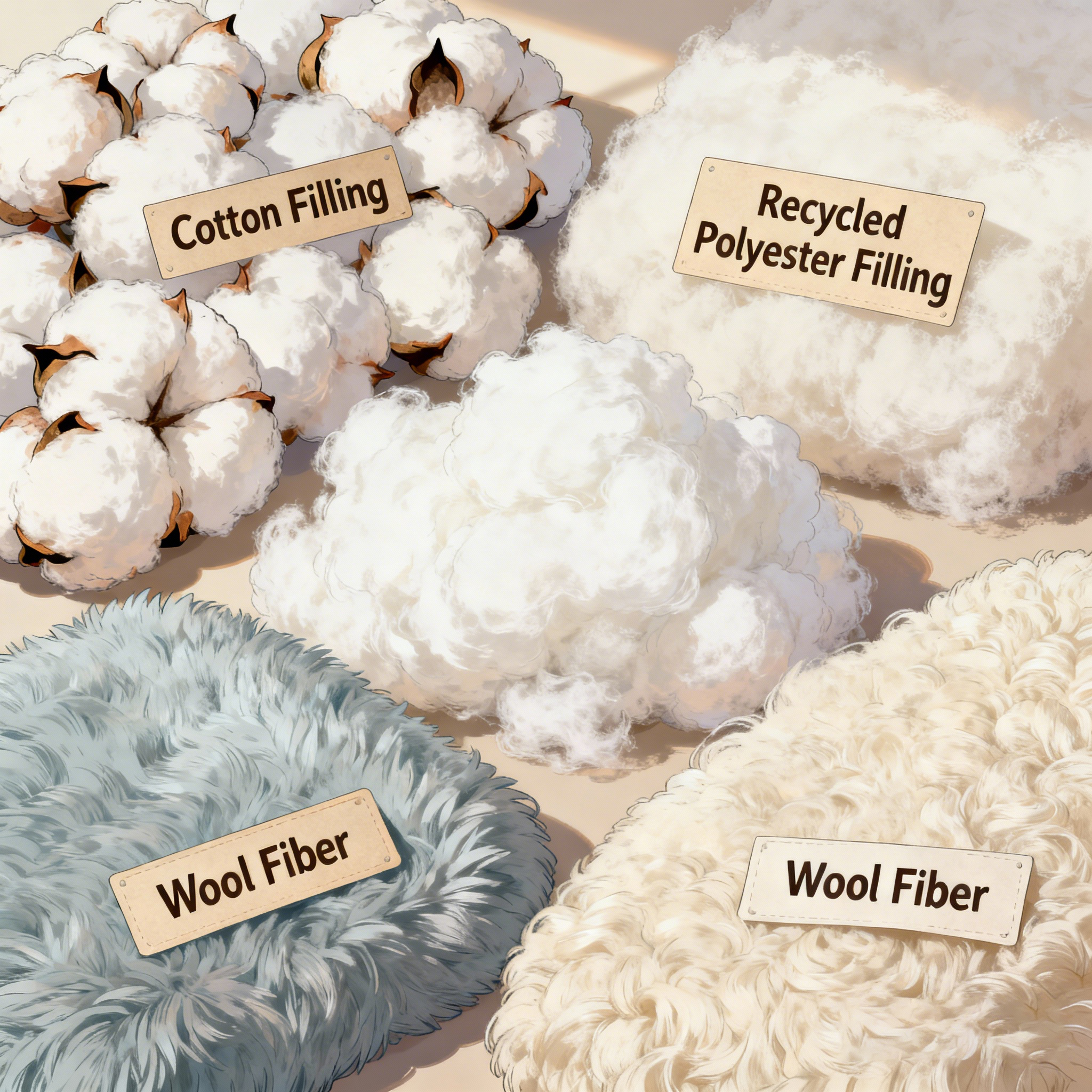

Quick Answer: Premium Plush Toys Look Controlled, Not Overdecorated
A plush toy looks premium when its shape, fabric, face details, stuffing, colors, seams, and packaging all feel intentional. It does not need to be complex. In many cases, the most premium plush toys are simple designs made with better proportion control and cleaner finishing.
A cheap-looking plush toy usually has one of these problems: the shape feels loose, the face looks awkward, the fabric does not match the design, or the stuffing makes the toy look flat or swollen. Buyers may not notice each problem separately, but they can feel the difference immediately.
In our sampling experience, the question is rarely “Which fabric is the most expensive?” A better question is: “Which combination of design, fabric, structure, and finishing makes this plush toy look right?”
That is where premium appearance starts.
The First Thing Buyers Notice: Shape and Proportion
Shape is the first signal of quality.
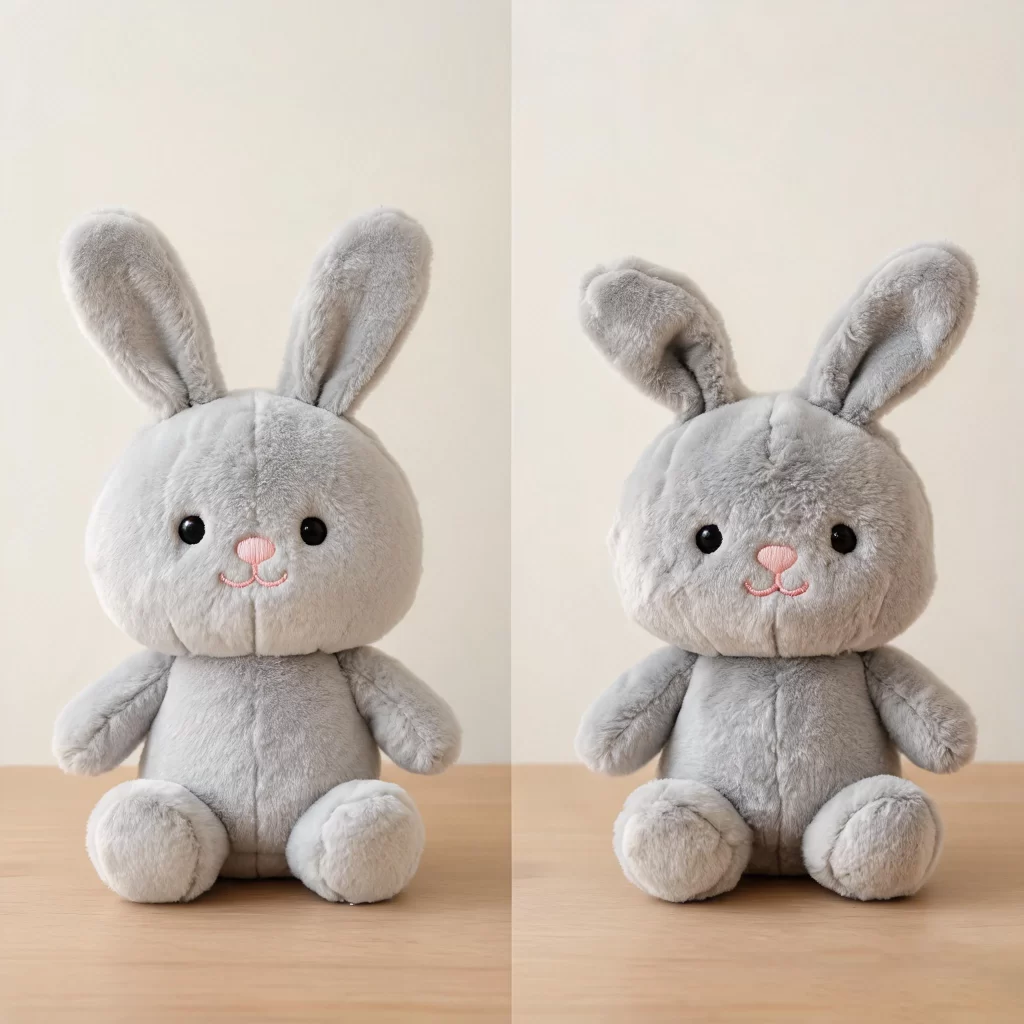
Before a buyer touches the toy, they already judge the silhouette. A premium plush toy usually has a clear, stable outline. The head, body, arms, legs, ears, and accessories feel balanced. Nothing looks accidentally oversized or squeezed.
For example, a teddy bear with slightly large hands may look clumsy. A mascot plush with a weak neck may look tired. A mini plush charm with uneven ears may look cheap, even if the fabric is soft.
Good soft toy design starts with proportion control:
| Design Area | Premium Look | Cheap Look |
|---|---|---|
| Head shape | Clear and balanced | Flattened or swollen |
| Ears | Symmetrical and stable | Uneven or collapsing |
| Arms and legs | Matched to body size | Too long, too short, or bulky |
| Face position | Centered and expressive | Too high, too low, or tilted |
| Body shape | Controlled and intentional | Loose or shapeless |
For custom plush projects, the sample stage is where these problems should be corrected. Once bulk production starts, shape problems become much harder to fix.
Fabric Choice: Softness Is Not Enough
Many buyers think soft fabric automatically makes a plush toy premium. That is only partly true.
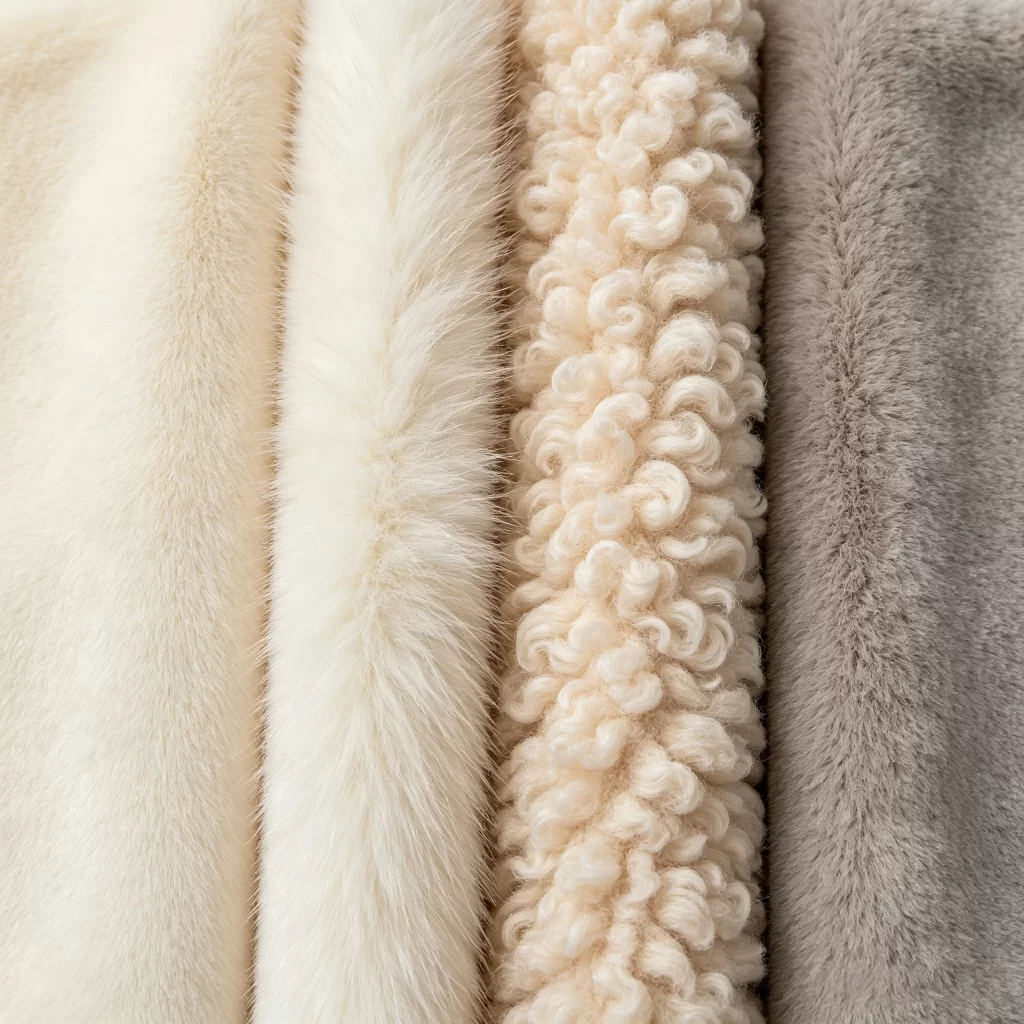
Softness matters, but fabric must also match the design. A long-pile faux fur may look luxurious on a large animal plush, but it can hide embroidery on a small character. A short minky fabric may look clean and modern, but it may feel too plain for a luxury gift plush.
The surface of plush fabric is usually related to pile. In textiles, pile refers to raised loops or cut yarns that stand from the fabric base, and plush is generally considered a long-pile fabric.
For premium plush toys, fabric should be chosen by purpose:
| Fabric Direction | Best For | Risk |
|---|---|---|
| Short minky | Clean character plush, baby-style plush, smooth designs | May look plain if design is weak |
| Velboa | Promotional plush, cost-controlled custom toys | Can look lower-end if too thin |
| Faux fur | Luxury plush toys, animals, collectible pieces | Can hide small facial details |
| Sherpa / boucle texture | Cozy lifestyle plush, soft gift toys | May reduce shape clarity |
| Specialty textured plush | Premium brand projects | Higher cost and harder color matching |
In most projects, premium appearance comes from fabric-design matching, not fabric price alone.
Face Details Decide Whether a Plush Toy Feels Expensive
The face is where buyers emotionally judge the toy.
A plush toy can use good fabric and still look cheap if the eyes, nose, mouth, or expression are wrong. Small differences in eye spacing can change the whole personality. A mouth embroidery that is too thick can make the toy look rough. A nose that is slightly off-center can make the face feel defective.
For premium plush toys, face details need careful control:
- Eye size should match the character style.
- Eye spacing should be tested on the actual sample, not only artwork.
- Embroidery thickness should fit the plush size.
- Nose shape should not overpower the face.
- Mouth lines should look natural, not stiff.
- Facial elements should stay visible after stuffing.
For children’s plush toys in the US market, embroidery is often a better premium choice than hard plastic eyes because it can reduce small-part concerns. CPSC toy safety guidance notes specific requirements around small objects, accessible points, and stuffed toy seam performance.
Premium does not mean “more detailed.” It means the details are placed correctly.
Stuffing Balance Creates the “Finished” Look
Stuffing changes the whole product.
A plush toy with too little filling looks weak and collapsed. A plush toy with too much filling looks stiff, round, and sometimes cheap. Premium stuffed animals usually have controlled filling density in different areas.
The head may need more support than the belly. The limbs may need softer filling so they hang naturally. A mascot plush may need stronger filling in the neck or body to hold shape.
One common sampling issue is that buyers approve the fabric first, but only judge the stuffing later. This often creates revision delays. The same fabric can look premium or cheap depending on how the toy is filled.
A better approach is to review:
- front shape
- side profile
- sitting or standing posture
- hand feel
- compression recovery
- whether the face changes after stuffing
- whether the toy keeps its shape after packaging
For premium plush toys, filling is not just about softness. It is about shape memory.
Clean Seams and Hidden Construction Details Matter
Buyers may not talk about seam placement, but they notice the result.
Visible seam lines are not always bad. Some designs need seam lines to shape the toy. The problem is when seams appear in awkward places, pull the fabric unevenly, or create wrinkles around the face.
A premium plush toy usually hides construction problems well. The front view looks clean. The side profile does not show strange pulling. The limbs connect naturally. The ears do not twist after stuffing.
Important construction details include:
| Detail | Why It Matters |
|---|---|
| Seam allowance | Prevents weak seams and distortion |
| Stitch tension | Reduces puckering and uneven fabric pull |
| Pattern cutting direction | Keeps pile direction consistent |
| Ear and limb placement | Controls symmetry |
| Opening closure | Avoids visible rough finishing |
| Reinforced stress points | Helps the toy keep shape during use |
For US children’s products, CPSC guidance also states that seams for stuffed and beanbag-type toys must not rip during testing. This is not only a safety issue. Strong seams also help the toy look better after handling.
Color Control Makes Luxury Plush Toys Feel More Intentional
Color is one of the fastest ways to make a plush toy look premium or cheap.
Cheap-looking plush toys often use colors that are too bright, poorly matched, or inconsistent between fabric, embroidery, clothing, and packaging. Premium plush toys usually have a tighter color system.
For example, a cream teddy bear with warm brown embroidery may look soft and elegant. The same bear with harsh black embroidery and a bright plastic accessory may feel cheaper.
Color control should include:
- main fabric color
- contrast fabric color
- embroidery thread color
- printed details
- clothing or accessories
- label and packaging color
- color difference between sample and bulk fabric
In custom plush production, color matching should be confirmed with real fabric swatches when possible. Digital artwork is not enough because screen color and fabric color are different.
Premium Does Not Mean Adding More Details
Many buyers misunderstand premium design.
They think a plush toy will look more expensive if they add more embroidery, more accessories, more clothing, more labels, or more fabric types. Sometimes this works. But often, it makes the toy look busy and harder to produce.
Premium plush toys usually have clear priorities. The design knows what matters most.
For a character plush, the face may be the priority.
For a luxury stuffed animal, fabric texture and posture may matter more.
For a mascot plush, silhouette and brand recognition may be most important.
For a gift plush, packaging and hand feel may carry more value.
Too many details can create problems:
- higher sample cost
- longer revision time
- more quality control points
- more risk of uneven bulk production
- more safety review for children’s toys
- more packaging pressure during shipping
A clean design with three well-executed details often looks better than a crowded design with ten average details.
Packaging and Presentation Change the Buyer’s First Impression
Packaging cannot fix a bad plush toy, but it can improve the first impression.
For retail buyers, packaging is part of the product experience. A premium plush toy may use a simple kraft box, belly band, hangtag, fabric label, window box, dust bag, or printed gift box. The right choice depends on the sales channel.
For e-commerce, the toy must also survive shipping. If vacuum packing crushes the shape too much, the plush may arrive looking flat. If the carton is too tight, ears or accessories may bend. If the polybag feels too thin, the product may feel lower-value before the buyer even opens it.
Premium presentation should consider:
| Sales Channel | Better Packaging Direction |
|---|---|
| Retail shelf | Hangtag, belly band, display box |
| Gift market | Gift box, ribbon, soft color card |
| Collectible plush | Blind box, character card, series packaging |
| Premium mascot | Individual polybag plus strong carton |
| E-commerce | Shape-protective packing and clear product label |
Packaging should support the product positioning, not distract from it.
Common Mistakes That Make High Quality Stuffed Animals Look Cheap
A plush toy can use good materials and still look cheap if the execution is weak.
The most common mistakes include:
- choosing long fur that hides the face
- using embroidery that is too thick for a small plush
- making the head too large without neck support
- overstuffing the body until it looks stiff
- placing seams across important visual areas
- using too many colors without a clear palette
- approving artwork without checking a physical sample
- ignoring side and back views
- choosing packaging only by lowest cost
- adding accessories that do not match the plush style
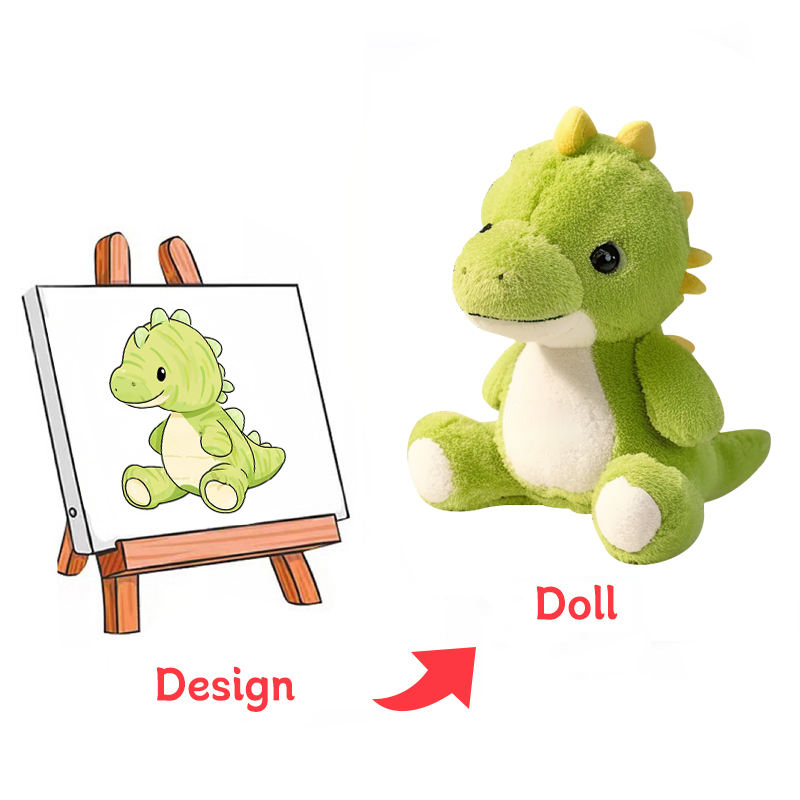
In many plush toy projects, the biggest quality difference appears during sampling. The first sample shows whether the design can become a real product. The revision stage decides whether it becomes premium or just acceptable.
How to Develop a More Premium Plush Toy Sample
If your goal is to create premium plush toys, start with a controlled sample process.
Do not only send a reference image and ask for “high quality.” That is too vague. Instead, prepare clear requirements:
- target size
- front, side, and back views
- preferred fabric feel
- color references
- face detail style
- stuffing preference
- intended age group or market
- packaging direction
- expected order quantity
- target retail positioning
At Wehao Toys, we usually recommend reviewing premium plush samples in three layers.
First, check the overall silhouette. If the shape is wrong, small details will not save it.
Second, check the face and key visual points. These decide emotional value.
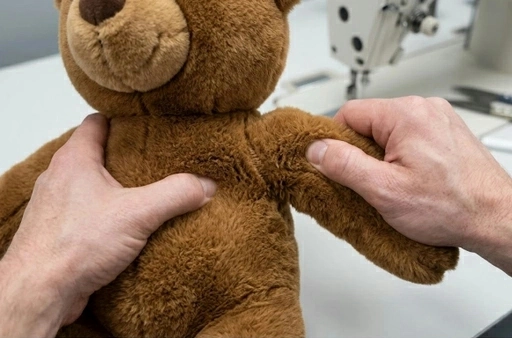
Third, check materials, seams, stuffing, and packaging. These decide whether the product feels stable and commercially ready.
This process is slower than simply choosing a fabric from a catalog. But it usually reduces costly revisions later.
Final Thought
A plush toy looks premium when every choice feels controlled.
Fabric matters, but it is not the whole answer. Shape, face details, stuffing, seams, color, packaging, and sampling decisions all work together. The most expensive material cannot save poor proportion. More decoration cannot fix weak structure. A beautiful concept still needs a practical sample process.
For brands, the best way to make a plush toy look expensive is not to add more. It is to make better decisions earlier.
FAQ
What makes a plush toy look expensive?
A plush toy looks expensive when the shape is balanced, the fabric matches the design, the face details are clean, the stuffing is controlled, and the colors feel intentional. Premium appearance usually comes from design control, not only expensive material.
Are premium plush toys always made with long fur?
No. Long fur can look luxurious, but it is not suitable for every design. It may hide small embroidery or make a character face unclear. Short minky, faux fur, velboa, sherpa, and textured plush can all look premium when used correctly.
Why do some soft toys still look cheap even with good fabric?
Good fabric cannot fix poor proportion, weak stuffing, rough embroidery, bad seam placement, or mismatched colors. Many cheap-looking plush toys fail because the sample was not adjusted carefully enough.
Is embroidery better than plastic eyes for premium plush toys?
Embroidery often looks cleaner and can be safer for children’s plush toys. Plastic eyes may work for some styles, but they need careful safety review, especially for toys intended for young children.
Does more detail make a plush toy more premium?
Not always. Too many details can make the toy look crowded and increase production risk. A simple plush with excellent shape, face control, and fabric matching often looks more premium than an overdesigned plush.
How should brands develop luxury plush toys?
Brands should start with clear artwork, fabric direction, size, target market, and packaging goals. The sample should then be reviewed for silhouette, face details, stuffing, seams, and color matching before bulk production.