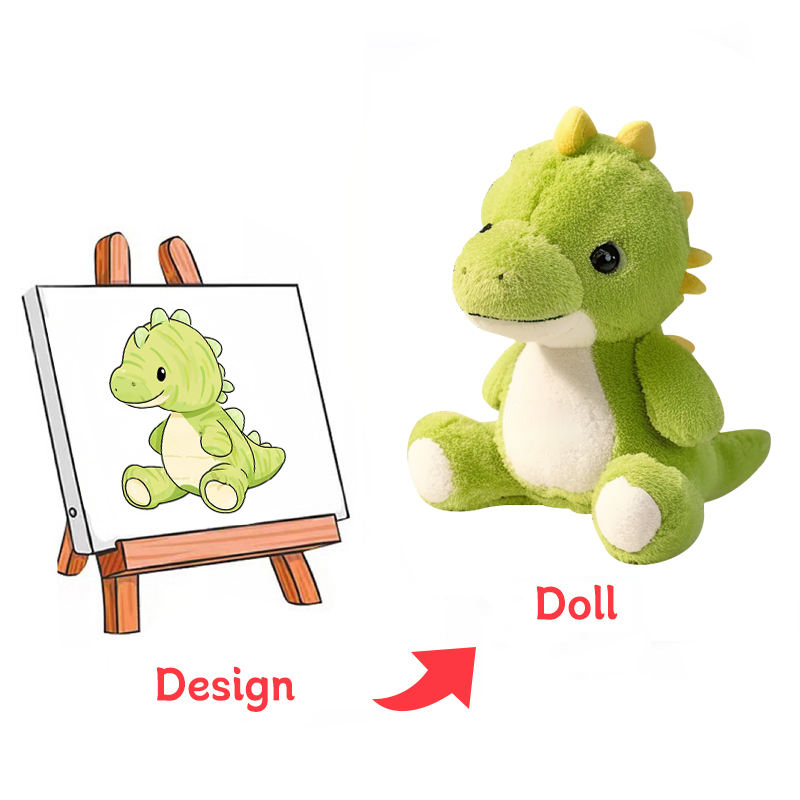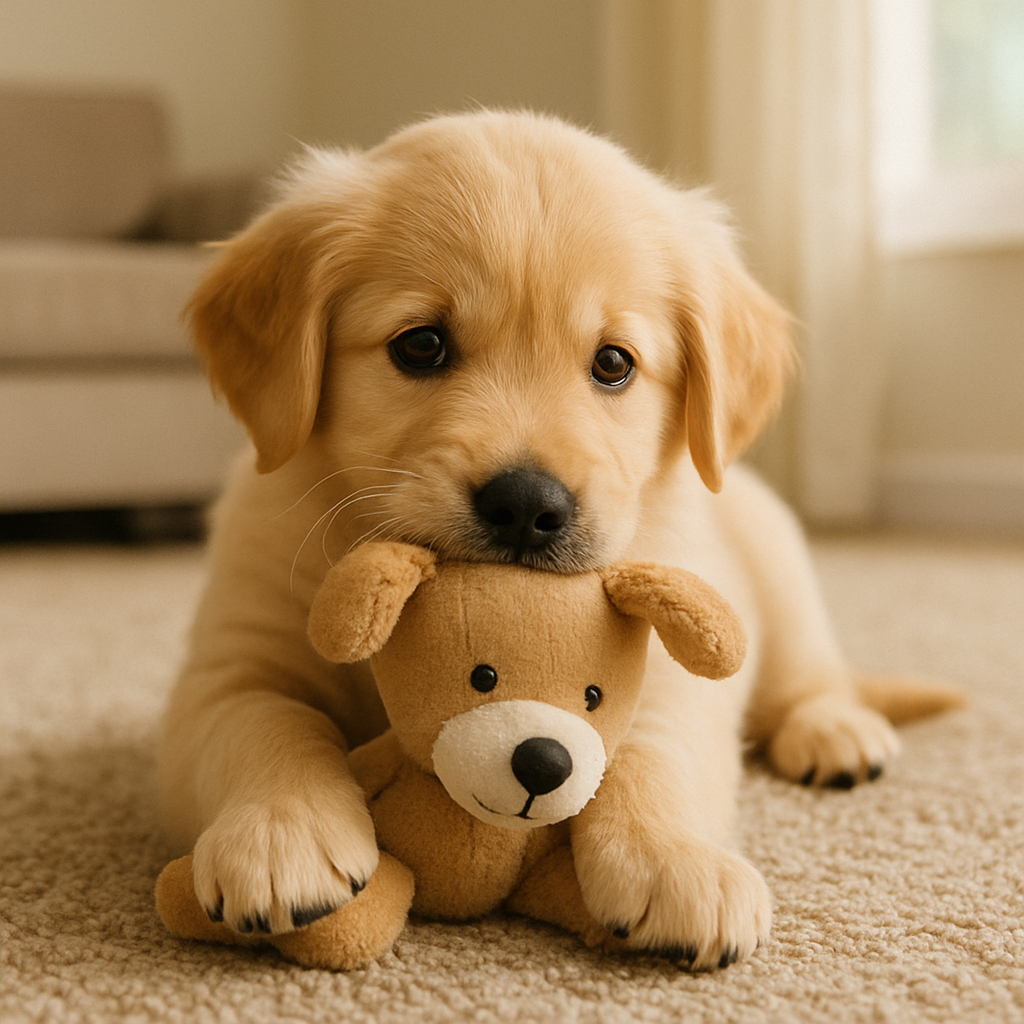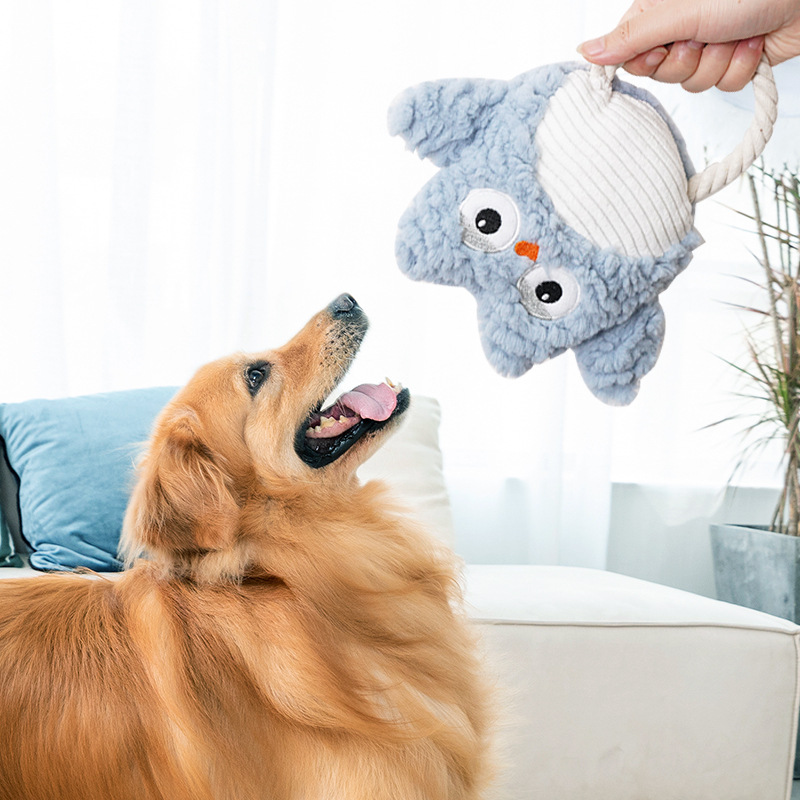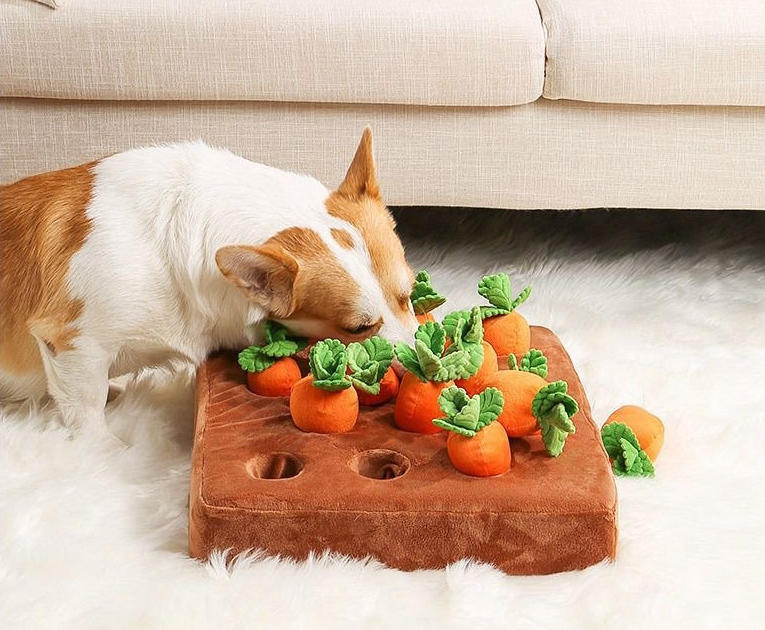
Short Answer: What’s the Difference?
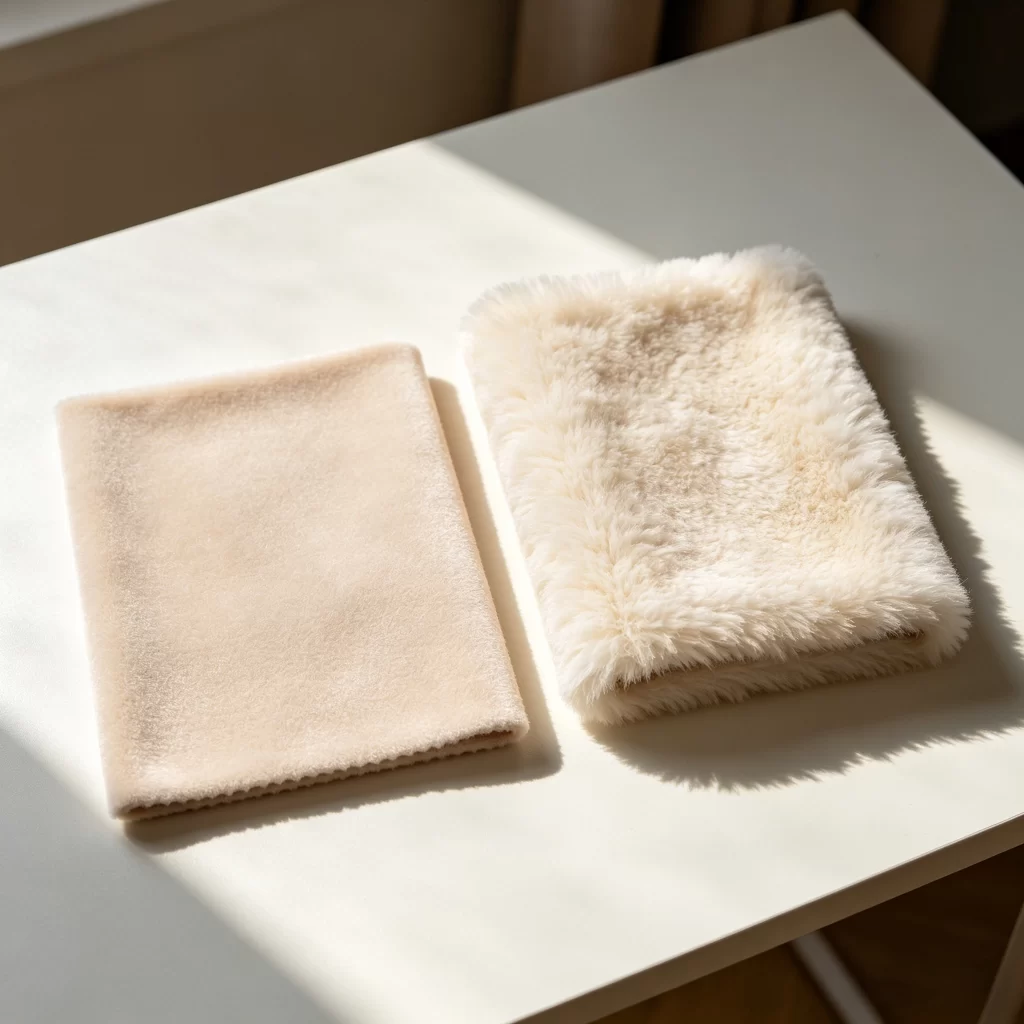
Short pile plush has a surface length typically under 5mm and delivers a smooth, clean finish with clear details. Long pile plush usually ranges from 10–30mm and creates a soft, fluffy appearance but reduces detail sharpness.
The discuss which fabric suits your design between them is not aesthetic alone—it directly affects cost, sampling complexity, and product positioning.
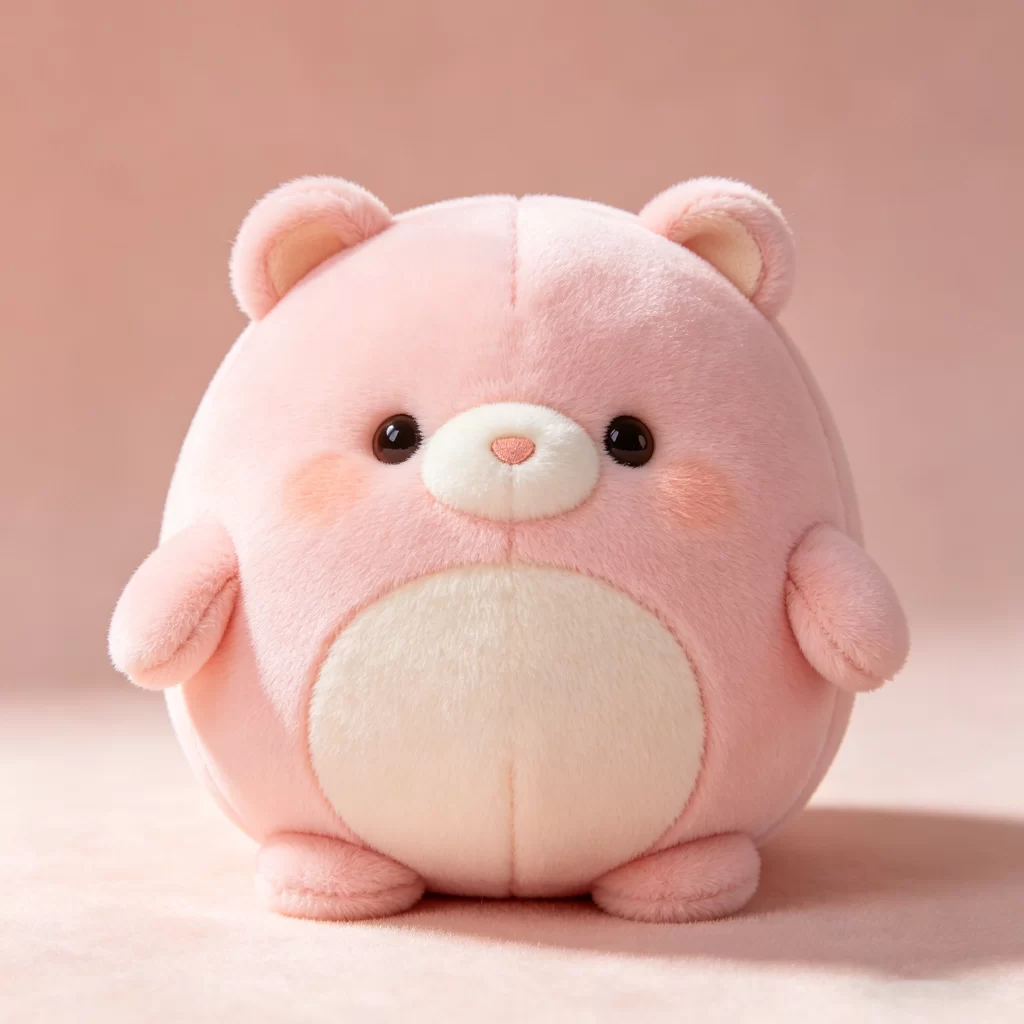
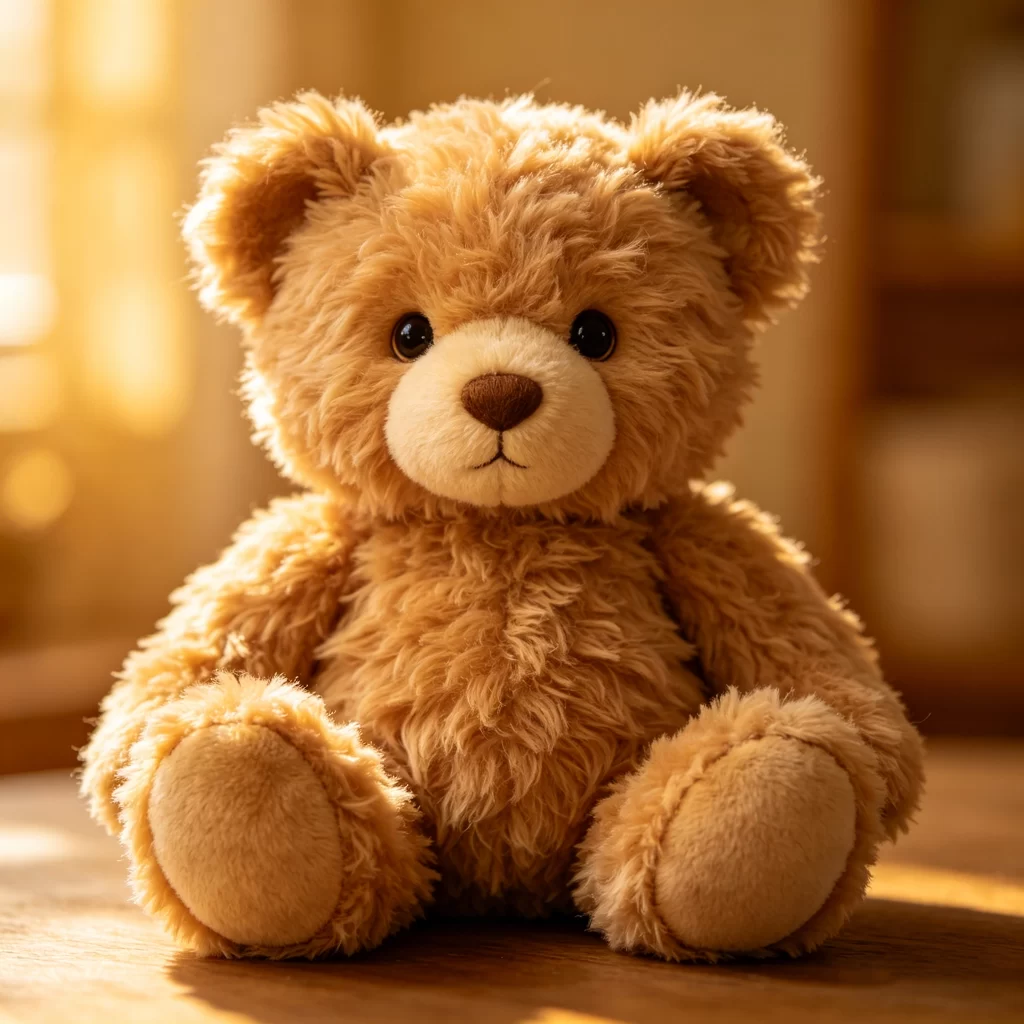
Surface Texture Defines Product Perception
Short pile plush means a flat, even surface. It feels clean and controlled.
Long pile plush creates how fiber length affects appearance but introduces visual irregularity.
In our sampling experience:
- Short pile gives a how different plush materials perform across 95%+ area
- Long pile often shows visible directional shading differences
This matters when your product is meant to look “precise” versus “soft and playful.”
Cost Impact Is Not Linear
Material cost difference is usually 15–35% higher for long pile fabrics.
However, the real cost increase comes from handling:
- More fabric waste during cutting
- Higher rejection rate in stitching alignment
- Extra brushing or finishing steps
We typically see total cost increase reach 20–40% for long pile projects.
Detail Clarity Depends on Pile Length
Short pile supports:
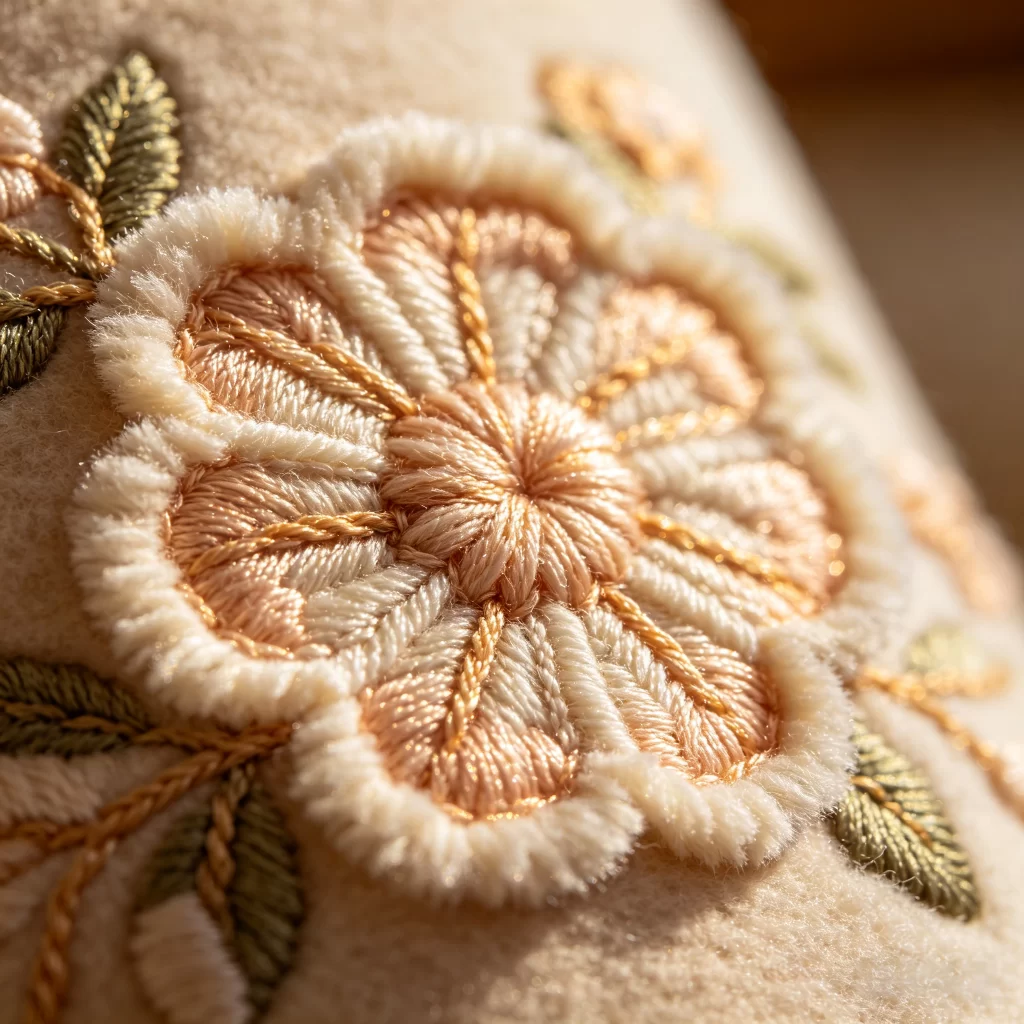
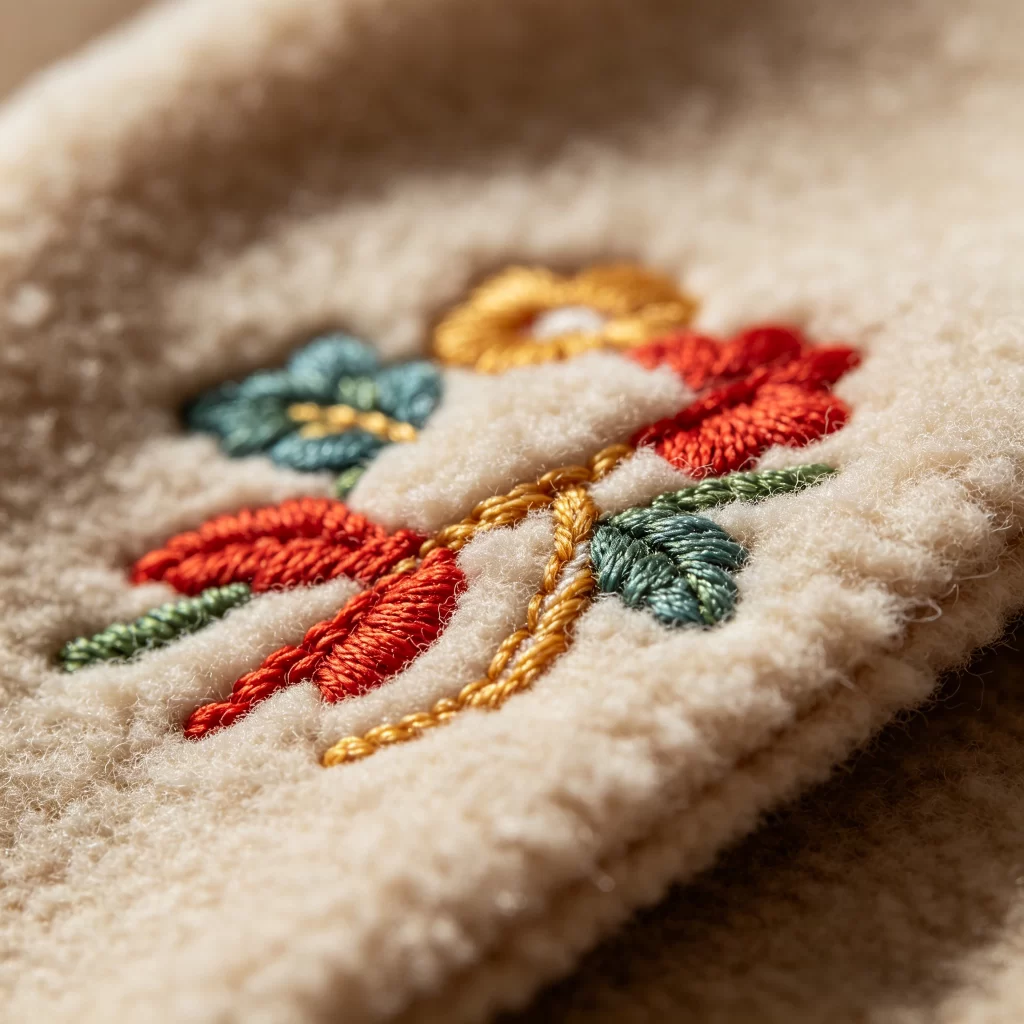
- Embroidery accuracy within ±1mm tolerance
- Printed graphics with clear edges
- Small facial details (eyes, logos)
Long pile introduces:
- how detail clarity varies due to fiber covering
- Distortion of printed areas
- Need for larger-scale design adjustments
For IP or branded plush, this becomes a critical constraint.
Durability and Maintenance Are Different
Short pile plush:
- Easier to clean (surface-level dirt removal)
- Less fiber entanglement
- Better long-term appearance stability
Long pile plush:
- Fibers can mat after 20–50 usage cycles
- Requires brushing or reshaping
- More sensitive to moisture and compression
For pet toys or high-use items, this difference becomes significant.
Production Complexity Increases with Long Pile
Long pile fabric behaves unpredictably during sewing.
We often observe:
- Seam misalignment up to 2–4mm deviation
- Hidden stitching issues due to fiber coverage
- Increased manual adjustment during assembly
This directly affects production consistency and timeline.
Sampling Stage Reveals Different Risks
Short pile sampling focuses on:
- Shape accuracy
- Embroidery positioning
Long pile sampling must additionally confirm:
- Fiber direction consistency
- Visual balance after stuffing
- Whether key features are still visible
This is why long pile projects often require 1 extra evaluating fabric behavior during sampling.
When to Use Each Type
Short Pile Is Suitable For:
- Branded plush (logos, mascots)
- Character/IP designs
- Structured shapes (e.g., buildings, products)
- Pet toys requiring durability
Long Pile Is Suitable For:
- Teddy bears and gift plush
- Premium soft-touch products
- Decorative or emotional-focused designs
Practical Recommendation
If your project requires visual accuracy and repeatability, short pile is the safer choice.
If your priority is tactile softness and emotional appeal, long pile can work—but requires more control during sampling and production.