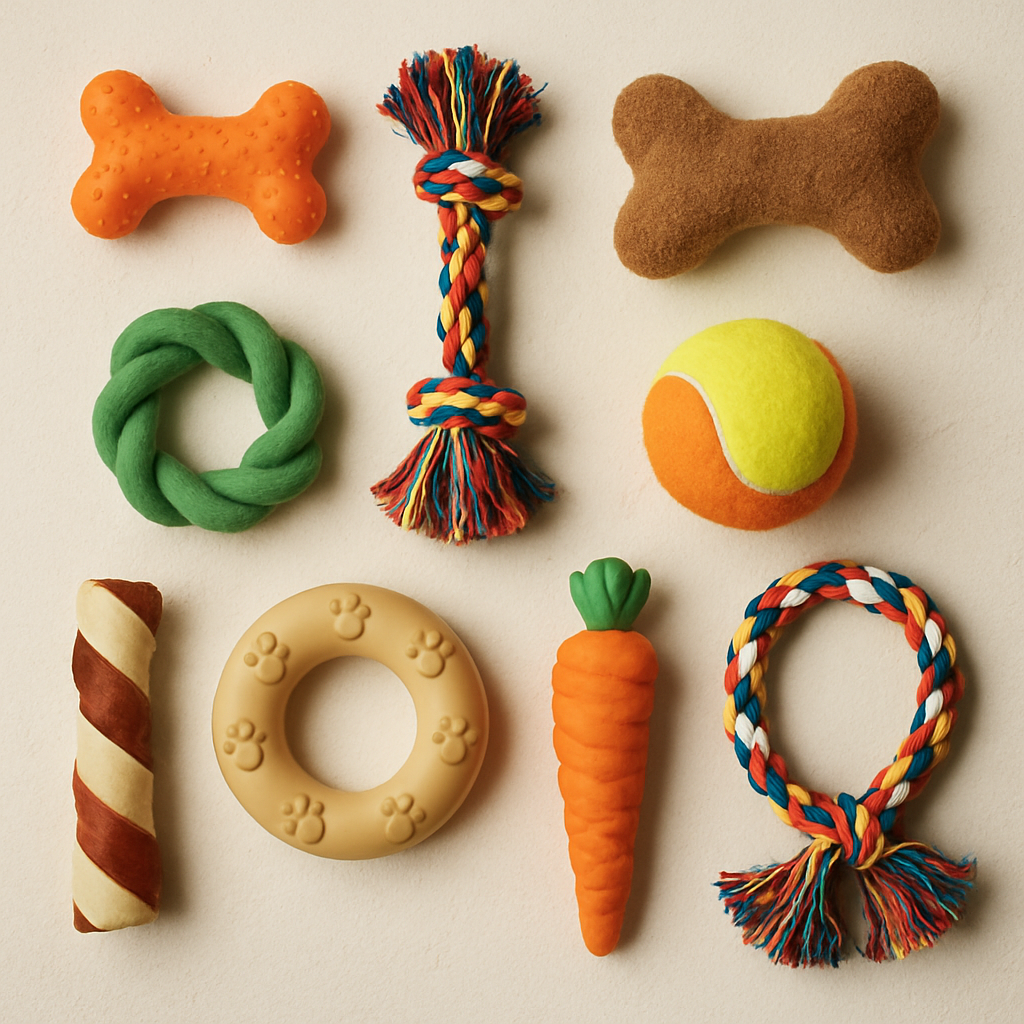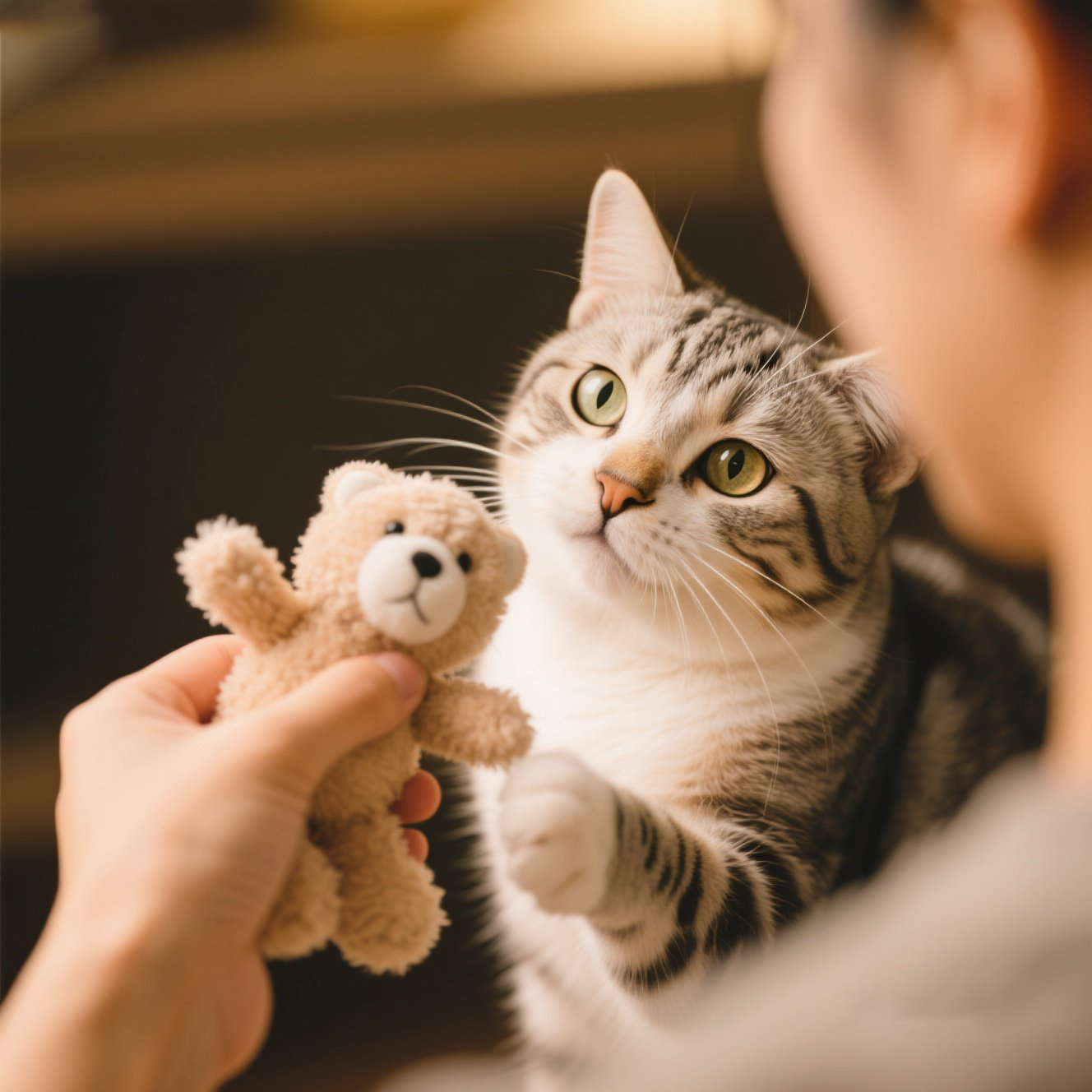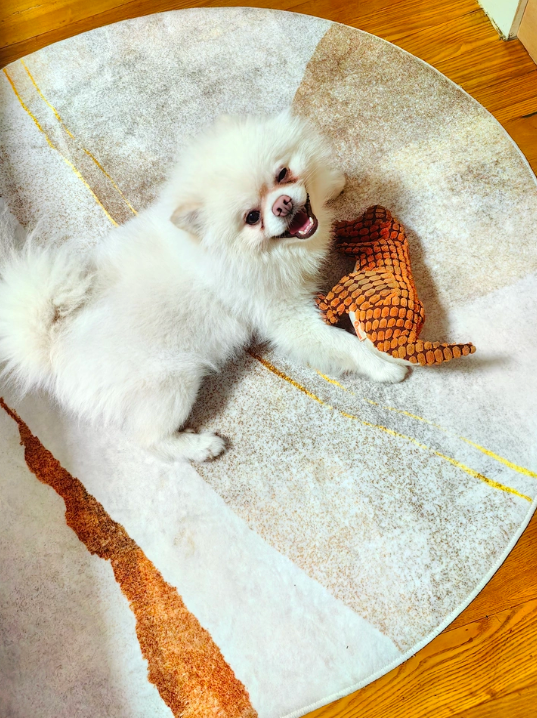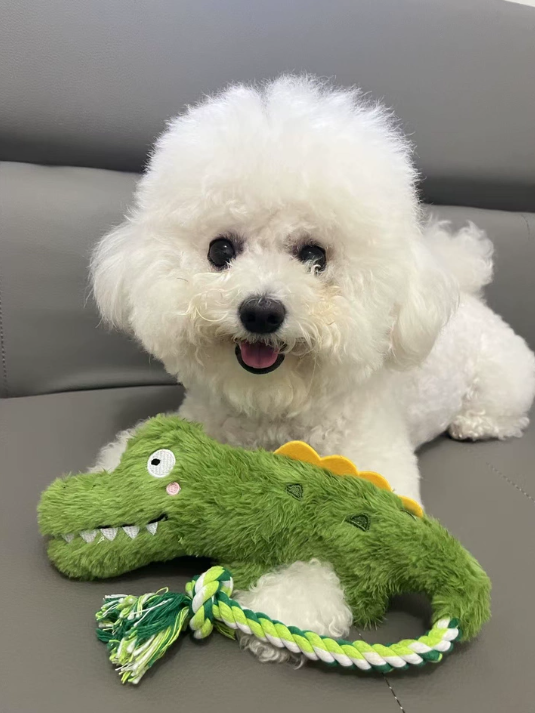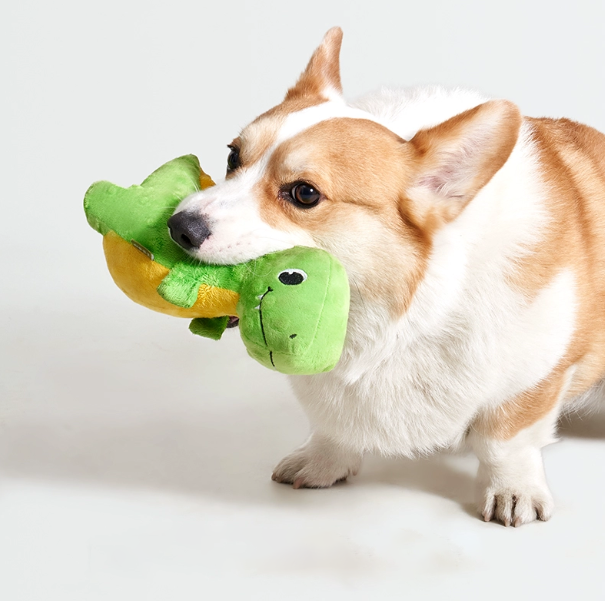

Many cheap DIY pet toys can work well for light daily play. Soft fleece, old T-shirts, rope scraps, and catnip inserts are common low-cost options.
The key is not only saving money. Safe materials, seam strength, and pet behavior matter more during actual use.
For many small pet brands, DIY toy ideas are also useful during early sampling. They help test shape, interaction, and pet response before moving into bulk production.
Why DIY Plush Pet Toys Are Popular
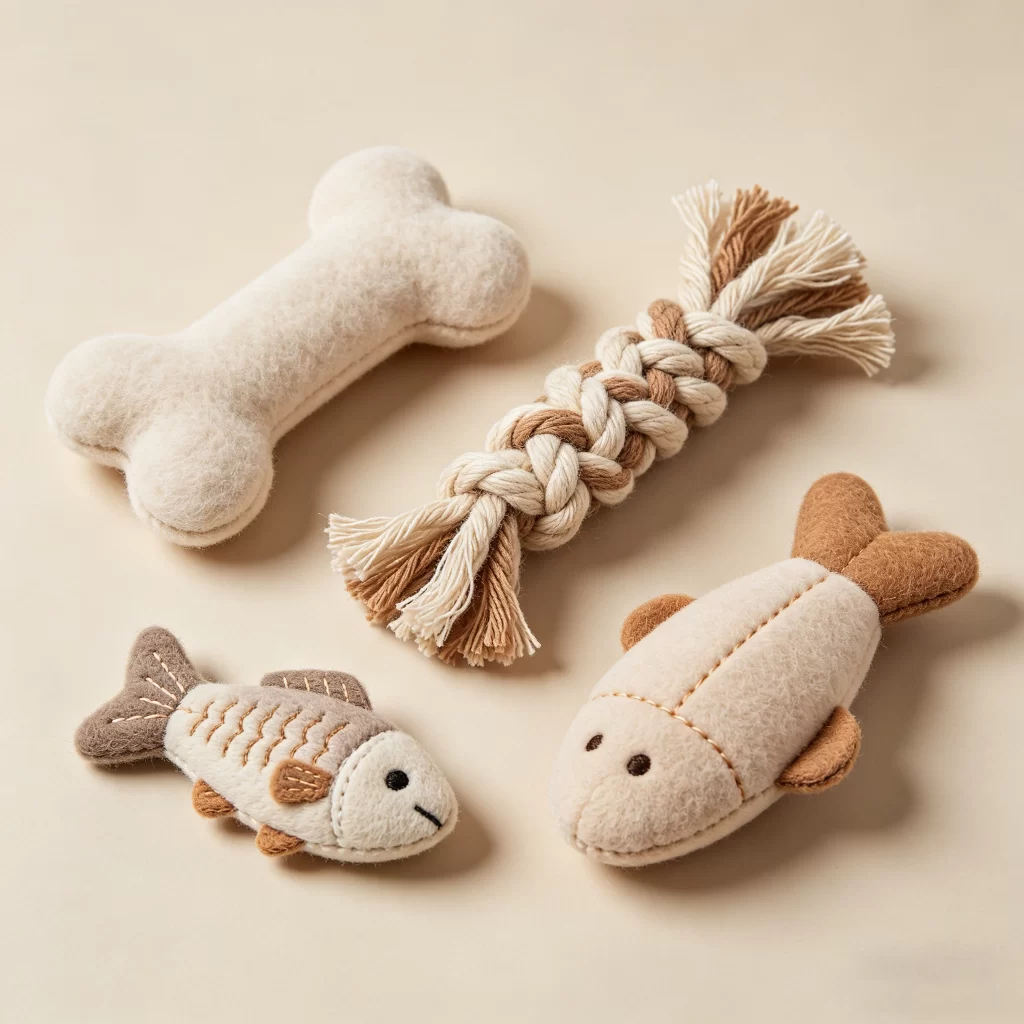
DIY plush toys are simple to test and modify. Many pet owners and small brands use them for early product ideas.
Soft toys are also easy to customize. You can change the squeaker size, fabric type, or toy shape with low material cost.
In our sampling experience, DIY concepts often help brands understand how pets interact with toys before formal development starts.
A simple plush toy can also reveal common durability problems. Dogs usually bite the edge first. Cats often target loose corners or catnip sections.
Cheap Materials Commonly Used for DIY Pet Toys
Fleece Fabric
Fleece is soft and easy to sew. It is commonly used for beginner plush toy projects.
Short-pile fleece also reduces loose fiber shedding. This is important for safer pet interaction.
However, thin fleece tears faster during aggressive chewing. Double-layer construction can help reduce early seam damage.
Old Cotton T-Shirts
Old cotton shirts are low-cost and easy to recycle into toys.
Cotton feels soft in the mouth. Many dogs like the texture during gentle play.
The problem is durability. Thin cotton stretches easily after repeated pulling.
For stronger structure, some developers combine cotton outer fabric with internal rope reinforcement.
Rope Scraps
Rope adds chewing resistance and interactive tugging value.
Cotton rope is commonly used inside plush hybrid toys. It helps distribute pulling force away from the plush seams.
During pet toy development, we usually observe that rope-connected toys survive longer than fully stuffed plush toys.
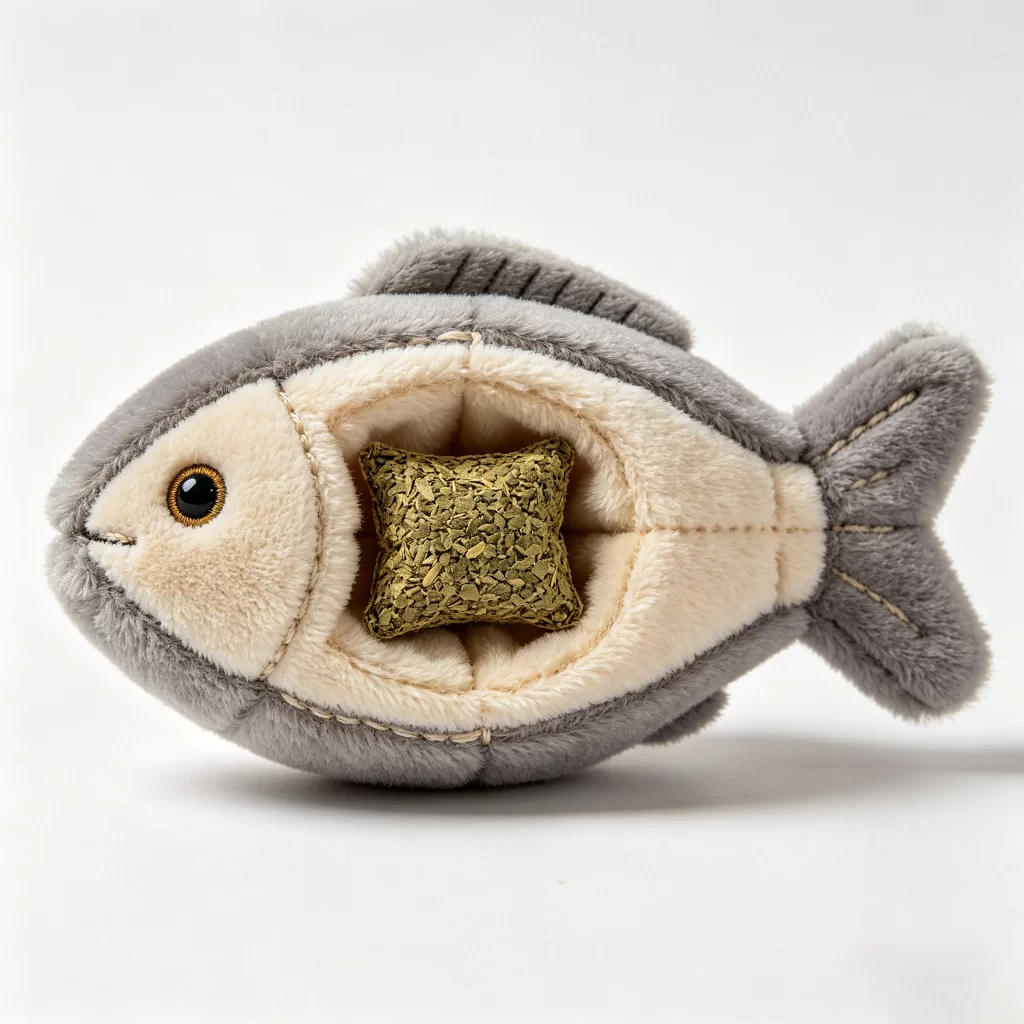
Catnip Filling for Cats
DIY catnip plush toys are popular because they are simple and low cost.
Small cat toys usually use dried catnip inside a secured pouch. This helps reduce loose filling leakage.
A zipper closure is usually not recommended for active cat play. Sewn closures are safer.
What Makes a DIY Pet Toy Safer
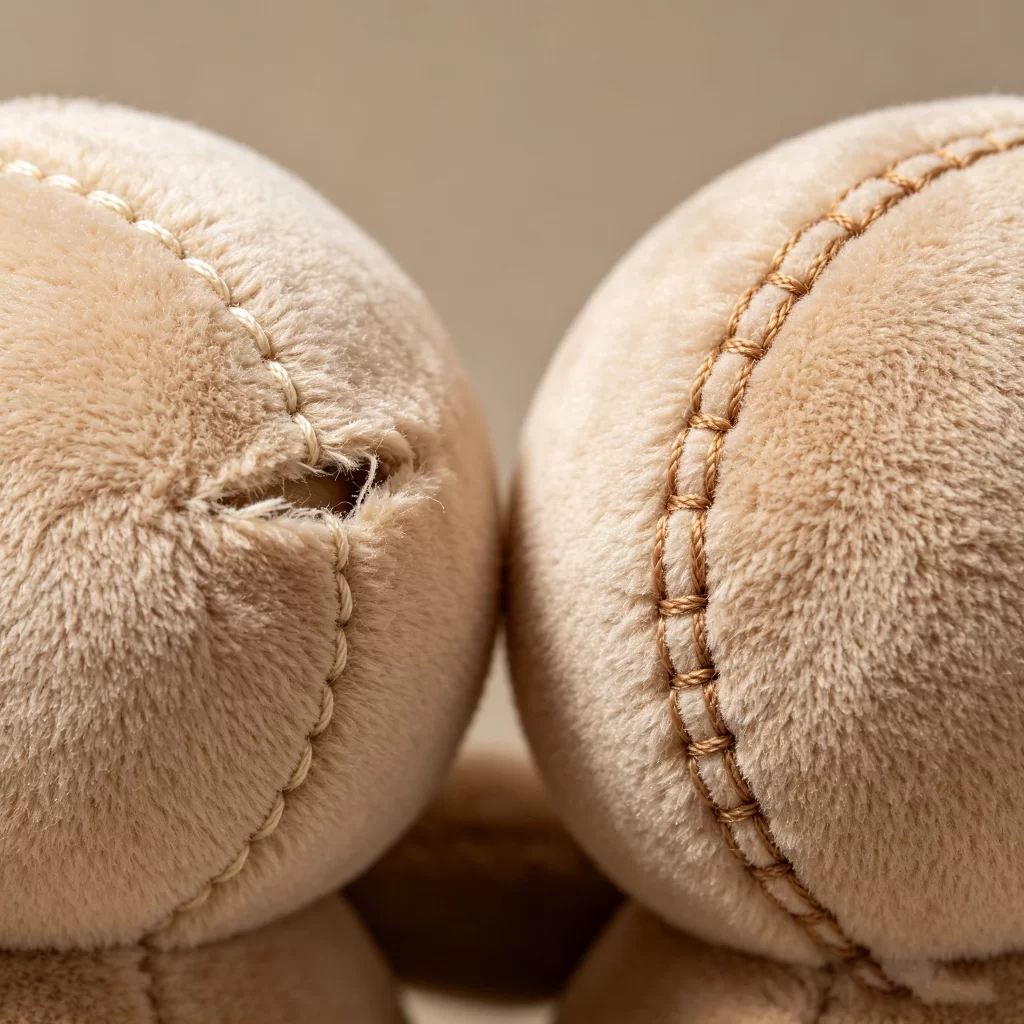
Seam Strength Matters More Than Fabric Thickness
Many people think thicker fabric automatically means better durability.
In reality, weak seams often fail first. Bite pressure usually concentrates along toy edges.
Double stitching can improve structural stability during pulling and chewing.
Avoid Loose Plastic Parts
Buttons, hard eyes, and decorative parts can become choking risks.
Embroidery details are usually safer for plush pet toys.
This is especially important for small dog toys and mini plush toys.
Use Filling Carefully
Loose polyester filling can escape after seam damage.
Some brands reduce filling volume to lower the risk of stuffing spread during tearing.
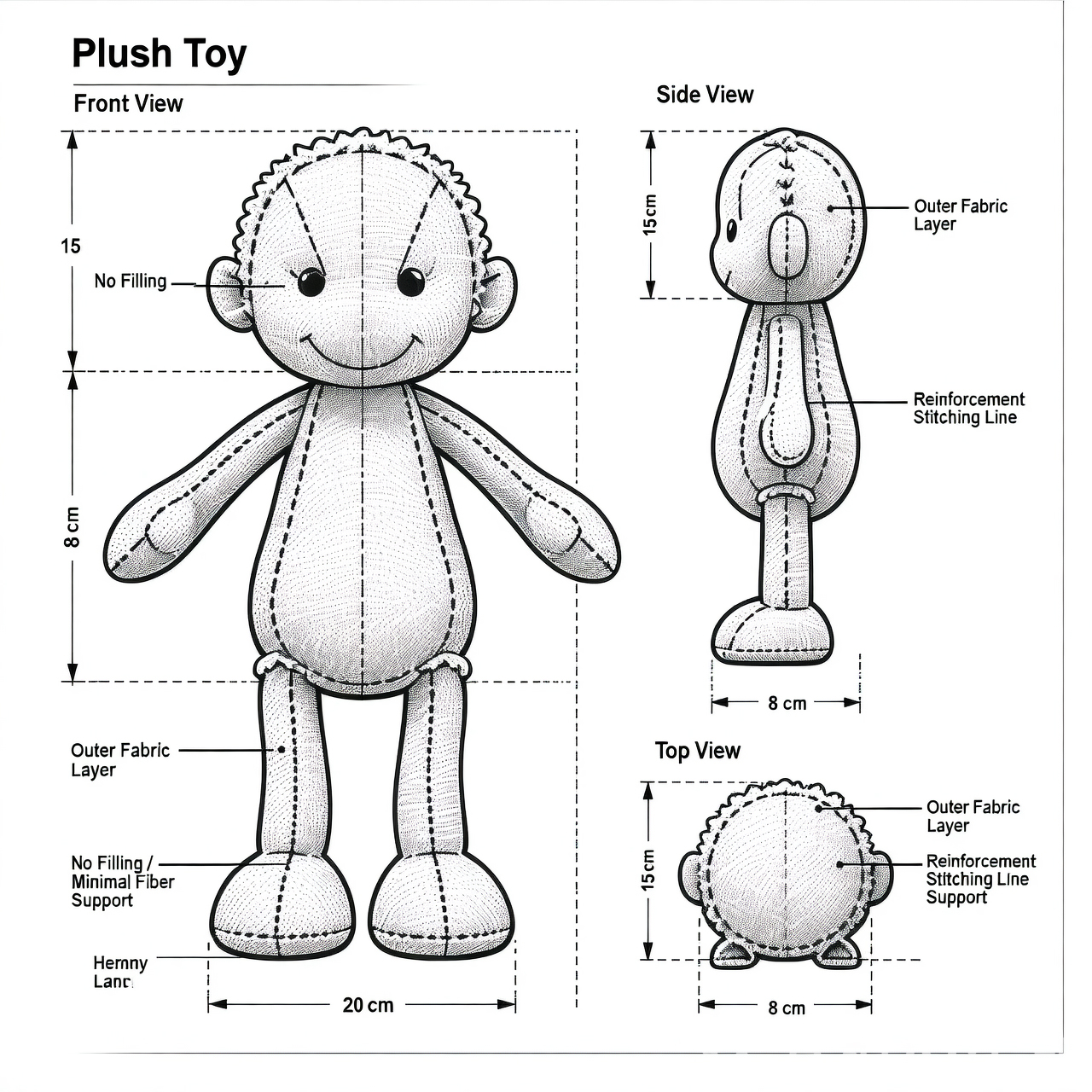
For aggressive chewers, low-fill or stuffing-free structures are often safer.
Washable Design Is Important
DIY toys become dirty quickly after saliva exposure.
Washable fabric helps maintain cleaner play conditions.
Short-pile plush and fleece usually dry faster than thick long-pile fabric.
Cheap DIY Toy Ideas for Dogs
Simple Crinkle Plush Toy
Crinkle material creates sound during biting and folding.
Many DIY versions use clean plastic layers placed between fabric panels.
The crinkle insert should stay fully enclosed inside the toy structure.
Loose plastic edges can create puncture risks after chewing damage.
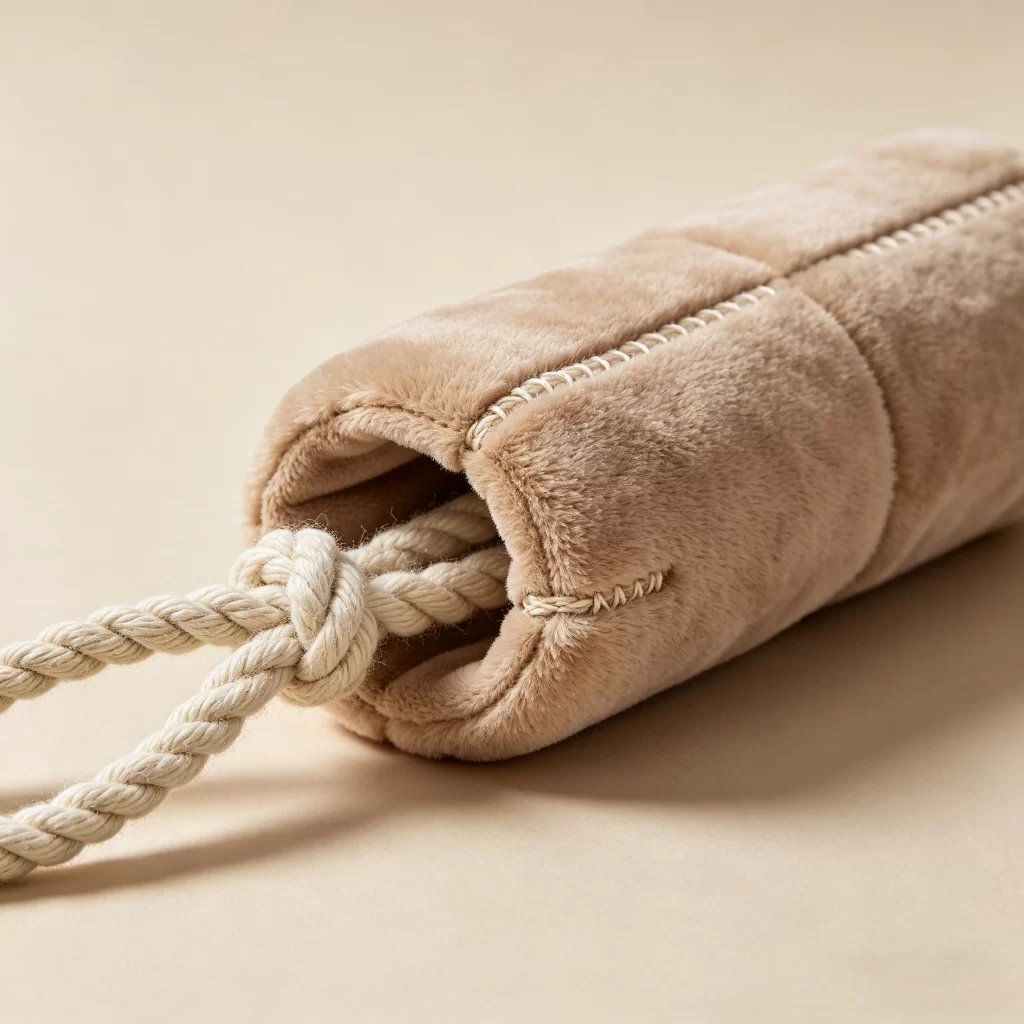
Rope Plush Hybrid Toy
This structure combines soft fabric with rope handles.
The rope supports tugging force while the plush section adds comfort.
This design works better for medium chewing behavior than fully stuffed plush toys.
Pet brands often test this structure during early custom dog toy sampling.
For brands exploring mixed-material pet products, soft rope-integrated structures are commonly used in Custom Dog Toys development.
Low-Fill Squeaky Toy
A low-fill toy reduces stuffing spread during damage.
The squeaker should stay inside a separate secured pouch.
This helps reduce direct pressure on the squeaker during chewing.
In our sampling experience, center-position squeakers usually last longer than edge-position squeakers.
Cheap DIY Toy Ideas for Cats
DIY Catnip Plush Fish
Fish shapes work well because cats naturally grab and kick narrow toys.
Soft fleece or corduroy fabric is commonly used.
The catnip pouch should stay centered inside the body structure.
Mini Plush Chase Toys
Mini plush toys are lightweight and easy for indoor play.
Long tails or ribbon extensions increase movement attraction.
However, very thin ribbons may fray after scratching.
Short reinforced fabric strips are usually safer.
Small lightweight concepts are also commonly explored in Mini Plush Toys product development.
DIY Toys vs Professionally Developed Pet Toys
DIY toys are useful for testing concepts and play behavior.
However, commercial pet toys usually go through additional material evaluation and structure testing.
Professional development often includes:
- seam pull testing
- squeaker security evaluation
- washing checks
- bite resistance assessment
- filling leakage observation
This is important for retail consistency and long-term product safety.
Common DIY Pet Toy Problems
Overstuffed Toy Bodies
Too much filling creates higher seam pressure.
Dogs often puncture tight stuffed areas faster.
Moderate filling usually improves flexibility and reduces stress concentration.
Incorrect Toy Size
Very small toys may become swallowing risks for large dogs.
Oversized toys may reduce interaction for small pets.
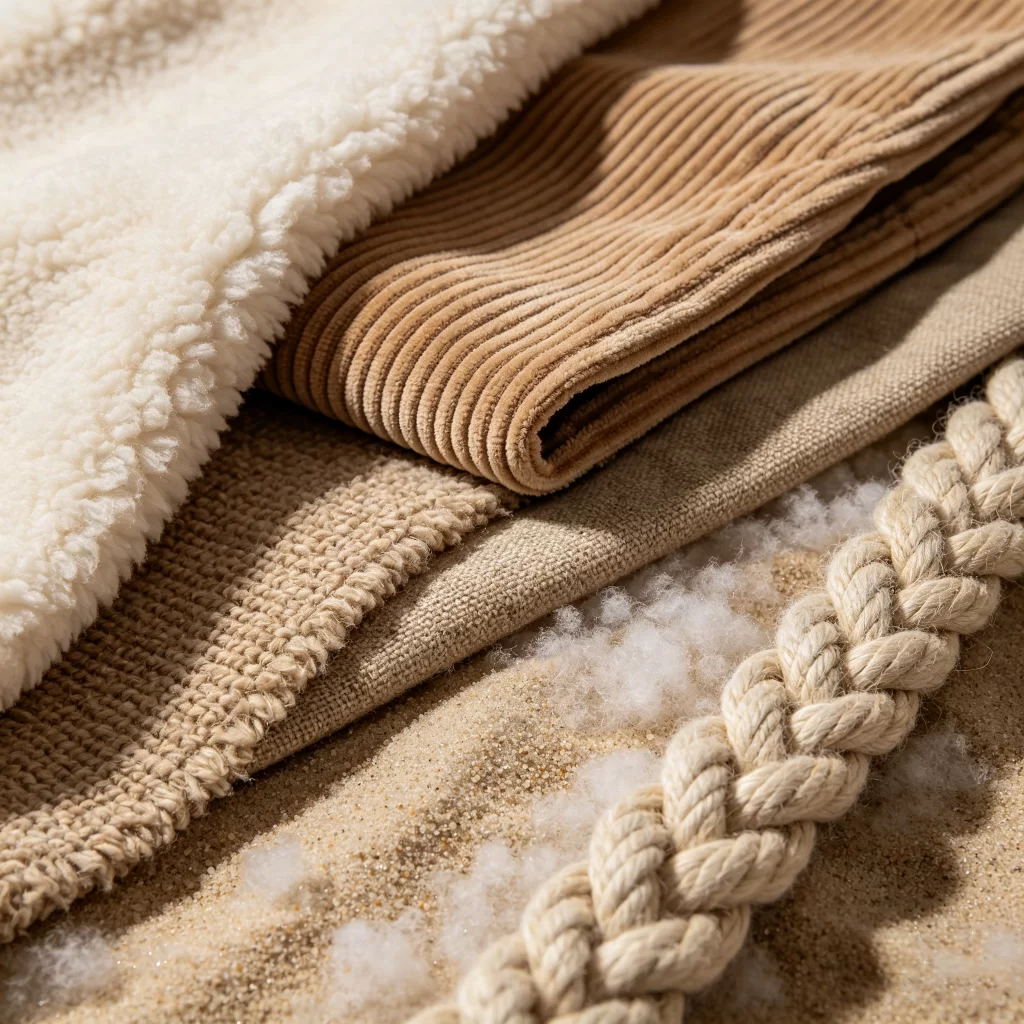
Weak Material Pairing
Soft plush combined with weak stitching creates short toy lifespan.
Material balance matters more than appearance alone.
For example, canvas-like fabric usually performs better in tugging areas than thin velvet fabric.
When DIY Toy Concepts Become Commercial Products
Many commercial plush pet toys start from simple handmade concepts.
The difference comes during structure refinement and safety adjustment.
A basic DIY toy may later include:
- reinforced seams
- secured squeaker pockets
- layered fabrics
- stronger embroidery
- washable construction
- retail packaging adjustments
Brands developing private label pet toys often move from handmade samples into scalable Custom Plush Toys solutions after early testing.
For brands preparing new pet toy collections, early supplier communication through the Contact page can help clarify material options and sampling priorities.
FAQ
Q1: Are DIY plush pet toys safe for dogs?
DIY toys can be safe if the structure is simple and secure.
Loose plastic parts, weak seams, and exposed filling increase risk during chewing.
Soft fleece and embroidered details are usually safer choices.
Aggressive chewers still need closer supervision during play.
Q2: What fabric works best for homemade plush dog toys?
Fleece is one of the easiest beginner materials.
It is soft, washable, and easy to sew.
Corduroy and canvas-like fabrics usually provide better abrasion resistance.
Very thin decorative fabric may tear quickly during tugging.
Q3: How can I make DIY squeaky toys safer?
The squeaker should stay inside a separate internal pouch.
This helps reduce direct chewing pressure.
Edge-position squeakers usually fail faster than center-position squeakers.
Double stitching around the squeaker area can improve stability.
Q4: Are DIY catnip plush toys suitable for retail testing?
Yes. Many small brands use DIY catnip toys for early concept testing.
This helps evaluate toy shape and cat interaction before formal sampling.
However, retail products usually require more consistent stitching and material control.
Commercial products also need clearer washing and safety standards.
Q5: What filling is commonly used inside plush pet toys?
Polyester fiber filling is commonly used because it is lightweight and affordable.
Some low-fill structures reduce stuffing leakage risk.
For aggressive chewers, stuffing-free structures may perform better.
Filling density also changes toy softness and bite response.
Q6: How do I reduce seam tearing in DIY toys?
Double stitching usually improves seam stability.
Rounded toy shapes also reduce stress concentration around corners.
During pet toy development, edge seams normally receive the highest bite pressure.
Reinforced binding tape may improve durability in tugging areas.
Q7: Can DIY pet toys help during product development?
Yes. Early DIY concepts help brands test interaction and toy structure.
This is common during initial pet toy planning.
Simple prototypes can reveal:
- preferred toy size
- chewing behavior
- squeaker placement
- fabric response
Many commercial pet toys start from simple handmade samples.
Q8: What should brands prepare before custom pet toy sampling?
Brands should first define:
- target pet size
- intended play behavior
- material preference
- toy function
- expected retail positioning
Reference sketches and similar toy examples are also helpful.
Before moving into bulk production, sampling usually helps confirm structure feasibility and material compatibility.