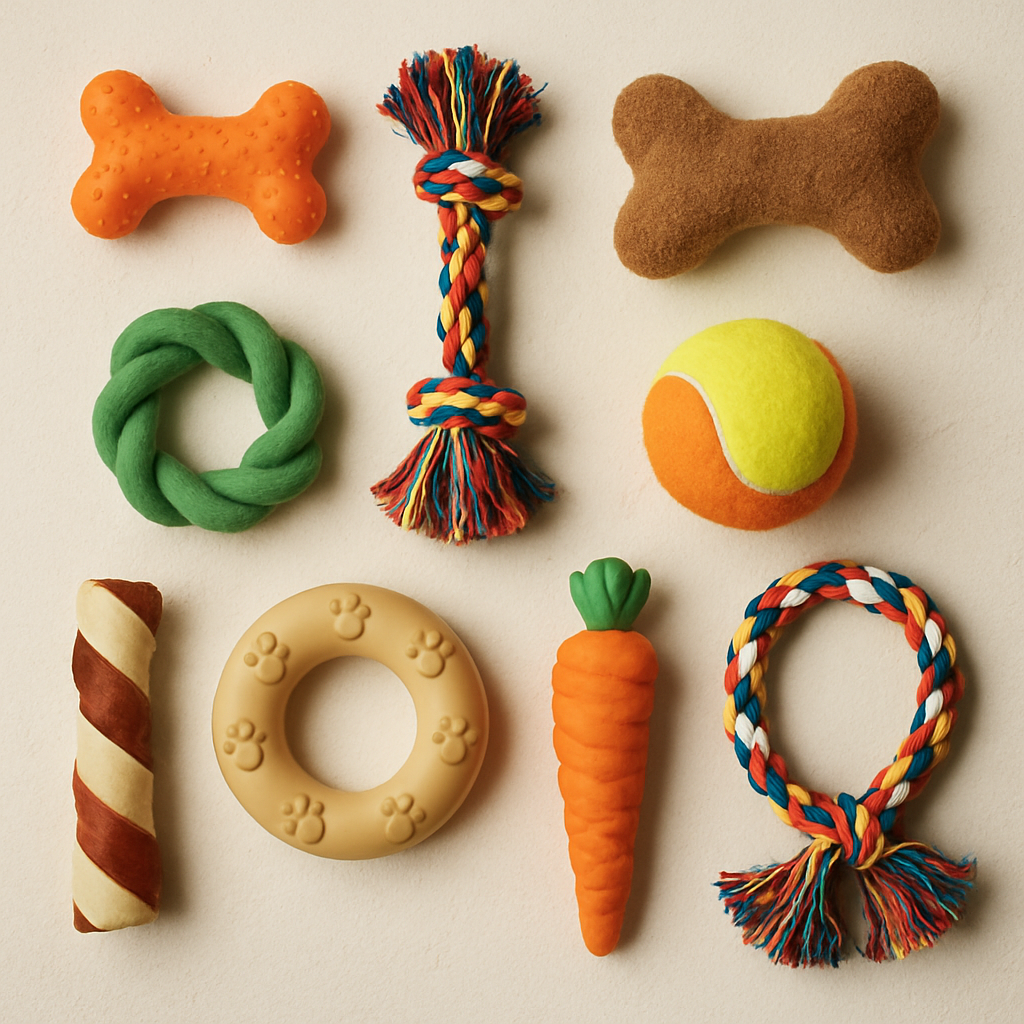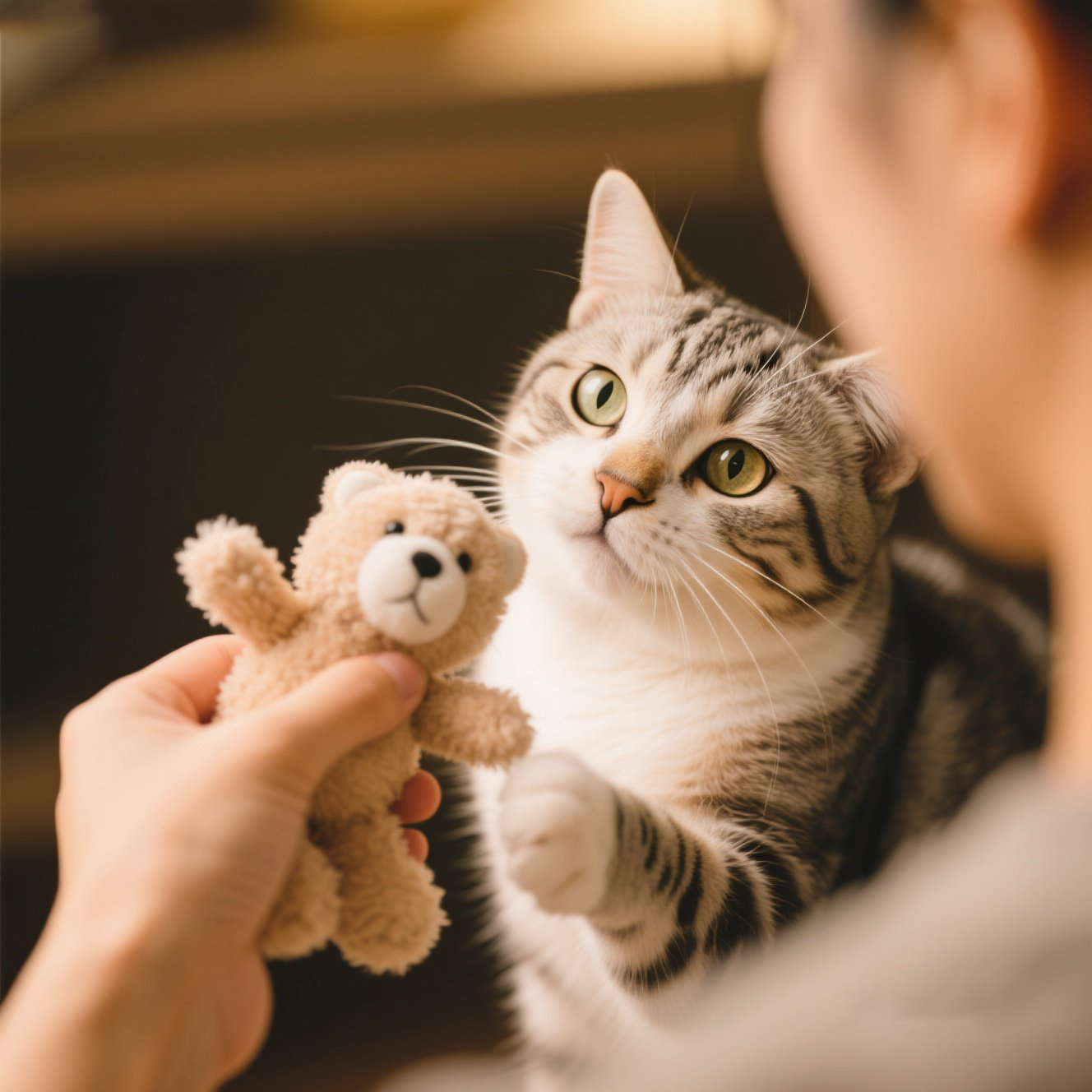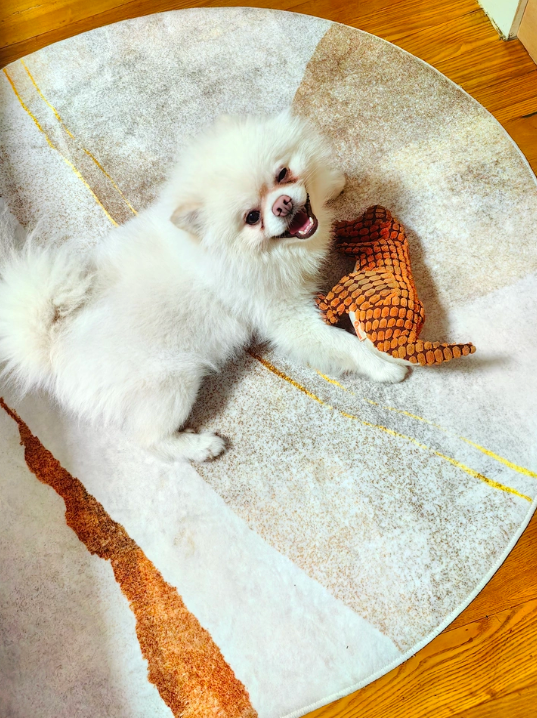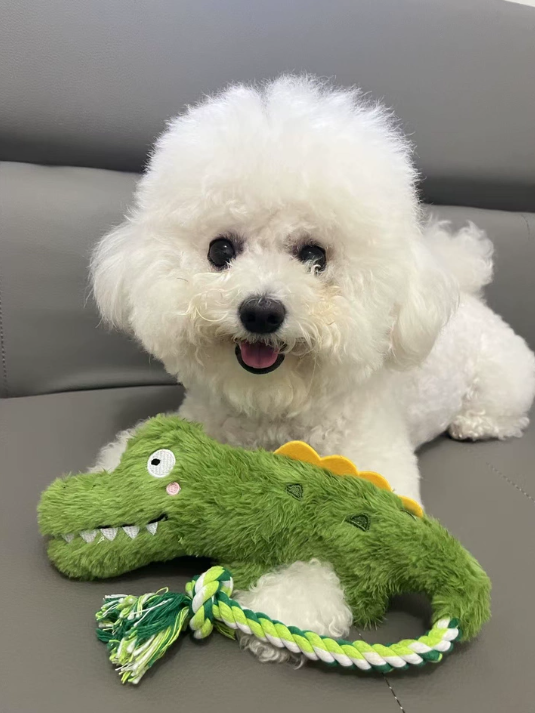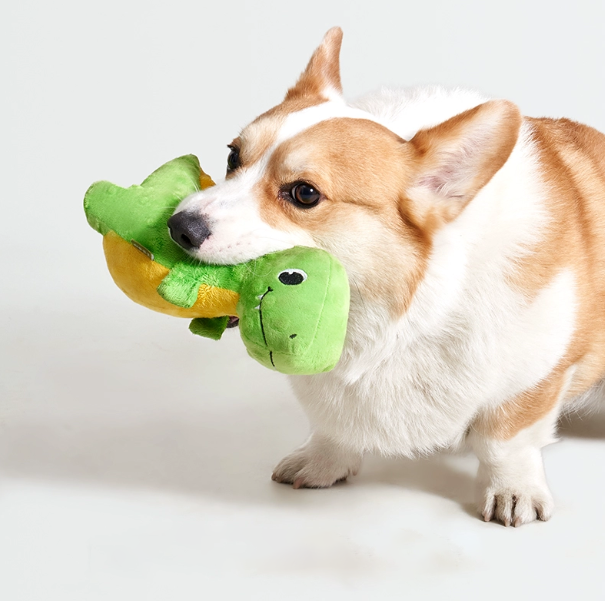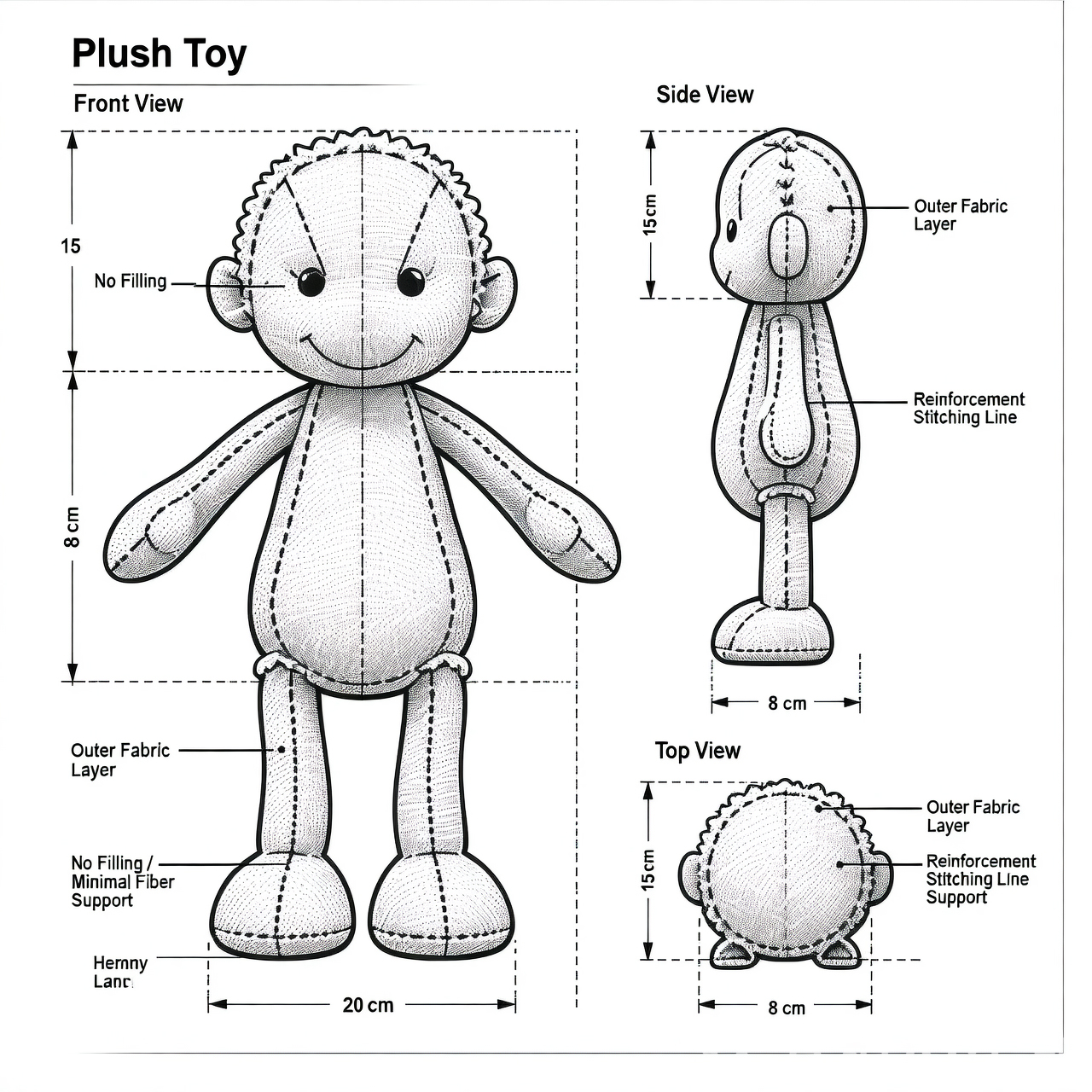

No plush dog toy is truly indestructible. Dogs use different bite styles, and soft materials will eventually wear down under repeated chewing.
However, some plush dog toys can last much longer when the structure, fabric, and seam design match the dog’s play behavior.
Many buyers search for indestructible plush dog toys because they want fewer returns and safer products. The real question is not whether a toy can never break. The better question is how long the toy can stay functional during realistic play.
Why Plush Toys Break Faster Than Rubber Toys
Plush toys are soft by design. Dogs usually bite, shake, pull, and carry them. This creates repeated pressure on seams and fabric edges.
Rubber toys spread bite pressure across a solid structure. Plush toys do not. Most tearing starts near the stitching area.
In our sampling experience, the first damage point is usually:
- seam corners
- squeaker openings
- leg attachments
- thin fabric areas
This is why plush toys need stronger structural planning than many buyers expect.
What Makes Some Plush Dog Toys More Durable
Fabric Selection Matters
The outer fabric changes the toy’s wear resistance.
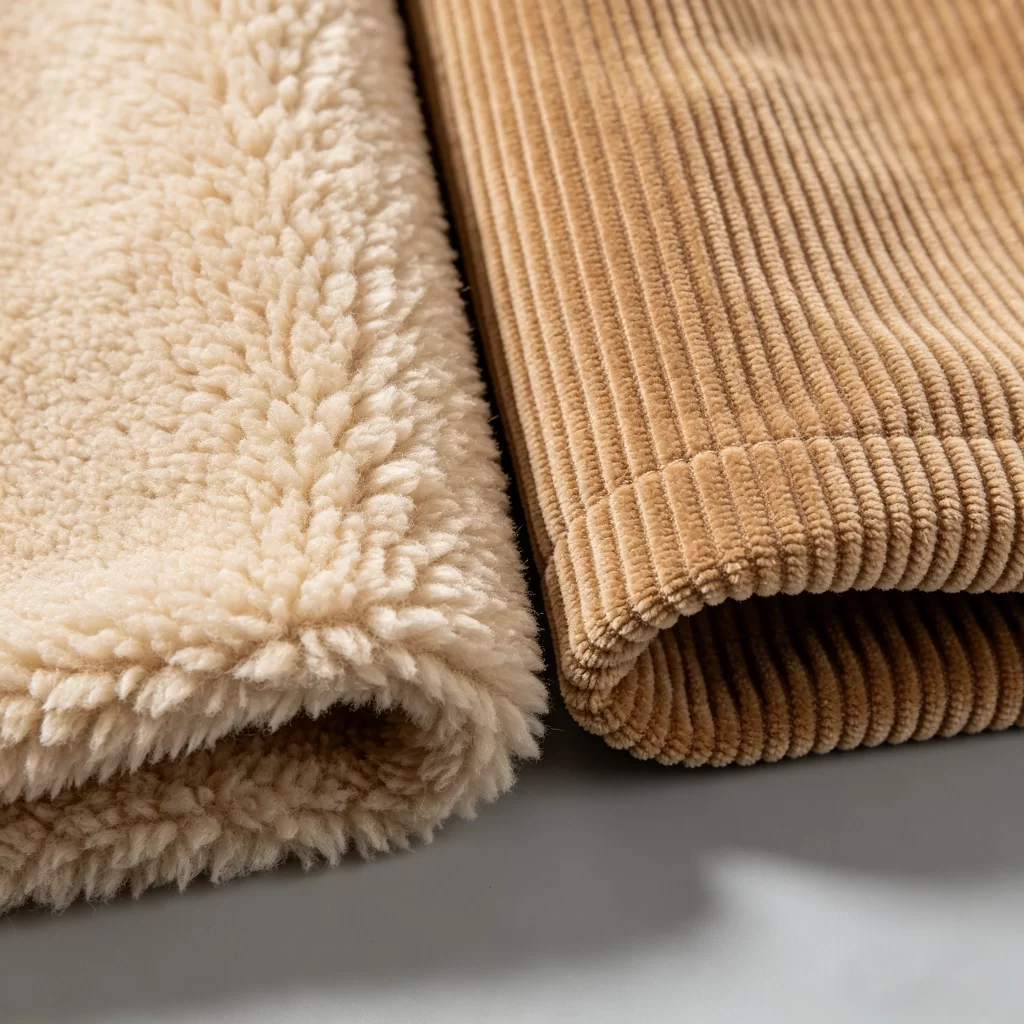
Short-pile plush is soft and popular, but it tears faster under strong chewing. Corduroy and canvas-like fabrics usually resist scratching and pulling better.
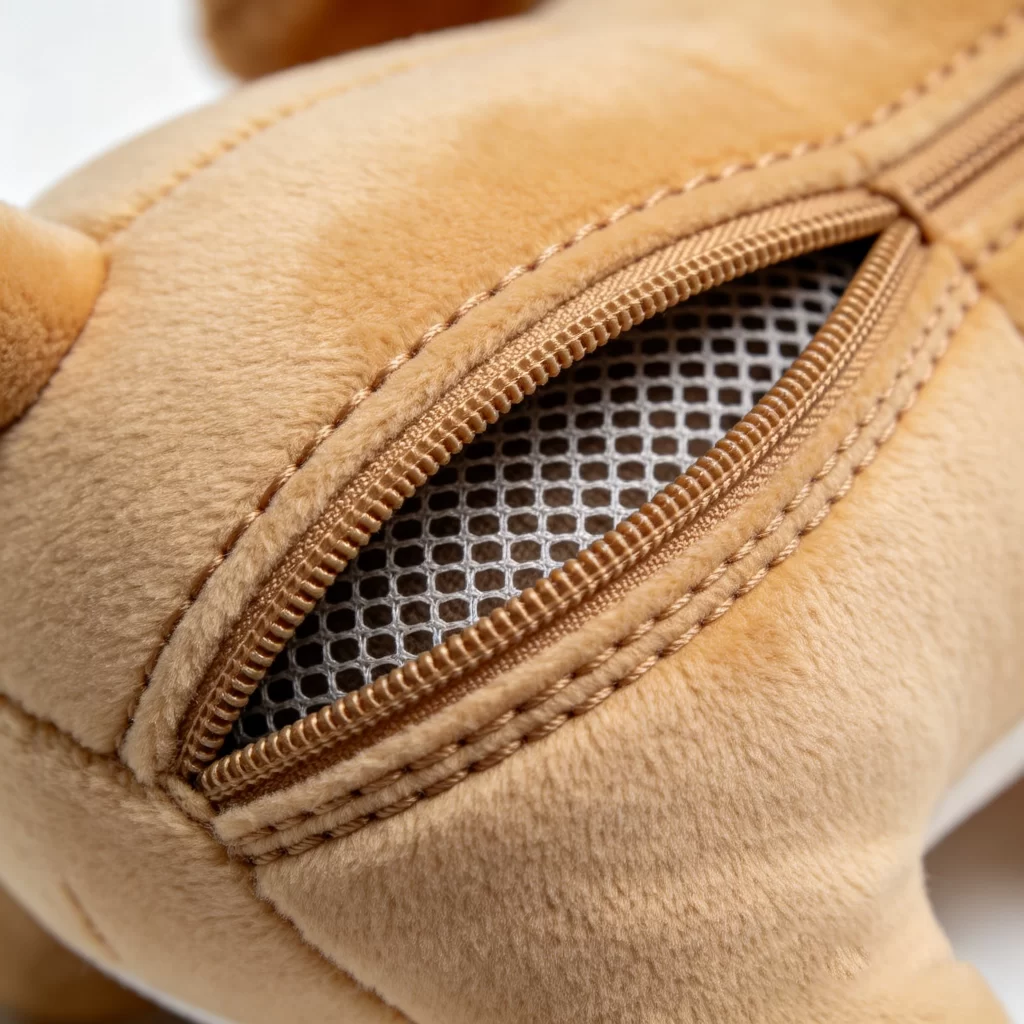
Some durable plush dog toys use layered fabric construction. A soft outer layer improves touch feel, while an inner mesh layer helps reduce tearing spread.
During pet toy development, we usually observe better durability when the fabric has:
- higher density
- tighter weaving
- lower stretch movement
Very soft fabrics often create faster seam deformation.
Reinforced Stitching Reduces Early Failure
Dogs often bite toy edges first. This concentrates force directly onto the seam.
Single stitching can open quickly during tugging. Double stitching or reinforced edge binding usually improves seam stability.
Some reinforced plush dog toys also use:
- hidden seams
- cross-stitch reinforcement
- edge piping
- nylon seam tape
These structures help reduce burst openings during shaking play.
A reinforced seam does not make a toy indestructible. It simply slows down structural failure.
Filling Structure Changes Toy Lifespan
Loose filling moves during play. This creates uneven pressure inside the toy.
A balanced filling structure helps maintain shape and reduces weak points.
Common filling choices include:
- PP cotton
- recycled polyester fiber
- foam inserts
- rope core structures
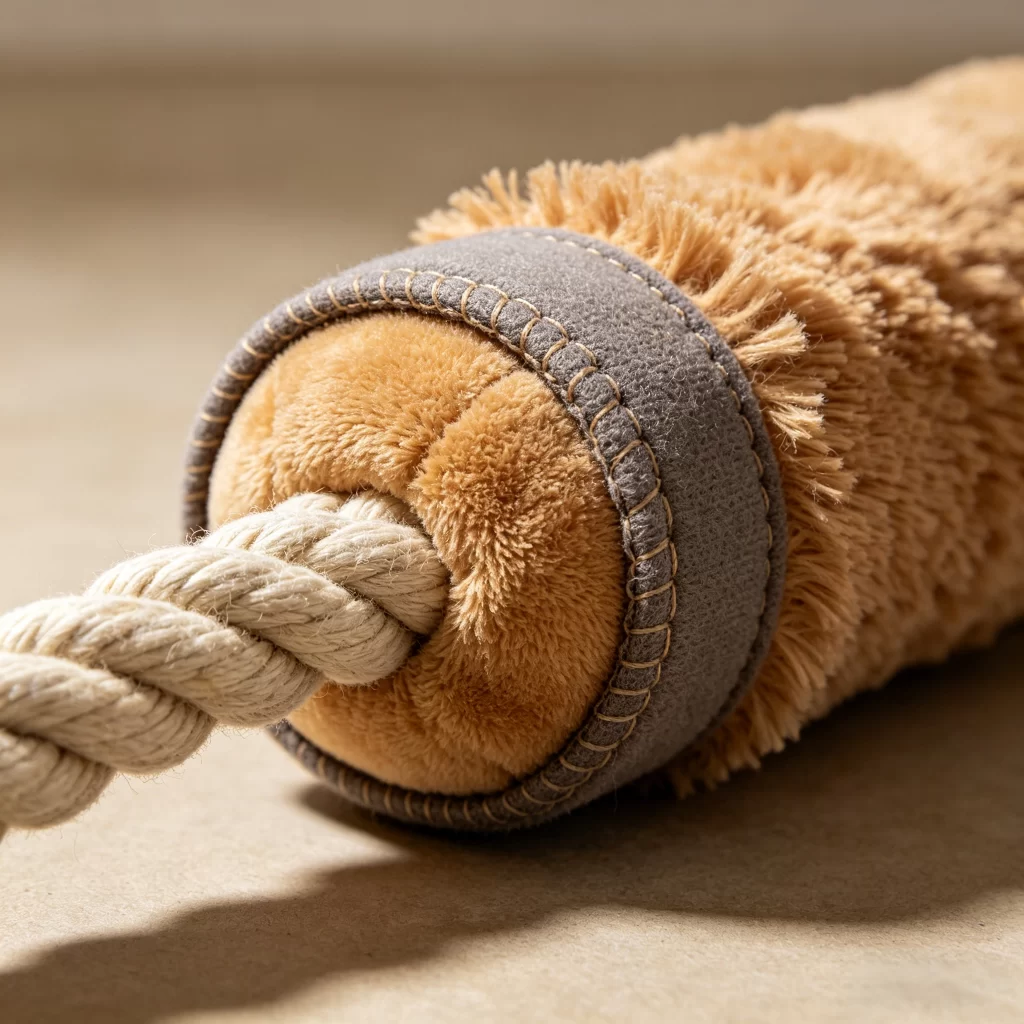
Rope-core plush toys usually survive pulling better because the internal rope absorbs part of the force.
Some brands also reduce filling volume in aggressive chewer products. Lower filling pressure can reduce seam stress.
Why Dog Behavior Matters More Than Material Claims
Aggressive Chewers Destroy Toys Differently
Not all chewing behavior is the same.
Some dogs only carry plush toys gently. Others repeatedly target one small area until the fabric opens.
Aggressive chewers often:
- bite repeatedly along seams
- shake toys violently
- focus on squeaker positions
- rip fabric to remove stuffing
This behavior quickly destroys soft structures.
Even thick plush toys may fail within minutes when the dog uses focused bite pressure.
Breed Size Also Changes Toy Performance
Toy size affects durability more than many buyers realize.
A toy designed for small dogs may fail immediately when used by large breeds.
Larger dogs generate:
- stronger jaw pressure
- wider bite coverage
- higher pulling force
This increases tearing risk around:
- neck areas
- limb attachments
- squeaker pockets
Before moving into bulk production, proper size grading is important for retail safety and return control.
Are Squeakers a Weak Point?
Yes. Squeakers often create structural weakness inside plush dog toys.
The squeaker needs internal space. This interrupts filling consistency and changes pressure distribution.
Loose squeakers move during chewing. This can accelerate tearing around the internal cavity.
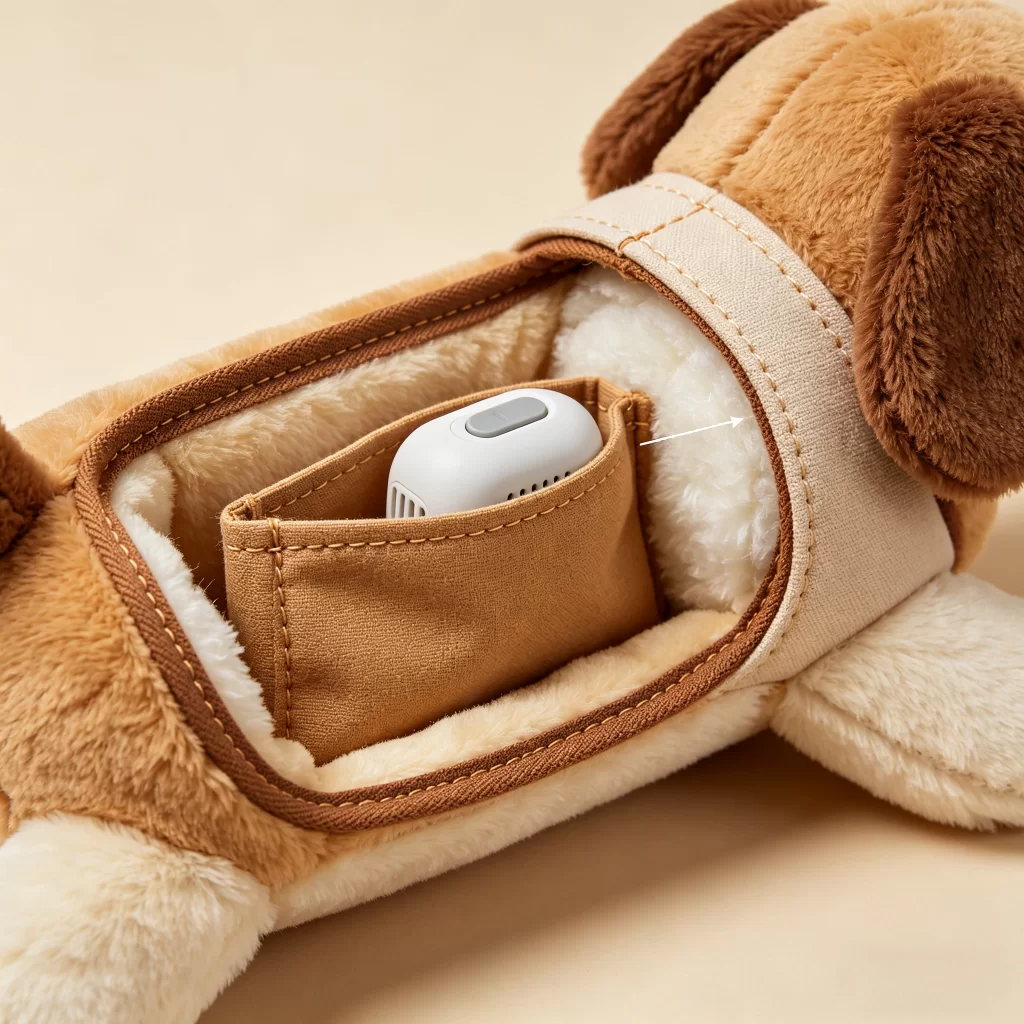
Safer plush toy structures usually use:
- secured squeaker pouches
- stitched internal compartments
- limited squeaker movement
- thicker surrounding filling
Some brands reduce squeaker quantity in durable product lines because multiple squeakers increase structural complexity.
Is There a Safer Option for Heavy Chewers?
Hybrid Plush Toys Perform Better
Flat plush toys use less stuffing. This lowers internal pressure during biting.
Some “stuffing-free” dog toys also reduce mess risk after tearing.
In our sampling experience, flatter plush structures sometimes survive longer because dogs cannot isolate pressure as easily.
However, no soft toy can fully resist long-term aggressive chewing.
Flat Plush Toys Sometimes Last Longer
Hybrid toys combine soft plush with stronger support materials.
Common combinations include:
- rope plus plush
- ballistic fabric plus plush
- mesh lining plus plush
- rubber core plus plush shell
These products keep the soft appearance buyers want while improving structural stability.
Rope plush hybrid toys are especially common for medium and large dogs.
How Buyers Should Evaluate Durable Plush Dog Toys
Check the Seam Construction
Many online listings focus only on fabric thickness. This is incomplete.
Seam quality often matters more than surface softness.
Buyers should evaluate:
- stitch density
- seam overlap width
- edge reinforcement
- stress-point construction
A thick fabric with weak stitching still fails quickly.
Evaluate the Internal Structure
The inside structure affects both durability and safety.
Ask whether the toy uses:
- internal mesh layers
- separated squeaker pockets
- reinforced anchor points
- rope core support
These details usually matter more than decorative appearance.
Ask About Play Style Testing
Good sampling should simulate realistic dog behavior.
This may include:
- pulling tests
- seam stress checks
- repeated bite simulations
- washing evaluation
A toy that survives shelf display may still fail during active play.
Safety Matters More Than “Indestructible” Marketing
The word “indestructible” can create unrealistic expectations.
No plush toy can guarantee permanent resistance against determined chewing.
Safer product positioning usually focuses on:
- supervised play
- suitable dog size
- reinforced structure
- controlled material selection
Material safety is also important.
Safe stuffing for dog toys should:
- avoid hard sharp fragments
- maintain filling stability
- reduce loose fiber release
For squeaky plush dog toys, secure internal placement is important because exposed squeakers may become swallowing hazards.
How Custom Development Improves Plush Toy Durability
Custom development allows brands to adjust structure based on actual user feedback.
For example:
- thicker seam allowance for large dogs
- lower filling volume for tugging toys
- reinforced fabric in bite zones
- larger squeaker protection layers
This is often more effective than simply increasing fabric thickness.
During custom sampling, we usually compare:
- fabric abrasion performance
- seam opening resistance
- stuffing movement
- wash stability
These adjustments help reduce return rates and improve long-term retail performance.
Brands developing durable pet toys often combine:
- practical structure
- realistic play behavior analysis
- safety-focused material choices
Conclusion
There is no truly indestructible plush toy for dogs. Plush materials are designed for softness, not permanent chew resistance.
However, better fabric selection, reinforced stitching, controlled filling, and hybrid structures can greatly improve durability and safety.
For B2B buyers, the goal should not be impossible durability claims. The better approach is matching toy structure to realistic dog behavior and retail use scenarios.
FAQ
Q1: Are plush toys safe for aggressive chewers?
Plush toys can become risky for aggressive chewers after structural damage appears.
Dogs may pull out stuffing or expose squeakers during repeated biting.
Supervised play is important for dogs that destroy toys quickly.
Reinforced plush toys usually reduce early tearing risk, but they still require regular inspection.
Q2: What fabric lasts longer in plush dog toys?
Corduroy and canvas-like fabrics usually resist scratching better than very soft plush fabric.
Multi-layer fabric structures also improve durability.
Very stretchy fabric often weakens seam stability during tugging play.
Fabric selection should match the target dog size and chewing style.
Q3: Do stuffing-free plush toys last longer?
Sometimes they do.
Lower filling pressure reduces seam stress during chewing and shaking.
Stuffing-free toys also reduce cleanup problems after tearing.
However, the outer fabric and seam construction still determine overall lifespan.
Q4: Why do squeakers fail so quickly?
Squeakers create empty internal space inside the toy.
This changes pressure distribution during biting.
Loose squeakers move inside the toy and increase stress around nearby seams.
Secured squeaker pockets usually improve structural stability.
Q5: What size plush toy should large dogs use?
Large dogs need larger toy structures with wider seam support.
Small plush toys concentrate pressure into smaller areas and tear faster.
During product development, size grading should match:
- jaw size
- pulling strength
- play style
Oversized plush toys may also improve safety during tugging games.
Q6: Can plush dog toys be machine washed?
Many plush dog toys can be machine washed under gentle conditions.
However, repeated washing may weaken seams and filling stability.
Products with secured internal structures usually maintain shape better after washing.
Air drying is often safer than high-heat drying.
Q7: What should buyers prepare before custom sampling?
Buyers should prepare:
- target dog size
- expected retail price range
- desired durability level
- material preferences
- feature requirements
Examples include squeakers, rope structures, or stuffing-free designs.
Clear product positioning helps improve sampling efficiency.
Q8: How can retailers reduce returns on plush dog toys?
Clear product labeling is important.
Retailers should explain:
- recommended dog size
- suitable play style
- supervision guidance
- expected durability range
Products marketed honestly usually create fewer customer complaints than unrealistic “indestructible” claims.