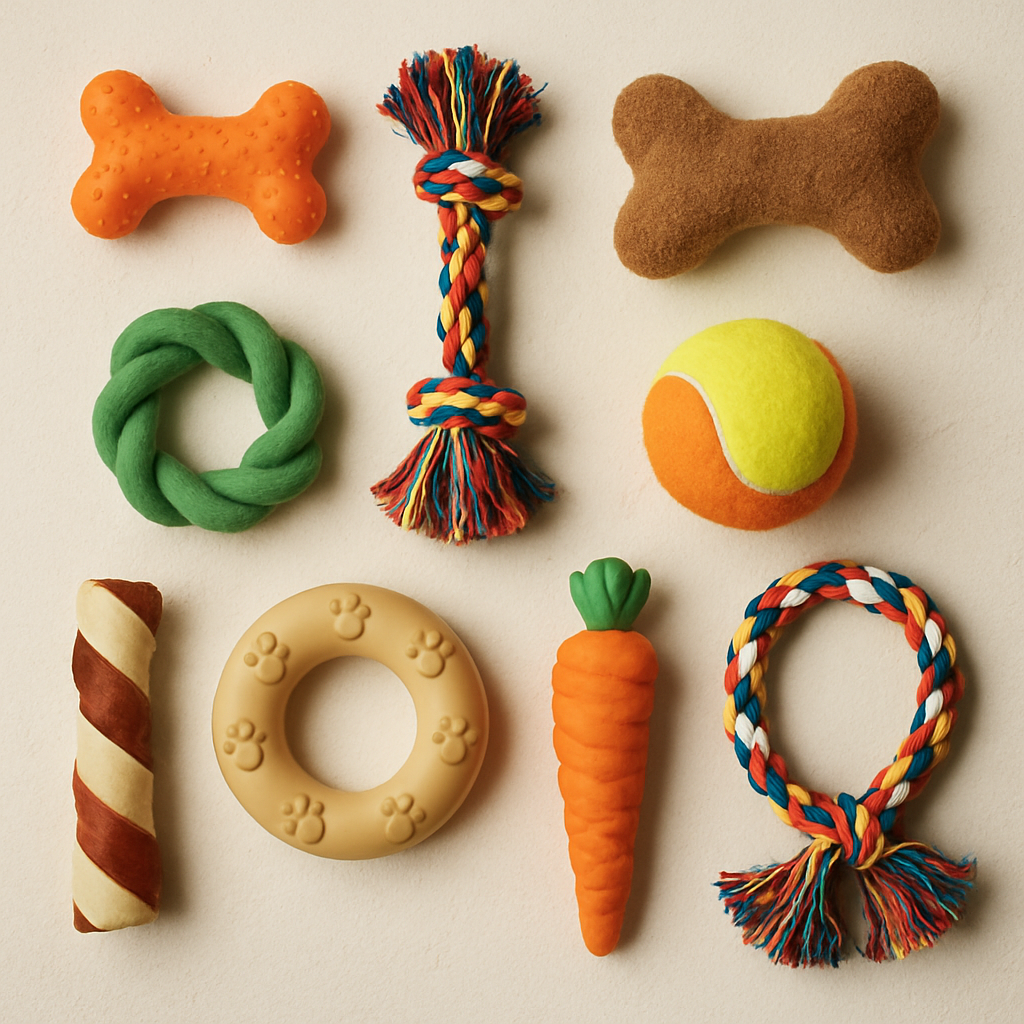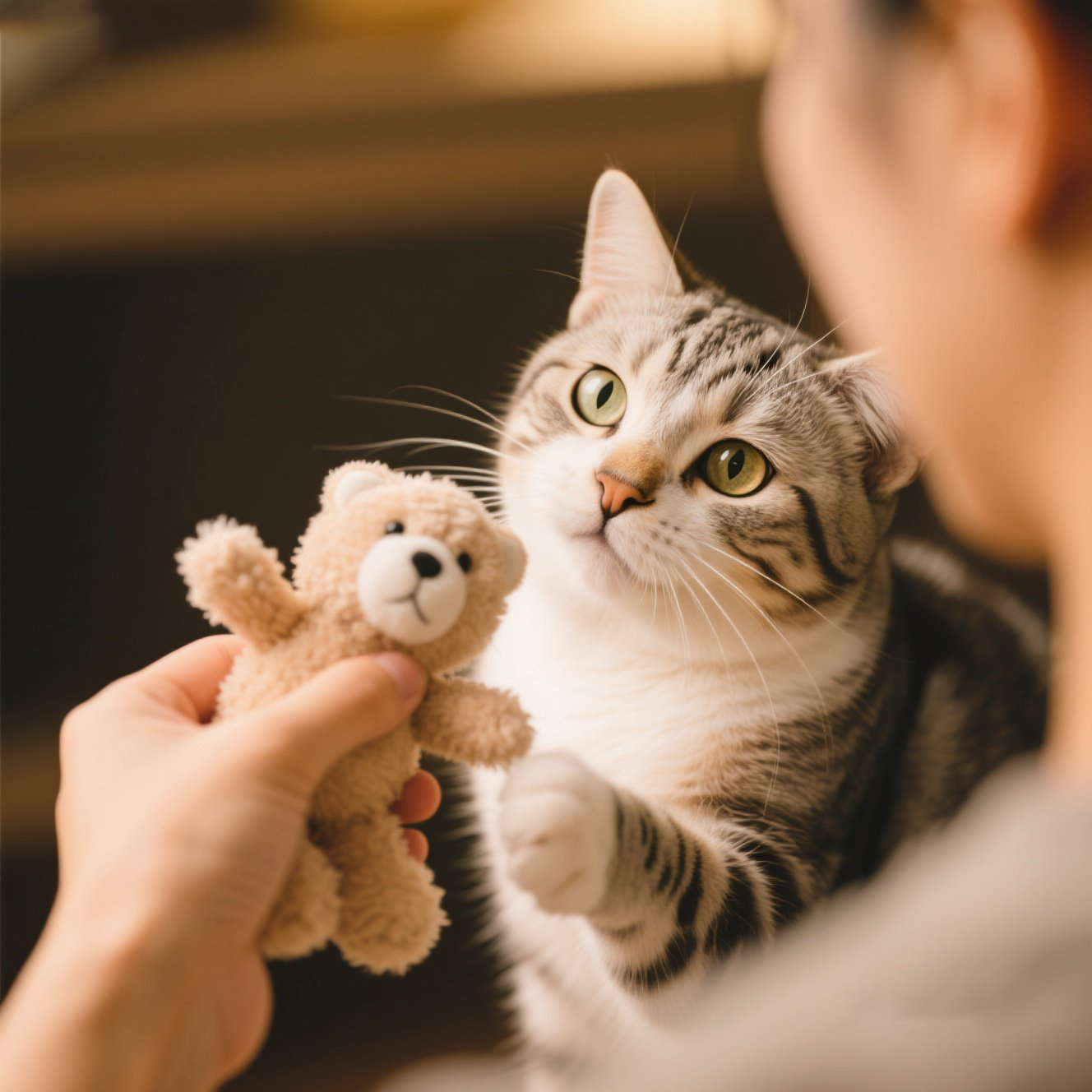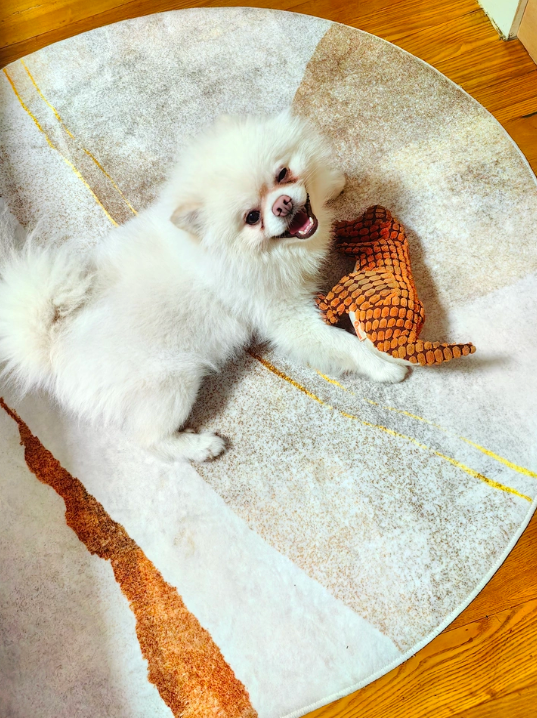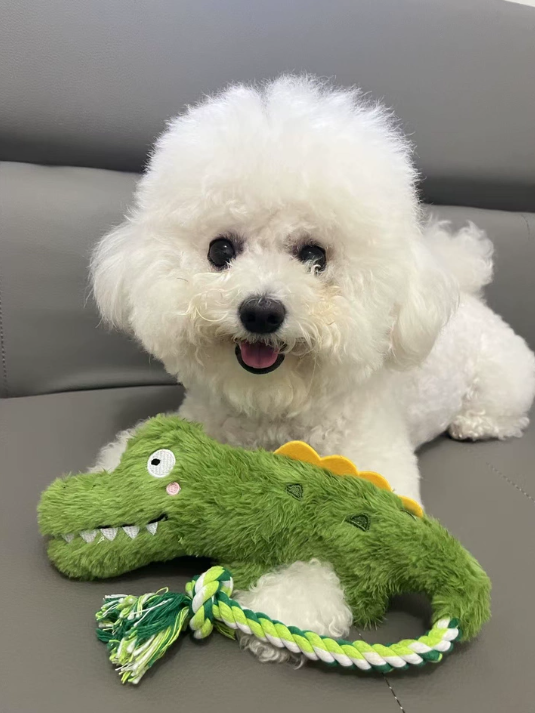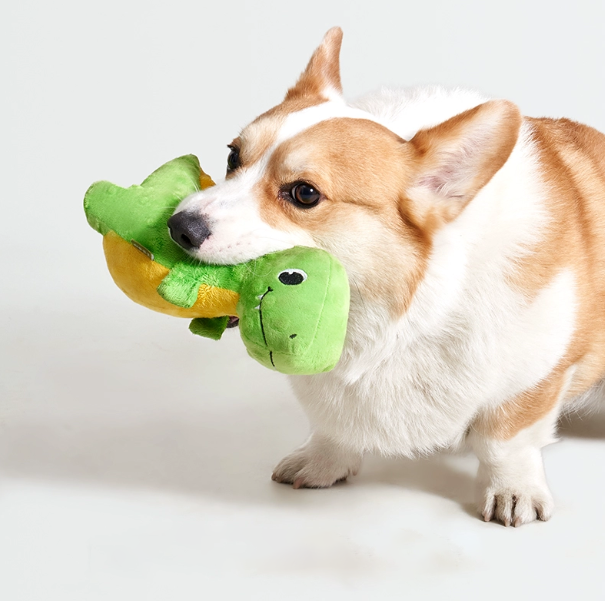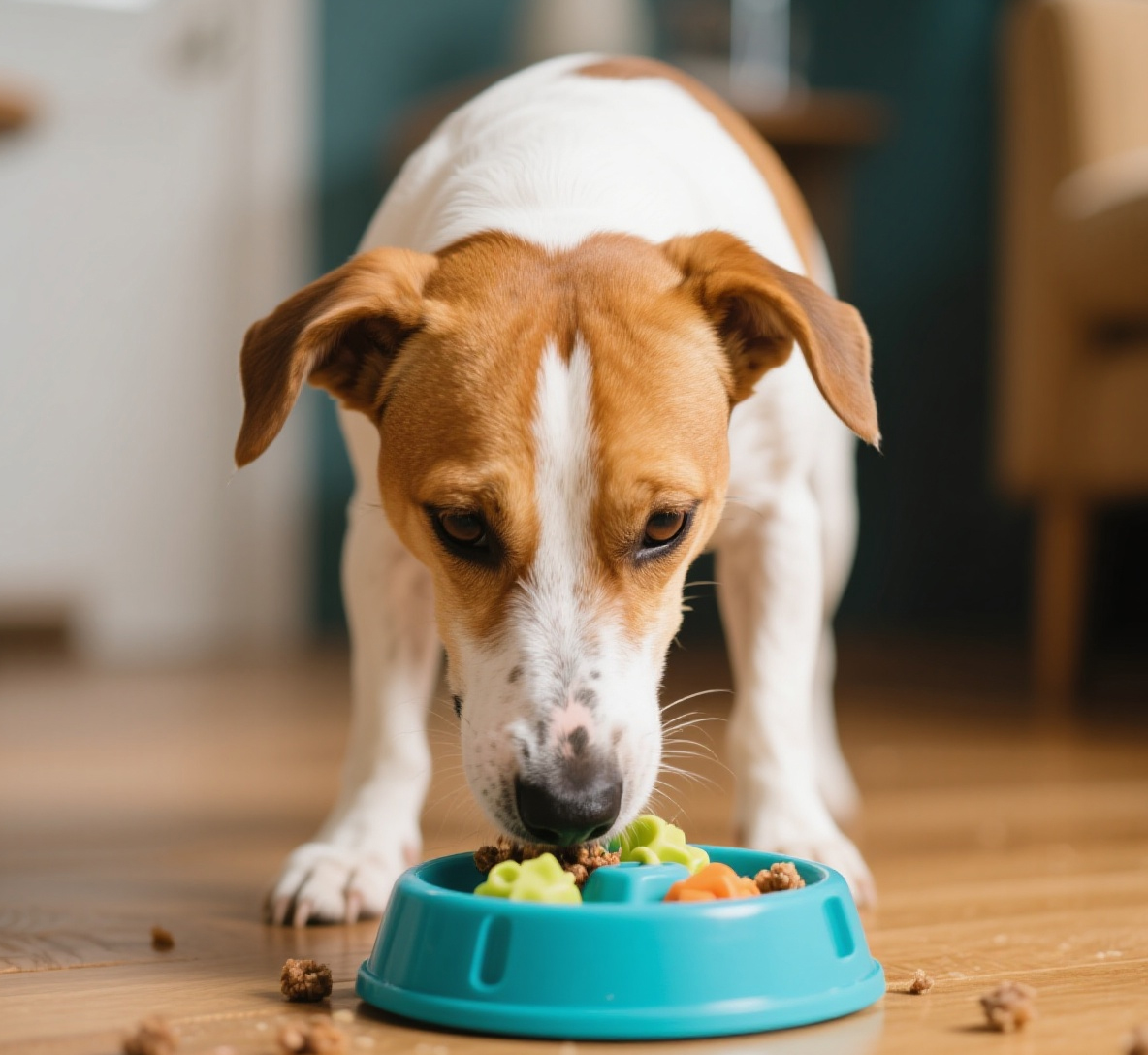

Stuffed animals are not always bad for puppies. They can be suitable for gentle, supervised play if the toy is made with safe materials, strong seams, and no loose parts.
The real question is not whether puppies can play with soft toys. The better question is whether the stuffed animal matches the puppy’s chewing strength, size, and play behavior.
Why Puppies Like Stuffed Animals
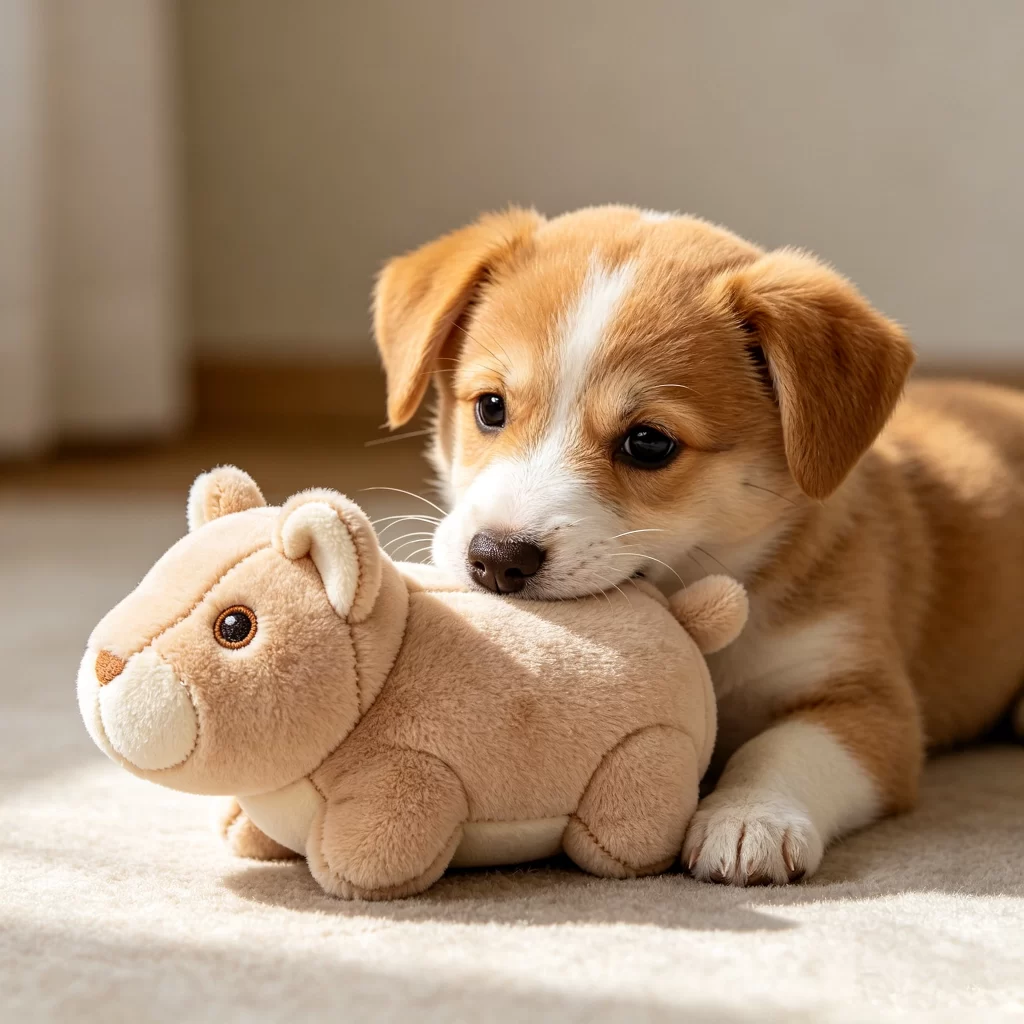
Puppies often like stuffed animals because they are soft, light, and easy to carry. The texture feels comfortable in the mouth.
Many puppies also use soft toys during teething. They may bite, shake, drag, or sleep beside the toy. This is normal puppy behavior.
But puppies do not understand toy safety. A toy that looks harmless can become risky if the puppy tears it open.
When Stuffed Animals Can Be Unsafe
Stuffed animals become unsafe when parts can be chewed off and swallowed. This includes plastic eyes, loose ribbons, buttons, tags, and weak seams.
The filling also matters. Loose stuffing can come out after a small tear. A puppy may swallow it before the owner notices.
This is why puppy stuffed toy safety should focus on structure, not only appearance. A cute toy is not enough. The toy must also be built for chewing, pulling, and repeated handling.
What Makes Plush Toys Safer for Puppies
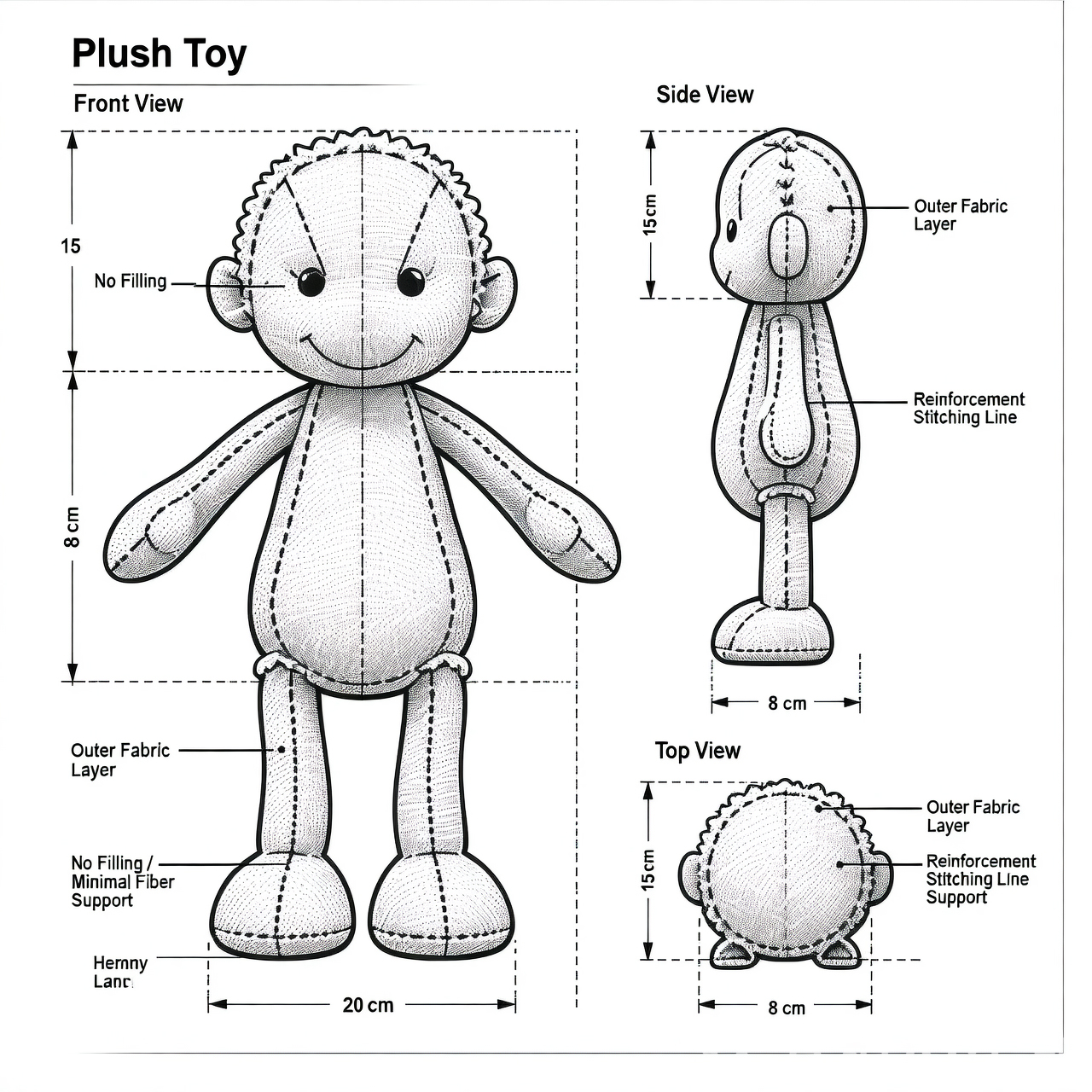
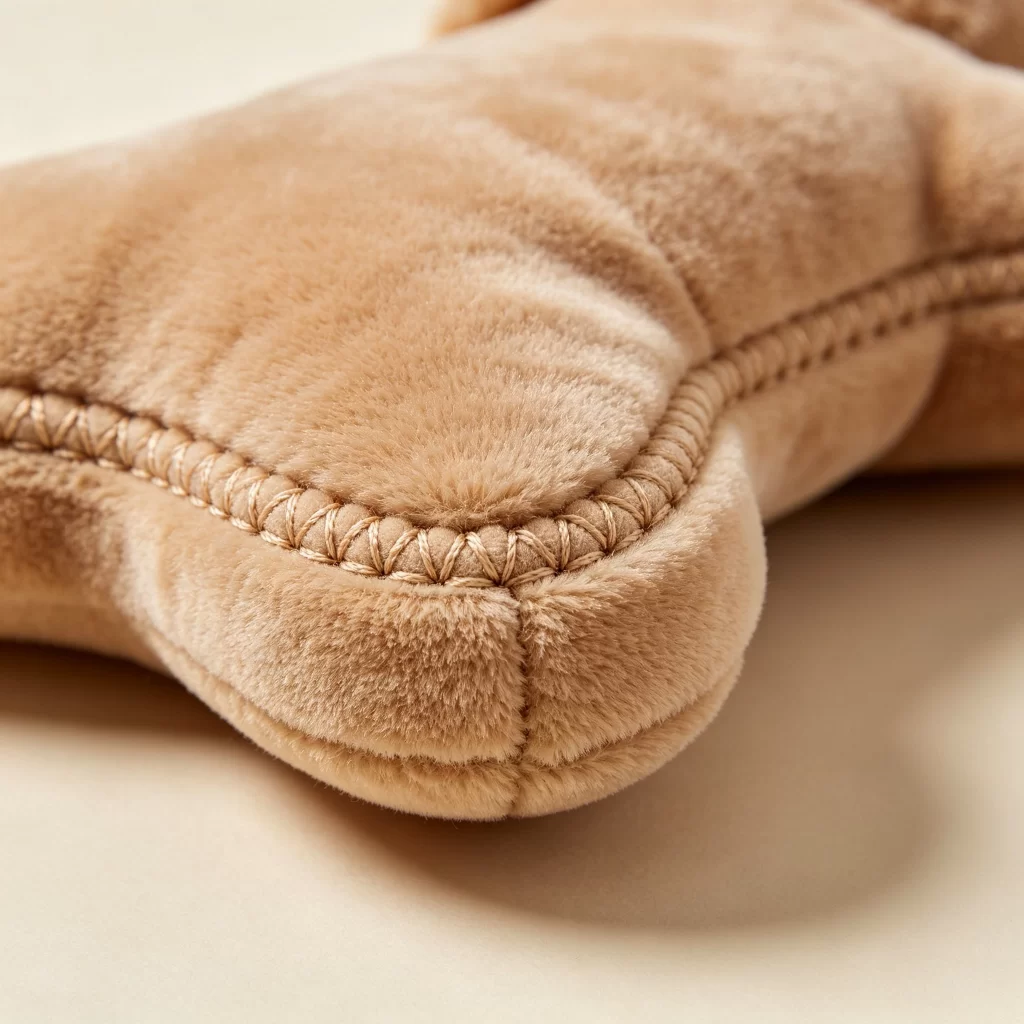
Plush toys safe for puppies usually share several features. They use soft but stable fabric. They have reinforced seams. They avoid small hard parts.
For puppy toys, embroidered eyes are usually safer than plastic eyes. Printed or embroidered details also reduce the risk of loose decorative parts.
Short-pile plush is often easier to check than very fluffy fabric. If the surface is too long, small tears may be harder to see.
During pet toy development, we usually check the edge seam first. Puppies often bite the toy edge before the center fabric. This puts pressure on the stitching.
Material Choice Matters
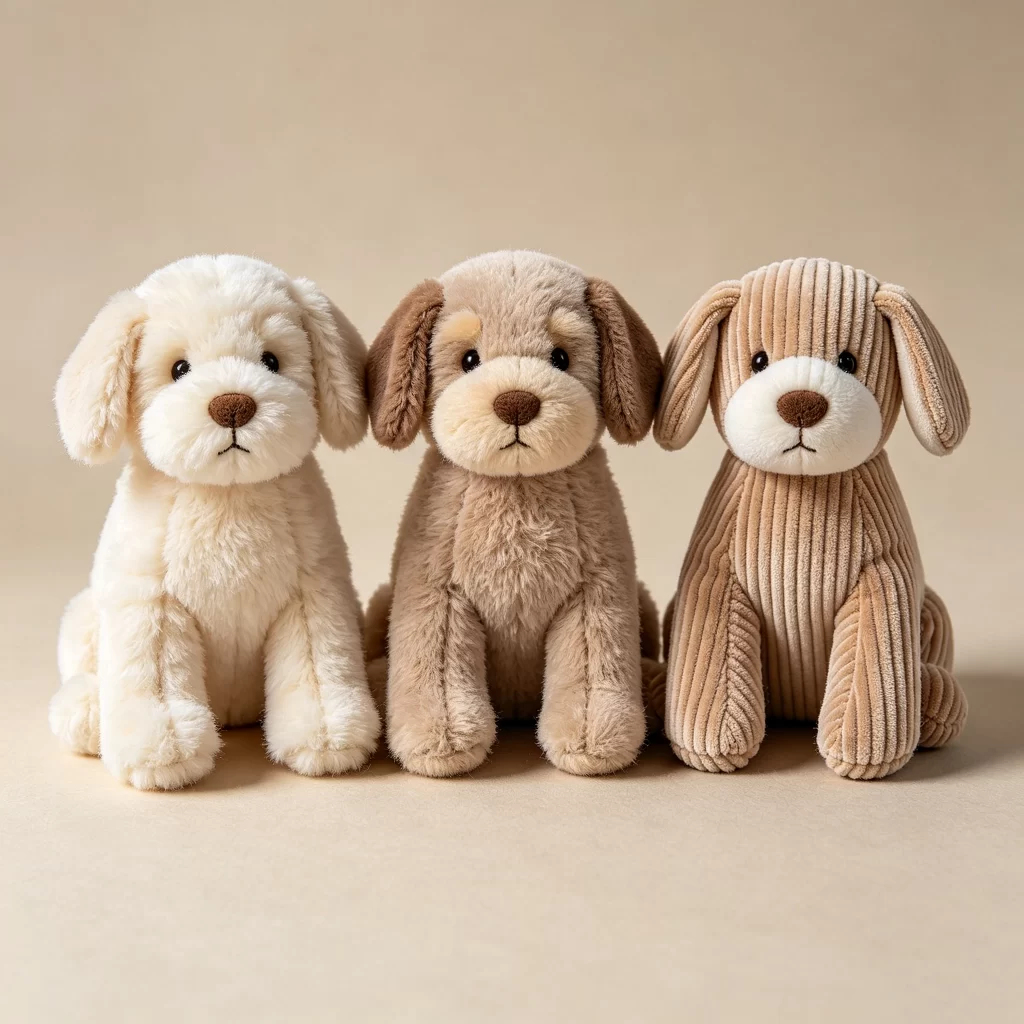
Safe plush dog toys for puppies should use materials that feel soft but do not tear too quickly. Common options include short plush, fleece, corduroy-style fabric, and canvas-like fabric.
Short plush works well for soft comfort. Corduroy-style fabric adds texture and grip. Canvas-like fabric can be better for stronger puppies, but it feels less cuddly.
The filling should also be considered. PP cotton is common in plush pet toys. It keeps the toy soft and light. However, no filling should be treated as digestible.
If the toy includes crinkle paper or a squeaker, the inner part should be secured. A loose squeaker can become a swallowing risk if the puppy opens the seam.
Size Should Match the Puppy
A stuffed animal should not be too small for the puppy. Small toys can become a choking risk for larger puppies.
A toy should also not be too large. If the puppy cannot carry it, the puppy may bite only one corner. This can damage the seam faster.
For small puppies, mini plush toys should be designed with extra care. The shape should be simple. The toy should not include thin arms, long tails, or weak narrow parts.
For medium and large puppies, a wider body shape is often safer. It spreads bite pressure across a larger surface.
Supervision Is Still Necessary
Even a well-made plush toy should be used with supervision. Puppies have sharp teeth and changing chewing habits.
A puppy may play gently one week and chew harder the next week. Teething can change how the puppy uses the toy.
Owners should remove the toy if they see torn seams, exposed filling, loose squeakers, or hanging threads. These small signs can become bigger risks quickly.
Supervised puppy play with plush toys is especially important during the first months. This is when chewing behavior changes fast.
Are Regular Stuffed Animals Okay?
Regular human stuffed animals are not always suitable for puppies. Many are designed for display, comfort, or children’s use.
They may include plastic eyes, decorative bows, glued parts, or weak seams. These details may not suit puppy chewing.
Pet plush toys should be designed with pet play behavior in mind. The structure should expect biting, pulling, shaking, and chewing.
For B2B buyers, this difference is important. A puppy toy should not only look soft. It should be evaluated as a pet product.
What About Squeakers and Crinkle Sounds?
Squeakers and crinkle sounds can make a toy more engaging. They can also increase chewing interest.
For puppies, the placement matters. A squeaker should be placed inside a secure inner pouch. It should not sit directly against a weak seam.
Crinkle material should also be enclosed well. If the puppy opens the toy, the inner sound material should not come out easily.
In our sampling experience, squeaker placement should be tested before moving into bulk production. A small change in position can affect safety, sound, and durability.
How B2B Buyers Should Evaluate Puppy Plush Toys
Retailers and pet brands should evaluate puppy plush toys before sourcing them. The first check should be the intended play style.
Is the toy for gentle comfort, teething, fetch, tugging, or interactive play? Each use needs a different structure.
A comfort toy can be softer. A tugging toy needs stronger seams and possibly rope support. A squeaky plush toy needs a secure sound component.
Before bulk orders, samples should be checked for seam strength, fabric choice, filling volume, and part attachment. These details affect both safety and customer satisfaction.
Custom Puppy Plush Toy Development
Custom puppy plush toys should start with clear product positioning. The design should define the puppy size, play style, fabric, inner structure, and safety details.
For example, a soft animal-shaped puppy toy may need embroidered features, short plush fabric, double stitching, and a secured squeaker pouch.
A stronger chew-style plush toy may need inner reinforcement. It may also need fewer narrow parts and a simpler body shape.
MOQ, cost, and lead time depend on fabric, size, structure, sound parts, labels, and packaging. More complex structures usually need more sample adjustment.
For new pet brands, it is better to test one or two designs first. This helps confirm customer feedback before expanding the full product range.
FAQ
Question 1: Are stuffed animals safe for puppies?
Stuffed animals can be safe for puppies if they are designed for pet use. The toy should have strong seams, safe fabric, and no loose parts.
Regular decorative stuffed animals may not be suitable. They can include plastic parts, weak seams, or loose accessories.
The safest approach is supervised play. Remove the toy when you see damage.
Question 2: Can puppies sleep with plush toys?
Some puppies can sleep with plush toys if they do not chew aggressively. The toy should be larger than the puppy’s mouth and free from small hard parts.
If the puppy tears toys during sleep or rest, remove the toy. Sleep-time toys should be simple, soft, and easy to inspect.
Question 3: What materials are better for puppy plush toys?
Short plush, fleece, and corduroy-style fabric are common choices. They feel soft and can suit gentle puppy play.
For stronger puppies, a denser fabric may work better. However, fabric alone does not decide safety. Stitching and structure are just as important.
Question 4: Are squeaky plush toys safe for puppies?
Squeaky plush toys can be suitable if the squeaker is secured inside the toy. The squeaker should not sit near a weak seam.
If the puppy opens the toy, remove it right away. A loose squeaker can become a swallowing risk.
Question 5: How often should puppy plush toys be checked?
Puppy plush toys should be checked after each play session. Look for torn seams, exposed filling, loose threads, and damaged sound parts.
This check is simple but important. Puppies can damage a toy faster than adult dogs during teething.
Question 6: What plush toy size is better for puppies?
The toy should be large enough to avoid choking risk. It should also be small enough for the puppy to carry comfortably.
Avoid very thin shapes for heavy chewers. Narrow parts often tear first because bite pressure gathers there.
Question 7: Can pet brands customize puppy plush toys?
Yes. Pet brands can customize size, fabric, shape, stuffing volume, squeaker placement, stitching, labels, and packaging.
Before sampling, the brand should define the target puppy size and play style. This makes the development process more accurate.
Question 8: What should buyers check before ordering puppy plush toys in bulk?
Buyers should check sample quality first. Important points include seam strength, fabric feel, filling level, part attachment, and sound component placement.
They should also consider the retail market. A comfort plush toy and a chew-focused plush toy need different structures.
Conclusion
Letting a puppy play with stuffed animals is not automatically bad. It depends on the toy design, material, size, and the puppy’s chewing habits.
For safer puppy play, choose plush toys with reinforced seams, soft but stable fabric, secure inner parts, and no loose decorations. Supervision is still necessary because puppy chewing behavior can change quickly.
For pet brands and retailers, puppy plush toys should be developed as pet products, not regular stuffed animals. The structure must match real puppy play.