If you are planning to develop custom stuffed animals or OEM plush toys, the three questions that usually matter most are MOQ, pricing, and lead time.
In most plush toy projects, custom manufacturers in China typically require:
- MOQ starting from 200–1000 pieces
- Sampling time around 7–15 days
- Mass production lead time around 30–60 days
However, these numbers change significantly depending on design complexity, fabric selection, embroidery details, accessories, packaging, and seasonal production schedules.
Many buyers underestimate how much artwork preparation and sample revisions affect the final timeline.
What Most Buyers Should Expect From a Custom Plush Toy Project
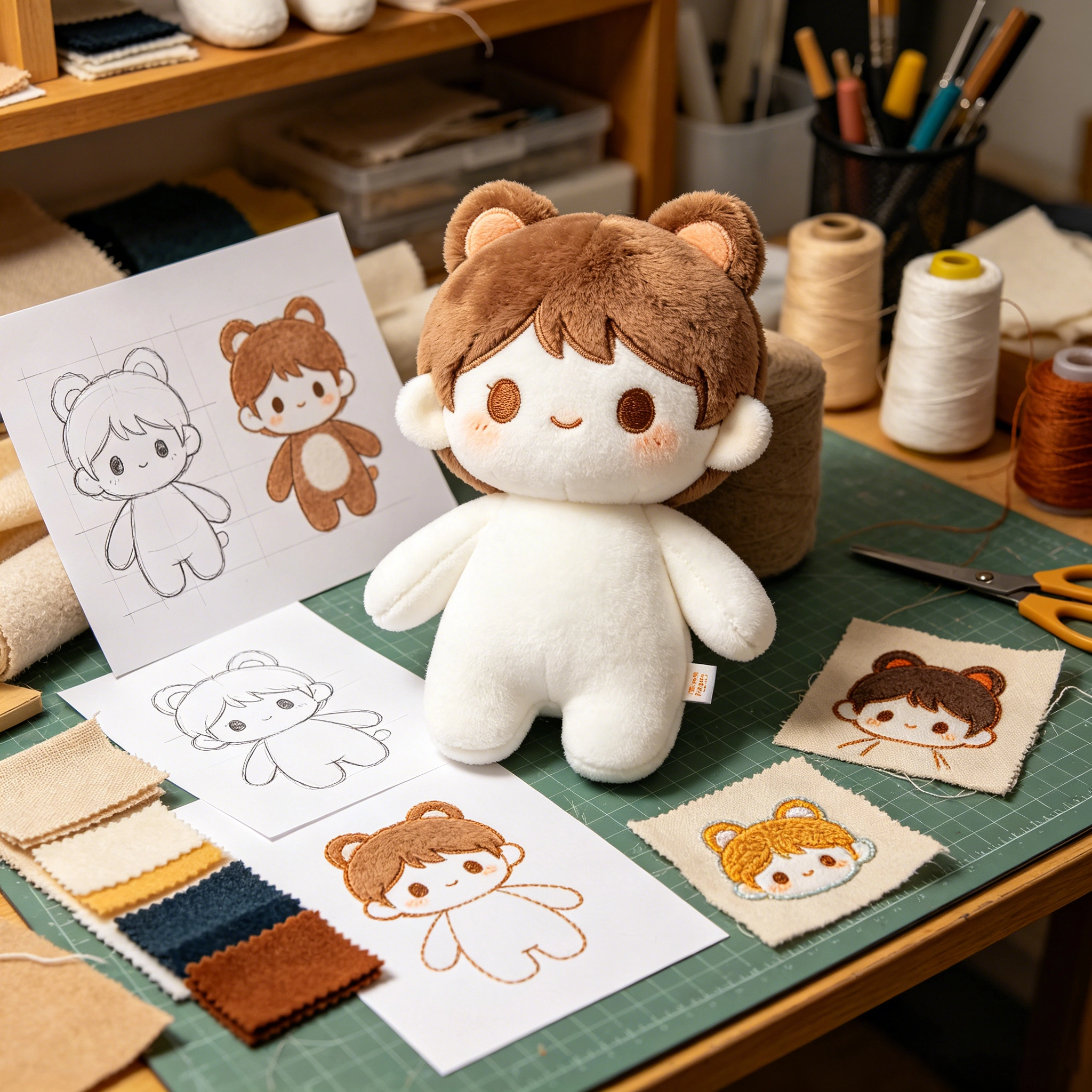
A professional custom plush toy manufacturer is not simply producing a generic stuffed animal. Most OEM plush projects involve:
- pattern development
- embroidery digitizing
- fabric sourcing
- prototype sampling
- sewing structure testing
- packaging coordination
- export scheduling
That is why custom plush manufacturing behaves differently from stock toy purchasing.
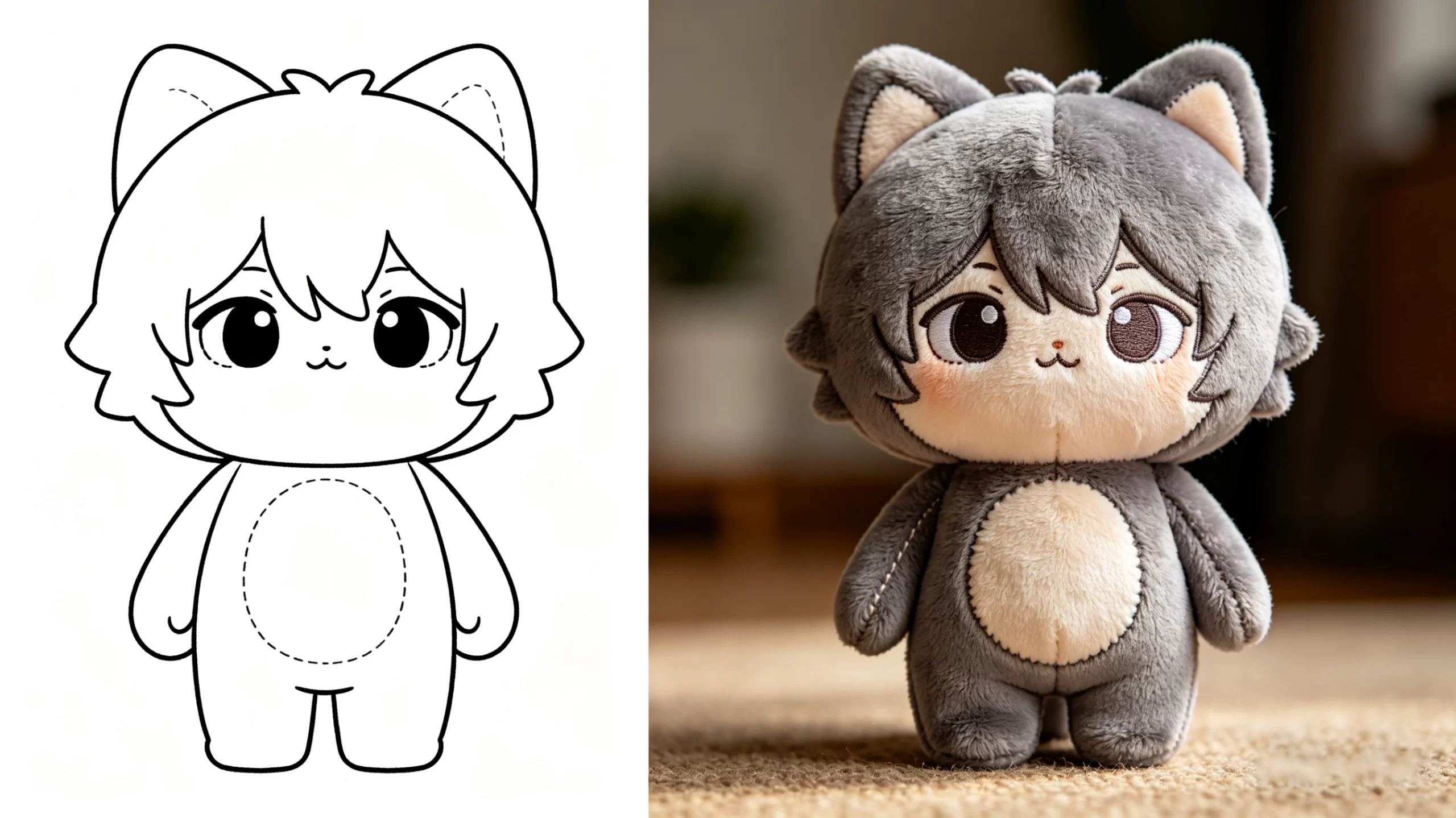
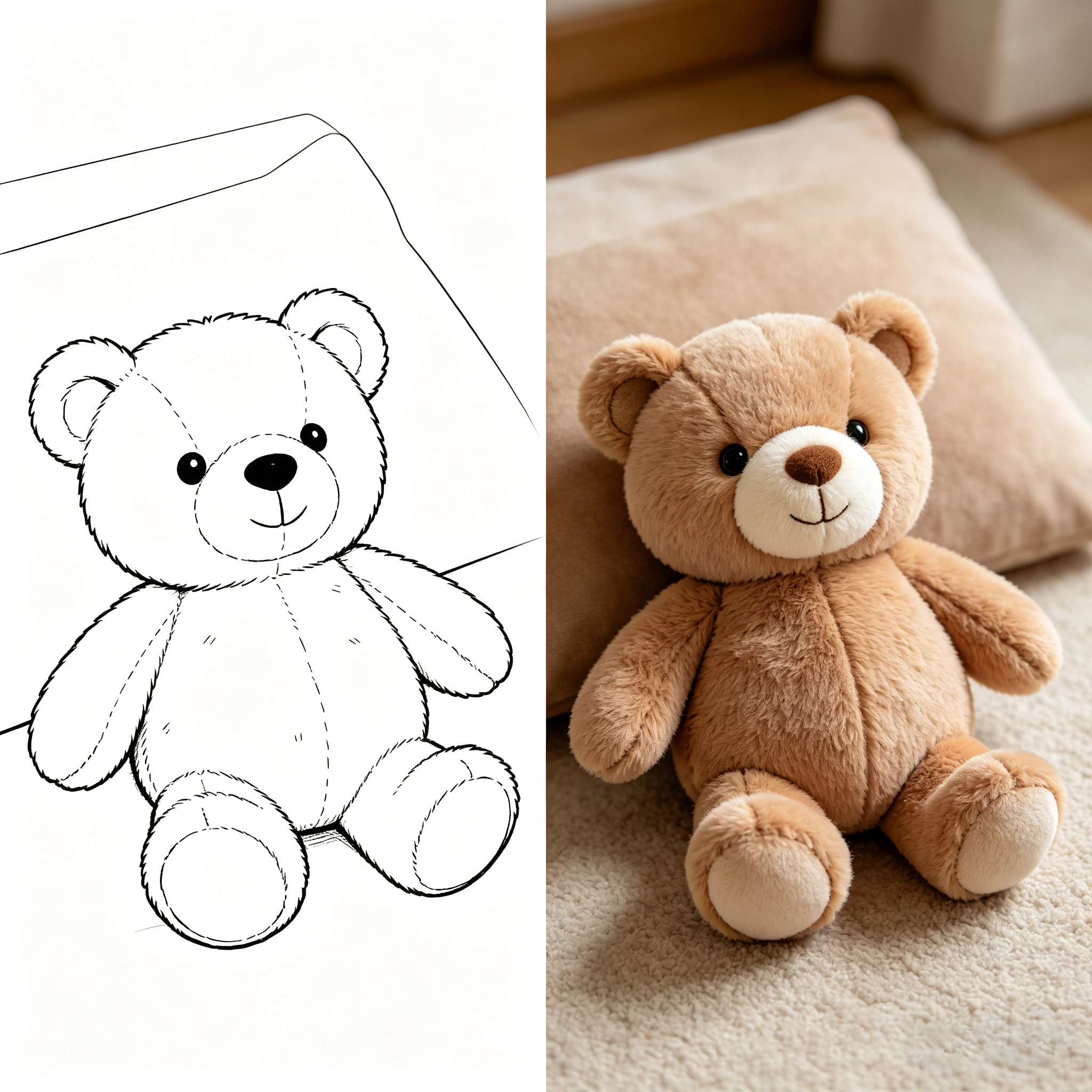
In our sampling experience, projects move much faster when buyers provide:
- clear AI/vector artwork
- side-view character references
- size requirements
- embroidery expectations
- target budget range
One common issue we often see is buyers requesting quotations before the design is fully defined. This usually creates inaccurate pricing estimates and multiple revision rounds later.
Why Plush Toy MOQ Is Often Higher Than Buyers Expect
MOQ is one of the biggest misunderstandings in plush manufacturing.
Many startup brands expect factories to accept very small trial quantities. However, custom plush production requires:
- custom fabric purchasing
- embroidery setup
- cutting preparation
- production line allocation
- safety testing coordination
Factories must spread these setup costs across the production quantity.
Typical MOQ Ranges
| Plush Type | Common MOQ Range |
|---|---|
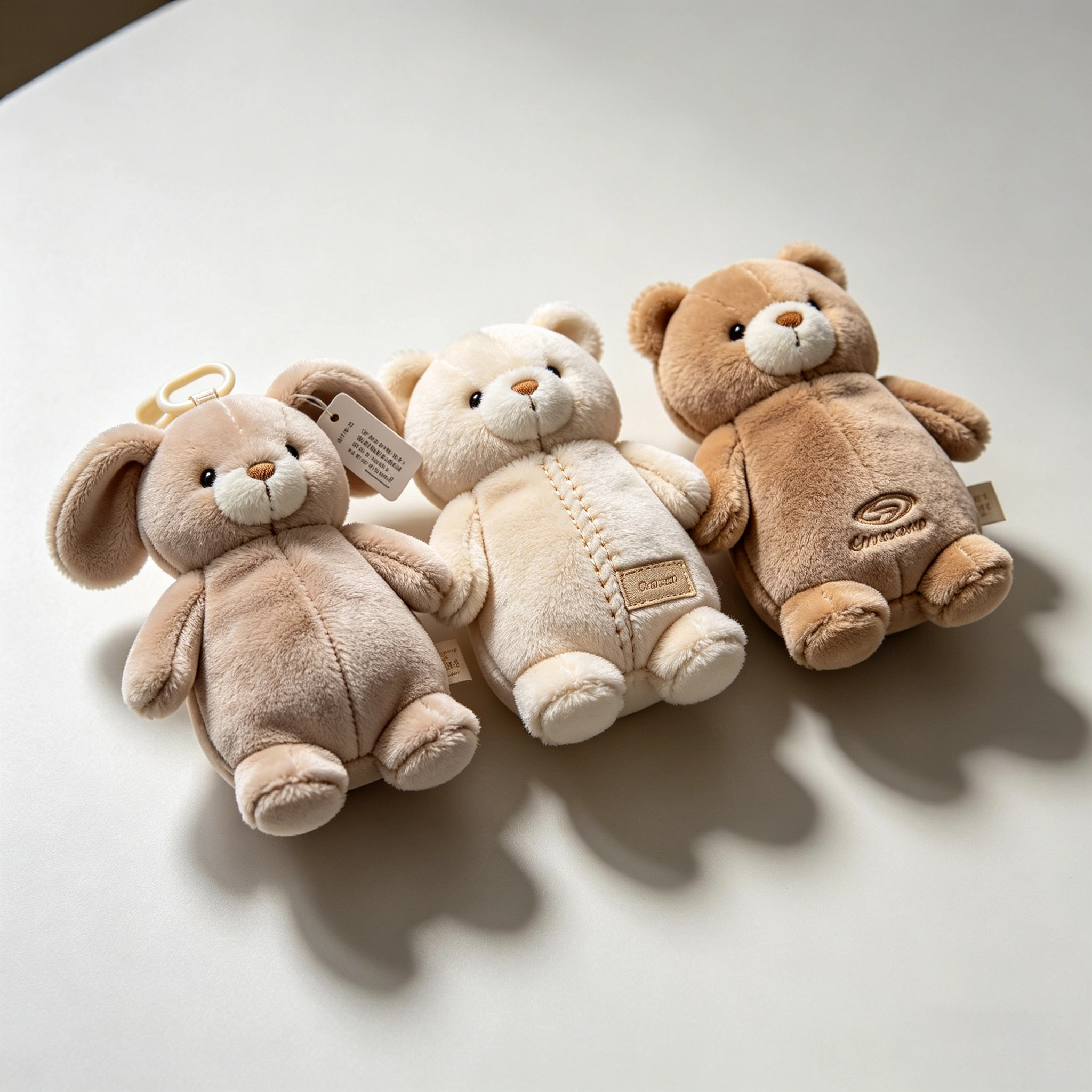
| Simple mascot plush | 200–500 pcs |
| Standard custom stuffed animals | 500–1000 pcs |
| Highly detailed anime plush | 1000+ pcs |
| Promotional mini plush | 500–3000 pcs |
Lower MOQ is possible in some cases, but unit pricing usually increases sharply.
Many buyers assume lower MOQ reduces project risk. In reality, low MOQ projects often become more expensive per unit because setup costs remain nearly the same.
Why Lower MOQ Is Not Always Cheaper
For example:
- a 500-piece order may cost $5.20/unit
- a 200-piece order may cost $9.80/unit
This happens because sampling, embroidery setup, and labor preparation are fixed production costs.
In many projects, slightly increasing the order quantity creates better total value than aggressively reducing MOQ.
We usually recommend balancing:
- inventory risk
- target retail pricing
- shipping efficiency
- production economics
instead of focusing only on the smallest possible MOQ.
How Custom Plush Toy Pricing Is Actually Calculated
There is no universal plush toy price.
Custom plush toy manufacturers calculate pricing based on multiple production variables.
Size and Shape Complexity
Larger plush toys require:
- more fabric
- more filling
- longer sewing time
- larger cartons
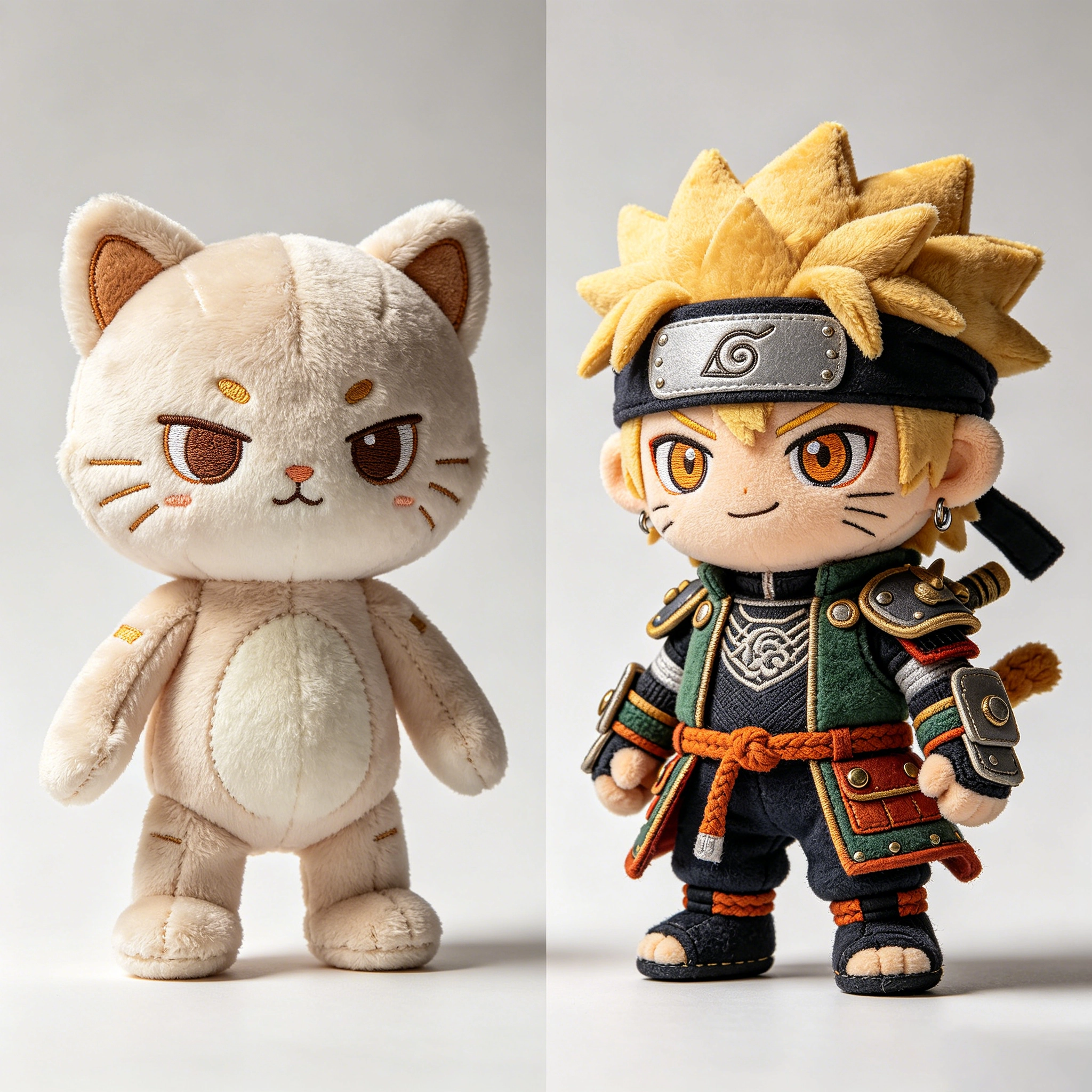
Complex body structures also increase labor time.
For example:
- round plush shapes are relatively efficient
- asymmetrical character plush often requires manual adjustment during sewing
This usually increases defect rates and slows production.
Embroidery and Printing Costs
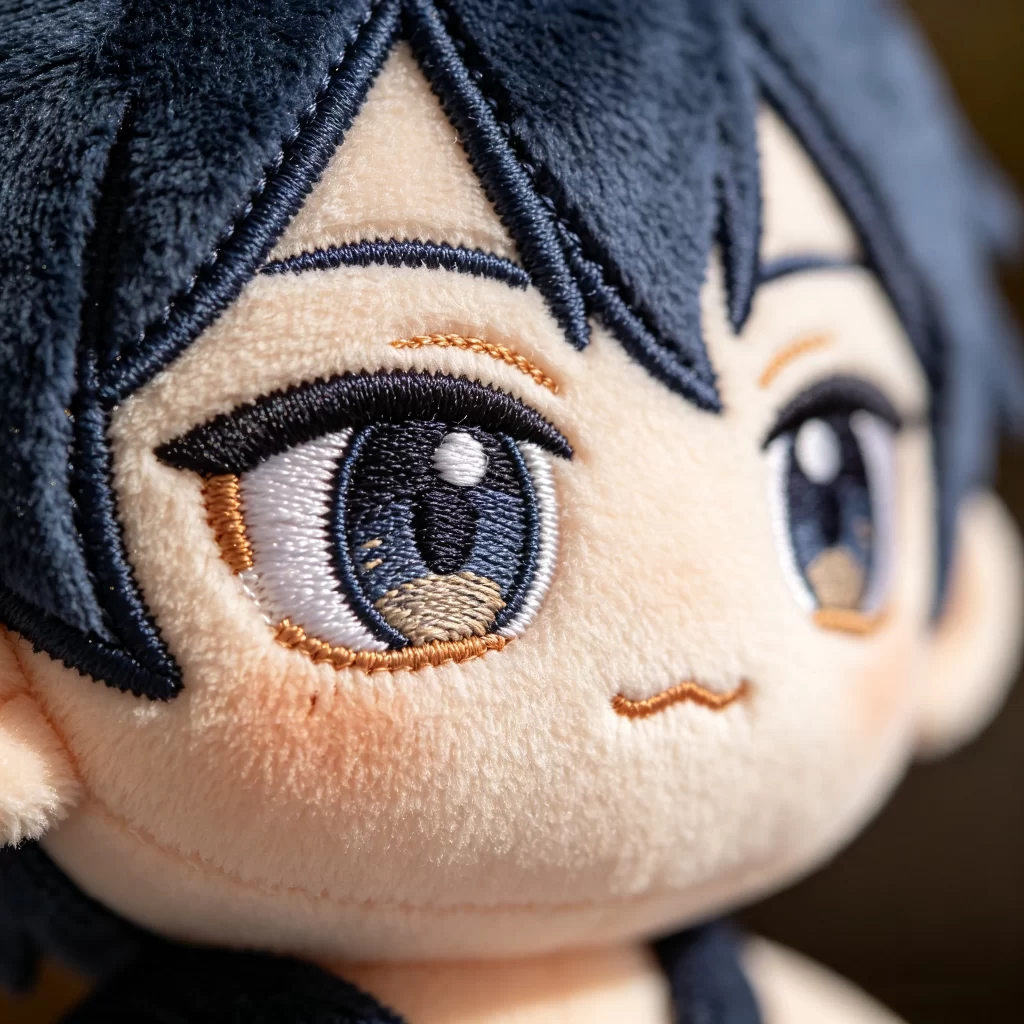
Embroidery detail is one of the biggest hidden cost drivers.
Complex anime eyes, gradients, or small facial details frequently create:
- embroidery revision loops
- thread density issues
- alignment inconsistencies
In our experience, buyers often focus on plush size while ignoring embroidery complexity. However, embroidery can significantly affect both sampling time and unit cost.
Heat transfer printing may reduce some embroidery costs, but durability and texture expectations must also be considered.
Accessories and Packaging
Additional accessories often increase production complexity more than expected.
Examples:
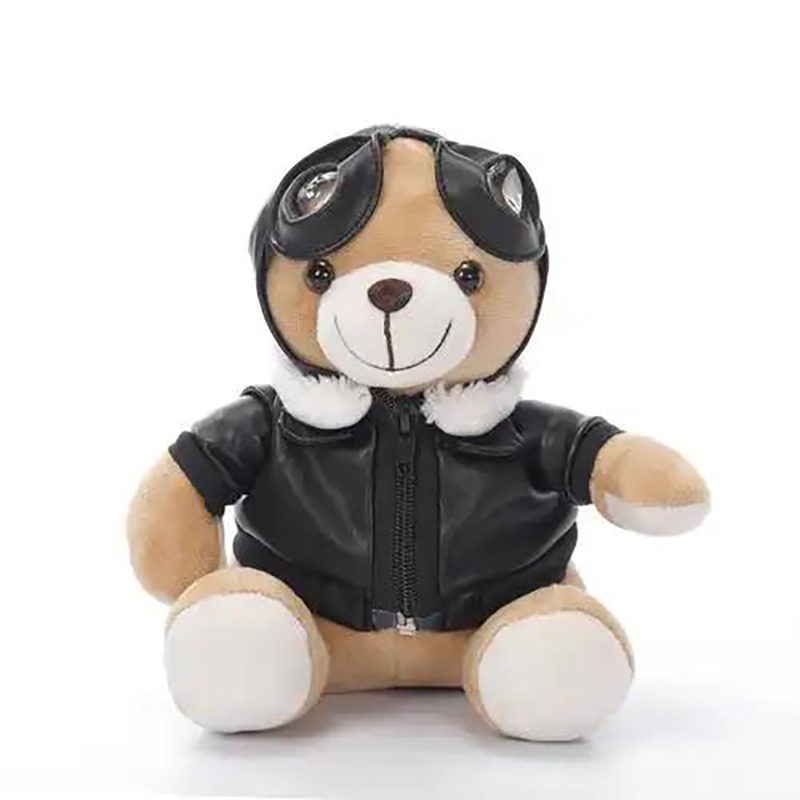
- custom clothing
- sound modules
- zipper compartments
- magnetic components
- hang tags
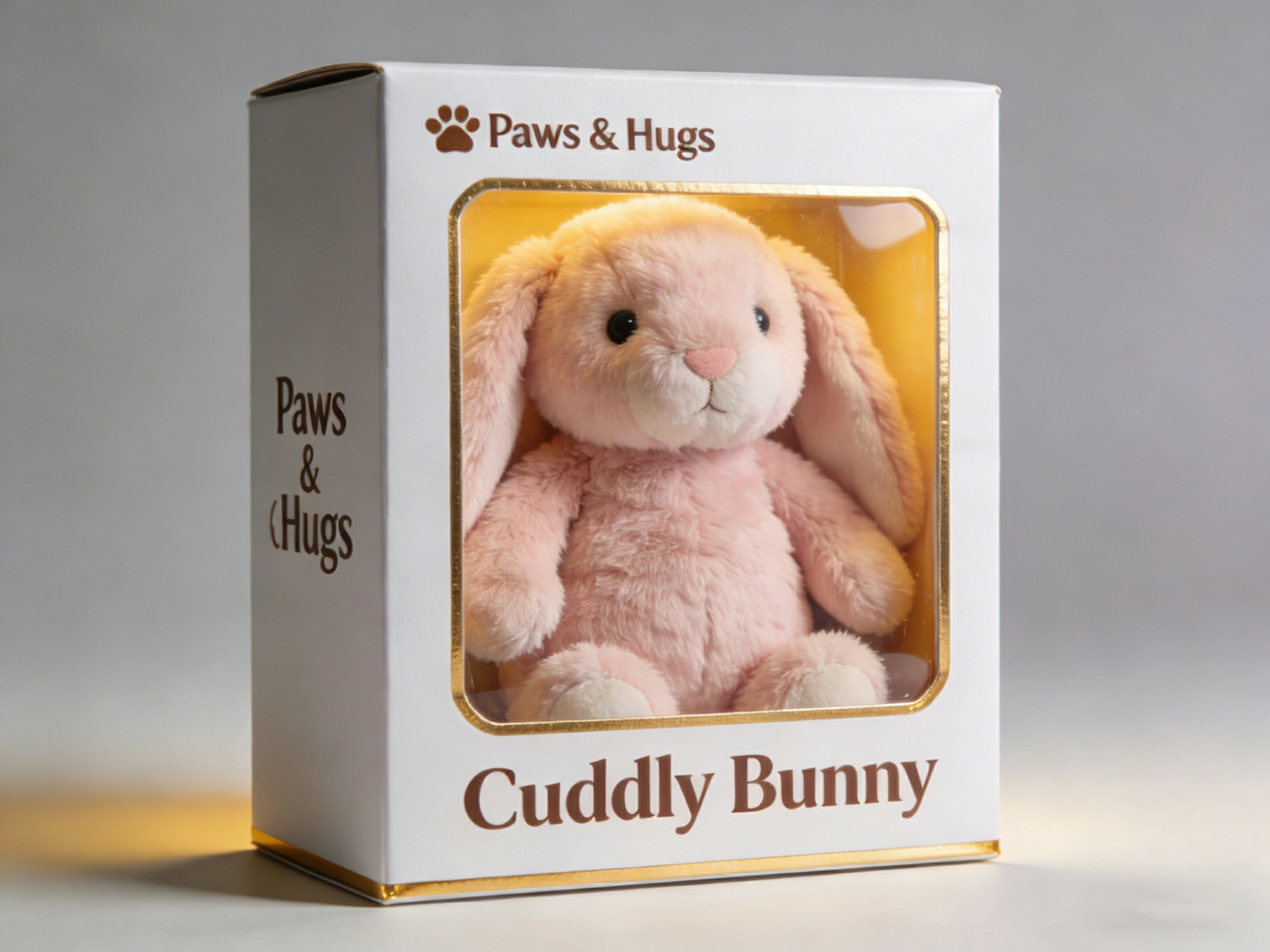
- retail window boxes
These additions may require:
- extra suppliers
- compliance testing
- hand assembly
- secondary packaging lines
One common issue we often see is buyers adding packaging requirements late in production. This frequently delays shipping schedules.
Sampling Fees
Most professional plush toy factories charge sampling fees before mass production.
Typical sample fees:
- simple plush: $80–150
- medium complexity: $150–300
- highly detailed plush: $300+
However, many factories deduct sample fees from future bulk orders.
Buyers should not evaluate factories only by the cheapest sample cost. Extremely low sample pricing sometimes indicates rushed development quality or weak pattern engineering capability.
How Long Does It Take to Manufacture Custom Plush Toys Sampling Timeline
Typical sampling process:
- artwork review
- pattern making
- material sourcing
- embroidery setup
- sewing sample assembly
- revisions
Average timeline:
- 7–15 working days
Complex anime plush or mascot projects may require multiple revisions.
Projects are often delayed when:
- artwork dimensions are unclear
- embroidery details exceed feasible stitching density
- fabrics need custom dyeing
Mass Production Timeline
After sample approval:
- production usually takes 30–60 days
However, actual lead time depends on:
- order quantity
- factory schedule
- fabric availability
- holiday season congestion
Buyers often underestimate how early holiday projects must start.
For Christmas retail delivery, many factories begin scheduling production several months in advance.
Shipping and Peak Season Delays
Lead time does not end when manufacturing finishes.
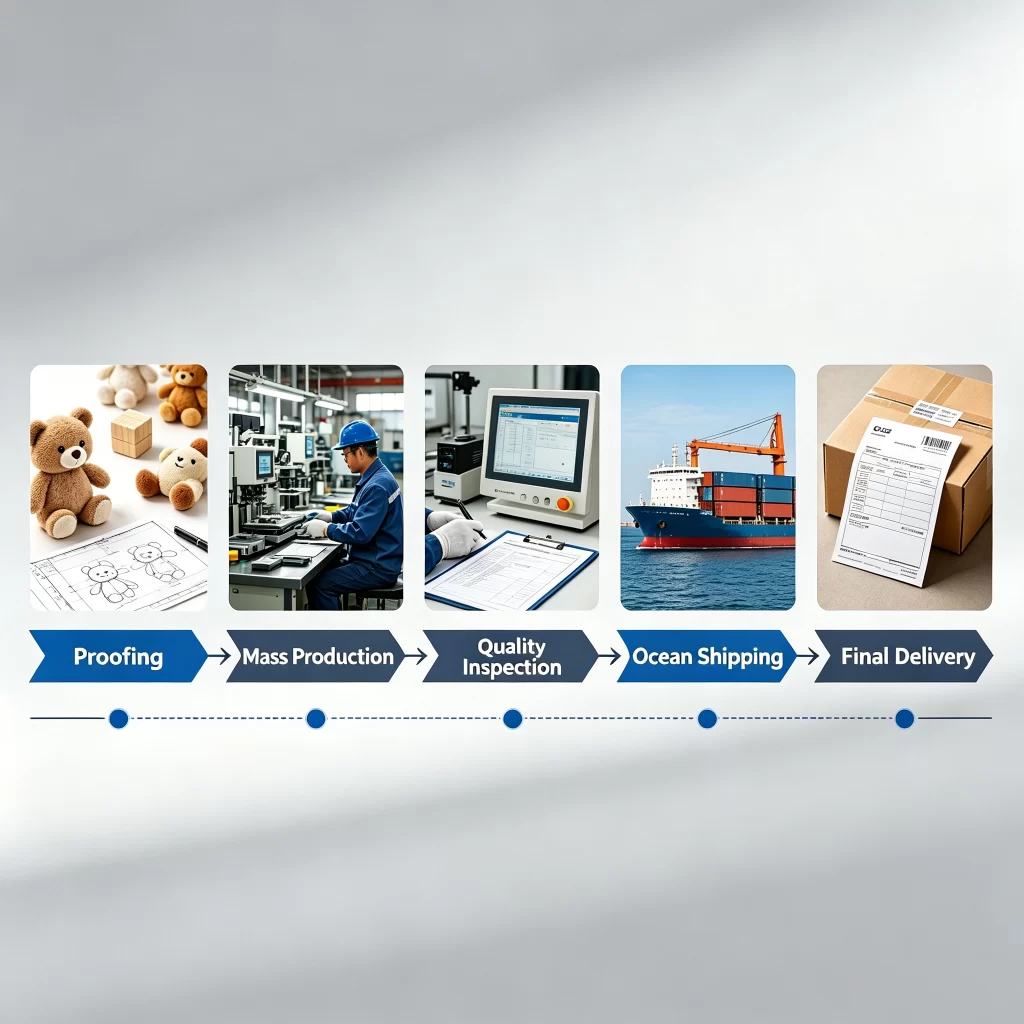
International shipping can add:
- 15–40 days by sea
- 5–10 days by air
Port congestion and customs inspections may also affect delivery timing.
In many plush toy projects, shipping delays create bigger problems than factory production itself.
What Usually Delays a Plush Toy Project
The biggest delays are rarely sewing-related.
Common causes include:
- incomplete artwork files
- repeated sample revisions
- embroidery corrections
- fabric replacement requests
- packaging changes
- delayed approval communication
One counterintuitive reality is that “small changes” after sampling approval often create disproportionate production disruption.
For example:
- changing eye embroidery
- resizing accessories
- modifying labels
may require pattern redevelopment or supplier replacement.
OEM vs ODM Plush Manufacturing
OEM plush toys are fully customized using your own design.
ODM plush toys are based on existing factory designs with limited customization.
OEM works better for:
- brand mascots
- anime IP
- Kickstarter products
- retail-exclusive products
ODM is usually faster and cheaper for:
- promotional campaigns
- event giveaways
- lower-budget launches
However, ODM products provide less differentiation in the market.
What We Usually Recommend Before Starting Production
Before contacting a plush toy factory, prepare:
- clear front and side artwork
- target dimensions
- estimated quantity
- preferred materials
- packaging expectations
- delivery deadline
We also usually recommend requesting:
- embroidery close-up photos
- stitching detail photos
- stuffing consistency references
- packaging mockups
instead of evaluating factories only through quotation spreadsheets.
A cheaper quotation does not always mean lower total project cost.
Factories with weak sampling capability often create:
- longer revision cycles
- inconsistent production quality
- delayed shipment schedules
Conclusion
A successful custom plush toy project depends on balancing MOQ, pricing, production complexity, and timeline expectations.
In most cases:
- clearer artwork reduces delays
- realistic MOQ improves unit economics
- simpler embroidery lowers revision risk
- earlier scheduling improves delivery reliability
Many buyers focus only on finding the cheapest plush toy manufacturer. In reality, production consistency and communication efficiency usually matter far more once the project enters sampling and mass production.
FAQ
What is the MOQ for custom plush toys?
Most custom plush toy manufacturers require 300–1000 pieces depending on design complexity, materials, and production setup requirements.
How long does it take to make a custom plush toy?
Sampling usually takes 7–15 working days, while mass production commonly requires 30–60 days after sample approval.
How much does a custom plush toy cost?
Custom plush toy pricing varies based on size, embroidery detail, accessories, packaging, and order quantity. Small simple plush toys may start around a few dollars per unit, while complex designs cost significantly more.
Can I order plush toys with my own design?
Yes. OEM plush toy manufacturers can develop products using your artwork, character design, mascot, or brand concept.
Do plush manufacturers offer samples?
Most professional factories provide prototype samples before bulk production. Sample fees are usually charged separately and may be refunded after mass production orders.
Why do plush toy projects get delayed?
The most common causes are incomplete artwork, repeated sample revisions, embroidery corrections, packaging changes, and peak-season factory congestion.
Is lower MOQ always better?
Not necessarily. Lower MOQ often increases unit cost because setup expenses are distributed across fewer units.
What files should I send to a plush toy manufacturer?
We usually recommend sending AI, PSD, or high-resolution reference files with front, side, and back views whenever possible.