
Quick Answer
Lead time means the amount of time between the start and completion of a defined process. In a custom plush toy project, however, there is rarely one single lead time. Sample development, sample revisions, bulk production, testing, packing and international shipping can each have their own clock.
This distinction matters because a supplier may quote “30 days lead time” while referring only to bulk production. A buyer may read the same number as 30 days until the goods arrive. Those are very different delivery schedules.
In general supply-chain terminology, lead time measures the period from the beginning to the end of a process, and it can be separated into procurement, production and post-production stages.
Lead Time Meaning: The Number Is Useless Without a Start and End Point
The most important question is not simply:
“What is your lead time?”
A better question is:
“What event starts the lead time, and what event ends it?”
For example, a supplier may say:
Production lead time: 30–35 days.
That could mean 30–35 days from:
- deposit payment;
- sample approval;
- final artwork confirmation;
- fabric arrival;
- production scheduling;
- or the actual start of cutting.
The end point may also mean:
- production completed;
- packed and ready;
- goods handed to the forwarder;
- vessel departure;
- or delivery to your warehouse.
Unless both points are clear, the number can create false expectations.
For custom plush toys, we usually recommend separating the project into several smaller clocks instead of relying on one broad number, especially when evaluating an OEM plush manufacturing project.
A Custom Plush Order Usually Has Several Lead Times
A custom plush toy production project is different from ordering an item that is already sitting in stock because the product must move through development and approval before bulk manufacturing.
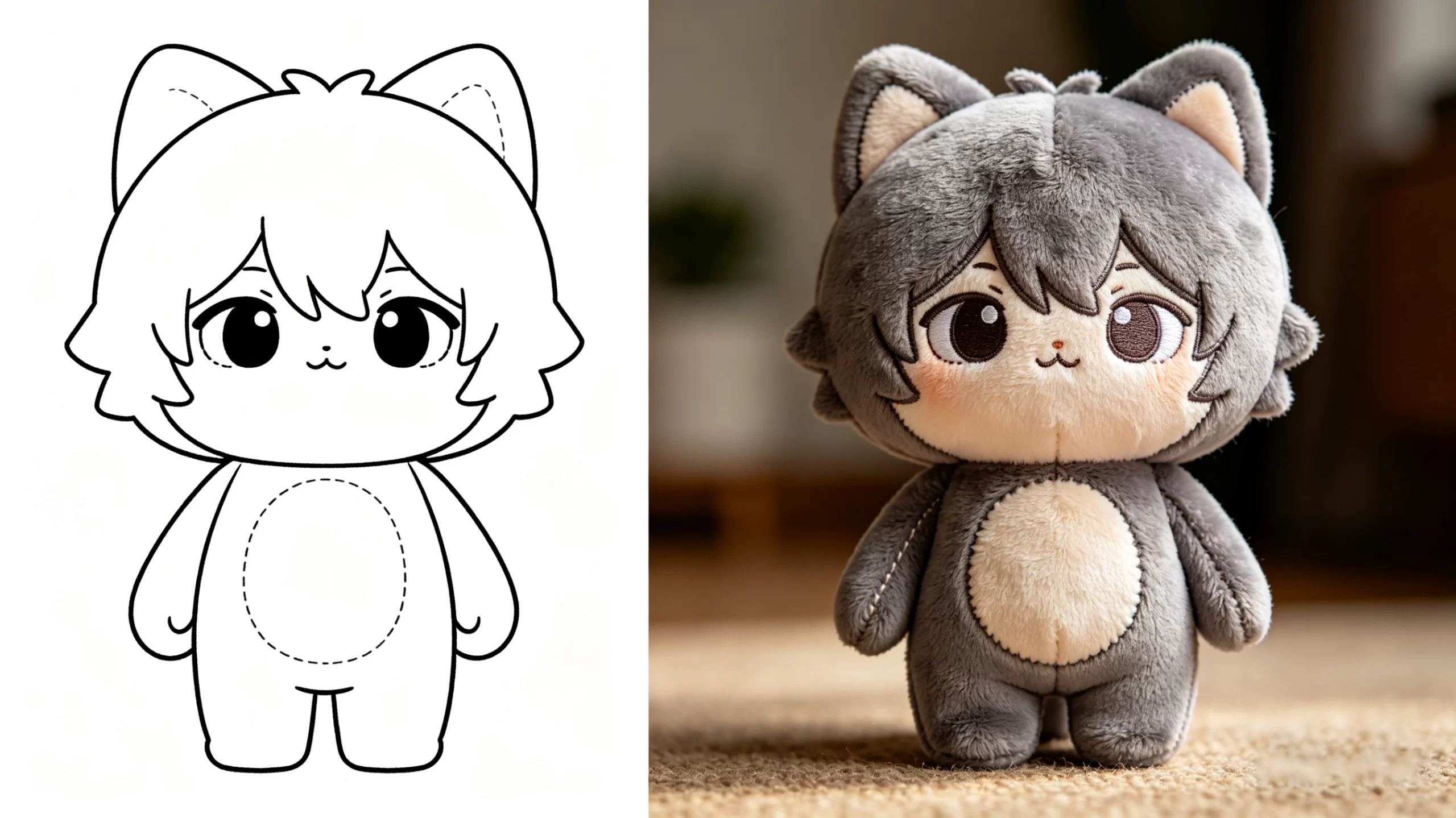
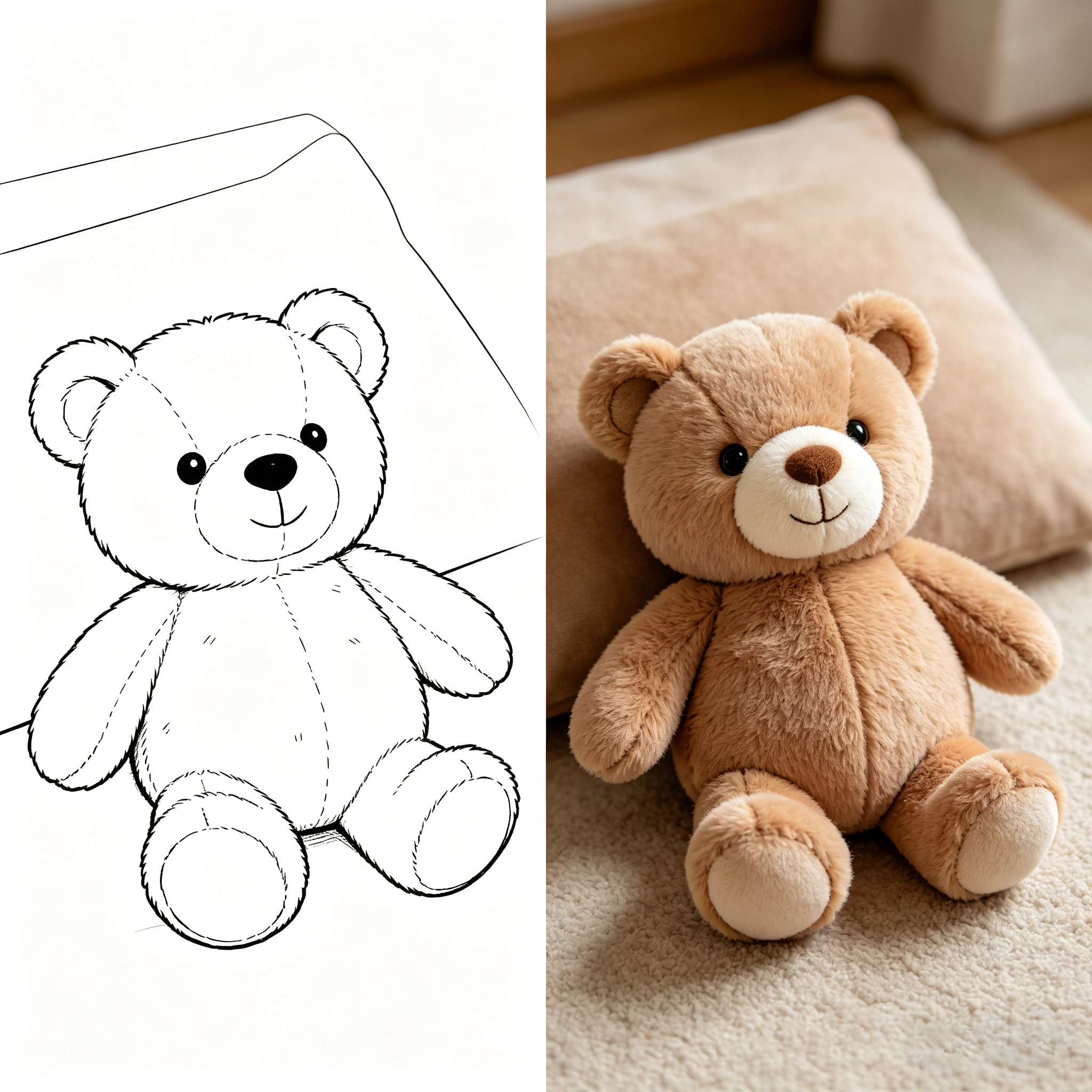
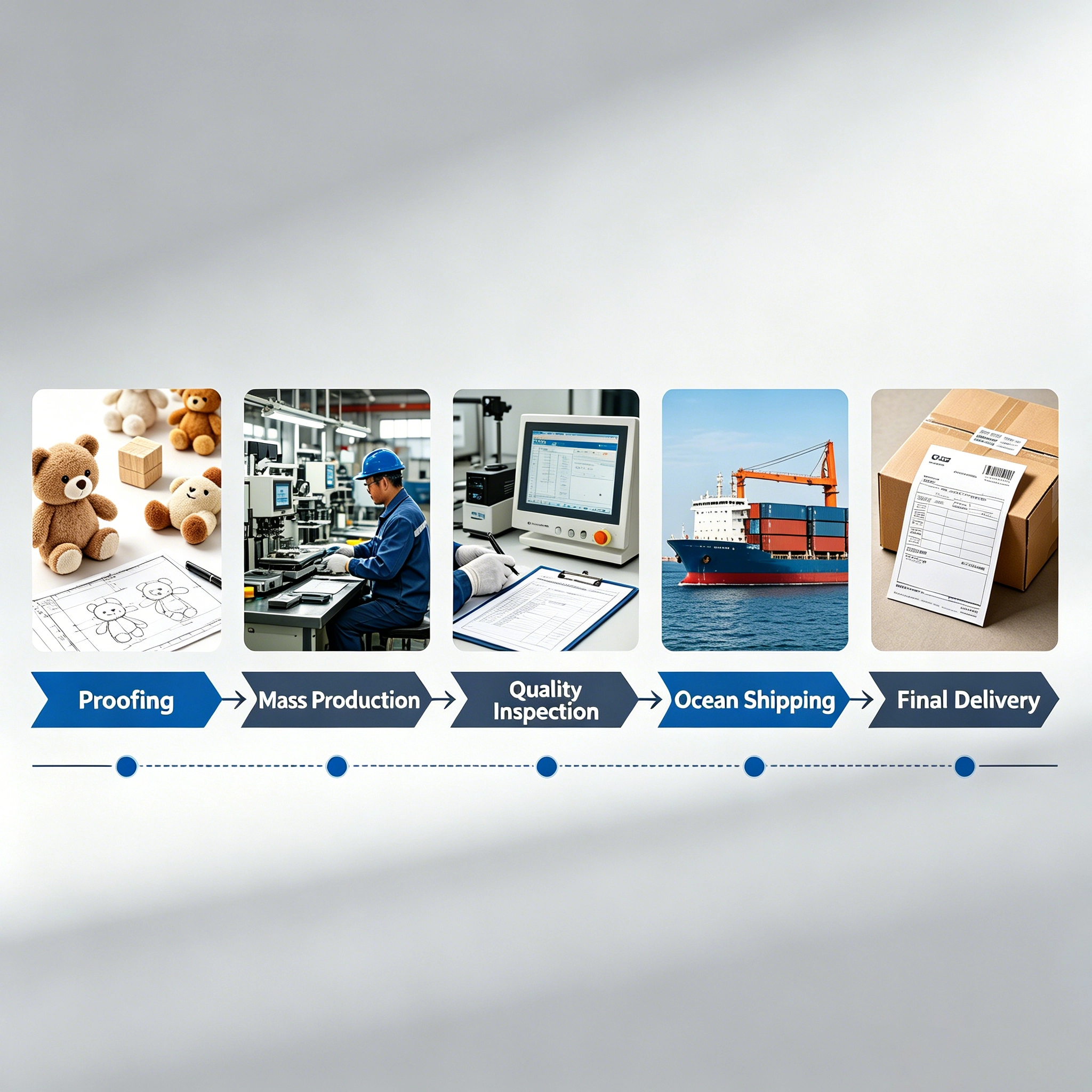
It normally passes through development, approval and production before shipping. The current Wehao Toys custom plush category describes a workflow covering design review, material selection, pattern development, sampling, revision, production, inspection, packaging and shipping.
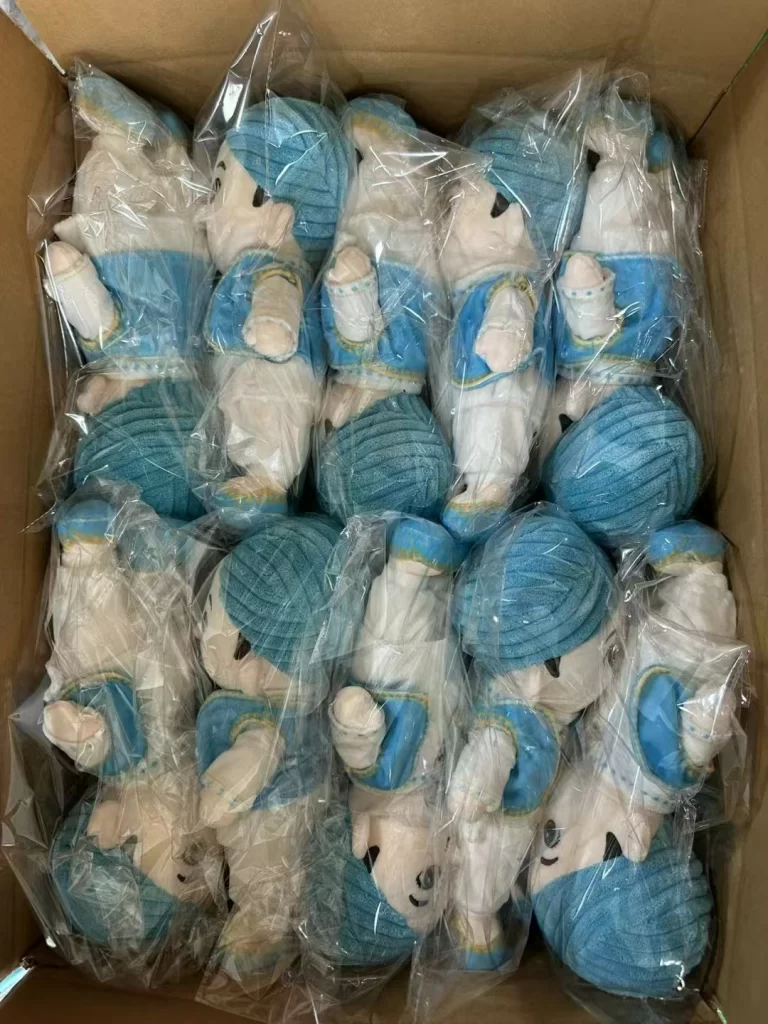
A practical breakdown looks like this:
| Stage | What the Clock Covers | Typical Starting Point | Typical Ending Point |
|---|---|---|---|
| Sample lead time | Building the first prototype | Design and specifications confirmed | First sample completed |
| Revision lead time | Changes requested after review | Revision comments confirmed | Revised sample completed |
| Bulk production lead time | Bulk manufacturing | Final sample/order approval and production conditions confirmed | Bulk goods completed or packed |
| Testing/compliance time | Laboratory or documentation work when required | Final test sample available | Test/report/document stage completed |
| Shipping time | International transport | Goods handed over for shipment | Port, warehouse or final destination delivery |
These stages can overlap in some projects. In others, one stage must finish before the next can begin.
Sample Lead Time
Sample lead time is the period used to turn the approved design information into a physical prototype.
It may include:
- pattern development;
- fabric matching;
- embroidery preparation;
- cutting;
- sewing;
- stuffing;
- accessories;
- finishing;
- sample inspection.
For many standard custom plush projects on the current Wehao Toys site, sampling is stated at around 7–15 days after details are confirmed. Complex projects can require longer.
However, the important phrase is “after details are confirmed.”
Three days spent waiting for a buyer to choose between two fabrics is not sample-making time.
Revision Lead Time
Revision time deserves its own line in the manufacturing timeline.
A first sample is a development tool, not a guarantee that every detail will be approved immediately.
Buyers may request changes to:
- head-to-body proportions;
- embroidery shape;
- facial expression;
- fabric;
- stuffing density;
- accessories;
- clothing fit;
- tail position;
- packaging.
In our sampling experience, one small visual comment can sometimes require more work than buyers expect.
Changing embroidery color may be simple. Changing the width of a character’s face can require pattern adjustment, recutting and resewing several pieces.
That is why revision time should not be hidden inside the original sample estimate.
Bulk Production Lead Time
Bulk production lead time begins only when the project is genuinely ready for production.
On Wehao Toys’ current website, bulk orders are normally stated at around 25–40 days after sample approval, with complex projects potentially requiring longer.
But sample approval alone may not always be enough.
The following may also need confirmation:
- bulk quantity;
- color breakdown;
- sewn labels;
- hangtags;
- packaging files;
- carton marks;
- testing requirements;
- payment;
- delivery terms.
This is why the production lead time start date should appear clearly on the order schedule.
When Does Production Lead Time Actually Start?
Buyers often assume that production begins when the purchase order is sent.
For a custom plush order, that may be too early.
In many projects, actual mass production should not be treated as started until the approved sample becomes the production reference, which is why understanding the custom plush sampling process before production is important.
A useful production-release checklist is:
- sample approved;
- final size approved;
- fabric and colors approved;
- embroidery approved;
- labels approved;
- packaging approved or scheduled;
- quantity confirmed;
- payment requirement completed;
- testing plan confirmed where applicable.
Buyer Warning: A purchase order date and a production start date are not automatically the same date.
What Is Usually Not Included in a Plush Toy Lead Time?
This is where many delivery misunderstandings begin.
A quoted production lead time may not include:
- time waiting for artwork;
- buyer feedback time;
- sample courier transit;
- multiple revision rounds;
- custom fabric development;
- packaging artwork approval;
- third-party laboratory testing;
- shipping booking;
- customs clearance;
- international transit.
The treatment of safety testing is especially important for children’s products.
For U.S. children’s products, buyers should check the CPSC’s third-party testing and certification requirements when building compliance time into the project schedule.
For EU-bound children’s toys, the European Commission’s toy safety requirements should be reviewed before finalizing the testing and delivery schedule.
These activities should therefore be planned into the overall delivery schedule when relevant, even if they are not counted as sewing or manufacturing days.
Sample Revisions Are the Biggest Variable Before Production
Production is often more predictable than development.
Once an approved sample, material specification and embroidery files are fixed, hundreds of identical units can follow the same reference.
Sampling works differently.
Imagine a buyer developing a 25 cm mascot plush.
The first sample is finished in 12 days. The buyer then asks for:
- a 10% smaller head;
- a wider muzzle;
- a more curved tail;
- a new eyebrow expression.
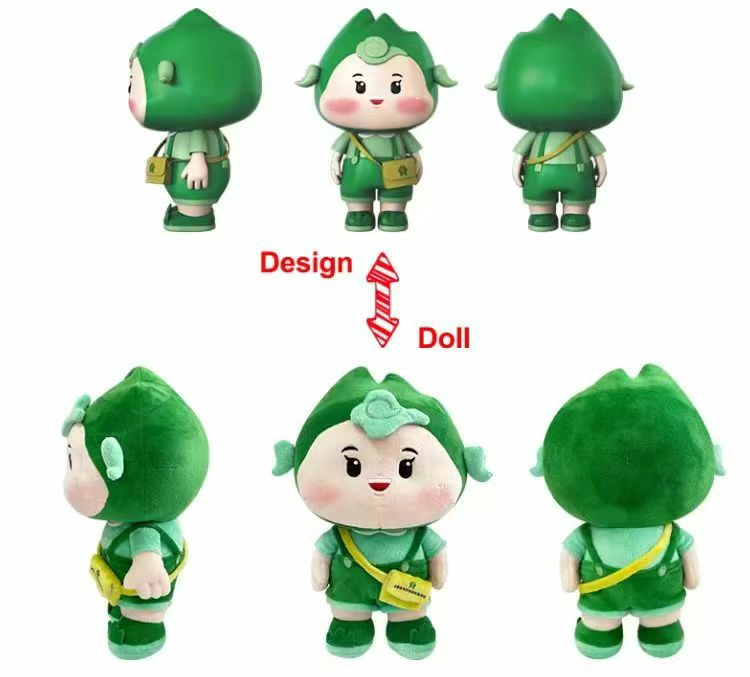
The revision takes another week. The buyer needs four days to review new photos. A physical sample is then shipped for final confirmation. The original “12-day sample lead time” has now become a much longer calendar period before bulk production can start. Nothing necessarily went wrong. The project simply contained development time, decision time and transport time in addition to sample-making time. This is why we prefer to show these periods separately.
“Ready to Ship” and “Delivered to You” Are Different Dates
A finished order is not the same as a delivered order.
Consider these three milestones:
Production Complete
The products have been manufactured.
Ready to Ship
Inspection and packing are finished and the order can be handed to the forwarder.
Delivered
The shipment has completed international transport and reached the agreed destination.
Shipping speed can vary widely according to method, destination and service level. More generally, logistics is considered a separate component of total lead time rather than the same thing as production time.
This distinction becomes critical when a buyer has:
- a retail launch;
- trade show;
- Kickstarter fulfillment date;
- Christmas campaign;
- promotional event;
- warehouse booking deadline.
For those projects, the useful date is not “production finishes October 10.”
The useful question is:
“What is the latest safe production release date for delivery before our required date?”
A Realistic Custom Plush Delivery Schedule
For planning purposes, build the schedule backward from the required arrival date.
A simplified project might look like this:
| Project Stage | Planning Allowance |
|---|---|
| Initial sample | 10–15 days |
| Buyer review | 2–5 days |
| One revision round | 5–10 days |
| Final approval | 1–3 days |
| Bulk production | 25–40 days |
| Inspection and packing | Included or separately confirmed |
| Shipping | Depends on destination and freight method |
| Safety buffer | Added according to launch risk |
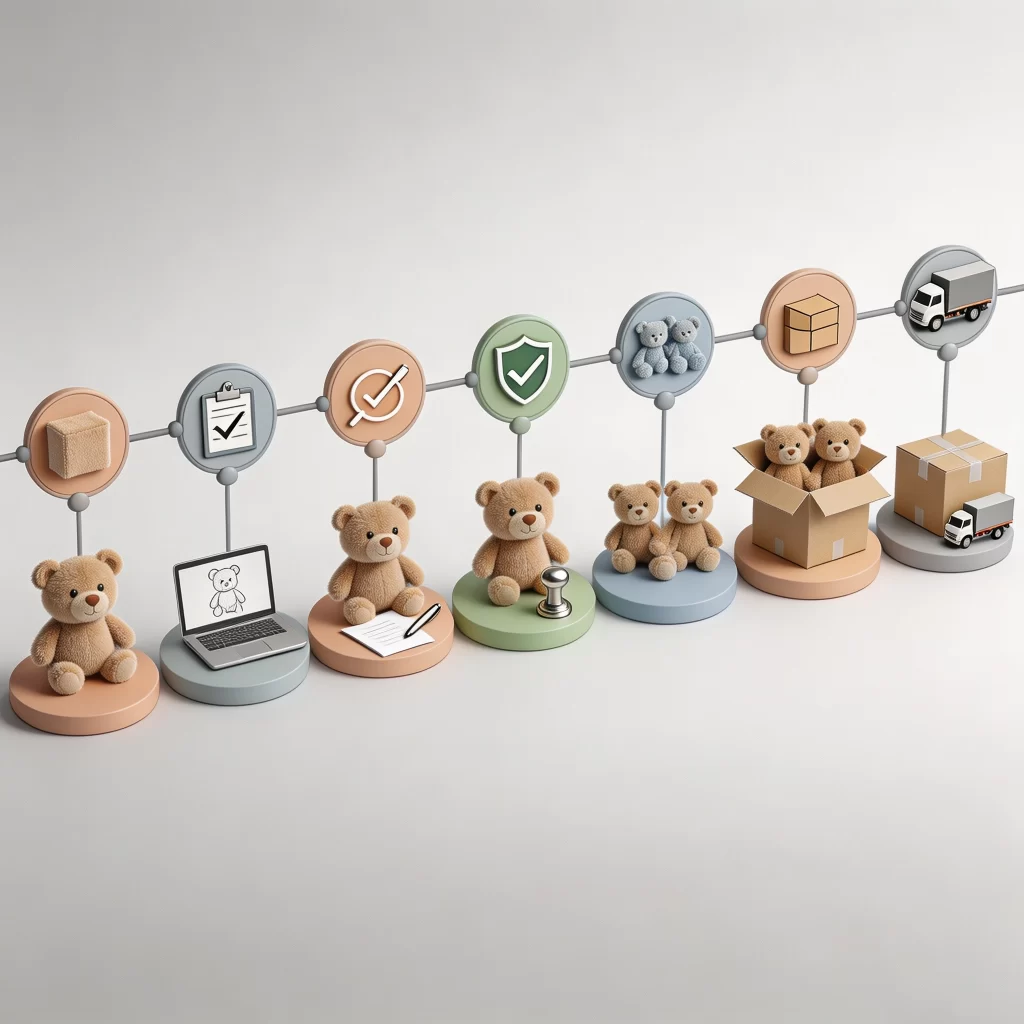
These are planning ranges rather than universal promises; buyers who need a broader week-by-week reference can also review our custom plush production timeline from sample to shipment.
The existing timeline article gives a broader end-to-end working range of approximately 8–12 weeks for many projects, depending on complexity and shipping.
The important improvement is to stop treating that entire period as one production lead time.
How Buyers Can Shorten Lead Time Without Rushing Production
A shorter manufacturing timeline does not always require faster sewing.
Often, the biggest savings come from removing waiting and rework.
We usually recommend five actions.
1. Send complete design references early.
Front, side and back views reduce questions during pattern development.
2. Confirm the target size before sampling.
Changing overall size later can affect patterns, embroidery and material use.
3. Consolidate sample feedback.
One organized revision list is usually more efficient than several messages sent over multiple days.
4. Start packaging work during sampling.
Labels, hangtags and packaging can often be prepared while the product sample is being finalized.
5. Tell the supplier the real required delivery date.
Do not only ask for “the fastest lead time.” A supplier can plan better when the commercial deadline is known.
Trying to save three days by approving an unresolved sample can create a much larger problem during bulk production.
The fastest project is usually not the project with the most aggressive deadline.
It is the project with the fewest unresolved decisions.
Key Takeaways
- Lead time meaning depends on the process being measured.
- Sample lead time and production lead time are not the same.
- Revision time should be planned separately.
- Bulk production normally starts after key approvals, not simply when an inquiry or PO is sent.
- Testing and compliance may affect the total schedule even when they are outside manufacturing time.
- “Production complete” does not mean “delivered.”
- Buyer feedback time can become a significant part of the total calendar.
- For deadline-sensitive orders, plan backward from the required arrival date.
Conclusion
The practical lead time meaning for custom plush buyers is not “how many days does the supplier need?”
It is how much time each project stage needs, when each clock begins, and what must happen before the next stage can start.
Separate sample development, revisions, production and shipping. Then add buyer approval, testing and logistics where relevant.
That gives you a delivery schedule you can actually use.
FAQ About Lead Time for Custom Plush Toy Orders
Can a supplier guarantee a custom plush lead time before seeing my design?
A supplier can usually provide a preliminary range, but a firm schedule requires more project details. Size, construction, embroidery, materials, quantity and packaging can all change the required work.
Does a weekend count in a quoted 15-day lead time?
Not always. Some quotations use calendar days and others use working days. Ask the supplier to state this clearly before you build a launch schedule around the number.
When should I book freight for a time-sensitive plush order?
Discuss the shipping plan before bulk production finishes. The forwarder may need carton estimates, destination information and a target cargo-ready date to recommend an appropriate route.
Can I begin bulk production before receiving the physical sample?
Technically this is possible in some projects, but it increases approval risk. For detailed characters, licensed products or products with strict size and material requirements, physical sample approval is usually the safer reference point.
Should custom packaging have its own lead time?
Yes, especially for printed boxes, custom bags, inserts or unusual packaging structures. Packaging suppliers may have different MOQs and schedules from the plush product itself.
What information should I ask a supplier to put on the delivery schedule?
Ask for the estimated sample completion date, revision allowance, production-release date, bulk completion date, cargo-ready date and estimated shipping plan. This is much clearer than one general lead-time number.
Can a lower order quantity always be produced faster?
No. Small quantities reduce the number of pieces being sewn, but they do not remove fabric preparation, embroidery setup, cutting, sampling, packaging or scheduling steps.
How early should I start a seasonal plush project?
Start early enough to allow at least one sample revision and a logistics buffer. Seasonal launches are especially risky when the entire schedule assumes the first sample will be approved without changes.
Planning a Plush Project Around a Fixed Delivery Date?
If your custom plush order has a retail launch, event, seasonal campaign or warehouse deadline, send your artwork, target size, estimated quantity, destination country and required delivery date before sampling starts. We can review the project stages separately and identify where sample development, revisions, bulk production, packaging and shipping need to fit into the schedule.
Contact Wehao Toys for a Custom Plush Toy Project