
Quick Answer
A tech pack is a working manufacturing document that explains what product you want a supplier to quote and eventually produce. For a plush toy, it normally combines visual references with dimensions, materials, colors, embroidery, construction details, branding, packaging and other project requirements.
You do not need every detail finalized before asking for a quotation. However, the supplier needs enough information to understand what it is pricing. Otherwise, the number you receive is mainly an estimate based on assumptions.
Technical specification packets are widely used in product development to communicate measurements, construction and production requirements. The same principle is useful for custom plush development, even though plush specifications differ from apparel tech packs.
The important question is therefore not:
“Do I have a professional-looking tech pack?”
It is:
“Does my document remove the assumptions that could materially change the quotation?”
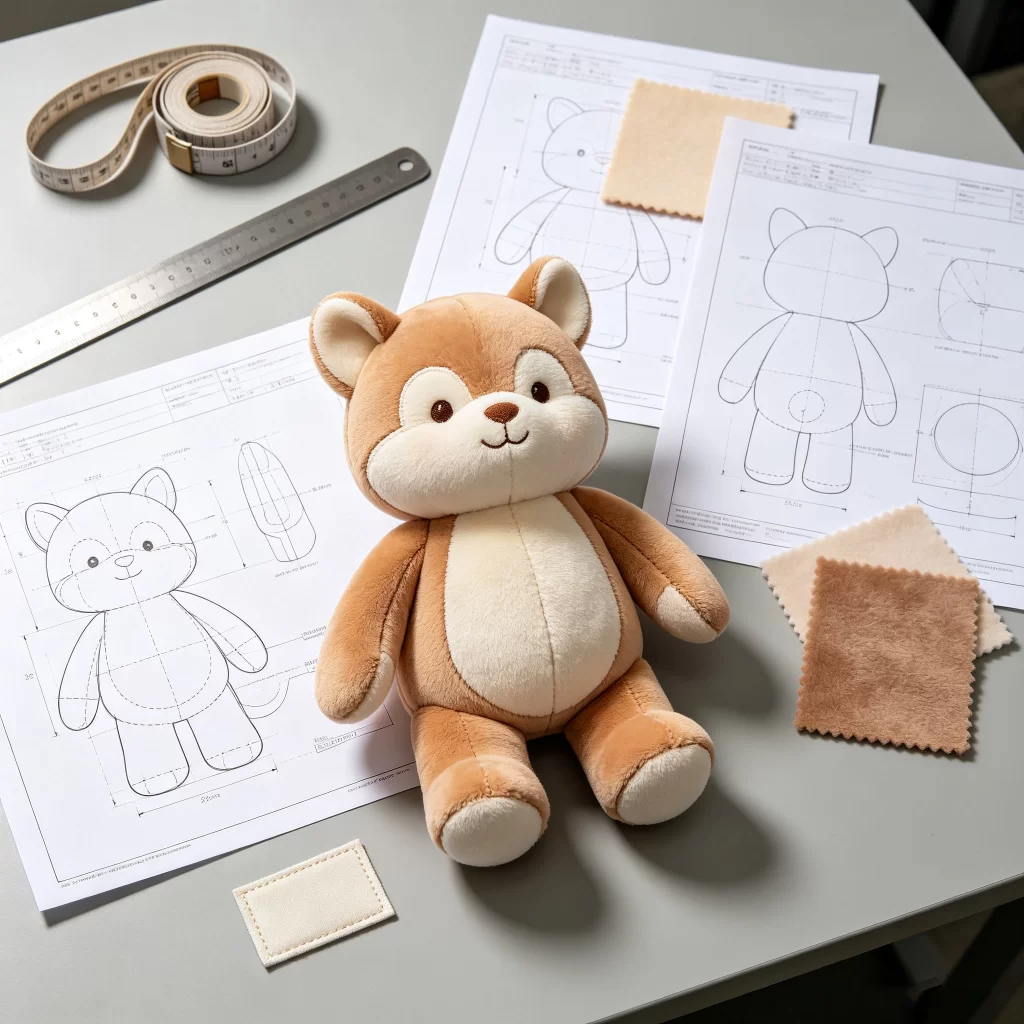
Why a Quote Without Clear Specifications Is Only an Estimate
A custom plush toy does not have one fixed price. Two toys that look almost identical in an illustration can require very different production methods.
Quotation can change because of:
- finished size;
- fabric type and pile length;
- number of fabric colors;
- embroidery coverage;
- printed details;
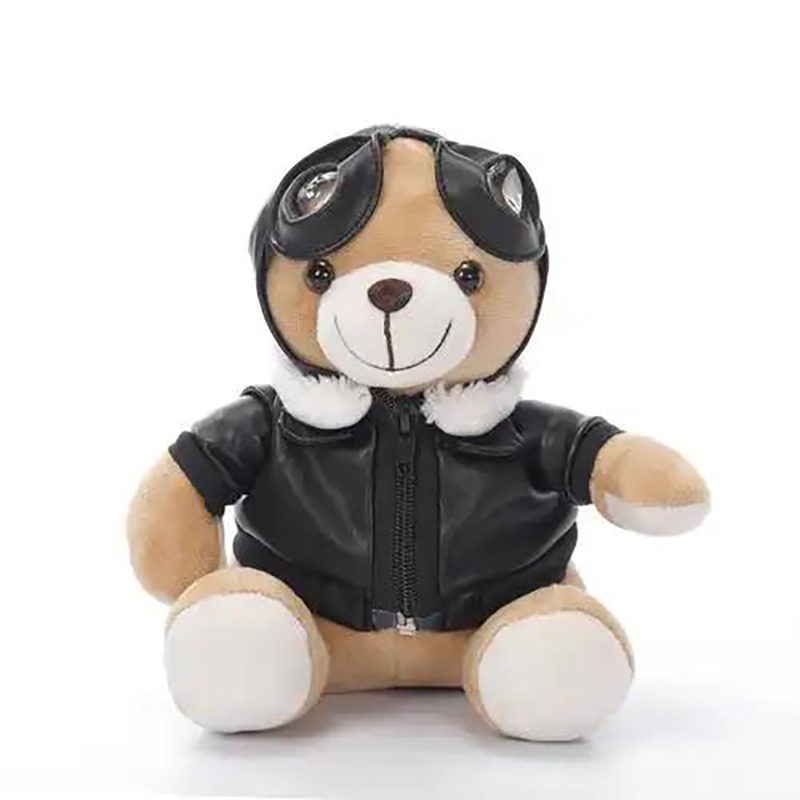
- clothing or detachable parts;
- internal squeakers or other components;
- stuffing level;
- labels;
- packaging;
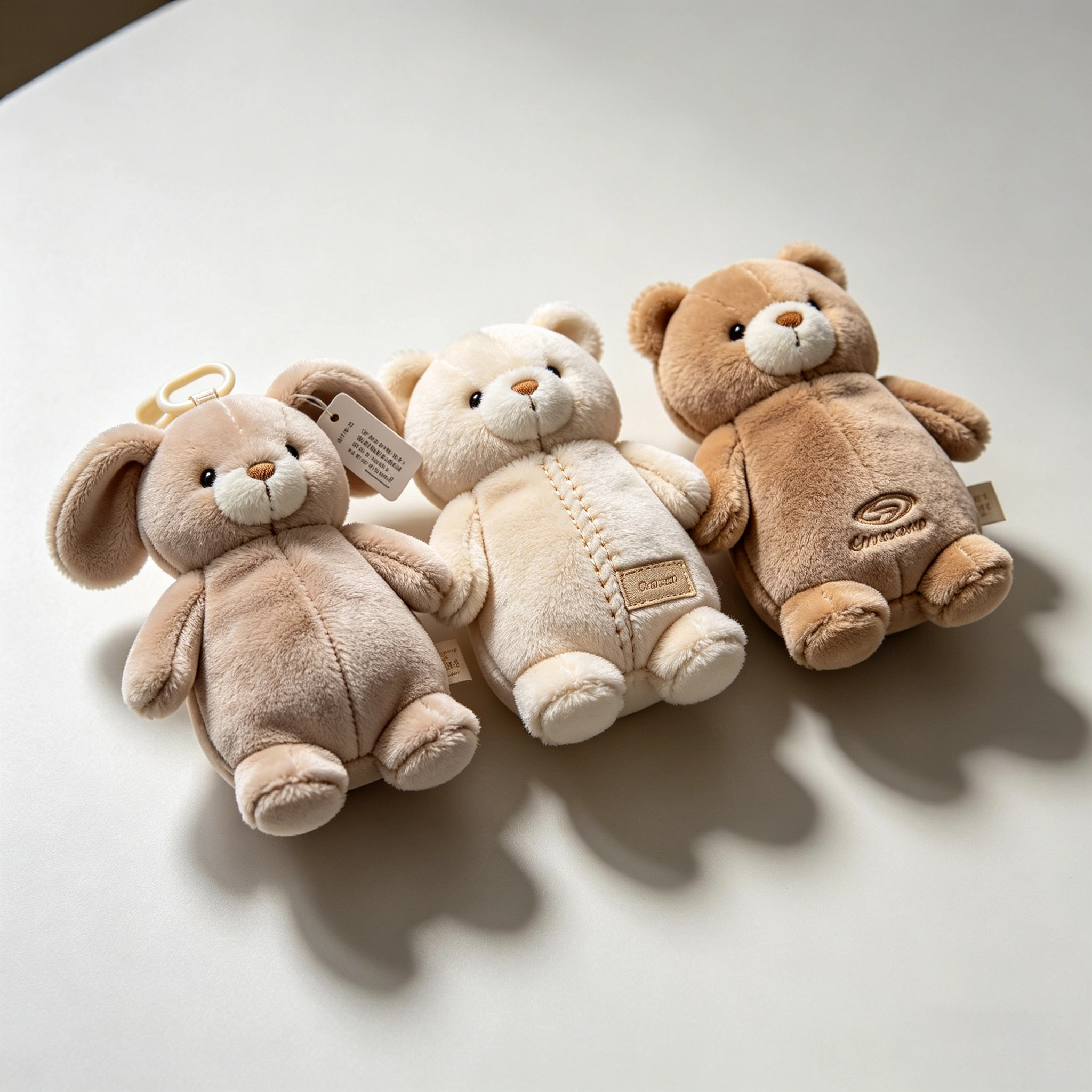
- number of designs and colorways;
- order quantity.
These variables are also reflected in the existing custom plush development and quotation structure on the Wehao Toys website.
Consider a buyer who sends only one front-view drawing of a 20 cm mascot. One supplier may assume short plush, basic embroidery and a standard polybag. Another may interpret the same artwork as minky fabric with separate clothing, appliqué details, a woven label and custom packaging.
Both quotations could be reasonable. But they are not quotations for the same product.
A tech pack reduces this problem by showing which assumptions are correct before suppliers start calculating costs.
A Plush Toy Tech Pack Is More Than a Design File
One common misunderstanding is treating artwork, a product specification sheet and a tech pack as interchangeable documents. They serve different purposes.
| Document | Main Purpose | Typical Information |
|---|---|---|
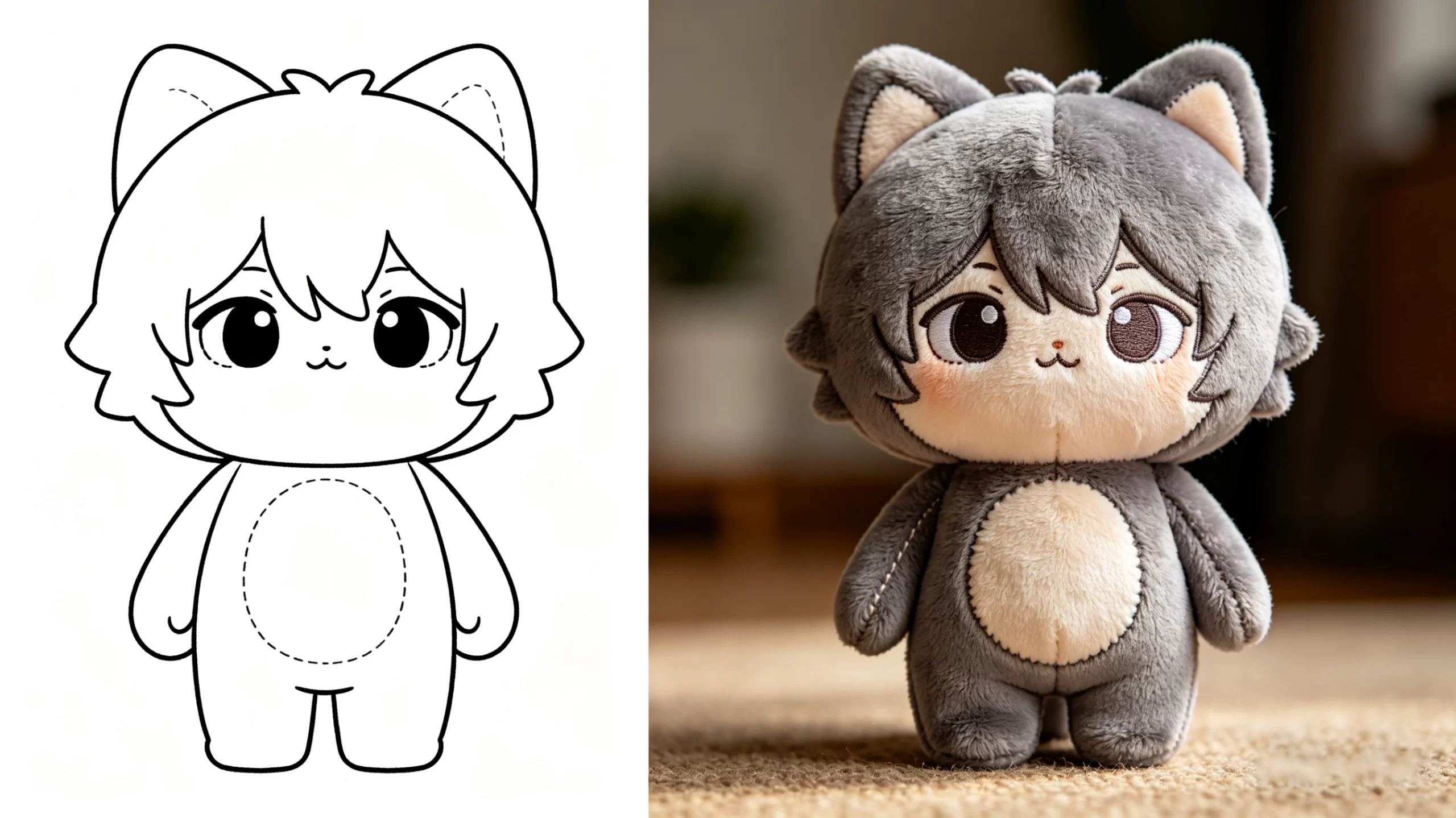
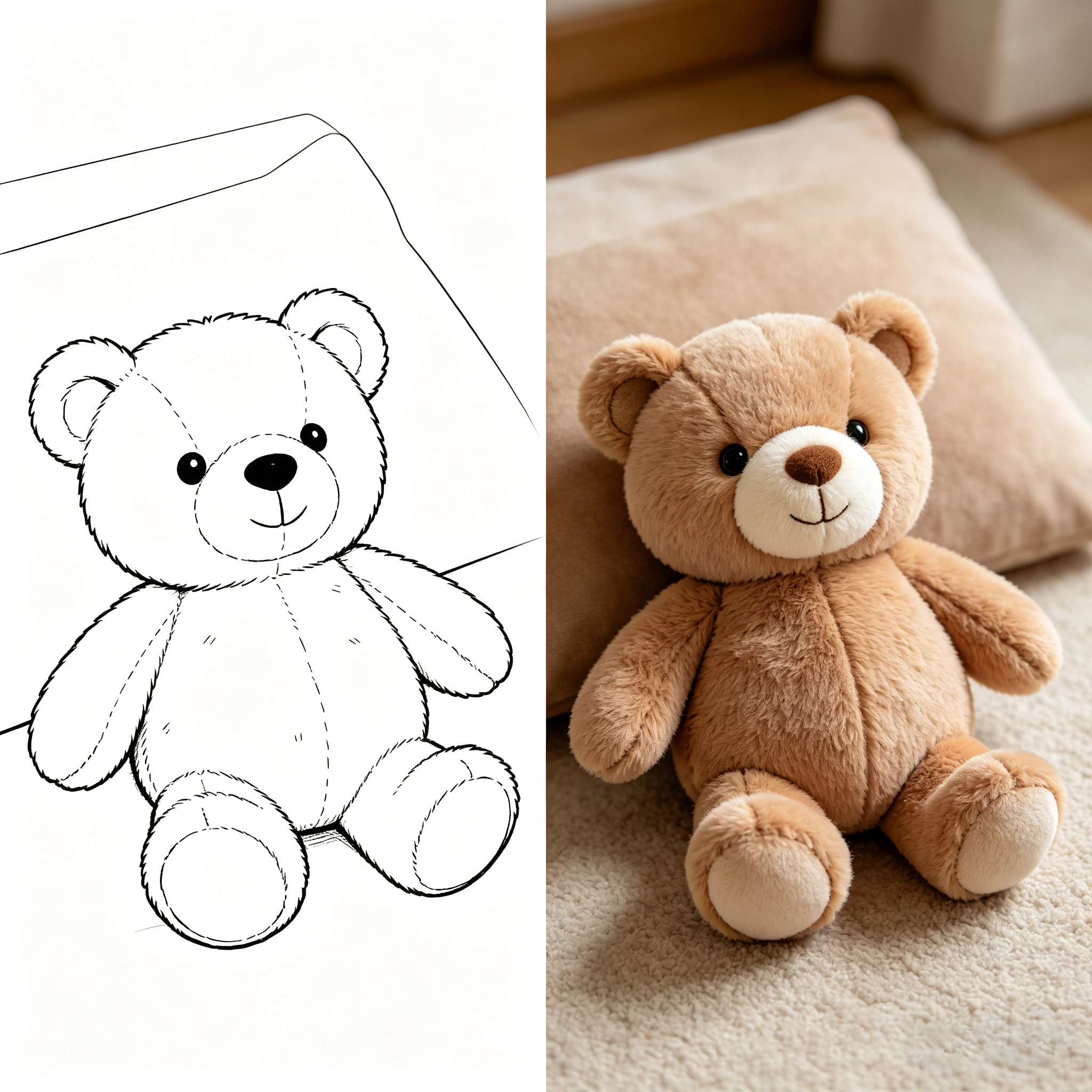
| Design file | Shows what the product should look like | Character artwork, colors, logos, front/side/back views |
| Product specification sheet | Records measurable requirements | Size, dimensions, component positions, tolerances |
| Tech pack | Connects design with manufacturing requirements | Artwork, measurements, materials, construction, embroidery, branding, packaging and revisions |
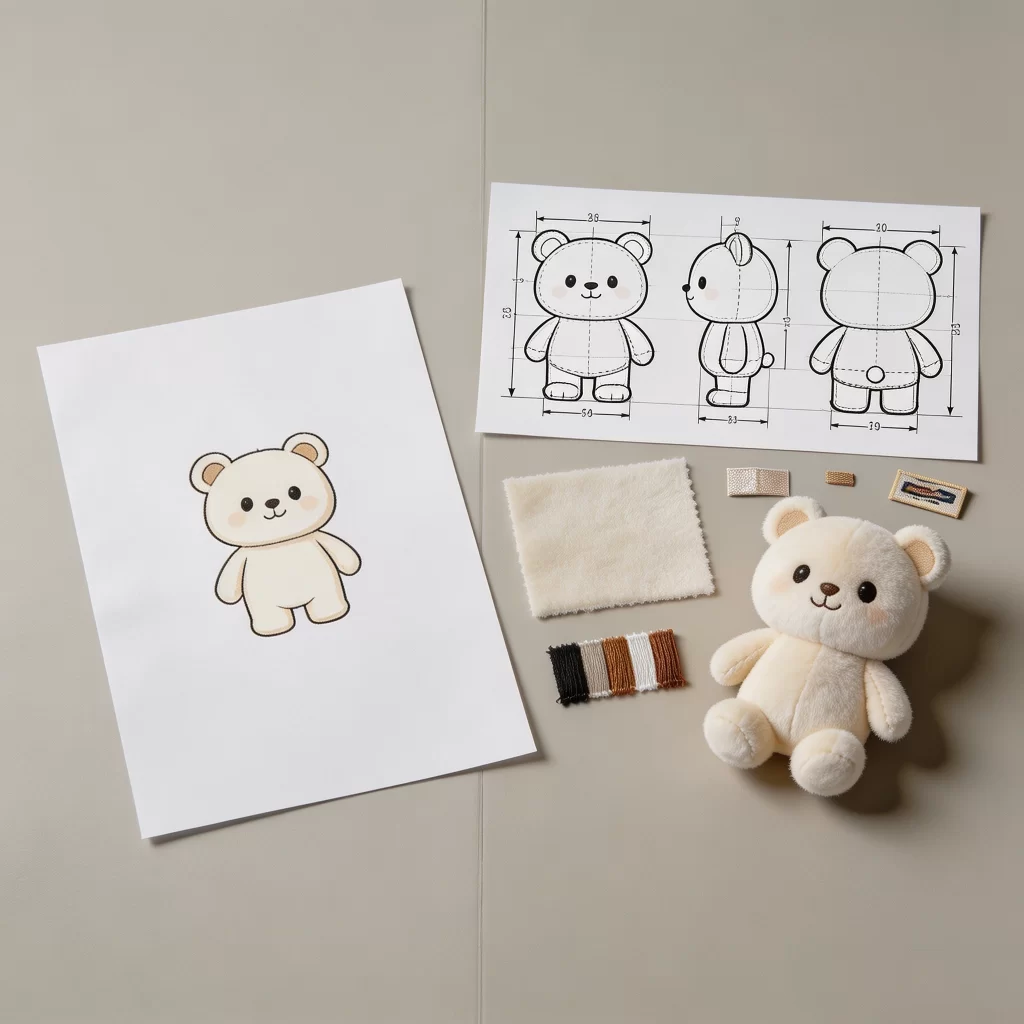
A beautiful design file can explain the character very well while saying almost nothing about how it should be manufactured.
For example, a drawing may show a jacket. It may not explain whether the jacket is removable, sewn into the body, printed onto fabric or constructed as several separate fabric panels. Those four approaches can create different sampling work and different production costs.
The design file answers what it should look like. The manufacturing document needs to explain what the physical product actually is.
For buyers who are still deciding which production artwork to send, it is useful to separately review AI, PDF and PNG file requirements. Editable vector artwork can help with production preparation, but a preliminary plush quotation does not always require a perfect AI file. Adobe also describes AI as an editable vector format that can retain production-friendly artwork information.
What Should Be Included in a Plush Toy Tech Pack?
There is no need to copy an apparel tech pack line by line. A plush-specific document should focus on decisions that affect shape, construction, sampling and cost.
| Tech Pack Section | What to Include | Why It Matters Before Quotation |
|---|---|---|
| Project identification | Product name, style number, version, date | Prevents different revisions from being mixed |
| Visual references | Front, side, back and detail views where available | Reduces interpretation of proportions |
| Finished size | Height, width or other critical dimensions | Directly affects fabric, stuffing, labor and packaging |
| Materials | Preferred fabric type, texture and color direction | Helps estimate sourcing and material cost |
| Facial details | Embroidery, printing, appliqué or other methods | Affects setup and workmanship |
| Construction | Clothing, wings, ears, tails, pockets, attachments | Defines pattern and sewing complexity |
| Filling | General softness or structural expectation | Helps interpret finished shape |
| Branding | Embroidered logo, woven label, hangtag | Adds separate components and processes |
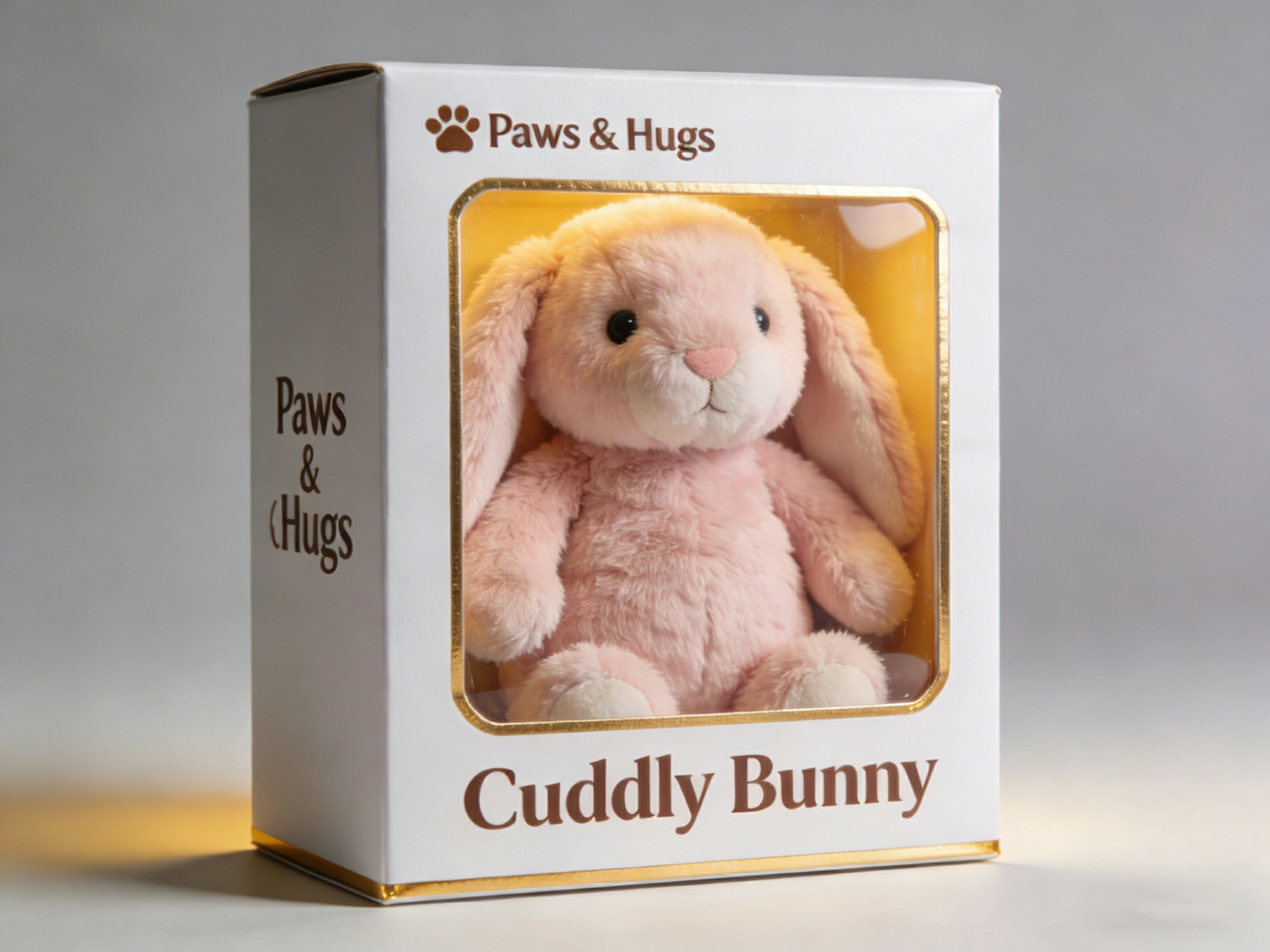
| Packaging | Standard polybag, custom bag, box or other format | Changes packaging cost and MOQ |
| Quantity plan | Quantity per design, color and size | Essential for production pricing |
| Target market | Intended sales market and user category | Helps flag compliance or labeling questions early |
Do not fill unknown fields with guesses.
If you have not selected the exact fabric yet, write:
“Soft short-pile plush — final fabric to be confirmed during sampling.”
That is more useful than choosing a random material merely to make the document look complete.
A good tech pack separates confirmed requirements from open decisions.
What Must Be Fixed Before Quotation — and What Can Stay Open?
Not every specification needs to be final. For an early quotation, we usually recommend confirming the details that have the strongest effect on product structure and cost.
Try to confirm before quotation:
- approximate finished size;
- expected order quantity;
- number of designs or colorways;
- main product structure;
- important embroidery or printed details;
- major accessories;
- branding requirements;
- basic packaging expectation.
These can often remain provisional:
- exact fabric item number;
- final stuffing weight;
- minor seam construction;
- final embroidery thread reference;
- carton configuration;
- small pattern adjustments;
- detailed production tolerances.
This distinction matters. If a buyer waits until every seam and fabric reference is finalized, quotation may be delayed unnecessarily. But if the buyer sends only an illustration and asks for “best price,” too much of the product remains undefined.
The useful middle ground is a quotation-ready specification, not necessarily a production-final specification.
The Tech Pack Is Also a Quote-Comparison Tool
This is one of the most useful functions that buyers often overlook.
A tech pack does not only tell a supplier what to make. It tells multiple suppliers what to quote.
Without a shared specification, comparing three quotations can create false conclusions.
Supplier A may appear cheaper because it assumed standard fabric. Supplier B may have included the custom label. Supplier C may have included individual retail packaging.
The spreadsheet shows three prices, but the product specifications behind those prices are different.
This problem also applies to MOQ. MOQ only becomes meaningful when suppliers are evaluating comparable construction, materials, packaging and SKU requirements. The same principle is discussed in our guide explaining why MOQ changes according to the plush design and production conditions.
A strong tech pack therefore acts as a quotation baseline. It does not guarantee that the first quotation will never change. It makes the reasons for later changes easier to identify.
Common Tech Pack Mistakes That Create More Work
1. Only showing the front view
A front drawing may hide the depth of the head, tail position, back details or clothing structure. If these areas matter, add another view or a clear note.
2. Writing “same as picture”
Reference images are useful for visual direction. They are weak manufacturing instructions. Specify which part of the reference matters: texture, proportion, fabric, embroidery style or construction.
3. Mixing several revisions in one file
One page says 20 cm. Another says 25 cm. An older image still shows a deleted accessory. This is a common way for incorrect details to return during sampling. Use a date or version number.
4. Adding technical detail you have not actually decided
A tech pack is not better because it contains more terminology. Incorrect information can be worse than an open field.
5. Leaving quantity until the end
A quotation for 100 pieces and one for 1,000 pieces are different sourcing discussions. Quantity should be part of the initial project brief.
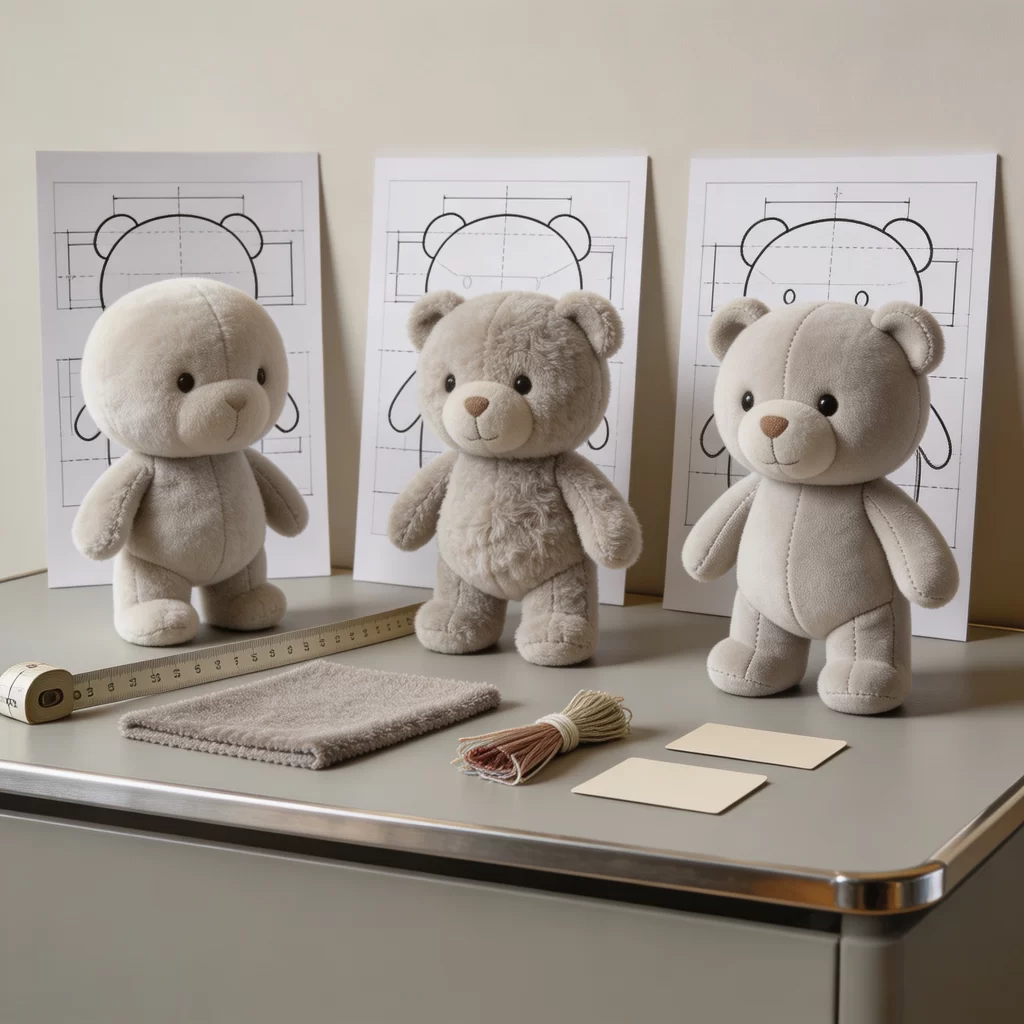
You Do Not Need a Perfect Tech Pack to Request a Quote
Many startup brands do not have a technical designer. That should not stop an early project evaluation.
A minimum viable plush tech pack can be surprisingly simple.
Prepare:
- clear front artwork;
- side and back references if available;
- approximate finished size;
- notes identifying important materials and details;
- expected quantity and number of designs;
- branding and packaging requirements.
A clear PDF can work well for this stage. You can combine artwork, arrows, measurements, fabric references and written notes into several pages. The supplier can then identify missing information before sampling.
For more complex character projects, the tech pack usually becomes more detailed as the sample develops. That is normal. The document should evolve with the product.
A Realistic Pre-Quotation Scenario
Imagine a brand developing a plush bird mascot.
The first inquiry contains:
- one front illustration;
- target size of approximately 25 cm;
- quantity of 500 pieces.
The drawing also appears to contain three fabric textures, embroidered eyes, separate wings and a small scarf.
Without further specification, several questions remain.
Is the scarf removable?
Are the wing markings embroidered or made from separate fabric panels?
Does the back contain the same pattern as the front?
Is a brand label required?
Instead of immediately forcing a final quotation, the better approach is to mark these four questions in the project file.
Once answered, the quote becomes much more meaningful.
In our sampling experience, this is usually more efficient than discovering the same decisions after the first prototype has already been made.
Key Takeaways
A tech pack is not paperwork added for the sake of looking professional.
For plush buyers, it is a practical way to control interpretation before quotation and sampling.
A useful plush toy tech pack should:
- show the intended design clearly;
- define important dimensions;
- explain major materials and production details;
- state quantities and variants;
- identify branding and packaging;
- separate confirmed details from open decisions;
- maintain one current revision.
The goal is not to eliminate every change. Sampling will still reveal details that cannot be solved on paper. The goal is to make sure the first quotation is based on the product you actually intend to develop.
FAQ About Plush Toy Tech Packs
Do I need to hire a technical designer before contacting a plush supplier?
Not necessarily. For an initial evaluation, clear artwork, dimensions, quantity and written construction notes may be enough. More detailed specifications can be developed as the project moves toward sampling.
Can the supplier help create or update the tech pack?
Yes, depending on the project. Buyers should still keep their own approved copy so both sides know which version controls the current development.
Should every colorway have a separate tech pack?
Not always. If construction stays identical, one master document can contain a colorway page showing the differences. Separate files are more useful when materials, accessories or construction change substantially.
Should my target price be written inside the tech pack?
It can be shared, but we usually prefer keeping commercial targets clearly separated from technical specifications. A target price is useful context, while the tech pack should remain the reference for what is being developed.
Can a supplier quote before the final fabric is selected?
Often yes. The supplier can quote based on an agreed fabric category or assumed material and clearly state that the price is subject to final material confirmation.
How should sample revisions be recorded?
Update the version number and list the specific change rather than replacing files without explanation. This creates a simple revision history and reduces the chance of an older detail returning later.
Should confidential character artwork be included?
If the supplier needs the artwork to assess the product, relevant design information normally needs to be shared. For sensitive IP projects, buyers can discuss confidentiality or an NDA before releasing complete production files.
Prepare Your Plush Project for a More Useful Quotation
If you already have artwork, sketches or an early product specification sheet, you do not need to wait until every manufacturing detail is perfect. Send the current files together with your target size, quantity, branding and packaging requirements. Wehao Toys can review the information, identify important missing specifications and evaluate the project before sampling.
Contact Wehao Toys for a Custom Plush Toy Project