Answer Block
Mini plush toys and plush keychains are defined by their compact structure and integrated hardware, where stitching strength, attachment type, and internal reinforcement directly determine durability and cost.
In practical projects, most quality issues come not from fabric, but from how the hardware and structure are combined in a limited size.
What Defines Mini Plush Toys & Plush Keychains
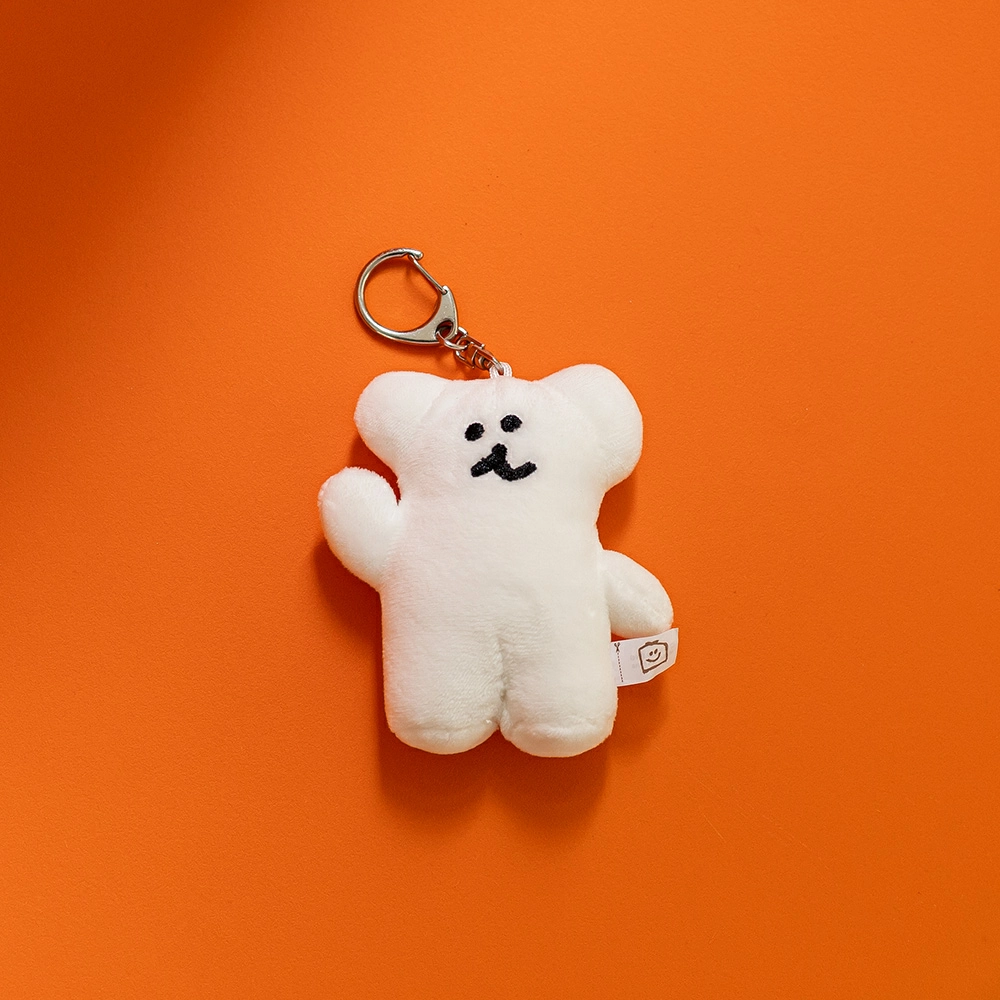
Mini plush toys typically refer to plush items sized between 6cm and 12cm, often combined with hardware such as keychains or clips.
The defining difference from standard plush toys is that structure and hardware must function together in a very limited space.
We usually observe that once size drops below 10cm, structural compromises begin to affect both appearance and durability.
Hardware Types and Their Impact on Use
Hardware determines how the product is used and how stress is applied to the plush body.
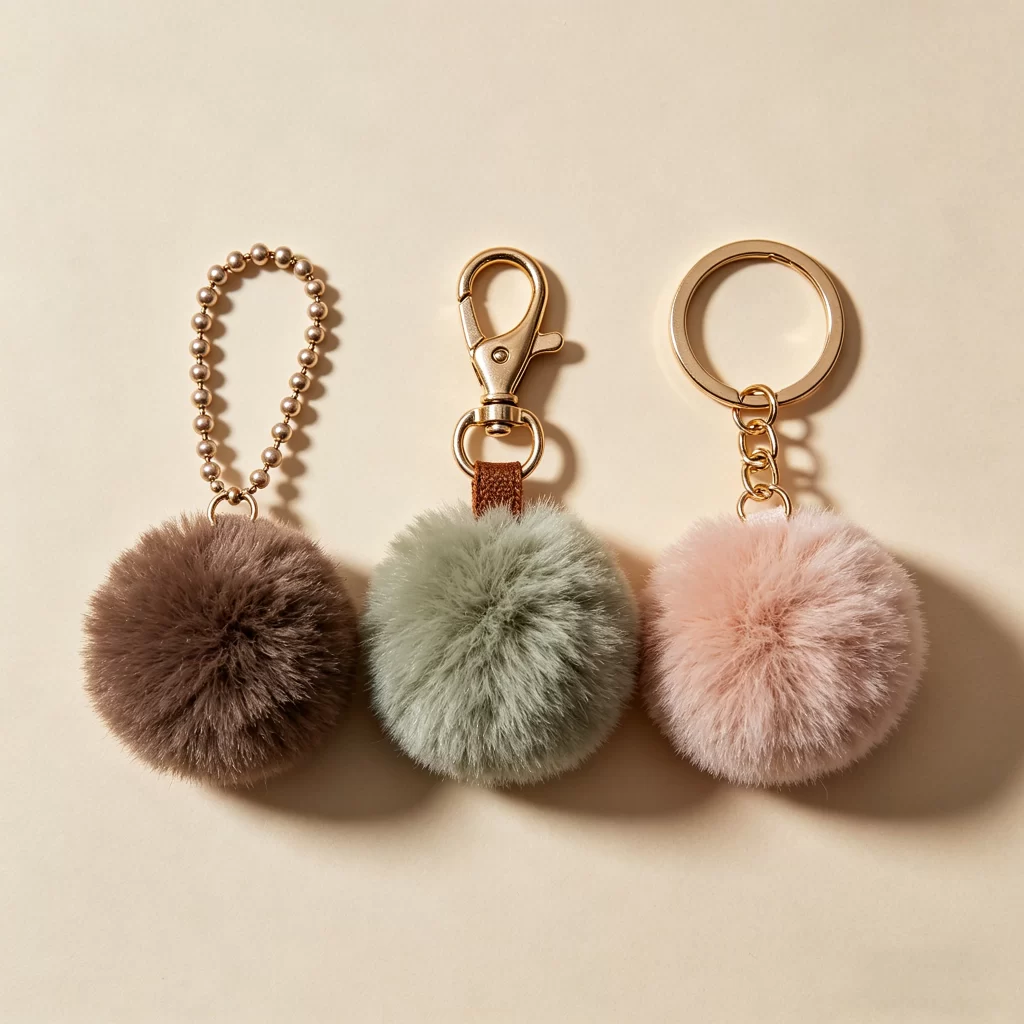
Common Hardware Options
- Ball chain → lightweight, low cost, but weaker (break force ~3–5kg)
- Lobster clasp → stronger, suitable for bags (break force ~10–15kg)
- Key ring → durable, but adds weight and cost
- Plastic clip → cost-efficient, less premium feel
In our sampling experience, switching from ball chain to lobster clasp can increase unit cost by 15–25%, but significantly improves perceived quality.
Internal Structure and Reinforcement
Internal structure defines whether the plush can handle repeated pulling forces.
Mini plush toys usually fall into two categories:
Basic Structure:
- Single stitching at attachment point
- No reinforcement layer
- Suitable for low-frequency use
Reinforced Structure:
- Double stitching or cross stitching
- Additional fabric patch inside
- Load distribution across 2–3 points
We have seen failure rates drop by over 40% when reinforcement is added at the attachment joint.
Fabric Choice vs Detail Precision
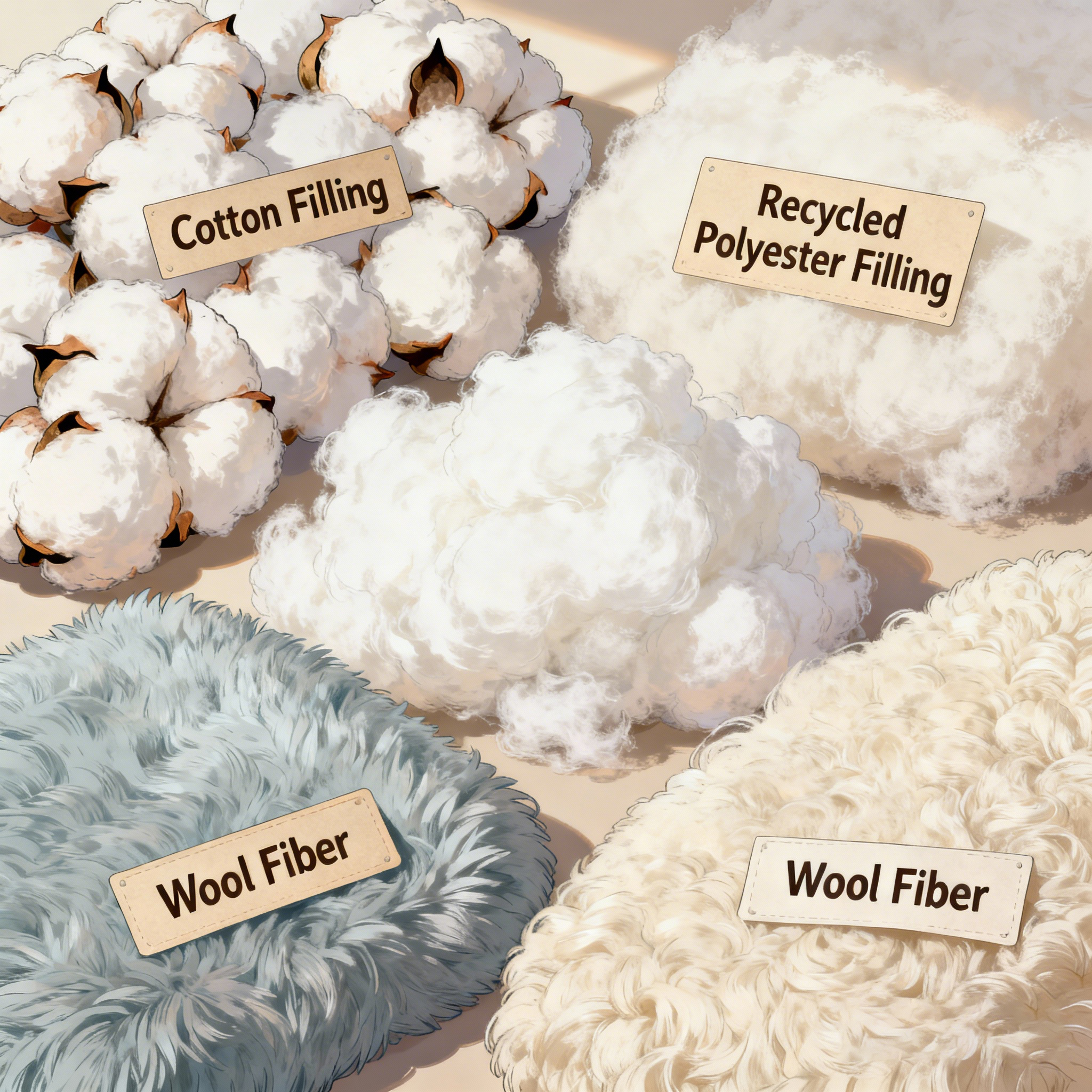
Fabric directly affects how much detail can be preserved at small sizes.
Comparison:
- Short plush → smooth, supports embroidery detail
- Velour → softer→ understand how velour fabric behaves in plush products
- Felt → stable shape, but less premium feel
For mini plush toys, we typically recommend short plush when embroidery details exceed 3–5 elements.
Stitching Quality and Durability
Stitching is the most critical durability factor in small plush products.
The difference between single and double stitching becomes more significant at small scale.
- Single stitching → cost efficient, lower durability
- Double stitching → +10–15% cost, but much stronger
- Hidden stitching → better appearance, more complex
In high-use scenarios (keychains, bags), double stitching is usually the safer option.
Sampling Challenges in Mini Plush Projects
Mini size increases sampling difficulty because proportions must be compressed.
We often see:
- Facial features becoming unclear below 8cm
- Embroidery density exceeding fabric limits
- Hardware placement interfering with shape
This is why entering sampling early is critical to evaluate feasibility.
Cost Structure and MOQ Considerations
Mini plush toys are not always cheaper than larger plush toys.
Cost drivers include:
- Hardware component (20–30% of cost)
- Manual assembly complexity
- Reinforcement requirements
Typical MOQ:
- 500–1000 pcs per design
- Small runs (200–300 pcs) possible at higher unit cost
In some cases, adding reinforcement increases cost by 10–20%, but reduces after-sales issues significantly.
Who This Product Is Suitable For
Suitable:
- Brand merchandise
- Event giveaways
- Retail keychain products
- IP derivative products
Not ideal:
- Highly detailed character reproduction
- Large embroidery surfaces
- Premium collectible plush lines
FAQ
Q1: Why do mini plush toys break at the attachment point?
Most failures occur because the load from the hardware is concentrated on a single stitching point.
Without reinforcement, repeated pulling (e.g., from bags) weakens the fabric over time.
We typically recommend adding an internal fabric patch or double stitching to distribute the force.
Q2: What is the best hardware for plush keychains?
The choice depends on usage.
Ball chains are suitable for lightweight decorative use, while lobster clasps are better for functional daily use.
From our experience, brands targeting retail prefer lobster clasps despite the higher cost.
Q3: Does smaller size reduce cost?
Not necessarily.
Although material usage decreases, labor complexity increases.
For mini plush toys, cost reduction from size can be offset by:
- tighter stitching requirements
- hardware assembly
- higher defect risk
Q4: How small can a plush toy be without losing detail?
In most projects, 8–10cm is the threshold.
Below this range, embroidery becomes less readable, and shapes lose clarity.
We usually recommend testing proportions during sampling before finalizing size.
Q5: Can mini plush toys pass safety standards?
Yes, but hardware must comply with toy products must meet U.S. safety requirements.
For example:
- metal parts must meet CPSIA limits
- attachment strength must pass pull tests
Testing is especially important for children’s products.
Q6: Is reinforcement always necessary?
No, but it depends on usage.
If the product is purely decorative, basic stitching may be sufficient.
However, for products intended for daily use (bags, keys), reinforcement is strongly recommended.