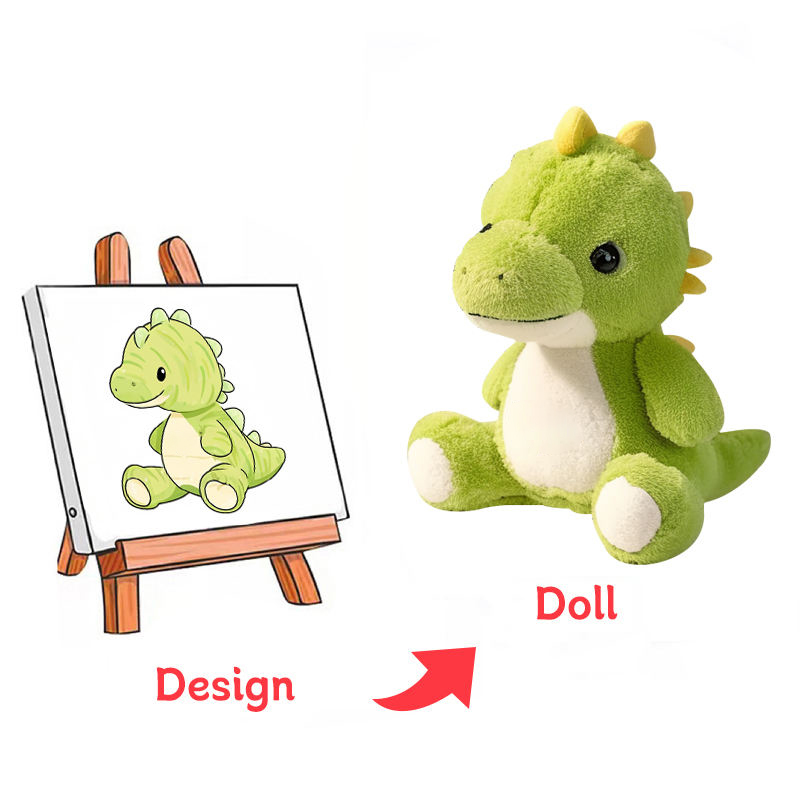
1. Why Can Plush Fabric and Embroidery Thread Look Different Under the Same Pantone Code?
Brand designers and IP managers frequently encounter a puzzling visual discrepancy when reviewing their first physical plush prototype: even though the tech pack specified the exact same Pantone code for both the plush body and the embroidered details, the finished embroidery looks noticeably brighter, darker, or warmer than the surrounding fur. For sourcing teams asking why can plush fabric and embroidery thread look different, the explanation lies in optical physics, fiber chemistry, and three-dimensional pile geometry rather than factory carelessness.
First, consider surface reflectance and pile shadow. Plush fabrics—such as 1.5 mm crystal velboa, 3 mm minky, or 10 mm faux fur—consist of jutaan upright cut fibers per square meter. When ambient light hits upright plush pile, much of the light is trapped between the vertical fibers, creating micro-shadows that make the color appear deeper and more matte. Furthermore, brushing the plush nap upward versus downward changes its apparent shade by one to two full tones. By contrast, computerized satin embroidery lays smooth, tightly twisted filaments completely flat against the surface, acting like a tiny mirror that reflects specular light directly back to the viewer’s eye.
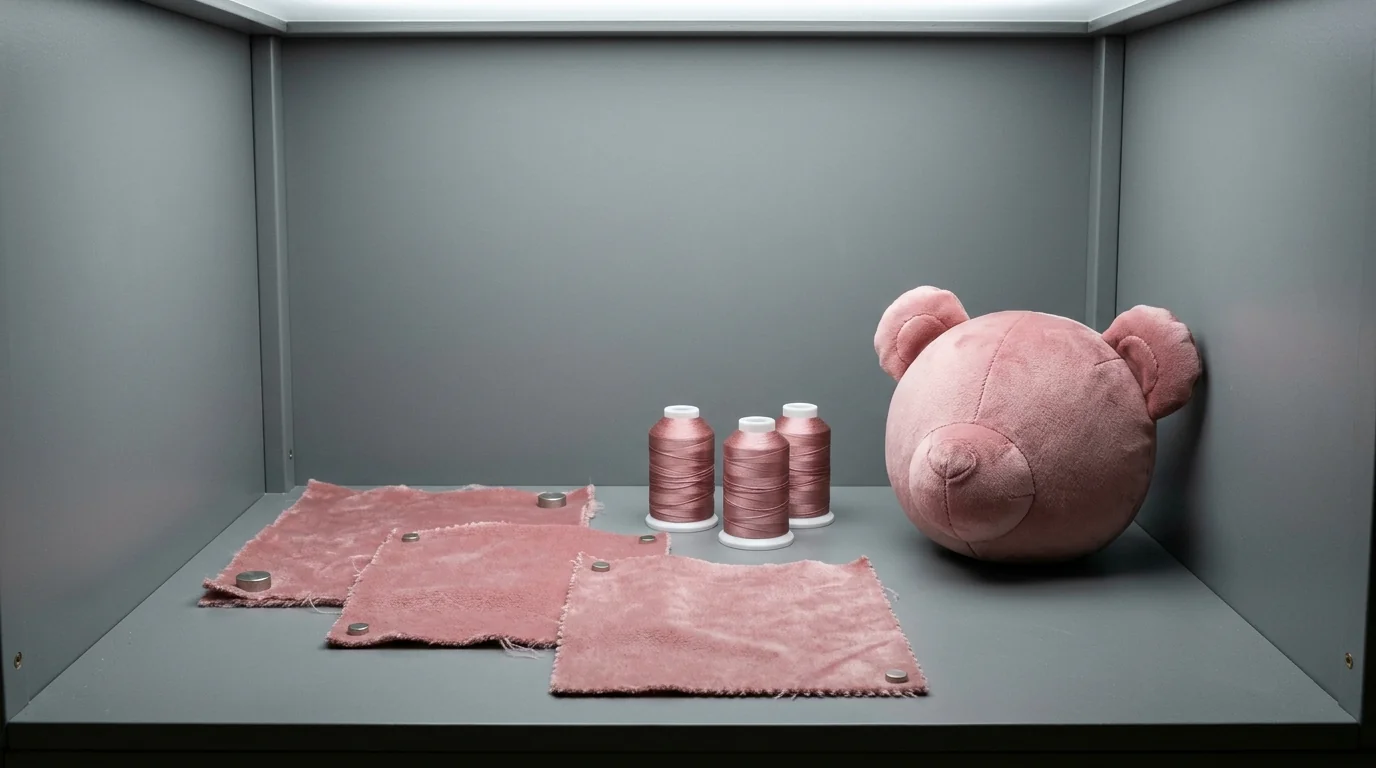
Second, base polymer chemistry differs across components. Plush shells are knitted from 100% polyester yarns dyed with high-temperature disperse dyes, whereas embroidery threads are often made from high-luster viscose rayon or trilobal polyester, and woven hangtags or satin ribbons use nylon or paper ink formulations. Achieving reliable plush toy Pantone color matching during custom plush development and fabric sourcing requires coordinating these mixed substrates visually under controlled lighting rather than relying blindly on digital screen hex codes.
2. Choosing the Right Color System: Pantone PMS (C/U) vs. Pantone FHI (TCX/TPG)
A common source of plush material shade variation begins in the graphic design phase. Illustrators typically build 2D character turnarounds in Adobe Illustrator using Pantone Solid Coated (PMS C) codes—a system engineered for glossy printing ink on white paper. Attempting to match a glossy paper ink chip onto a three-dimensional polyester plush fabric inevitably forces the dye house to approximate how ink luster translates into textile fiber.
| Color Reference System | Substrate Medium | Best Plush Project Application | Color Matching Precision on Plush |
|---|---|---|---|
| Pantone FHI Cotton (TCX) | 100% dyed cotton textile swatch | Shell fabrics (velboa, minky, fleece), knitted scarves, woven labels | Highest: textile-to-textile visual match with minimal metamerism |
| Pantone FHI Paper (TPG) | Lacquer coating on paper (lead-free) | Plastic safety eyes, silicone noses, zipper pulls, PU leather patches | High: ideal for hard trims and coated accessories |
| Pantone Solid Coated (PMS C) | Offset printing ink on glossy paper | Printed retail window boxes, coated paper hangtags, sticker seals | Moderate on fabric: high paper gloss skews darker/brighter than matte fur |
| Physical Master Swatch Cutting | Actual approved plush fabric piece | Repeat orders, multi-character series sharing core brand colors | Exact reference standard (Delta E < 1.0 across dye lots) |
Whenever possible, product developers working on complex custom anime and licensed character plush toys should specify colors using the Pantone Fashion, Home + Interiors (FHI) TCX/TPG system for soft goods, while reserving PMS Coated numbers for outer retail packaging and printed cardboard tags.
3. How Do Buyers Approve Pantone Colors for Custom Plush Toys?
When buyers ask how do buyers approve Pantone colors for custom plush toys, professional OEM workflows distinguish between **Stock Swatch Book Selection** (for orders under 1,000–2,000 units) and **Custom Mill Lab-Dip Dyeing** (for larger volume programs or strict corporate mascot colors):
- Step 1: Stock Shade Screening & Embroidery Thread Book Matching: For trial runs or multi-color assortments, the factory pulls the three closest physical stock fabric cuttings (e.g., A, B, and C options in crystal velboa) alongside physical embroidery thread windings, photographing them side-by-side next to the physical Pantone chip.
- Step 2: Custom Lab Dips (A/B/C Beaker Dyeing): When custom vat dyeing is required, the textile mill dyes three slightly varied small fabric swatches (Lab Dip A, B, and C—varying by ±3% in red, yellow, or blue dye concentration) so the buyer can pick the exact visual match.
- Step 3: Standardized D65 Light Box Evaluation: To prevent metamerism—where two materials match under warm office bulbs but clash violently under retail store LEDs—lab dips and embroidery threads must be compared inside a calibrated D65 artificial daylight cabinet (6500K) and TL84 store light.
- Step 4: Spectrophotometer Delta E (ΔE) Verification: For strict corporate IP programs, quality labs measure the dyed plush swatch with a spectrophotometer, targeting a color difference tolerance of ΔE ≤ 1.5 for solid flat fabrics and ΔE ≤ 2.0 for long-pile plush.
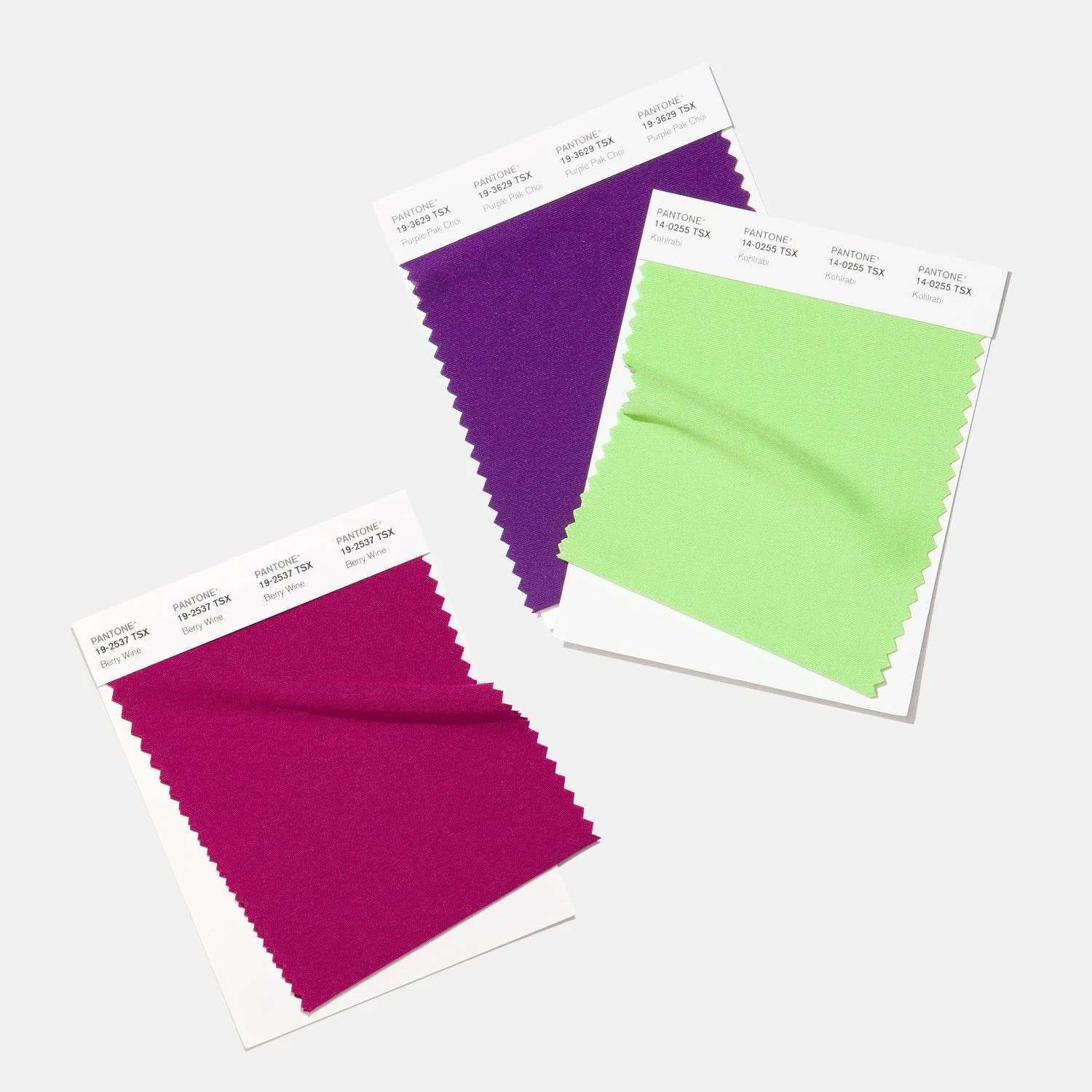
When coordinating embroidery thread color matching against plush fur, experienced designers intentionally choose an embroidery thread shade that is **half a tone deeper or less saturated** than the plush shell swatch, compensating for the high specular sheen of satin stitches so the finished feature blends harmoniously.
4. What Should a Plush Fabric Color Approval Sample Include?
To lock in custom plush color consistency before bulk cutting begins, never approve color from a smartphone photo taken under yellow desk lamps. When asking what should a plush fabric color approval sample include, require your OEM partner to submit a physical **Master Color Approval Card** containing:
1. **A 10 × 10 cm Swatch of Each Shell Fabric**: Stamped on the backing with an arrow indicating the vertical pile direction (nap direction), fabric GSM weight, and pile height in millimeters.
2. **Actual Embroidery Strike-Off on the Target Fabric**: Rather than taping loose thread strands to paper, the factory should stitch the actual eye, nose, or logo embroidery directly onto a piece of the approved shell fabric so you can judge thread sheen against the fur pile.
3. ** Dye Lot & Chemical Compliance Confirmation**: Written verification that the disperse dyes and pigments used on the approved swatches meet plush toy safety standards and chemical regulations, including azo-free dye restrictions, ISO 105 colorfastness to saliva/perspiration, OEKO-TEX Standard 100, and heavy-element migration limits under U.S. CPSC / ASTM F963 and European EN 71-3 toy safety directives.
5. Frequently Asked Questions (FAQ)
Q: Why does the exact same plush fabric roll look two different colors on the left and right sides of a toy?
A: This happens when cutting operators lay pattern pieces in opposite pile directions (one panel with the fur nap brushing down, the adjacent panel brushing up). Strict cutting room markers must orient all pattern pieces in a single downward nap direction so light reflects uniformly across the body.
Q: How long does custom Pantone lab-dip dyeing take for plush fabrics?
A: Developing custom A/B/C beaker lab dips at the dye house typically takes 5 to 7 working days. Once you sign off on the winning lab dip, bulk vat dyeing and heat-setting require an additional 12 to 15 days before the fabric rolls arrive at the sewing factory.
Q: Can sublimation printing on plush match Pantone colors as accurately as vat-dyed fabric?
A: Dye-sublimation printing transfers CMYK heat-press ink onto white short-pile velboa or peach-skin fabric. While ideal for complex gradients and all-over patterns, sublimation has a slightly narrower color gamut than vat dyeing (especially for neon shades or deep navy) and shows white base fibers if the pile is parted.
Q: What is the acceptable shade variation between lab dips and bulk production fabric?
A: In commercial textile dyeing, bulk vat production is held to a Gray Scale rating of Grade 4–5 (or Delta E ≤ 1.5 to 2.0) against the approved lab dip. When ordering large runs that span multiple dye vats, factories segregate rolls by dye lot so panels from different vats are never sewn onto the same individual toy.
Q: Should we match thread colors to the Pantone book or directly to the dyed plush fabric?
A: For tonal seams (sewing thread) and matching features, always match the thread visually to the actual dyed plush fabric swatch under D65 daylight rather than the paper Pantone book, ensuring the thread disappears cleanly into the seam line.
6. Achieve Accurate Brand Color Execution With Wehao Toys
Need Precision Pantone Color Matching for Your Brand Mascot or Licensed Plush Line? From D65 light-box lab-dip evaluations and physical stock swatch books to actual embroidery strike-offs on target fabrics, Wehao Toys helps global brands eliminate shade surprises between 2D artwork and bulk production. Contact Wehao Toys for a Custom Plush Toy Project today to share your Pantone specifications and request physical fabric and thread swatch comparisons.