
Quick Answer
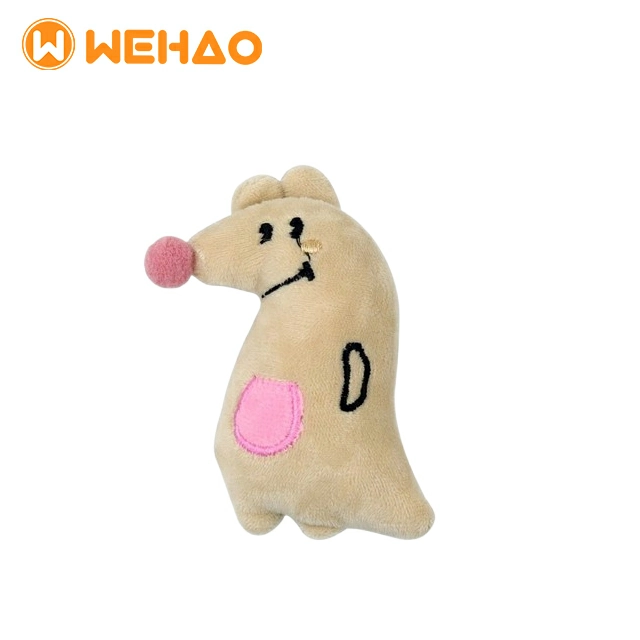
A 10.5 cm beige mouse plush cat toy designed for indoor batting, grabbing, mouthing, and boredom-relief play. The current design uses a soft plush exterior with PP cotton filling and contains no catnip, sound module, or additional functional insert, while OEM and ODM customization is available for pet brands, retailers, and private-label programs.
Product Overview
This mouse-shaped plush cat toy measures approximately 10.5 cm and uses a soft plush exterior with PP cotton filling. Its compact size supports indoor play where cats can bat, grab, carry, mouth, and move the toy during everyday activity and boredom-relief interaction.
Customization Process
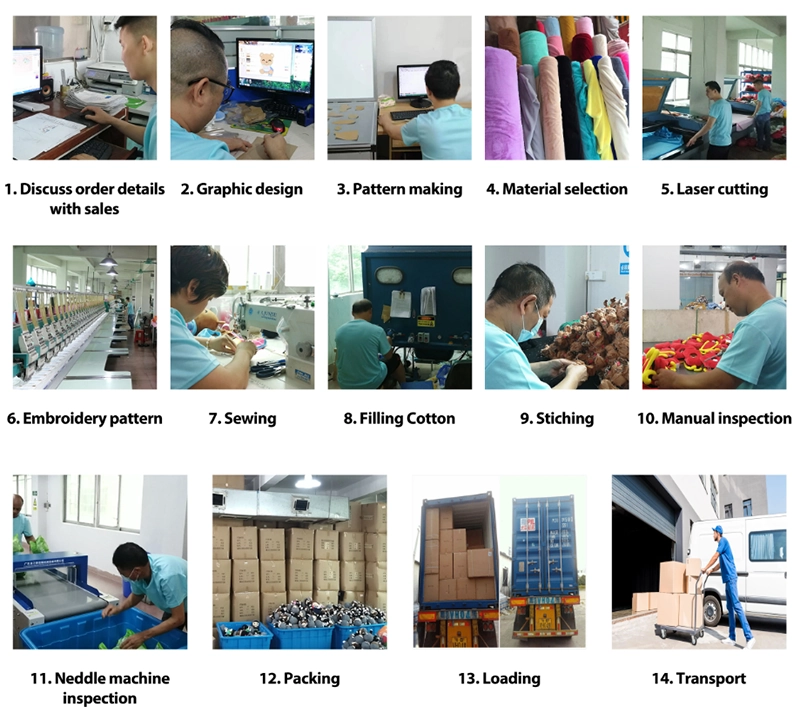
Development of a custom cat plush toy starts by defining the intended interaction, target dimensions, weight, softness, and overall product positioning. For small mouse-style toys, pattern proportions and filling distribution are particularly important because excessive weight or stuffing can reduce movement responsiveness when the toy is batted, pushed, carried, or tossed during indoor play.
During sampling, fabric texture, pattern balance, filling density, seam placement, embroidery areas, and optional sensory components are reviewed together. The prototype can then be adjusted for softness, flexibility, dimensional consistency, stitching quality, and the security of any textile extensions or functional modules required by the buyer.
After sample approval, the confirmed pattern, fabric specification, filling quantity, sewing method, color references, logo position, labels, and packaging are standardized for bulk production. Catnip, silvervine, crinkle film, bells, feathers, or other sensory elements are treated as optional modules and are only incorporated when included in the approved project specification.
Customization Options
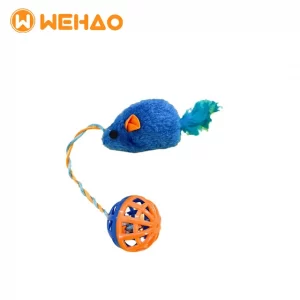
Small cat plush toys can be customized around prey-inspired proportions, lightweight movement, tactile variation, and feline enrichment rather than the heavier construction commonly used for dog tug or chew toys. Buyers can keep the structure simple and silent or develop multiple sensory versions for different retail price points and product collections.
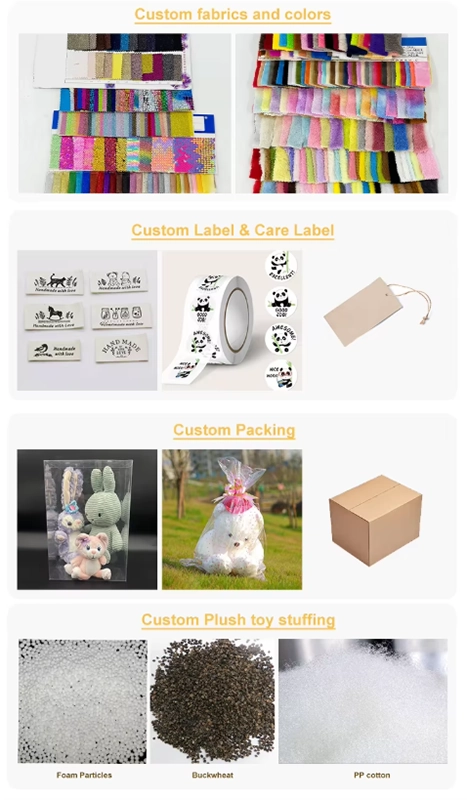
- Shape and Proportion: Mouse, fish, insect, bird, animal, food, character, and other compact forms can be developed, with body proportions adjusted for batting, chasing, carrying, grabbing, or longer kicking interaction.
- Surface Material: Plush, short-pile plush, fleece, velvet, corduroy, and mixed-texture fabrics can be evaluated according to softness, appearance, tactile contrast, and target retail positioning.
- Filling Density: PP cotton quantity and distribution can be adjusted to control softness, body volume, weight, and flexibility without unnecessarily making a small cat toy heavy.
- Scent Modules: Standard catnip, silvervine, blended botanical fillings, or separate scent pouches can be evaluated when specifically required. Scent ingredients are not automatically included in standard PP-cotton designs.
- Sound Modules: Silent construction is available, while crinkle film, rustle materials, or lightweight bells can be evaluated for product lines requiring additional sensory response.
- Prey-Like Extensions: Textile tails, ribbons, loops, feathers, or flexible appendages can be developed as optional interactive details, with attachment structure reviewed during sampling.
- Branding: Embroidery, printed artwork, woven labels, care labels, hangtags, barcode labels, and private-label elements can be customized according to brand requirements.
- Collection Variations: One product concept can be developed into different colors, surface textures, animal shapes, sensory configurations, or size groups to create a coordinated cat toy assortment.
Manufacturing Services
Wehao provides OEM and ODM manufacturing support for custom cat plush toys covering concept evaluation, pattern development, material sourcing, sampling, cutting, embroidery or printing, sewing, filling, closing, shaping, inspection, labeling, and export packaging.
For small cat toys, bulk-production control includes pattern accuracy, filling-weight consistency, seam cleanliness, shape balance, and secure installation of any approved sensory or textile components. Production references are established from the approved sample so dimensions, materials, softness, branding positions, and overall appearance can remain consistent across the order.
Certifications & Standards
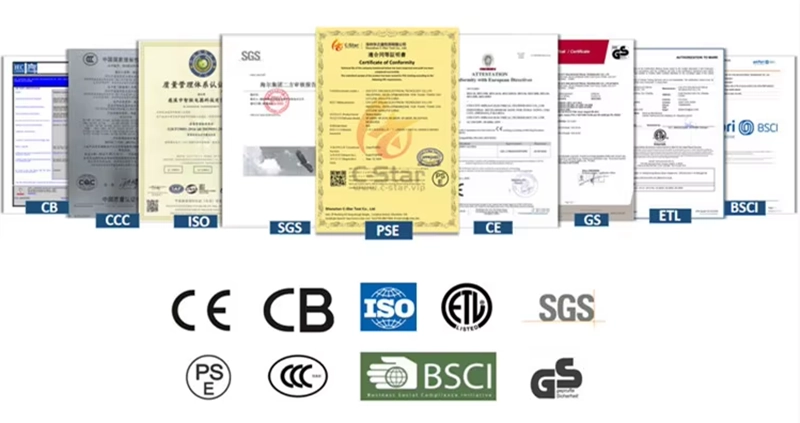
Pet plush toys do not currently have one universal international certification system equivalent to a single mandatory global pet-toy standard. Compliance requirements should therefore be confirmed according to the destination market, retailer requirements, product materials, construction, and any functional components included in the finished design.
- Fabric, filling, printing, and accessory materials can be reviewed against applicable chemical or buyer-specific restricted-substance requirements.
- Stitching and attached textile details can be evaluated according to expected pawing, mouthing, and repeated indoor interaction.
- Material consistency, colorfastness, workmanship, and filling control can be incorporated into project-specific quality requirements.
- REACH-related chemical testing or other market-specific assessments can be coordinated when applicable to the destination and buyer requirements.
- Third-party testing can be arranged according to the actual test scope requested by importers, distributors, retailers, or brand owners.
Packaging & Logistics
Custom mouse plush cat toys can use standard protective bag-and-carton packing or be developed with private-label packaging such as hangtags, header cards, paper boxes, display cards, barcode labels, and e-commerce packaging. Packaging dimensions are normally finalized after sample confirmation so protection, shelf presentation, and shipping volume can be evaluated together.
Bulk orders can be shipped by express, air freight, or sea freight depending on destination, order quantity, required delivery time, and packaging volume. For compact plush cat toys, carton configuration and packing density can also be reviewed to improve space utilization and reduce avoidable international freight volume.

FAQ
Q1: Why are mouse shapes commonly suitable for compact cat toy development?
A: A mouse-style form can be kept small, light, and easy to move during batting, grabbing, and carrying interaction. The exact body proportions should still be developed according to the intended size, weight, and play style rather than relying on one standard mouse pattern.
Q2: Can this mouse plush cat toy be customized with catnip later?
A: Yes. Catnip, silvervine, or another buyer-approved sensory filling can be evaluated as an optional version. The current product specification contains PP cotton only and should not be described as a catnip toy unless the filling is actually changed.
Q3: Can a textile tail or feather detail be added to a custom mouse cat toy?
A: Yes. Textile tails, ribbons, feathers, and similar extensions can be considered during development. Their material, length, attachment position, and fixation method should be reviewed during sampling according to the intended interaction.
Q4: Can the toy be made lighter or flatter for more movement?
A: Yes. Pattern thickness, filling amount, filling distribution, and fabric selection can be adjusted to change the finished weight and flexibility. These variables can be tested during sampling before the bulk specification is finalized.
Q5: Can different fabrics be combined on one cat plush toy?
A: Yes. Buyers can combine plush with short-pile fabrics, corduroy, fleece, velvet, or other suitable textile surfaces to create visual and tactile contrast, subject to material availability and project requirements.
Q6: What is the MOQ for this custom mouse plush cat toy?
A: The MOQ is 500 pieces per design under the current product setting. Final production conditions can vary when a project uses multiple fabrics, colors, special sensory modules, or complex retail packaging.
Q7: Can one mouse design be developed into a complete retail collection?
A: Yes. A buyer can create related versions using different colors, fabrics, sizes, sensory functions, branding, or packaging while maintaining a consistent visual concept for the collection.
Ending
A compact mouse plush cat toy provides a flexible starting point for indoor cat toy collections focused on lightweight interaction and simple construction. Wehao supports customization of dimensions, fabric, filling density, colors, sensory modules, branding, labels, and retail packaging from prototype development through bulk manufacturing. Buyers can provide artwork, reference images, target size, required functions, order quantity, destination market, and packaging specifications for project evaluation and quotation.