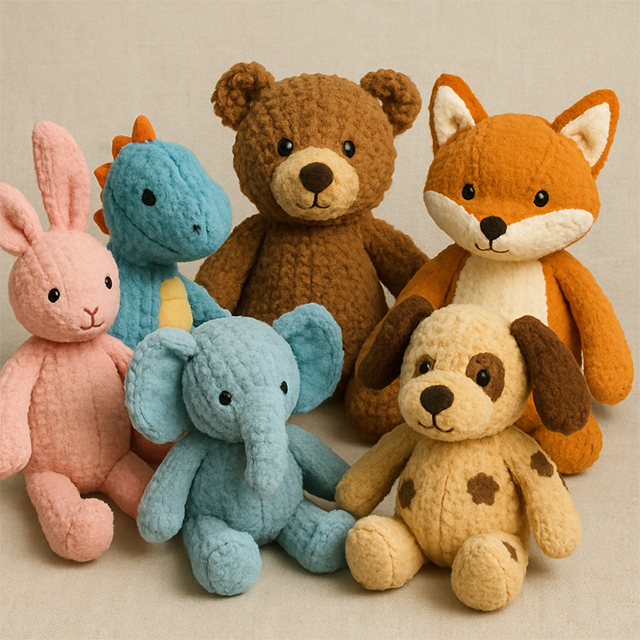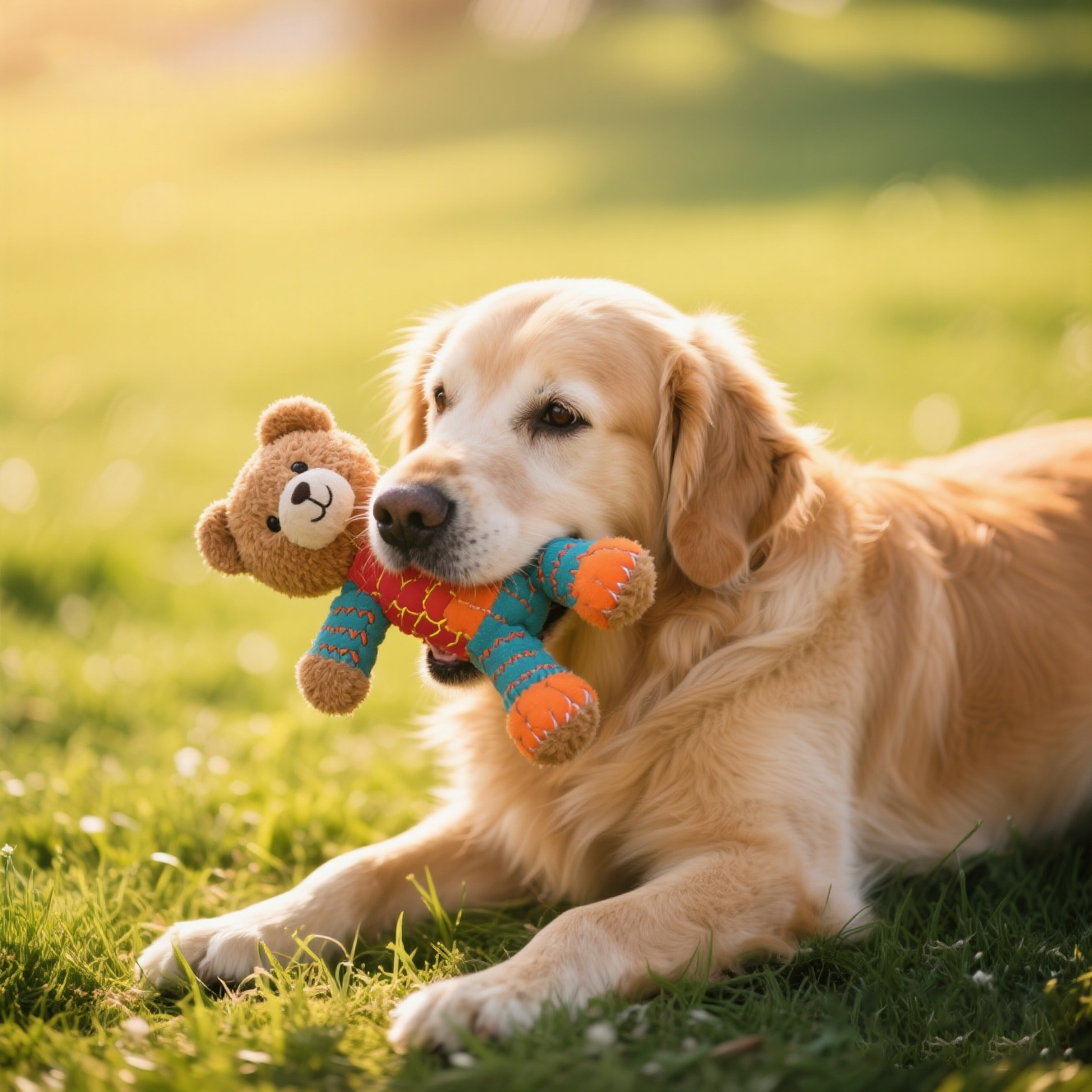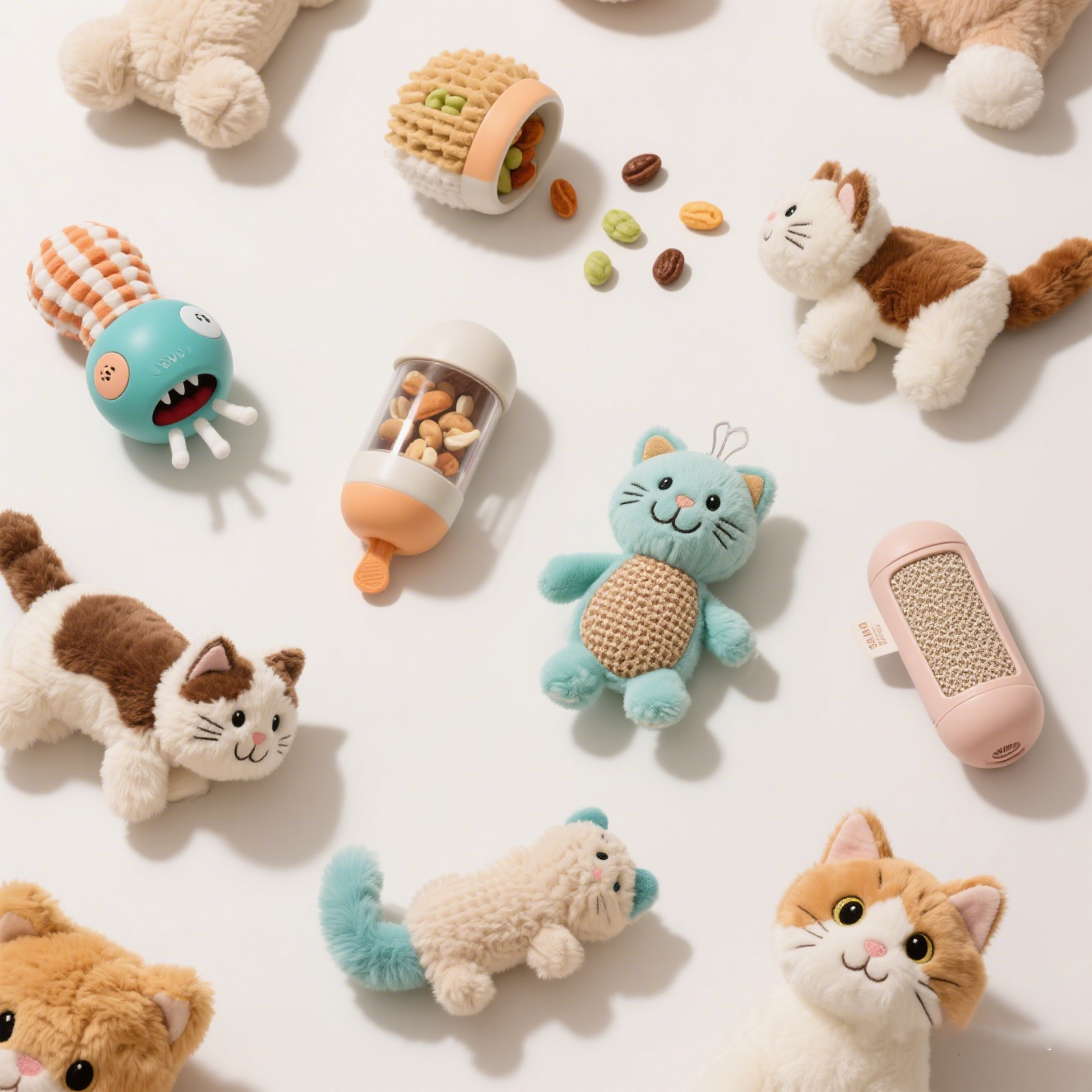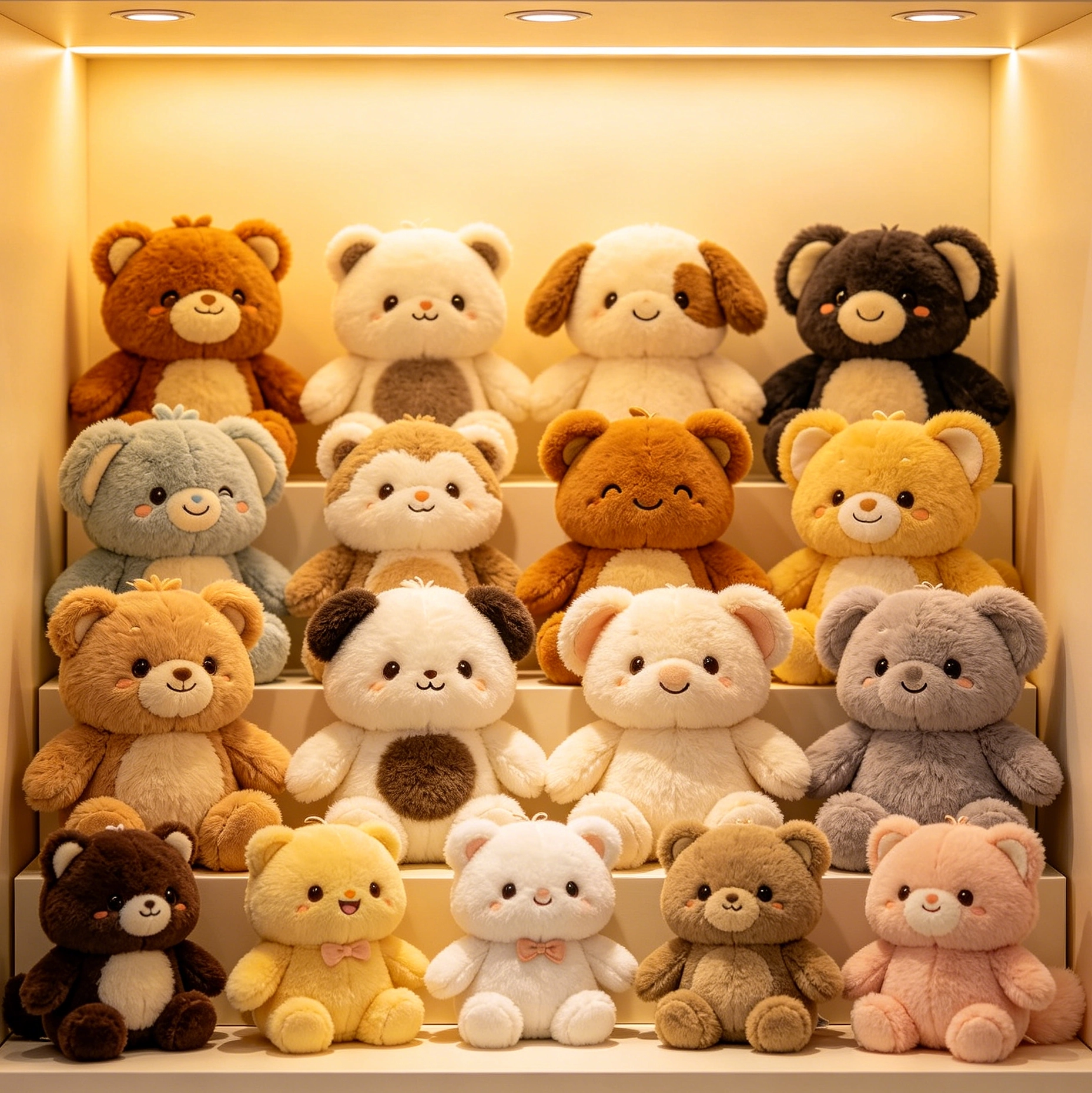

Many pet owners prefer gifts that feel personal and useful. Personalized plush pet toys are popular because they combine emotional value with daily play use.
A well-designed custom pet toy should match the pet’s size, play style, and safety needs. Material choice and toy structure matter more than decoration alone.
Why Personalized Pet Gifts Continue to Grow
Pet owners increasingly treat pets as family members. This changes how people choose gifts for birthdays, holidays, and adoption celebrations.
Soft plush toys remain popular because they are familiar and easy to customize. Brands can add names, pet likeness designs, holiday themes, or interactive functions.
In our sampling experience, buyers also prefer products that balance appearance and practical use. A toy that looks attractive but tears quickly often leads to poor repeat purchase rates.
Many retailers now focus on:
- washable materials
- reinforced seams
- safe embroidery
- low-noise squeakers
- pet-safe filling materials
These features improve both user experience and product stability.
What Makes a Good Personalized Plush Pet Toy
A personalized toy should still perform like a functional pet toy. Custom printing or embroidery alone is not enough.
Material Safety Matters First
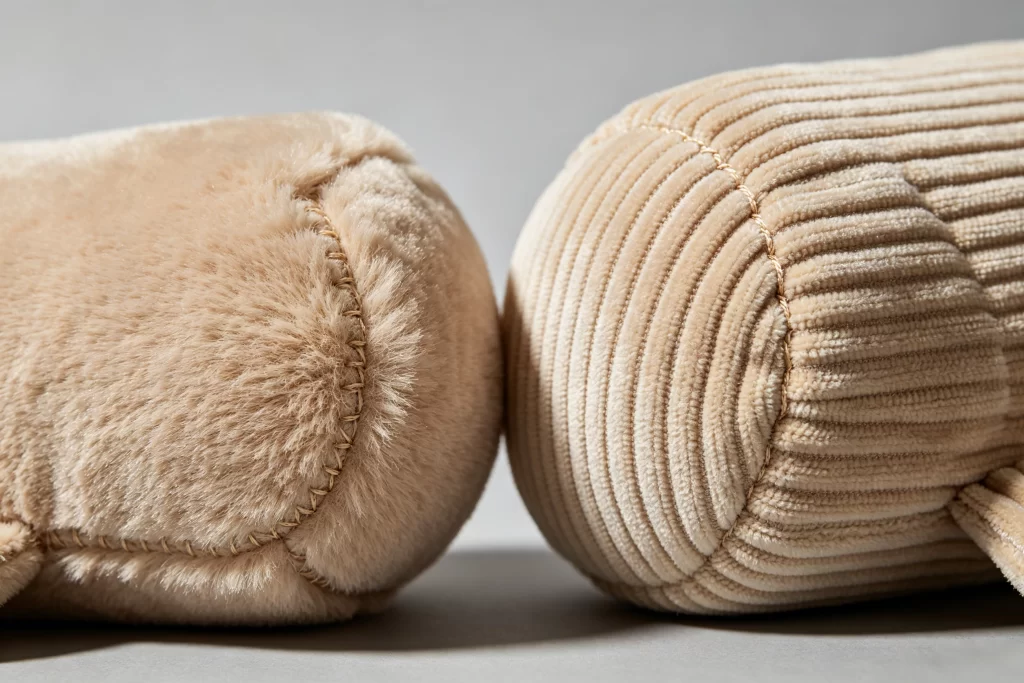
Short-pile plush fabrics are commonly used because they are soft and easier to clean. They also reduce loose fiber exposure compared with longer faux fur materials.
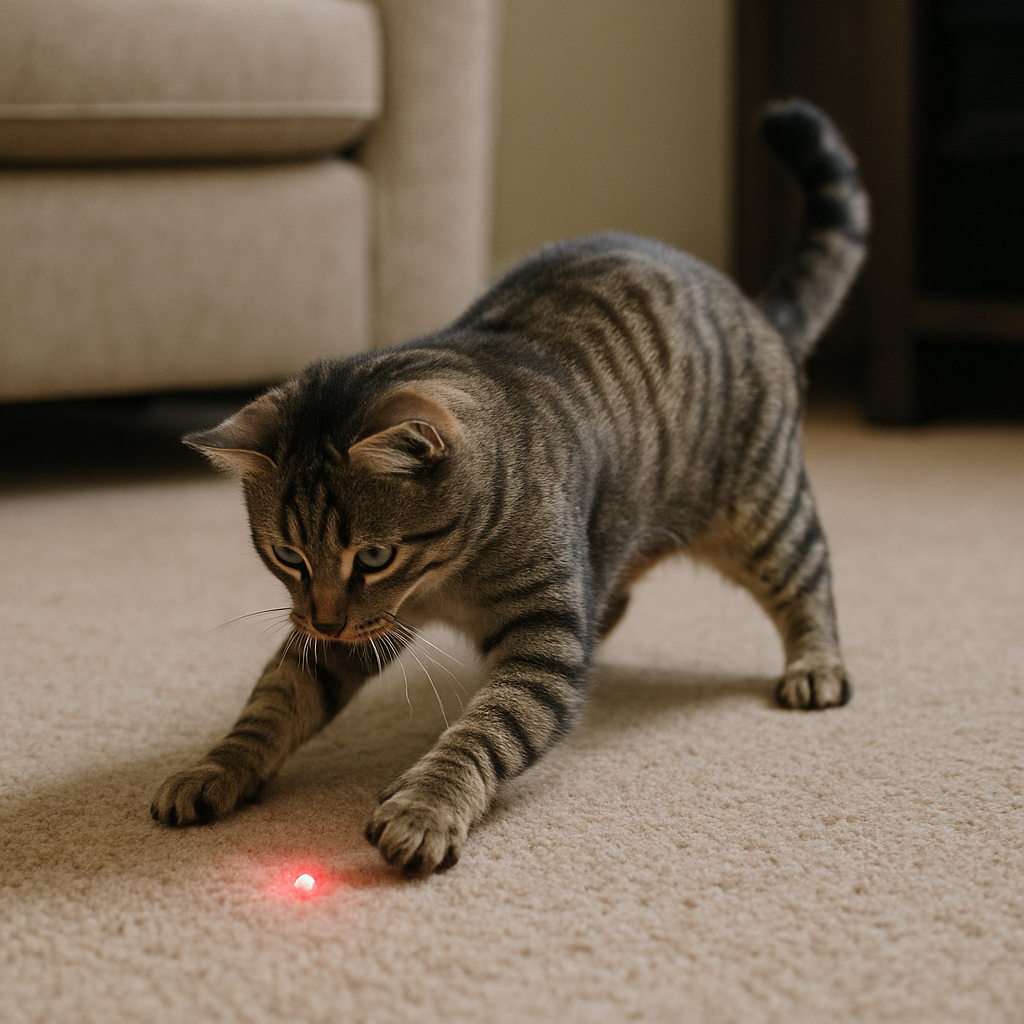
For cat toys, soft plush combined with catnip pouches is common. The catnip compartment should stay separated from the outer seam area to reduce leakage risk.
Some buyers also prefer recycled polyester filling. This filling keeps a stable shape after compression and supports washable designs.
Seam Strength Is Important for Dogs
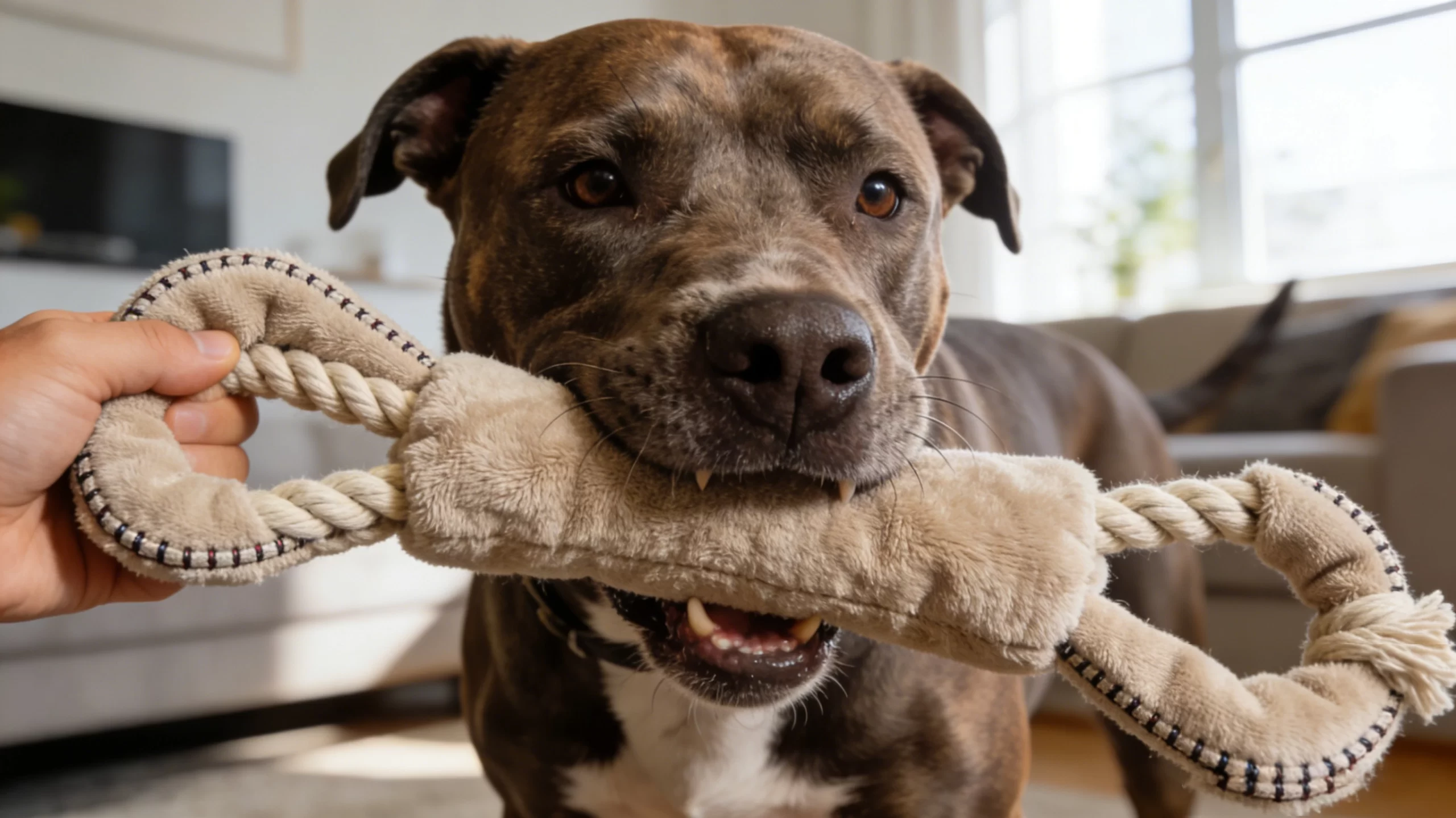
Dogs usually bite the toy edge first. This puts pressure on the seam rather than the center fabric.
Double stitching and reinforced edge binding can help reduce early tearing. This is especially important for squeaky plush dog gifts designed for medium or large dogs.
During pet toy development, we usually observe that weak seams fail earlier than the fabric itself.
Squeaker Placement Affects Durability
Loose squeakers move during play. This increases internal friction and seam stress.
A secured squeaker pouch creates better stability. It also helps keep the toy shape more balanced after repeated chewing.
Popular Types of Personalized Plush Pet Gifts
Personalized Plush Toys for Dogs
Dog toys usually focus on interaction and chewing engagement.
Common customization options include:
- pet name embroidery
- custom mascot shapes
- birthday themes
- rope-plush hybrid structures
- squeaker combinations
Corduroy and canvas-like fabrics are sometimes added to improve abrasion resistance.
Buyers sourcing for aggressive chewers often choose layered fabric structures instead of single-layer plush bodies.
You can also explore structured options through Custom Dog Toys and Custom Plush Toys.
Personalized Plush Toys for Cats
Cats usually prefer lighter toys with movement response.
Popular features include:
- catnip filling
- crinkle paper layers
- dangling tails
- mini plush formats
- lightweight stuffing
Smaller plush toys often create better batting movement for cats.
Overfilled cat toys may feel stiff and reduce interaction interest.
How Pet Brands Choose Personalized Pet Toys
B2B buyers usually evaluate more than appearance.
Retail Positioning
Boutique stores often prefer lower MOQ designs with stronger visual identity.
Mass retail channels usually prioritize:
- consistent sizing
- easier packaging
- repeatable color control
- simplified embroidery details
Personalized toys with excessive accessories may increase sampling complexity and lead time.
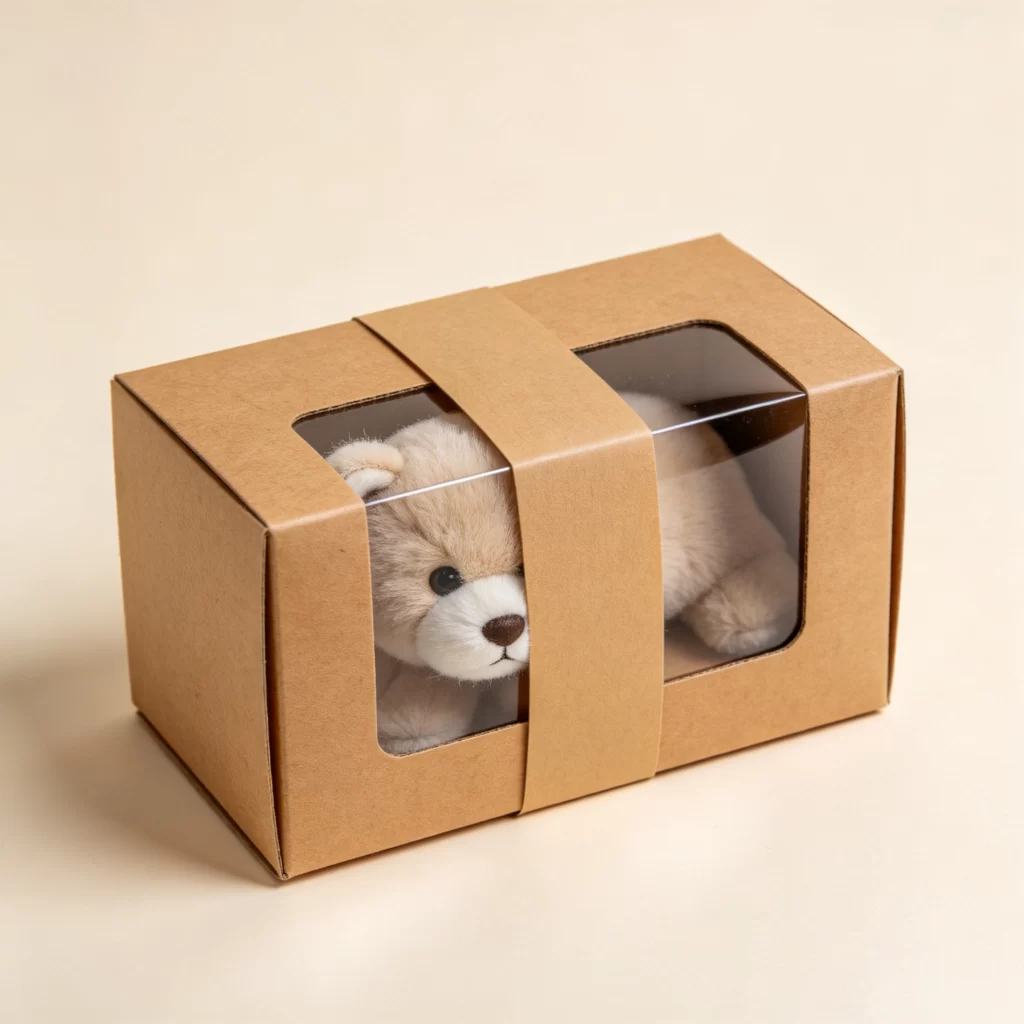
Packaging Compatibility
Gift-oriented pet toys often use:
- holiday backing cards
- kraft paper belly bands
- recyclable packaging
- window gift boxes
Packaging size also affects shipping efficiency. Oversized plush toys increase carton space quickly.
Sampling Before Bulk Orders
Before moving into bulk production, buyers usually test:
- seam tension
- embroidery accuracy
- squeaker stability
- washing performance
- stuffing consistency
Sampling helps identify structural issues early.
This is especially important for custom mascot-style plush toys with complex shapes.
For brands developing custom collections, Design & Sampling can support material and structure evaluation before launch.
Personalized Pet Gifts by Occasion
Different sales seasons require different product directions.
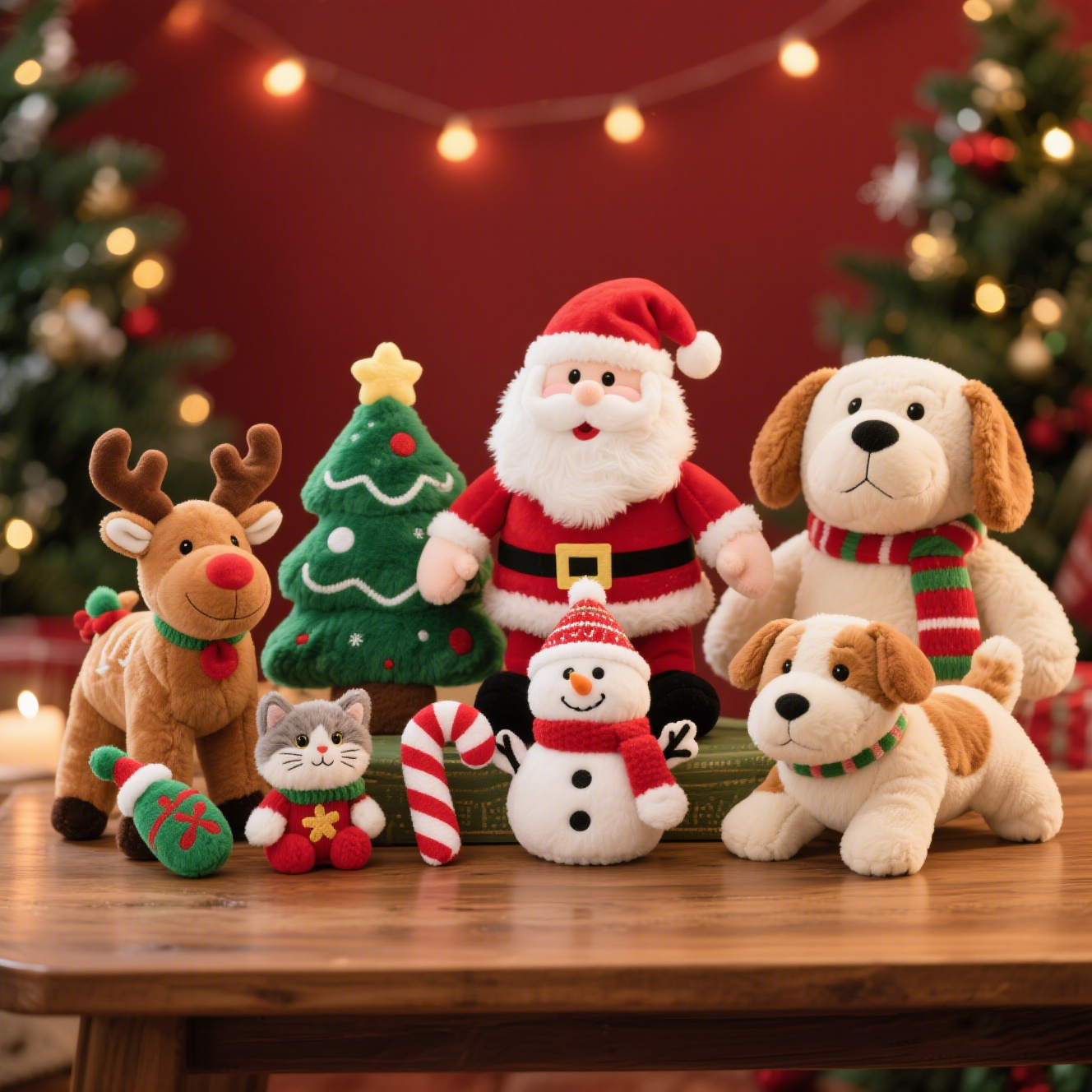
Holiday Plush Pet Toys
Holiday collections often use:
- Christmas animal themes
- pumpkin plush shapes
- heart-shaped toys
- seasonal colors
Soft textures are usually preferred because they fit gift positioning better.
Memorial or Pet Portrait Toys
Some brands develop plush toys based on real pets.
These projects require careful embroidery simplification because very detailed facial stitching may reduce production consistency.
Short-pile plush usually gives cleaner portrait outlines compared with long faux fur fabrics.
Promotional Mascot Plush Toys
Pet brands sometimes create custom mascots for subscription boxes or marketing campaigns.
These toys often focus more on visual identity than heavy chewing resistance.
Simple structures usually improve cost control and sampling speed.
FAQ
What materials are commonly used in personalized plush pet toys?
Most plush pet toys use polyester plush fabric and PP cotton filling.
Some products also combine corduroy, canvas-like fabric, rope, or crinkle layers. Different materials affect texture, durability, and washing performance.
For cat toys, lightweight filling is often preferred because it improves batting movement.
For dog toys, reinforced fabrics may improve chewing resistance.
Are personalized plush pet toys safe for dogs?
Safety depends more on structure than decoration.
Embroidery is usually safer than glued plastic decorations because small detached parts may create swallowing risks.
A reinforced seam can reduce early tearing risk because dogs often bite along the edge first.
Toy size should also match the dog’s mouth size and chewing strength.
What makes a plush dog toy more durable?
Layered fabric structures usually perform better than thin single-layer plush.
Double stitching and reinforced edge binding can also improve seam stability during repeated chewing.
Secured squeaker pouches help reduce internal movement damage.
However, plush toys are generally not designed for extreme destructive chewing.
Why do cat toys often include catnip or crinkle paper?
Catnip helps increase play interest for many cats.
Crinkle paper creates sound feedback during batting and biting interaction.
These features support hunting-style play behavior without requiring electronic components.
The placement of catnip and crinkle layers should avoid direct seam pressure areas.
How should personalized plush pet toys be cleaned?
Surface washing works for many plush toys.
Machine washing may be suitable if the toy uses stable stitching and balanced filling density.
Overwashing can weaken seams over time, especially on toys with multiple accessory parts.
Air drying is usually preferred over high heat drying.
What should buyers prepare before custom sampling?
Clear reference artwork is important.
Buyers should also define:
- target pet size
- squeaker requirements
- embroidery style
- packaging direction
- expected retail positioning
This helps reduce revision cycles during sampling.
What MOQ is common for custom plush pet toys?
MOQ depends on toy complexity, material combinations, and packaging type.
Simple plush shapes usually support lower MOQs.
Complex mascot structures or multi-accessory designs may require higher quantities because of material preparation and sampling adjustments.
How can retailers evaluate a pet toy supplier?
Retailers should focus on:
- sampling communication
- material understanding
- seam structure knowledge
- safety awareness
- consistency during revisions
A supplier that explains structural tradeoffs clearly is usually easier to work with during product development.
For customization discussions or sampling support, brands can Contact Us for project evaluation.
Conclusion
Personalized plush pet toys continue to grow because they combine emotional value with functional play.
A successful pet gift product should balance:
- appearance
- safety
- durability
- interaction
- practical retail positioning
For B2B buyers, material selection and structural details matter more than decorative customization alone.
Careful sampling and testing can reduce later quality risks and improve long-term product consistency.