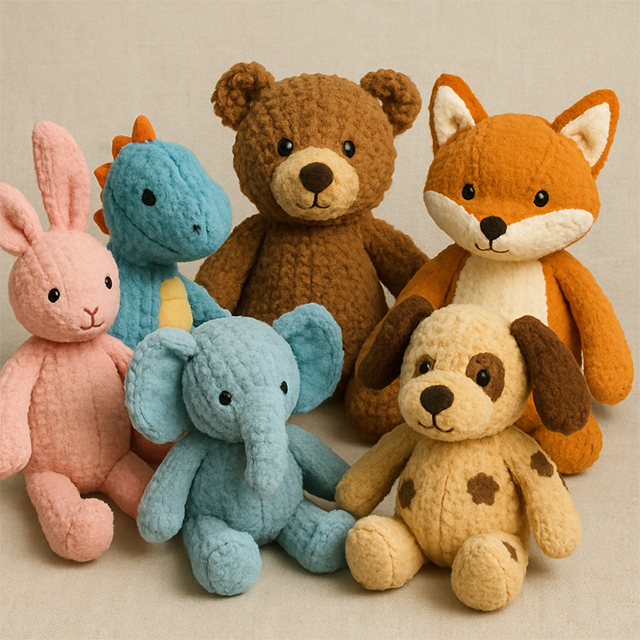

Quick Answer: Adults Are Buying Stuffed Animals for Comfort, Identity, and Collecting
Adults are buying stuffed animals again because plush toys now serve many roles beyond childhood play. They offer emotional comfort, nostalgia, stress relief, personal identity, decoration, gifting value, and collectible appeal.
This is not just a small online trend. According to Circana, adults continue to drive toy market growth. In the U.S., Circana reported that toy sales for recipients aged 18 and older increased by 18% in the first half of 2025. Grand View Research reports steady growth in the stuffed animals and plush toys market, supported by licensed characters, gifting, e-commerce, premium materials, and adult collectors.
For plush toy brands, this means one thing: adults are no longer only buying plush toys for children. Many are buying them for themselves, their homes, their collections, their fandoms, and their emotional routines.
Adult Stuffed Animals Are No Longer Seen as Childish
In the past, stuffed animals were mainly treated as children’s toys. Today, that boundary is much softer.
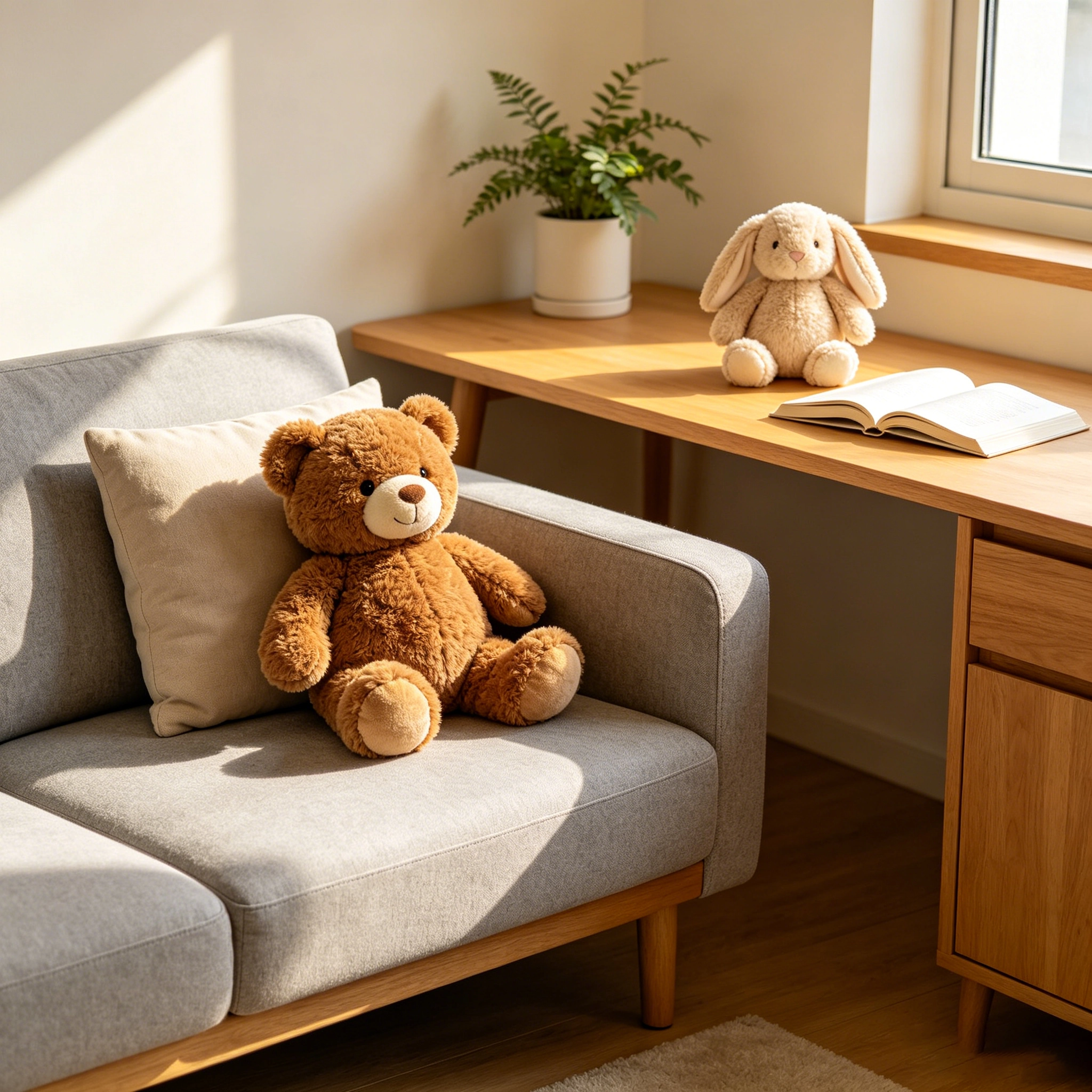
Many adults now see plush toys as lifestyle products. A small plush keychain can be a bag charm. A soft character plush can sit on a work desk. A premium stuffed animal can become part of a bedroom, sofa, car interior, or content photo setup.
This shift is connected to the rise of “kidult” culture. A kidult buyer is an adult who still enjoys products linked to play, nostalgia, characters, and collecting. For plush toys, this is especially important because softness is easy to understand. It does not need instructions. It gives an instant emotional feeling.
For brands, this changes the design direction. Plush toys for adults should not look like simple children’s products with larger sizes. They often need better styling, stronger character identity, cleaner details, and more thoughtful packaging.
Emotional Comfort Is a Major Reason
TIME has reported on how soft comfort objects may help adults feel comfort during stress.
A plush toy is soft, familiar, and easy to hold. For many people, that simple physical feeling can create a sense of calm. TIME has reported on adults using soft comfort objects such as stuffed animals, weighted blankets, and plush cushions for stress, anxiety, grief, isolation, or memory-related comfort. The article also notes that the science behind comfort objects is still developing, so brands should be careful not to make medical claims.
This point matters for product writing. A brand can say a plush toy is soft, comforting, huggable, or suitable for relaxing routines, while still following proper children’s plush toy safety standards when the product may also be sold to younger users. But it should avoid saying the toy “treats anxiety” or “cures stress.”
A better message is:
This plush toy is designed for soft touch, daily comfort, and quiet personal moments.
That feels honest. It also matches how many adult buyers actually use these products.
Nostalgia Makes Plush Toys Feel Personal
Adults often buy stuffed animals because they connect with childhood memories.
A teddy bear, bunny, puppy, cat, or character plush may remind someone of a safer time. It may also remind them of a cartoon, game, book, family gift, or old bedroom. This emotional link is hard for many other product categories to copy.
Nostalgia also helps explain why classic plush forms still work. Teddy bears, animals, soft dolls, and simple mascots continue to sell because they are easy to understand. Buyers do not need a complex reason. They simply feel familiar.
However, nostalgia alone is not enough. Adult buyers usually expect better execution than children do. They notice facial expression, fabric texture, proportion, color, stitching, and whether the product feels cheap.
In our sampling experience, small face changes can completely change how an adult buyer reacts. A slightly lower eye position may make the plush look calmer. A shorter pile fabric may make it look more refined. A softer body may make it better for hugging, while a firmer body may make it better for display.
Kidult Plush Toys Turn Soft Toys Into Collectibles
Kidult plush toys are not only bought for comfort. Many are bought as collectibles.
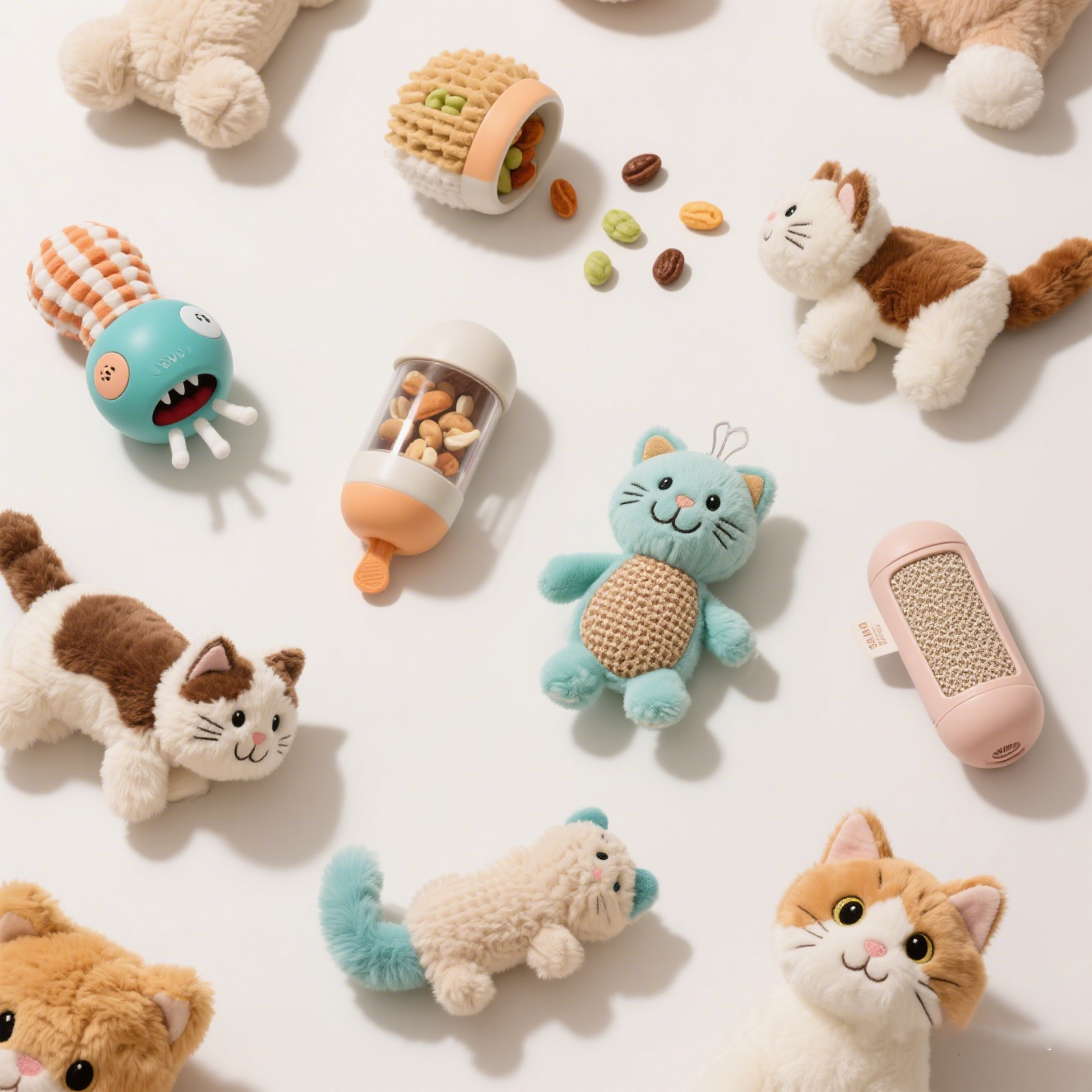
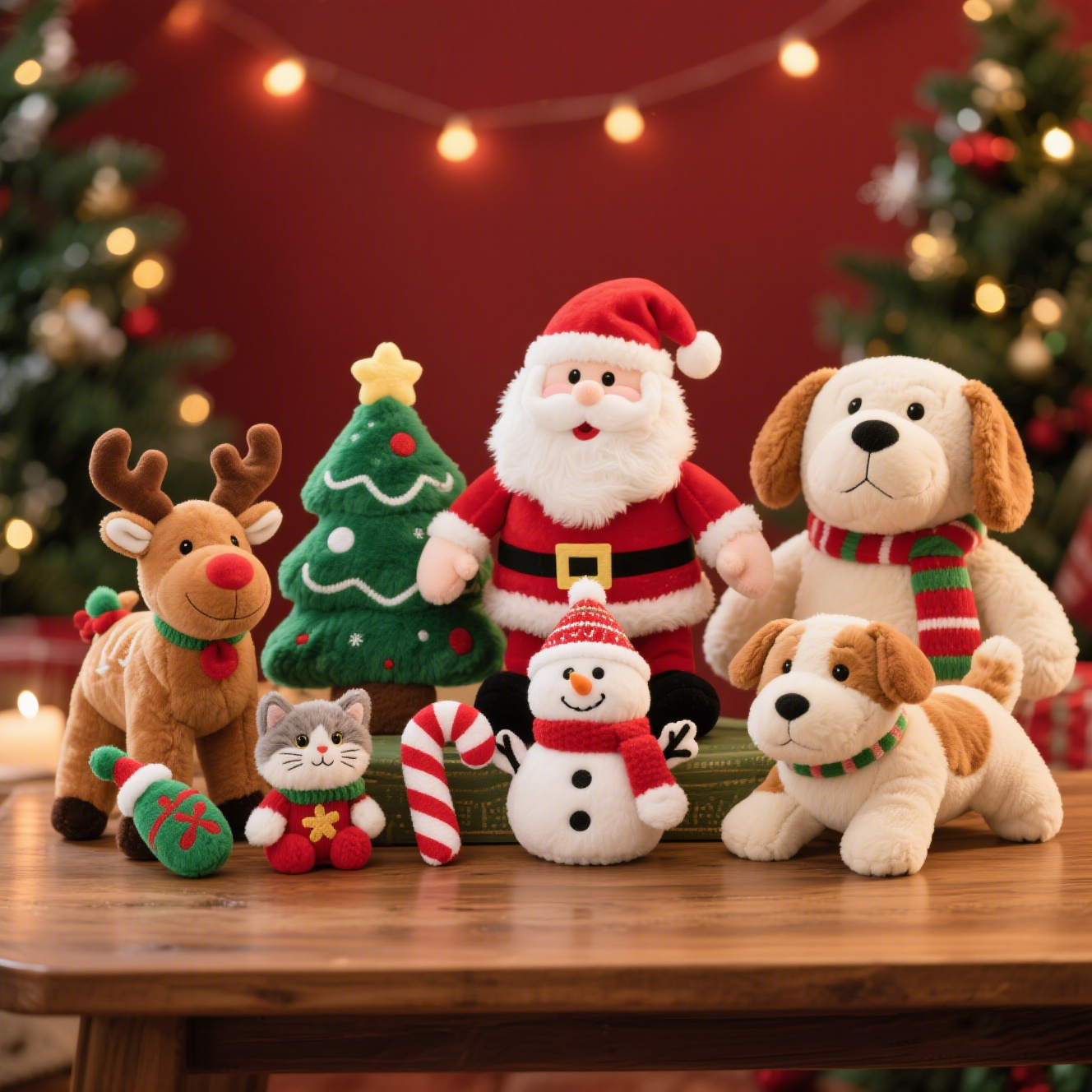
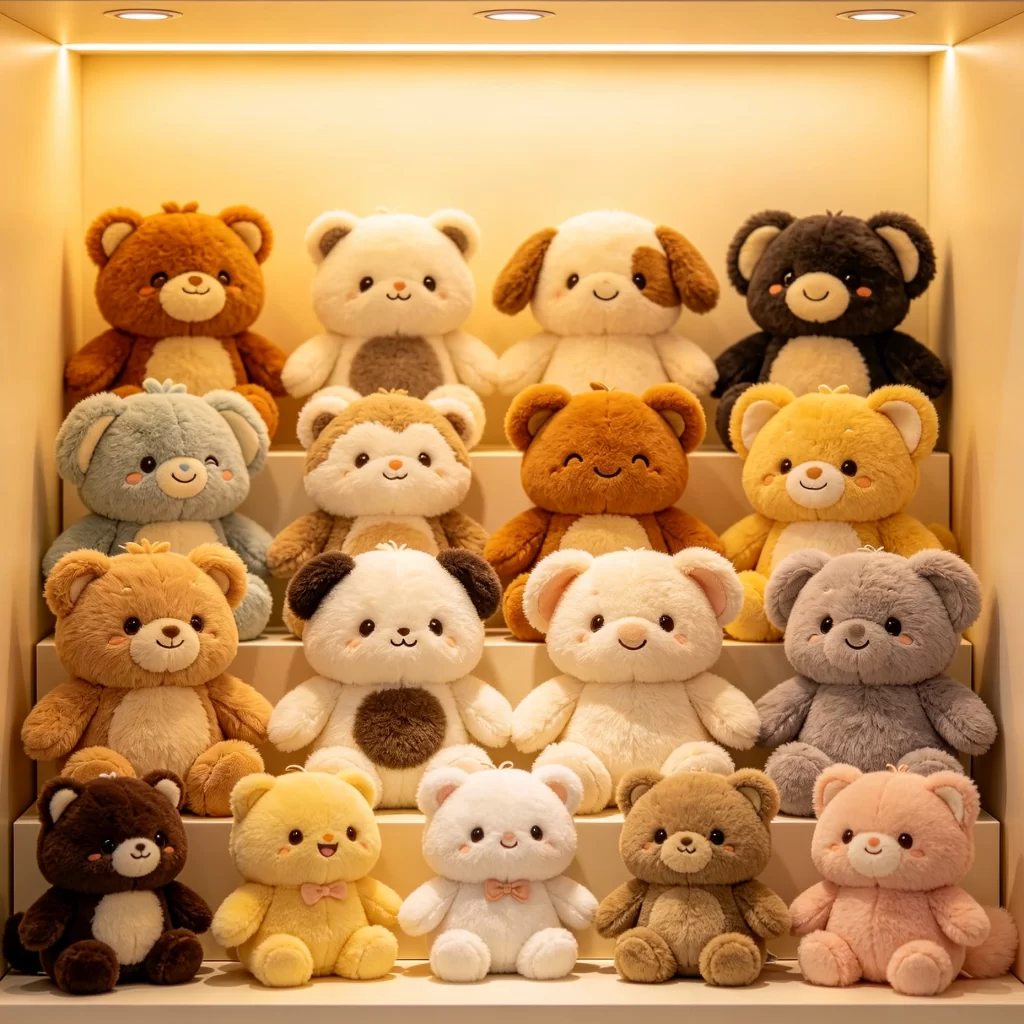
This is where plush toys become closer to lifestyle goods, fandom products, and display items. Buyers may collect different colors, sizes, characters, seasons, expressions, or limited editions, especially when developing custom anime plush toys or IP-based plush series. They may also post them online, trade them, or use them as part of personal styling.
The Toy Foundation’s 2025 Toy of the Year Awards included both “Grown-Up Toy of the Year” and “Plush Toy of the Year” categories, showing how Adult-oriented play and plush products are now recognized inside the toy industry itself.
For plush brands, collectibles usually work better when there is a clear system:
Collectible Direction | Why It Works |
Color series | Easy to expand and easy to display |
Seasonal editions | Creates repeat buying moments |
Character family | Builds emotional connection |
Mini plush charms | Lower price, high impulse purchase |
Blind box plush | Adds surprise and collectibility |
Limited packaging | Makes the product feel more giftable |
The mistake many new brands make is treating collectible plush as only “cute.” Cute is important, but not enough. A collectible plush also needs a reason to own more than one.
Social Media Made Plush Toys Visible Again
Social media has made adult stuffed animals much more visible.
On TikTok, Instagram, Pinterest, and YouTube Shorts, plush toys appear in room tours, desk setups, unboxing videos, gift guides, bag charm styling, fan collections, and cozy lifestyle content. This gives plush toys a second life beyond retail shelves.
A plush toy photographs well when it has:
- a clear silhouette
- a recognizable face
- soft-looking fabric
- good color contrast
- a size that fits hands, bags, desks, or shelves
- packaging that looks gift-ready
This is why many adult plush products succeed not only because they are soft, but because they are shareable.
For B2B buyers, this means product development should consider camera appeal. A plush that looks good in a factory photo may not always look good in user-generated content. The face, posture, texture, and packaging all need to work on a small phone screen.
Adults Want Better Design, Not Just Bigger Toys
A common misunderstanding is that plush toys for adults simply need to be larger.
That is not true.
Some adults like oversized stuffed animals. But many adult buyers prefer plush toys that feel more designed. They want a toy that fits their taste, space, mood, or identity.
Adult-focused plush design often includes:
- softer neutral colors
- more refined embroidery
- expressive but not childish faces
- premium hand feel
- character storytelling
- collectible size options
- better packaging
- lifestyle-friendly photos
- gift-ready presentation
For example, a 20 cm plush may work better than a 50 cm plush if the buyer wants a desk companion or collectible shelf item. A 10 cm plush charm may work better for social media styling. A 30 cm plush may work better for hugging or gifting.
Size should follow the use case, not just the trend.
What This Means for Plush Toy Brands
For brands, the adult stuffed animals trend is not just about selling toys to older customers, but about building a stronger custom plush toys product strategy. It is about developing plush products with a more mature product logic.
A children’s plush toy often focuses on play, safety, softness, and simple recognition. A plush toy for adults may focus more on emotion, design, identity, collection, display, and gifting.
This affects product planning in several ways:
Brand Question | Why It Matters |
Is this for comfort, display, gifting, or collecting? | The purpose affects size, softness, and packaging. |
Is the buyer a fan, collector, pet owner, or gift buyer? | Different buyers care about different details. |
Should the plush be cute, calm, funny, premium, or nostalgic? | The emotional tone defines the design. |
Will buyers post it online? | The face, color, and packaging must photograph well. |
Can the concept become a series? | Series planning improves repeat purchase potential. |
At Wehao Toys, we usually recommend that brands decide the product role before starting design and sampling. A plush made for hugging should not be developed the same way as a plush made for shelf display or blind box collecting.
Manufacturing Details Matter More for Adult Plush Buyers
Adult buyers often notice details that children may ignore.
They may compare fabric quality, embroidery accuracy, facial balance, stuffing density, seam finish, and packaging feel. This does not mean every adult plush must be expensive. It means the product must feel intentional.
Important manufacturing points include:
- Fabric texture:Short plush, minky, faux fur, or velboa can create very different adult impressions.
- Embroidery quality:Facial details must be clean because the face carries emotion.
- Stuffing density:A hugging plush should feel soft and flexible. A display plush may need more shape support.
- Color control:Adult buyers often notice if colors feel off-brand or too childish.
- Seam placement:Poor seam placement can make the toy look cheap, even if the fabric is good.
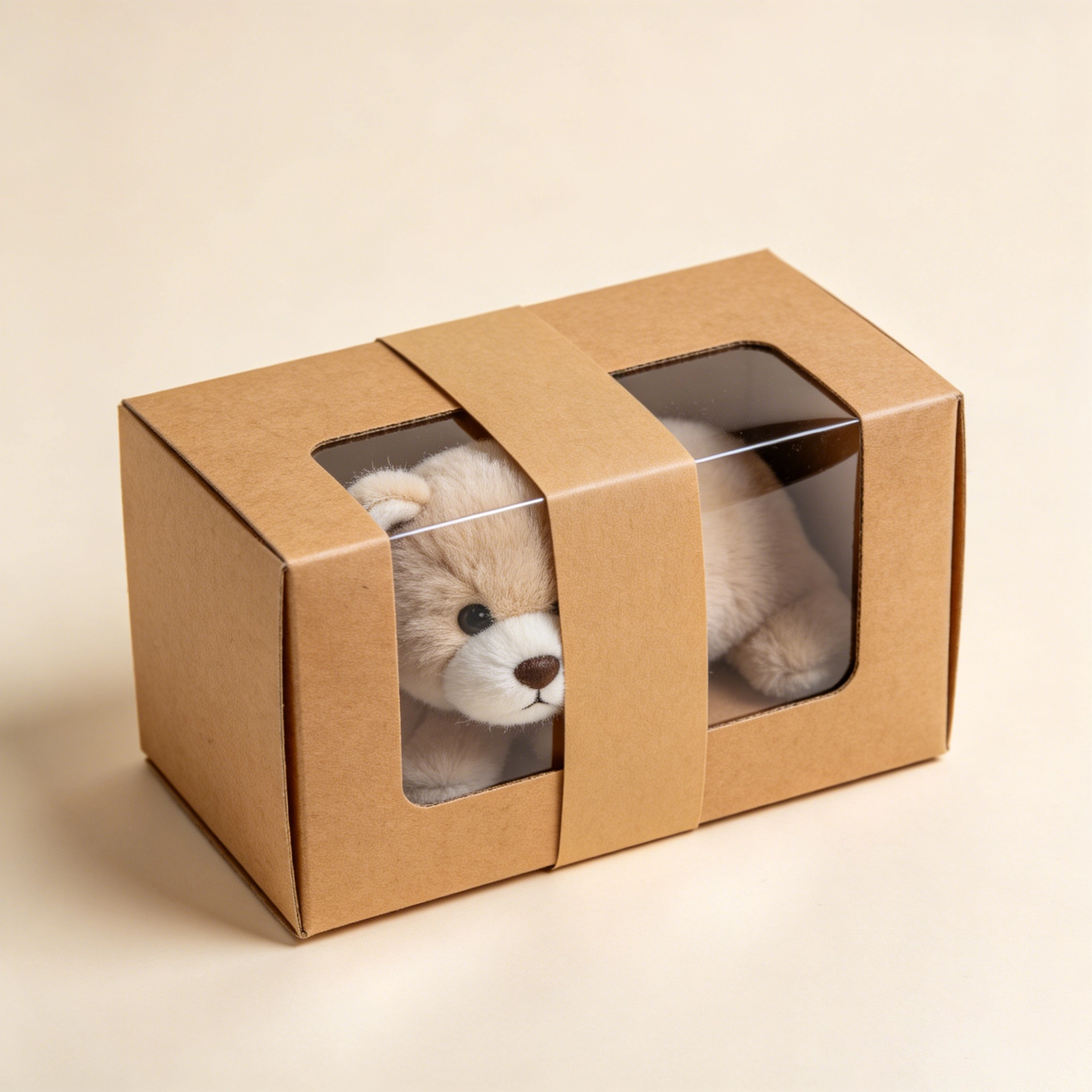
- Packaging:Adult buyers are more likely to see packaging as part of the product value.
One common issue we see in sampling is overstuffing. A plush may look full, but it loses softness. For adult comfort toys, this can be a problem. A plush that looks slightly softer and more natural may feel better than one that is too firm.
Another issue is facial expression. Adult buyers often prefer calm, soft, or slightly humorous expressions. Overly bright eyes or exaggerated smiles may feel too childish for some product lines.
Final Thoughts
Adults are buying stuffed animals again because plush toys now sit at the center of several strong trends: emotional comfort, nostalgia, collecting, self-expression, social media visibility, and premium gifting.
For brands, the opportunity is real. But success depends on understanding the adult buyer. They are not just looking for a children’s toy in a bigger size. They often want a plush product that feels soft, personal, well-designed, giftable, and worth keeping.
The best adult stuffed animals are not only cute. They feel meaningful.
FAQ
Why are adults buying stuffed animals again?
Adults are buying stuffed animals again because plush toys offer comfort, nostalgia, collectibility, decoration, gifting value, and personal identity. Many adults now treat plush toys as lifestyle products rather than children’s toys only.
Are adult stuffed animals the same as children’s plush toys?
Not exactly. Adult stuffed animals often need more mature design, better fabric texture, cleaner embroidery, stronger character identity, and more giftable packaging. They may be used for comfort, display, collecting, or home décor.
What are kidult plush toys?
Kidult plush toys are plush products bought by adults who enjoy playful, nostalgic, character-based, or collectible items. These buyers may collect plush toys, display them, post them online, or use them as personal comfort objects.
Can plush toys for adults be marketed as emotional comfort toys?
Yes, but the wording should be careful. Brands can describe plush toys as soft, comforting, huggable, calming, or suitable for relaxing routines. They should avoid medical claims such as curing anxiety or treating stress.
What type of plush toys do adults usually like?
Many adults prefer plush toys with soft fabric, clean design, expressive faces, collectible concepts, premium packaging, and emotional meaning. Popular directions include character plush, animal plush, mini charms, weighted-style comfort plush, and limited-edition series.
What should brands consider before developing adult stuffed animals?
Brands should first define the product purpose: comfort, gifting, collecting, display, or social media styling. This decision affects size, fabric, stuffing, face design, packaging, and MOQ planning.