
Quick Answer: What Does Emotional Support Stuffed Animal Mean?
An emotional support stuffed animal is a plush toy designed or used to provide comfort, calmness, and a sense of emotional security. It may be held, hugged, carried, or kept nearby during stressful moments.
It is not the same as a legal emotional support animal. It is also not a service animal. In the U.S., the ADA explains that animals whose only role is comfort or emotional support do not qualify as service animals.
So, in product wording, brands should be careful. A stuffed animal can be described as a comfort plush, calming plush toy, or plush for stress relief. But it should not be marketed as a medical product or a replacement for professional care.
In the plush toy market, this type of product is becoming more common. Buyers are not only looking for “cute.” They are looking for softness, emotional connection, safe construction, and a design that feels easy to hold.
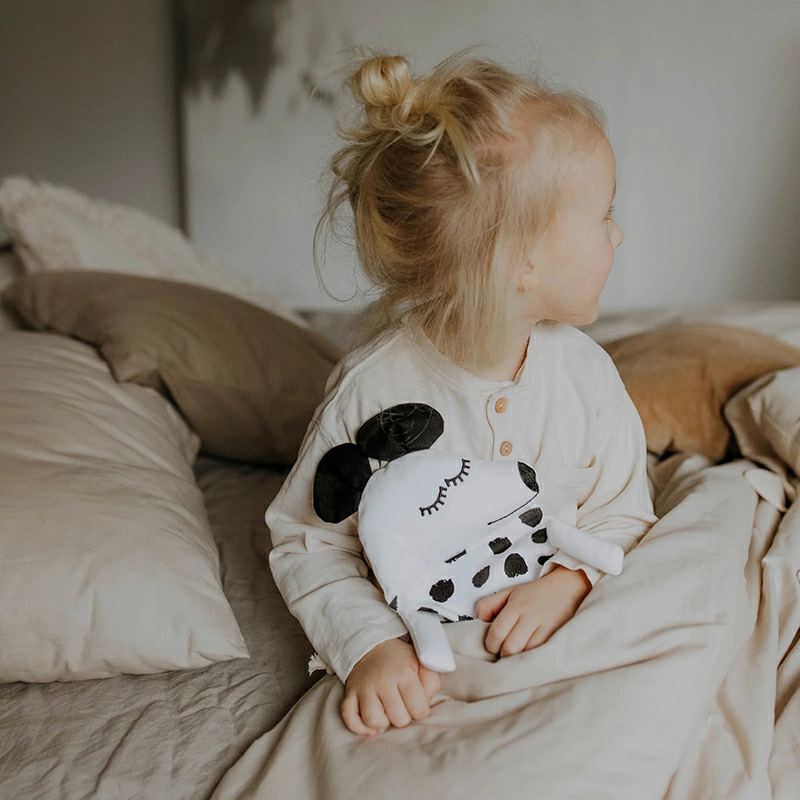
Emotional Support Stuffed Animal vs Regular Stuffed Animal
A regular stuffed animal may be mainly decorative, collectible, or playful. An emotional support stuffed animal is more focused on comfort and repeated use.
The difference is not always about one special material. It is usually about the whole design.
| Feature | Regular Stuffed Animal | Emotional Support Stuffed Animal |
|---|---|---|
| Main purpose | Decoration, play, gift, collection | Comfort, calming, stress relief |
| Shape | Can be decorative or detailed | Usually easy to hug or hold |
| Face design | Cute, funny, expressive | Calm, gentle, non-stimulating |
| Texture | Depends on style | Soft and soothing touch is important |
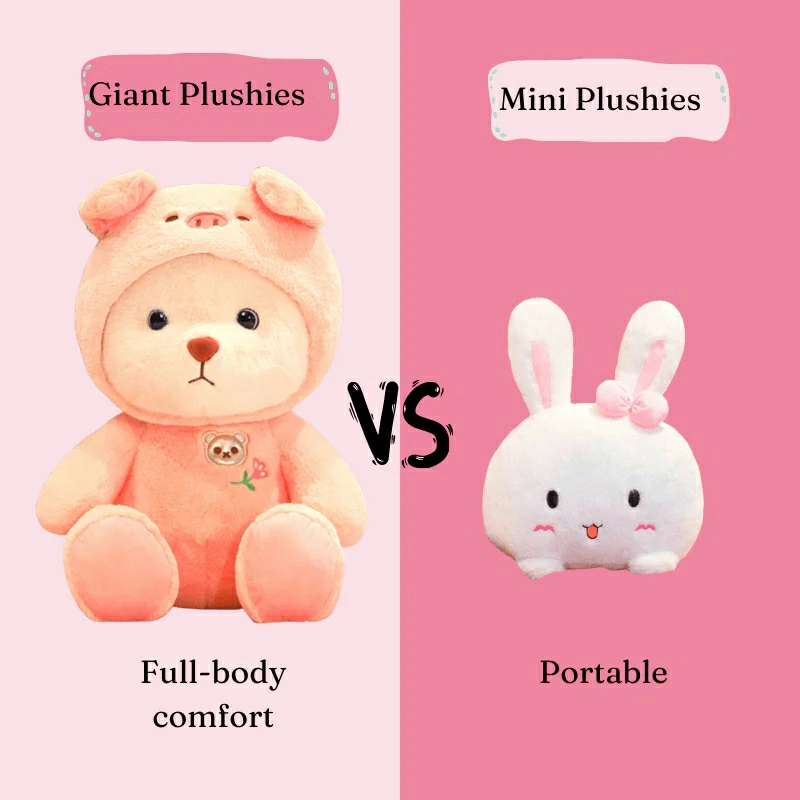
| Size | Wide range | Often handheld, lap-size, or hug-size |
| Claims | Toy or gift wording | Needs careful comfort-based wording |
| Safety focus | Depends on target user | Stronger need for age grading and use-case clarity |
A comfort plush does not need to look medical. In fact, it usually works better when it feels natural and friendly.
For example, a simple bear, bunny, cat, dog, cloud, or pillow-style plush can work well. The key is not complexity. The key is emotional ease.
Why People Use Comfort Plush for Stress Relief
People may use comfort plush items during anxiety, loneliness, grief, sleep routines, travel, study, or work breaks.
A plush toy gives tactile comfort. The user can squeeze it, hold it, or place it close to the body. This simple action can create a feeling of grounding.
For adults, this can feel private and personal. For children, it can feel familiar and safe. For gift buyers, it can become a thoughtful product with emotional meaning.
However, brands should avoid making strong mental health claims. A plush toy may support comfort, but it should not be described as treating anxiety, depression, panic attacks, or trauma.
“Designed as a soft comfort plush for calming moments, rest routines, and everyday stress relief.”
This wording feels supportive without sounding like a medical promise.
What Makes a Plush Toy Feel Comforting?
A successful emotional support stuffed animal is not just “soft.” It needs to feel right in the hand, against the body, and during repeated use.
In our sampling experience, buyers often focus too much on the first visual design. But for comfort plush products, the real test is touch, weight, and holding experience.
Soft Surface Texture
Soft fabric is the first thing users notice.
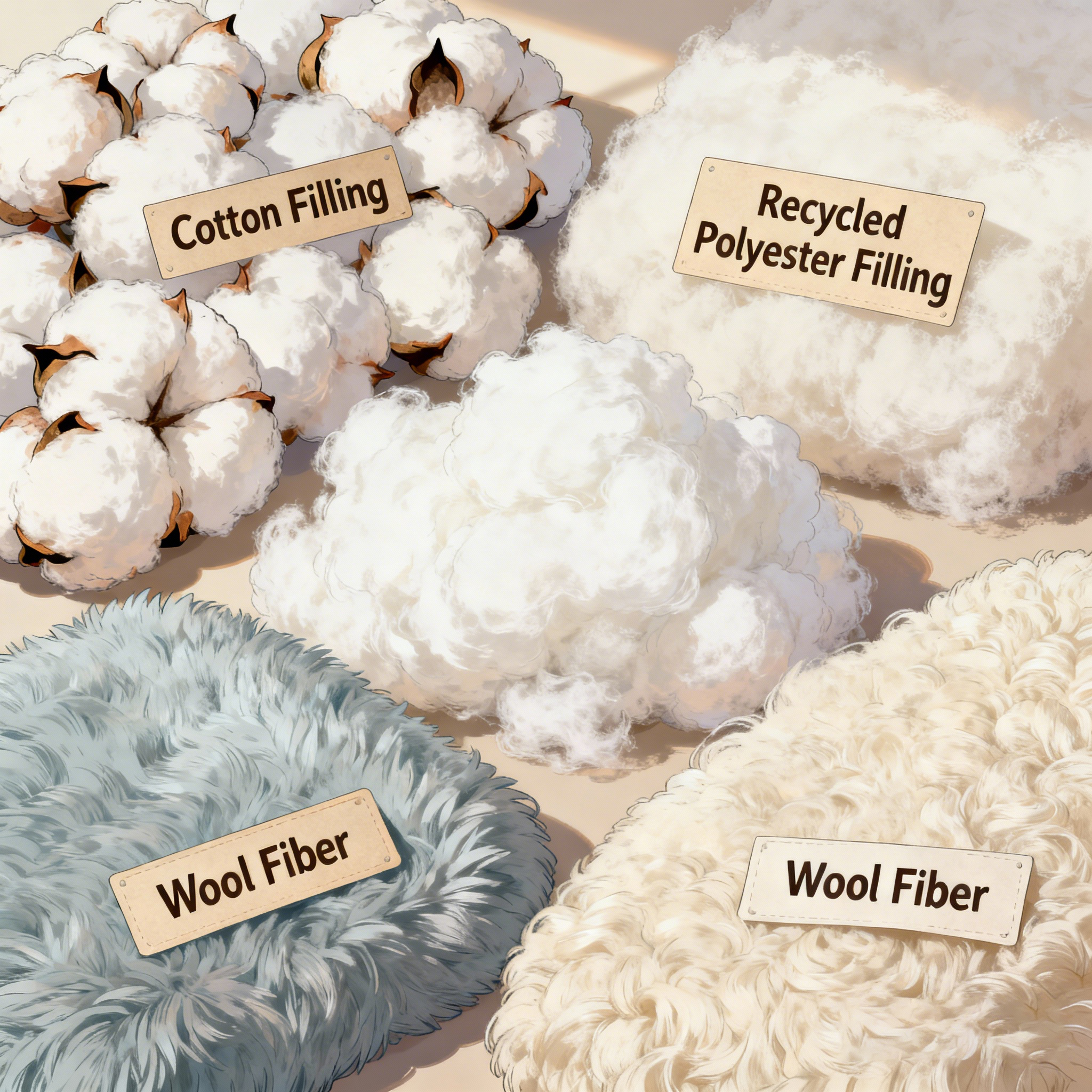
Common options include minky plush, short-pile plush, velboa, soft fleece, and sherpa-style plush, and brands can compare these choices in our minky vs velboa vs sherpa plush fabric comparison guide before sampling.
For a comfort plush, the surface should not feel rough, slippery, or too loose. Very long pile fabric may look cozy, but it can shed more easily or hide embroidery details.
A medium-soft fabric is often more practical than an overly fluffy one. It gives a clean look, stable production, and a comfortable touch.
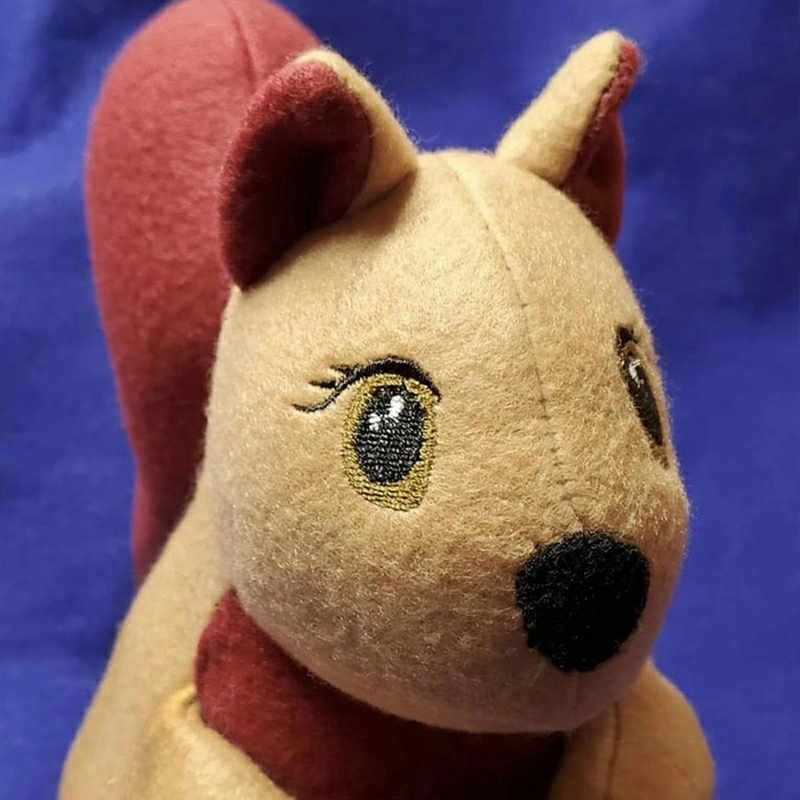
Calm Facial Expression
The face matters more than many buyers expect.
A strong smile, huge eyes, or exaggerated cartoon expression may look cute, but it can feel too active. For an anxiety plush toy, many brands prefer:
- small embroidered eyes
- relaxed mouth shape
- soft eyebrow angle
- balanced face spacing
- low-contrast colors
Embroidery is usually better than plastic eyes, especially when the plush may be used by children. It also gives a softer and safer look.
Hug-Friendly Shape
The body shape should be easy to hold.
Some plush designs look good in artwork but feel awkward after stuffing. Thin arms, sharp corners, oversized heads, and unstable sitting shapes can make the product less comforting.
Better comfort plush shapes often include:
- rounded body
- soft belly
- simple arms or paws
- balanced stuffing
- no hard decorations
- no sharp accessories
If the plush is meant for sleeping or resting, avoid hard add-ons such as plastic parts, metal chains, stiff badges, or rough labels near the face area.
Optional Weight or Pressure Feeling
Some comfort plush products use a slightly heavier filling to create a calming pressure feel.
This can work well, but it needs careful design. Weighted plush may increase cost, shipping weight, testing requirements, and safety review needs.
Common filling options may include polyester fiberfill combined with inner weighted bags. The weighted part must be secured well inside the plush body. It should not move around too much or create uneven pressure.
For children’s products, weighted design needs extra caution. Age grading, seam strength, filling safety, and warning labels should be reviewed carefully.
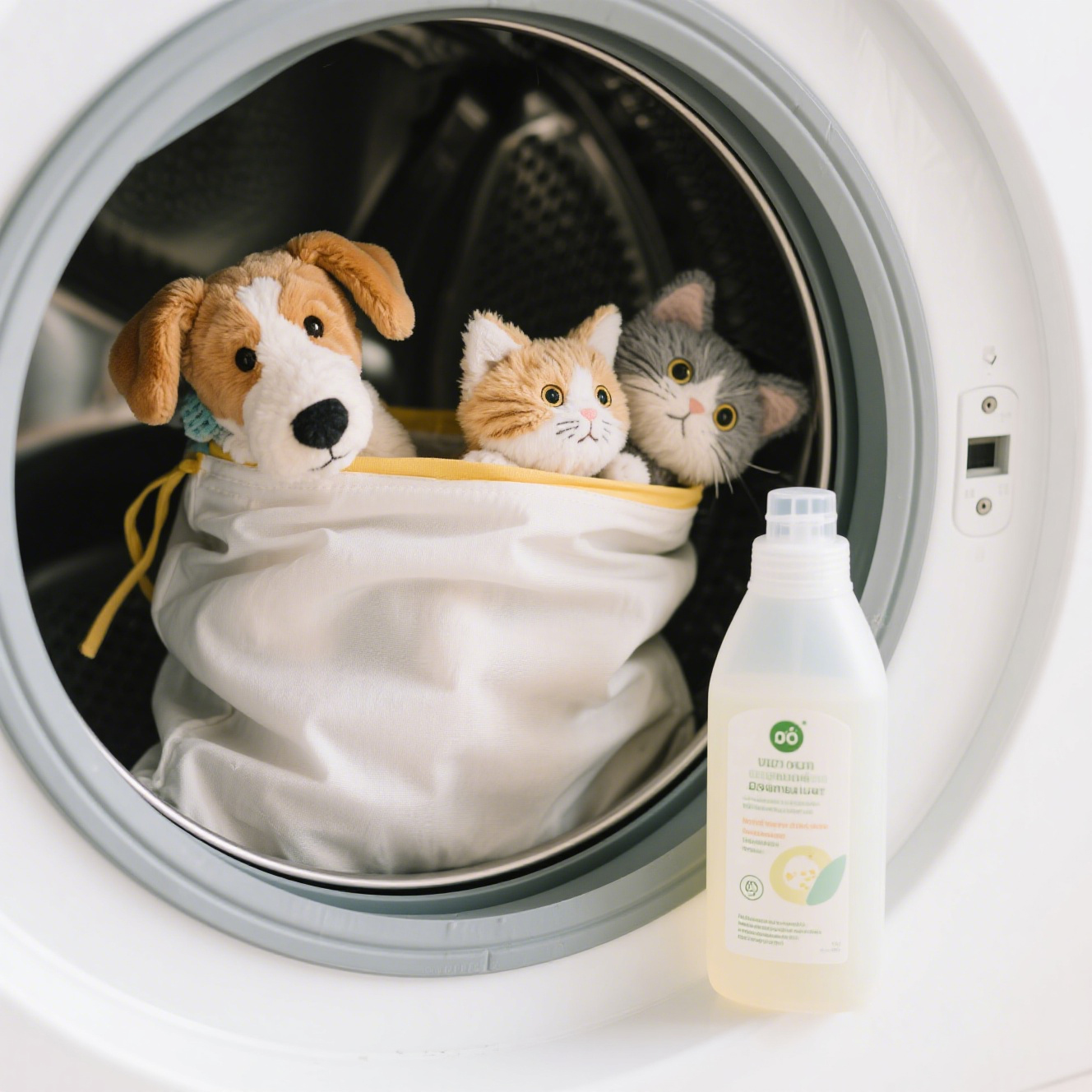
Washable and Durable Construction
Comfort plush toys are often used daily. They may be hugged during sleep, travel, study, or rest.
That means the product should be designed for repeated handling.
Important construction points include:
- strong seams
- stable stuffing
- secure embroidery
- washable fabric
- no loose small parts
- clear care label
- suitable packaging instructions
A plush for stress relief should not lose shape after a short time. If the toy becomes lumpy, flat, or twisted, the comfort value drops quickly.
Are Emotional Support Stuffed Animals Only for Children?
No. Emotional support stuffed animals are used by both children and adults.
For children, they may be used as bedtime companions, travel comfort items, or soft toys during transitions. For adults, they may be used as desk companions, sleep aids, grief gifts, long-distance relationship gifts, or calming plush products.
The design direction may change by audience.
| Target User | Better Design Direction |
|---|---|
| Young children | Simple shape, embroidered details, strong seams, clear age grading |
| Teens | Cute but not childish, portable size, soft texture |
| Adults | Minimal design, neutral colors, premium fabric feel |
| Gift buyers | Emotional message, nice packaging, warm story |
| Wellness brands | Calm expression, tactile comfort, careful claim wording |
This is where many brands make a mistake. They make the plush too childish for adults, or too plain for gift buyers.
A good comfort plush should feel emotionally warm, but not embarrassing to own.
Important Safety and Claim Wording for the U.S. Market
For the U.S. market, safety depends on the target age and product positioning, especially when the plush may fall under children’s plush toy safety standards.
If the stuffed animal is intended for children 12 years old or younger, CPSC toy safety guidance states that children’s toys must be third-party tested and certified in a Children’s Product Certificate.
For plush toys, common safety points include:
- ASTM International F963 toy safety review
- CPSIA compliance
- small parts risk
- seam strength
- filling safety
- flammability
- tracking label
- age grading
- warning label if needed
Important construction points include strong seams, stable stuffing, secure embroidery, washable fabric, no loose small parts, clear care labels, and suitable packaging instructions, while CPSC business guidance also notes producer marking requirements for toys or packaging.
For adult comfort plush products, the compliance path may be different. But brands should still avoid unsafe construction, loose parts, misleading labels, or medical-style claims.
A very important point: do not call the product a “certified emotional support stuffed animal” unless there is a real, legally reviewed basis for that claim.
Better wording includes:
- comfort plush
- calming stuffed animal
- soft plush companion
- plush for stress relief
- sensory-friendly plush toy
- bedtime comfort plush
- hug pillow plush
These phrases describe use experience without creating legal or medical confusion.
How Brands Can Develop an Anxiety Plush Toy Line
If a brand wants to develop an anxiety plush toy or comfort plush collection, the first step is not choosing fabric. The first step is defining the user scenario.
Ask these questions first:
- Is the plush for adults, children, or both?
- Will it be used at home, in bed, at school, or during travel?
- Should it feel lightweight or slightly weighted?
- Should it look cute, minimal, premium, or giftable?
- Will the product need U.S. children’s toy compliance?
- Will it be sold as a toy, gift, wellness item, or collectible?
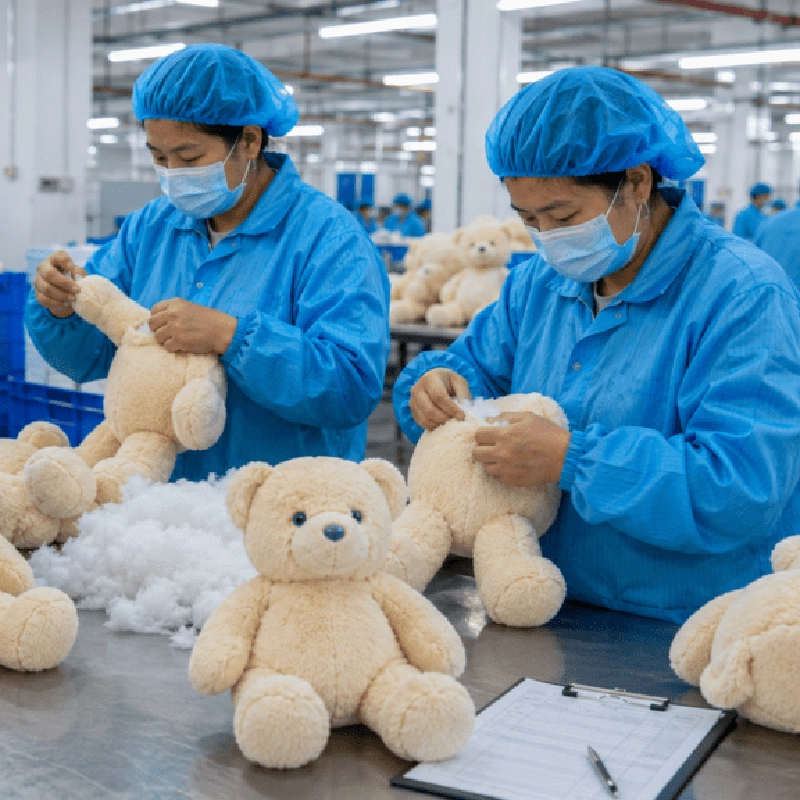
At Wehao Toys, we usually recommend starting with one simple hero shape before developing a full collection. A bear, puppy, bunny, cloud, heart, or rounded animal shape is often easier to test, especially when developing products under a broader custom plush toys program.
For the first sample, focus on:
- body size
- hand feel
- fabric softness
- face expression
- stuffing level
- seam strength
- washable construction
- packaging message
Many projects are delayed when buyers keep changing the face after the sample is made. For comfort plush, the face should be reviewed carefully before sampling.
A small change in eye size or mouth angle can change the whole emotional feeling.
Common Mistakes When Designing Comfort Plush Products
One common mistake is making the plush too complicated.
Extra accessories, special stitching, mixed fabrics, printed messages, sound modules, and weighted filling may all sound valuable. But too many features can make the toy harder to produce and harder to wash.
Another mistake is using fabric that looks soft in photos but feels weak in real life. Some long-pile fabrics look cozy, but they may shed, flatten, or hide the shape.
A third mistake is using strong emotional or medical claims on packaging. This can create compliance risk and customer trust issues.
For B2B buyers, the safest product development path is usually:
- Confirm the target user.
- Choose a simple comfort-focused shape.
- Test fabric by hand feel, not only photos.
- Use embroidery for facial details.
- Keep packaging wording supportive but careful.
- Review safety requirements before bulk production.
In many projects, the most successful comfort plush is not the most complex one. It is the one users want to hold again and again.
Key Takeaways
An emotional support stuffed animal is a plush toy used for comfort, calmness, and emotional reassurance.
It should not be confused with a legal emotional support animal or a service animal.
For product development, the most important design points are softness, hug feel, facial expression, size, washable construction, and safe claim wording.
For the U.S. market, children’s plush toys need careful review under ASTM F963, CPSIA, CPSC testing, labeling, and certification rules.
For brands, the best approach is to build a comfort plush around a clear use case, not just a cute design.
FAQ
What is an emotional support stuffed animal?
An emotional support stuffed animal is a plush toy used to provide comfort, calmness, and emotional security. It may help users feel grounded during stress, rest, sleep, or travel. It is not the same as a legal emotional support animal or service animal.
Can a stuffed animal help with anxiety?
A stuffed animal may provide tactile comfort and a calming routine for some people. However, brands should not claim that a plush toy can treat anxiety or replace professional support. Safer wording is “comfort plush” or “plush for stress relief.”
Is an emotional support stuffed animal only for children?
No. Many adults also use comfort plush items for sleep, travel, grief, stress relief, or personal comfort. Adult-focused designs usually work better with calm colors, simple shapes, soft textures, and less childish expressions.
What makes a good anxiety plush toy?
A good anxiety plush toy should feel soft, easy to hold, emotionally gentle, and safe for repeated use. Important features include soft fabric, balanced stuffing, embroidered facial details, strong seams, washable construction, and careful packaging wording.
Can emotional support stuffed animals be weighted?
Yes, some comfort plush products use weighted filling to create a gentle pressure feeling. But weighted plush toys need careful sampling, secure inner construction, and safety review, especially if the product may be used by children.
What materials are good for comfort plush?
Common choices include minky, velboa, short-pile plush, soft fleece, and sherpa-style plush. The best option depends on the target user, hand feel, cleaning needs, cost, and production stability.
Do emotional support stuffed animals need safety testing in the USA?
If the product is intended for children 12 years old or younger, U.S. toy safety rules apply. This may include ASTM F963, CPSIA, third-party testing, tracking labels, and a Children’s Product Certificate.
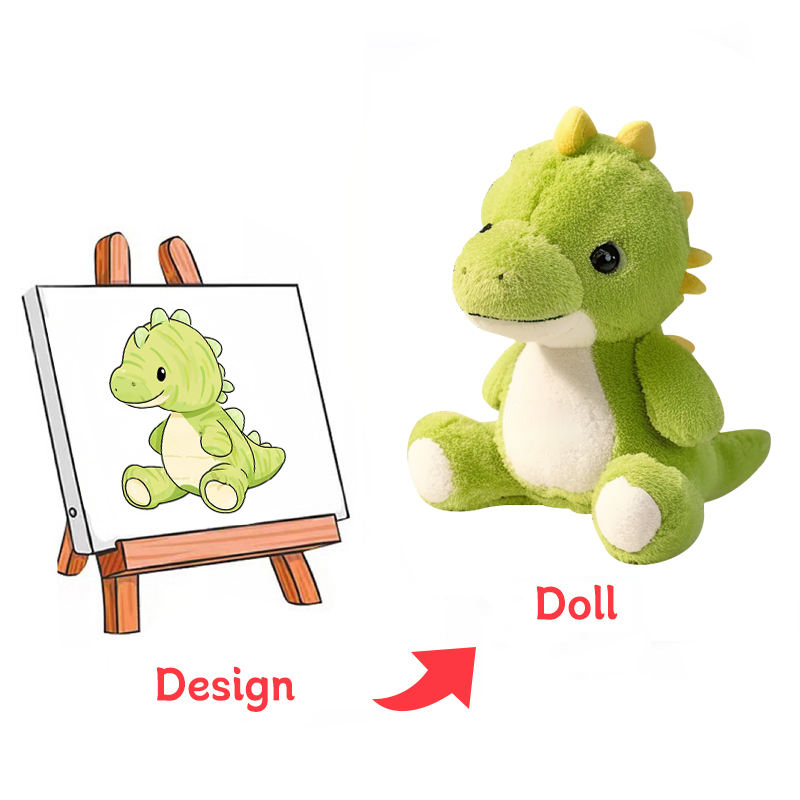
Can a brand customize emotional support stuffed animals?
Yes. Brands can customize shape, size, fabric, embroidery, stuffing level, labels, hangtags, packaging, and color. For comfort plush products, the most important part is making sure the sample feels good in real use, not only in photos.
Develop a Comfort Plush Product With a Clear Use Case
If you are planning to create an emotional support stuffed animal, anxiety plush toy, or comfort plush collection, the best starting point is a clear product scenario. Share your target user, size idea, preferred texture, safety market, and packaging direction through our contact form for plush project evaluation. We can help review whether the plush design is practical for sampling, bulk production, and U.S. market positioning.