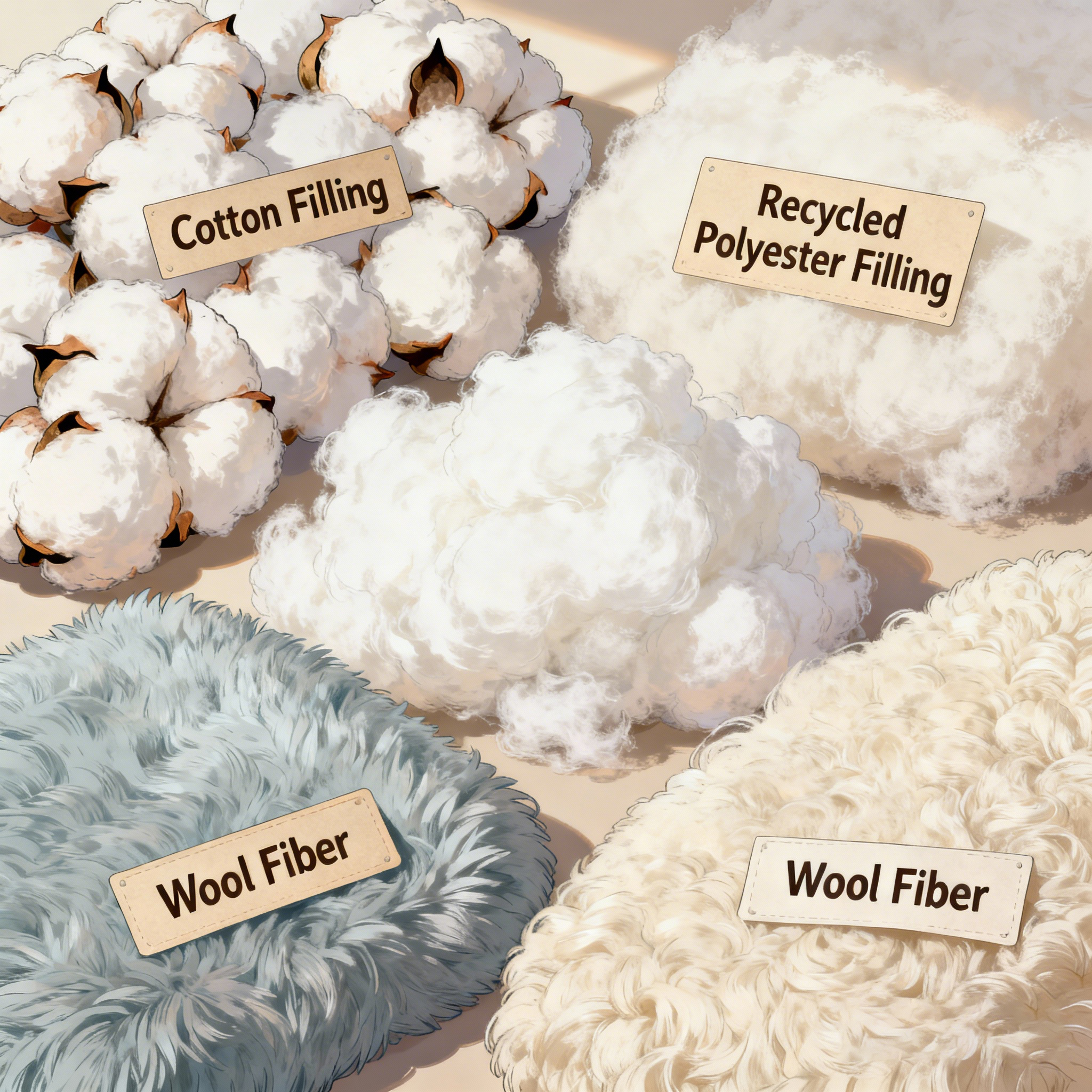

Quick answer: Recycled plush toys can be more eco-friendly than plush toys made only with virgin polyester. But they are not automatically sustainable just because the word “recycled” appears on the product label.
In most plush toy projects, the real answer depends on four things: what part of the toy is recycled, how the recycled content is verified, whether the toy still meets safety standards, and how long the product can actually be used.
A recycled polyester plush toy may reduce the need for new fossil-based synthetic fiber, which is one reason many brands now review recycled polyester as a material option. However, recycled polyester does not make a plush toy plastic-free. It only changes part of the material source.
So the best answer is this: recycled plush toys are a better direction when they are traceable, safe, durable, and honestly marketed. They are not eco-friendly when the claim is vague, the recycled content is tiny, or the toy is poorly made and quickly discarded.
What “Recycled Plush Toy” Usually Means in Real Projects
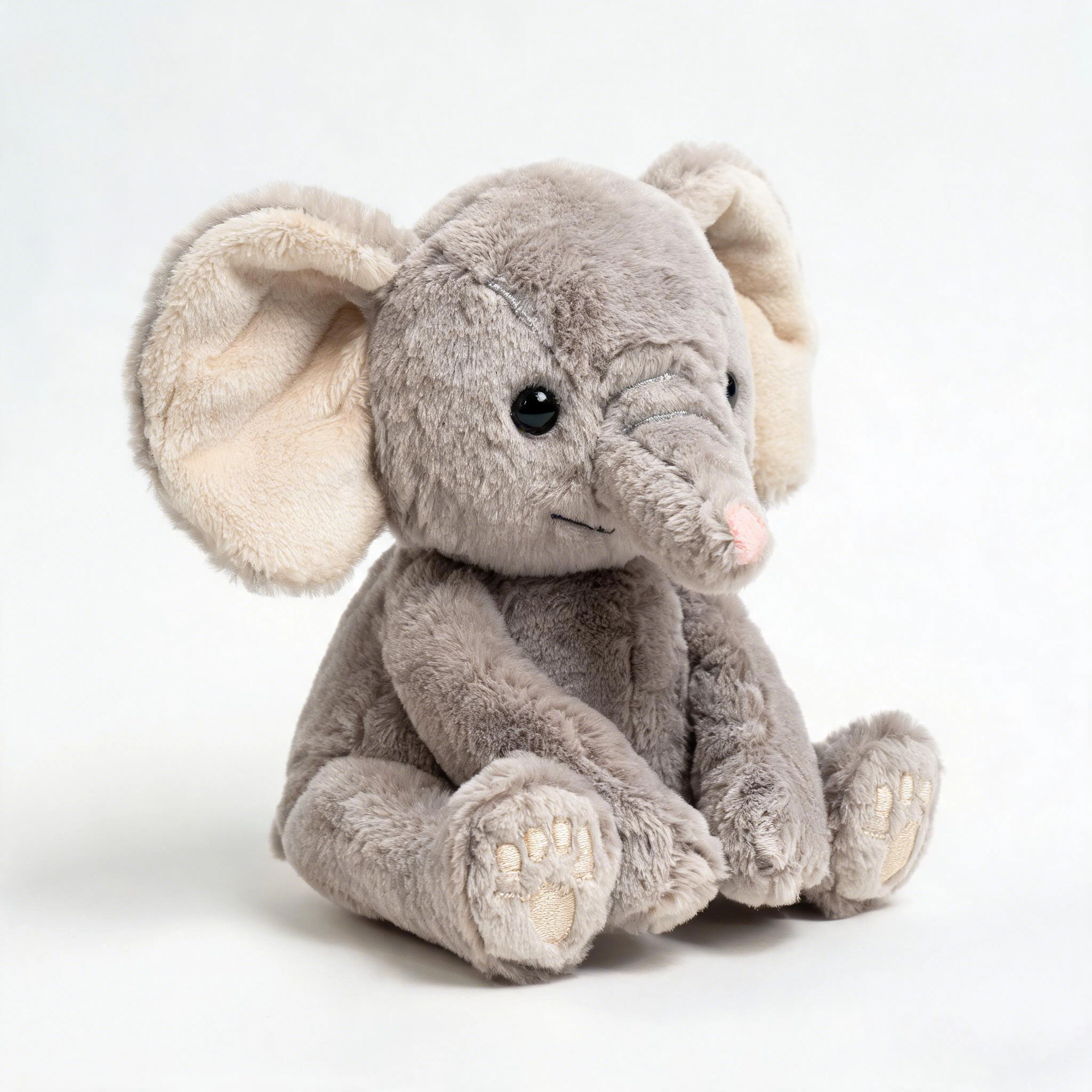
In real sourcing work, “recycled plush toy” can mean several different things.
It may mean the outer plush fabric is made from recycled polyester. It may mean the filling uses recycled PET fiber. It may mean only the hangtag, packaging card, or polybag includes recycled material. Sometimes buyers assume the whole toy is recycled, but the supplier may only mean one component.
This is one of the most common misunderstandings we see during early project discussion.
A plush toy normally includes many parts:
| Plush Toy Component | Can It Be Recycled Material? | Buyer Should Check |
|---|---|---|
| Outer plush fabric | Yes | Fiber composition and recycled content percentage |
| Filling | Yes | Recycled PET fiber content and cleanliness |
| Embroidery thread | Sometimes | Color, strength, and safety compliance |
| Labels | Sometimes | Woven label material and printing ink |
| Accessories | Depends | Plastic, metal, sound module, ribbon, zipper, magnet |
| Packaging | Yes | Recycled paper, FSC paper, recycled polybag |
| Shipping carton | Yes | Recycled paper ratio and carton strength |
For a sourcing team planning custom plush toys, the first step is to ask which parts are recycled.
A clear claim sounds like this: “Outer fabric made with recycled polyester.” A weak claim sounds like this: “Eco-friendly plush toy.”
The second claim may look better in marketing, but it is much less useful for compliance and buyer review.
Recycled Polyester Plush vs Virgin Polyester Plush
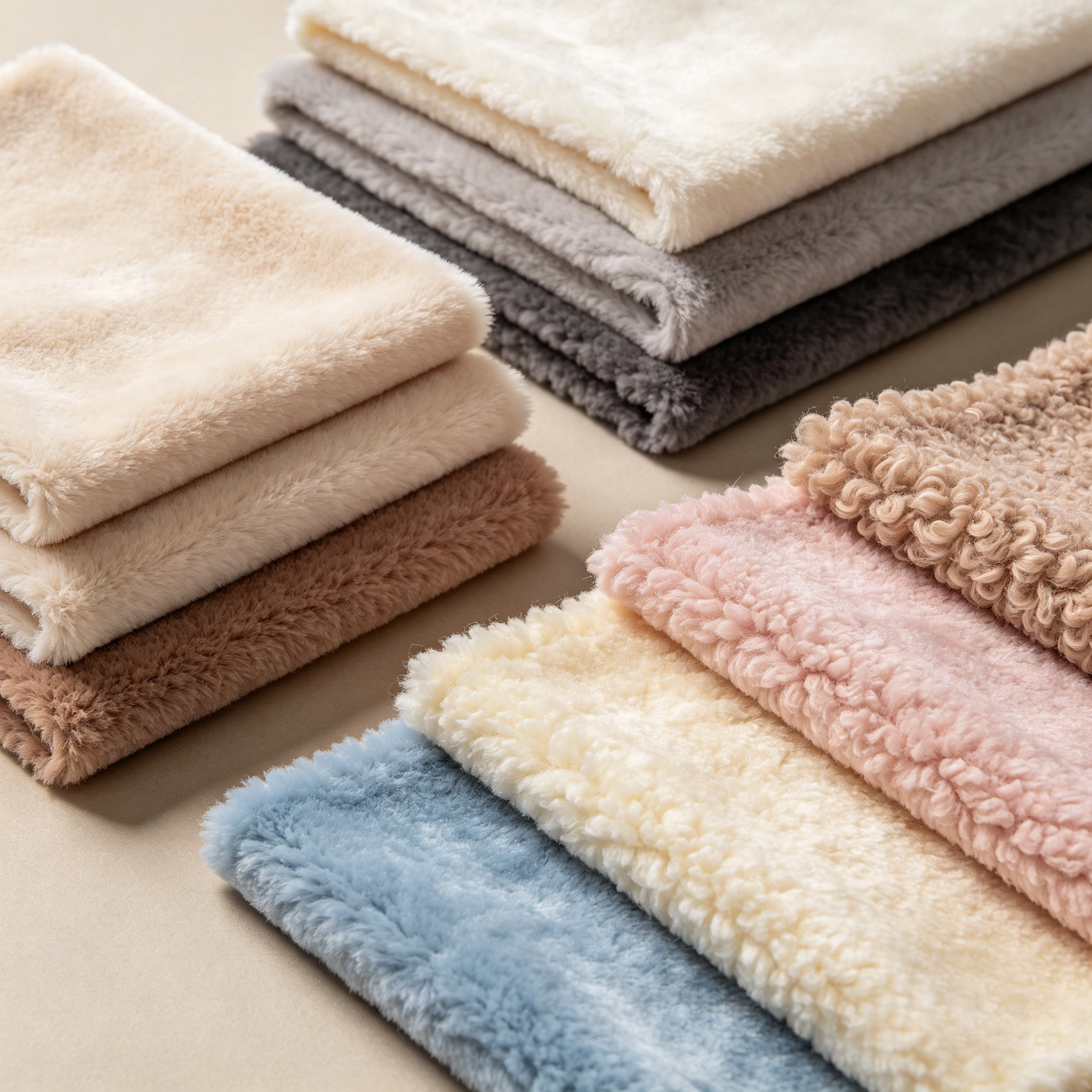
Most modern plush toys use polyester because it is soft, stable, colorful, and suitable for mass production. Recycled polyester plush uses recycled polyester-based input instead of only virgin polyester input.
In hand feel, recycled polyester plush can be very close to virgin polyester plush. For many stuffed animals, sustainable stuffed animals, gift plush, and mascot plush toys, the buyer may not see a major difference after sampling.
However, recycled polyester plush still needs careful evaluation.
| Factor | Recycled Polyester Plush | Virgin Polyester Plush |
|---|---|---|
| Main advantage | Reduces dependence on virgin synthetic fiber | Stable supply and wide fabric options |
| Hand feel | Can be soft, but varies by supplier | Usually very stable |
| Color matching | May need more checking | Often easier to control |
| MOQ | Can be higher for special fabrics | Usually more flexible |
| Cost | Often higher | Usually lower |
| Claim value | Stronger sustainability story | No recycled material story |
| Compliance need | Still required | Still required |
| End-of-life | Still difficult to recycle as a finished plush toy | Also difficult to recycle |
The main benefit of recycled polyester plush is not that it makes the toy “plastic-free.” It does not. Polyester is still a synthetic material.
The more realistic benefit is that it can reduce the use of new virgin polyester while giving brands a more responsible material option.
Where Recycled Plush Toys Can Still Fall Short
Many buyers only compare fabric content. That is too simple.
A recycled plush toy can still have environmental weaknesses.
First, the toy may still use synthetic fiber. It may shed tiny fibers during use or washing. The European Environment Agency notes that synthetic textiles can contribute to microplastic release, which is why brands should review microplastics from textiles when making broader sustainability claims.
Second, the toy may be difficult to recycle after use. A finished plush toy is usually made from mixed parts: fabric, filling, embroidery, labels, accessories, sound modules, plastic eyes, ribbons, or packaging. These parts are not easy to separate.
The EPA textile waste data also shows why end-of-life planning matters for textile-based products.
Third, poor quality can cancel out the material benefit. If an eco-friendly plush toy loses shape, tears quickly, or fails safety testing, it is not a good product. A toy that lasts longer is often more responsible than a weak toy with a better-sounding label.
Fourth, the recycled content may not be well documented. Without certification or chain-of-custody records, the buyer may not be able to support the claim.
This is where many projects become risky. The idea is good, but the documentation is too weak.
Why Traceability Matters More Than a Green Hangtag
A green hangtag does not prove sustainability.
For B2B buyers, traceability is more important than decoration. If a brand wants to promote recycled plush toys in the USA, the claim should be specific, provable, and consistent with the actual product.
The FTC Green Guides are designed to help marketers avoid environmental claims that mislead consumers. For recycled plush toys, this matters because broad phrases like “green,” “eco,” or “sustainable” can be risky if the details are unclear.
For recycled plush toys, buyers should ask for:
- Material composition
- Recycled content percentage
- Whether the recycled content is pre-consumer or post-consumer
- Supplier declaration
- Transaction certificate when applicable
- GRS or RCS certificate if available
- Test report for safety compliance
- Packaging material details
- Final product claim wording
Textile Exchange explains that RCS and GRS set criteria for third-party certification of recycled materials and chain of custody. GRS also includes a higher minimum recycled content percentage and added requirements related to processing and chemical use.
This does not mean every project must use GRS-certified material. But if the buyer wants to make strong recycled content claims, stronger documentation is usually needed.
A safer product claim may be:
This plush toy uses recycled polyester fabric.
A riskier claim may be:
100% eco-friendly plush toy.
The first claim is specific. The second claim is broad and hard to prove.
USA Buyers Still Need Safety Testing and CPC Documentation
For USA buyers, recycled material does not reduce toy safety obligations.
If the plush toy is designed or intended primarily for children 12 years old or younger, it may need third-party testing and a Children’s Product Certificate. The CPC must be based on test results from a CPSC-accepted laboratory.
For plush toys sold as children’s toys in the USA, buyers should also review relevant children’s plush toy safety standards.
For the USA market, buyers usually need to review:
- ASTM F963
- CPSIA
- Lead limits
- Phthalate restrictions
- Small parts risk
- Seam strength
- Pull tests
- Flammability
- Tracking label
- CPC documentation
CPSC toy safety guidance explains that ASTM F963 covers many toy safety requirements, but firms must identify which sections apply to their specific product.
This matters because recycled fabric is only one part of the product.
A plush toy with recycled polyester fabric can still fail if the plastic eyes detach, the seam opens too easily, the filling becomes accessible, or the label does not meet tracking requirements.
In our sampling experience, buyers sometimes focus heavily on recycled fabric but forget the boring details: seam strength, accessory attachment, stuffing cleanliness, and label placement. These details decide whether the toy is commercially ready.
The Manufacturing Tradeoffs Buyers Often Miss
Recycled plush projects are not difficult in every case, but they do need planning.
One common issue is fabric availability. A buyer may choose a very specific pile length, color, texture, and hand feel. Then the recycled polyester option may not match it exactly.
Another issue is MOQ. Some recycled polyester plush fabrics require higher minimum fabric orders. If the buyer wants only 300 pieces, the fabric choice may be limited or the unit cost may rise.
Color can also be a challenge. Recycled polyester plush can be dyed well, but custom colors still need lab dips and approval. For brand mascots, this matters because a small color difference can affect brand recognition.
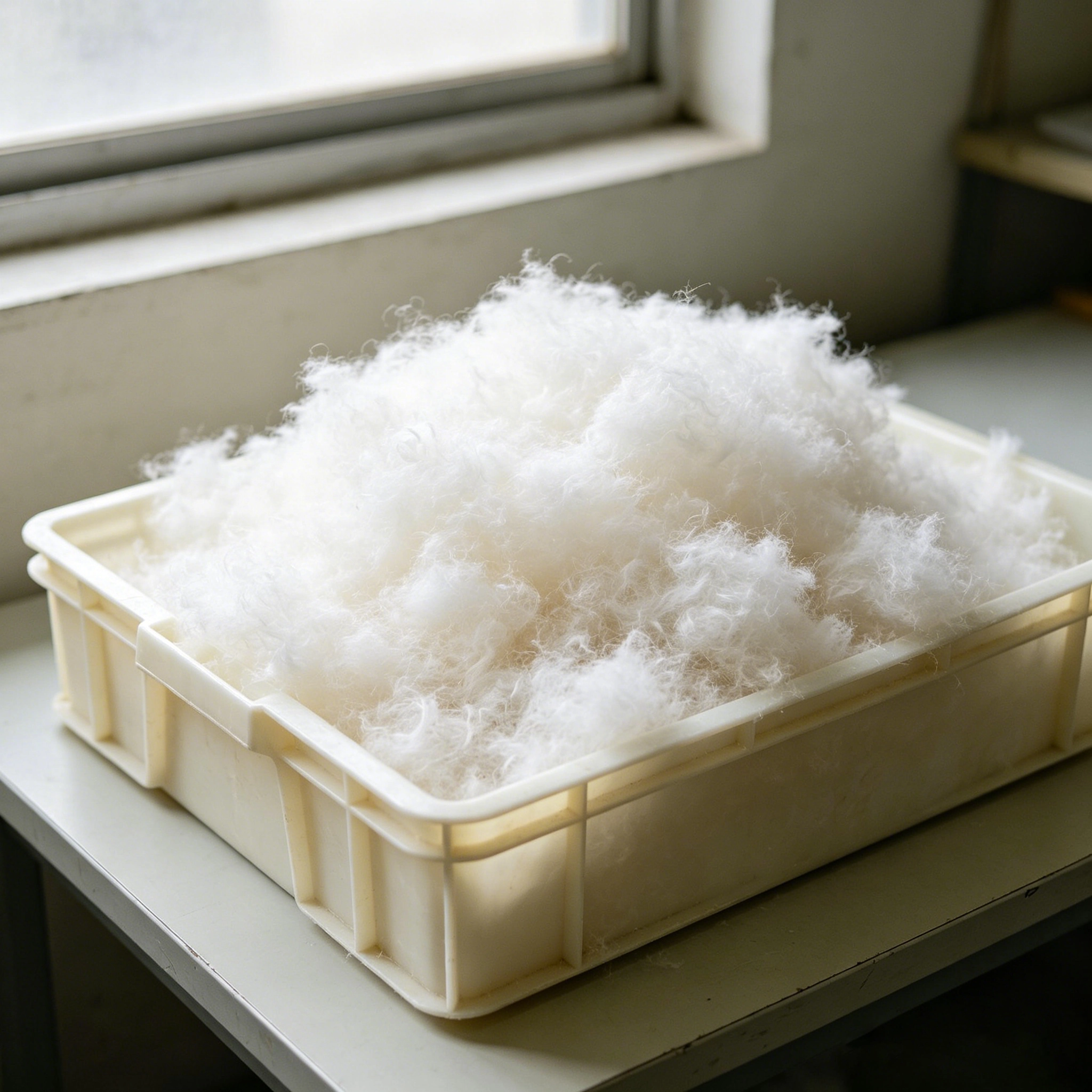
Stuffing is another detail. Recycled PET filling can work well, but the buyer still needs to confirm softness, rebound, cleanliness, and shape stability. A toy may look good at first but become flat after compression if the filling quality is poor.
At Wehao Toys, we usually recommend confirming the sustainability direction before sampling, not after the first sample is finished. Material changes after design and sampling often cause delay, especially when the buyer switches from standard plush to recycled polyester plush.
How to Evaluate an Eco-Friendly Plush Toy Project
A practical custom plush toy project review should start before quotation.
Buyers should not simply ask, “Can you make eco-friendly plush toys?” That question is too broad.
A better request is:
We want to develop a plush toy using recycled polyester outer fabric and recycled PET filling if feasible. The target market is the USA. Please advise material options, MOQ, cost difference, safety testing, and claim documentation.
This gives the supplier enough information to evaluate the project correctly.
Before moving forward, buyers should check:
| Review Point | Why It Matters |
|---|---|
| Target market | Determines safety and labeling requirements |
| User age | Affects ASTM, CPSIA, CPC and warning logic |
| Recycled part | Avoids unclear “whole toy” claims |
| Recycled content percentage | Supports marketing accuracy |
| Certification availability | Supports claim confidence |
| Fabric MOQ | Affects cost and feasibility |
| Color requirement | Affects dyeing and lab dip timing |
| Toy structure | Affects durability and safety |
| Packaging claim | Must match actual product evidence |
| Testing plan | Reduces USA import and retail risk |
The strongest eco-friendly plush toy projects are usually not the ones with the loudest claims. They are the ones with clear material choices, simple structure, good durability, and honest wording.
Final Recommendation for Brands and Sourcing Teams
Recycled plush toys are worth considering, especially for brands that want a more responsible product line. They can work well for sustainable stuffed animals, gift plush, mascot plush, baby plush, retail plush collections, and promotional plush products.
But buyers should avoid treating recycled material as a shortcut.
A recycled plush toy is only a strong product when it meets three conditions:
- The recycled material is real and traceable.
- The plush toy is safe, durable, and suitable for its target market.
- The sustainability claim is specific and not exaggerated.
For USA buyers, recycled content should be reviewed together with ASTM F963, CPSIA, CPC, labeling, and packaging claims. The material story is important, but safety and claim accuracy are just as important.
So, are recycled plush toys really eco-friendly?
They can be. But only when the project is built carefully from material selection to sampling, testing, documentation, and final claim wording.
If your brand is planning to develop recycled plush toys or eco-friendly plush toys for the USA market, you can contact us before sampling to review material options, MOQ, safety requirements, and claim documentation.
FAQ
1. Are recycled plush toys really eco-friendly?
Recycled plush toys can be more eco-friendly than plush toys made only with virgin polyester, but only when the recycled content is real, traceable, safe, and durable. A vague “eco-friendly” label is not enough.
2. What materials are usually used in recycled plush toys?
Most recycled plush toys use recycled polyester plush fabric, recycled PET filling, or recycled paper packaging. Not every part of the toy is automatically recycled, so buyers should ask which components use recycled material.
3. Is recycled polyester plush safe for children’s toys?
Recycled polyester plush can be used for children’s toys, but the finished toy still needs safety review and testing. For the USA market, buyers should consider ASTM F963, CPSIA, lead, phthalates, small parts, flammability, tracking labels, and CPC requirements.
4. Are recycled plush toys biodegradable?
No. Most recycled plush toys made from recycled polyester are still synthetic polyester products. They may reduce virgin material use, but they are not biodegradable in the same way as natural fibers.
5. What is the difference between recycled plush toys and sustainable stuffed animals?
“Recycled plush toys” usually refers to toys made with recycled materials, such as recycled polyester plush. “Sustainable stuffed animals” is broader and may include recycled materials, safer packaging, better durability, responsible production, and more accurate environmental claims.
6. Should brands use GRS or RCS certified materials?
If a brand wants to make strong recycled content claims, GRS or RCS certified materials can help support traceability and buyer confidence. For small projects, certification availability, MOQ, cost, and timeline should be checked before sampling.
7. Can recycled plush toys be customized?
Yes. Recycled plush toys can usually be customized in shape, size, color, embroidery, labels, and packaging. However, recycled fabric choices may have MOQ, color, and texture limitations compared with standard plush fabrics.
8. What should USA buyers ask suppliers before ordering recycled plush toys?
USA buyers should ask for material composition, recycled content percentage, certification documents, safety test plan, CPC support, packaging details, MOQ, sample timeline, and recommended claim wording.