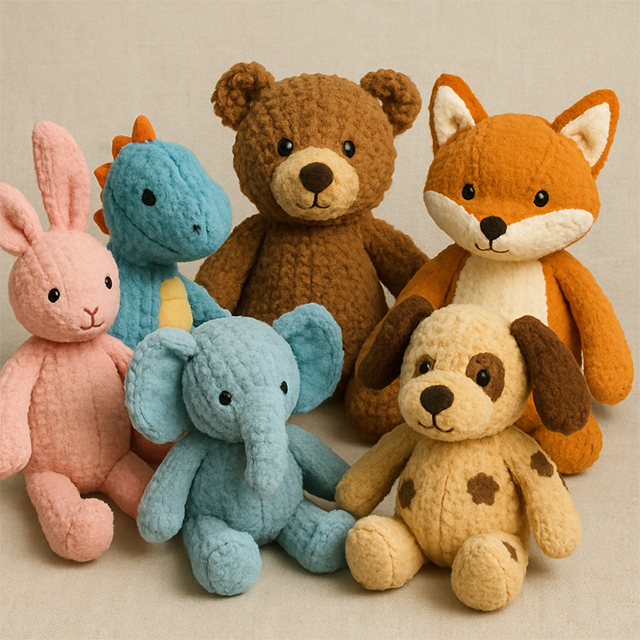

Quick Answer: What Is a Blind Box Plush Toy?
A blind box plush toy is a plush character sold in sealed packaging. The buyer does not know which design is inside until the box is opened.
Collectors love blind box plush toys because they combine surprise, cute design, set completion, rarity, and emotional reward. A good blind box plush line is not only about hiding the product. It creates a small collecting experience around the plush toy.
For brands, this format works especially well when the characters have a clear theme, consistent size, strong facial expression, and packaging that feels exciting to open.
How Blind Box Plush Toys Work
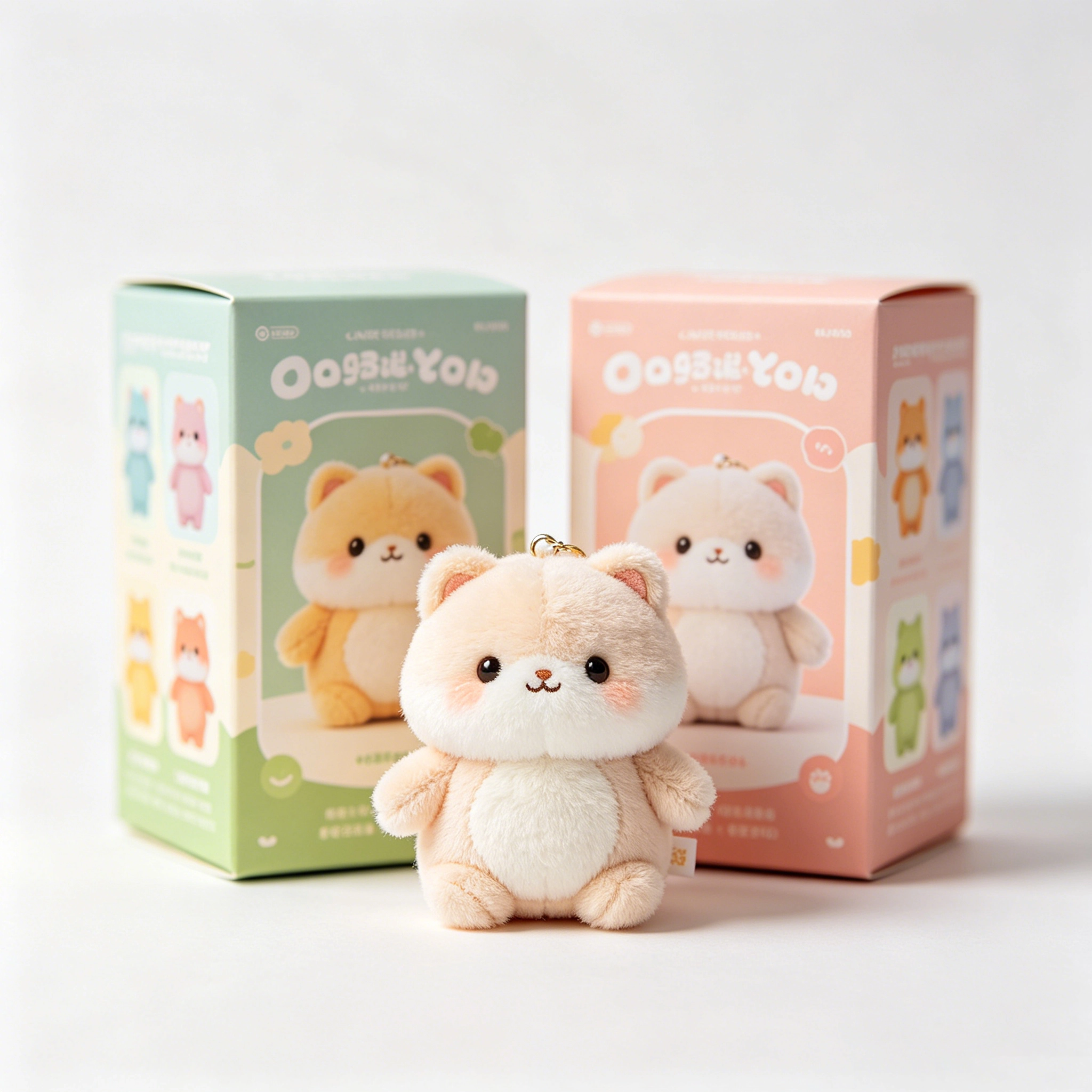
A blind box plush toy usually belongs to a full collection. For example, one series may include 6 regular designs and 1 hidden design.
The customer buys one sealed box. They may get any character from the collection. This creates the “mystery” part of a mystery plush box.
Most blind box plush collections include:
- A fixed character series
- Sealed retail packaging
- Random assortment
- A collection card or checklist
- Regular designs
- Rare or hidden designs
- Repeat purchase motivation
This format is popular because the product is simple to understand. The buyer sees the full collection on the packaging, but the exact plush inside remains unknown.
That small moment before opening is the core of the experience.
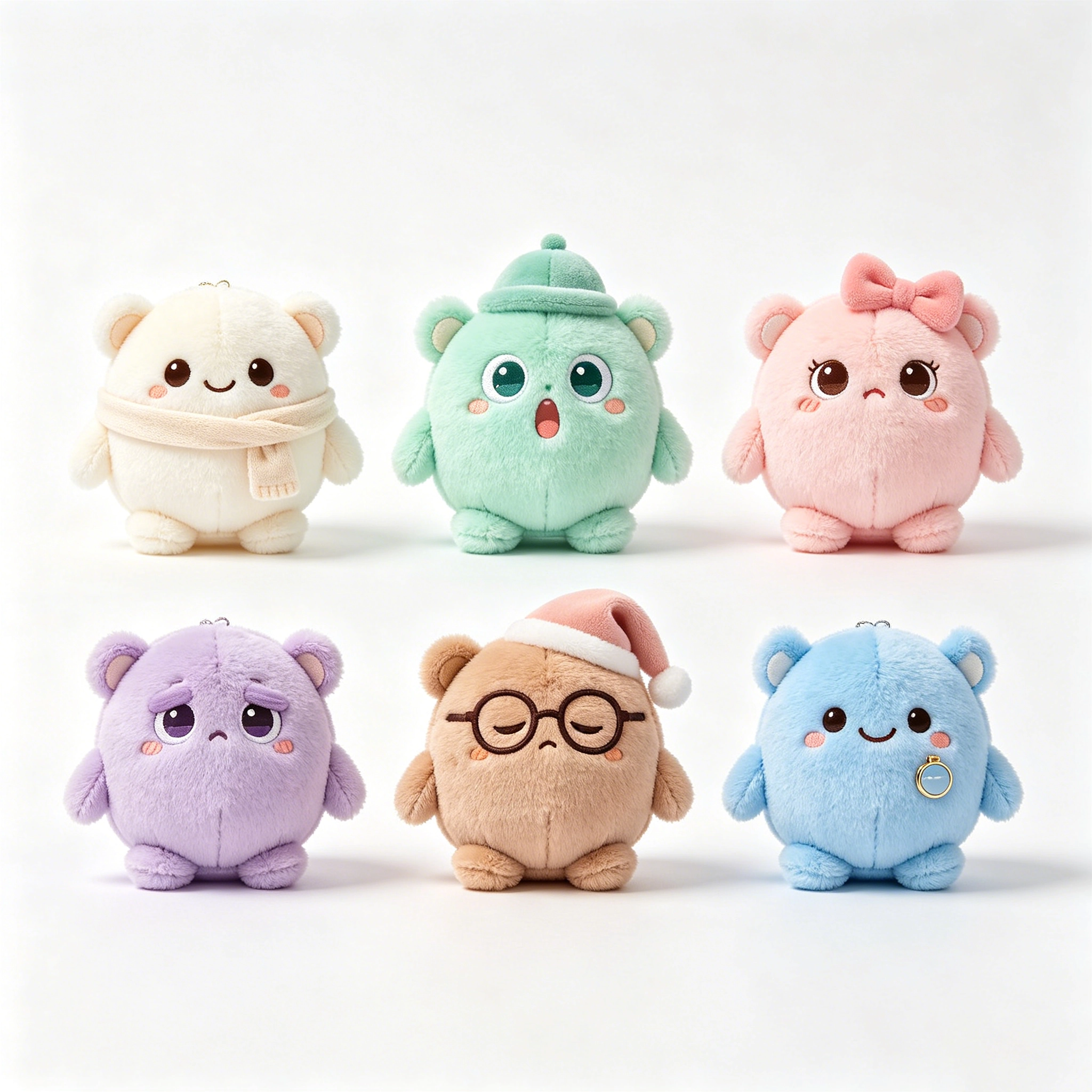
Why Collectors Love the Surprise
The surprise is not just a sales trick. It fits a wider market shift where collectibles and emotional engagement are becoming stronger toy purchase drivers.
When someone opens a blind box, three things happen at the same time:
| Collector Feeling | Why It Matters |
|---|---|
| Curiosity | The buyer wants to know which plush is inside |
| Hope | They may get their favorite design or rare version |
| Reward | Opening the box feels like a small event |
| Social Sharing | The result can be shared online or with friends |
| Collection Drive | Missing characters encourage repeat purchases |
This is why people love blind box plush toys. The buyer is not only purchasing a soft toy. They are buying the moment of discovery.
For collectors, the product becomes more fun when each character has a name, personality, mood, or theme. A plush without character meaning is just a toy. A plush with story potential becomes collectible.
What Makes a Plush Toy Worth Collecting?
Not every plush toy works well as a blind box item. In our sampling experience, collectible plush toys need stronger visual identity than ordinary plush gifts.
A successful blind box plush usually has these features:
- A recognizable face
- A compact size
- Clear color differences between characters
- A theme that can expand into a series
- Consistent shape across all designs
- Small details that make each design feel unique
- Packaging that explains the collection clearly
The most common mistake is making too many designs that look almost the same. If collectors cannot quickly tell the difference, the collection feels weak.
Another mistake is focusing only on rarity. A hidden design can create excitement, but it cannot save a poor character system. The regular designs must also be attractive.
A strong collection should make buyers think:
“This one is cute, but I also want the other one.”
That feeling is more important than simply making one rare item.
Common Blind Box Plush Toy Formats
Blind box plush toys can be developed in different formats depending on the brand, price point, and target customer.
| Format | Best For | Notes |
|---|---|---|
| Mini plush toys | Retail collections, capsule programs, gift sets | Easy to pack and collect |
| Plush keychains | Bags, accessories, fandom items | Good for teens and adult collectors |
| Mascot plush toys | Brand characters, events, promotions | Works well with strong IP or brand identity |
| Animal plush series | Cute collections, seasonal themes | Easy for broad audiences to understand |
| Anime-style plush | Fan-based collections | Needs strong face and detail accuracy |
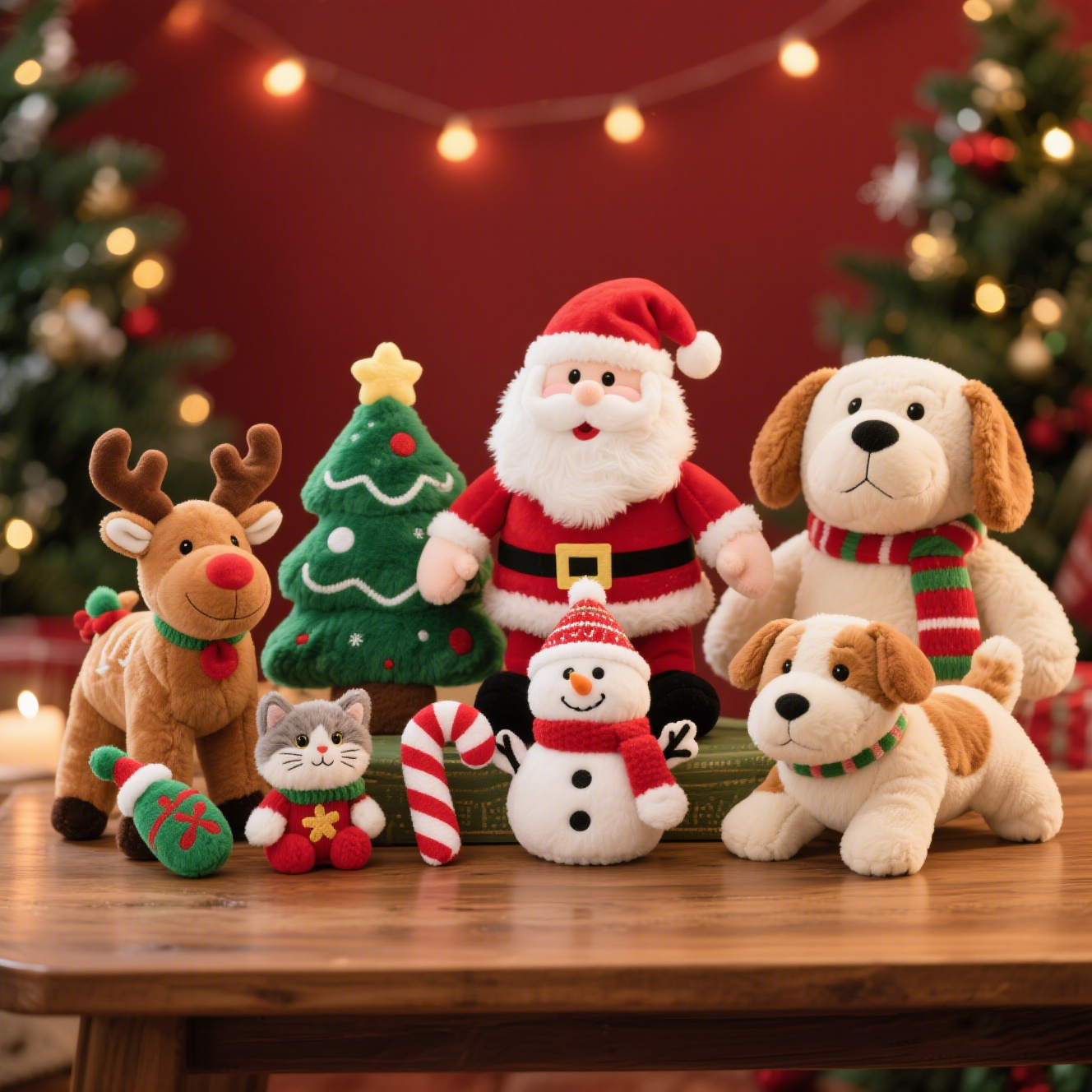
| Holiday surprise plush | Christmas, Halloween, Valentine’s Day | Good for seasonal campaigns |
For many collectible programs, mini plush toys are often the most practical starting point because they keep the product light, compact, and easier to package. It keeps the product light, the packaging smaller, and the retail price easier to control.
However, smaller plush toys are not always easier to produce. Details like embroidery, ears, small accessories, or printed fabric can become harder at small sizes.
For a blind box series, we usually recommend keeping the base body structure consistent. Then each design can change through colors, facial expression, small clothing parts, ears, embroidery, or accessories.
This helps control cost and improves production consistency.
What Brands Should Consider Before Making a Mystery Plush Box
A mystery plush box is more than a random packaging idea. It needs planning from the beginning.
Before starting custom plush toy development, brands should confirm these points:
1. How many designs will be in the series?
A small first series may include 4–6 designs. Larger lines may include 8–12 designs plus a rare version.
2. Will all designs use the same body shape?
Using one base shape can reduce pattern cost and improve consistency. Different body shapes make the line more expressive, but they also increase sampling work.
3. How will rarity be managed?
Hidden designs should be planned carefully. If the rare ratio is too aggressive, buyers may feel frustrated. If it is too common, the rare item loses excitement.
4. What packaging will protect the plush?
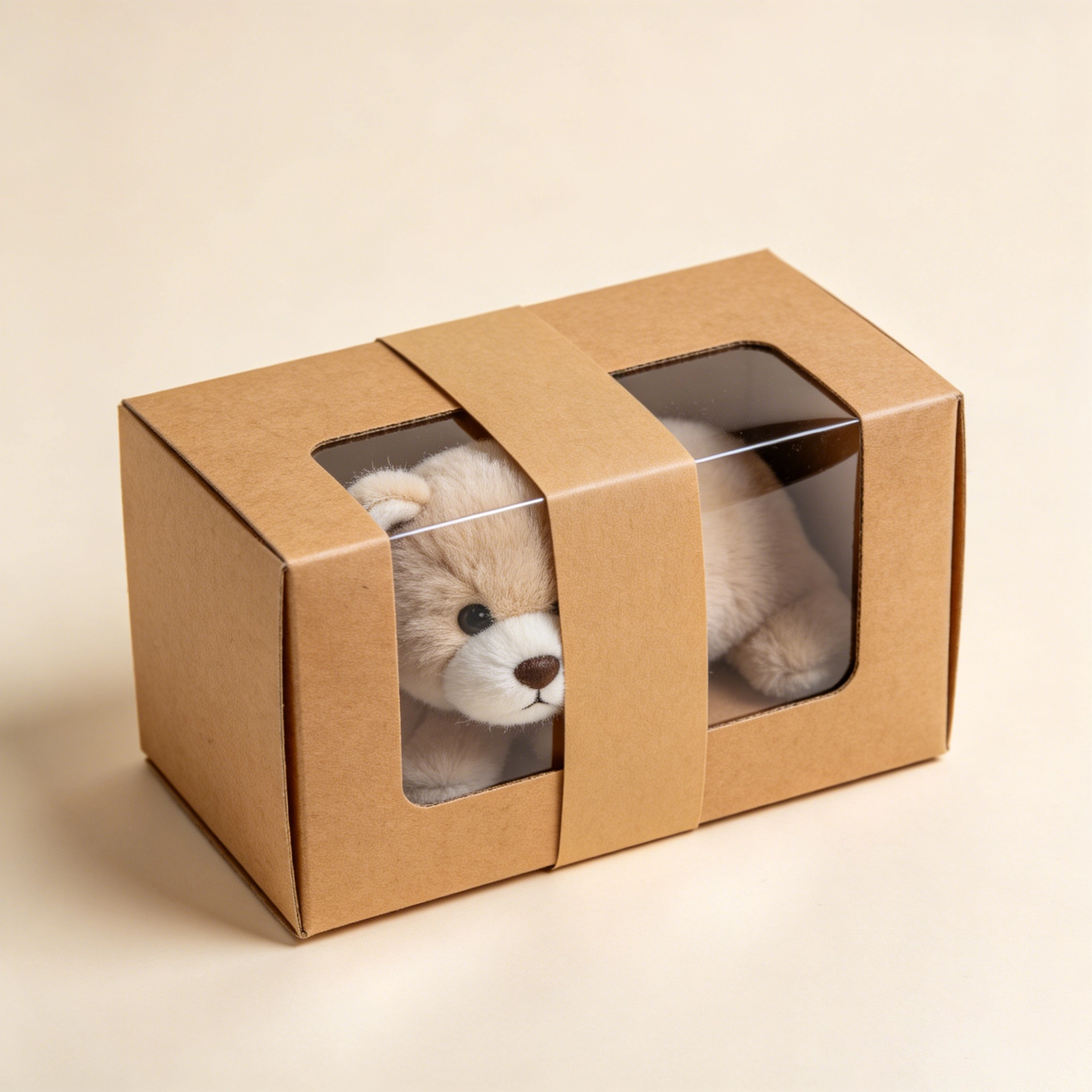
Blind box packaging should hide the product, protect the shape, and create a good opening experience.
5. Is the product for children, teens, adults, or collectors?
This affects safety testing, age grading, labeling, packaging copy, and marketing style.
One common issue we often see is that buyers start with packaging first. They imagine the box design before confirming the plush size. This often creates problems later.
The plush size, compression level, accessory height, and final packaging size should be developed together.
Safety and Labeling Points for the US Market
For the US market, blind box plush toys should be reviewed together with children’s plush toy safety standards when they are sold as children’s toys.
If the product is sold as a children’s toy, safety planning should include:
- ASTM F963
- CPSIA requirements
- Age grading
- Small parts risk
- Seam strength
- Pull testing for attached parts
- Flammability review
- Tracking label
- Children’s Product Certificate when required
Blind box plush toys may include small accessories, keychains, plastic tags, metal rings, printed cards, or decorative parts, so brands should review which ASTM F963 sections apply to the toy. These details can affect testing.
For children under 3, small parts are especially sensitive. For older children, the warning label and age grading must still match the actual product design.
For adult collectibles, the safety logic may be different, but brands should still avoid weak attachments, sharp parts, poor stitching, and unclear labeling.
The safest approach is to confirm the target age before sampling. This helps avoid redesigning the plush after the first sample.
Are Blind Box Plush Toys Right for Your Brand?
Blind box plush toys are a good fit when your brand has characters, stories, mascots, seasonal ideas, or fan-based designs, especially as licensed, collectible, and fandom-driven toys continue to perform well.
They are especially suitable for:
- Gift brands
- Retail toy brands
- Museum shops
- Event merchandise
- Anime and IP products
- Brand mascot collections
- Promotional campaigns
- Lifestyle and stationery brands
- Subscription boxes
- Collectible plush toy lines
They may not be suitable if the brand only needs one exact product and customers must choose a specific design. Blind box works best when surprise adds value.
A blind box format also requires stronger inventory planning. If one character is much more popular than others, customers may trade, resell, or ask for specific designs. This can be positive for community engagement, but it must be expected.
At Wehao Toys, we usually recommend starting with a controlled first series. A small but strong collection is better than a large series with weak character differences.
Conclusion
Blind box plush toys are popular because they turn a simple plush purchase into a surprise experience. Collectors enjoy the mystery, the emotional reward, and the challenge of completing a full set.
For brands, the real value is not only the sealed box. The value comes from character design, collection logic, packaging experience, production consistency, and safety planning.
A good blind box plush toy should feel cute before opening, exciting during opening, and worth keeping after opening.
That is why collectors love it.
FAQ
Q1: Why do people love blind box plush toys?
People love blind box plush toys because they combine surprise, cute design, and collection goals. Opening the box creates a small emotional reward, while the full series encourages collectors to keep searching for their favorite design.
Q2: Are blind box plush toys only for children?
No. Blind box plush toys can be designed for children, teens, or adult collectors. The target age affects safety testing, labeling, packaging style, and design complexity.
Q3: What size is best for a blind box plush toy?
Mini plush sizes are often practical for blind box programs because they are easier to package, ship, and display. Many brands choose compact plush designs that are easy to collect and store.
Q4: Can a brand create a rare or hidden plush design?
Yes. A rare or hidden design can make the collection more exciting. However, the full series must still look attractive. Rarity should support the collection, not replace good design.
Q5: What should brands prepare before making custom blind box plush toys?
Brands should prepare character artwork, target size, expected number of designs, packaging idea, target age, quantity plan, and any safety or labeling requirements for the sales market.