Quick Answer
Mystery boxes for plush series work best when the plush design, packaging structure, hidden design logic, and buyer experience are planned together before sampling begins. A good surprise box does not only hide the toy. It helps buyers understand the collection, enjoy the opening moment, and feel that every regular design still has value.
For B2B plush toy projects, the biggest mistake is treating mystery box packaging as a printed carton added at the end. In most plush toy projects, the box affects product size, insert cards, labeling, carton loading, SKU control, hidden design ratios, and final inspection. If the packaging is not planned early, the series may look exciting in artwork but become difficult to produce, pack, and ship consistently.
Why Mystery Boxes Need to Be Planned Before Plush Sampling
A mystery box plush series is not only a group of plush toys placed into sealed boxes. It is a complete product system. The buyer sees the box first, then the collection artwork, then the hidden reveal, and finally the plush itself. Each step affects how the customer judges the product.
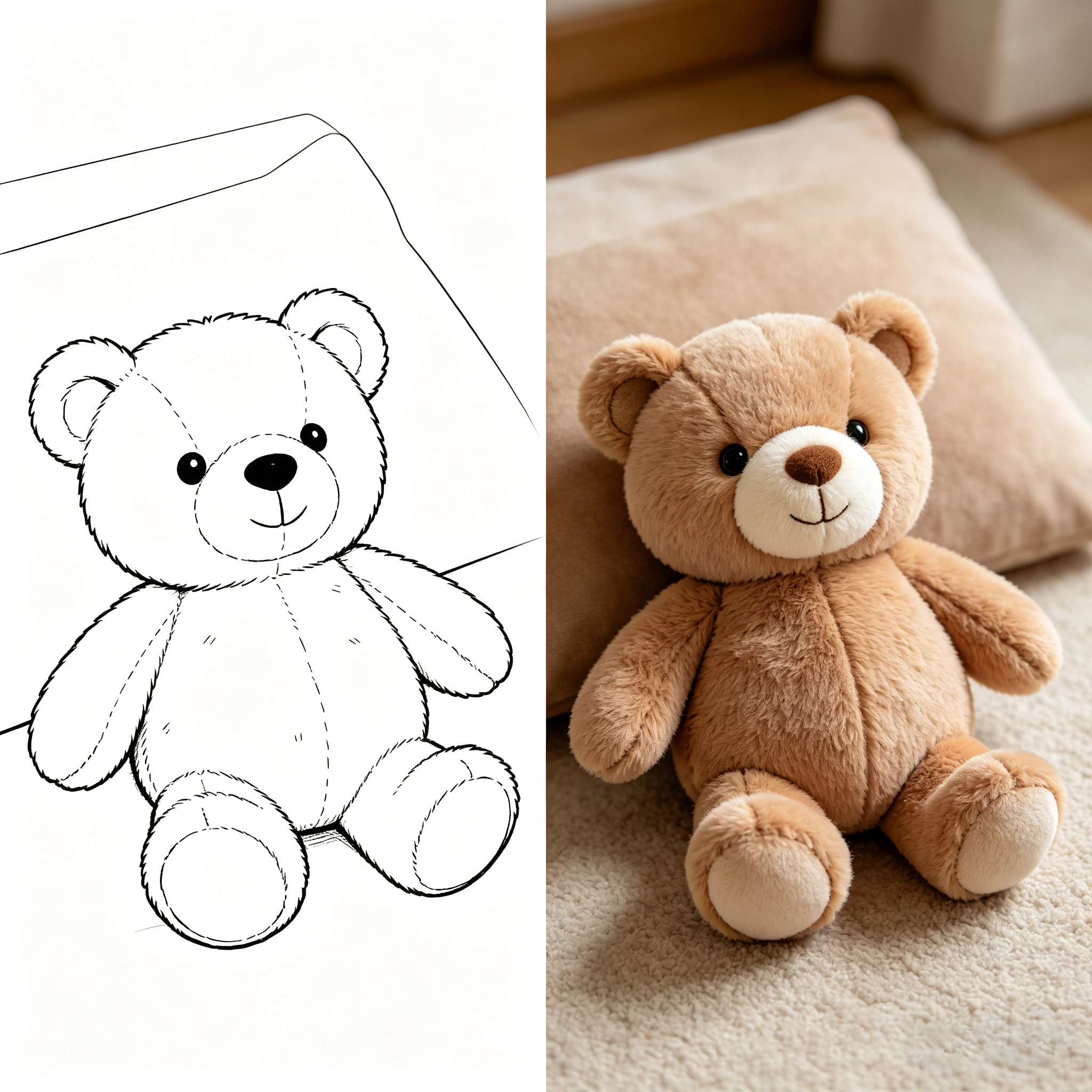
In our sampling experience, problems often appear when the plush sample and box design are developed separately. The plush may become thicker after stuffing. Ears, tails, clothing parts, or keychain attachments may extend beyond the expected outline. A box that looked suitable in a flat mockup may press the face, bend the ears, or make the character sit at the wrong angle.
This is why the mystery box should be considered before the first plush sample is finalized. The supplier needs to understand the planned box size, the number of characters, whether each plush uses the same body pattern, and whether insert cards or collector cards are included. These details affect both development and quotation.
Packaging Structure: What the Box Must Control
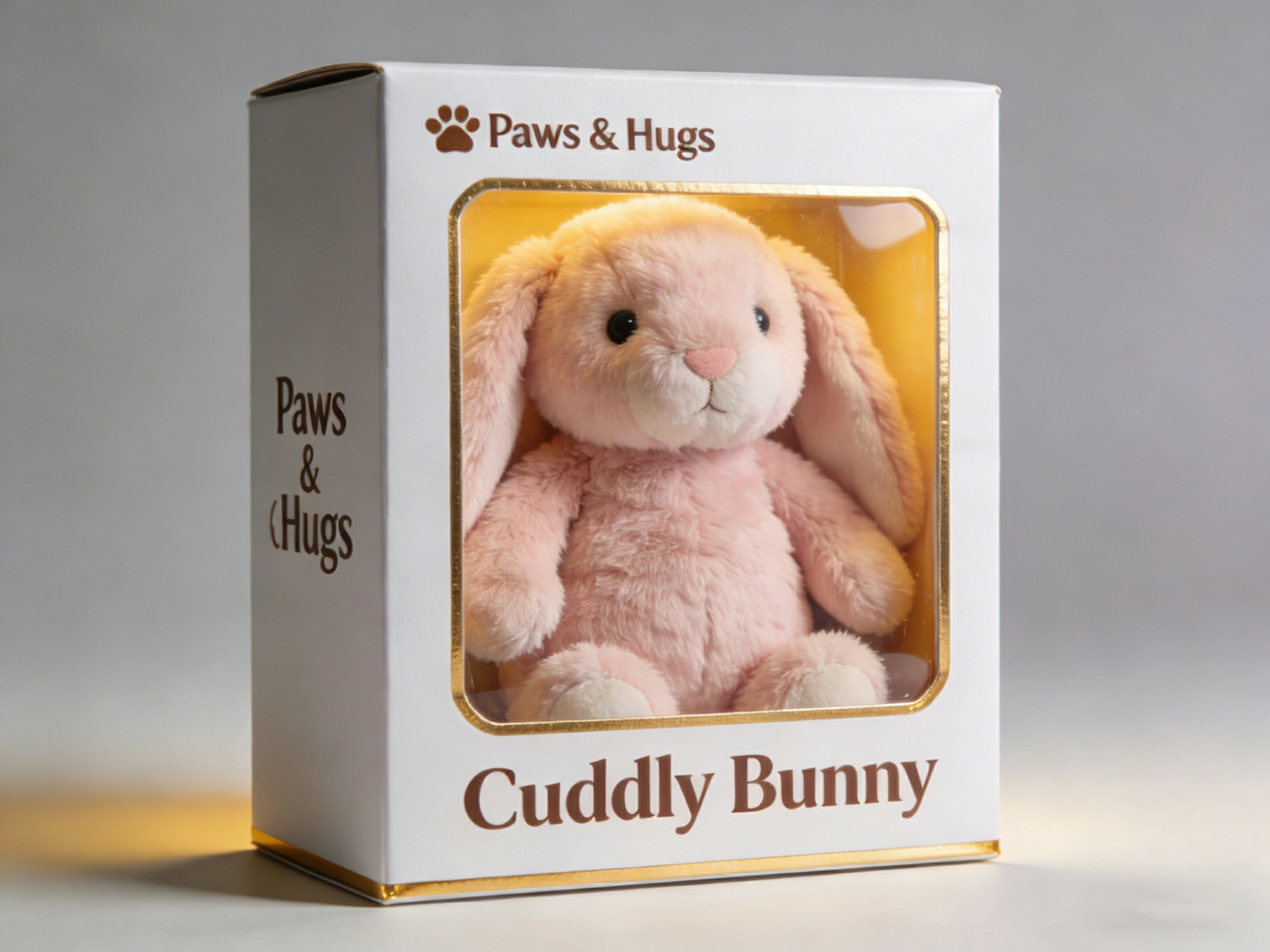
For plush mystery boxes, packaging has a different job from ordinary retail packaging. It must hide the exact design while still making the series easy to understand. It also needs to protect a soft product that can move, compress, or change shape inside the box.
A well-planned toy mystery box usually controls four things: size, movement, presentation, and information. The box should be large enough to prevent heavy compression, but not so large that shipping volume becomes wasteful. The inner space should stop the plush from twisting too much, especially when the character has a clear face direction.
The box also needs enough printed space for the series name, character lineup, age grade, barcode, brand information, warnings, and any required market information. Buyers often focus on the front panel because it creates the strongest visual impact. However, the back and bottom panels are often where practical information must live.
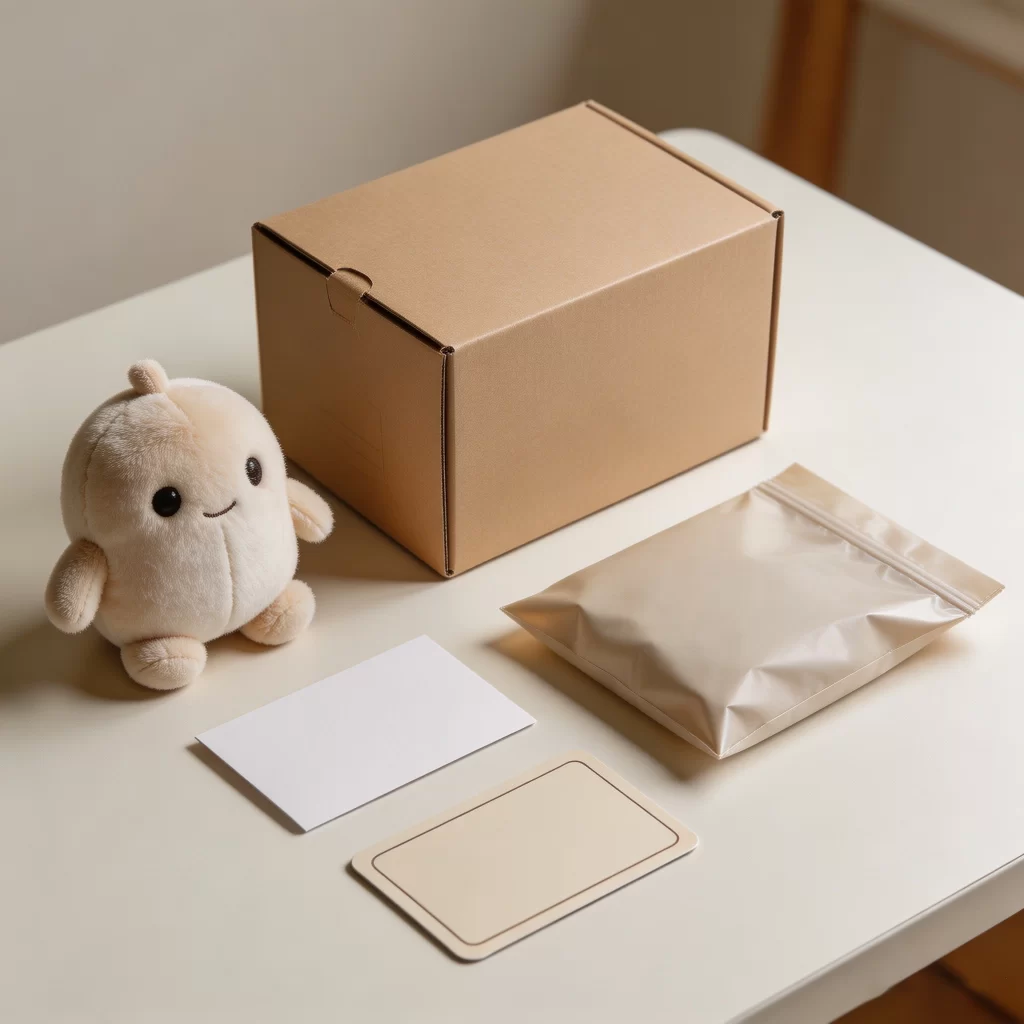
| Packaging Element | Practical Role | Common Risk |
|---|---|---|
| Outer box | Hides the design and presents the series | Too much empty space increases freight volume |
| Inner bag | Protects the plush from dust and rubbing | May reduce the premium opening feel |
| Insert card | Adds story, checklist, or brand message | Can crowd the box if not sized early |
| Collector card | Supports repeat purchase and set completion | Needs clear artwork and SKU control |
| Master carton plan | Controls sorting and shipment | Poor labeling may mix hidden and regular designs |
For many first-run projects, we usually recommend keeping the box structure simple. A clean printed folding carton with a well-planned insert is often more practical than a heavy rigid box. Rigid boxes can improve premium value, but they increase cost, weight, storage volume, and sampling time.
Hidden Designs: How to Create Surprise Without Creating Production Confusion
Hidden designs are one reason mystery boxes feel exciting. However, they also create production and packing risks. The hidden version must be attractive enough to feel special, but it should not make the regular designs feel weak or unwanted.
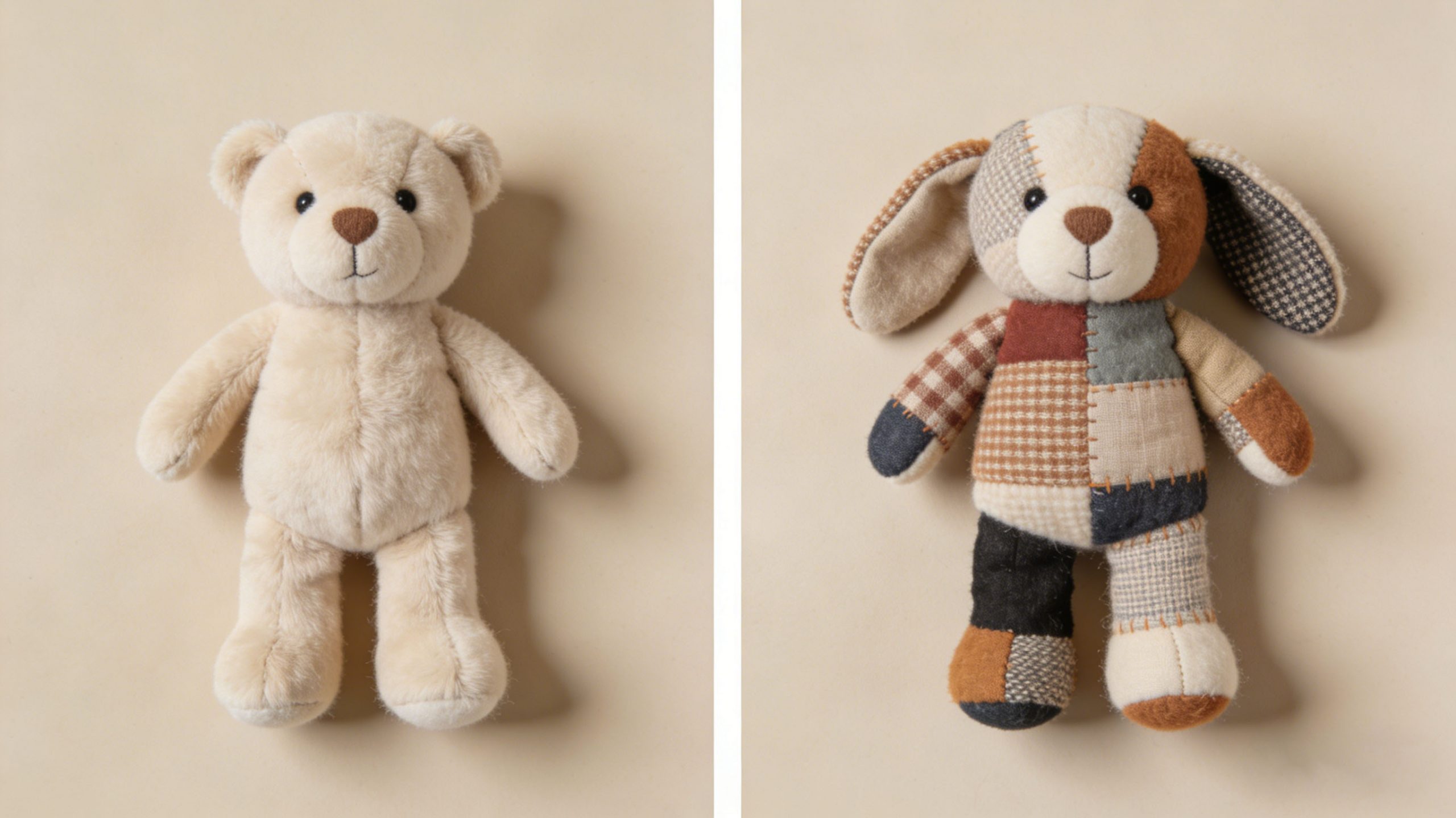
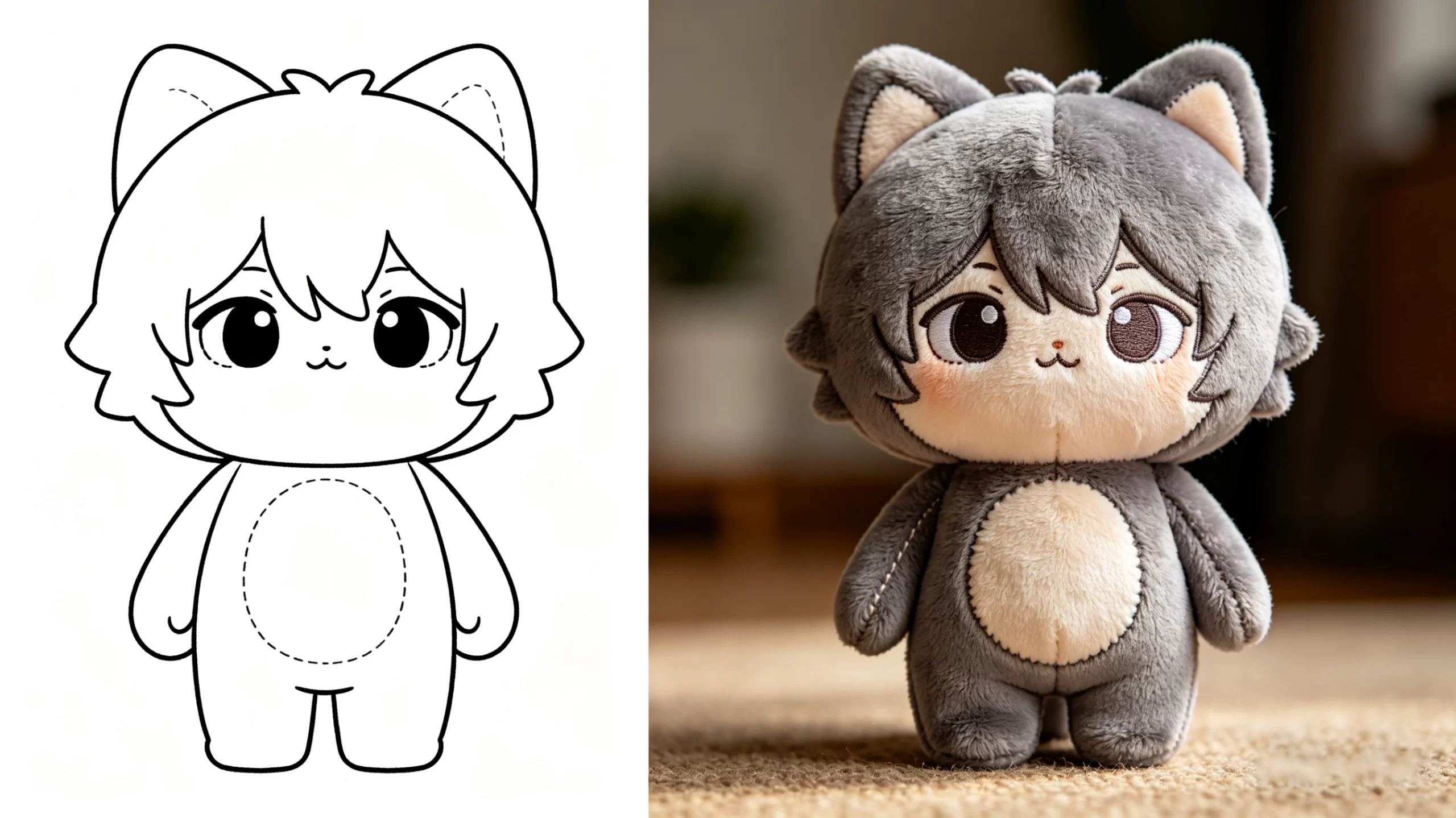
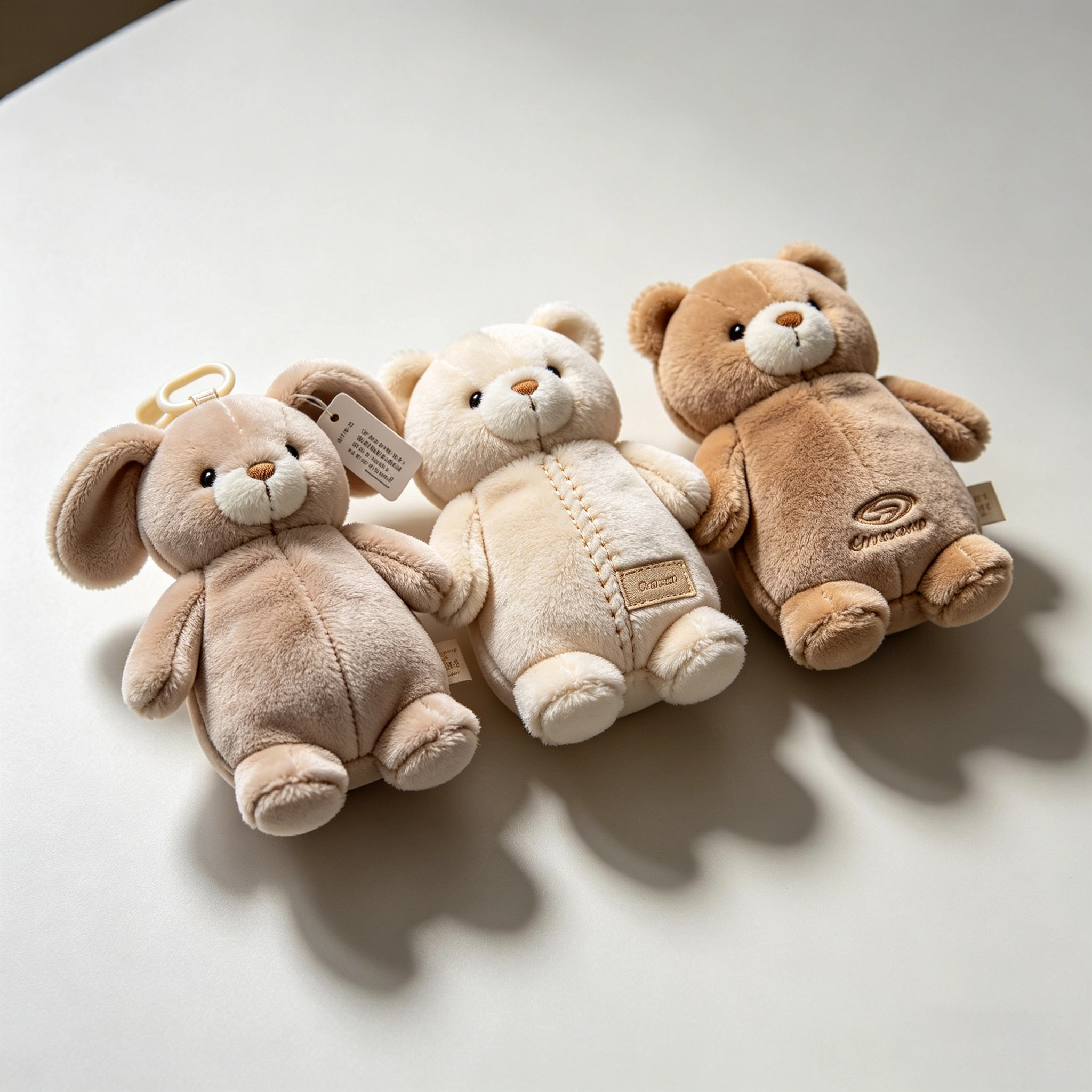
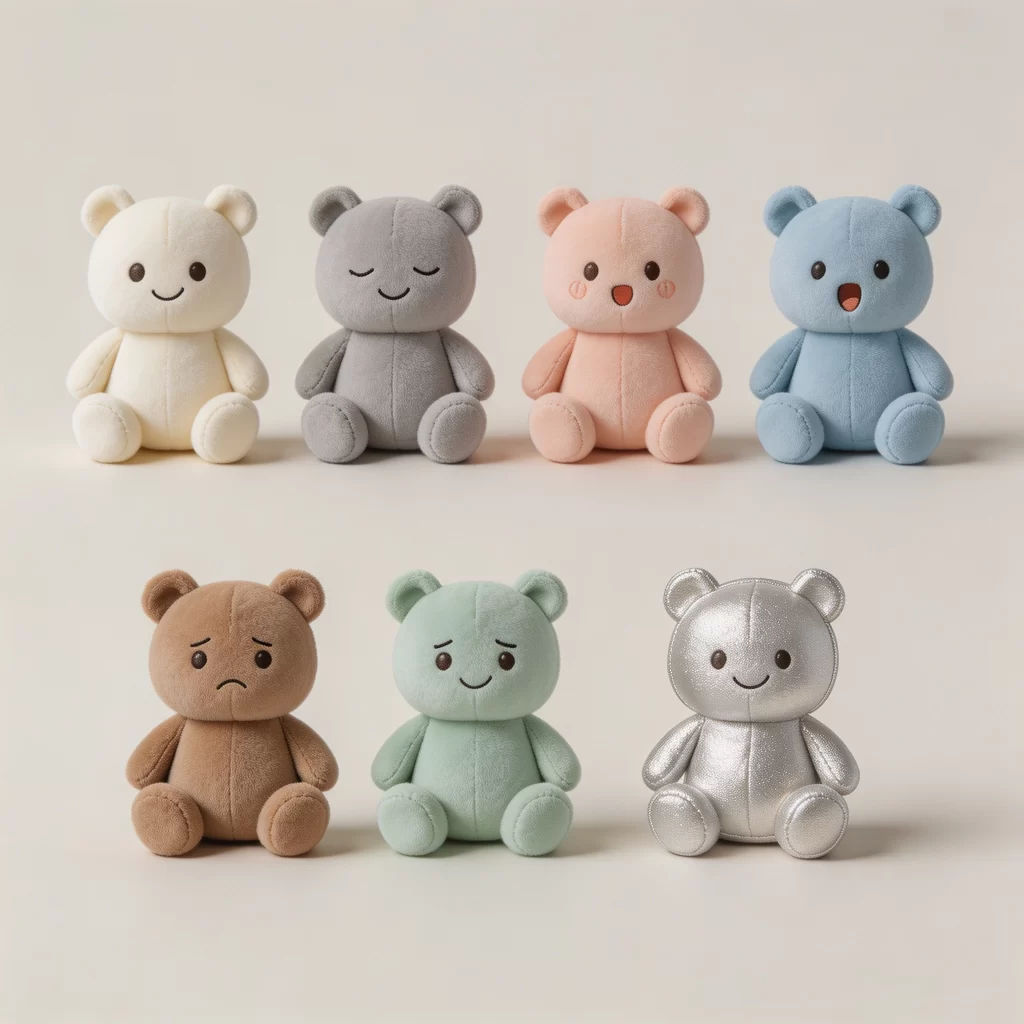
A common structure is to create several regular designs and one rare design. For example, a small plush series may include six regular characters and one hidden character. The hidden design can use a different colorway, expression, accessory, fabric detail, or small embroidery change. It does not always need a completely new pattern.
From a production point of view, the safest hidden design is usually built from the same base structure as the regular characters. This helps control pattern cost, stuffing consistency, box fit, and packing speed. If the hidden design uses a totally different body, size, or accessory structure, it may need separate testing, separate packaging checks, and more inspection time.
Brands should also decide how the hidden design ratio will be handled. Some projects need a fixed packing ratio. Others only need a small quantity of rare items mixed into the total order. This decision should be clear before bulk production starts, because the packing team needs a reliable method to control the final assortment.
Buyers often misunderstand this point. They may think “random” means the factory can simply mix all designs freely. In real production, random packing still needs a controlled packing rule, carton marking method, and final quantity check.
Buyer Experience: The Box Should Explain the Collection Before It Is Opened
A strong surprise box does not reveal the exact plush, but it should still make the customer want to open it. The outside of the box should show the collection theme, the possible characters, and the feeling of the series. It should create curiosity without confusing the buyer.
For plush collections, the buyer experience usually depends on three moments. First, the customer sees the box and understands the series. Second, they open the box and discover the design. Third, they compare the plush with the full character lineup and decide whether they want another one.
This is where checklist cards, character cards, and insert cards become useful. They help buyers understand what they received and what other designs exist. They also make the product feel more collectible without changing the plush itself.
However, inserts should not be added only because they look nice. Each printed item adds artwork preparation, printing cost, packing labor, and quality checking. For a simple low-price mini plush series, one combined checklist card may be enough. For a premium collectible box, separate character cards may support a better opening experience.
Production Risks Brands Often Miss
Mystery boxes look simple from the outside, but they can create hidden production risks. The first risk is size inconsistency. Plush toys are soft, so the final packed size can change depending on fabric pile, stuffing density, and shape. If the box is approved before the final plush sample, the packaging may not fit correctly.
The second risk is design imbalance. If one character is much more attractive than the others, customers may feel disappointed when they receive a less popular design. This problem is not solved by adding a hidden version. The regular designs must still feel worth collecting.
The third risk is packaging SKU confusion. A series with many designs may need different cards, different labels, or different carton rules. If the project includes several markets, the label and warning information may also vary. Without a clear packing map, the final shipment can become difficult to inspect.
The fourth risk is overcomplicated small details. Mini plush designs often need clear faces and simple shapes. Tiny embroidered lines, narrow fabric parts, small accessories, and long-pile fabric may look good in artwork but fail at small scale. In many projects, the best mystery box plush is not the most detailed one. It is the one that stays cute, clear, and repeatable across the full series.
US and Europe: Packaging Space Must Leave Room for Required Information
For the United States and Europe, packaging should not be planned only around graphics. If the plush toy is sold as a children’s product, the project may need safety review, age grading, warning labels, tracking information, and market-specific documents. The exact scope depends on the final product structure, materials, accessories, and intended user group.
In the U.S., children’s toy projects commonly review ASTM F963, CPSIA, CPC, small parts, flammability, lead, phthalates, and tracking label requirements. If the mystery box contains small accessories, metal keychains, plastic charms, cards, or detachable parts, these details should be reviewed before sample approval.
For Europe, buyers usually consider EN71, CE documentation, REACH, and packaging-related requirements. Packaging materials, recycling information, environmental claims, and importer details may also need review depending on the selling market and sales channel.
The practical recommendation is simple: leave clean space on the box for required information before the artwork becomes too crowded. It is much easier to reserve a label area early than to redesign the box after testing or retailer review.
What to Prepare Before Requesting a Mystery Box Plush Quotation
Before asking for a quotation, buyers should prepare more than character artwork. A mystery box project has more moving parts than a single plush toy, so the supplier needs enough information to evaluate cost and feasibility.
Useful information includes:
- number of regular designs;
- whether there will be hidden or rare designs;
- target plush size;
- expected box size or packaging reference;
- whether all designs share the same body pattern;
- fabric and color direction;
- embroidery, printing, or accessory details;
- insert card or collector card requirements;
- target market, such as the U.S. or Europe;
- age grade;
- estimated order quantity per design;
- preferred packing ratio;
- sales channel, such as retail, e-commerce, event, or subscription box.
At Wehao Toys, we usually recommend reviewing the plush sample, box structure, and printed inserts as one system. This helps avoid late changes after the plush shape is approved. It also gives the buyer a clearer quotation because packaging, labor, and carton volume can be estimated more realistically.
Key Takeaways
Mystery boxes can make a plush series more collectible, but the surprise format must be planned carefully. The strongest projects usually combine a clear character system, practical box structure, controlled hidden design logic, and a simple but enjoyable opening experience.
The package should not be treated as decoration. It affects the plush fit, SKU control, printed inserts, labeling, compliance review, packing labor, and shipping volume. A beautiful box that does not fit the final plush will create more problems than value.
For brands planning mystery boxes, the best starting point is a complete product brief. Define the series, hidden design rule, box direction, target market, and buyer experience before sample development begins. This gives the supplier enough detail to make realistic recommendations instead of guessing from artwork alone.
FAQ About Mystery Boxes for Plush Series
How many designs should a first mystery box plush series include?
For a first launch, many brands start with 4–6 regular designs and one optional hidden design. This keeps development manageable while still giving buyers a real collection to explore. A larger series can work, but it usually needs stronger artwork planning, more sampling time, and better SKU control.
Should every plush in the mystery box use the same body pattern?
In many projects, yes. A shared base pattern helps control cost, box fit, and production consistency. The designs can still feel different through colors, expressions, ears, small clothing pieces, embroidery, or printed details.
Can the hidden design have a different size from the regular designs?
It can, but it often creates packaging and inspection problems. If the hidden design is larger or shaped differently, the same box may not fit all versions well. For most first-run projects, keeping the hidden design close to the regular size is safer.
Is a collector card necessary for a surprise box plush?
A collector card is not required, but it can improve the buyer experience. It helps explain the character, supports set completion, and makes the product feel more collectible. For lower-budget projects, a simple checklist card may be enough.
What information should be printed on mystery box packaging?
The box should normally include the series name, brand identity, possible character lineup, SKU or barcode area, age grade, warning information if required, and market-specific labeling space. The exact content depends on the target market, product structure, and sales channel.
Are mystery boxes suitable for all plush toy sizes?
Not always. Mini plush and small plush keychains are usually easier to package as mystery boxes. Larger plush toys can still work, but box volume, freight cost, storage space, and retail shelf space become more important.
Can mystery box plush toys be sold in both the U.S. and Europe?
Yes, but the project should be reviewed for each target market before production. U.S. and European requirements may affect labels, warnings, documentation, packaging information, and testing scope. Buyers should confirm these details before final artwork approval.
Planning a Mystery Box Plush Series?
If you are developing a mystery box plush collection, prepare your character lineup, target size, hidden design plan, packaging reference, estimated quantity, and target market before quotation. Wehao Toys can review the plush design and packaging structure together, so the product, box, inserts, labeling, and packing method are considered before bulk production.
Contact Wehao Toys for a Custom Plush Toy Project