
Quick Answer: Designer Toys Are Becoming Softer, More Personal, and More Wearable
Designer toys are moving beyond vinyl figures because collectors now want more than display objects. They want characters that feel personal, portable, emotional, and easy to share online. Vinyl figures still matter in the art toy world, but collectible plush is becoming a stronger format for brands that want softness, character expression, lifestyle use, and lower-friction fan engagement.
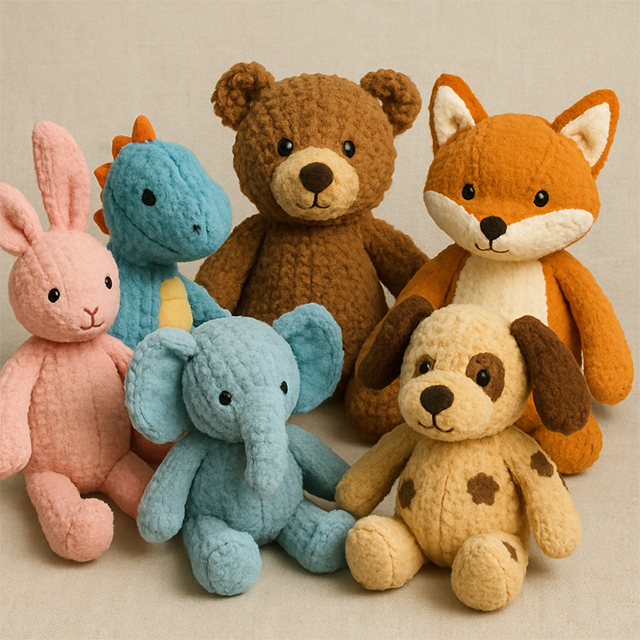
For plush brands, this shift creates a clear opportunity. A designer toy does not have to be hard, glossy, or shelf-only to feel collectible. A plush collectible can work as a bag charm, desk companion, limited-edition character, IP merchandise item, or premium gift. The key is not simply making a cute plush toy. The key is building a strong design language that collectors can recognize, display, carry, and emotionally connect with.
Why Vinyl Figures Built the Designer Toy Market First
Vinyl figures helped shape the designer toy market because they gave artists a clean physical canvas. The material holds sharp edges, smooth surfaces, bold shapes, and strong color blocks. For many art toys, that made vinyl a practical choice. It allowed characters from illustration, street art, comics, fashion, and lowbrow art to become physical collectible toys with a clear gallery-like presence.
Vinyl also fits limited-edition culture well. A hard figure can stand upright, stay close to the original sculpt, and look consistent across a production run. This matters when collectors care about shape accuracy, paint finish, edition size, and display value. For many early designer toys, the product was closer to an object of art than a play item.
However, vinyl has limits. It is less tactile, less huggable, and less suitable for wearable formats. It also depends heavily on molds, paint control, surface finishing, and packaging protection. For brands that want a softer emotional product or a lower-risk way to test character merchandise, plush can offer a different path.
Why Plush Collectibles Are Gaining More Attention Now
Plush collectibles are gaining attention because toy collecting has become more emotional and more visible. Buyers no longer collect only for shelves. They collect for photos, bags, desks, room styling, gifting, fandom identity, and personal comfort. This is especially important in the United States and Europe, where adult buyers, pop culture fans, and lifestyle shoppers are now part of the toy audience.
Social media also changed what collectible toys need to do. A plush charm clipped to a handbag, backpack, car mirror, or desk setup can appear naturally in daily content. A vinyl figure usually stays in one place. A plush collectible can travel with the buyer. That gives the character more chances to be seen, photographed, discussed, and recognized.
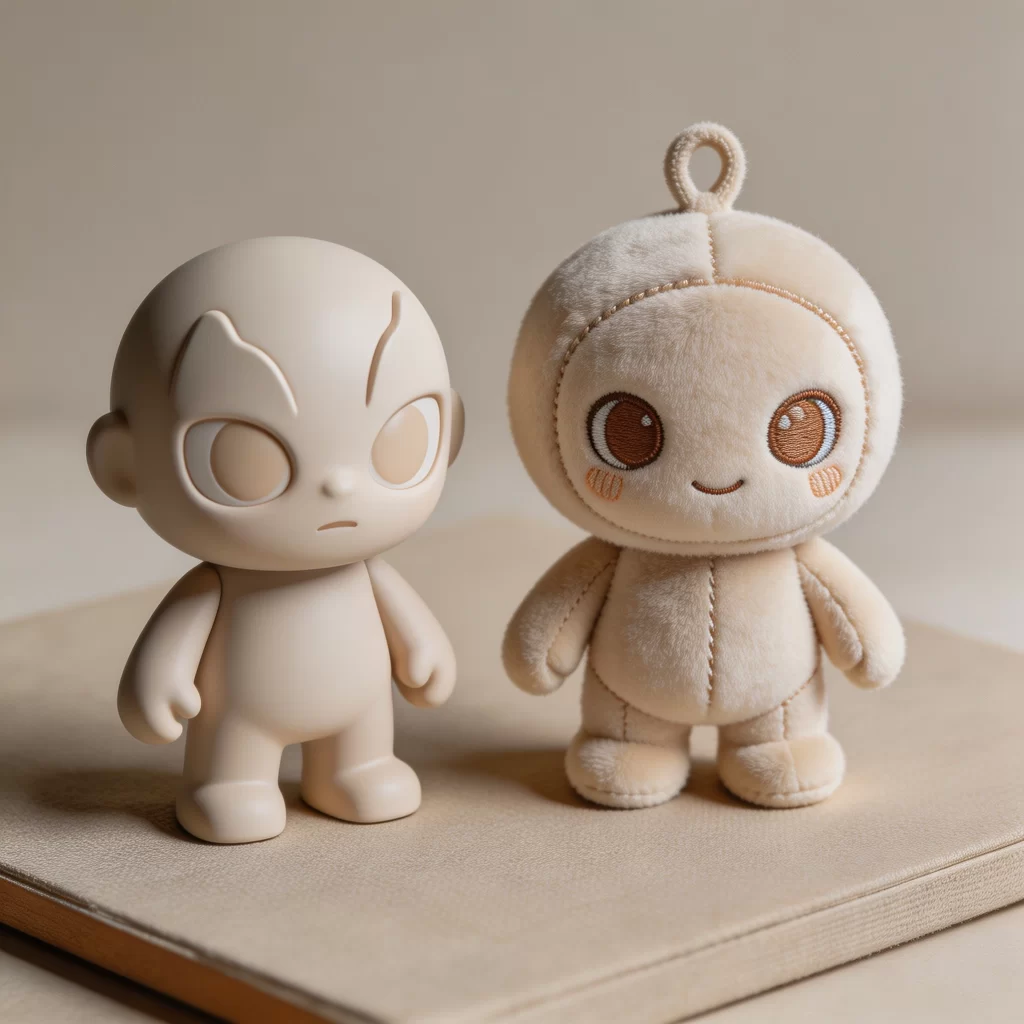
In our sampling experience, buyers often underestimate this difference. They may ask for a plush version of a vinyl-style character without changing the design logic. The result can look stiff, over-detailed, or difficult to sew. A strong designer plush should not copy vinyl exactly. It should keep the character identity while using softness, fabric texture, proportion, and expression as part of the design.
Plush Changes the Emotional Value of Art Toys
Art toys often depend on visual identity. Plush adds another layer: physical feeling. A collector can hold it, squeeze it, attach it, gift it, or place it beside everyday objects. This changes the relationship between the buyer and the character.
That does not mean plush is automatically better than vinyl. It means plush works better when the character needs warmth, humor, softness, awkward charm, or emotional closeness. A monster character can feel less aggressive when made in soft fur. A food character can feel more giftable when rounded and stuffed. A mascot can feel more friendly when its expression is embroidered rather than painted.
This is why plush collectibles often work well for “ugly-cute,” cozy, nostalgic, and character-driven designs. They do not need perfect realism. They need a strong silhouette, a memorable face, and a reason to be kept. For many collectible toys, that reason is emotional recognition.
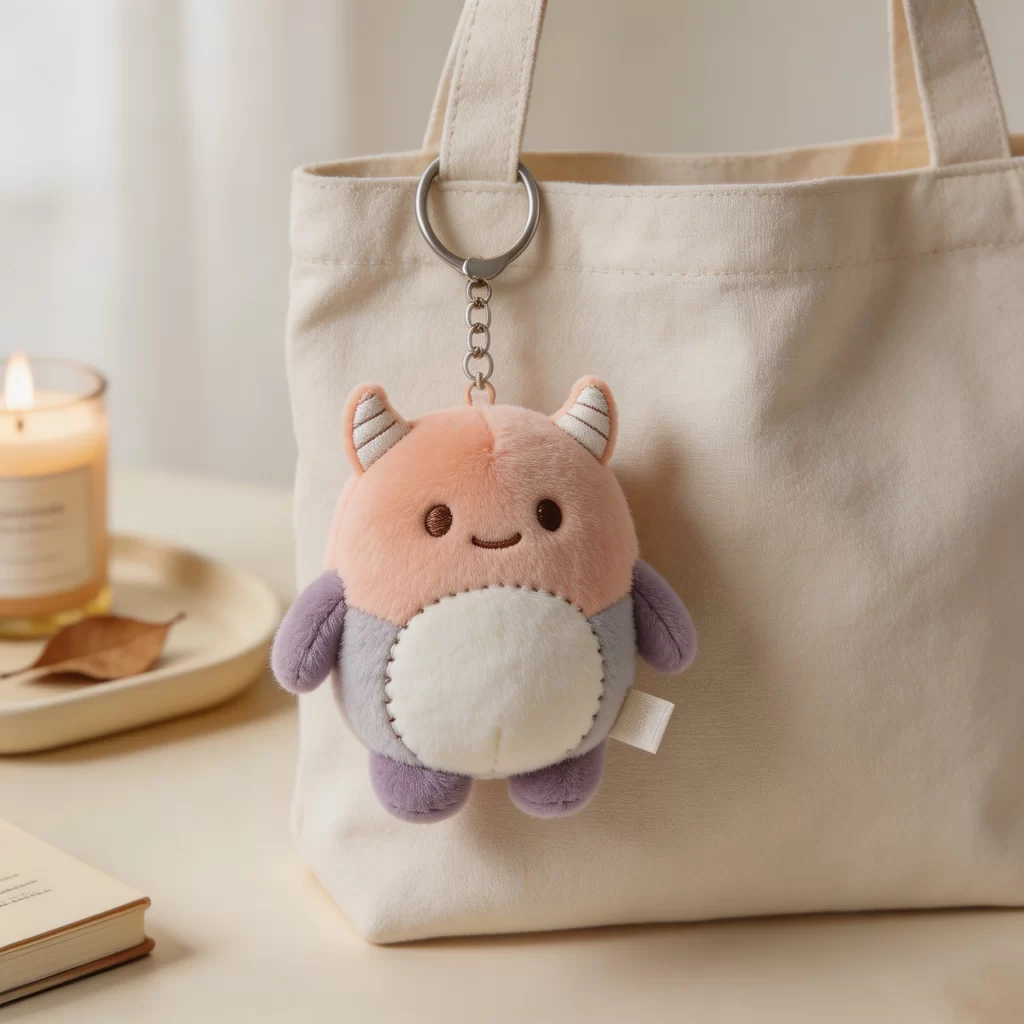
Where Collectible Plush Works Better Than Vinyl
Plush works especially well when the product needs to be touched, carried, or gifted. It can also fit a wider range of retail and campaign situations than a hard figure.
| Use Case | Why Plush Can Work Better |
|---|---|
| Bag charms and keychains | Soft, lightweight, portable, easy to style |
| Mini collectible series | Lower shipping weight and strong impulse appeal |
| Brand mascots | Friendlier physical expression and better gifting value |
| Lifestyle retail | Fits home décor, desk setup, fashion accessory, and gift displays |
| Fan merchandise | Makes characters feel more personal and approachable |
| Limited seasonal drops | Fabric, outfit, color, and accessory changes create repeat interest |
| Crowdfunding rewards | Feels more premium and emotional than many small hard goods |
For brands, plush also creates more flexible storytelling. The same base character can become a small charm, sitting plush, pillow-style plush, costume version, or gift-box version. This makes plush useful for brands that want long-term character development instead of one single collectible release.
What Plush Brands Should Not Copy From Vinyl Toys
The biggest mistake is treating plush like soft vinyl. A vinyl figure may use tiny sculpted details, sharp horns, thin fingers, hard shoes, layered armor, or complex surface painting. These details do not always translate into fabric and stuffing.
Plush needs a different production logic. Tiny lines may need embroidery or printing. Sharp corners may need to become rounded seams. Thin parts may need reinforcement or simplification. Painted gradients may need fabric selection, sublimation printing, or appliqué. A glossy hard finish may need to be replaced by texture contrast.
Buyers also need to be careful with edition planning. Vinyl collectors may accept a high-price, low-volume art object. Plush production often depends on fabric MOQ, embroidery setup, cutting efficiency, stuffing control, packaging volume, and sewing labor. Very low quantity plush can be possible for sampling or artist drops, but it may not produce a practical unit cost for commercial retail.
A better question is not, “Can this vinyl figure become plush?” The better question is, “Which parts of this character must stay, and which parts should be redesigned for fabric?”
Product Development Rules for Designer Plush
A designer plush project should start with character identity, not material choice. Before sampling, the brand should define the visual rules that cannot be lost.
A practical designer plush brief should include:
- front, side, and back views
- target size and use case
- key expression details
- preferred fabric direction
- color references
- embroidery or print requirements
- accessory list
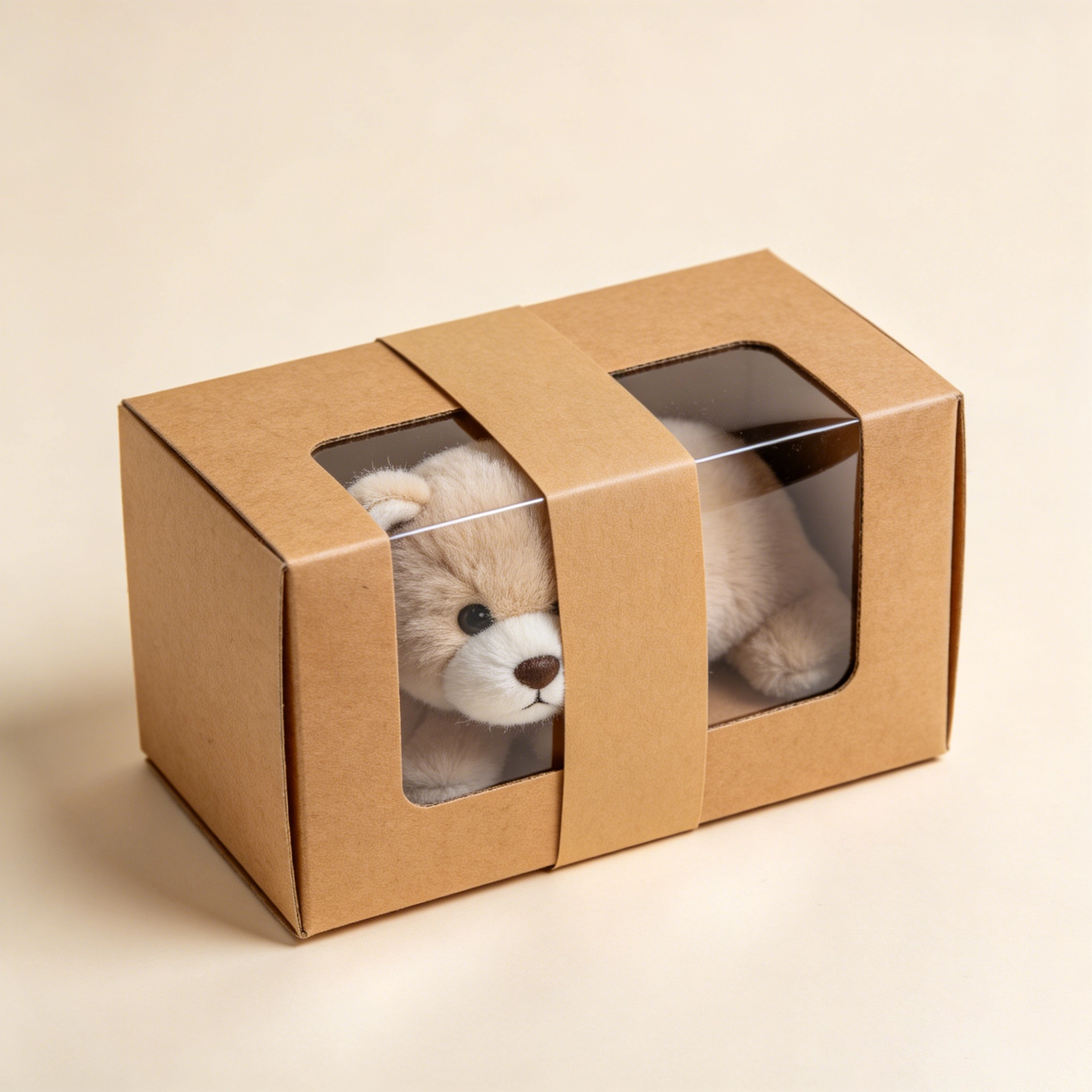
- packaging idea
- target market
- target age group
- estimated order quantity
For collectible plush, we usually recommend controlling the first version carefully. A 10–15 cm charm can be good for portability, but small faces need simplified embroidery. A 20–30 cm plush gives more space for expression, outfit details, and fabric contrast. A larger plush can feel premium, but it increases filling, carton size, freight cost, and storage pressure.
The best designer plush often has fewer details than the original artwork, but stronger character focus. One clear face, one strong silhouette, and one memorable texture usually work better than ten small details that cannot be produced cleanly.
U.S. and European Market Considerations
For the U.S. and Europe, brands should decide early whether the product is a children’s toy, an adult collectible, or a lifestyle accessory. This affects design, labeling, testing, packaging, and risk review. A plush charm that looks child-appealing may still need toy safety review if it is marketed or distributed as a toy.
If a designer plush is sold to children in the U.S., ASTM F963 and CPSIA-related requirements may apply. If it is sold in the EU, EN71 and related toy safety rules should be reviewed. If the item is positioned as a collector product, age grading and package wording become important, but they do not remove every responsibility. The final decision should be based on product design, sales channel, claims, target user, and local market rules.
IP ownership also matters. Designer toys often come from artists, illustrators, game creators, animation studios, fashion brands, or licensed characters. Before production, the buyer should confirm that the artwork, character name, logo, and packaging assets can legally be used for merchandise. This is especially important when moving from personal artwork to commercial collectible toys.
Key Takeaways for Plush Brands
Designer toys are no longer limited to vinyl figures. The market is becoming more open to soft, wearable, emotional, and character-driven collectibles. Plush is not replacing vinyl. It is expanding what collectible toys can be.
For plush brands, the opportunity is strongest when the design has a clear identity, a strong emotional hook, and a realistic production plan. The product should feel collectible because of its character system, material choices, format, packaging, and story—not only because it is limited.
The most successful plush collectibles usually respect both sides of the market. They understand art toy culture, but they also respect plush production reality. When those two sides meet, a designer plush can become more than a soft version of a figure. It can become a character that collectors want to keep close.
FAQ
1. Are designer toys always made from vinyl?
No. Vinyl is common in designer toys, but art toys can also use resin, wood, metal, plush, mixed media, and other materials. Plush becomes more suitable when the character depends on softness, warmth, portability, or emotional connection.
2. Can a plush collectible still feel premium?
Yes. Premium value can come from fabric texture, clean embroidery, strong character design, limited packaging, detailed hangtags, and consistent production quality. A plush collectible does not need to be hard or glossy to feel collectible.
3. What type of designer toy character works best as plush?
Characters with strong silhouettes, expressive faces, soft humor, fantasy traits, animal features, food inspiration, mascot logic, or emotional storytelling usually translate well into plush. Very thin, sharp, armored, or highly mechanical designs often need more redesign.
4. Is plush suitable for limited-edition art toy drops?
Yes, but the quantity, fabric availability, embroidery setup, and packaging cost should be checked first. Very small drops may have higher unit costs because plush production still needs pattern development, cutting, sewing, stuffing, and inspection.
5. Should designer plush toys use embroidery or printing?
Embroidery works well for clean faces, logos, and simple line details. Printing works better for gradients, surface patterns, complex artwork, or very small details. Many designer plush projects use both methods to balance accuracy and production stability.
6. What is the biggest production risk for plush collectibles?
The biggest risk is over-detailing. A design may look excellent in artwork, but small parts, tiny embroidery, unstable accessories, or too many fabric changes can create sampling delays and inconsistent bulk production.
7. Can designer plush be sold as adult collectibles only?
It can be positioned that way, but brands should still review age grading, packaging statements, sales channels, and local regulations. If the product is child-appealing or sold in toy channels, safety requirements may still need review.
8. What should brands prepare before asking for a designer plush quote?
Prepare artwork, target size, intended use, estimated quantity, market country, age group, packaging idea, and any special details such as hangtags, woven labels, embroidery, printing, or accessories. These details help the supplier judge cost and feasibility more accurately.
Want to Turn a Designer Toy Concept Into Collectible Plush?
If you are developing an art toy, character IP, mascot, or limited-edition collectible, start with a feasibility review before moving into sampling. Share your artwork, target size, quantity, market, and packaging idea so the plush structure, fabric, embroidery, safety points, and production cost can be evaluated clearly.
Contact Wehao Toys for a Custom Plush Toy Project