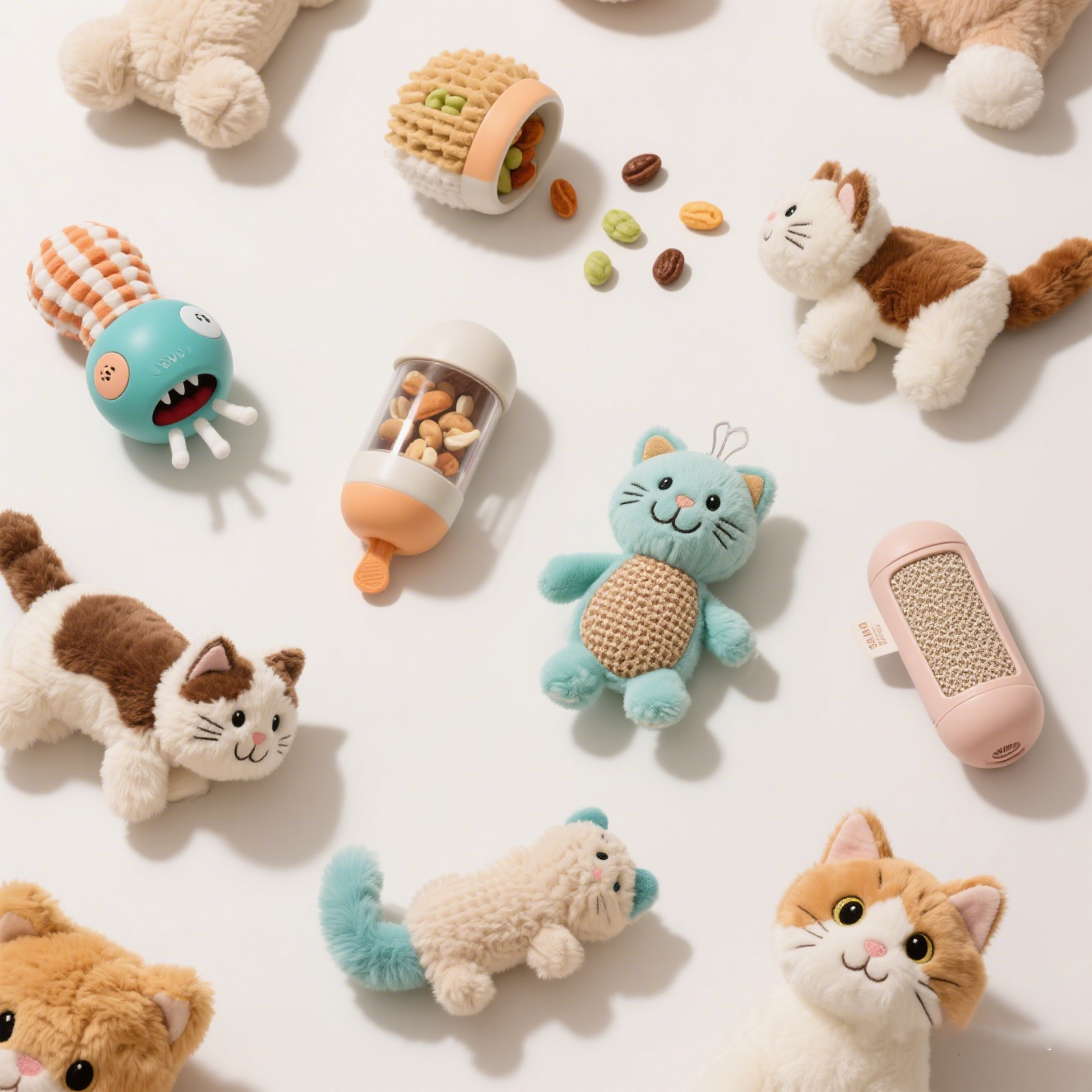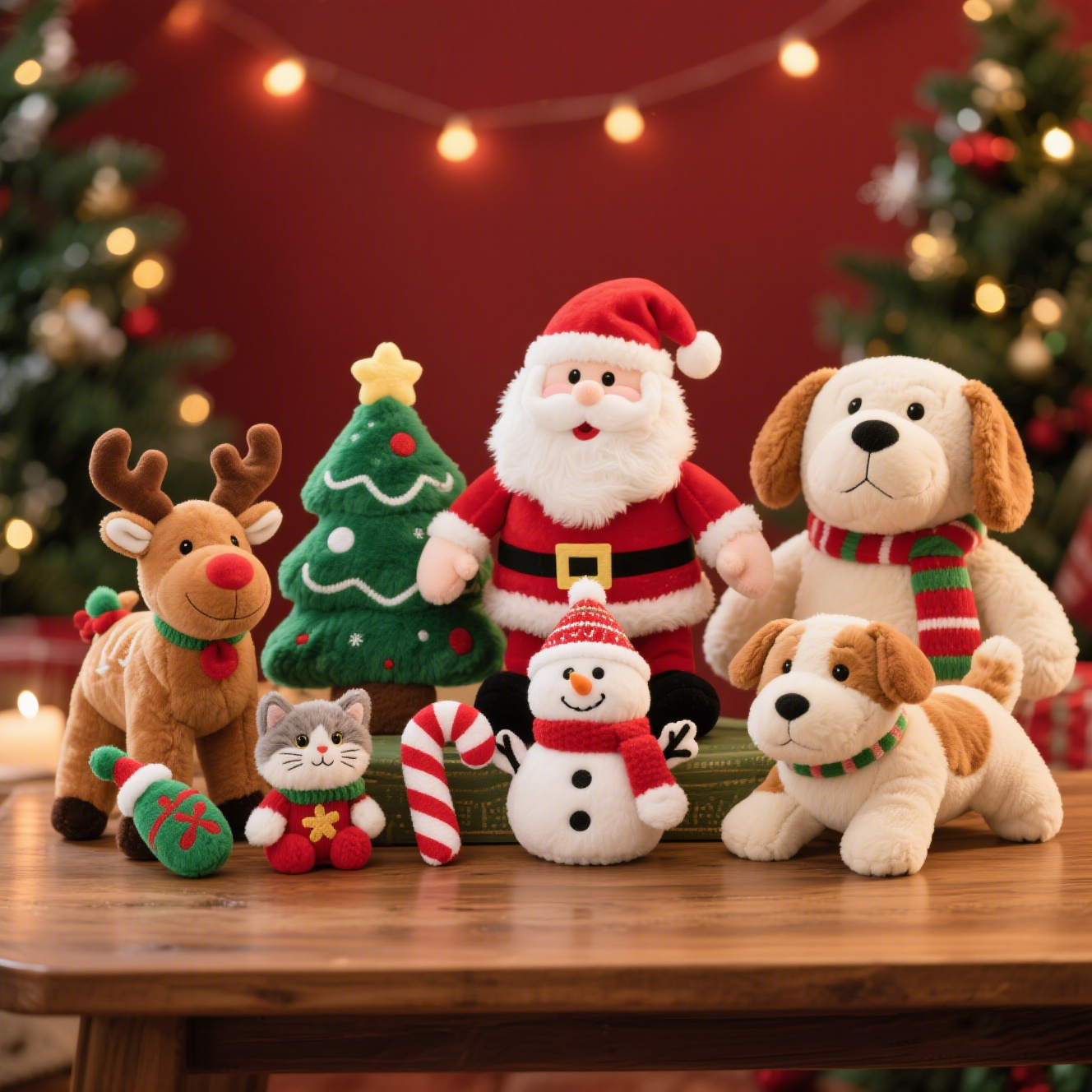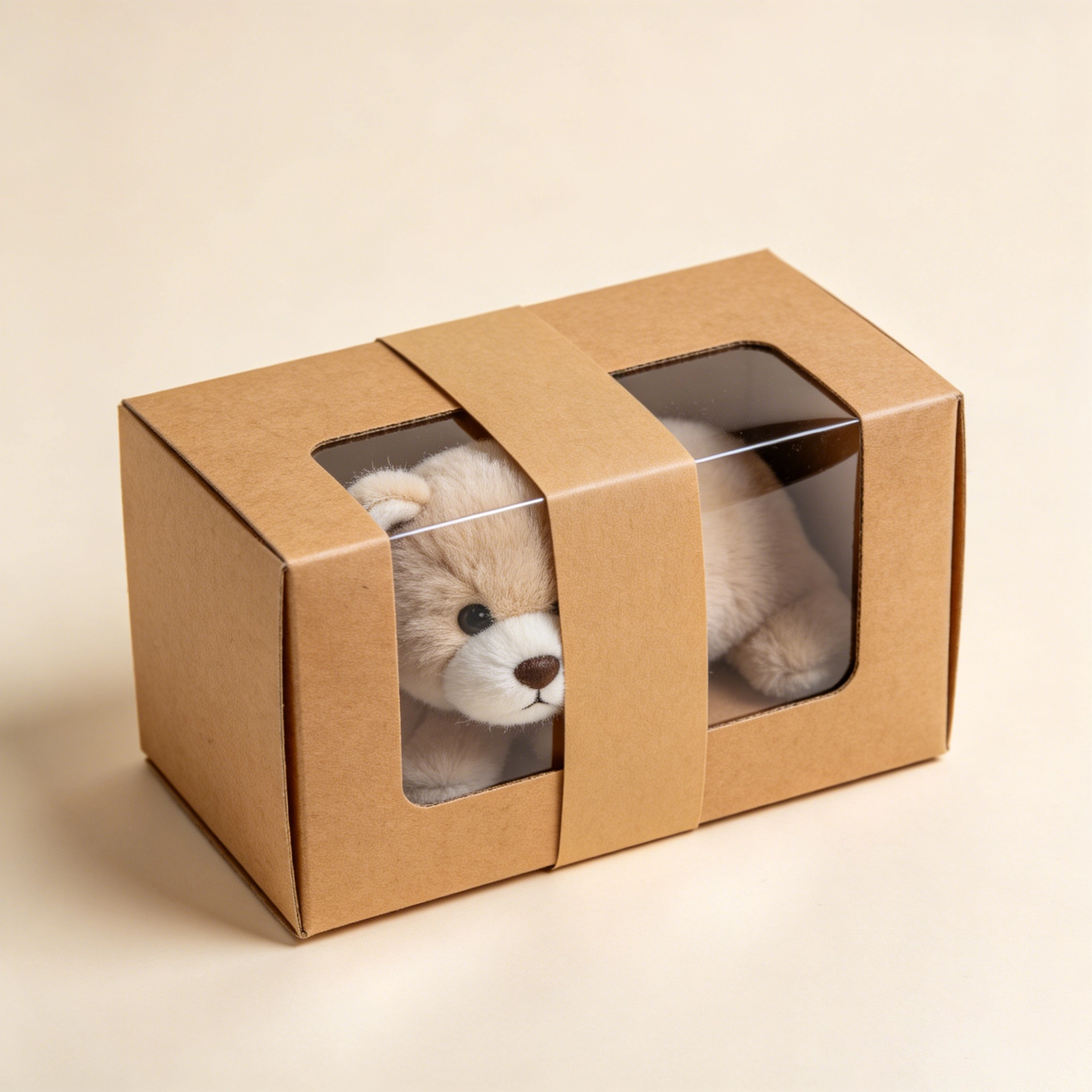

Quick Answer: Why This Plush Trend Works
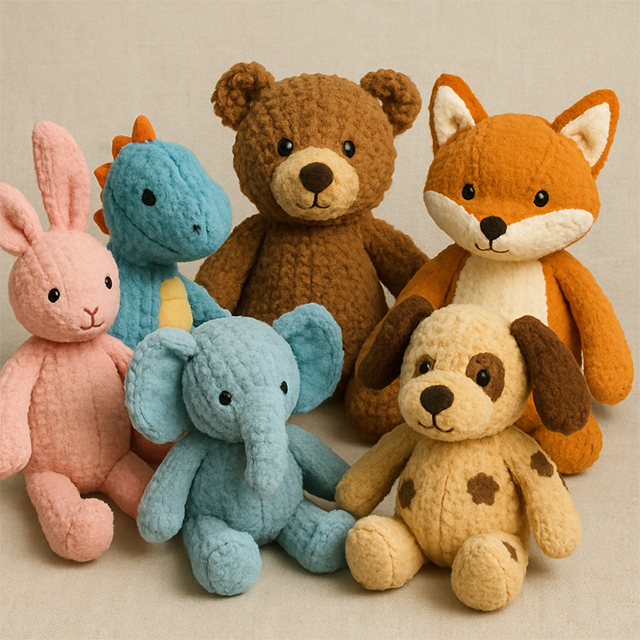
Jellycat-style plush toys are popular because they combine softness, humor, collectibility, and emotional comfort in one simple product. They are not only toys. They also work as gifts, room décor, lifestyle accessories, and collectible objects.
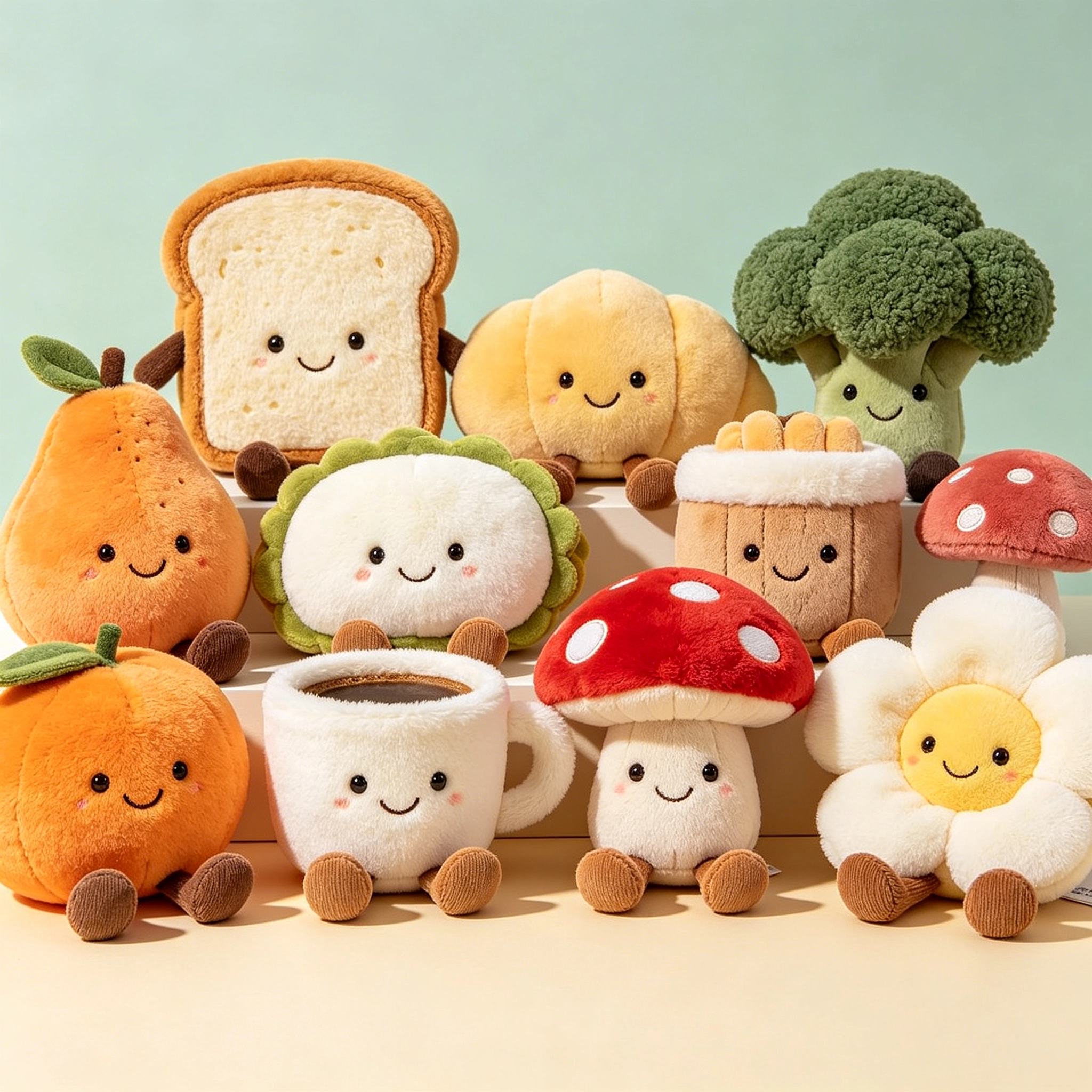
The trend is especially strong because it makes ordinary things feel lovable. A croissant, coffee cup, avocado, cloud, or mushroom can become a small character with personality. Jellycat’s own Amuseables line includes food and drink plush toys such as cakes, coffee cups, and avocados, which shows how everyday objects can become playful plush characters.
For brands, the real lesson is not to copy Jellycat. The better lesson is to understand why this style works: simple shapes, soft touch, expressive faces, giftable themes, and a clear collectible system.
They Turn Everyday Objects Into Emotional Characters
One reason Jellycat-style plush toys work so well is that they give emotion to familiar objects.
A normal strawberry is just fruit. A smiling strawberry plush becomes cute, funny, and giftable. A mushroom becomes a desk companion. A coffee cup becomes a soft reminder of someone’s daily routine.
This is why whimsical plush toys feel different from traditional stuffed animals. They do not depend only on animals, bears, or cartoon characters. They can turn almost anything into a plush product.
In our sampling experience, this type of design works best when the object is easy to recognize within three seconds. If buyers need too much explanation, the design loses impact.
Good themes usually have three traits:
- The object is familiar.
- The shape can be simplified.
- The expression adds personality without making it too complex.
For example, a peach, toast, star, pickle, or flower can work well. A very detailed machine, building, or abstract logo may need more design adjustment before it becomes plush-friendly.
Softness Is the Product Experience, Not Just a Material
Many people think this trend is only about “soft fabric.” That is too simple.
Softness in this category includes fabric, filling, shape, weight, and hand feel. A plush toy may use a soft outer fabric, but if the filling is too hard, the product will not feel comforting. If the body is too flat, it may look cheap. If the pile is too long, the face embroidery may lose clarity.
For soft plush collectibles, the best result usually comes from balance:
Design Factor | Why It Matters |
Short or medium pile plush | Keeps the surface soft while allowing clear embroidery. |
Rounded body shape | Makes the toy feel friendly and easy to hold. |
Moderate stuffing | Helps the plush stay soft without collapsing. |
Small facial embroidery | Adds emotion without increasing safety risk from hard parts. |
Stable base or balanced shape | Helps the toy sit nicely for display photos. |
At Wehao Toys, we usually recommend reviewing the hand feel during sampling, not only from fabric swatches. A fabric swatch can feel soft on its own, which is why plush toy sampling is important before confirming cutting, sewing, filling, and shaping.
Collectibility Makes One Plush Become a Series
Another reason Jellycat-style plush toys are popular is collectibility.
A single cute plush can be a gift. A full series can become a habit. Buyers may start with one avocado, then want the toast, coffee cup, strawberry, cloud, and birthday cake. This creates repeat purchase potential.
The Toy Association’s 2026 trend report says toys are becoming more collectible, wearable, shareable, and personal, with mini toys, charms, and social sharing helping toys become part of self-expression.
This is important for plush brands. A successful plush line should not only ask, “Is this one toy cute?” It should also ask, “Can this idea become a collection?”
A strong collectible plush series often has:
- Similar face style
- Consistent size system
- Related themes
- Seasonal releases
- Giftable packaging
- Clear product names
- Limited or special versions
For example, a food plush line could include breakfast, bakery, fruit, drink, and dessert themes. A nature line could include mushrooms, flowers, clouds, stars, and trees. The more consistent the system is, the easier it becomes for customers to collect.
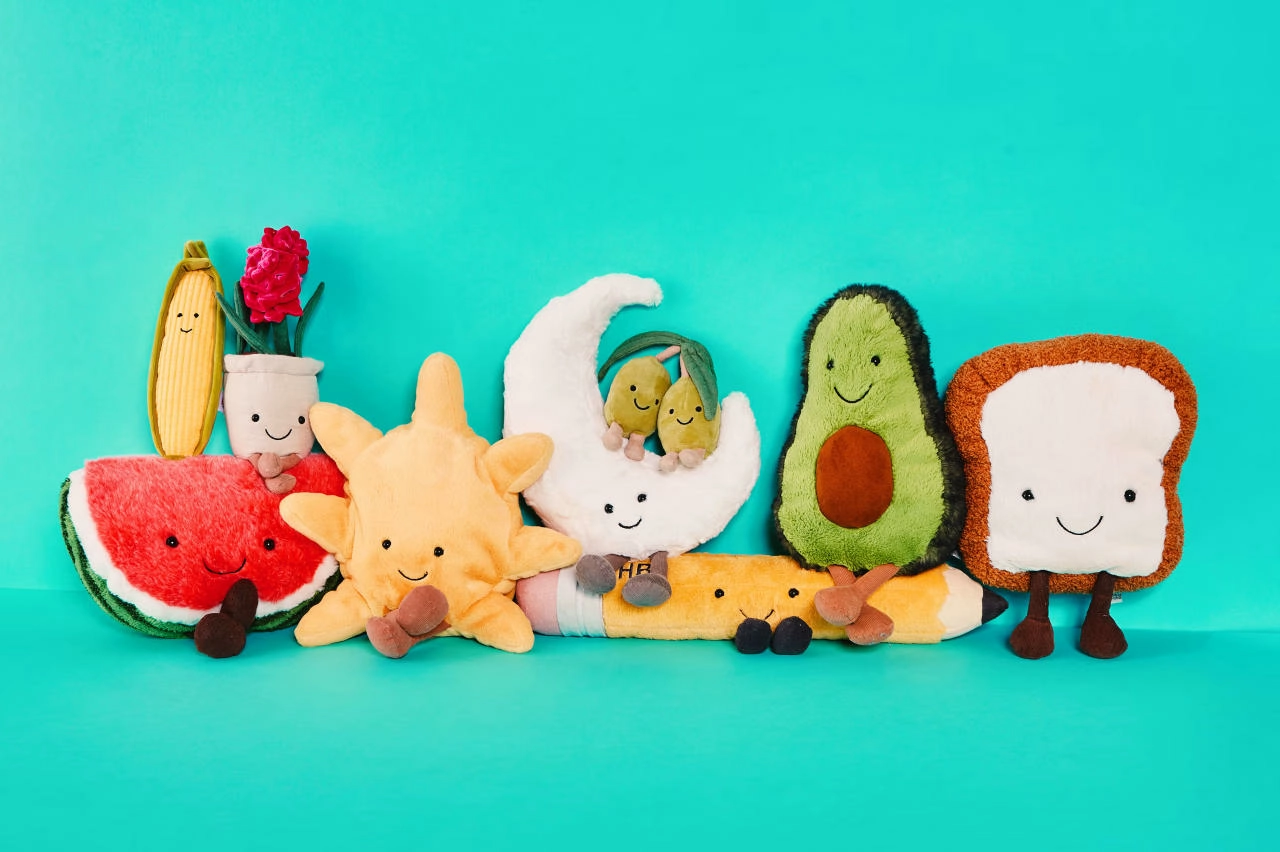
Food Plush Toys Are Easy to Understand and Easy to Gift
Food plush toys work well because they are instantly familiar. They also carry emotion.
A birthday cake plush feels celebratory. A coffee plush feels cozy. A strawberry plush feels sweet. A toast plush feels funny and lighthearted.
This makes food plush toys easier to sell as gifts. The buyer does not need to understand a deep story or character background. The meaning is already clear.
For B2B buyers, this is useful because food themes can fit many channels:
Sales Channel | Suitable Plush Direction |
Gift shops | Small food plush, birthday plush, flower plush |
Bookstores | Desk-size soft plush collectibles |
Cafés and bakeries | Bread, cake, coffee, dessert plush |
Tourist shops | Local food or city souvenir plush |
E-commerce stores | Series-based whimsical plush toys |
Brand promotions | Mascot-style product plush |
However, simple does not mean easy to manufacture. A croissant may look simple, but the curved shape and surface lines need correct pattern design. A cake plush may need layered fabric, embroidered toppings, or appliqué. These details affect sample time and cost.
Social Media Made Whimsical Plush Toys More Shareable
Jellycat-style plush toys are highly photo-friendly.
They are small enough to hold, soft enough to feel personal, and expressive enough to create emotion in a photo. This makes them suitable for TikTok, Instagram, gift guides, desk setups, room décor posts, and collection displays.
The U.S. toy market returned to growth in 2025, with Circana reporting 6% growth in annual dollar sales and stronger demand for higher-priced and licensed toys. That wider market context supports why collectible and lifestyle-driven toys are worth watching.
For plush products, social media changes product design in a practical way. The front view becomes very important. The toy must look clear in a phone photo. The expression should be readable even at small size. The color should not look dull under indoor lighting.
In many projects, buyers focus too much on the full 360-degree design. That matters, but the first selling moment is often the front photo. If the front silhouette is weak, the product may not perform well online.
What Brands Should Learn Before Developing Similar Plush Toys
Brands should not treat Jellycat-style plush toys as a shortcut. The market likes the feeling, but customers still notice poor design.
The goal should be to develop original plush characters through a structured custom plush toy development process, not to copy existing designs.
A better development direction is:
- Choose an original theme.
- Build a consistent face style.
- Keep shapes simple and readable.
- Use soft but stable materials.
- Plan the collection as a series.
- Test size, hand feel, and packaging during sampling.
- Avoid designs that are too close to existing branded characters.
This is especially important for private-label brands, gift companies, and e-commerce sellers. If a plush looks too similar to a famous brand’s product, it may create IP risk, platform listing issues, or customer distrust.
The Main Risks: Copying, Weak Sampling, and Unsafe Details
The biggest mistake is copying the surface style without understanding the construction behind it.
Common problems include:
Risk | What Happens |
Too much imitation | Product may look like a low-quality copy. |
Poor embroidery | The face looks uneven, angry, or lifeless. |
Weak shape control | The plush cannot sit or display well. |
Wrong stuffing level | The toy feels too hard or too empty. |
Unsafe small parts | Plastic eyes or loose accessories may create safety concerns. |
No sample review | Bulk production may not match the expected look. |
For the U.S. market, plush toys for children must be handled carefully. CPSC guidance notes that seams on stuffed and beanbag-type toys must not rip during testing, and toys for children under 8 must avoid hazardous points and edges before and after use-and-abuse testing.
Small parts are also a key concern. Children’s products intended for children under 3 that present choking, aspiration, or ingestion hazards because of small parts are banned hazardous substances under CPSC guidance.
This is why many soft plush collectibles use embroidery instead of hard plastic eyes, especially when the product may be sold as a children’s toy.
Are Jellycat-Style Plush Toys Still Worth Developing?
Yes, but only when the product has original design value.
The opportunity is not “make the same thing cheaper.” That is a weak strategy. The stronger opportunity is to create your own soft plush collectibles with a clear theme, good touch, safe construction, and a repeatable collection plan.
For U.S. buyers, this trend still has commercial value because it connects several strong needs:
- Comfort
- Gifting
- Collecting
- Personal expression
- Social sharing
- Home and desk decoration
The best product is not always the most complex one. In many plush projects, the winning design is simple, soft, expressive, and easy to remember.
If a brand wants to enter this category, the first step should be a small but complete concept system: 3–5 related designs, one consistent face style, one size range, one packaging direction, and one clear target customer.
That is much stronger than developing one random cute plush with no collection logic.
FAQ
Why are Jellycat-style plush toys so popular?
They are popular because they combine soft touch, emotional design, simple characters, giftability, and collectibility. They also photograph well for social media.
Are Jellycat-style plush toys only for children?
No. Many buyers are teens and adults who use soft plush collectibles as gifts, décor, desk companions, or comfort objects.
Why are food plush toys popular?
Food plush toys are easy to understand and easy to gift. A cake, coffee cup, croissant, or strawberry already carries emotion, so the plush feels fun without needing a complex story.
Can brands make similar plush toys without copying Jellycat?
Yes. Brands should create original themes, faces, shapes, and packaging. The goal is to learn from the trend, not copy protected designs.
What materials work best for whimsical plush toys?
Short pile plush, minky, crystal super soft fabric, velboa, and soft PP cotton filling are commonly used. The best choice depends on shape, face detail, and hand feel.
Are these plush toys hard to manufacture?
Simple-looking plush toys can still be difficult. Rounded shapes, sitting balance, embroidery placement, and stuffing control must be tested during sampling.
What should U.S. buyers consider before selling plush toys?
They should consider ASTM F963, CPSIA, small parts, seam strength, age grading, warning labels, tracking labels, and third-party testing when the plush is intended for children.