
Quick Answer
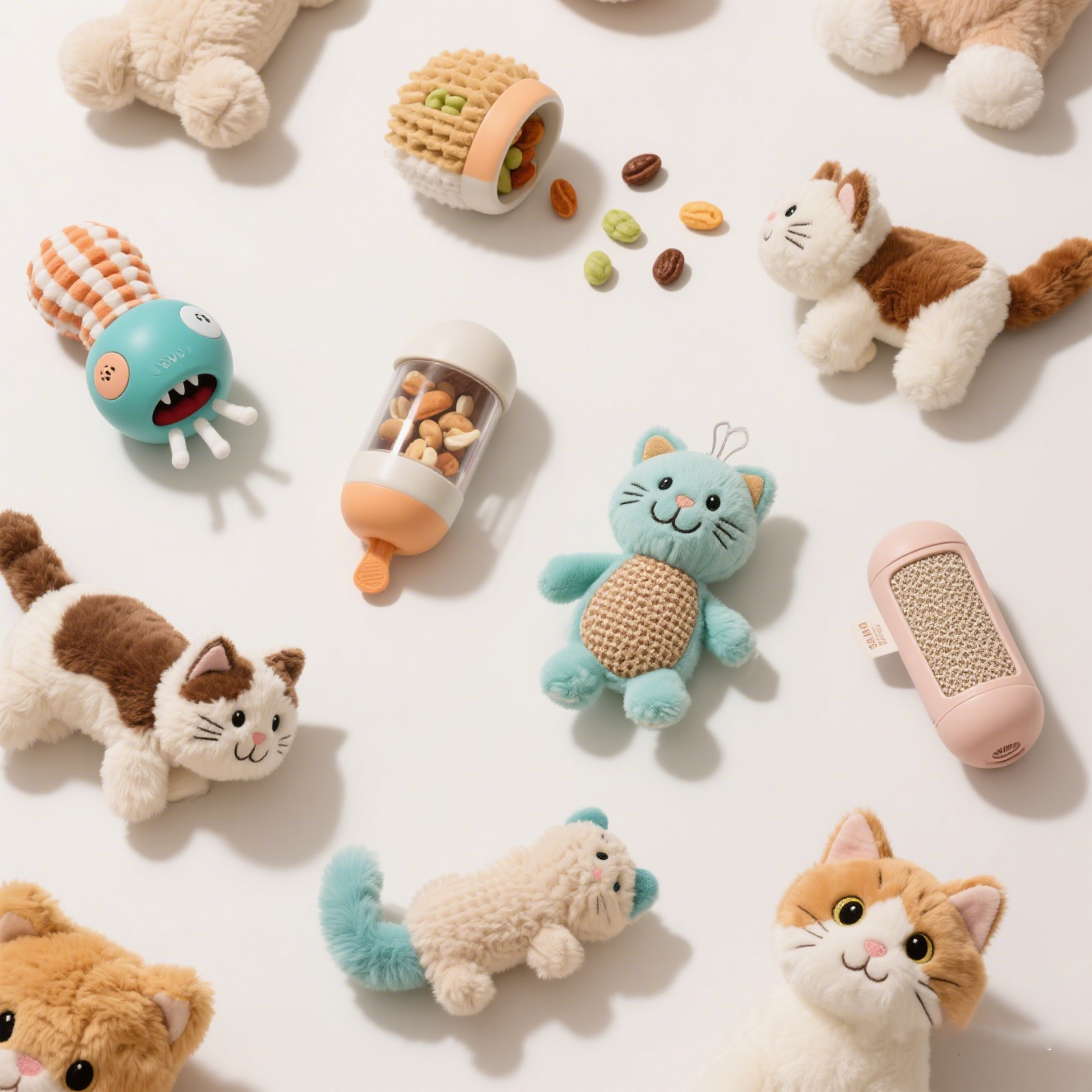
The bag accessories trend is not only about decorating handbags. It shows how small products can carry identity, humor, fandom, and personal style in a visible daily format. For plush brands, this creates a clear opportunity: plush charms and charm keychains can become portable character products, not just small versions of regular plush toys.
However, a plush charm does not succeed just because it is cute. It needs a strong silhouette, reliable hardware, clear character value, suitable packaging, and realistic production planning. The best plush charm product ideas for retail brands usually come from balancing fashion visibility with plush toy manufacturing limits.
Why Bag Accessories Became a Personal Identity Layer
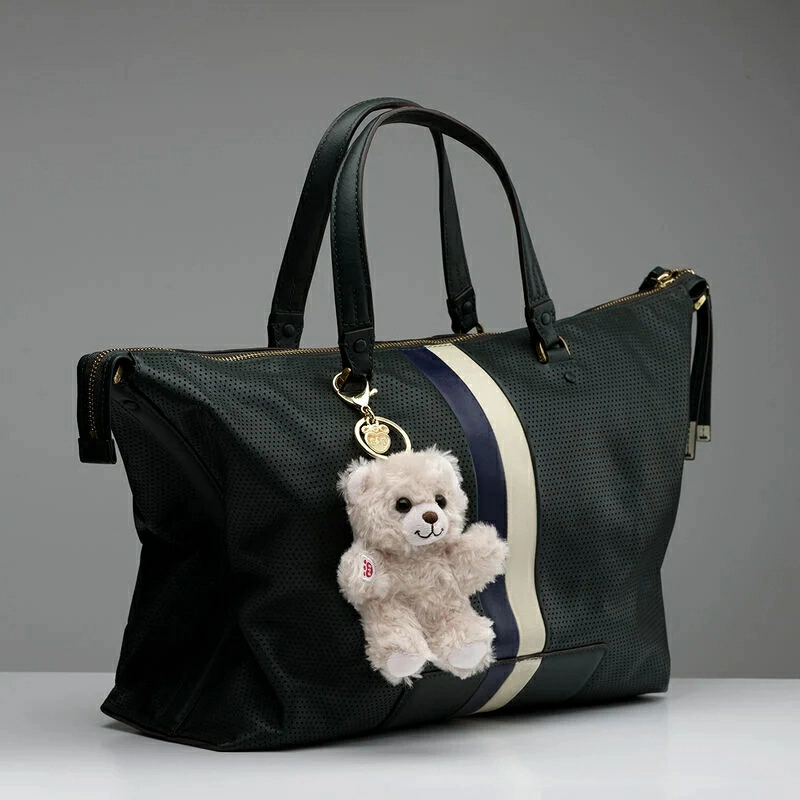
Bag accessories became popular because they let people personalize something they already use every day. A handbag, tote, backpack, or travel bag can become a small display space. This gives consumers a simple way to show taste without changing their whole outfit.
This is important for plush brands because the product is no longer used only in a bedroom, gift box, or retail shelf. A charm can travel with the buyer. It can appear in mirror photos, daily outfit posts, travel videos, unboxing content, and “what’s on my bag” posts. That gives a small plush item more public exposure than many larger plush toys.
In our experience, this changes the design question. Buyers should not only ask, “Is this plush cute?” They should ask, “Will this charm still look clear when it hangs from a bag?” The side view, back view, hanging angle, color contrast, and attachment position become part of the product experience.
What Plush Charms Can Offer That Hard Fashion Charms Cannot
Fashion charms can be made from metal, resin, leather, acrylic, beads, rubber, or fabric. Each material creates a different feeling. Metal can feel premium. Acrylic can show bright artwork. Leather can match handbags. But plush has one advantage that hard materials cannot copy easily: softness.
Softness changes how the accessory feels emotionally. A plush charm can look friendly, comforting, funny, nostalgic, or character-driven. It can also carry more expression through face shape, fabric texture, little ears, soft paws, stitched details, and small costumes.
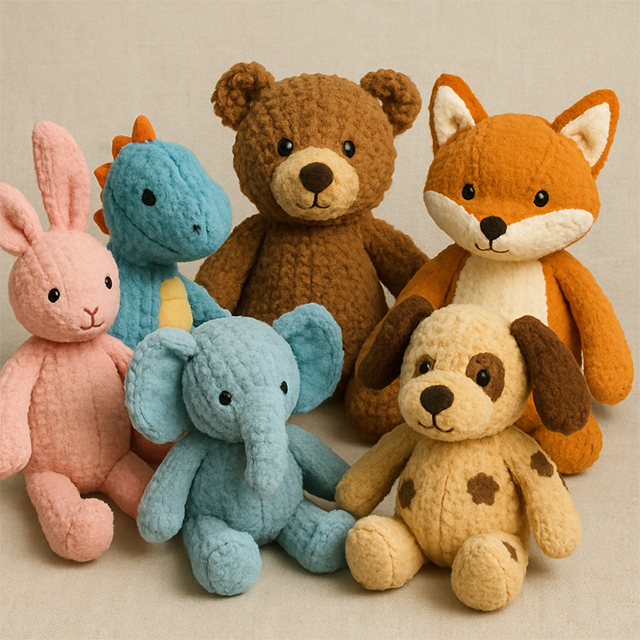
This is why plush charms are useful for brands that want more than decoration. A beauty brand may use a soft mascot charm for a limited campaign. A lifestyle retailer may build a collectible animal series. A bookstore may create tiny character companions for tote bags. A tourism brand may turn a local animal or landmark character into a charm keychain that visitors can carry.
The challenge is that plush is not as sharp as molded plastic or metal. Very tiny details may disappear. Thin limbs can twist. Long fur can cover embroidery. A good plush charm should use the strengths of fabric instead of trying to imitate hard accessories.
Plush Charm Product Ideas for Retail Brands
Retail brands should treat plush charms as small product systems, not one random accessory. The format works best when the charm has a clear reason to exist. It should connect to a brand story, seasonal drop, product line, fandom, location, or collectible theme.
| Product Idea | Best Use Case | Why It Works | Main Development Risk |
|---|---|---|---|
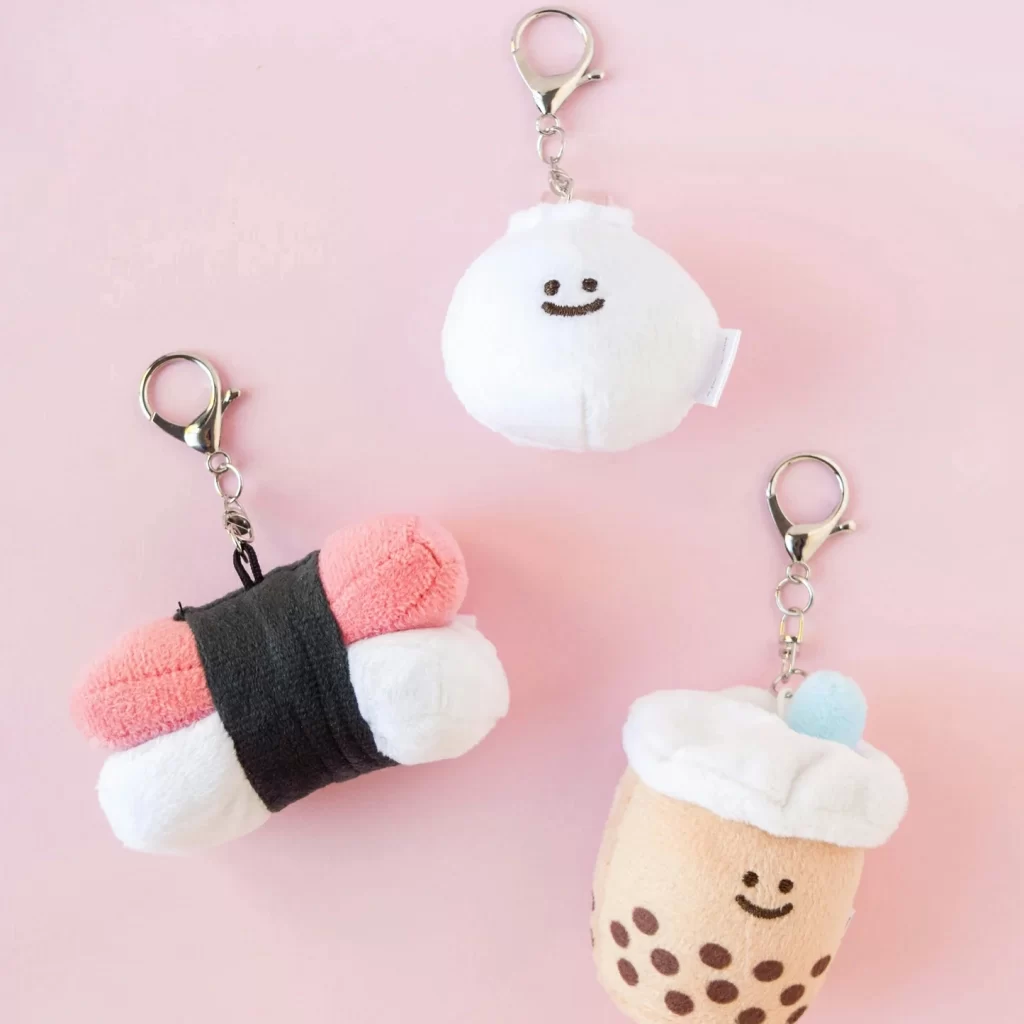
| Mini mascot plush charm | Brand merchandise, events, loyalty gifts | Makes the brand character portable | Face details may need simplification |
| Animal plush charm series | Lifestyle retail, gift stores, online shops | Easy to expand by color or species | Too many shapes can raise sampling cost |
| Food-shaped plush charm | Cafes, bakeries, snack brands, novelty gifts | Strong visual recognition and impulse appeal | Printed details and embroidery must stay readable |
| Outfit-change charm | Fashion, beauty, fan merchandise | Creates repeat purchase through styling | Small clothing pieces may increase labor |
| Seasonal charm keychains | Holiday drops, limited collections | Easy to refresh without rebuilding the whole line | Delivery timing must be planned early |
| Blind-box plush charms | Collectibles and character series | Supports surprise, trading, and repeat buying | Needs balanced designs and strong packaging |
| Travel souvenir plush charm | Museums, parks, tourism retail | Small, lightweight, easy to carry home | Local symbol must be original and authorized |
For a first retail test, we usually recommend starting with one base character and 4–6 controlled variations. The variations can be color, expression, small accessory, or outfit theme. This keeps the series easier to sample and easier to produce in bulk.
Design Rules for Charms That Hang, Move, and Photograph Well
A charm is not viewed the same way as a normal plush toy. It moves, swings, turns, and hangs from one point. This means the attachment position can change how the whole product looks. If the hardware is placed too far back, the charm may tilt forward. If it is placed too high, the face may point downward. If the body is too heavy, the charm may pull awkwardly on the bag.
The first rule is to keep the silhouette simple. A small plush accessory should be recognizable from a short distance. Strong ears, a bold head shape, large eyes, a clear mouth, or a special color block can help the product read quickly in photos and videos.
The second rule is to control the front-to-back thickness. Many buyers focus on the front artwork only. But a charm must also look acceptable from the side and back. A flat body may feel cheap, while an overstuffed body may look bulky on a handbag. Sampling should test the hanging effect, not only the tabletop view.
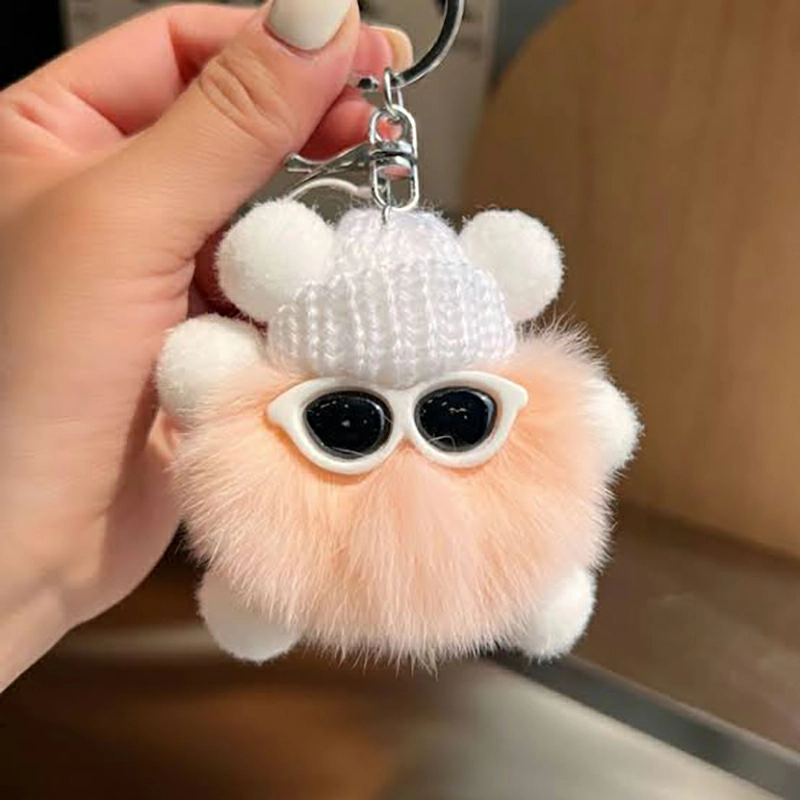
The third rule is to choose fabric based on scale. Short plush, minky, and velboa often support clearer embroidery than long-pile materials at small sizes. Faux fur can look expressive, but it may hide small facial details. If texture is the main selling point, the face design should be larger and simpler.
The Production Risks Hidden Behind Small Accessories
Many buyers assume small accessories are automatically easier and cheaper. In plush production, that is not always true. A small plush charm uses less fabric, but it may require more careful cutting, tighter stitching, smaller embroidery, and more manual hardware assembly.
One common issue we see is over-detailed artwork. A character may look perfect in a digital drawing, but the eyes, mouth, cheeks, badges, clothing lines, and tiny objects may all compete for space on an 8 cm charm. When details become too small, embroidery can look crowded or uneven. Printing may help, but printed fabric can change the hand feel and may require color testing.
Another risk is weak attachment construction. Bag accessories are touched, pulled, carried, and moved much more often than shelf plush. If the hardware is connected only through a simple stitch, the stress may focus on one point. Reinforcement fabric, double stitching, or a stronger loop structure may increase cost, but it can reduce failure risk during daily use.
Bulk consistency also matters. A charm series may include several colors or expressions. If each version uses different fabrics, different small accessories, and different sewing logic, production becomes harder to control. For first-time charm projects, a shared base body is often more practical than many fully different shapes.
Packaging Turns Charm Keychains Into a Collectible System
Packaging can change a plush charm from a simple accessory into a retail product. A loose charm in an OPP bag may be enough for low-cost promotional use. But for fashion charms, giftable keychains, or collectible retail programs, packaging should help explain the product identity.
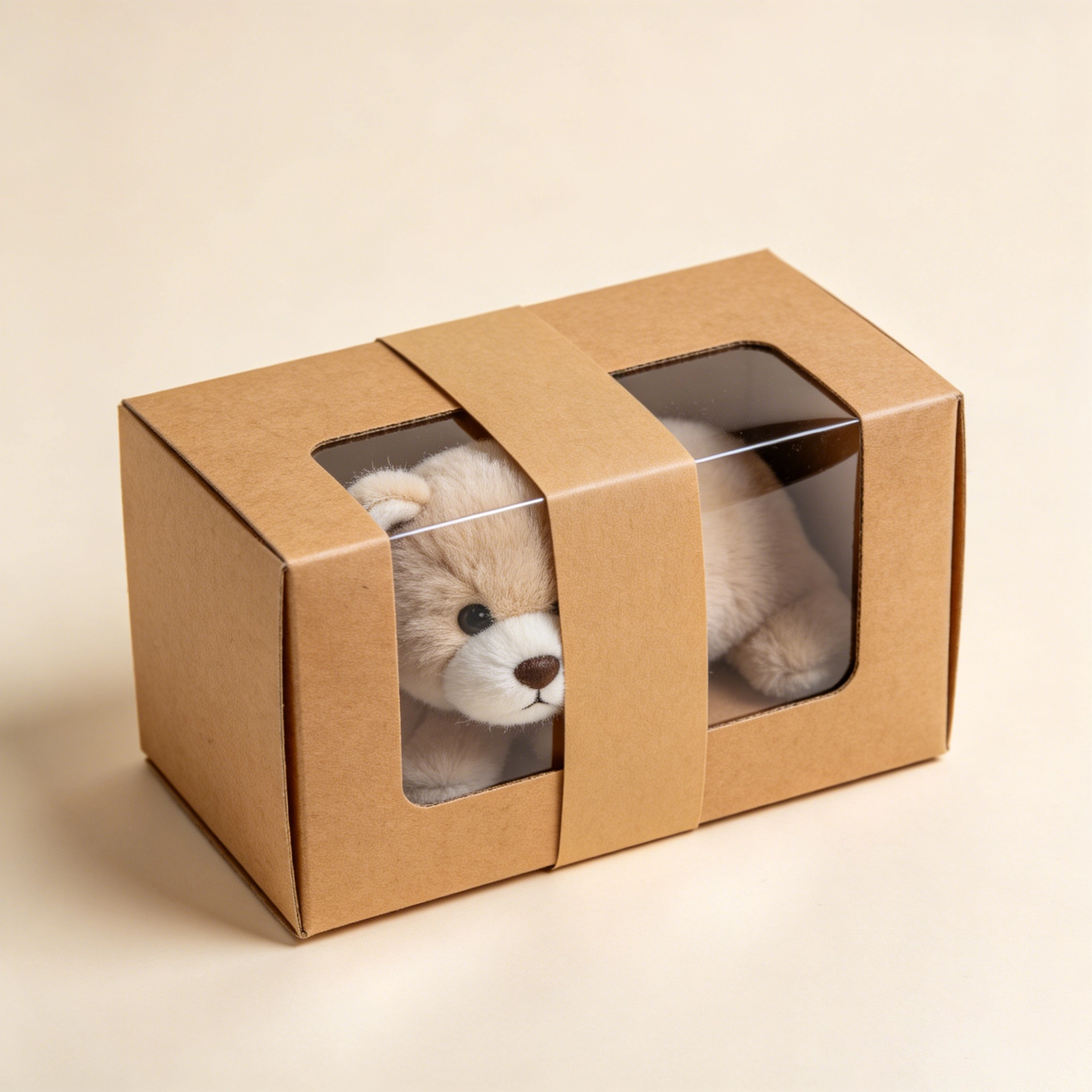
A backing card can show the character name, series theme, barcode, and brand style. A small window box can make the charm feel more giftable. A blind box can support surprise and repeat purchase, but only if every regular design feels valuable. If the “normal” designs feel weak and only the secret design feels exciting, customers may be disappointed.
Retail packaging also affects shipping and store handling. Boxes improve presentation but increase carton volume. Header cards are lighter and cheaper, but they may feel less premium. Blind boxes need stronger artwork planning and inventory control. The right choice depends on the sales channel, target price, and launch strategy.
For online retail, packaging should also photograph well. The buyer may first see the product on a product page, social post, or unboxing video. A good package should make the charm look intentional, not like a free add-on.
Safety and Market Positioning for the United States and Europe
Plush charms can sit between toy, fashion accessory, souvenir, and promotional merchandise. That makes safety positioning important. The same physical product may be treated differently depending on how it is designed, labeled, marketed, and sold.
For the United States, if the product is intended for children, buyers should review ASTM F963, CPSIA, small parts, lead, phthalates, tracking label, and Children’s Product Certificate needs. Metal hardware, plastic eyes, small accessories, and detachable decorations require special attention. Embroidered eyes are often a better choice for child-appealing plush charms.
For Europe, buyers should review EN71, CE documentation, REACH, and the applicable toy safety framework based on the product’s intended use. Adult fashion accessories still need responsible material and labeling review, especially if the design looks child-friendly. A charm that appears playful may attract children even if the brand first imagines it as an adult accessory.
The safest development approach is to decide the target user and market before sampling. Do not wait until bulk production to ask whether the charm is a toy, accessory, or promotional item. That decision affects materials, hardware, labels, warnings, packaging, and testing plan.
Key Takeaways
The bag accessories trend gives plush brands a useful lesson: small products can create large visibility when they are portable, personal, and easy to share. A plush charm can work as a fashion accessory, collectible item, brand mascot, souvenir, or retail add-on.
The strongest plush charm projects usually have five things in common:
- a simple but recognizable character shape;
- hardware that matches real daily use;
- fabric and embroidery chosen for small-scale clarity;
- packaging that supports the product story;
- safety and market positioning reviewed before production.
For brands, the goal should not be to copy a viral charm. The better strategy is to build an original plush accessory system that fits your audience, retail channel, and production budget. A small charm may look playful, but successful development still depends on serious sampling, structure, quality control, and launch planning.
FAQ About Bag Accessories and Plush Charm Development
1. Are plush charms better for adults or children?
They can work for both, but the positioning must be clear from the beginning. If the charm is marketed to children, safety testing, small parts, labeling, and age grading need closer review.
2. What information should a buyer prepare before requesting a plush charm quote?
A useful brief should include artwork, preferred size, target country, expected quantity, target user, hardware type, packaging idea, and whether the charm will be sold as a toy, fashion accessory, or promotional item.
3. Can one plush charm design support multiple retail drops?
Yes. A strong base character can be reused with new colors, outfits, seasonal accessories, or packaging themes. This helps reduce development risk compared with creating a fully new pattern for every release.
4. What is the most practical size for a plush charm?
Many plush charm projects work best around 8–12 cm, but the final size depends on face detail, hardware weight, fabric thickness, and packaging method. Very small charms may lose expression during embroidery.
5. Do fashion charms need toy safety testing?
It depends on intended use, market, claims, and buyer channel requirements. If the product looks child-appealing or is sold as a toy, buyers should review toy safety requirements before production.
6. How can brands avoid copying existing viral plush charms?
Start from your own brand story, mascot, product world, or audience culture. The goal is to borrow the product logic of portability, collectibility, and identity expression, not copy another protected character.
Planning a Plush Charm or Bag Accessory Collection?
If you are developing plush charms, fashion-inspired soft accessories, or charm keychains for a retail brand, campaign, or collectible series, prepare your artwork, size idea, target market, quantity, and packaging direction before sampling. These details help evaluate structure, hardware, fabric choice, safety needs, and production cost more accurately.
Contact Wehao Toys for a Custom Plush Toy Project