
Quick Answer: What Makes a Pet Plush Toy Safe?
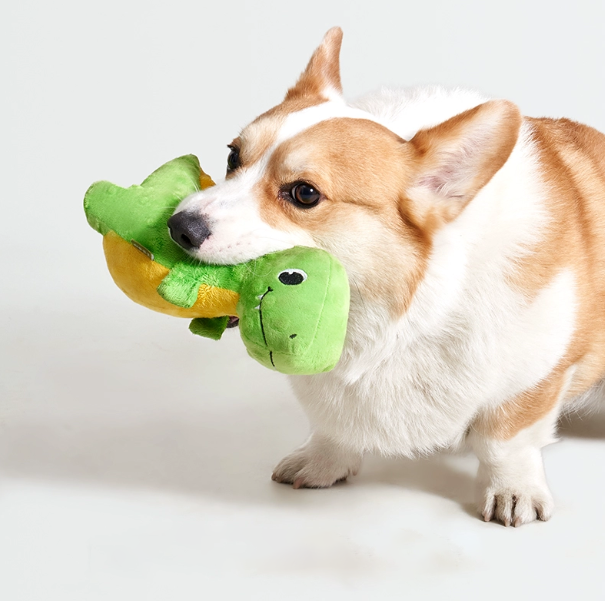
A safe custom pet plush toy combines non-toxic materials, reinforced construction, secure internal components, and durability testing. Safety is not determined by fabric alone. The toy’s stitching, stuffing, squeaker protection, and overall structure all play critical roles in how safely it performs during real-world play.
Many buyers focus heavily on appearance, branding, and softness. However, in our experience, most product failures occur because of structural weaknesses rather than visual design issues. A toy may look excellent on the shelf but still become problematic if seams split or internal components become exposed during use.
For U.S. pet brands, safety should be considered throughout the entire product development process, following established pet plush toy safety standards from concept artwork to mass production.
Quick Safety Checklist for Custom Pet Plush Toys
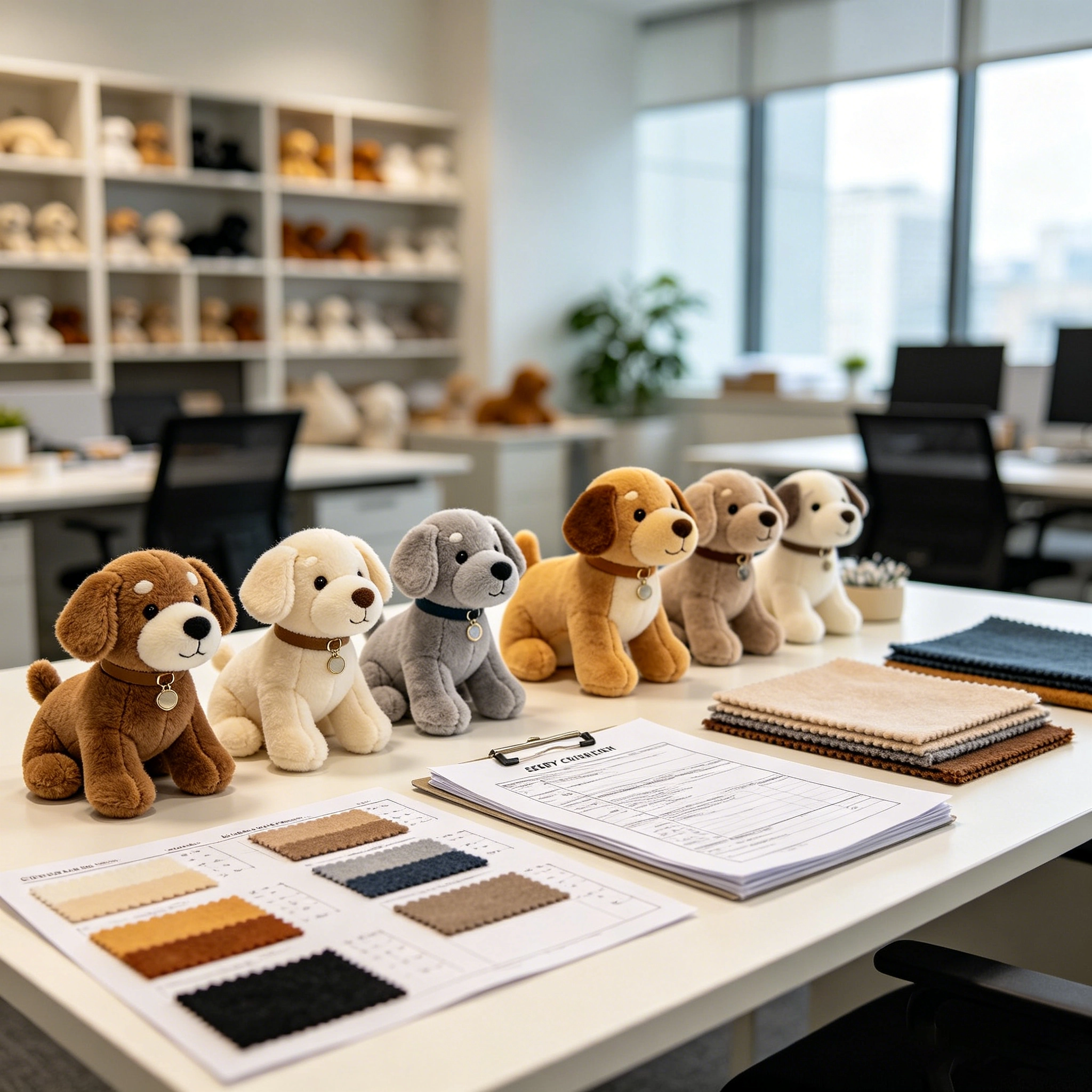
Before approving a custom pet plush toy design, we recommend checking the following:
✓ Non-toxic fabrics
✓ AZO-free dyes
✓ Embroidered eyes and decorative details
✓ Reinforced seam construction
✓ High-quality polyester fiber filling
✓ Secure squeaker placement
✓ Prototype durability testing
✓ Washing performance evaluation
✓ Material compliance documentation
✓ Production quality inspections
This checklist covers the most common safety concerns buyers encounter when developing plush dog toys and plush cat toys.
Material Selection Matters More Than Most Buyers Expect
When buyers ask, “What materials are safe for pet plush toys?”, the answer extends far beyond fabric choice.
The safest pet plush materials typically combine durability, non-toxicity, washability, and structural stability.
Common materials include:
Material | Advantages | Considerations |
Short Plush | Soft, affordable, attractive | Moderate durability |
Minky Fabric | Premium feel, luxurious texture | May wear faster during aggressive play |
Corduroy Blend | Better abrasion resistance | Slightly firmer hand feel |
Canvas Blend | Excellent durability | Less plush appearance |
Polyester Plush | Cost-effective and washable | Quality varies significantly |
We usually recommend:
- Non-toxic polyester fabrics
- AZO-free dyes
- Pet-safe embroidery threads
- High-quality polyester fiber filling
- BPA-free squeaker components where applicable
One common misconception is that the softest material automatically creates the best pet toy.
In reality, softness and durability often compete with each other. The ideal material depends on the intended use of the product.
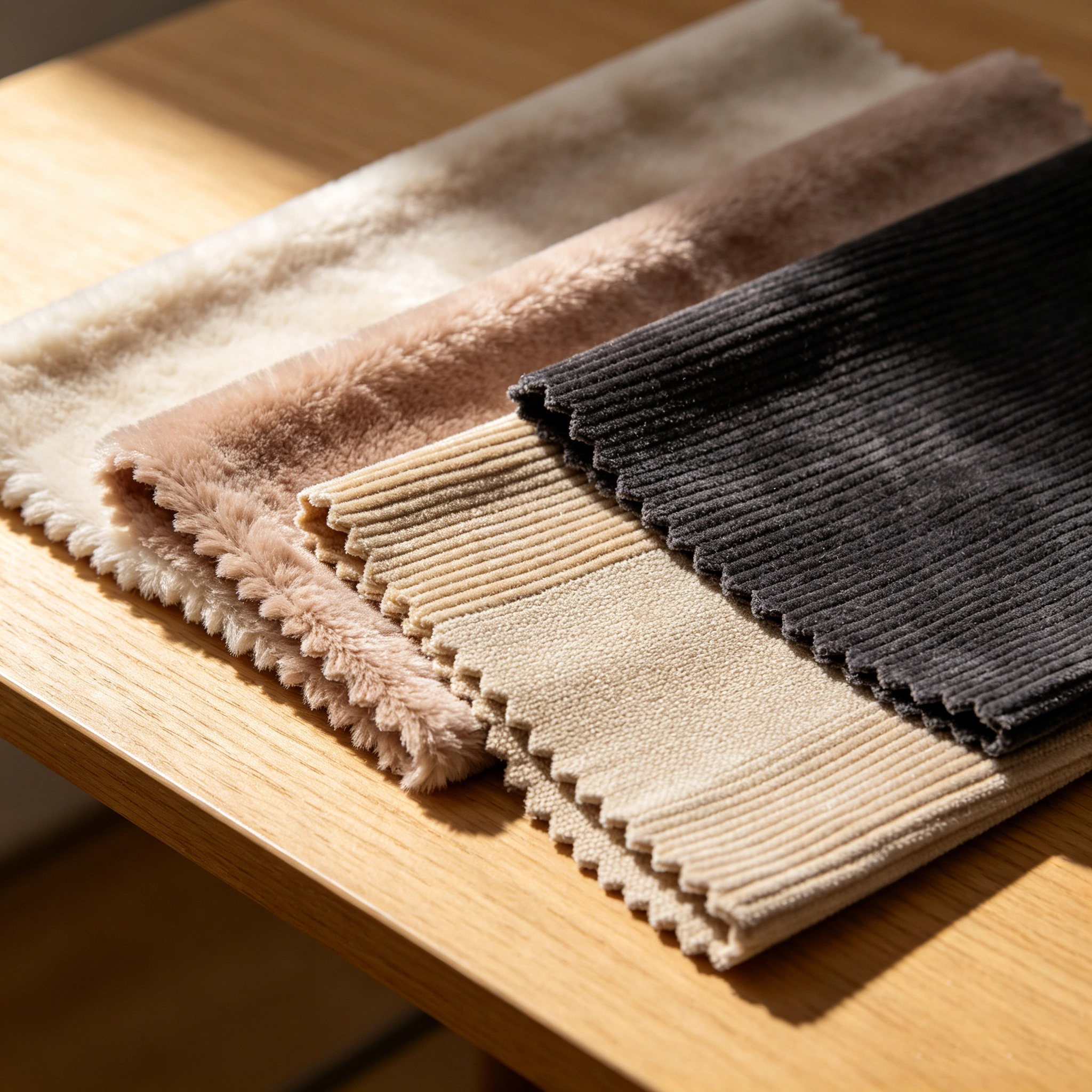
Material Selection Guide for Different Pet Toy Projects
Project Type | Recommended Fabric | Durability | Cost Level |
Plush Cat Toys | Short Plush | Medium | Low |
Standard Plush Dog Toys | Corduroy Blend | High | Medium |
Premium Retail Pet Toys | Minky Fabric | Medium | High |
Heavy Chewer Collections | Canvas Blend | Very High | Medium |
Many buyers initially select materials based on appearance. After prototype testing, material choices are often adjusted to improve durability and long-term customer satisfaction.
How Different Pets Create Different Safety Challenges
Not all pet plush toys face the same risks.
Design requirements vary significantly depending on the target animal.
Dogs
Dogs often:
- Bite repeatedly
- Shake toys aggressively
- Pull at seams
- Attempt to remove squeakers
For dog-focused products, we typically recommend:
- Double stitching
- Reinforced seams
- Protected squeaker compartments
- Durable fabric blends
Aggressive chewers create stresses that standard plush toy construction may not withstand.
Cats
Cats interact with toys differently.
Common risks include:
- Claw damage
- Fabric tearing
- Catnip leakage
- Detached accessories
For custom cat toy development, lighter fabrics and simplified structures often perform better.
Puppies
- Loose decorative parts
- Weak seams
- Easily detached accessories
Design Features That Improve Safety and Durability
Good pet toy design begins with understanding real-world usage.
Embroidered Features Instead of Plastic Components
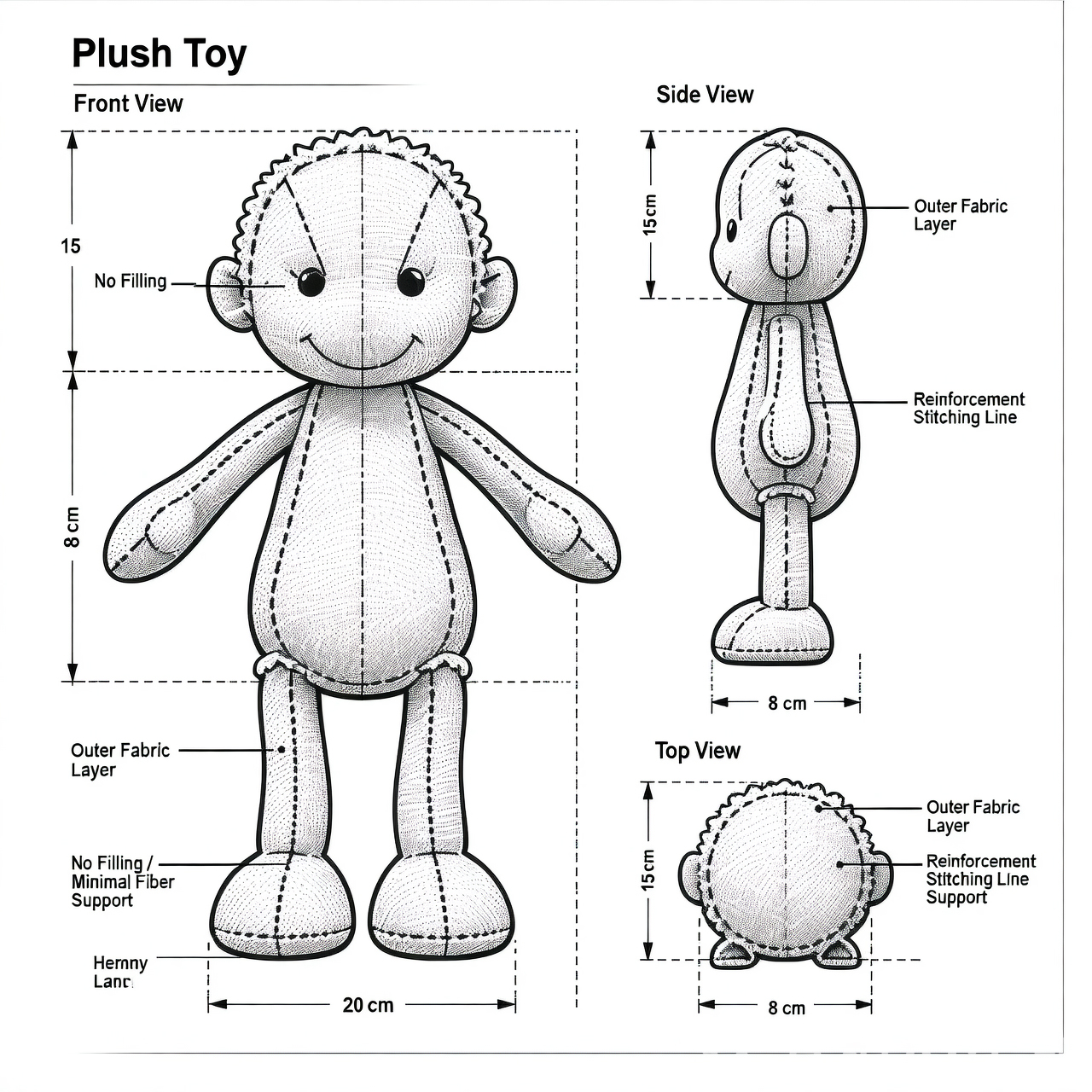
Eyes, noses, and decorative details should be embroidered whenever possible.
While plastic safety eyes may be common in traditional stuffed animals, embroidered details generally provide a more secure solution for pet toys.
Reinforced Seams
In many plush dog toy projects, seam failure occurs before fabric failure.
Critical stress points include:
- Neck joints
- Limb attachments
- Tail connections
- Squeaker compartments
Double stitching significantly improves structural integrity.
Protected Internal Components
Squeakers should be enclosed within additional fabric layers whenever possible.
This secondary layer helps reduce immediate exposure if outer fabric damage occurs.
Simplified Shapes
One common mistake we see is excessive design complexity.
Long limbs, oversized ears, thin tails, and multiple decorative accessories may look attractive in artwork but often become weak points during use.
A Common Sampling Issue We Often See
One recurring issue during sampling involves unrealistic expectations regarding softness and durability.
In one custom dog toy project, the client requested an ultra-soft plush fabric while also expecting maximum resistance to chewing and tugging.
Unfortunately, these goals often conflict.
The initial sample passed visual inspection but showed significant wear during durability testing.
After reviewing the results, we switched to a reinforced corduroy blend.
The final product maintained a soft appearance while significantly improving durability and lifespan.
This type of adjustment is common during sampling and highlights why reviewing a custom pet plush toy project carefully before mass production is essential.
How Pet Plush Toys Are Tested Before Production
A prototype should never move directly into production without evaluation.
Testing frequently reveals weaknesses that are difficult to identify through design reviews alone.
Seam Strength Testing
The toy is subjected to pulling forces that simulate real-world play.
Testing helps identify weak stitching areas before production begins.
Bite Resistance Evaluation
Repeated compression and chewing simulations provide insight into durability performance.
Squeaker Security Checks
Internal squeaker placement and retention are examined carefully.
Washing Performance Testing
Many pet owners wash plush toys regularly.
Testing evaluates:
- Shrinkage
- Colorfastness
- Stitch integrity
- Filling stability
Material Safety Verification
Raw materials, dyes, embroidery threads, and filling components should be reviewed through supplier documentation and quality-control procedures.
Strong testing practices help reduce complaints, returns, and product failures after launch.
Common Safety Mistakes in Custom Pet Plush Projects
Many safety issues originate during product development rather than manufacturing.
Prioritizing Softness Over Durability
Extremely soft fabrics often wear faster during aggressive play.
Overcomplicated Character Designs
Mascot-style designs frequently contain multiple structural weak points.
Using One Design for Every Pet Type
Dogs, cats, and puppies interact with toys differently.
A universal design rarely produces optimal results.
Delaying Safety Reviews
Projects are often delayed when safety concerns emerge after sample approval.
Safety considerations should be incorporated from the earliest design stages.
U.S. Compliance Considerations for Pet Plush Toys
Pet toys are generally regulated differently from children’s toys. However, most major retailers and private-label buyers still expect strong safety practices from suppliers.
For custom pet plush toys sold in the United States, buyers commonly request:
- Material safety documentation
- Restricted substance compliance information
- Durability testing records
- Quality-control procedures
- Supplier inspection reports
One misconception we frequently encounter is that pet toys require no testing whatsoever.
While legal requirements may differ from children’s products, documented safety procedures increasingly influence retailer approval decisions.
Balancing Softness, Cost, and Durability
Every custom pet plush toy project involves tradeoffs.
Improving one characteristic often impacts another.
Priority | Result |
Softer Fabric | Better tactile appeal but lower durability |
Heavier Fabric | Greater durability but higher material cost |
Additional Reinforcement | Improved lifespan but increased labor cost |
Complex Shapes | Strong visual appeal but more risk points |
Multiple Squeakers | Increased engagement but more internal components |
Many buyers initially pursue maximum softness.
After prototype testing, they often shift toward a more balanced solution.
The most successful products are rarely the softest or the cheapest. They are the products that achieve an effective balance between safety, durability, appearance, and production efficiency.
Our Recommendation for Custom Pet Plush Toy Development
For most U.S. pet brands, we recommend focusing on four priorities:
- Pet-safe materials
- Reinforced construction
- Prototype durability testing
- Consistent quality control
At Wehao Toys, we often encourage clients to evaluate how pets will actually use the toy before finalizing artwork.
A toy that performs well during testing is far more likely to succeed after launch.
The objective should not be to create an indestructible plush toy.
No plush toy is completely chew-proof.
Instead, the goal is to develop a product that balances safety, durability, comfort, cost efficiency, and brand appeal while meeting retailer and consumer expectations.
Conclusion
Safe custom pet plush toys are the result of thoughtful material selection, intelligent design decisions, and consistent testing procedures.
Non-toxic fabrics, reinforced seams, secure internal components, and durability evaluations all contribute to better-performing products.
Brands that address these factors early in development typically experience fewer revisions, smoother production cycles, stronger product performance, and higher customer satisfaction.
For companies developing plush dog toys or plush cat toys for the U.S. market, safety should not be viewed as a final inspection step. It should be integrated into every stage of product development.
FAQ
Are plush dog toys safe?
Yes. Plush dog toys can be safe when they use non-toxic materials, reinforced stitching, secure internal components, and appropriate durability testing. However, no plush toy should be considered completely indestructible.
What materials are safe for pet plush toys?
Common pet-safe plush materials include non-toxic polyester fabrics, AZO-free dyed textiles, polyester fiber filling, and embroidery threads sourced from qualified suppliers.
How do you test plush toys for dogs?
Testing typically includes seam strength evaluation, bite resistance assessments, squeaker security checks, washing performance reviews, and material safety verification.
Can dogs chew plush toys safely?
Many dogs can safely enjoy plush toys under supervision. Damaged toys should be removed immediately if stuffing or internal components become exposed.
Do squeakers make plush dog toys unsafe?
Not necessarily. Properly enclosed squeakers can be used safely. Problems usually occur when squeakers become exposed due to seam failure or excessive damage.
What is the safest stuffing for pet plush toys?
High-quality polyester fiber filling is the most commonly used option. It is lightweight, washable, non-toxic, and performs well in most pet plush toy applications.
What is the most common failure point in plush dog toys?
In many projects, seam failure occurs before fabric failure. Reinforced stitching and proper stress-point construction significantly improve durability.
Are custom pet plush toys suitable for aggressive chewers?
Plush toys are generally not ideal for aggressive chewers. While reinforced construction can improve durability, no plush toy should be marketed as completely chew-proof.