1. The Commercial Shift: Why Lifestyle Brands Are Reimagining Soft Toys as Functional Decor
For modern lifestyle and boutique gift retailers, traditional stuffed animals often face a distinct commercial ceiling: they are perceived primarily as nursery playthings or seasonal impulse purchases for young children. However, by transforming soft character designs into functional plush pillows, product developers unlock an entirely new demographic of adult collectors, home decor enthusiasts, and gift shoppers who value emotional comfort paired with interior utility.
Plush pillows effectively bridge the gap between whimsical character merchandise and practical living space furnishings. When executed with high-grade home textile materials and refined structural silhouettes, these hybrid products transition effortlessly from a child’s bed onto living room sofas, ergonomic home office chairs, and stylish reading nooks. This versatile dual positioning broadens consumer appeal, significantly elevates perceived product value, and enables brands to command higher retail price points than standard novelty plush.
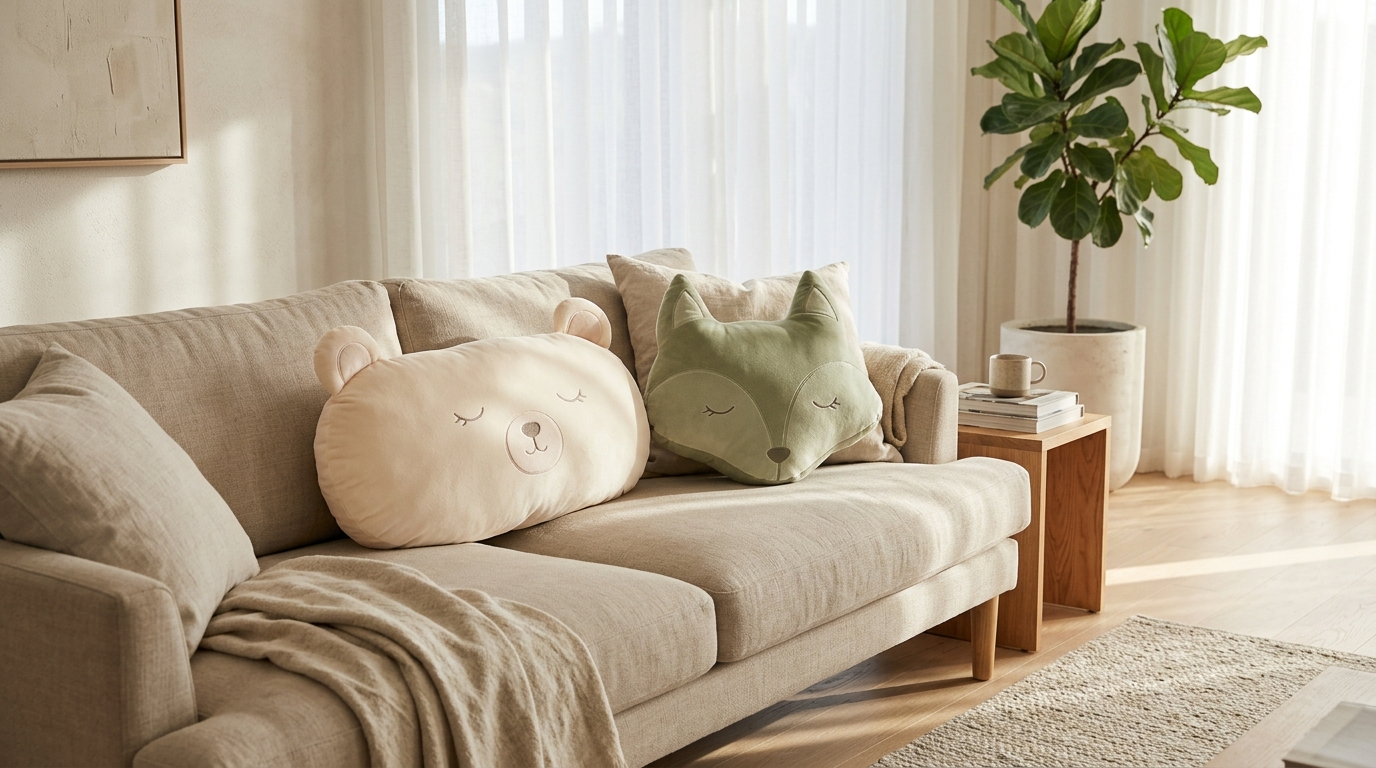
For procurement teams evaluating plush pillow ideas for lifestyle and gift brands, the commercial rationale is compelling. Functional home decor items exhibit far longer shelf lives, lower seasonal return volatility, and higher repeat gift purchasing rates compared to conventional plush toys. Sourcing managers can leverage existing character IPs, proprietary illustrations, or minimalist aesthetic palettes to capture higher margins across boutique gift shops, department stores, and direct-to-consumer e-commerce channels.
2. Core Product Categories: From Novelty Stuffed Animal Pillows to Ergonomic Decor Accents
Developing a cohesive plush pillow collection requires understanding the primary functional archetypes that resonate across modern lifestyle markets. Depending on the brand’s aesthetic positioning and target buyer personas, custom plush development typically falls into three main product categories:
- Die-Cut Character & Silhouette Cushions: Flat, contoured cushions that follow the exact outline of a branded character, mascot, or botanical shape. With a typical thickness of 8 to 12 cm, these soft toy pillow items function both as visual room accents and supportive lumbar cushions.
- Convertible & Foldable Stuffed Animal Pillows: Dual-purpose plush featuring hook-and-loop fastening straps or discreet bottom zippers. Unstrapped, the item lies flat as a comfortable 35×35 cm resting pillow; folded and fastened, it stands upright as a three-dimensional animal pillow for bedside decor.
- Minimalist Ergonomic Bolsters & Floor Cushions: Subtle, sculptural home decor pillows incorporating muted pastel or neutral palettes, discreet embroidered facial accents, and elongated shapes designed for sofa backrests, meditation floor seating, or travel support.
Many retail programs start by adapting existing custom animal plush toys into wider, flatter cushion silhouettes that retain recognizable character charm while providing ergonomic back support. Lifestyle brands can also differentiate their lines through modular elements, such as removable machine-washable outer pillow covers or integrated hidden pockets designed to hold warm herbal packs. Offering varied tactile options allows buyers to curate multi-tiered gift assortments that cater to both design-conscious adults and youth demographics.
3. Material Engineering: Selecting the Right Fabrics and Stuffing for Durability and Hand-Feel
Unlike standard stuffed toys that sit decoratively on shelves, plush pillows endure continuous compression, body heat, friction, and repeated handling. Choosing the proper shell fabric and interior filling is therefore the most critical engineering decision in custom plush development and fabric sourcing for home decor applications.
| Fabric Type | Pile Height / Fabric Weight | Tactile Hand-Feel | Best B2B Application |
|---|---|---|---|
| Crystal Super Soft (Velboa) | 0.5mm – 1.5mm / 240–300 GSM | Silky, smooth, minimal shedding | Die-cut graphic pillows, fine embroidered character cushions |
| Minky (Dimple / Textured) | 2.0mm – 3.0mm / 280–350 GSM | Ultra-soft, tactile embossed dots | Sensory gift pillows, premium baby/nursery decor cushions |
| Bouclé & Teddy Fleece | 4.0mm – 8.0mm / 320–420 GSM | Textured, wool-like, high-end warmth | Contemporary Scandinavian home decor, neutral adult accents |
| Peach Skin / Short Velvet | Smooth woven / 200–260 GSM | Refined matte finish, cool touch | Sublimation printed pillows, all-over pattern gift cushions |
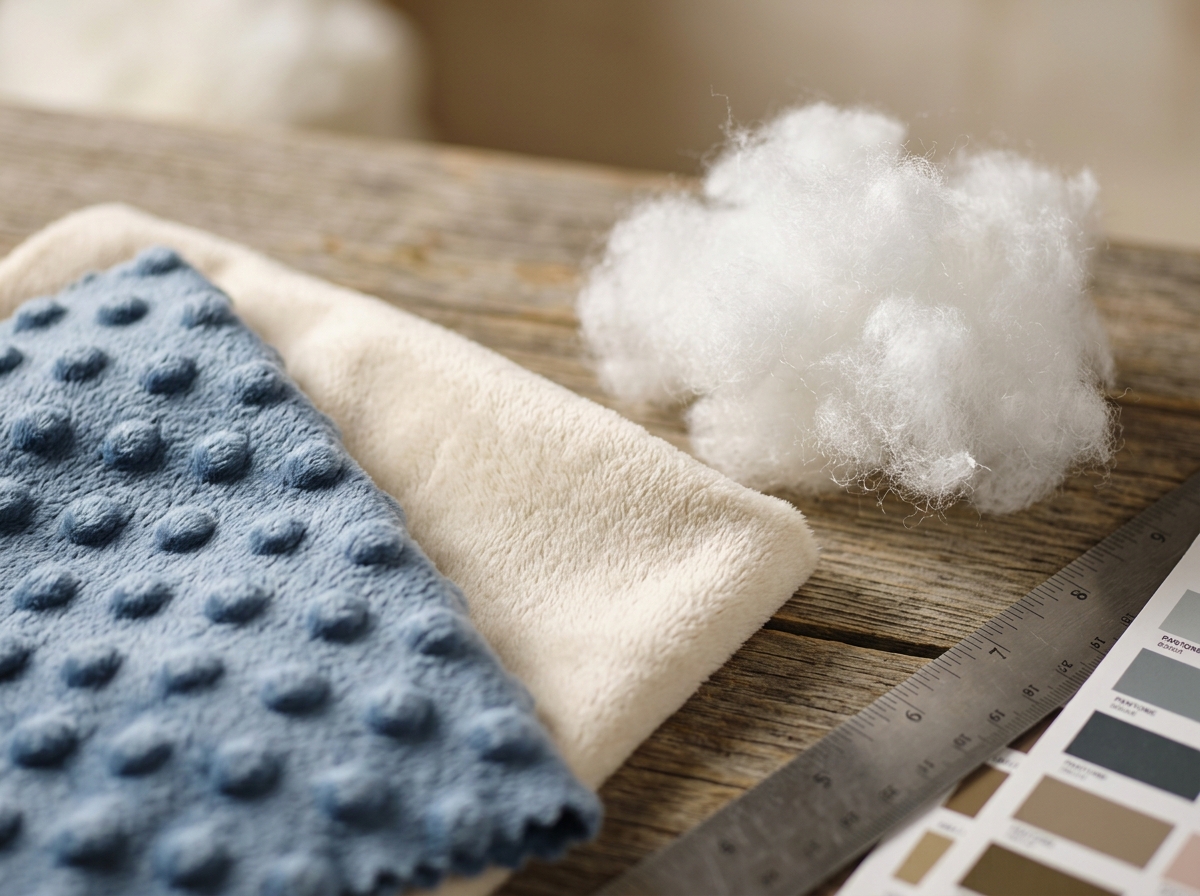
For internal filling, standard virgin 7D/15D conjugated hollow siliconized polyester fiber (PP cotton) provides the optimal balance of cloud-like softness, high elasticity, and bounce-back resilience after sustained compression. To reassure safety-conscious gift buyers, sourcing teams frequently specify plush textiles tested under OEKO-TEX Standard 100 alongside Global Recycled Standard (GRS) post-consumer recycled RPET fiber. To ensure structural firmness for larger floor cushions, OEM manufacturers often blend high-resilience polyester fibers with slow-rebound shredded memory foam cores or inner non-woven containment bladders.
4. Structural Integrity, Pattern Making, and Seam Construction for Daily Use
Designing a commercially durable animal pillow requires advanced pattern drafting techniques that balance complex 3D character anatomy with the ergonomic comfort of a flat sleeping surface. Protruding elements such as ears, snouts, horns, or tails must be re-engineered so they do not poke, twist uncomfortably, or detach under head or body pressure.
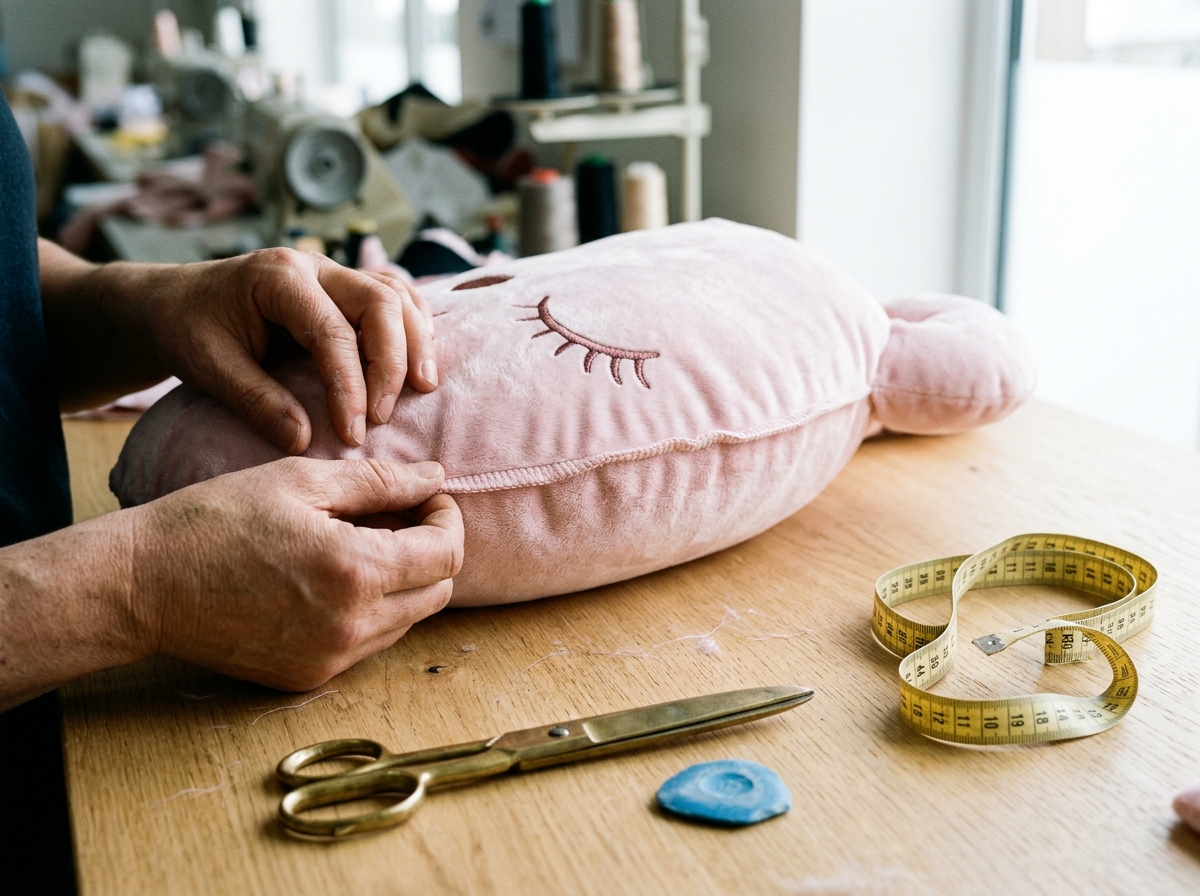
Seam strength is vital for home decor plush. OEM factories utilize heavy-duty 4-thread or 5-thread safety overlock stitching paired with high-tensile polyester core-spun thread, maintaining a strict density of 8 to 10 stitches per inch (SPI). High-stress junction points—including side gussets, ear attachments, and zipper corners—require internal twill reinforcement tape and cross-tack backstitching to withstand continuous stretching and machine washing without seam burst.
For character facial features, high-density computerized satin embroidery or specialized heat-set flocking is strongly preferred over plastic buttons or glued appliques. Embroidered details lay completely flat against the sleeper’s cheek, eliminate abrasion, and completely remove detachment hazards, ensuring a seamless user experience across years of use.
5. International Safety and Compliance Standards for Dual-Function Plush Decor
A common regulatory trap for lifestyle gift importers is misclassifying plush pillows as either purely home furnishings or purely toys. Because custom plush pillows feature recognizable animal or character shapes, international customs and consumer safety authorities frequently evaluate them under strict plush toy safety standards and compliance frameworks rather than simple home textile rules.
- United States (CPSC & ASTM F963): Any soft toy pillow with character features is evaluated under ASTM F963 for mechanical seam tension (21 lbs / 90N pull test), torque resistance, small parts choking hazards, and flammability under 16 CFR 1500.44. Additionally, CPSIA mandates strict limits on lead substrates (≤100 ppm), lead in surface coatings (≤90 ppm), phthalates (≤0.1%), and permanent tracking labels.
- European Union & UK (EN 71 & UKCA): Products must pass EN 71-1 (physical/mechanical tests including seam strength and choke cylinder tests), EN 71-2 (flammability rate of flame spread), and EN 71-3 (migration of 19 toxic heavy elements), alongside REACH Annex XVII chemical restrictions and CE/UKCA marking compliance.
- Bedding & Upholstery Labeling: In jurisdictions like the United States, pillows must also carry permanent Law Labels (such as the Uniform Law Label required across multiple states) declaring the percentage and nature of filling materials (e.g., “100% Polyester Fiber”) and manufacturer registration numbers.
Before approving bulk production batches for international shipment, procurement managers must verify that prototypes pass accredited third-party lab evaluations covering U.S. CPSC toy safety testing requirements for North American distribution as well as European EN 71 harmonised toy safety standards for EU and UK retail channels.
6. Manufacturing Economics: Prototyping, MOQ, Vacuum Packaging, and Logistics
Scaling a custom plush pillow line requires careful cost engineering from initial sampling through container loading. Because plush pillows have significantly larger volumetric dimensions than conventional 20 cm plush toys, logistics and freight optimization represent a major share of total landed unit costs.
The OEM development workflow begins with digital pattern engineering and 3D mockups derived from 2D character artwork. A physical sample prototype typically requires 7 to 10 working days, allowing brand designers to evaluate fabric drape, seam alignment, firmness, and embroidery precision before committing to bulk production. Standard Minimum Order Quantities (MOQ) for custom dyed fabrics and bespoke molds generally start at 1,000 to 2,000 pieces per design, though flexible factories can support 500-piece trial runs using stock fabric swatches.
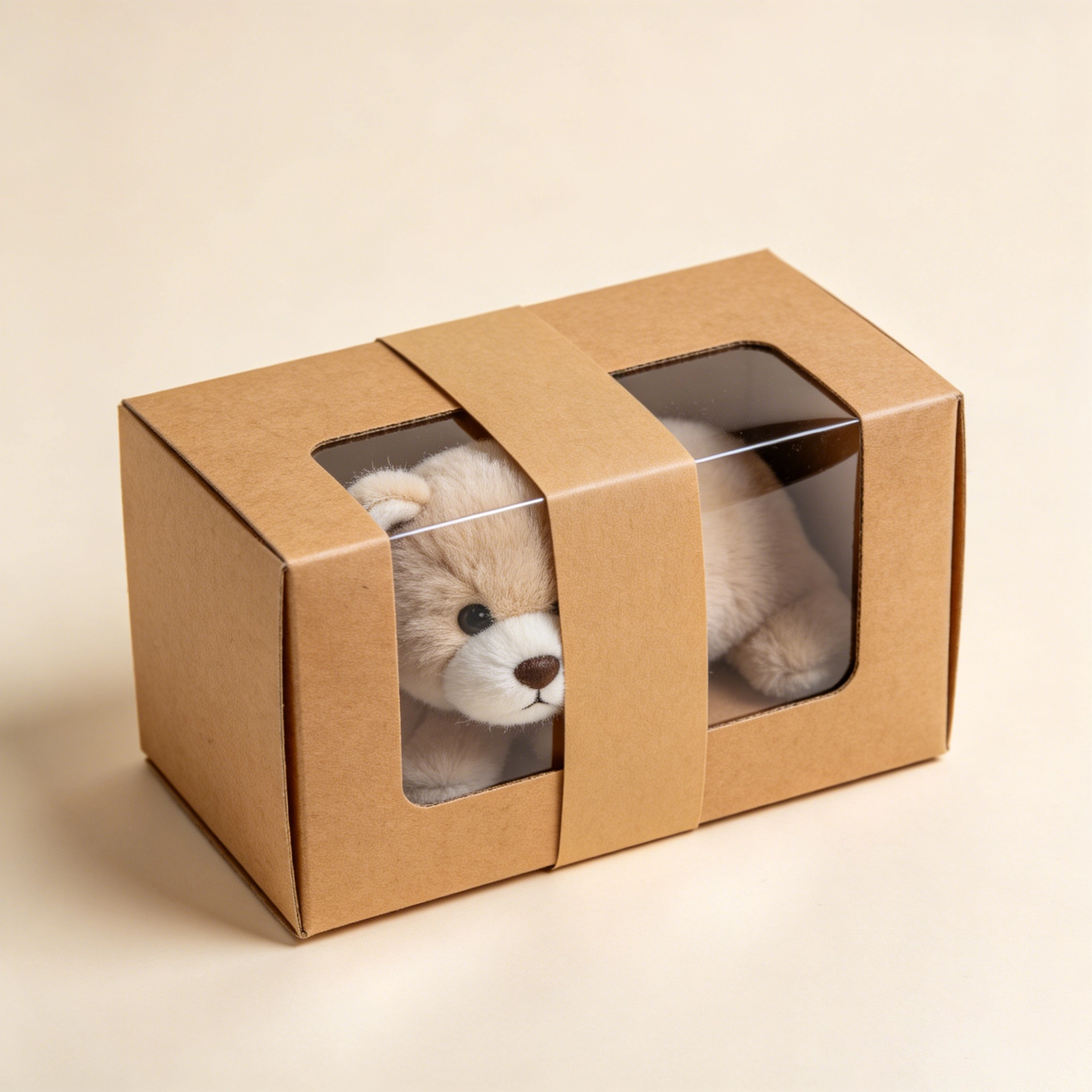
To mitigate high international sea freight costs, professional plush manufacturers employ industrial vacuum compression packaging. High-grade hollow polyester fiber pillows can be compressed by 60% to 75% of their original volume, fitting four to five times more units inside a standard 40-foot HQ shipping container. Once unpacked by the retailer or end consumer, premium virgin PP cotton fibers naturally rebound to 95%+ of their original loft within 24 to 48 hours without clumping or fabric creasing.
7. Frequently Asked Questions (FAQ)
Q: What is the typical MOQ for custom plush pillows?
A: Standard OEM Minimum Order Quantities generally range between 1,000 and 2,000 pieces per design for custom dyed fabrics and bespoke character shapes. However, for initial market testing or boutique lifestyle brand launches, trial production runs of 500 pieces are often achievable by utilizing in-stock fabric colors and standardized pillow shells.
Q: How do vacuum-packed plush pillows recover their shape after shipping?
A: High-grade virgin 7D/15D conjugated hollow siliconized polyester fiber possesses high mechanical memory and rebound resilience. Upon breaking the vacuum seal, gentle manual patting and air exposure allow the pillow to regain 90% of its volume within 2 hours, reaching full fluffiness and loft within 24 to 48 hours.
Q: Can plush pillows be designed with removable, machine-washable covers?
A: Yes, OEM manufacturers can integrate concealed invisible zippers along the bottom seam and house the filling inside a separate non-woven or microfiber inner lining. This modular construction allows the outer embroidered plush cover to be easily removed and machine-washed on a gentle cycle without damaging the interior batting.
Q: What safety documentation is required to import plush pillows into the US and EU?
A: Importers must possess a Children’s Product Certificate (CPC) backed by accredited third-party test reports for ASTM F963 and CPSIA flammability, lead, and phthalates in the United States. For the European Union, an EC Declaration of Conformity and test reports covering EN 71 parts 1, 2, and 3, along with CE/UKCA marking, are legally required.
Q: What file formats and tech pack details are needed to start prototyping?
A: To initiate prototyping, design teams should provide high-resolution 2D turnaround illustrations (front, side, back views), Pantone (PMS) color references for fabric and embroidery threads, exact dimensional callouts, and desired fabric swatches. A complete tech pack streamlines pattern drafting and reduces revision cycles.
8. Partner With Wehao Toys for Custom Plush Manufacturing
Transforming creative character concepts into commercially viable, safety-certified home decor requires an experienced manufacturing partner. From precision pattern drafting and premium textile sourcing to automated embroidery, vacuum packaging, and international compliance testing, Wehao Toys provides end-to-end OEM and ODM plush solutions tailored to lifestyle and gift brands worldwide. Contact Wehao Toys for a Custom Plush Toy Project today to review your tech pack, obtain transparent volume pricing, and initiate rapid physical sampling.