
1. The Q4 Procurement Calendar: Why Holiday Plush Requires Backward Scheduling
For retail buyers, seasonal gift brands, and corporate merchandising teams, fourth-quarter holiday sales represent the highest-volume revenue window of the year. However, successfully launching custom christmas stuffed animals requires initiating product development months before festive displays ever reach store shelves. When procurement teams delay design lock-ins until late summer, they inevitably confront raw material bottlenecks, booked factory sewing lines, and congested ocean freight lanes.
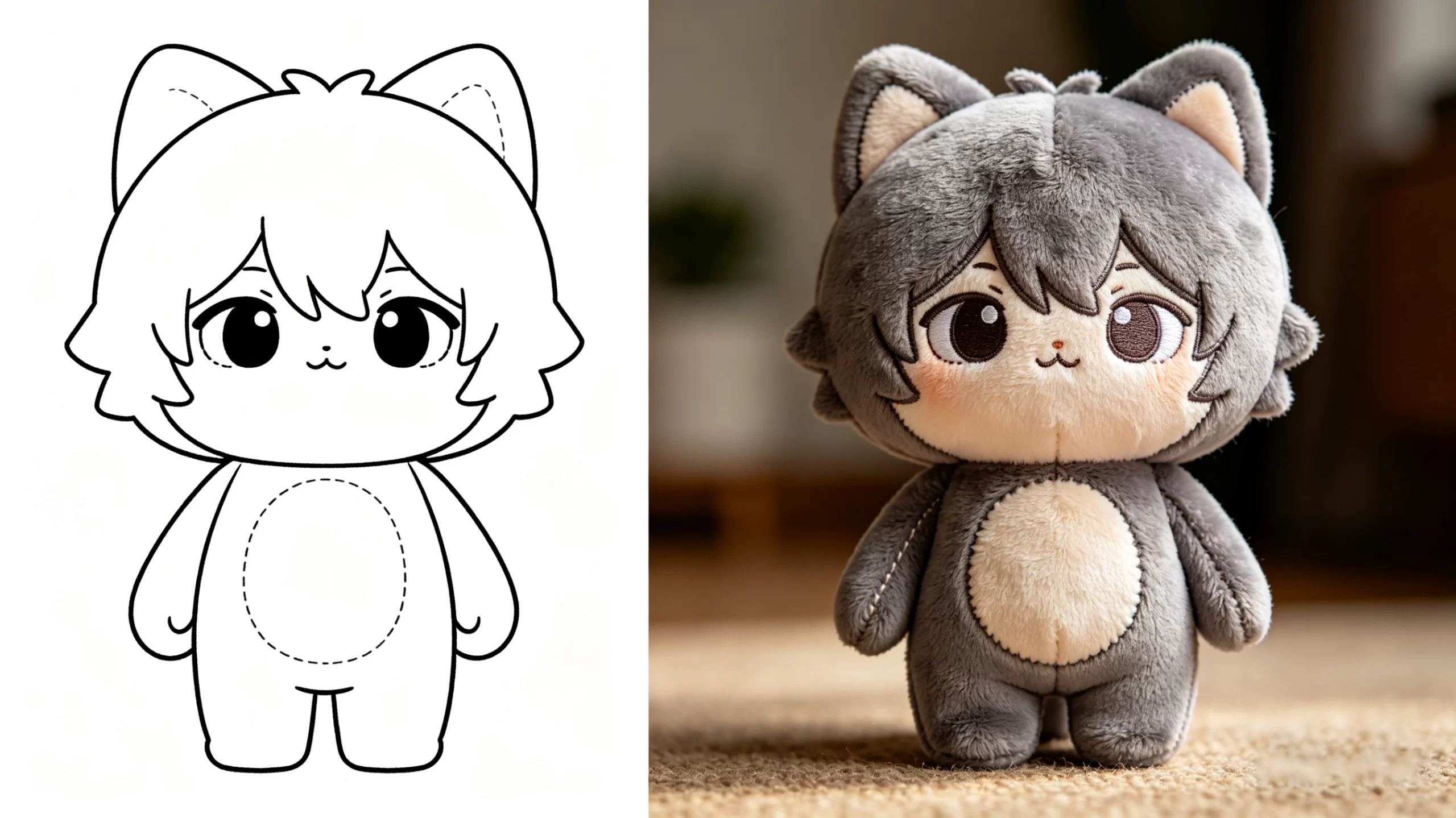
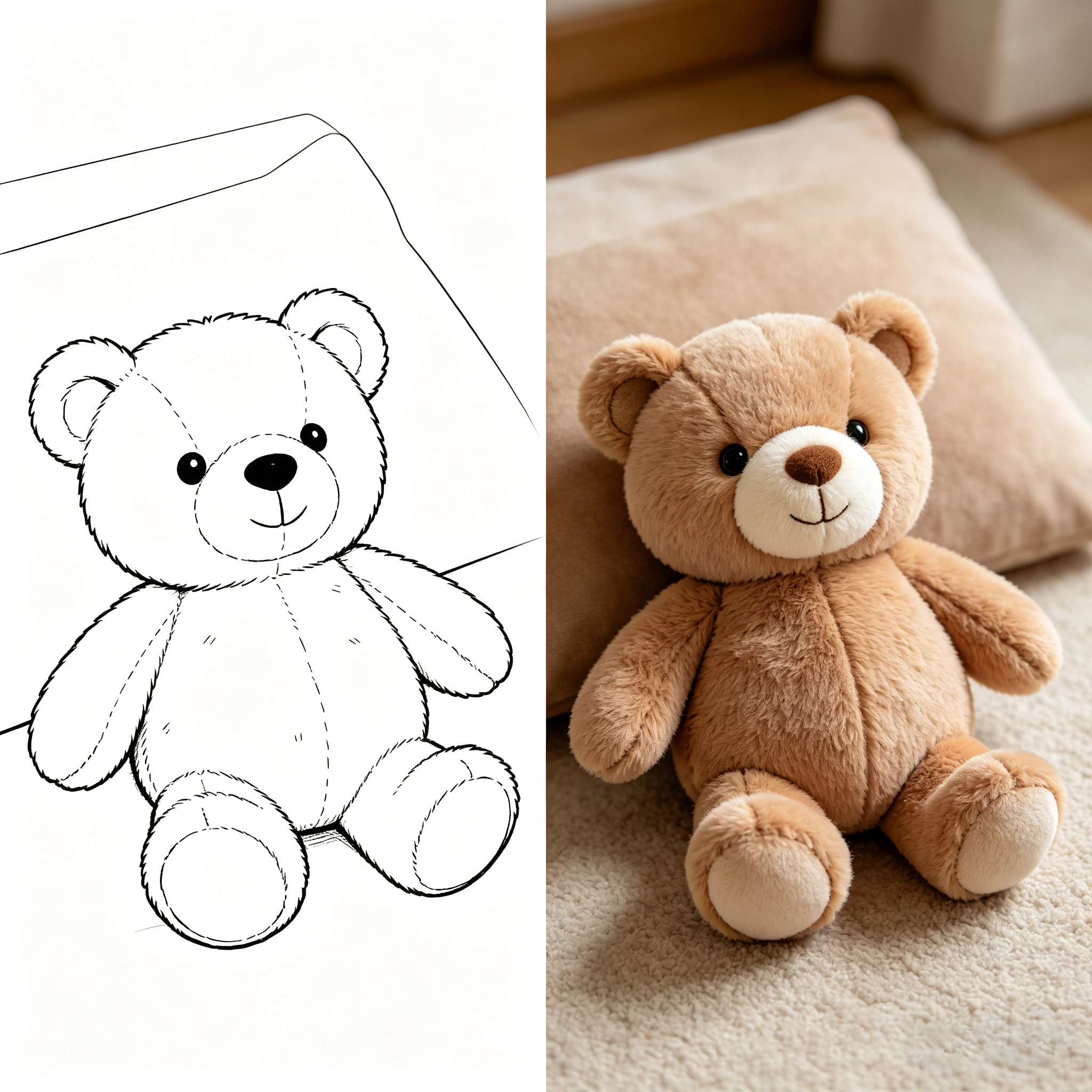
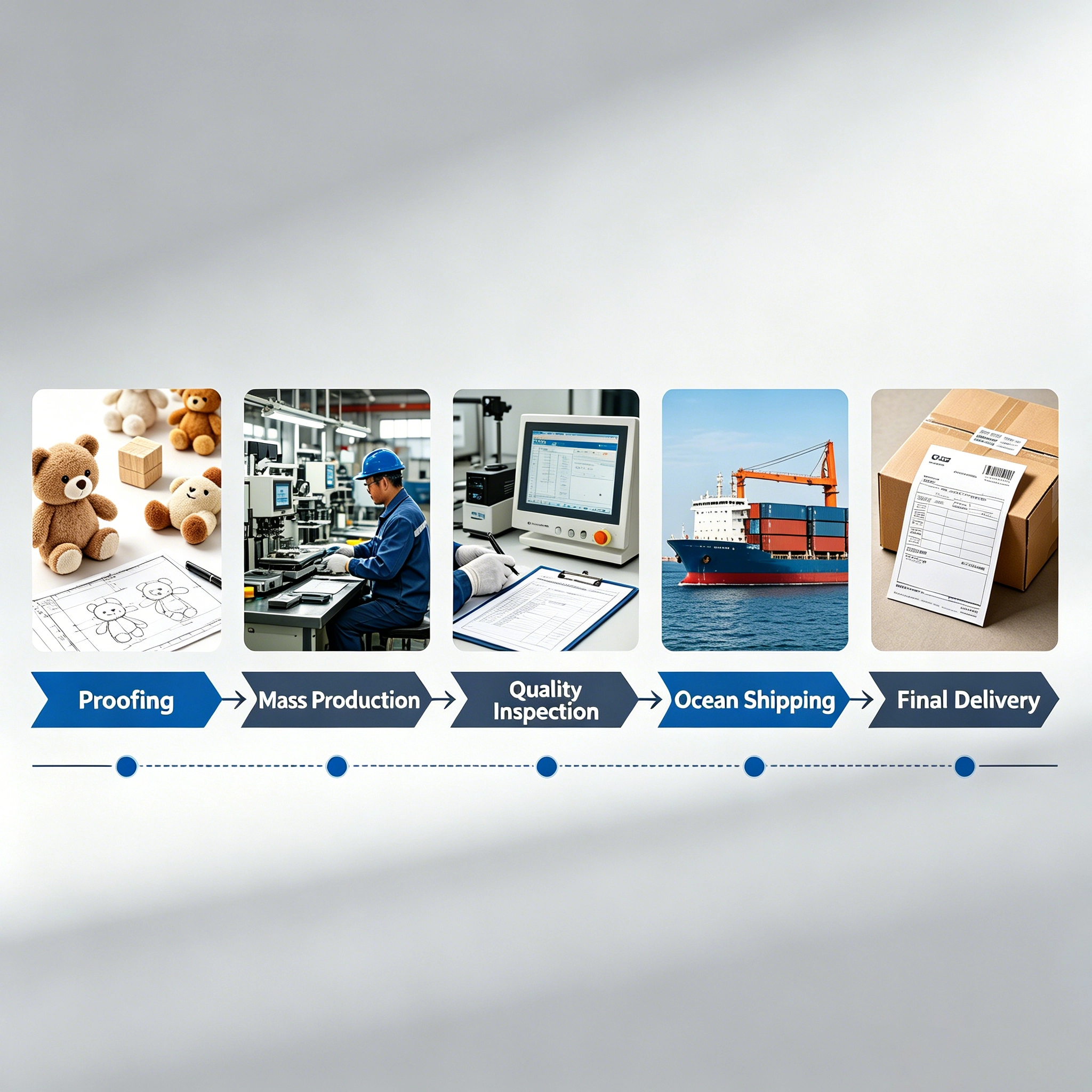
Effective christmas stuffed animals wholesale planning for retailers starts with a backward-engineered production calendar anchored to a target October retail floor set. Accounting for 30 to 40 days of ocean transit and port customs clearance, mass production must wrap up by late July or mid-August. That timeline places artwork finalization, 3D pattern drafting, and prototype sampling squarely in the first and second quarters of the year, giving buyers ample breathing room to refine character proportions and packaging.
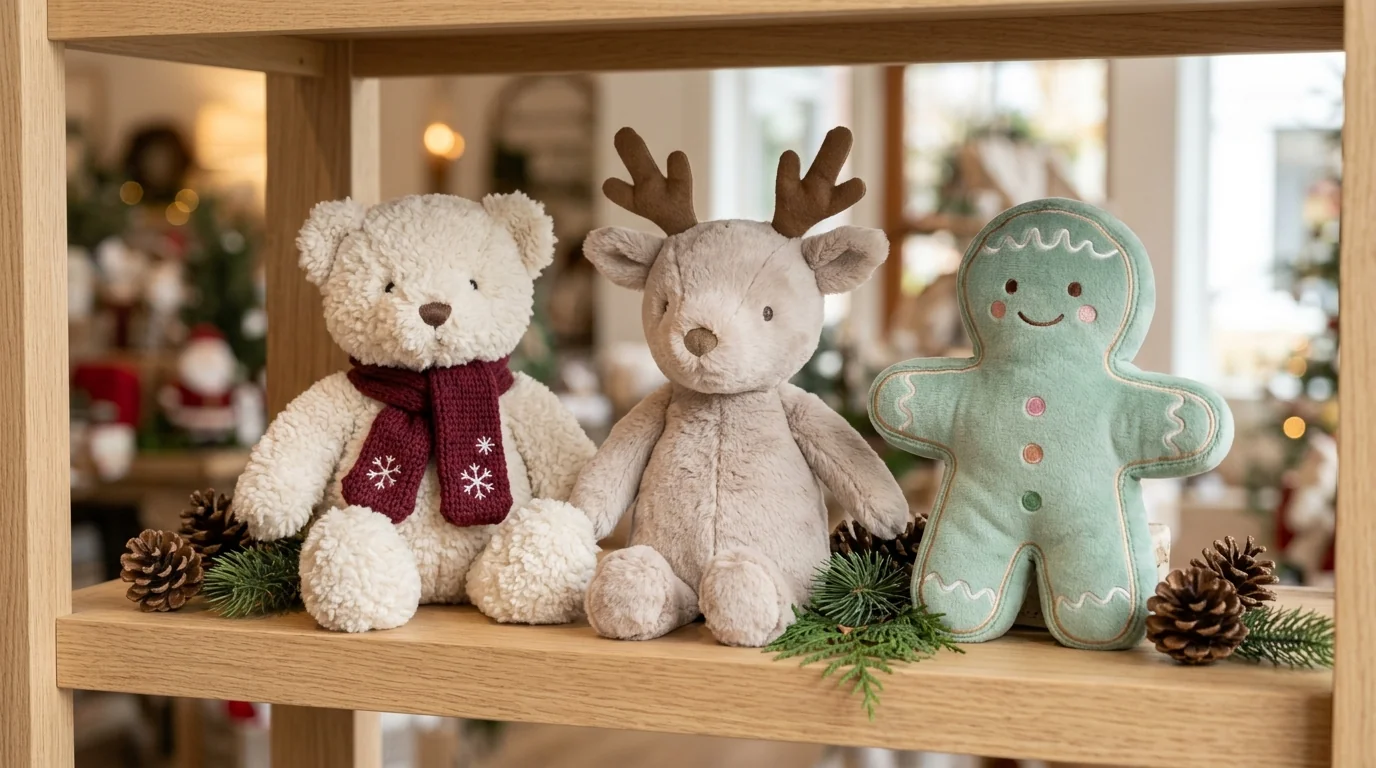
Early planning also protects unit margins. Booking fabric dyeing and sewing capacity during off-peak spring months secures stable material pricing and avoids emergency air freight surcharges. Whether a brand is developing a bespoke reindeer mascot or adapting proven custom teddy bear collections with festive winter knitwear, disciplined milestone management separates profitable holiday campaigns from missed delivery windows.
2. Assortment Architecture: Balancing Evergreen Classics and Novelty Christmas Plush
Building a resilient holiday plush line involves balancing timeless seasonal staples against trend-forward novelty silhouettes. Retailers that rely solely on dated red-and-green motifs risk slow sell-through among younger consumers, whereas overly experimental concepts may alienate traditional family gift buyers. A balanced B2B assortment typically distributes SKUs across three core product tiers:
- Signature Heritage Characters (Christmas Teddy Bear & Reindeer): Classic seated bears and woodland deer dressed in removable knitted scarves, tartan bows, or embroidered velvet coats. Weighted plastic pellet bases allow these figures to sit upright cleanly on retail endcaps and fireplace mantels.
- Festive Food & Botanical Novelty Plush: Playful, photogenic silhouettes such as pastel gingerbread figures, hot cocoa mugs with marshmallow toppers, peppermint candies, and smiling pine trees that appeal strongly to Gen Z gift shoppers.
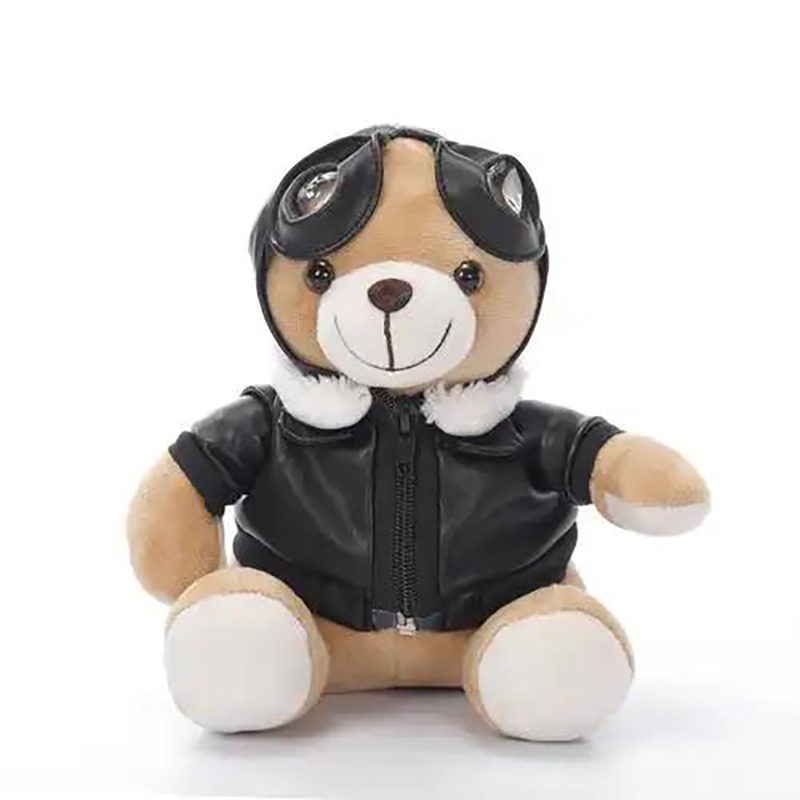
- Corporate & Promotional Holiday Mascots: Existing brand mascots updated for Q4 with seasonal hats, custom woven logo labels, or commemorative year embroidery for client gifting and retail loyalty redemptions.
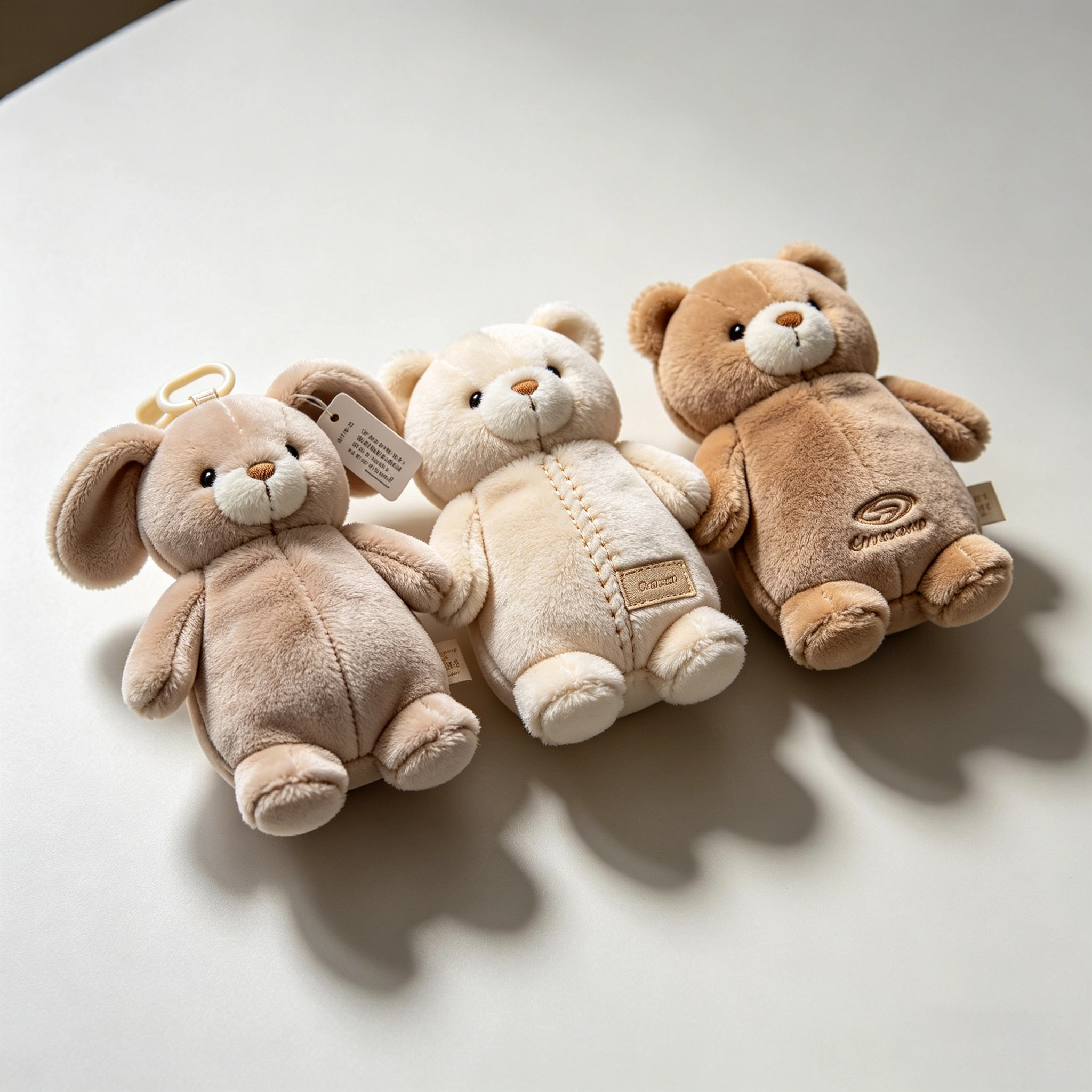
For brands running multi-channel seasonal campaigns, pairing hero 25 cm shelf plush with compact 10 cm clip-on ornaments or holiday promotional plush gifts maximizes basket size at checkout. By sharing identical base fabrics across multiple sizes, buyers can satisfy mill dyeing minimums while offering tiered price points from stocking stuffers to premium boxed gifts.
3. Seasonal Textile Engineering: Sherpa, Velboa, Knitwear, and Metallic Embroidery
Holiday plush demands a richer, warmer tactile palette than year-round basics. Consumers shopping for winter gifts instinctively gravitate toward multi-textured surfaces that evoke cozy seasonal fabrics. Selecting the right combination of pile height, knitwear accessories, and surface embellishment during custom plush development and fabric sourcing directly determines shelf impact and perceived gift value.
| Milestone Phase | Recommended Window | Core Engineering & Sourcing Tasks | Risk of Delay |
|---|---|---|---|
| Concept & Tech Pack Lock | January – March | Finalize 2D turnarounds, dimensions, PMS colors, and target unit cost | Compressed sampling revisions |
| Prototyping & Revisions | March – April | Draft 3D patterns, source seasonal fabrics, approve PP sample | Missed custom fabric mill dyeing slots |
| Bulk Production & QC | May – July | Cut-and-sew assembly, embroidery, needle detection, lab testing | Peak-season factory line congestion |
| Ocean Freight & Customs | August – September | Container loading, customs clearance, warehouse distribution | Costly air freight or missed retail floor set |
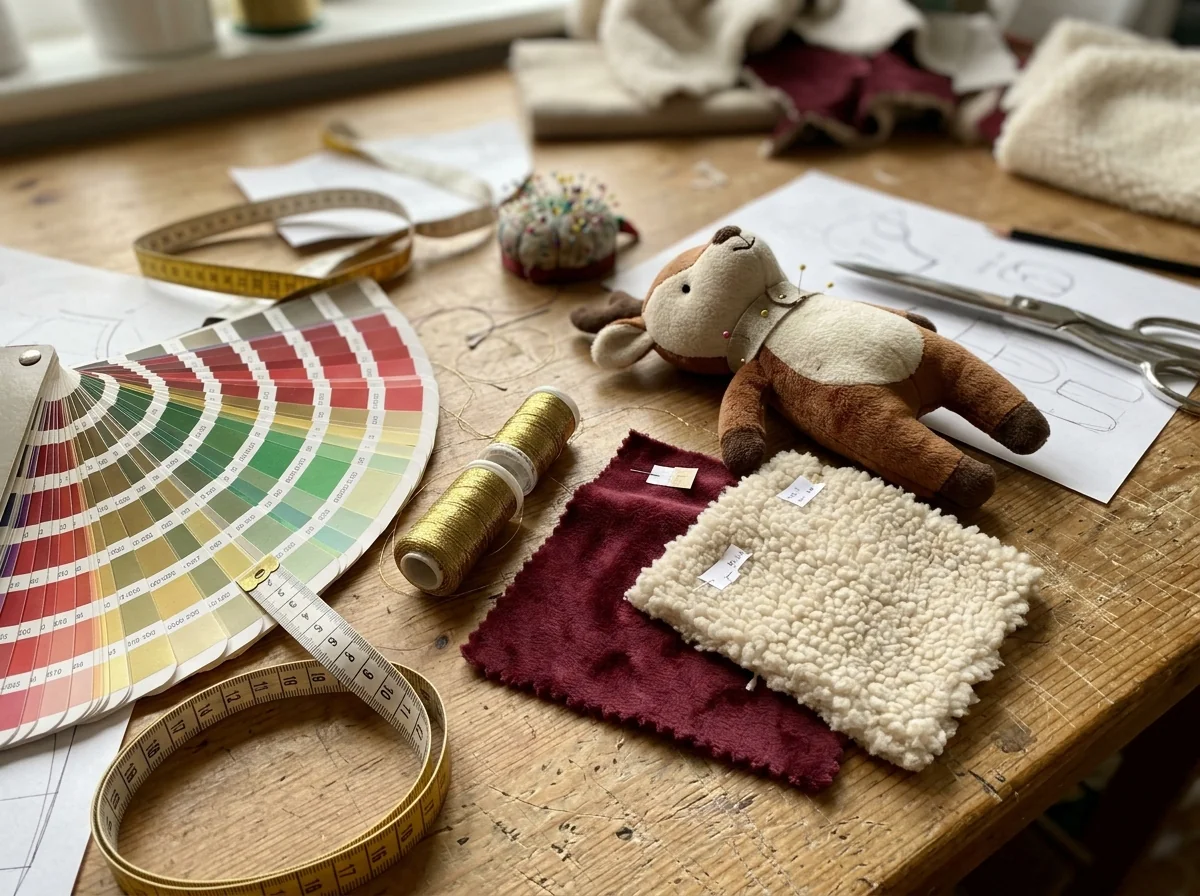
Popular winter textile pairings include curly faux sherpa fleece (320–380 GSM) for snowmen and sheep, ultra-dense crystal velboa for smooth gingerbread bodies, and brushed tricot or micro-corduroy for reindeer antlers and footpads. When incorporating metallic gold or silver snowflakes, computerized satin embroidery using high-tensile viscose or polyester metallic thread is far safer and more durable than glitter screen prints, which can flake off during handling. Furthermore, specifying fabrics certified under OEKO-TEX Standard 100 ensures that deep holiday reds and forest greens remain free from restricted azo dyes and color-bleeding issues.
4. Holiday Accessory Safety & Global Regulatory Compliance
Holiday stuffed animals frequently incorporate decorative attachments—such as jingle bells, miniature scarves, pom-poms, felt holly berries, and candy canes—that introduce heightened mechanical safety risks. If an accessory detaches during pull testing and fits inside a small-parts choke test cylinder, the entire shipment can be detained by customs or barred from all-ages retail distribution.
To achieve all-ages safety grading (0+ months), OEM engineers replace metal jingle bells and hard plastic buttons with internal sealed rattle capsules and flat embroidered details. Knitted scarves and hats should be tack-stitched securely at multiple anchor points around the neck seam so they cannot be removed and pose strangulation or ingestion hazards. Every seasonal production lot must be evaluated under rigorous plush toy safety standards and compliance protocols prior to container loading.
For North American retail distribution, holiday plush must pass third-party laboratory testing covering U.S. CPSC and ASTM F963 toy safety requirements, including 21 lbs (90N) seam and attachment tension tests, flammability limits, and CPSIA tracking labels. Similarly, shipments bound for European and UK gift markets must comply with European EN 71 harmonised toy safety standards (Parts 1, 2, and 3) alongside REACH chemical restrictions and CE/UKCA marking.
5. Gift-Ready Packaging, MOQ Planning, and Peak-Season Freight Optimization
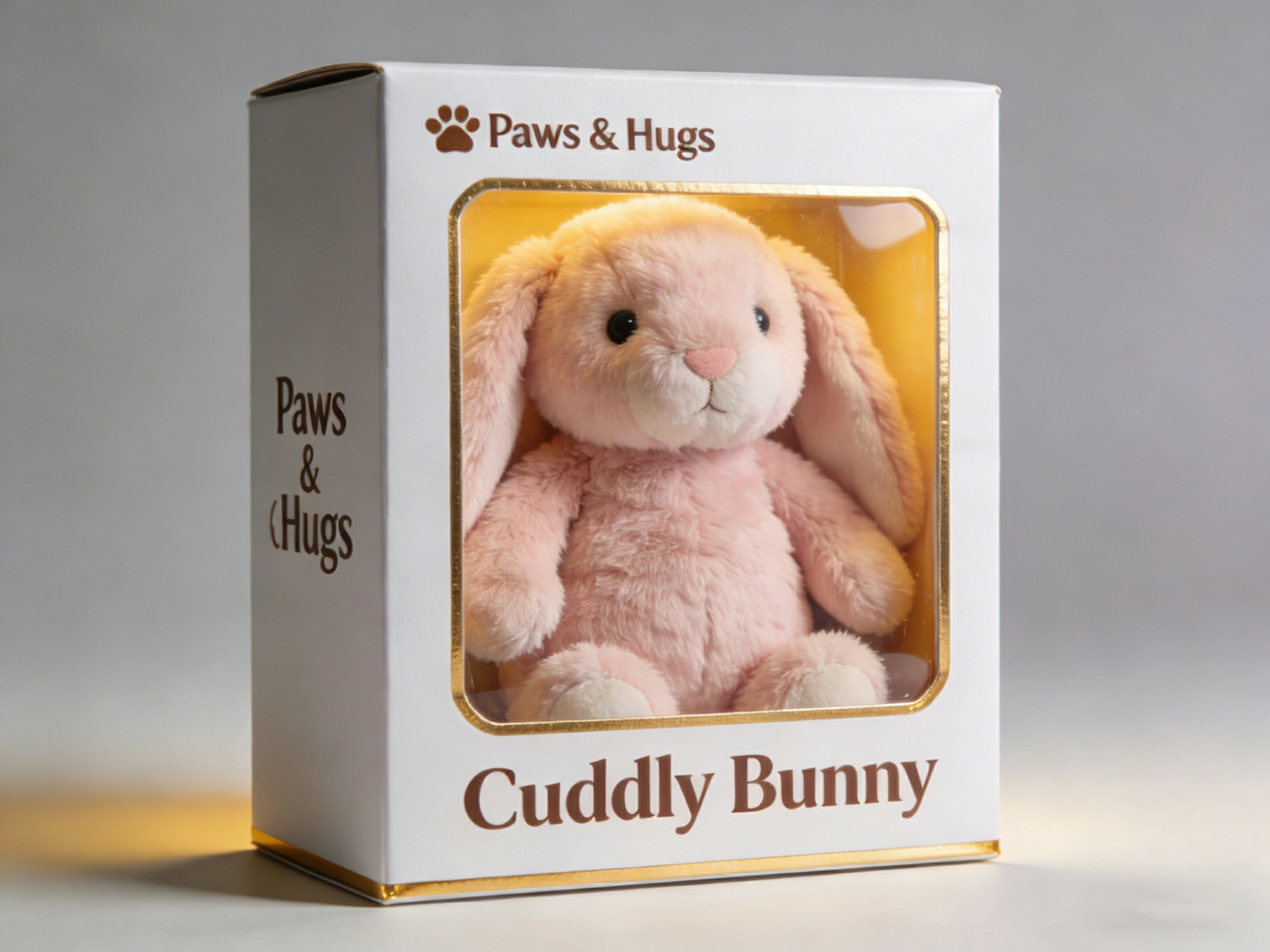
Because Christmas plush is overwhelmingly purchased as a gift, retail presentation directly impacts conversion rates. Open-front die-cut window boxes, printed kraft gift sleeves, and satin ribbon hangtags transform a simple stuffed animal into a ready-to-give present without requiring additional gift wrapping by the consumer. However, rigid display boxes increase shipping carton volume, so many retailers ship plush in compressed polybags and pack flat-folded gift boxes separately in the master carton for local fulfillment assembly.
From an MOQ standpoint, custom holiday plush typically requires 1,000 to 2,000 pieces per character design when custom fabric dyeing is involved. Retailers looking to test a multi-character collection with lower initial commitment (such as 500 pieces per SKU) can utilize stock winter velboa colors—like classic crimson, snow white, pine green, and warm caramel—while customizing the embroidery and knitted accessories to keep unit costs highly competitive.
6. Frequently Asked Questions (FAQ)
Q: When is the latest date retailers should finalize custom Christmas plush designs?
A: To guarantee ocean freight delivery for an October retail floor set, buyers should finalize 2D artwork and tech packs no later than April, completing prototype approvals by May. Orders placed after June typically require stock fabric substitutions or air freight shipping to meet Black Friday deadlines.
Q: Can we reuse our existing brand mascot pattern and simply add Christmas outfits?
A: Yes, dressing an existing approved mascot pattern in custom seasonal accessories—such as a knitted winter sweater, embroidered scarf, or Santa hat—eliminates base body pattern revisions. This approach cuts sampling turnaround time down to 5 to 7 days and allows lower trial MOQs.
Q: How do you prevent red holiday fabrics from bleeding onto white plush trim?
A: Professional OEM mills use high-grade disperse dyes with thorough post-dye reduction clearing and heat-setting on polyester velboa and sherpa fabrics. Pre-production swatches undergo ISO 105 colorfastness-to-washing and crocking (rubbing) tests to ensure deep reds never transfer onto adjacent white fur.
Q: Are battery-operated LED light-up or musical Christmas plush toys subject to extra regulations?
A: Yes, holiday plush incorporating sound modules or LED lights must comply with EN IEC 62115 (electric toy safety), RoHS directive restrictions, and button/coin cell battery compartment locking standards under ASTM F963 to prevent children from accessing batteries.
Q: What is the best way to ship holiday plush with gift boxes without paying excessive ocean freight?
A: The most cost-effective logistics method is vacuum-sealing the plush toys to reduce carton volume by 60% while shipping die-cut window boxes flat-packed inside the same shipment, or using festive printed ribbon hangtags for open-shelf display.
7. Partner With Wehao Toys for Your Holiday Plush Collection
Planning Your Upcoming Q4 Holiday Plush Assortment? Securing reliable production capacity, colorfast winter textiles, and certified safety compliance early is the key to a profitable holiday retail season. Wehao Toys supports retail chains, gift brands, and corporate buyers with end-to-end OEM and ODM seasonal plush manufacturing, from rapid 3D prototyping to retail-ready gift packaging. Contact Wehao Toys for a Custom Plush Toy Project today to review your holiday artwork, lock in your production schedule, and request a custom sample evaluation.