
Quick Answer
Sensory toys are products designed to offer a clear touch, holding, squeezing, or interaction experience. For plush brands, this does not mean simply making a toy softer or heavier. A good sensory plush toy needs planned texture, controlled weight, safe construction, realistic age grading, and careful marketing language.
The most important rule is simple: design the experience before adding features. Texture, weight, crinkle fabric, embroidery, tags, beads, pockets, and sound parts can all change how a plush toy feels. However, every added feature also changes cost, safety review, cleaning, production consistency, and claims risk.
For brands developing sensory toys for the United States or Europe, the product should be reviewed as both a plush item and a regulated toy when it is intended for children. In the U.S., children’s toys may need ASTM F963 and CPSIA review, while toys sold in the EU need CE marking and compliance with EU toy safety requirements. CPSC guidance explains that ASTM F963 covers many toy safety requirements, and firms must identify which sections apply to the specific product. The European Commission also states that only toys bearing CE marking can be placed on the EU market.
Why Sensory Toys Need a Different Design Logic
A regular plush toy is often judged by how cute, recognizable, or giftable it looks. A sensory plush toy is judged by how it feels during repeated handling. This changes the design process. The buyer is no longer only asking, “Does the character look right?” They also need to ask, “What does the user feel after holding, squeezing, rubbing, pressing, or carrying this product?”
In many plush sampling projects, sensory features are added too late. A brand may approve the outer animal shape first, then ask for weighted filling, textured ears, a crinkle panel, a squeeze body, or a calming product story. This often creates problems. The toy may become too firm, too hot, too noisy, too hard to wash, or too expensive to ship.
A better process starts with the use scenario. Is the plush meant to be held in the hands, hugged against the chest, carried in a bag, used at a desk, displayed on a bed, or sold as a children’s toy? Each use case needs a different balance of softness, surface texture, stuffing density, and durability. Sensory plush toy design considerations for brands should begin with this physical experience, not with the feature list.
Texture Comes First: What the Hand Actually Feels
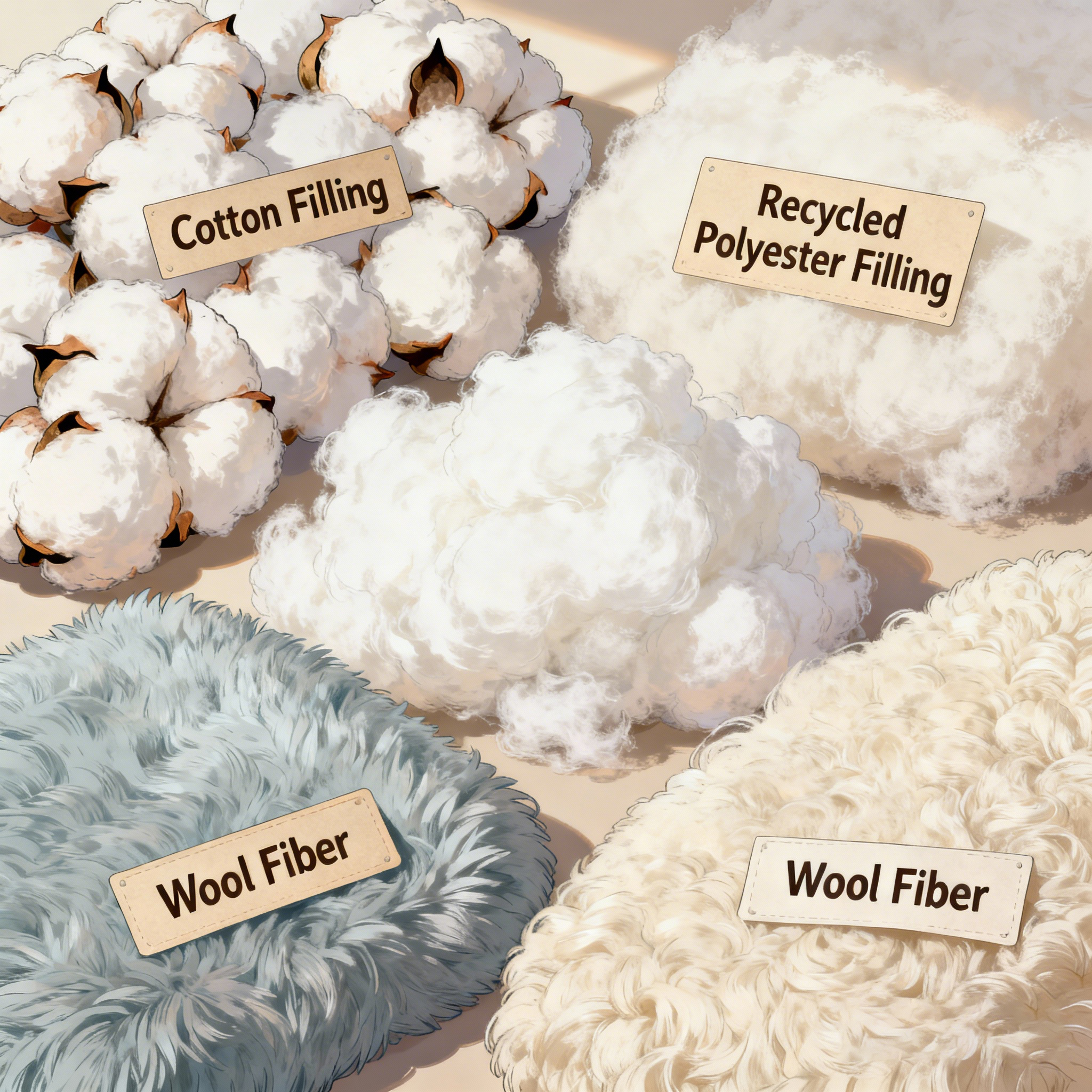
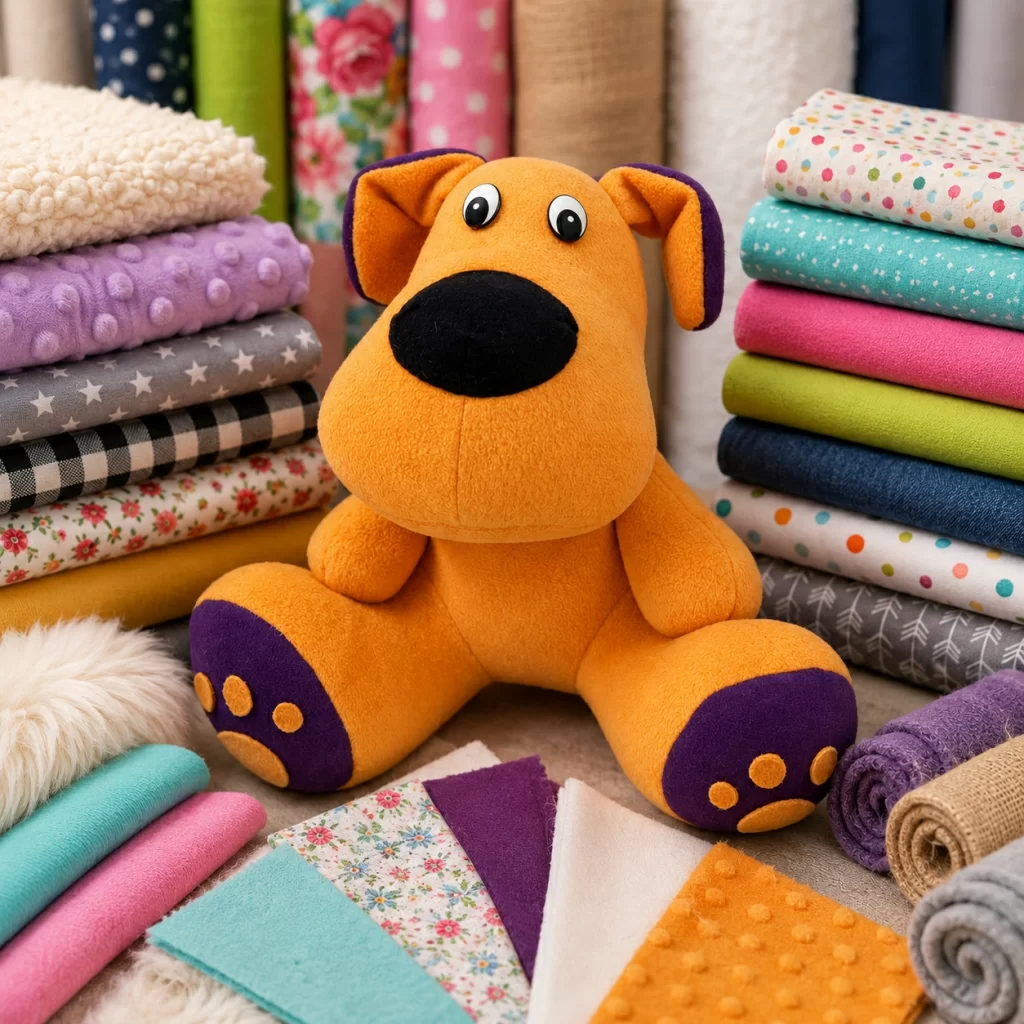
Texture is the first thing users notice in soft sensory products. It is also one of the hardest details to judge from artwork alone. A smooth minky surface, short plush, sherpa, ribbed fabric, corduroy, velboa, fleece, embroidered patch, or satin label can all create a different touch experience. The right choice depends on whether the product should feel smooth, fluffy, stable, cozy, firm, or slightly interactive.
For sensory toys, one fabric is rarely enough to define the experience. Many strong designs use contrast. A smooth body with textured ears can feel more interesting than an entire toy made from the same fabric. A short-pile face may support cleaner embroidery, while a longer-pile body may make the toy feel softer. A small satin tag, raised embroidery, or ribbed belly panel can create a tactile point without making the whole product complicated.
However, texture should not fight the plush structure. Long-pile fabric can hide small embroidered details. Sherpa can look warm and premium but may be harder to keep visually consistent across tight curves. Ribbed fabric can add touch value but may distort if stretched around a rounded body. In our sampling experience, the best tactile toys usually use two or three intentional textures, not five or six random materials.
Weight Can Help the Experience, But It Adds Risk
Weight is often associated with calming toys, but weight alone does not make a plush toy better. A heavier plush can feel more grounded when held. It may sit more steadily on a lap, desk, or bed. It can also make the product feel more substantial in retail. Still, weight changes the whole construction.
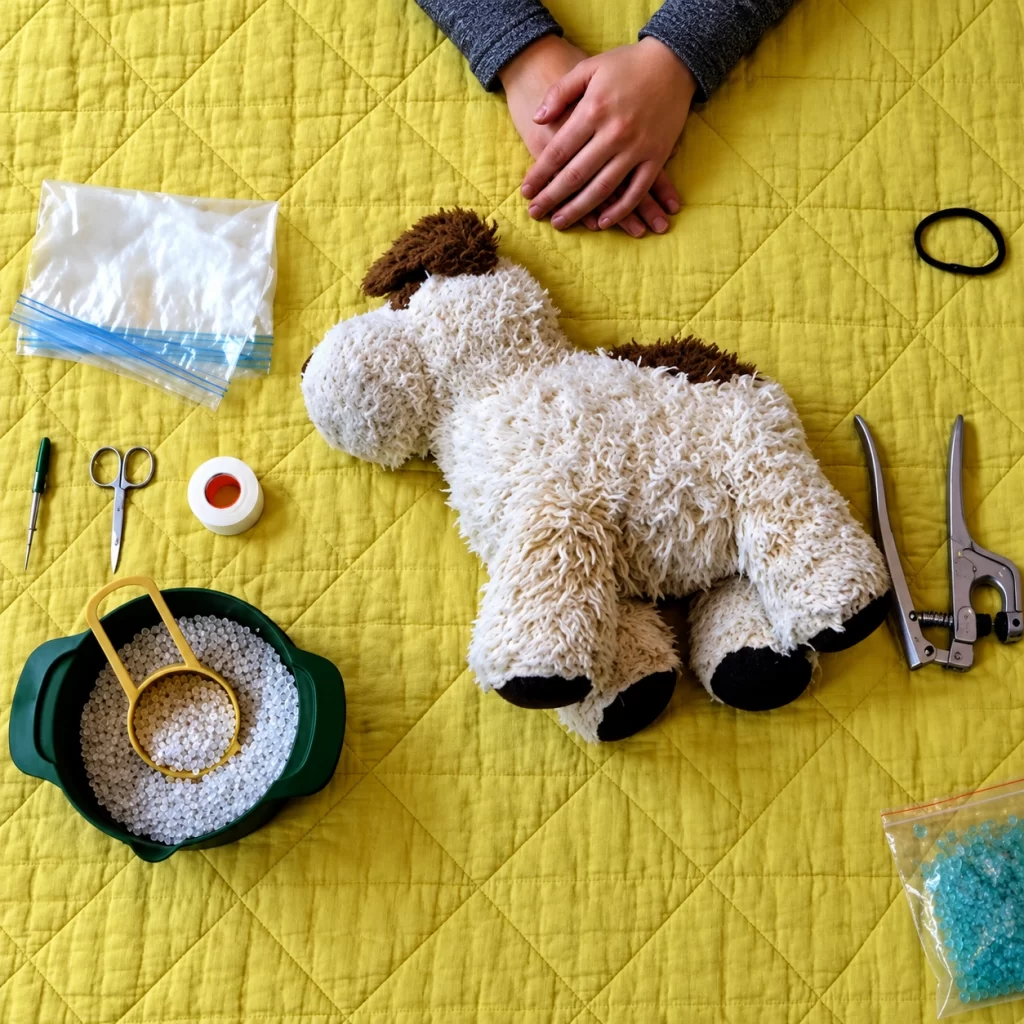
The biggest mistake is mixing weighted beads loosely into normal fiberfill. That can create uneven distribution, hard spots, noise, and weak pressure points inside the toy. For weighted plush products, the weighted section should normally be contained, positioned, and protected. The pattern must also support the extra load, especially around seams, belly panels, limbs, and closure areas.
Weight also affects shipping and cleaning. A heavier plush costs more to transport and may take longer to dry after cleaning. If the weighted section is removable, the zipper, pouch, or closure must be reviewed carefully. If it is not removable, the care instructions need to be realistic. A sensory plush that feels good in a sample room may fail in real use if the user cannot clean it properly.
At Wehao Toys, we usually recommend proving the basic hand feel first. If the plush already feels pleasant, stable, and easy to hold, then a weighted insert can be tested as a controlled upgrade. If the base shape is uncomfortable, added weight will not fix the problem.
Tactile Features Should Be Planned, Not Added Randomly
Tactile toys often use small details to create interaction. These may include crinkle fabric, loop tags, raised embroidery, soft knots, textured panels, squeeze areas, fabric ridges, flat ears, weighted paws, or small pockets. These details can make the product more engaging, but they also create more production variables.
Every tactile feature needs a purpose. A crinkle panel should be placed where the user naturally presses or squeezes. A textured belly should be large enough to feel, but not so large that it changes the character shape. A tag feature should be securely stitched and age-appropriate. Raised embroidery should add texture without becoming rough against the skin.
Small details can also create safety issues. Eyes, noses, buttons, beads, ribbons, tags, and accessories must be reviewed based on the target age and market. For products intended for children, small parts, pull strength, seam strength, sharp points, and label requirements matter. CPSC guidance notes that toys for children 12 and under generally require third-party testing by a CPSC-accepted lab and certification in a Children’s Product Certificate when applicable.
This is why sensory design should not be treated as decoration. It is part of the product structure. A good sample review should test not only how the toy looks, but also how every tactile area behaves after pulling, rubbing, squeezing, and repeated handling.
The Claim Problem: “Calming” Is Not the Same as “Therapeutic”
Many brands want to describe sensory plush toys as calming toys. This can be acceptable when the wording describes the product experience in a careful way. For example, “soft to hold,” “weighted feel,” “tactile surface,” “quiet desk companion,” or “designed for a comforting holding experience” are usually more realistic product descriptions.
The risk increases when the product copy starts making stronger claims. Phrases such as “treats anxiety,” “improves autism symptoms,” “helps ADHD,” “cures insomnia,” or “clinically proven therapy toy” move beyond ordinary plush marketing. These claims may require strong substantiation and regulatory review. The FTC states that health benefit claims must meet the basic standard of competent and reliable scientific evidence. The FDA also explains that intended use and medical claims can affect whether a product is considered a medical device.
For most plush brands, the safer direction is to describe the sensory experience, not a medical outcome. A plush toy can be positioned around texture, softness, hand feel, routine, collectibility, gifting, or comfort. It should not promise clinical results unless the brand has proper evidence, legal review, and a clear regulatory path.
This distinction matters for both SEO and trust. Buyers may search for sensory toys or calming toys, but the product page should still be honest. Overstated claims may create compliance problems, platform review issues, customer complaints, or retailer hesitation.
U.S. and European Safety Points Brands Should Review
For the U.S. market, brands should first decide whether the sensory plush is intended for children or adults. If it is intended for children 12 years of age or younger, ASTM F963, CPSIA, third-party testing, tracking labels, and Children’s Product Certificate requirements may apply. CPSC guidance also notes that certificates for children’s toys should cite 16 CFR Part 1250 and list the applicable ASTM F963 sections.
For Europe, brands should review toy safety requirements before placing the product on the EU market. The European Commission states that manufacturers, importers, and distributors must show that toys are safe, and that CE marking indicates compliance with EU toy safety requirements. Sensory plush designs with special textures, weights, small accessories, or removable parts should be checked early, not after the first production batch.
The review should include material safety, seam strength, filling containment, small-part risk, flammability, chemical restrictions, age grading, warning labels, and washability. If the toy includes sound, heat, scent, electronics, or removable inserts, the review becomes more complex. These features may create additional testing or labeling needs.
A practical rule is to define the market before sampling. A plush designed only as an adult desk companion may follow a different route from a plush sold as a children’s sensory toy. If the packaging, product page, images, or retail channel strongly suggest child use, the compliance review should match that reality.
Sampling Checklist for Soft Sensory Products
A sensory plush sample should be reviewed by hand, not only by photo. Photos can show shape, color, and face details, but they cannot show pressure points, fabric feel, stuffing balance, or weight movement. This is where many brands underestimate the sampling stage.
During sample review, check whether the toy feels good after repeated handling. Hold it in the expected position. Squeeze the belly, limbs, ears, and tactile panels. Rub the textured areas. Shake the toy gently. Press any weighted section. Check whether the filling shifts, whether the seams carry stress, and whether any embroidery or accessory feels scratchy.
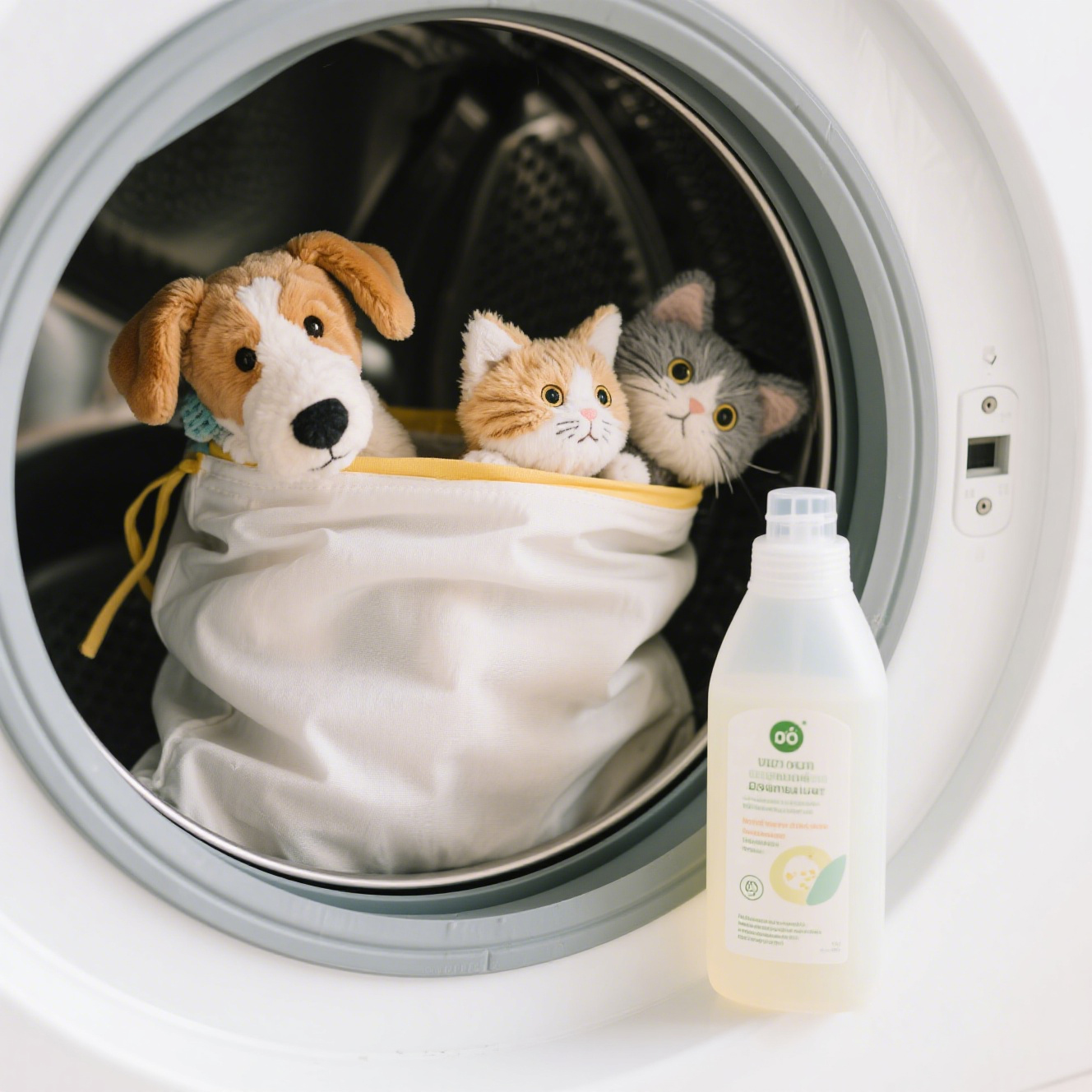
The sample should also be reviewed after basic cleaning tests when washability will be part of the product promise. Some fabrics look beautiful before washing but mat down or change texture after cleaning. Stuffing may clump, and weighted sections may dry slowly. If care instructions are unrealistic, the customer experience will suffer after launch.
For B2B projects, a useful sensory sample brief should include target user, age range, sales market, desired feel, preferred size, weight target if any, texture map, safety expectations, and claim language. This gives the supplier enough information to evaluate the product as a complete sensory item, not just a plush shape.
Common Mistakes Brands Make
The first mistake is treating sensory toys as a keyword category instead of a product design category. A product is not sensory just because the description uses the word. The sensory value must be felt in the fabric, filling, shape, and interaction points.
The second mistake is adding too many features. A plush with five textures, weighted beads, crinkle fabric, scent, removable parts, embroidery, and accessories may sound rich on paper. In production, it may become expensive, hard to test, and inconsistent across batches. In many projects, one strong tactile idea works better than several weak ones.
The third mistake is approving the visual sample too early. Sensory plush needs touch testing. A buyer may love the front-view photo but dislike the real hand feel. This often leads to revision loops after the sample arrives.
The fourth mistake is using medical-style claims without a claim strategy. “Calming” can be a soft product-positioning word when used carefully. “Treats anxiety” or “therapeutic for children with sensory processing issues” is a very different type of claim. Brands should decide claim boundaries before packaging, ads, and product listings are written.
Key Takeaways
Sensory toys should be developed around real touch and use experience. For plush brands, the most important design areas are texture, stuffing density, weight distribution, tactile details, safety review, and claim language.
Texture should be intentional. Weight should be controlled. Tactile details should have a purpose. Claims should describe the product experience without promising medical results.
For U.S. and European markets, sensory plush products should be reviewed according to the intended user, target age, product structure, and sales channel. A safe and commercially realistic sensory plush is not created by adding every possible feature. It is created by choosing the right few features and testing them properly before production.
FAQ About Sensory Toys for Plush Brands
Can a normal plush toy be marketed as a sensory toy?
Only if the product truly offers a planned sensory experience. A soft fabric alone may not be enough. Brands should identify the exact sensory value, such as smooth touch, textured panels, squeeze feel, weighted hold, or quiet tactile interaction.
Are sensory plush toys only for children?
No. Sensory plush products can be designed for children, adults, desk use, gifting, retail collections, or comfort-focused product lines. However, the intended user affects safety review, claim language, packaging, and testing requirements.
What is the safest way to add weight to a plush toy?
The weighted material should usually be contained in a secure internal pouch or controlled section. It should not move freely through the stuffing. The seam load, cleaning method, age grading, and material safety should be reviewed before mass production.
Can a sensory plush toy include crinkle fabric or sound?
Yes, but the feature should match the user and market. Crinkle fabric may work for some tactile products, but it can also make the toy noisy or harder to position as calming. Sound-producing toys may need additional safety review, especially for children’s products.
What information should brands prepare before asking for a sensory plush quote?
Prepare the target age, sales country, intended use, preferred size, desired hand feel, texture references, weight target, safety expectations, order quantity, packaging direction, and claim wording. A clear brief helps the supplier evaluate structure and sampling risk more accurately.
Should sensory plush toys be machine washable?
Machine washability is useful, but it should not be promised unless the sample supports it. Brands need to check fabric change, seam strength, stuffing recovery, weighted insert behavior, drying time, and label instructions before making a washability claim.
Are “calming toys” and “therapy toys” the same thing?
No. “Calming” can describe a soft product experience when used carefully, but “therapy toy” may imply stronger health or treatment claims. Brands should avoid medical-style wording unless they have suitable evidence and regulatory guidance.
Do sensory toys need different packaging copy?
Yes. Packaging should explain the actual product experience in simple terms. It can mention texture, soft feel, weighted hold, or tactile details, but it should avoid unsupported health outcomes. For children’s products, age grading and warning labels must also be reviewed.
Planning a Sensory Plush Toy Project?
If you are developing sensory toys, tactile toys, calming toys, or soft sensory products for your brand, start with the real user experience before adding features. Share your artwork, target age, sales market, preferred textures, weight idea, safety expectations, and expected quantity. We can review whether the design is practical for sampling, production, testing, and packaging.
Contact Wehao Toys for a Custom Plush Toy Project