
Quick Answer
Weighted stuffed animals can be worth it when the user enjoys a heavier, grounded holding sensation and the product is properly designed. The extra value comes from the holding experience, not simply from adding more filling.
However, a weighted plush toy is not automatically more calming, safer, or better than a regular stuffed animal. Poor weight distribution, weak inner compartments, difficult cleaning, and exaggerated health claims can quickly reduce its value.
Most published research on weighted products studies weighted blankets rather than weighted stuffed animals. Reviews suggest that weighted products may help some users feel calmer or sleep better, but the research remains mixed and varies between user groups. One controlled study involving autistic children found no clear objective improvement in sleep, although many children and parents preferred the weighted blanket.
The most realistic conclusion is simple: a weighted plush may provide enjoyable tactile comfort, but it should not be treated as a guaranteed therapy.
What Makes a Weighted Stuffed Animal Different?
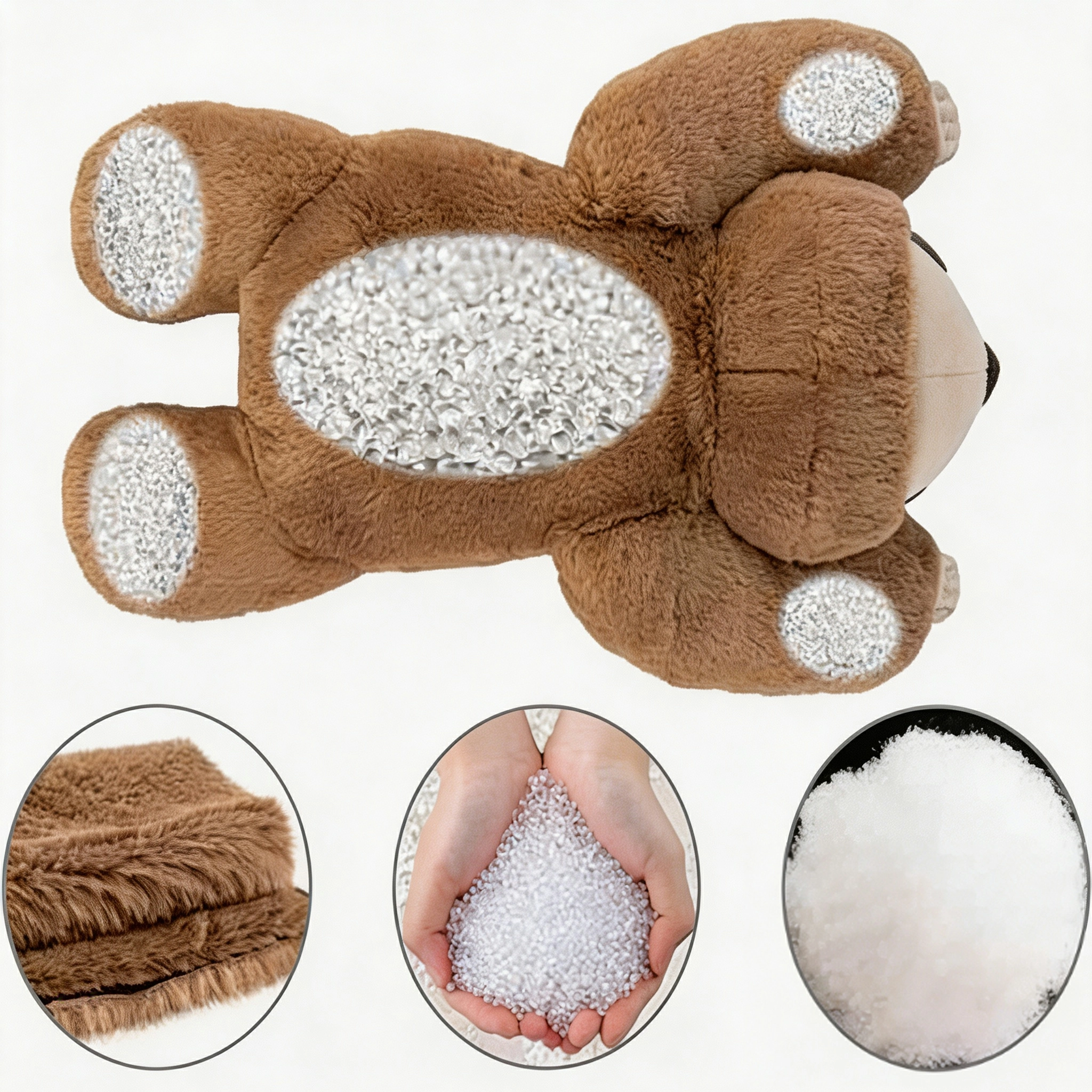
A regular stuffed animal is mainly filled with lightweight polyester fiber. A weighted stuffed animal normally combines soft fiberfill with a separate inner compartment containing heavier material.
The added weight changes how the product rests on the lap, sits against the body, and feels when carried. Some users describe this as more stable and reassuring than a lightweight plush.
For readers who want a broader explanation of comfort-focused plush, our guide to emotional support stuffed animals explains how texture, shape, and product wording influence the user experience.
| Feature | Regular Stuffed Animal | Weighted Stuffed Animal |
|---|---|---|
| Main Filling | Polyester fiberfill | Fiberfill plus a weighted inner compartment |
| Holding Feel | Light, soft, and easy to carry | Heavier, more stable, and grounded |
| Construction | Relatively simple | Requires an additional secured structure |
| Cleaning | Often easier | Depends on whether the weighted insert is removable |
| Shipping | Lower actual weight | Higher freight and fulfillment cost |
| Main Value | Appearance, softness, and play | Appearance plus tactile weight |
| Main Risk | Loose parts or weak seams | Loose parts, weak seams, and weighted-filling leakage |
The product is therefore not just a heavier plush. Its inner structure must be developed as part of the design.
When Weighted Stuffed Animals Are Worth the Extra Cost
A weighted stuffed animal is more likely to be worth buying when the following conditions are met.
The User Genuinely Prefers a Heavier Holding Experience
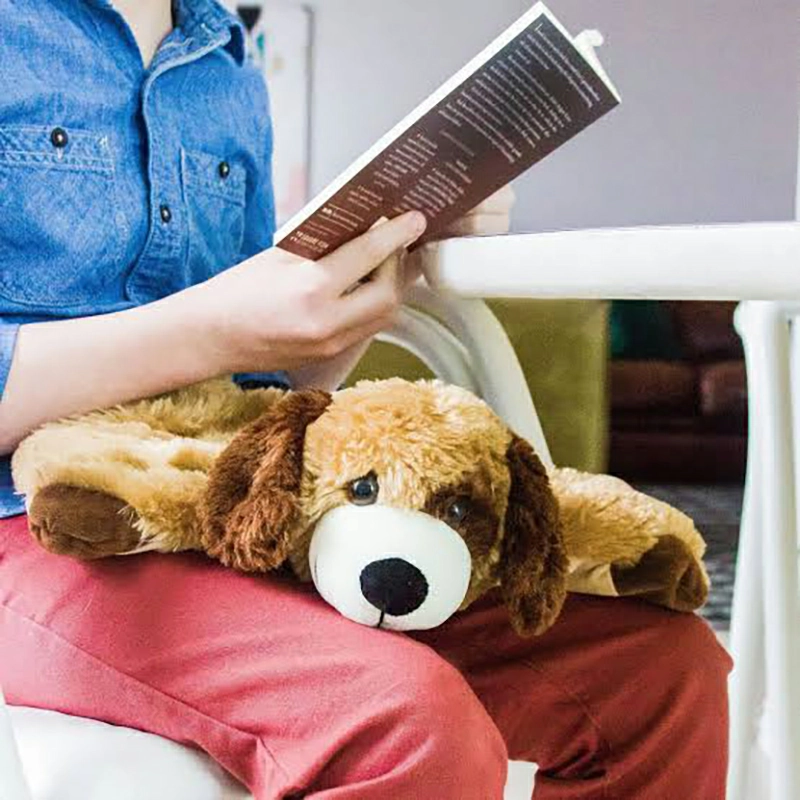
Some people prefer a plush that stays firmly on the lap instead of moving easily. Others simply enjoy the feeling of holding an object that is heavier than it looks.
This is a personal preference. A buyer should not assume that every child, teenager, or adult will enjoy the same amount of weight.
The Product Will Be Used Regularly
The price is easier to justify when the plush becomes part of a reading, resting, travel, or relaxation routine. A product used every day provides more practical value than one purchased only because it looks unusual.
The Weight Is Balanced
A good sensory stuffed animal should not pull strongly toward its head, feet, or one side of its body. The weighted section normally works better when positioned inside the lower torso or belly.
Balanced placement allows the plush to sit naturally and feel stable when held.
The Care Method Is Realistic
A weighted plush that cannot be cleaned easily may become inconvenient after repeated use. Before buying, check whether the product is machine washable, hand washable, spot-clean only, or designed with a removable weighted insert.
The care instructions should match the actual construction.
When a Weighted Plush May Not Be Worth It
The product may not be worth the added price when its main selling point is an unsupported promise.
Statements such as “treats anxiety,” “stops panic attacks,” “cures insomnia,” or “provides autism therapy” go far beyond what a stuffed animal can reliably prove. Comfort-based wording is more realistic than medical-style wording.
A weighted plush may also be a poor choice when:
- The user dislikes pressure or heavier objects.
- The plush is difficult to lift or reposition.
- The weighted filling gathers into one hard lump.
- The inner material can be felt directly through the outer fabric.
- No clear cleaning instructions are provided.
- The product is marketed for infant sleep.
- The seams or closures appear weak.
- The price increase is based mainly on branding rather than construction.
A cheaper regular calming plush may provide better value when softness, shape, and emotional design matter more than weight.
What a Well-Designed Weighted Plush Toy Should Feel Like
Balanced Weight Placement
The weight should support the shape rather than fight against it.
If too much weight is placed in the head, the plush may fall forward. If it is placed in long arms or legs, the limbs may stretch the seams. If the material sits in one loose bag, it may slide to the lowest point whenever the toy is moved.
A more stable design uses a controlled inner area in the belly or lower body. Larger weighted sections may need internal divisions to reduce movement.
A Secure Inner Weighted Compartment
The weighted material should not be mixed loosely with ordinary fiberfill.
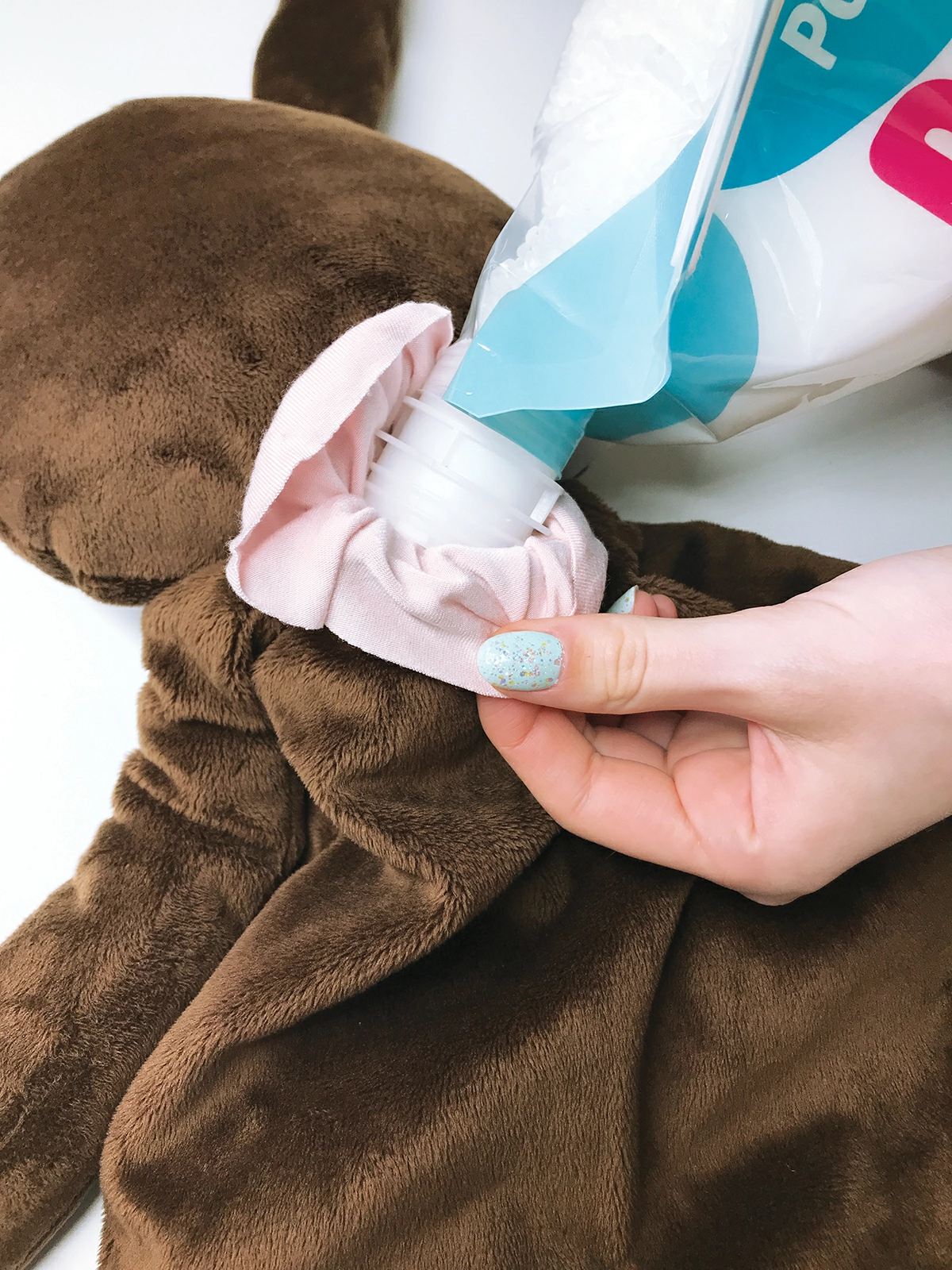
A separate sewn compartment provides better control. Depending on the target age and design, the inner structure may also require reinforced stitching, an additional containment layer, or divided sections.
The outer plush seam and inner weighted pouch are two different safety checkpoints. A strong outer shell does not solve the problem if the inner pouch can open.
In our sampling experience, one common issue appears after the plush is lifted several times. A weighted pouch that looked centered on the table slowly moves toward one side. The sample then sits unevenly and feels lumpy.
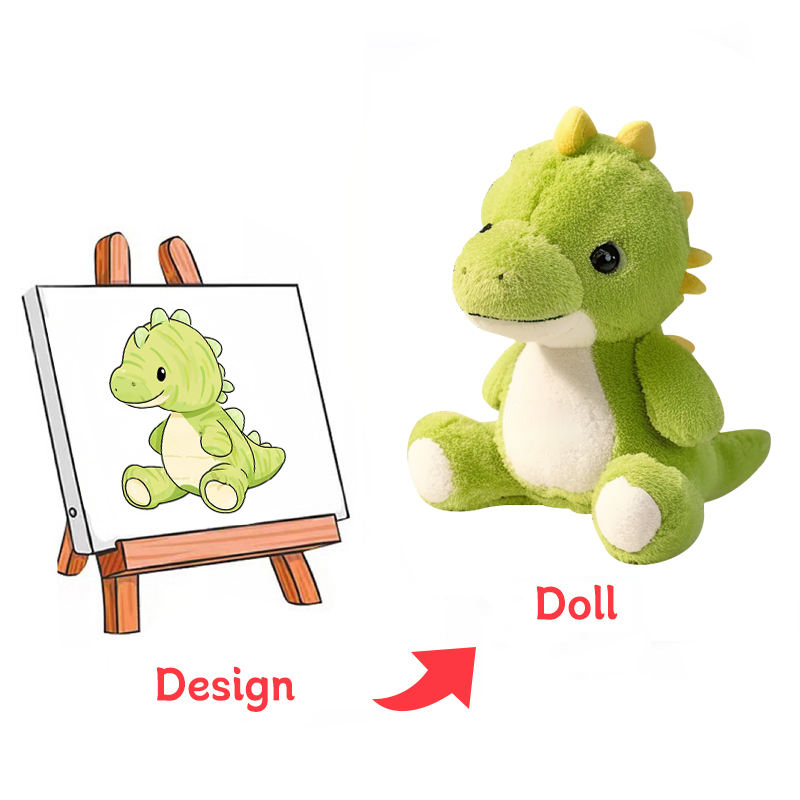
A weighted plush should go through a structured custom plush toy sampling process, rather than being treated as a regular plush with extra filler.
Comfortable Surface and Body Shape
Weight cannot compensate for an uncomfortable outer design.
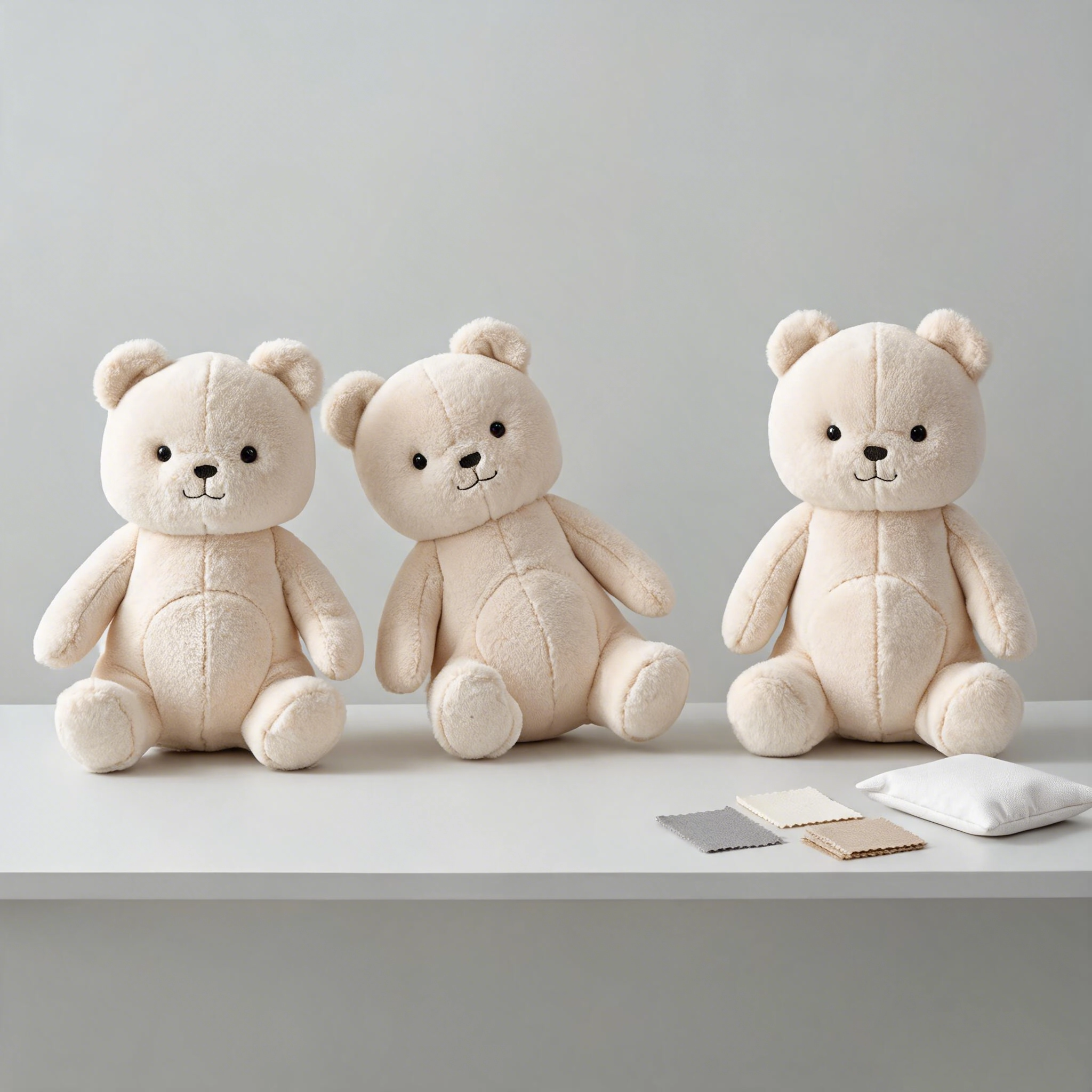
A good weighted plush still needs:
- Soft and stable fabric.
- A rounded body that distributes pressure.
- Smooth embroidered facial features.
- No sharp or hard decorations.
- Sufficient fiberfill around the weighted section.
- A shape that is easy to lift and hold.
Very thin bodies leave little space between the user and the weighted pouch. A slightly wider belly often distributes the weight more naturally.
Brands can develop weighted bears, animals, pillows, or simple character shapes through a broader custom plush toy program.
Practical Cleaning Instructions
Cleaning is often underestimated during product development.
If the weighted insert cannot be removed, the whole plush may become slow to dry. Machine washing may also place more stress on the seams because the wet product becomes heavier.
A removable insert can make cleaning easier, but it adds an opening, closure, and separate component. Those details must be reviewed against the product’s age grading and intended use.
There is no single best solution. The correct construction depends on who will use the product and how often it will be cleaned.
Do Weighted Stuffed Animals Really Help People Feel Calm?
They may help some people feel more comfortable, but results are personal.
A 2024 systematic review of weighted blankets reported possible benefits for some users while also identifying substantial differences between the available studies.
There is even less direct research on weighted stuffed animals as a separate product category.
A more accurate product description would be:
Designed to provide a soft, grounded holding experience during quiet or restful moments.
This describes the physical experience without promising a clinical outcome.
For brands, customer satisfaction may depend more on hand feel, emotional design, and personal preference than on any medical claim.
U.S. Safety Questions Buyers Should Not Ignore
Children’s Toy Compliance
Under the CPSC’s Toy Safety Business Guidance, toys intended primarily for children ages 12 and under require applicable third-party testing and Children’s Product Certificate documentation.
For a weighted stuffed animal, the safety review may need to consider:
- Seam and attachment strength.
- Access to the weighted filling.
- Small-parts risks after use-and-abuse testing.
- Material and chemical requirements.
- Surface coatings or printed details.
- Age grading.
- Tracking labels.
- Care and warning information.
For a U.S. children’s product, the applicable children’s plush toy safety standards should be reviewed before the final sample is approved.
The intended age cannot be chosen only as a marketing decision. Product appearance, size, play value, packaging, and promotional language may all influence how the item is classified.
Infant Sleep Is a Separate Safety Issue
A weighted stuffed animal should not be marketed as an infant sleep product.
The American Academy of Pediatrics’ safe sleep guidance for babies advises keeping soft objects out of infant sleep areas and avoiding weighted objects on or near a baby.
This is important even when the product has strong seams and compliant materials. Toy testing does not turn a weighted plush into a suitable crib accessory.
Avoid Medical and Treatment Claims
Terms such as “calming plush” or “comfort plush” describe the intended user experience.
Claims that a weighted plush diagnoses, treats, or prevents a health condition create a very different level of responsibility. They may also mislead buyers when the supporting evidence is limited.
Safer wording focuses on:
- Tactile comfort.
- A grounded holding sensation.
- Soft companionship.
- Quiet-time use.
- A sensory-focused design.
- A weighted lap companion.
The product should support comfort without pretending to replace medical or professional care.
Why Weighted Plush Toys Cost More to Develop
The additional cost is not limited to the weighted filling.
| Cost Area | Why It May Increase |
|---|---|
| Sampling | Several weight levels may need to be compared. |
| Pattern Development | The body must support the added load. |
| Inner Construction | A separate pouch or divided compartment is required. |
| Stitching | High-stress areas may need reinforcement. |
| Quality Control | Finished weight and pouch position must be checked. |
| Testing | The added materials and structure must be included in the final assessment. |
| Packaging | The box or insert must support a heavier product. |
| Freight | Higher actual weight increases shipping and fulfillment costs. |
| Cleaning Design | A removable insert or special care method may be needed. |
Lower unit weight is not always the best way to reduce cost. Removing too much weight may weaken the main reason customers choose the product.
The better approach is to identify a useful target feeling, create several controlled samples, and compare them in real holding situations.
At Wehao Toys, we usually recommend reviewing the exterior shape and weighted structure together. Approving the appearance first and adding the weight later often leads to posture changes, stretched seams, or an unbalanced final sample.
Are Weighted Stuffed Animals Worth It for a New Product Line?
For the right audience, they can support a differentiated comfort, gift, or sensory product line.
The strongest projects normally begin with a clear user scenario:
- An adult lap companion.
- A travel-size comfort plush.
- A desk or study companion.
- A giftable weighted animal.
- A sensory-focused product for an age-defined audience.
The weakest projects usually begin with a vague instruction such as “make it heavy and calming.”
Before requesting a quotation, a B2B buyer should define:
- Target user and age group.
- Intended use environment.
- Approximate product size.
- Preferred holding weight.
- Fixed or removable weighted insert.
- Cleaning expectations.
- Target sales country.
- Packaging and labeling requirements.
- Expected order quantity.
- Claims planned for the product page and packaging.
A physical sample should then be evaluated for balance, seam stress, holding comfort, surface feel, posture, and ease of cleaning.
Final Verdict
Yes—weighted stuffed animals can be worth it when the buyer values the heavier tactile experience and the product has balanced weight, secure construction, and realistic care instructions.
No—they may not be worth it when the product relies on unsupported therapy claims, is unsuitable for the intended user, or adds weight without solving the structural and safety challenges that follow.
A well-made weighted stuffed animal can be a useful premium comfort product. It should be sold for the experience it provides, not for a medical result it cannot guarantee.
Key Takeaways
- Weighted stuffed animals provide a different holding experience, not a guaranteed health treatment.
- Most available research relates to weighted blankets rather than weighted plush toys.
- Weight placement matters as much as total weight.
- The weighted material should remain inside a secure, controlled compartment.
- Washability, shipping, and quality-control costs are often underestimated.
- U.S. children’s products require age-appropriate testing, certification, and labeling.
- Weighted objects should not be positioned as infant sleep products.
- Sampling should evaluate both appearance and internal weight distribution.
Frequently Asked Questions
Do weighted stuffed animals cost more to ship?
Usually, yes. Freight and fulfillment charges are affected by actual package weight as well as carton size. Brands should calculate shipping costs before selecting the final product weight.
Should the weighted insert be removable?
A removable insert can make the outer shell easier to clean. However, it also introduces an opening, closure, and separate component, so its suitability depends on the target age and product design.
Can the same plush design have weighted and non-weighted versions?
Yes. The same exterior concept can be developed into two SKUs, but each version should have its own approved sample and product specification. The heavier version may require a different pattern or stronger internal structure.
Can a weighted plush also contain a scented or heatable insert?
It is technically possible, but this creates additional material, temperature, cleaning, labeling, and claim considerations. A scented or heatable design should be treated as a separate development project rather than a simple feature addition.
What information should a buyer provide for a weighted-plush quotation?
Provide the artwork, finished size, target user, approximate desired weight, sales country, order quantity, fabric direction, washing requirement, and packaging plan. The supplier also needs to know whether the insert should be fixed or removable.
How can weight consistency be controlled during bulk production?
The approved sample should state the total finished weight and the specification of the inner weighted component. Production checks can then compare pouch weight, finished product weight, and pouch position against the approved reference.
Develop a Weighted Plush That Feels Right
A successful weighted stuffed animal needs more than additional filling. Its size, weight position, inner pouch, fabric, seams, cleaning method, and target age must work together.
Share your design, preferred dimensions, intended user, target market, and expected quantity, then Contact Wehao Toys for a Custom Plush Toy Project.