
Quick Answer
The best way to store a plush toy collection is to separate the collection into display pieces, protected display pieces, and long-term storage pieces. Plush toys should be kept away from dust, direct sunlight, high humidity, strong odors, and long-term compression.
For most collectors, the best system is not one storage box. It is a rotation plan. Display the plush toys you enjoy most, protect the valuable or delicate ones, and store the rest in clean, breathable, shape-friendly containers.
This matters because plush toys are soft textile products. They collect dust easily, absorb smells, lose shape under pressure, and may fade when exposed to strong light for too long. Good plush toy storage should protect both the surface and the shape.
Why Plush Toy Storage Is Different From Normal Toy Storage
Many storage articles treat plush toys like general children’s toys. That is where the advice often becomes too simple.
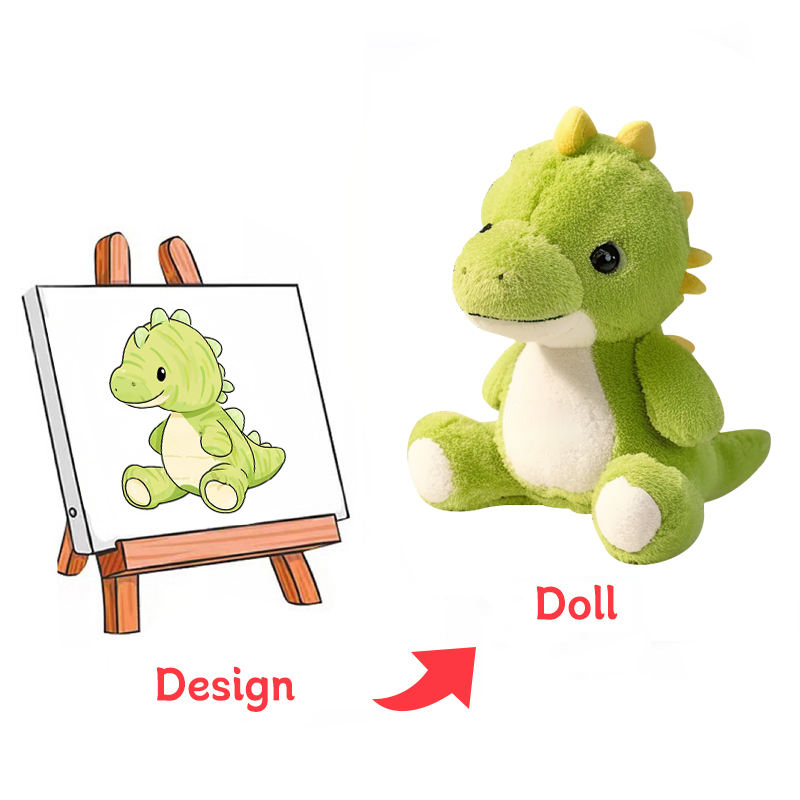
A plastic bin may work for blocks, figures, or puzzles. A plush toy is different, especially when it is part of a custom plush toy project with specific fabric, filling, embroidery, label, and packaging requirements.
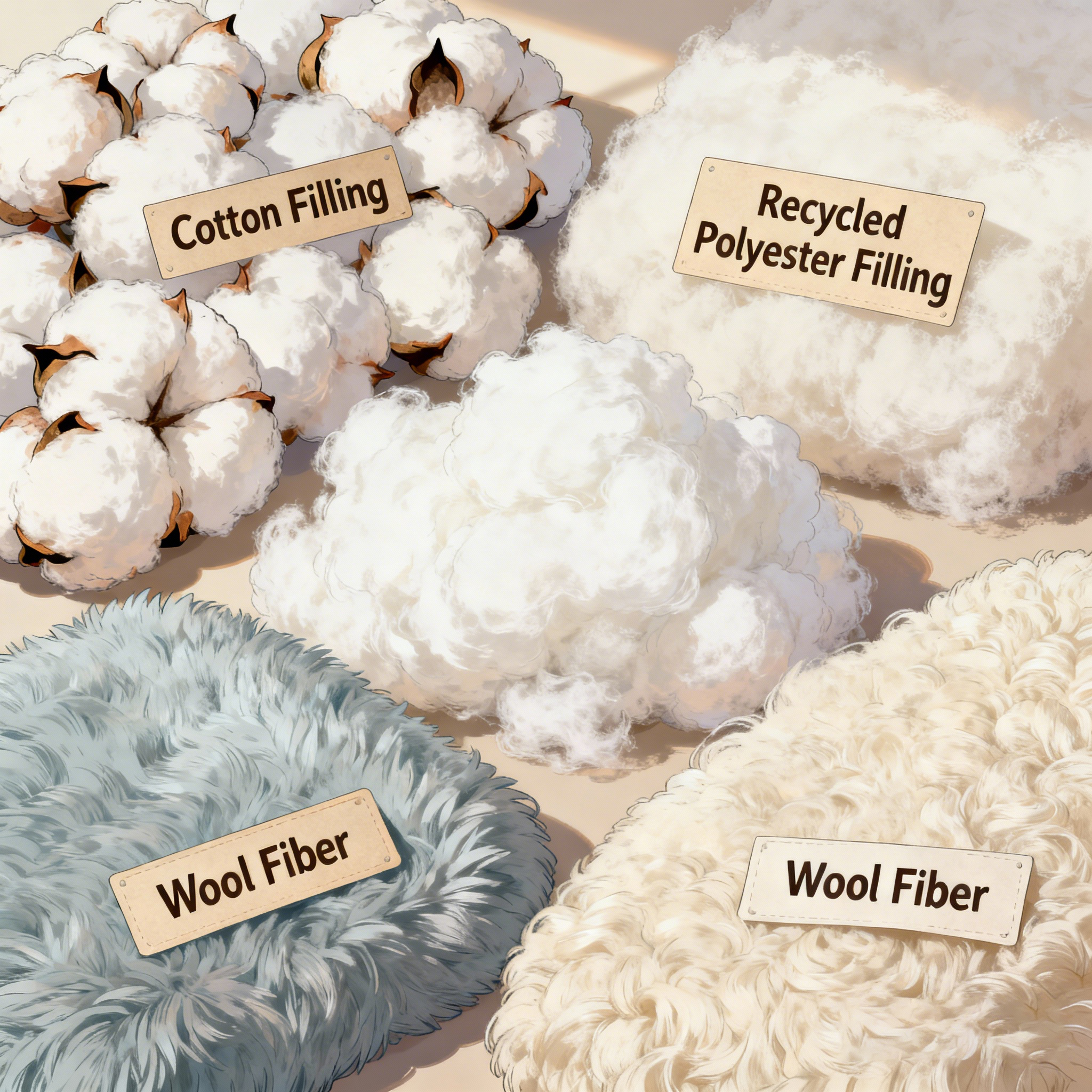
It has fabric pile, stuffing, seams, embroidery, labels, accessories, and sometimes printed details. Each part reacts differently to pressure, moisture, dust, and cleaning.
A stuffed animal collection also has emotional and visual value. Collectors usually do not want everything hidden in boxes. They want to see the collection, enjoy it, and keep it clean at the same time.
That is the real challenge.
Good plush toy storage must answer four questions:
- Can the plush stay clean?
- Can it keep its shape?
- Can it be seen or accessed easily?
- Can it avoid damage from light, humidity, and pressure?
If a storage method solves only one of these, it is not enough for a serious plush collection.
Sort the Collection by Risk, Not by Size
Most people sort plush toys by size. Small plush in one box, large plush in another. That is easy, but not always smart.
A better method is to sort by risk.
Some plush toys are replaceable daily items. Some are limited editions. Some have delicate embroidery, long pile fabric, paper tags, printed faces, faux fur, accessories, or sentimental value. These pieces should not be treated the same way.
A practical stuffed animal collection storage system can use four groups:
| Storage Group | Best For | Main Risk | Recommended Storage |
|---|---|---|---|
| Daily display plush | Favorites you like seeing often | Dust and handling | Open shelf with regular light cleaning |
| Protected display plush | Limited editions, signed items, tagged plush | Dust, fading, tag damage | Glass cabinet or acrylic display case |
| Resting collection | Plush not currently displayed | Compression and dust | Lidded bins or breathable storage bags |
| Long-term archive plush | Rare, sentimental, or fragile pieces | Shape loss, humidity, pests | Clean box, soft support, dark stable area |
This approach gives each plush the right level of protection.
In our sampling experience, plush shape is easier to damage than many buyers expect. A soft toy can look fine when squeezed for a few days. But after months under pressure, the head, ears, limbs, or body may not recover fully.
That is why risk-based sorting works better than simple size-based sorting.
Dust-Free Plush Display Without Hiding the Collection
Dust-free plush storage does not always mean hiding everything away.
For collectors, display is part of the value. A plush collection stored permanently in a sealed box is protected, but it is no longer enjoyed. The better goal is controlled exposure.
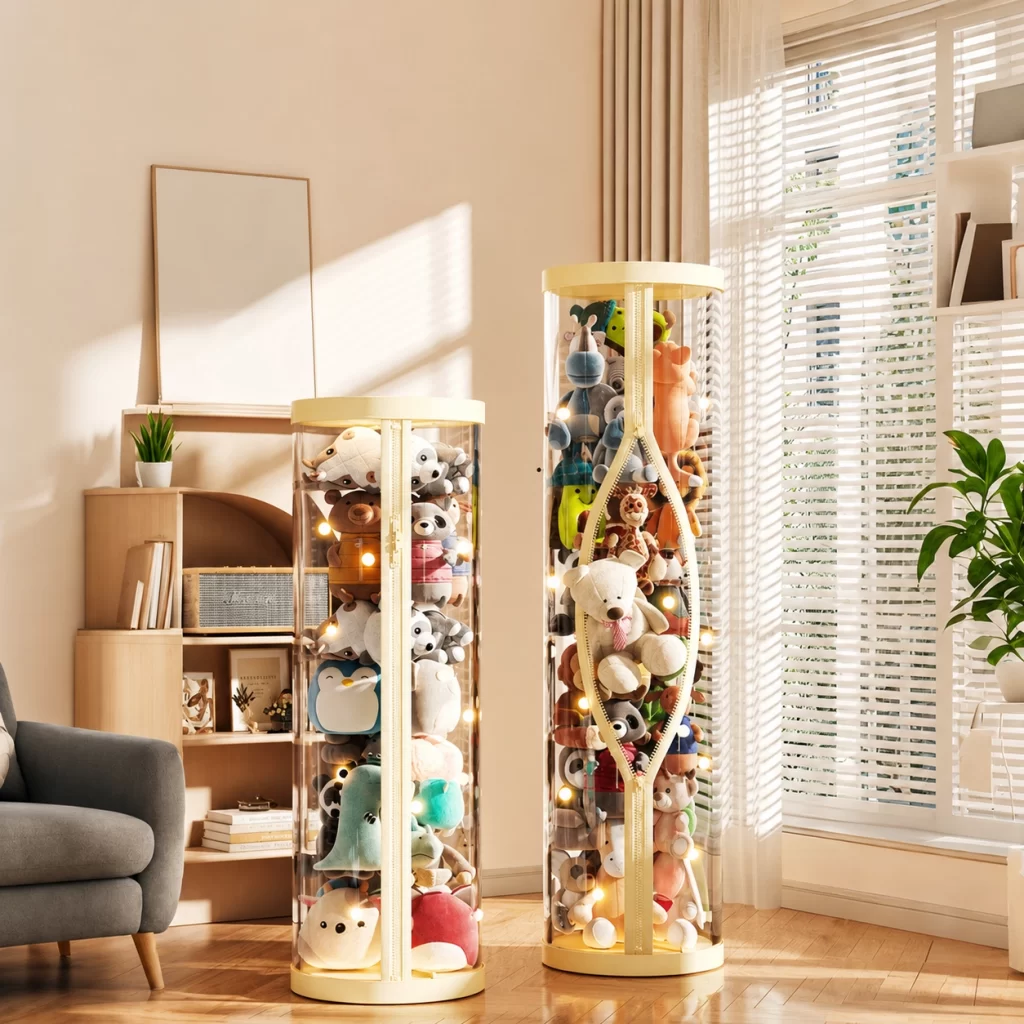
For plush display, the most practical options are:
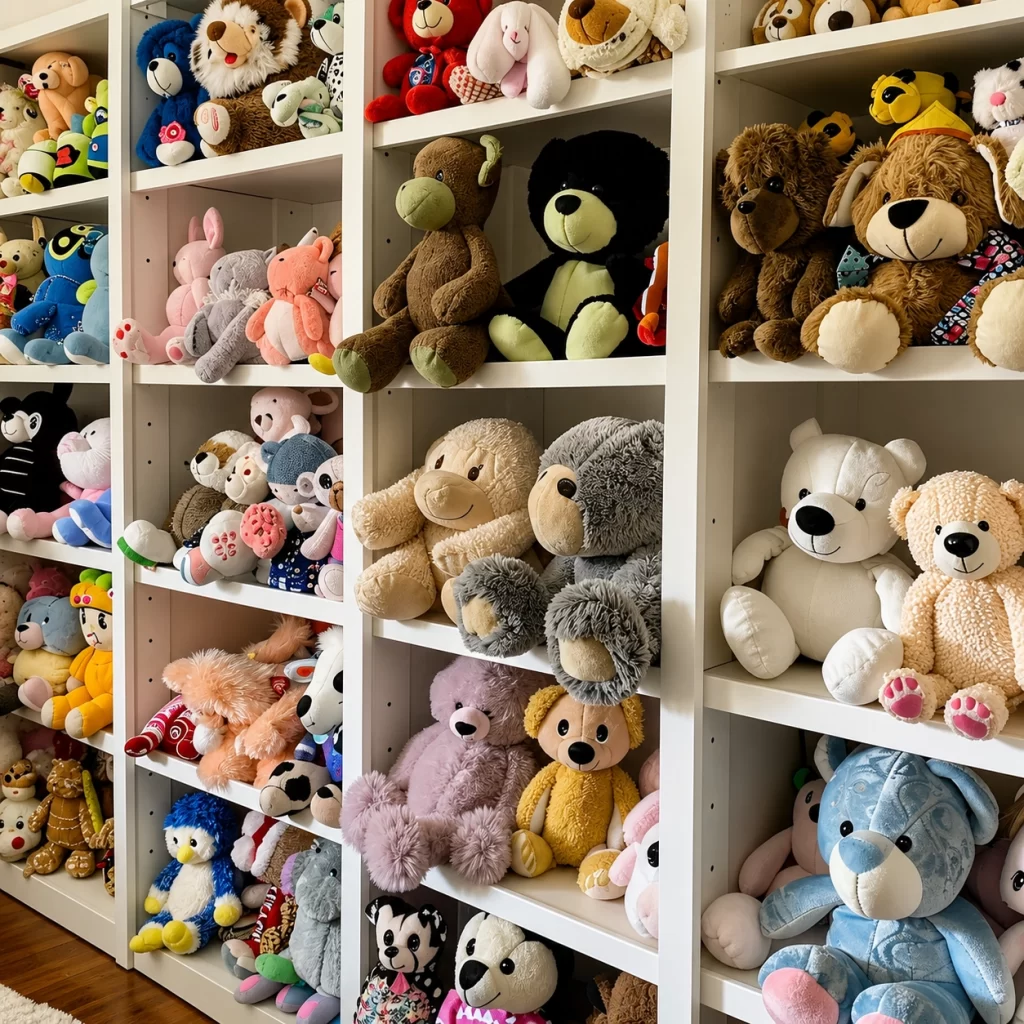
- glass-door bookcases
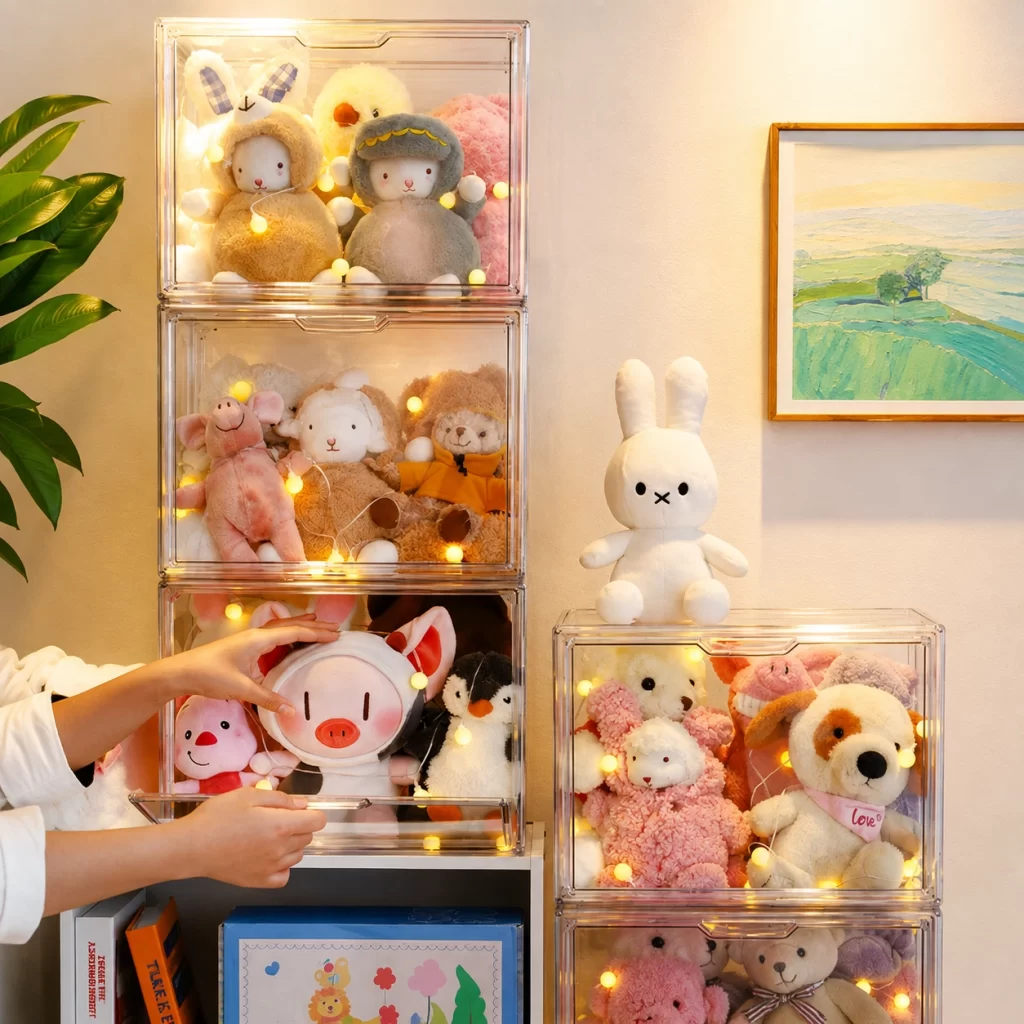
- acrylic display boxes
- clear lidded shelves
- wall shelves with removable dust covers
- closed cabinets with visible fronts
- display rotation with only part of the collection exposed
Open shelves are acceptable for washable, replaceable, or low-risk plush toys. But they need regular dust control. A soft brush, low-suction handheld vacuum, or lint roller can help with surface dust. Avoid aggressive vacuuming, especially on long-pile plush, embroidery, or loose accessories.
Protected display works better for collector plush. Conservation-grade cases to reduce dust exposure are often used in textile display because they help keep dust away while still allowing the object to be seen.
However, avoid placing cabinets in direct sunlight. A clear display case can protect from dust but still allow light exposure.
For tagged plush toys, keep paper tags away from rubbing points. If many plush toys are packed tightly in a cabinet, tags can bend, crease, or scratch nearby fabric.
A good plush display should look full, not squeezed.
The Compression Problem Most Collectors Ignore
Vacuum bags are popular because they save space. For clothing, they can be useful. For plush toys, they should be used carefully.
The problem is not short-term compression. The problem is long-term shape memory.
Plush toys are built with stuffing volume, seam tension, and soft surface materials. When compressed for too long, the stuffing may flatten unevenly. Ears may bend. Faces may look distorted. Round bodies may become flat. Long pile fabric may also look crushed.
This is especially risky for:
- round plush toys
- large stuffed animals
- plush with structured heads
- mascot plush toys
- plush with 3D noses or ears
- collectible plush with tags
- faux fur or long-pile plush
If space is limited, vacuum bags can be used for lower-value plush toys for short periods. But they are not ideal for rare, delicate, or display-quality pieces.
A better method is soft stacking.
Place larger plush at the bottom, lighter plush above, and avoid forcing the lid down. Use clean fabric dividers if surfaces may rub. For long-term storage, leave enough space for the plush to keep its natural shape.
The goal is simple: reduce air exposure without crushing the toy.
Light, Humidity, and Odor Matter More Than the Container
Many people focus only on the container. But the room matters more.
A good container placed in the wrong environment still creates problems. Basements may be too damp. Attics may be too hot. Garages may have dust, pests, and temperature swings. Kitchens can expose plush toys to oil and odors. Rooms with strong sunlight can cause fading over time.
Plush toys should be stored in a clean, dry, stable textile storage environment whenever possible.
For most home collectors, this usually means:
- avoid direct sunlight
- avoid damp rooms
- avoid storage near windows
- avoid smoke, perfume, incense, or heavy room fragrance
- avoid areas with food crumbs or pest risk
- avoid placing plush toys directly on the floor
- check stored plush every few months
Odor is often underestimated. Plush fabric can absorb smells from smoke, scented sprays, pets, damp closets, or cardboard boxes. Once the smell enters the stuffing, cleaning becomes harder.
Humidity is another hidden issue. If plush toys are sealed in an airtight plastic container while slightly damp, odor or mildew risk may increase. Light, temperature, humidity, dust, insects, and improper display can all affect textile items, which is why textile care risks such as light, humidity, dust, and insects should also be considered for valuable plush collections.
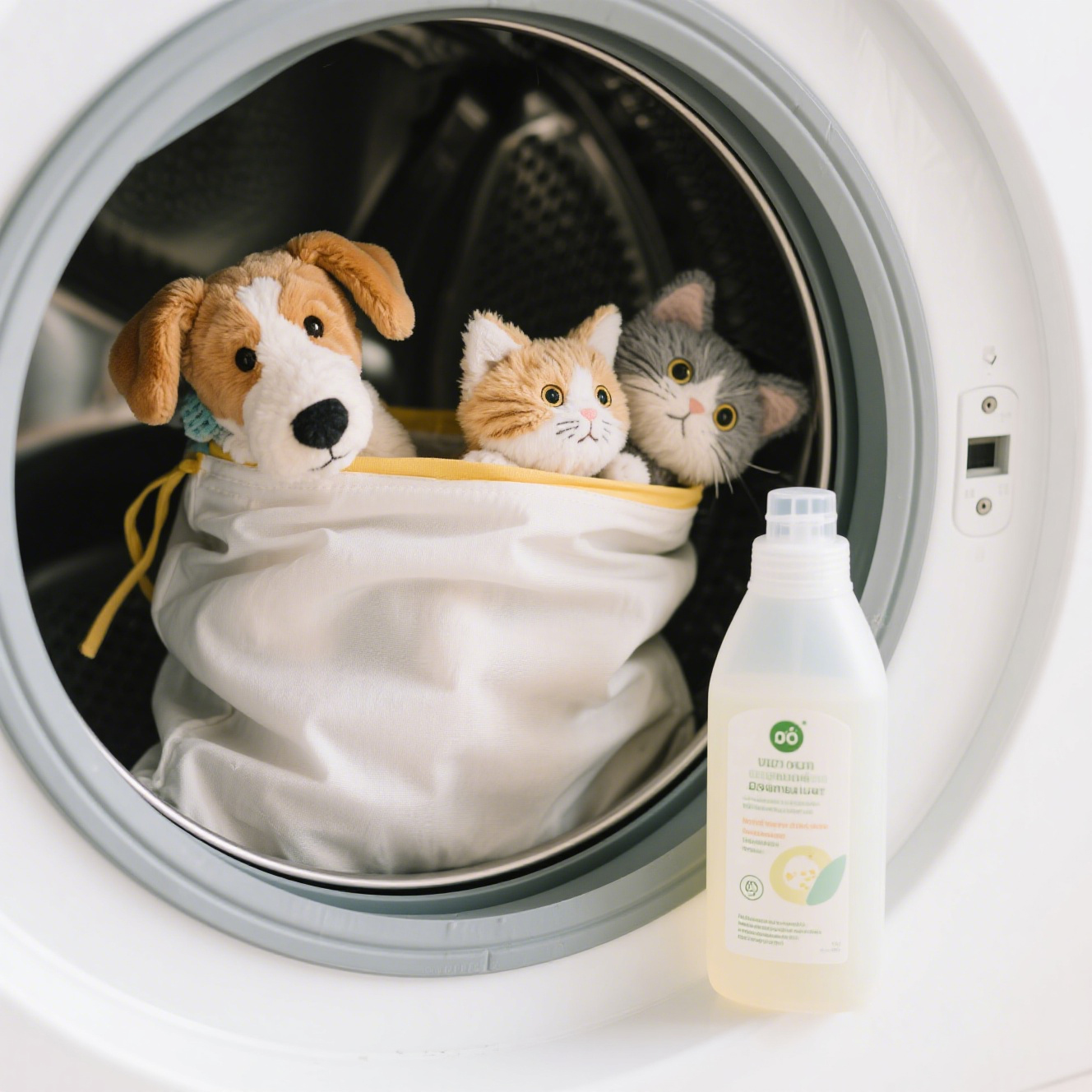
Always make sure plush toys are fully dry before storage.
For valuable pieces, it is better to think like a textile collector, not only a toy owner.
Storage Materials: What Works and What to Avoid
Storage material should protect the plush without creating new problems.
Here is a practical comparison:
| Storage Material | Works Well For | Be Careful With |
|---|---|---|
| Clear acrylic case | Protected plush display | Sunlight exposure and heat buildup |
| Glass-door cabinet | Dust-free plush display | Overcrowding and tag rubbing |
| Lidded plastic bin | General storage | Trapped moisture if plush is not dry |
| Cotton storage bag | Breathable short-term storage | Less protection from dust if open |
| Acid-free tissue | Rare plush, paper tags, delicate surfaces | Cost and availability |
| Vacuum bag | Temporary space saving | Shape loss if used long-term |
| Open shelf | Daily display plush | Dust buildup |
| Cardboard box | Temporary moving use | Odor, insects, moisture, weak protection |
Avoid black trash bags for long-term plush storage. They hide the contents, may trap odor, and can make the collection feel disposable. They also make it easy to forget what is inside.
Avoid mixing plush toys with scented sachets, mothballs, cleaning chemicals, or printed packaging materials. Strong smells and dyes may transfer to fabric.
For rare plush toys, use soft support around delicate shapes. The National Archives also recommends using support for delicate textile items during storage, especially when folds or pressure points may affect the object over time.
Ears, tails, noses, and accessories should not carry weight.
A good rule is this: if the storage material smells strong, sheds fibers, leaves color, or traps moisture, it should not touch the plush directly.
A Practical Rotation System for Large Collections
Large plush collections need rotation, not just more containers.
A rotation system keeps part of the collection visible and the rest protected. It also prevents display shelves from becoming too crowded.
A simple system can work like this:
- Choose 20–30% of the collection for current display.
- Keep high-value plush in protected display.
- Store the rest in labeled containers.
- Rotate display pieces every 1–3 months.
- Check stored plush for dust, odor, moisture, or shape pressure.
- Clean the shelf before putting plush toys back.
This system gives collectors the best balance between enjoyment and protection.
It also helps with space. Instead of trying to show every plush toy at once, the collection becomes more curated. Each plush gets more visual attention.
For brands, this behavior is worth noticing. Collectors often think beyond purchase. They think about display, storage, tags, packaging, and long-term condition. A collectible plush toy that is easy to display and store has more lasting value.
What Plush Brands Can Learn From Collector Storage Behavior
Plush toy storage is not only a collector topic. It also gives useful insight for plush brands.
When people buy collectible plush toys, they often care about more than softness. They care about how the plush looks on a shelf, whether the tag stays clean, whether the shape holds, and whether the product feels worth keeping.
This can affect how brands plan custom plush toy development from the first sample stage.
For brands planning a collectible plush toy series, storage and display should be part of the product logic.
For collectible plush projects, brands should consider:
- stable sitting or standing posture
- controlled stuffing density
- durable seams in high-pressure areas
- tag placement that does not crease easily
- packaging that protects the plush without crushing it
- size planning for shelves and display cases
- series consistency for easy arrangement
At Wehao Toys, we often see that simple storage-friendly decisions can improve the final product experience. A plush with a stable base, clear face direction, and consistent size is easier for collectors to display. A plush with weak structure or oversized accessories may look interesting in artwork but become harder to store.
This is why plush design should not stop at “cute.” It should also consider how the toy will live after purchase.
Key Takeaways
The best plush toy storage system protects the collection without hiding it completely.
For most collectors, the smartest approach is:
- display favorite plush toys in a clean, low-dust area
- use closed cabinets or acrylic cases for valuable pieces
- avoid direct sunlight and damp rooms
- do not compress rare plush toys for long periods
- keep stored plush dry, clean, and loosely supported
- rotate the collection instead of overcrowding shelves
- protect tags, embroidery, long pile fabric, and shaped parts
Plush toy storage is not only about saving space. It is about keeping the collection clean, visible, and emotionally enjoyable for a long time.
FAQ
How do you store a plush toy collection without dust?
Use closed display cabinets, acrylic cases, lidded bins, or washable fabric covers. For open shelves, clean the surface regularly and rotate plush toys so dust does not build up in one place for too long.
Is it okay to store stuffed animals in plastic bins?
Yes, plastic bins can work if the plush toys are fully dry and not packed too tightly. Avoid sealing damp plush toys inside airtight containers, because trapped moisture can create odor or mildew risk.
Should collectible plush toys be kept in their original packaging?
It depends on the collector’s goal. Original packaging can protect tags and resale condition, but it may also take more space. If the packaging crushes the plush or traps moisture, separate protected storage may be better.
Can vacuum bags damage plush toys?
Vacuum bags can flatten stuffing, bend parts, and crush fabric pile if used for a long time. They are better for temporary space saving, not for rare, delicate, or display-quality plush toys.
What is the best way to display plush toys in a small room?
Use vertical space. Glass-door bookcases, wall shelves with covers, narrow display cabinets, and rotating displays usually work better than putting every plush on the bed or floor.
How often should stored plush toys be checked?
For normal home storage, checking every few months is practical. Look for dust, odor, moisture, pests, flattened areas, bent accessories, and tag damage.
Should plush toys be washed before storage?
Only wash them if the care instructions and construction allow it. More importantly, make sure the plush is completely dry before storage. Damp stuffing can create more problems than light surface dust.
What should brands consider when designing collectible plush toys?
Brands should think about shelf display, storage size, tag protection, shape stability, and packaging pressure. A collectible plush should not only look good in product photos. It should also stay attractive after months or years in a collection.
Need Help Developing a Storage-Friendly Collectible Plush Product?
If you are planning a collectible plush toy, mascot plush, blind-box plush, or private-label stuffed animal line, storage and display should be considered early in the design stage. Size, posture, stuffing density, packaging, and tag placement can all affect how buyers keep the product after purchase.
You can send your plush toy project details with artwork, reference images, expected size, quantity, and packaging idea for review.
Contact Wehao Toys for a Custom Plush Toy Project