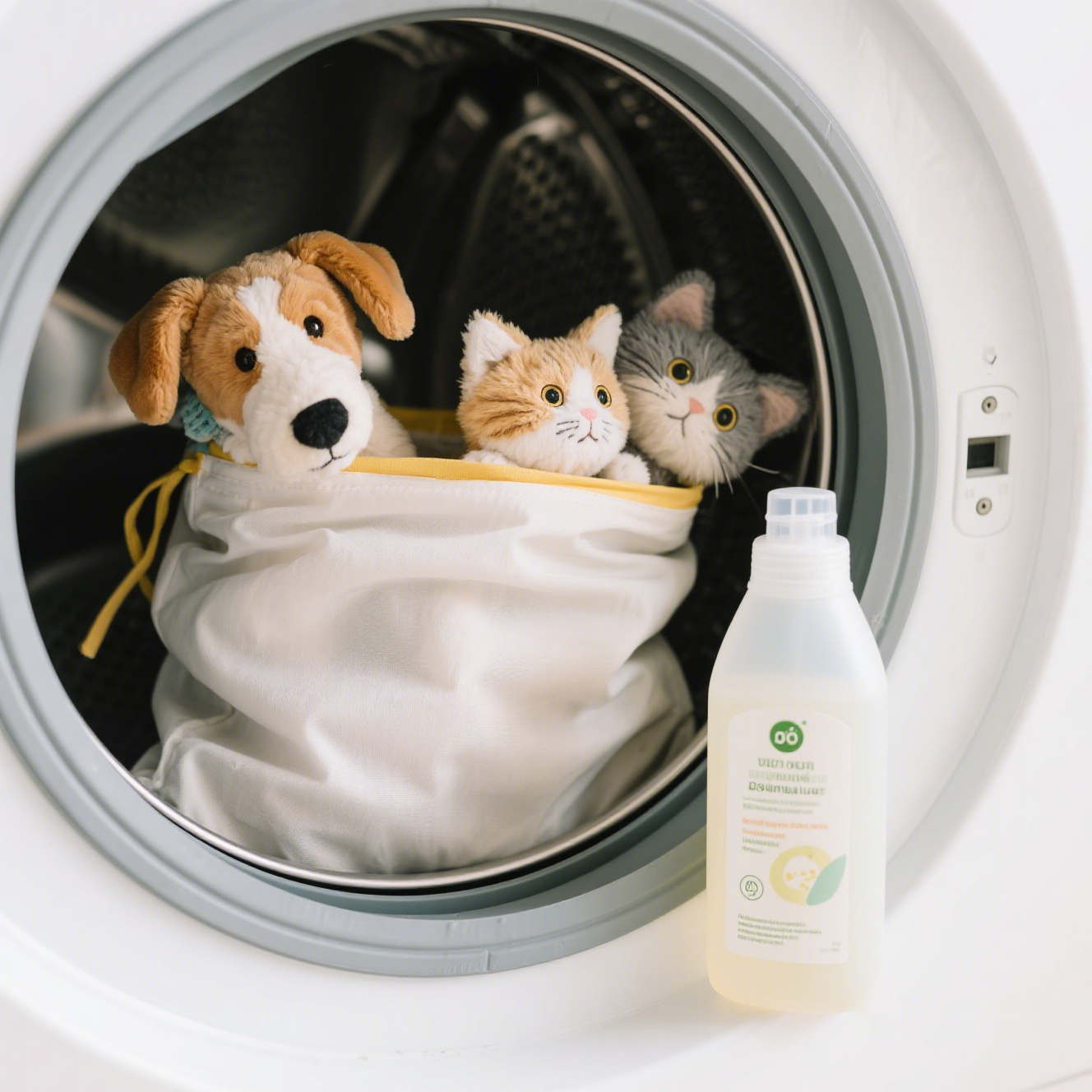

1. Why Ocean Transit Humidity and ‘Container Rain’ Threaten Plush Toy Shipments
A container of custom stuffed animals leaves a coastal factory in southern or eastern China during the humid summer monsoon season and spends 30 days crossing the Pacific or Indian Ocean. By day, equatorial sun heats the steel container roof to 55°C (130°F), evaporating latent moisture trapped inside the corrugated cardboard cartons and wooden pallets; by night, ocean winds rapidly cool the steel walls below the dew point, causing condensation—known in maritime logistics as **’container rain’**—to drip back down onto the top layer of boxes.
While polyester plush fibers themselves are hydrophobic, paper hangtags, retail window boxes, cotton sewing threads, and corrugated master cartons act like sponges. If moisture penetrates the packaging, cartons lose up to 50% of their vertical stacking strength and collapse, barcodes smear, and—worst of all—microscopic mold spores or musty mildew odors can render an entire shipment unsellable under strict plush toy safety standards and hygiene regulations. Implementing end-to-end plush toy shipment moisture control from the factory finishing room to warehouse receipt eliminates these costly maritime losses.
As highlighted in our plush toy storage and collection care guide, controlling ambient humidity and preventing trapped dampness before sealing any container is critical to preserving fabric softness, odor-free cleanliness, and structural loft.
2. What Should Factories Check Before Packing Plush Toys for Export?
Effective moisture prevention begins inside the factory finishing and packing department—long before the shipping container arrives at the loading dock. When buyers ask what should factories check before packing plush toys for export, four mandatory pre-packing controls must be enforced:
- 1. Post-Steaming Cooling & Dehumidification (2–4 Hour Rest): Finishing workers frequently use warm steam jets to brush out seam fur and smooth plush pile before final inspection. If a warm, newly steamed plush toy is immediately sealed inside a plastic polybag, the residual steam condenses inside the bag. Toys must cool and dry in a climate-controlled dehumidified packing room (<60% relative humidity) before bagging.
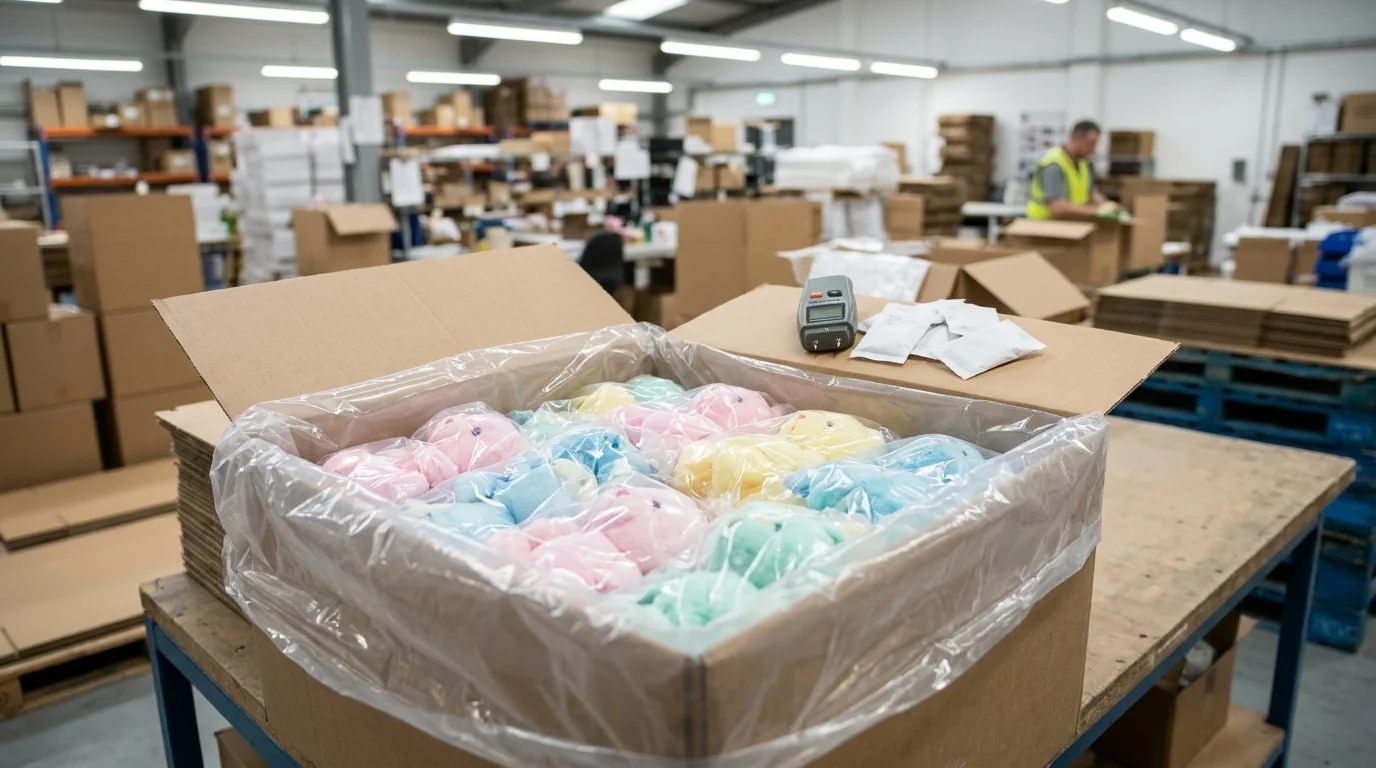
- 2. Corrugated Master Carton Moisture Testing (<12% Threshold): Corrugated cardboard is the single largest reservoir of hidden water in a container. QC inspectors must test empty and packed master cartons with a calibrated two-pin digital moisture meter; any carton reading above 12% moisture content must be rejected or dried before loading.
- 3. Multi-Layer Polyethylene Barrier Packing (Master Liner Bag): In addition to individual ventilated polybags on each toy, line the inside of every 5-ply double-wall export carton (BC flute) with a single large waterproof polyethylene master liner bag folded and taped shut at the top.
- 4. DMF-Free Desiccants & Container Dry Poles: Place silica gel or natural clay desiccant packets inside export cartons (never in direct loose contact with unpacked infant toys where they could become a choking hazard) and hang high-capacity calcium chloride desiccant poles along the interior container walls.
Critically, any desiccant pouches used in shipments bound for Europe or North America must be **100% Dimethyl Fumarate (DMF) free**, complying with European REACH and EN 71 chemical safety directives as well as U.S. CPSC consumer product safety rules.
3. Container Loading & Desiccant Sizing Checklist for Plush Exports
During custom plush export packing and logistics coordination, match your moisture-control specification to the season, transit route, and container type:
| Control Layer | Target Specification | Inspection / Verification Method | Risk Prevented |
|---|---|---|---|
| Finishing Room Conditioning | Ambient RH < 60%; 2-hour cooling after steam finishing | Wall hygrometer log + hand-feel check before polybagging | Internal polybag fogging and mildew odor |
| Export Master Carton | 5-ply double-wall BC flute; moisture reading ≤ 10%–12% | Calibrated 2-pin digital cardboard moisture meter on 10+ cartons | Carton crushing, corner collapse, and water staining |
| Inner Carton Waterproofing | 0.05 mm PE master liner bag + 10g–20g DMF-free silica/clay desiccant | Pre-shipment AQL packing audit | External condensation seeping into inner retail boxes |
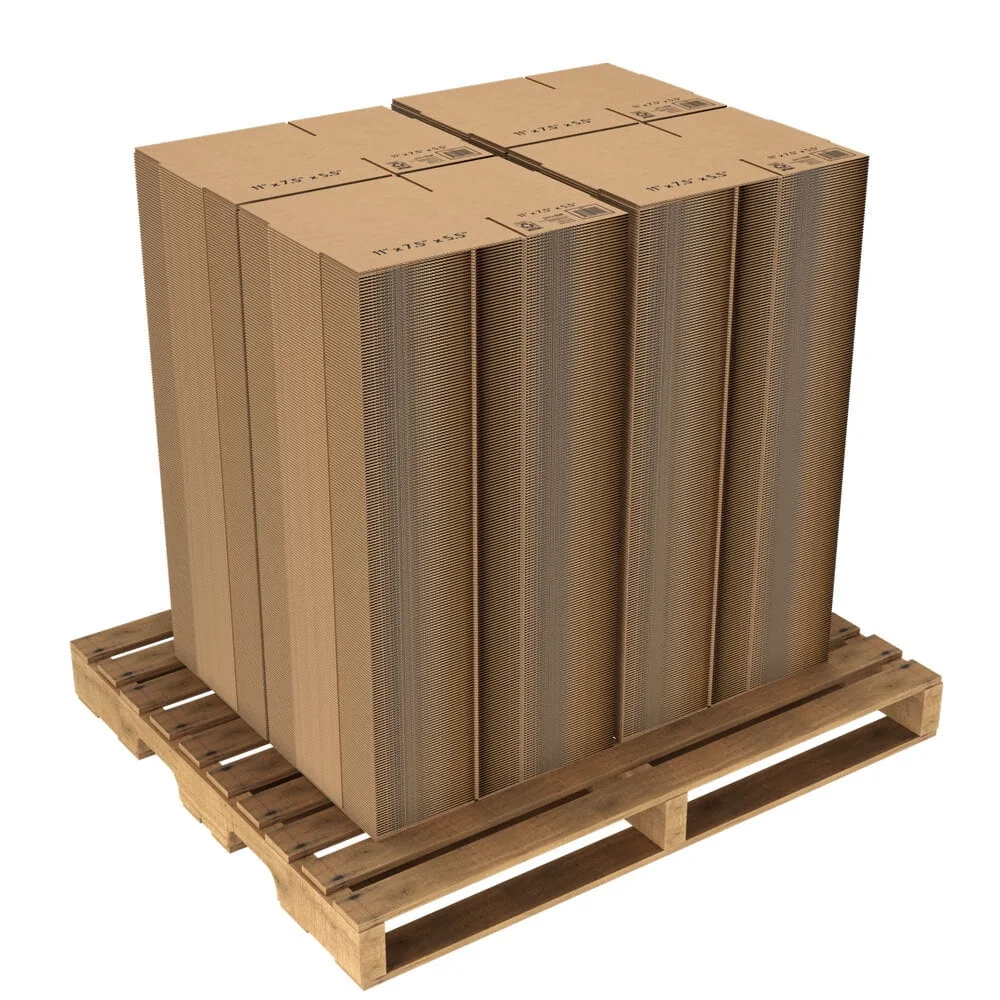
| Ocean Container & Pallets | ISPM-15 heat-treated dry pallets (<18% moisture) + 6–10× 1kg container desiccant poles | 7-point container light/water-leak check before loading | ‘Container rain’ dripping from steel roof during transit |
Before loading a Full Container Load (FCL), warehouse supervisors must step inside the empty container and close the doors completely to check for pinholes of daylight along the roof, floor, and rubber door gaskets, ensuring seawater spray or rain cannot enter on deck.
4. How Should Buyers Record Moisture-Related Problems on Arrival? (Warehouse Receiving Inspection)
Even with strong factory controls, extreme port delays, transshipment storms, or punctured containers can occasionally cause water damage in transit. For logistics managers asking how should buyers record moisture-related problems on arrival, executing a structured **plush shipment receiving inspection** within 24 hours of container devanning is essential to preserve marine cargo insurance claims:
1. **Photograph the Container Seal & First-Open Door View**: Before unloading a single box, photograph the intact bolt seal number, container number, and the rear stack of cartons as the doors open. If roof condensation, standing floor water, or crushed bottom-tier boxes are visible, capture wide and close-up photos immediately.
2. **Segregate & Map Affected Cartons by Tier/Row**: Do not mix damp or water-stained cartons with dry inventory. Stack affected cartons on separate quarantine pallets and record whether the moisture came from the **top down** (roof leak or container rain), **bottom up** (wet floor or dock puddle), or **inside out** (high factory packing humidity).
3. **Note Exceptions on the Carrier Delivery Receipt (POD/CMR)**: Never sign a clean Proof of Delivery if cartons arrive wet or crushed; write a specific exception (e.g., *’Received 28 master cartons water-stained/crushed; subject to inspection’*) on the driver’s bill before signing.
4. **Log Pin-Meter Readings & Open-Bag Odor Checks**: Record digital moisture readings on stained cartons, inspect whether the inner master PE liner protected the plush toys inside, and notify your freight forwarder and marine insurer within 3 business days.
5. Frequently Asked Questions (FAQ)
Q: Does vacuum-packing plush toys provide better moisture protection than standard polybags?
A: Yes, hermetically heat-sealed PA/PE vacuum bags completely block external humid air and container condensation from reaching the plush toy during ocean transit—provided the toy itself was bone-dry and fully cooled after steam brushing before the bag was sealed.
Q: Why are silica gel packets usually placed inside the master carton rather than inside each individual plush polybag?
A: Placing loose small desiccant packets directly inside an individual child’s toy polybag creates an accidental ingestion or choking hazard if a child opens the bag. Placing larger desiccant pouches between the outer corrugated carton and the sealed inner polybags absorbs cardboard humidity safely away from the toy.
Q: What happens if wooden pallets are loaded into a plush container with high moisture content?
A: Freshly heat-treated or green wooden pallets with >20% moisture content can release several liters of water vapor inside a sealed 40-foot container. Always specify kiln-dried ISPM-15 wooden pallets (<18% moisture) or slip-sheet / floor-loaded cartons with container desiccant poles.
Q: If the outer master carton gets slightly damp from condensation, are the plush toys inside ruined?
A: If the carton was lined with an intact waterproof PE master liner bag and each toy was individually polybagged, the plush toys inside almost always remain 100% dry and clean; warehouse staff simply need to unbox them immediately and transfer them into dry replacement cartons.
Q: What is the ideal warehouse storage humidity for plush toys after unloading?
A: Maintain destination warehouse relative humidity between 40% and 60% at 15°C–25°C, keeping pallets elevated at least 10 cm off concrete floors and away from exterior loading bay doors.
6. Ship Export-Ready, Moisture-Protected Plush Orders With Wehao Toys
Want Worry-Free Global Ocean and Air Delivery for Your Custom Plush Inventory? Protecting your plush products from factory floor to destination warehouse requires disciplined post-steam cooling, calibrated carton moisture testing, and multi-layer waterproof export packing. Wehao Toys enforces strict export packaging and container loading inspections on every international shipment. Contact Wehao Toys for a Custom Plush Toy Project today to discuss your custom plush manufacturing and export packaging requirements.