
1. The ‘Specification Creep’ Problem: Why Repeat Plush Orders Drift Over Time
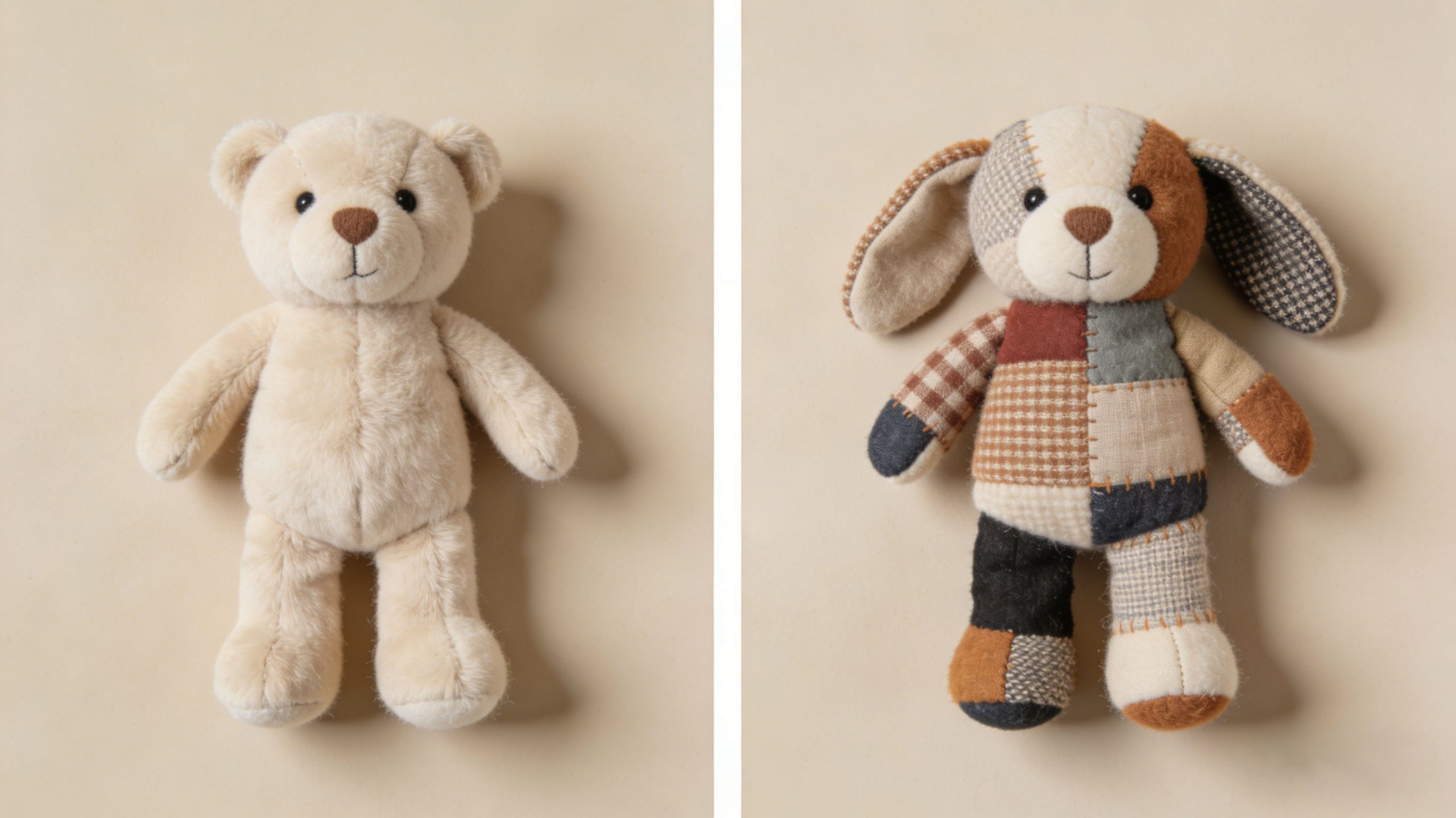
When a signature brand mascot or bestselling retail plush toy sells out its initial 2,000-unit run, placing a reorder six or twelve months later should be straightforward. Yet experienced buyers know that repeat orders carry a hidden operational risk known as **specification creep (or batch drift)**: Batch 2 arrives slightly paler in color, 15 grams lighter in stuffing, or with subtly rounder cheeks than Batch 1—sparking customer complaints when both batches sit side-by-side on retail shelves or in e-commerce review photos.
Why does plush toy batch consistency drift even when reordering from the exact same factory? First, textile dye vats vary naturally from lot to lot by 3% to 5% in shade and spandex elasticity. Second, if a factory compares Batch 2 against the tail end of Batch 1, and then compares Batch 3 against Batch 2, small 3% deviations compound across generations until Batch 4 looks noticeably different from the original launch. Solving how do I keep custom plush toys consistent on repeat orders requires anchoring every future run to a frozen **Master Retained Sample** and a locked digital specification archive.
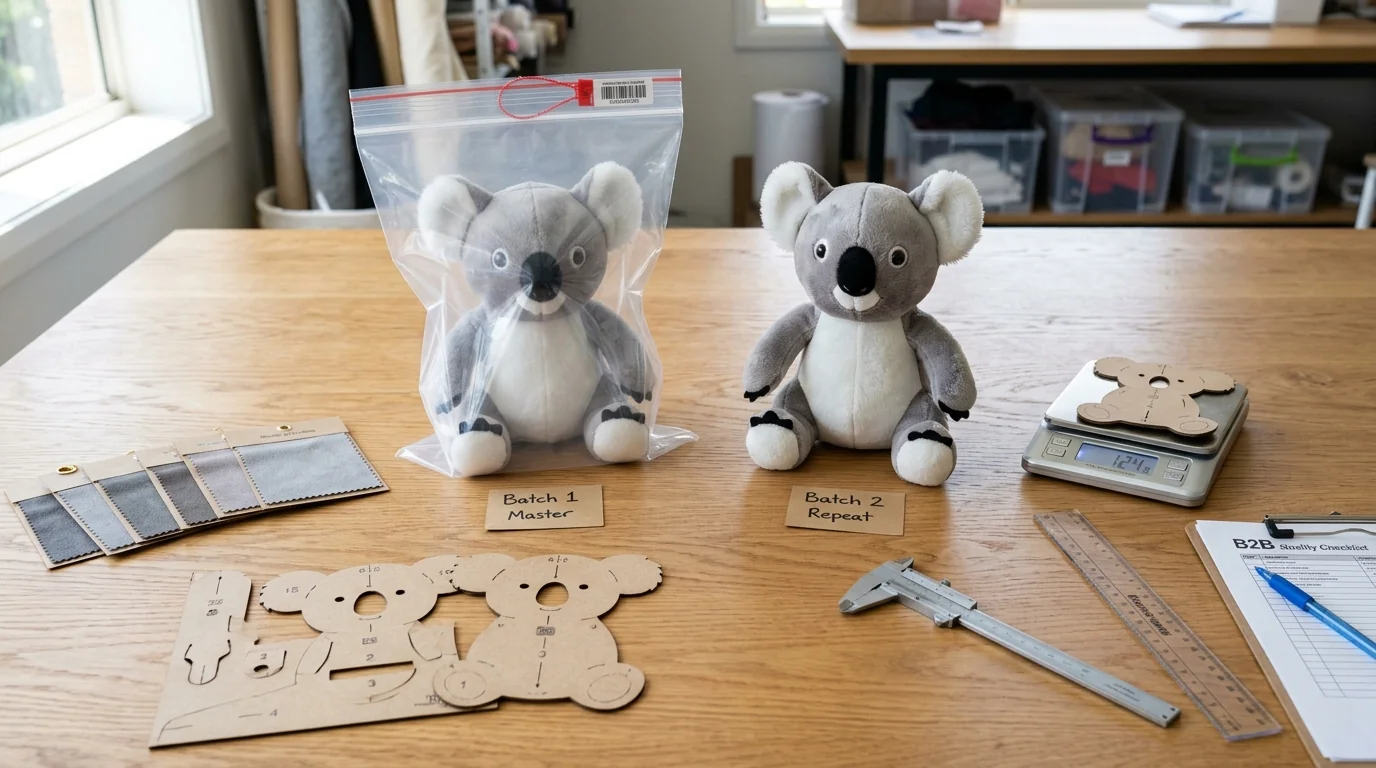
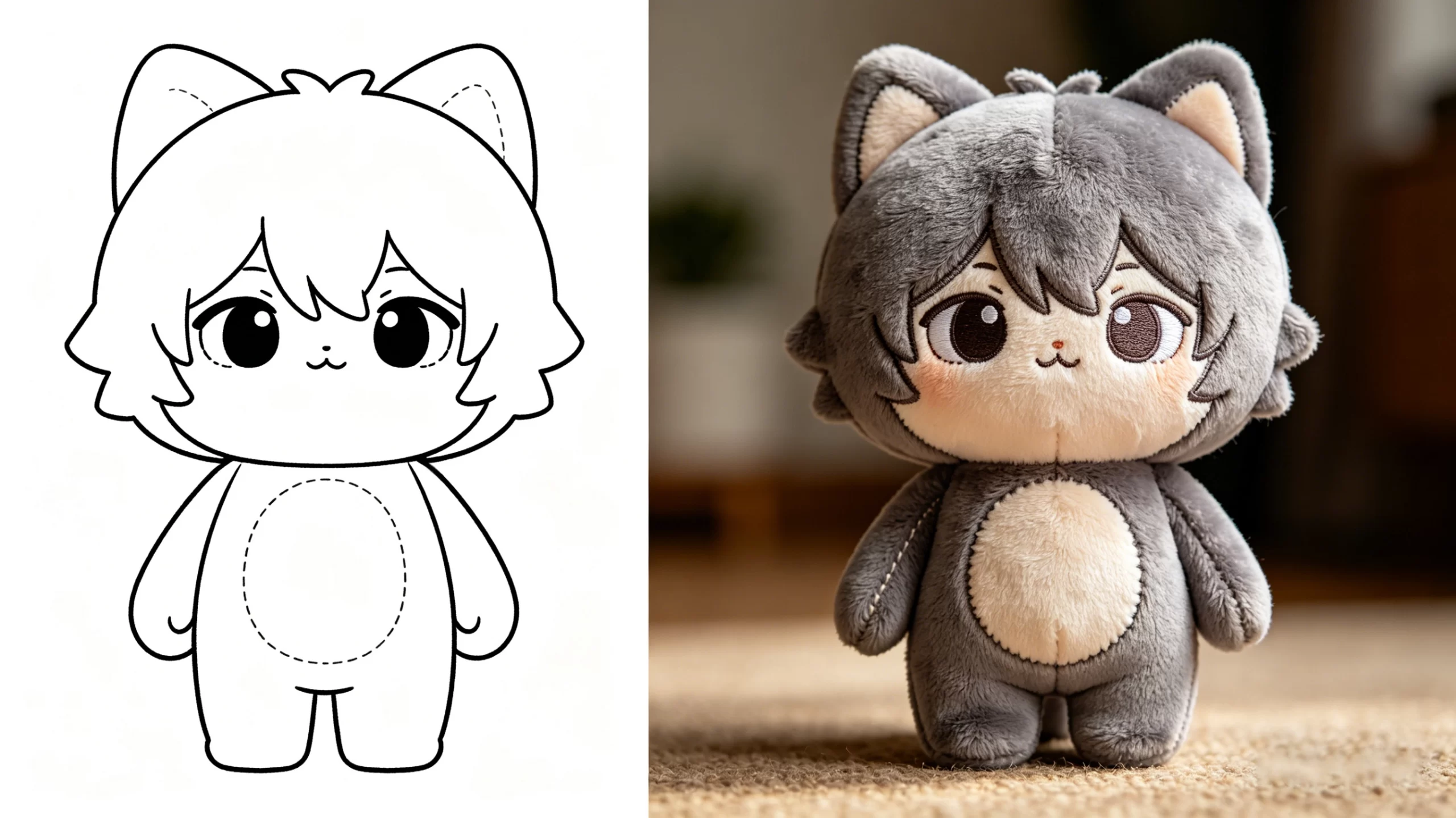
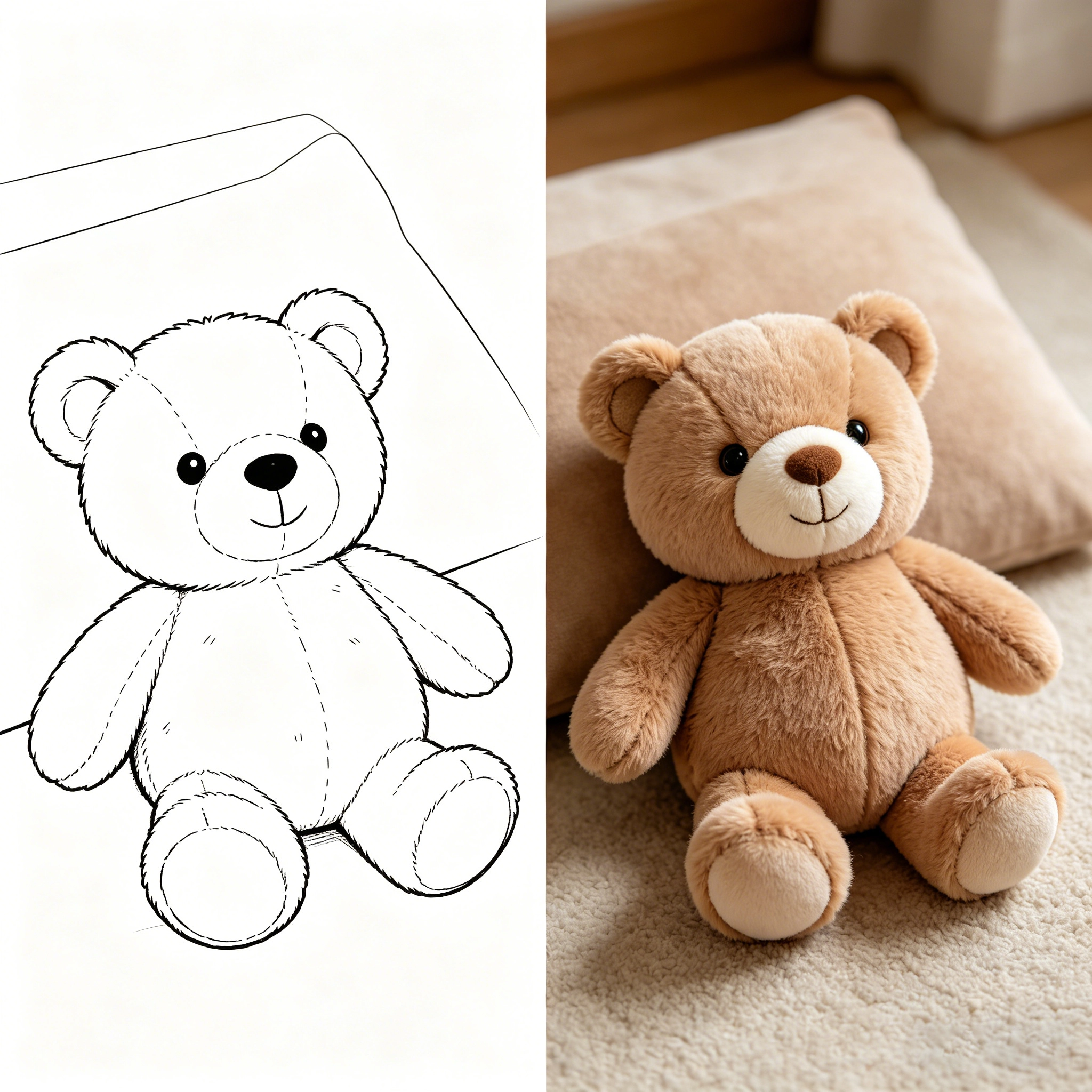
Partnering with a structured custom plush OEM manufacturer that archives digital CAD cutting files, embroidery DST programs, BOM gram weights, and sealed physical reference units guarantees that your tenth reorder matches your first.
2. How Can Retained Samples Support Plush Toy Batch Comparisons?
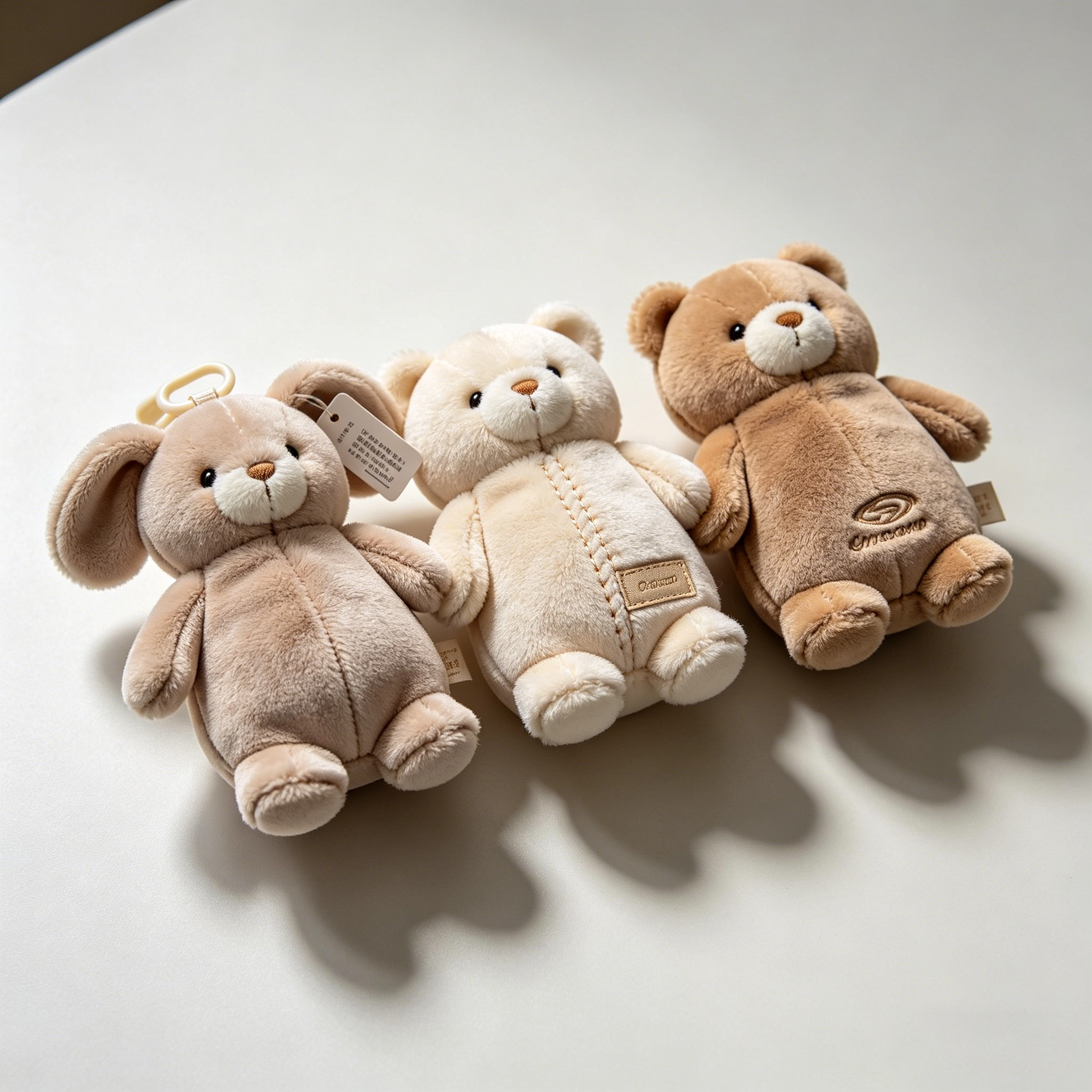
When buyers ask how can retained samples support plush toy batch comparisons, the core rule of quality management is: **always compare Batch N against the original Master Golden Sample (Batch 0), never against the previous production batch**. To prevent physical degradation of the master benchmark over multi-year product lifecycles, both the brand and the factory should maintain a structured archive of custom plush retained samples:
- 1. Sealed Light-Proof Storage for the Master Golden Sample: Store your original approved Golden Sample inside a sealed, opaque polyethylene bag in a cool, dry cabinet (40%–55% RH) away from sunlight and fluorescent tubes so the polyester dye does not UV-fade and the fiberfill does not collect dust or humidity.
- 2. Master Fabric & Trim Swatch Binder: Attach a 15 × 15 cm unsewn cutting of the original Batch 1 shell fabric, embroidery thread windings, and woven labels inside an archival binder. Flat fabric cuttings allow direct side-by-side D65 light-box comparison against new dye-lot rolls.
- 3. Frozen CAD Laser-Cutting & Embroidery Files: Ensure the factory locks the digital vector laser-cutting markers (`.dxf` / `.plt`) and computerized embroidery stitch files (`.dst` / `.emb`) under a read-only SKU version number so operators never manually trace worn-out cardboard templates.
- 4. Locked Stuffing Gram Weight per Compartment: As detailed in our
As detailed in our plush toy weight and stuffing density guide, recording the exact net stuffed weight in grams (e.g., 155g ±5g) on the master specification card ensures that repeat orders maintain identical firmness and seated posture.
3. Repeat Order Fabric Approval & Dye-Lot Verification Protocol
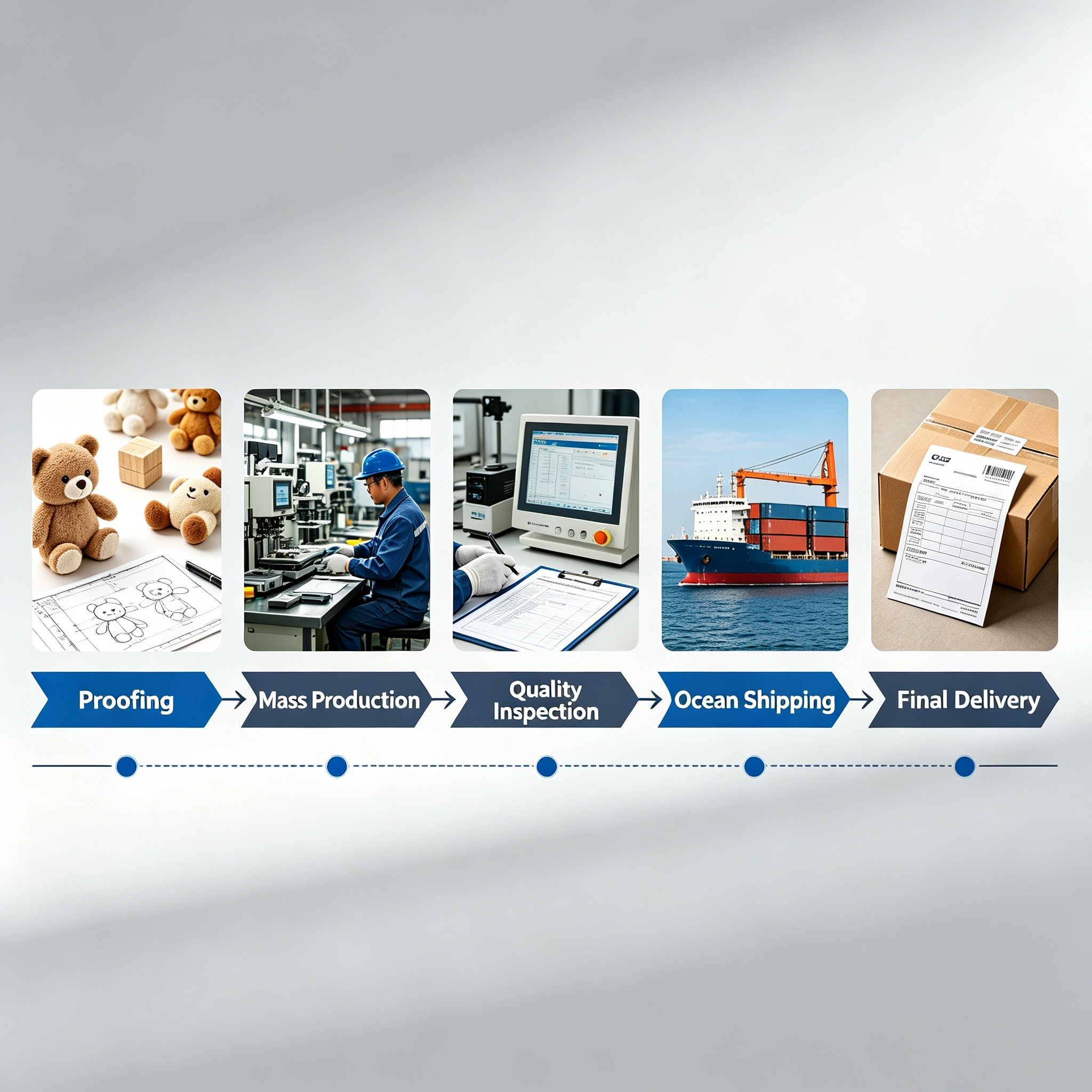
Even when ordering the exact same crystal velboa or minky fabric code from the same textile mill six months later, a newly dyed vat (or a fresh market stock roll) can exhibit subtle differences in pile height, backing stretch, or color temperature. Before authorizing bulk cutting on a repeat order, follow this 4-step repeat order fabric approval workflow:
| Verification Gate | Timing Before Bulk Cutting | What the Factory Submits / Checks | Passing Acceptance Criteria |
|---|---|---|---|
| 1. Bulk Dye-Lot Swatch Check | 10–14 days before sewing starts | Cuttings from actual incoming fabric rolls compared against Batch 1 Master Swatch | D65 light-box match within Gray Scale 4–5 (Delta E ≤ 1.5); identical pile length |
| 2. Backing Stretch & GSM Audit | Upon fabric roll receipt at factory | Weigh GSM with circular cutter; test 4-way or 2-way stretch recovery | GSM within ±5% of Batch 1; identical spandex elasticity so toy size does not bloat |
| 3. Top-of-Production (TOP) Sample | First 5 units off the repeat sewing line | 1 physical unit + 6-angle photos alongside Batch 1 Retained Master Sample | Dimensions and net weight within ±5%; identical eye spacing and seam tension |
| 4. Tracking Label & Batch Code Update | Prior to label sewing | Updated CPSIA / CE production date and batch tracking code on sewn-in label | New PO/date code accurately printed; valid lab test certificate on file |
4. What Should Buyers Check When a Plush Fabric Is Substituted? (Change Control)
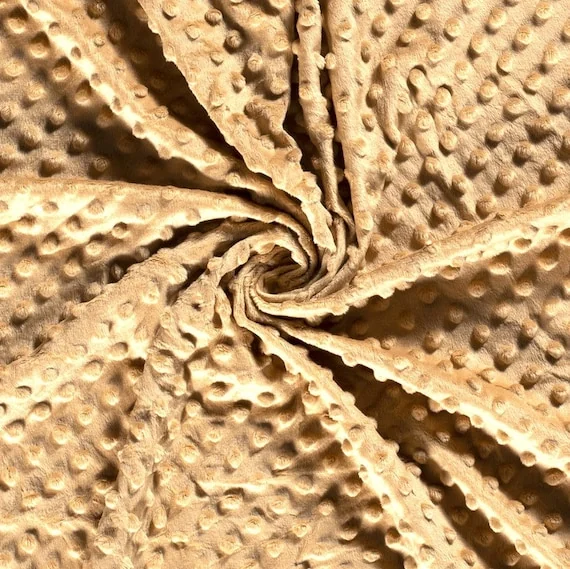
Occasionally, a specialty faux fur or seasonal novelty fabric used on an earlier production run is discontinued by the upstream textile mill. When buyers ask what should buyers check when a plush fabric is substituted, strict **plush manufacturing change control** is required:
First, **never allow a silent fabric substitution on the bulk cutting table**. If a stock shade or specialty pile is out of stock, the supplier must submit 2 to 3 substitute swatch options showing exact GSM, pile length, and backing composition (knit vs. woven). Second, **sew a new Pre-Production Validation Sample using the substitute fabric**: even a slight difference in fabric backing stretch will change how plump the head or belly becomes when stuffed on the existing paper pattern, often requiring a 3 mm to 5 mm pattern dart adjustment to preserve the original silhouette across custom animal plush toys. Third, **verify regulatory and chemical re-testing**: under plush toy safety standards and compliance, substituting a new fabric supplier or dye formulation constitutes a ‘material change’ under U.S. CPSC component testing rules and European EN 71-2 / EN 71-3 directives, requiring a component flammability and heavy-metal chemical test on the new textile lot to keep your CPC and CE documentation legally valid.
5. Frequently Asked Questions (FAQ)
Q: Do we need to pay sampling and pattern setup fees again when reordering the exact same plush toy?
A: No. Once your 3D CAD cutting patterns and embroidery digitizing files are archived with the factory from Batch 1, repeat orders of the exact same design bypass pattern setup fees and move straight to bulk fabric confirmation and a pre-production check sample.
Q: How long do OEM plush factories retain our physical Golden Samples and cutting patterns?
A: Professional OEM manufacturers archive digital CAD pattern files and embroidery DST programs indefinitely, and typically store physical sealed Golden Samples and master swatch cards in their sample library for 18 to 24 months after your most recent order.
Q: Why must the sewn-in tracking label change on every repeat plush order?
A: Under U.S. CPSIA Section 103 and EU Toy Safety Directive rules, every production batch must carry a permanent tracking label identifying the specific manufacturing date and batch/lot number so that, in the rare event of a component issue, individual production runs can be traced independently.
Q: How often do third-party ASTM F963 / EN 71 lab test reports need to be renewed on repeat orders?
A: If the factory uses the exact same certified raw material suppliers with zero changes to fabrics, inks, or hardware, retailers and customs authorities generally accept annual periodic testing (every 12 months). If any fabric or trim supplier is substituted, component re-testing is required immediately.
Q: Can we reduce the unit cost on a repeat order if we increase the order quantity?
A: Yes, scaling a reorder from an initial 500–1,000 unit trial run up to 3,000 or 5,000 units unlocks full-vat fabric dyeing efficiencies, higher laser-cutting stack yields, and lower per-unit freight and testing amortization.
6. Scale Your Repeat Plush Orders With Confidence at Wehao Toys
Need Long-Term Batch Consistency for Your Evergreen Brand Plush or Retail Line? Protecting your brand identity across multi-year reorders requires digital CAD pattern archiving, sealed master swatch libraries, and strict dye-lot change control. Wehao Toys maintains complete technical archives and Top-of-Production sample verification for every repeat client order. Contact Wehao Toys for a Custom Plush Toy Project today to establish a reliable, scalable OEM manufacturing partnership.