
1. Prototype vs. Pre-Production (PP) vs. Golden Sample: Understanding the Hierarchy
In custom OEM toy manufacturing, signing off on a final prototype is the single most consequential milestone before raw materials are cut for thousands of units. Yet many sourcing teams blur the distinction between an early design prototype, a Pre-Production (PP) sample, and a sealed Golden Sample. Approving an early development prototype made from substitute sample-room fabric without locking down a true pre-production reference sample is one of the leading causes of bulk quality disputes.
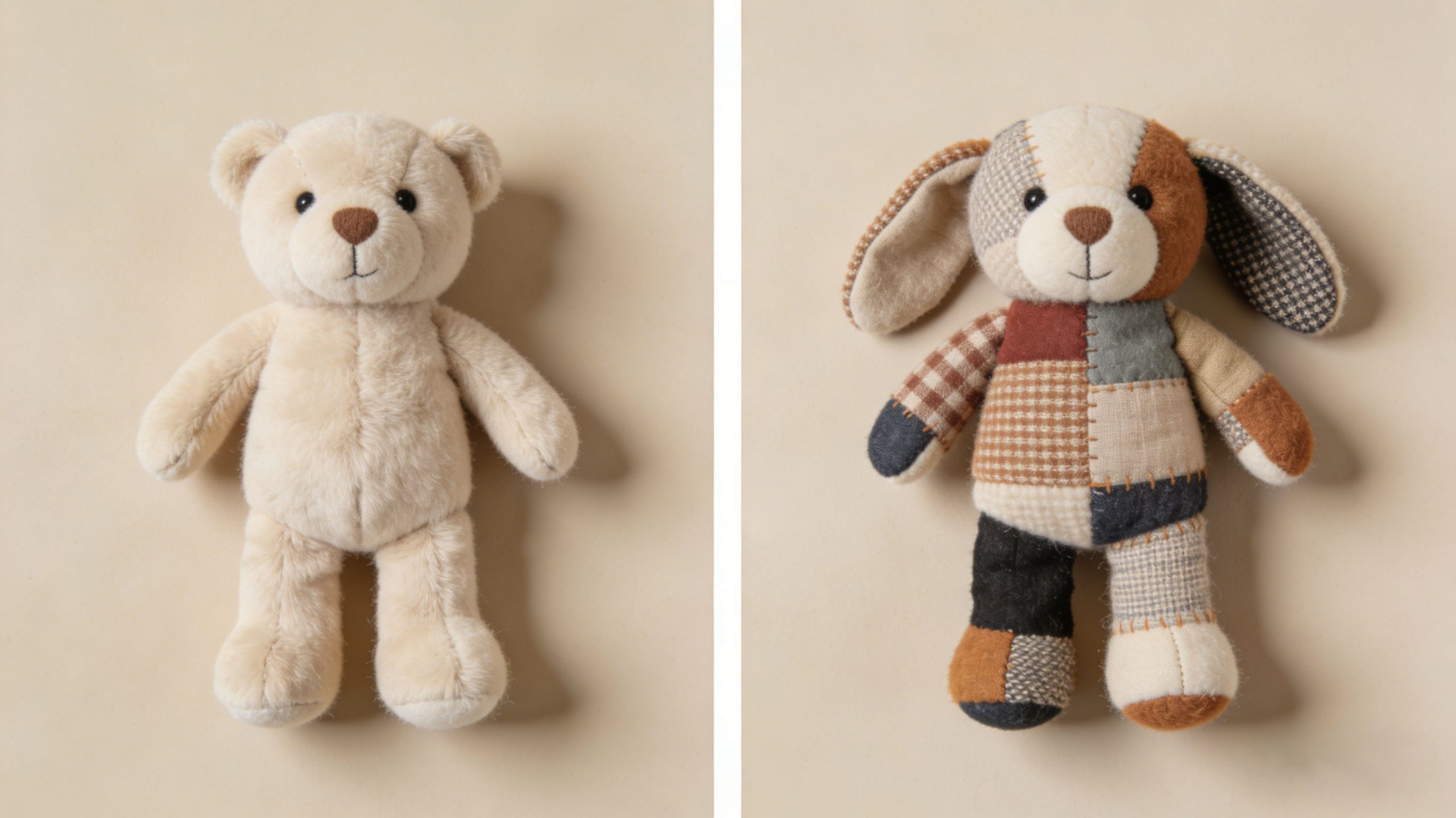
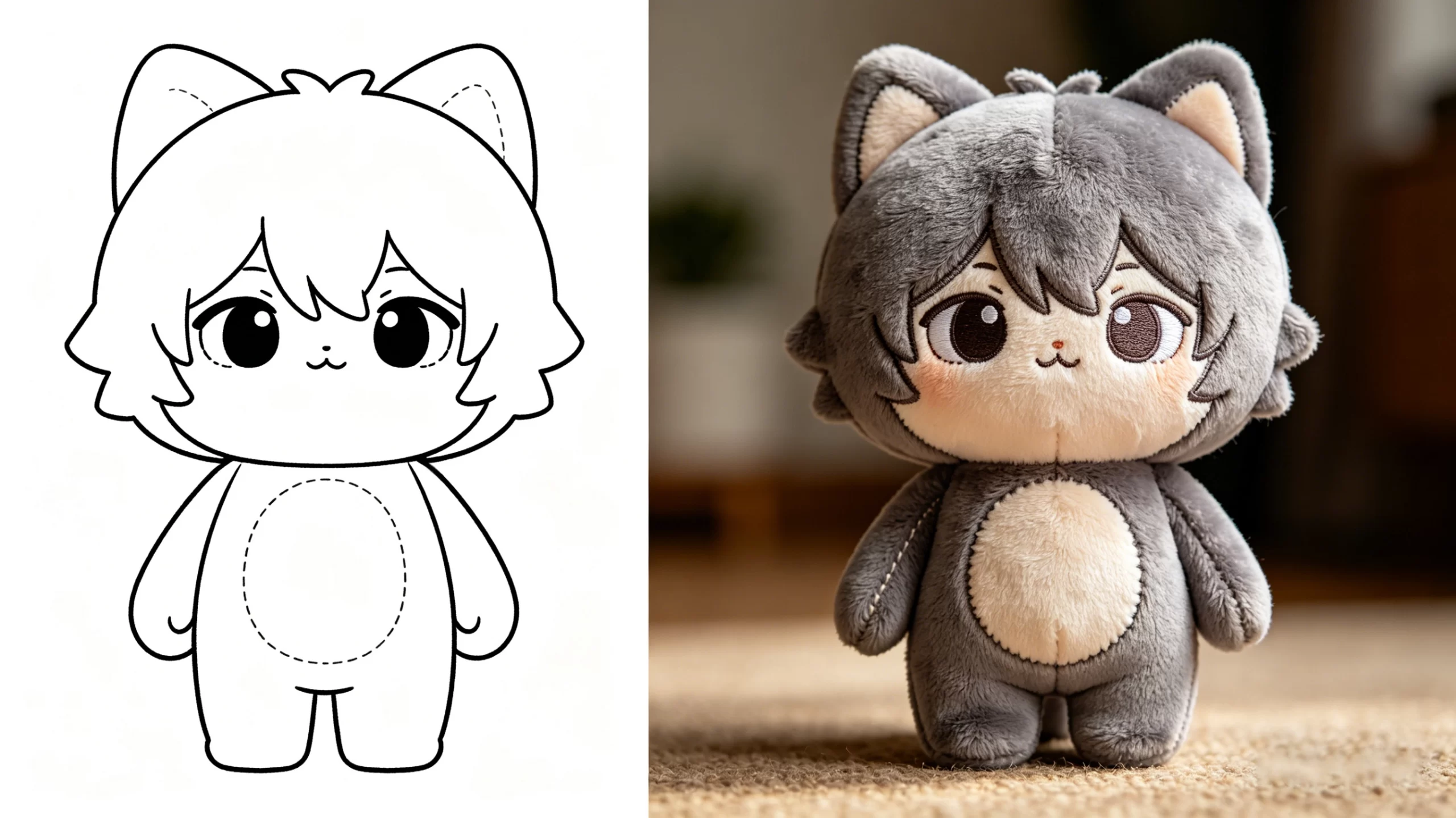
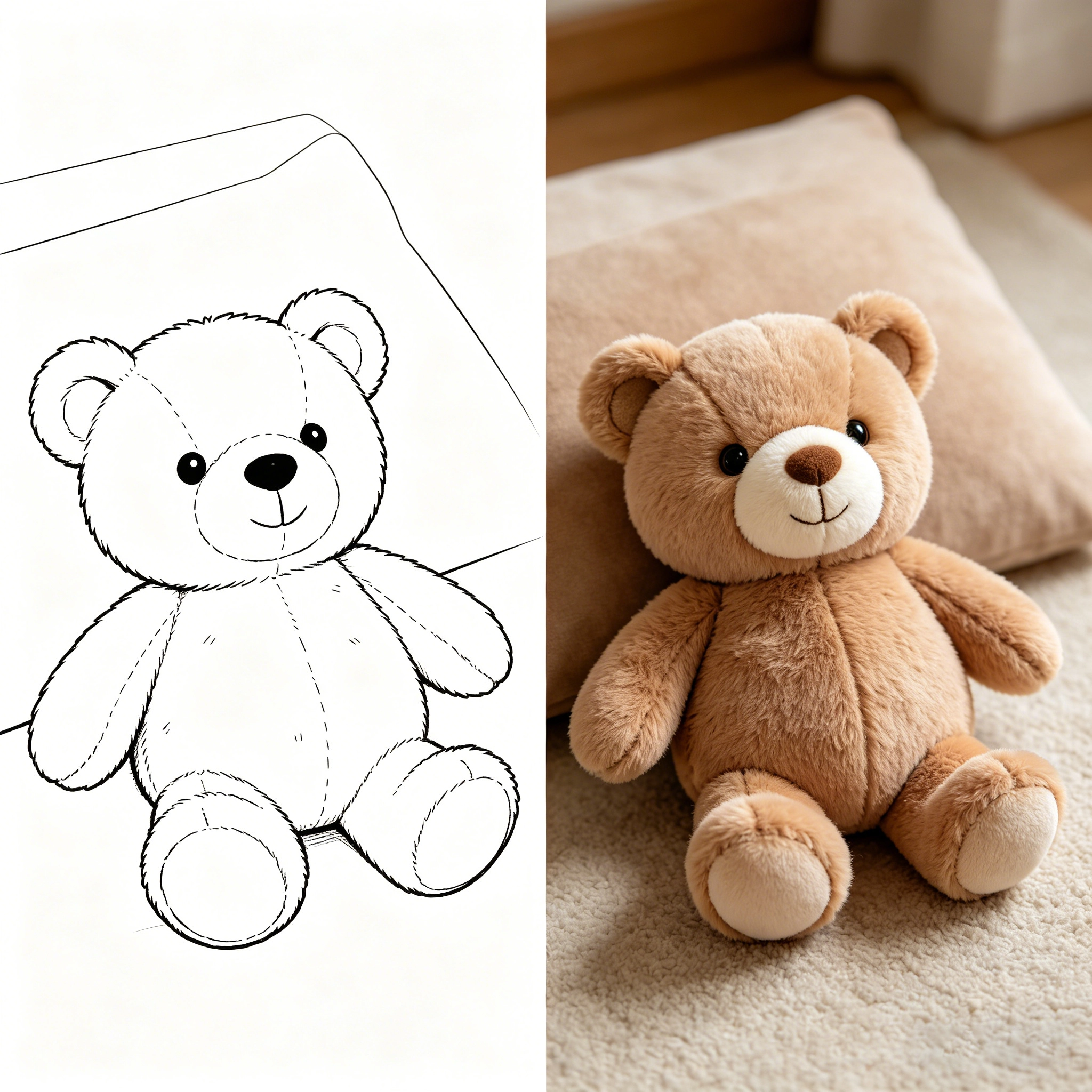
A development prototype (V1/V2) validates 3D shape and character expression, often using small yardage of market-available fabric. By contrast, a custom plush pre-production sample is assembled using the actual bulk-dyed fabric rolls, bulk embroidery threads, final woven tush labels, and retail hangtags ordered for your mass run. Once both the buyer and the factory sign, date, and seal this exact pre-production unit, it becomes the official **Golden Sample**—the binding physical contract against which every bulk unit and third-party inspection will be judged.
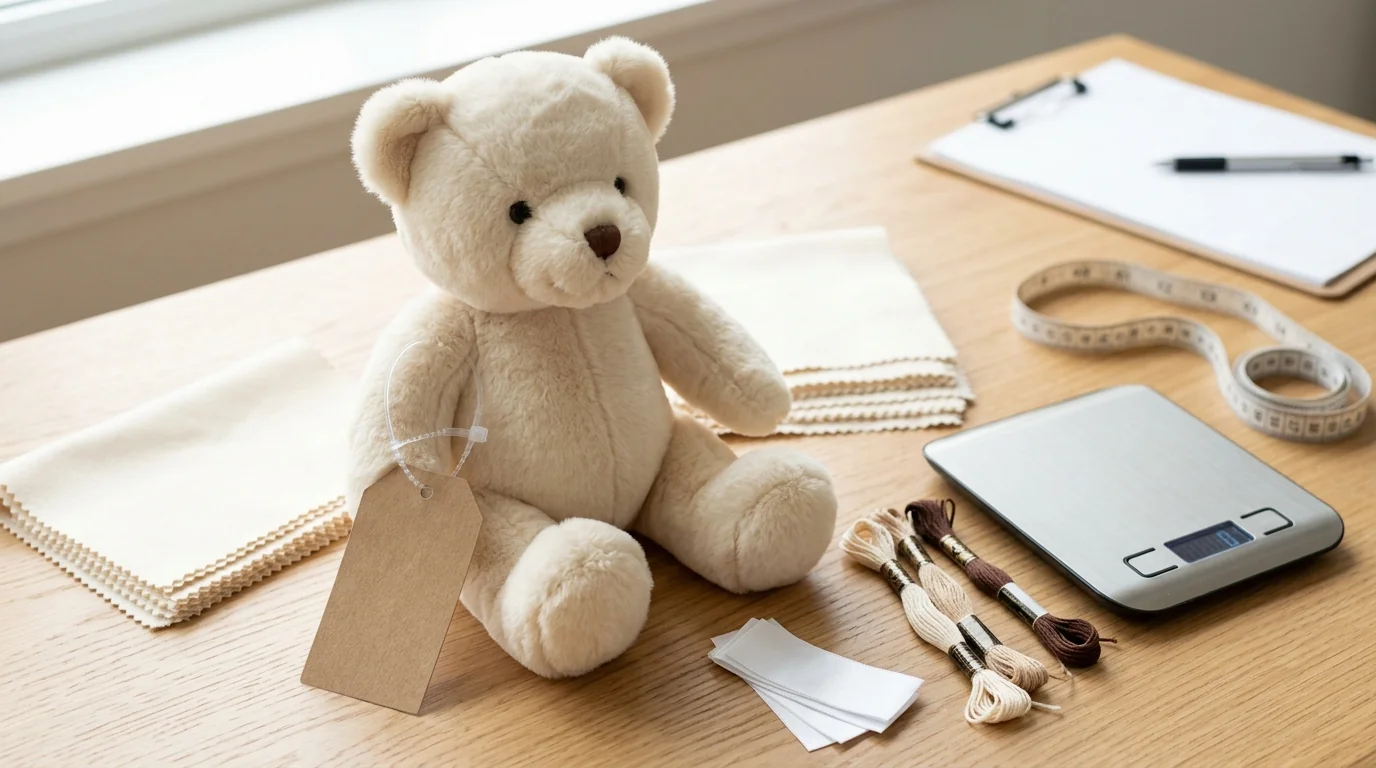
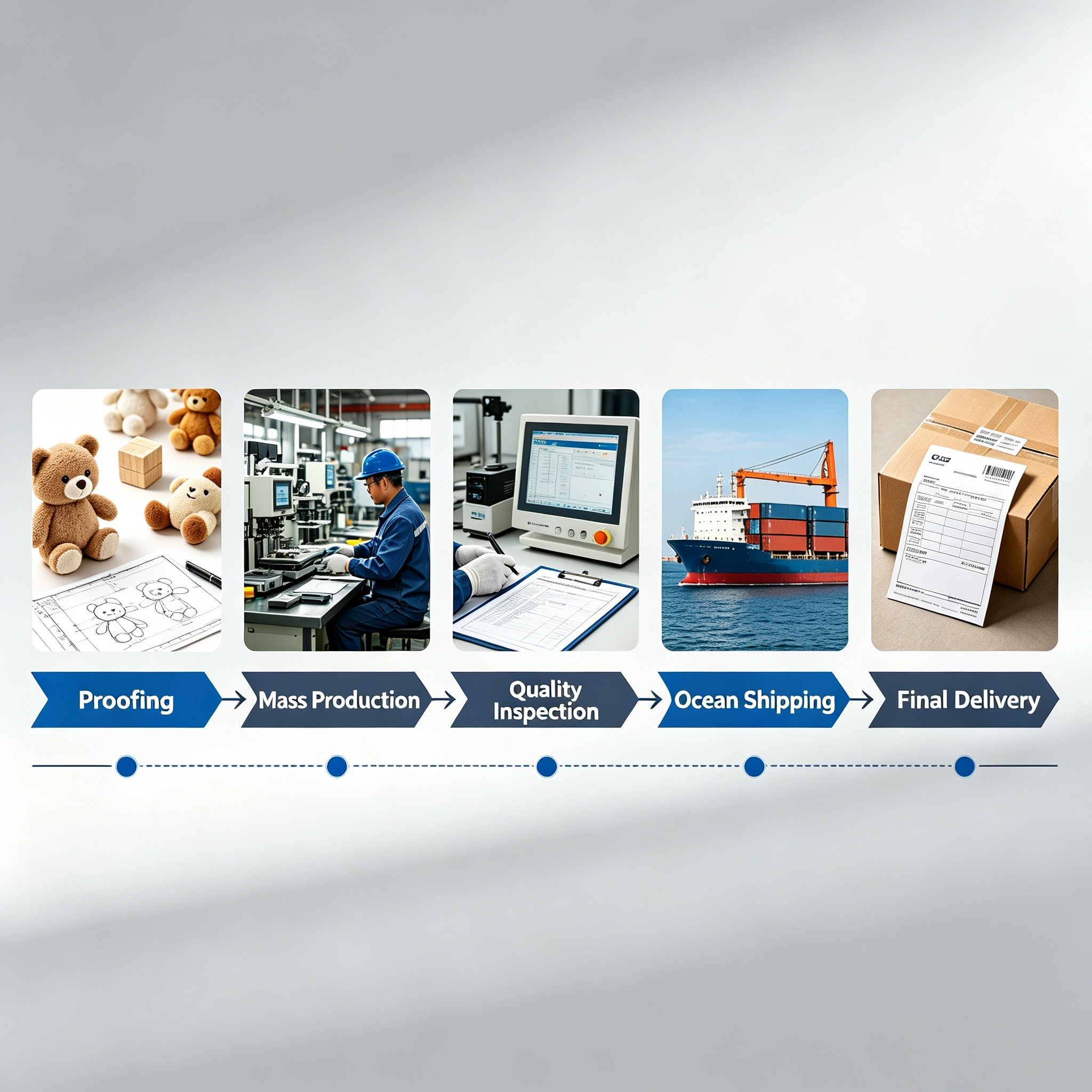
Executing a rigorous plush toy golden sample approval workflow during custom plush development and mass production planning ensures that factory sewing lines, internal QC supervisors, and external inspection agencies all work from an identical, indisputable physical benchmark.
2. What Should I Approve Before Starting Bulk Plush Production?
Never issue a blanket email saying ‘sample approved’ without completing a multi-point verification audit. For procurement managers asking what should I approve before starting bulk plush production, your plush sample sign-off must lock in six physical and regulatory parameters:
- 1. Dimensional Measurements & Net Weight (Grams): Measure Seated Height, Total Length, Head Width, and Belly Depth, allowing a standard textile sewing tolerance of ±5% (or ±5 mm to 8 mm). Weigh the sample on a digital scale and lock in the exact gram weight (e.g., 142g ±5g) to prevent under-stuffing during bulk production.
- 2. Bulk Fabric Lot & Dye Shade (Lab Dips / Swatches): Verify that the Golden Sample’s shell fabric pile length, GSM weight, backing stiffness, and Pantone shade match the actual bulk fabric roll swatch card.
- 3. Embroidery & Hardware Security: Confirm satin stitch density, zero backing show-through, thread color codes, and—if plastic safety eyes or keyrings are used—verify ultrasonic lock-washer installation.
- 4. Internal Filling & Pellet Pouch Construction: Cut open a duplicate reference sample (or verify factory internal photos) to confirm 100% virgin hollow polyester fiberfill and ensure weighted plastic pellets are double-bagged inside sealed inner pouches.
- 5. Sewn-In Care Labels, Tracking Info & Hangtags: Inspect the woven brand tush label, mandatory CPSIA batch tracking code, CE/UKCA address details, country of origin, and barcode scannability on the retail hangtag.
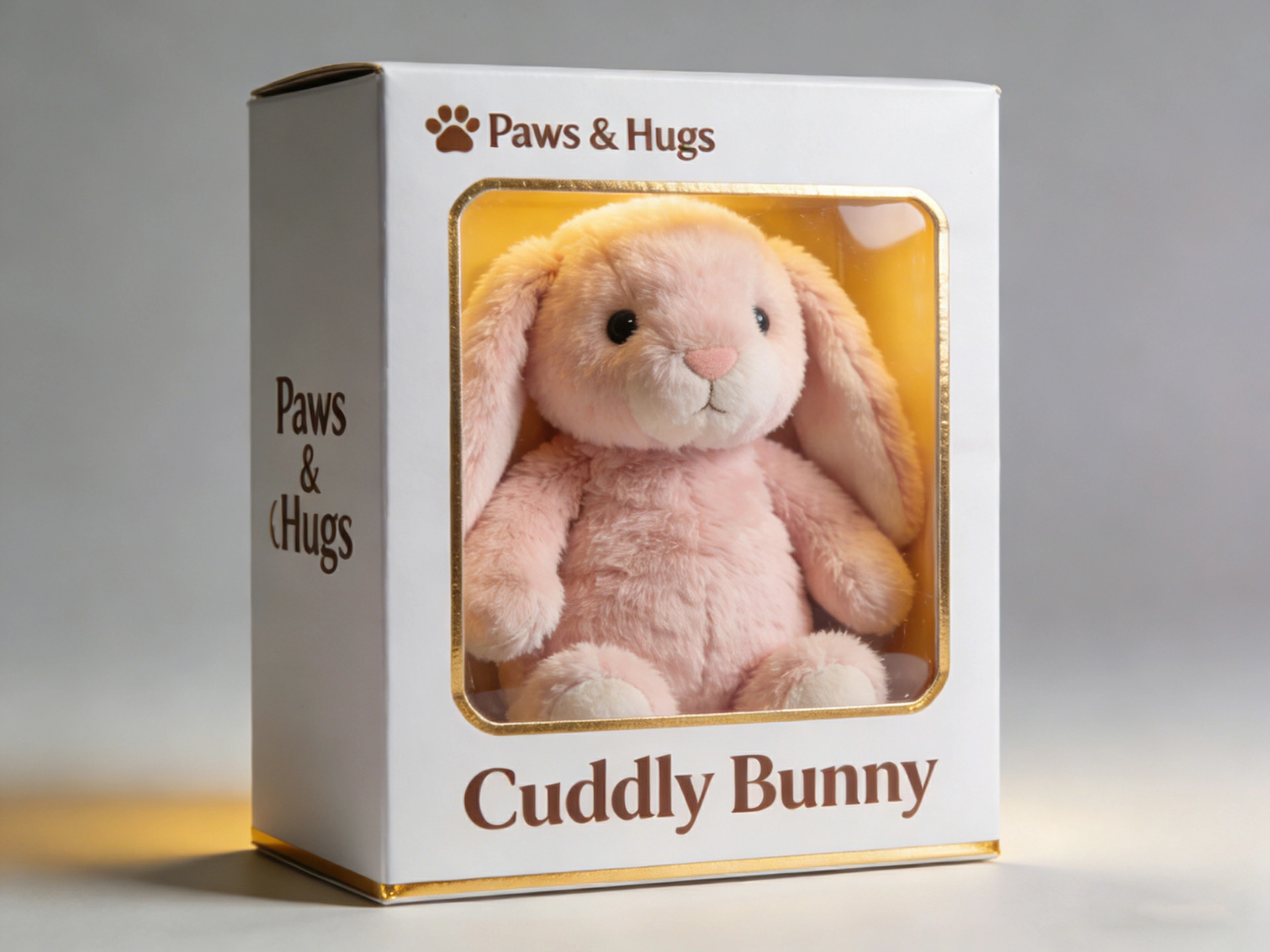
- 6. Individual Packaging & Master Carton Spec: Approve polybag thickness (with mandatory suffocation warning print and air vent holes), inner display box dielines, and export carton shipping marks.
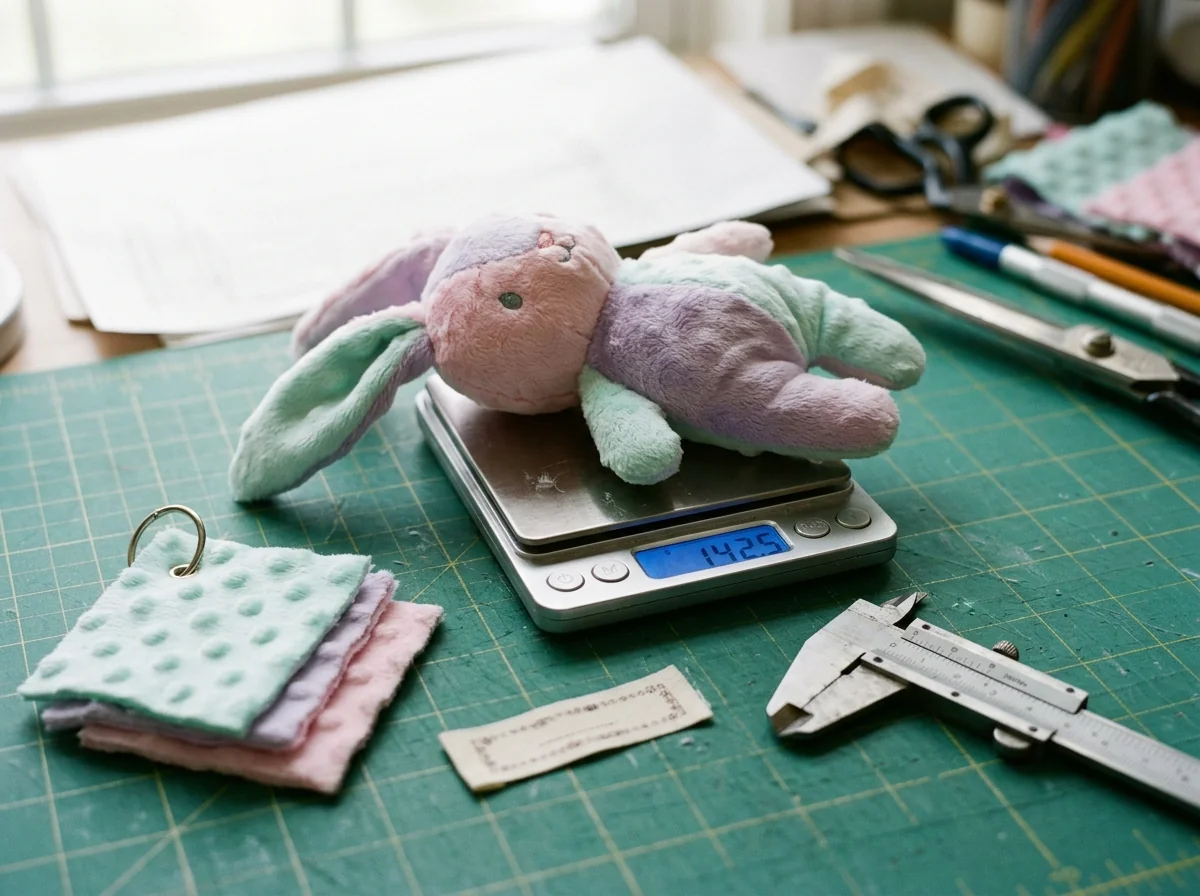
Whether you are manufacturing classic custom teddy bear collections or multi-accessory character lines, recording both dimensional measurements and net gram weight on the Golden Sample specification sheet eliminates subjective disputes over plush firmness during final inspection.
3. How Do Buyers Document a Plush Toy Golden Sample?
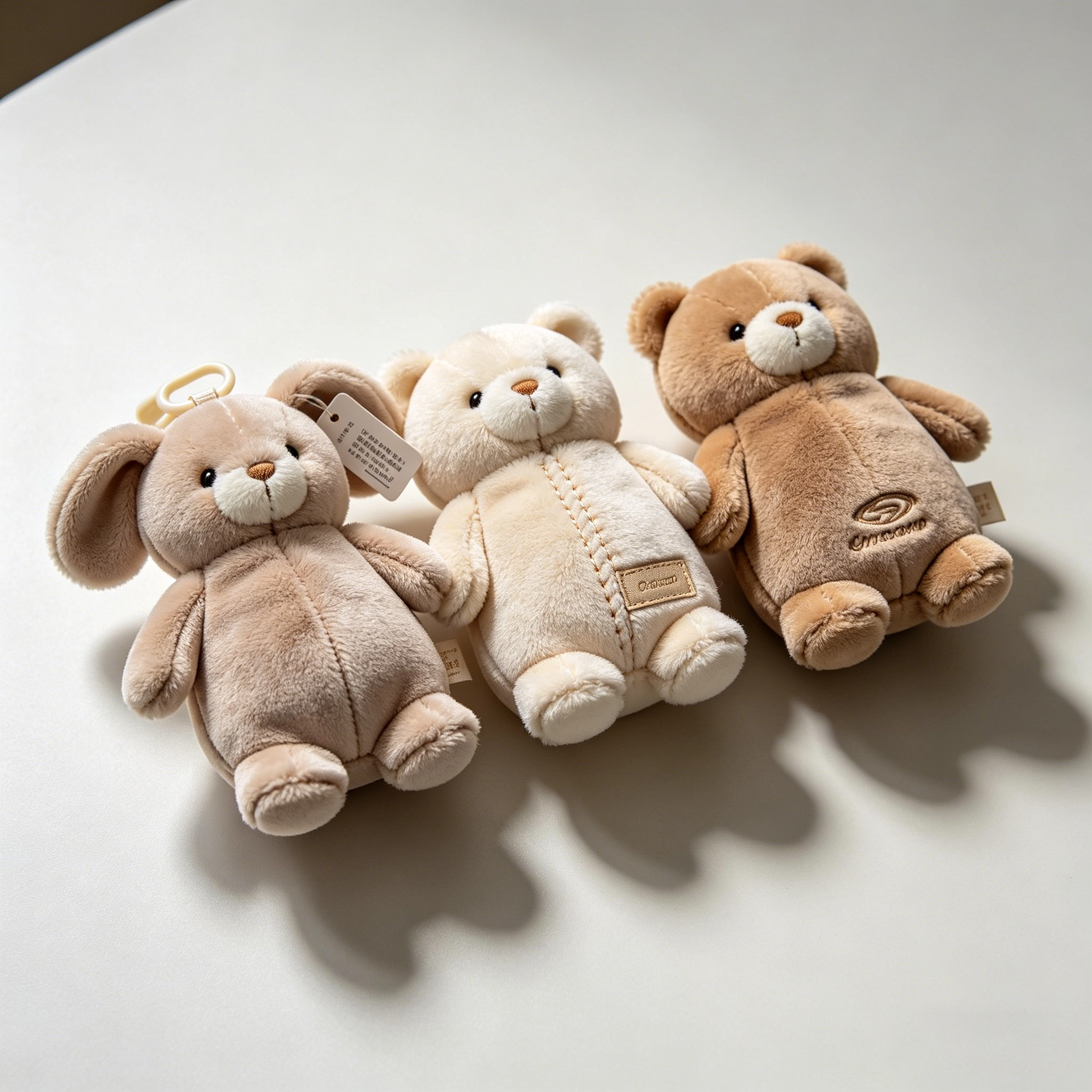
For a Golden Sample to hold operational and contractual value, it cannot simply sit in a designer’s office drawer. When buyers ask how do buyers document a plush toy golden sample, industry best practice requires producing **three identical approved plush reference samples** (Triplicate Golden Sample Protocol):
| Golden Sample Copy | Custodian / Location | Primary Operational Purpose | Sealing & Documentation Method |
|---|---|---|---|
| Sample #1 (Factory Floor Copy) | OEM Factory Production Line / QC Room | Hung at the end of the sewing and stuffing line for daily operator comparison | Tamper-evident plastic loop tag signed & dated by QC Manager + Spec Sheet |
| Sample #2 (Buyer Master Copy) | Brand / Importer Headquarters | Retained by the buyer’s product team for internal reference and reorder comparison | Signed reference tag + archived 6-angle studio photos & BOM sheet |
| Sample #3 (Third-Party QC Copy) | Pre-Shipment Inspection Agency / Lab | Handed to the AQL inspector on inspection day to compare against random bulk units | Sealed in tamper-proof bag with signed Plush Production Specification Approval form |
Each of the three samples should have a non-removable plastic security loop threaded through a limb or ear (never just tied with string), holding a signed card displaying the PO Number, SKU Code, Net Weight, Approval Date, and authorized signature. Accompany the physical tag with a digital PDF Golden Sample Sign-Off Sheet containing 6-angle high-resolution photos and bulk fabric swatch scans.
4. When Should a Plush Sample Be Approved Again After a Change?
Even after a Golden Sample is signed off, supply chain realities or marketing updates occasionally force mid-stream modifications. Buyers asking when should a plush sample be approved again after a change must enforce a strict re-approval gate whenever any of the following four events occur:
First, **any change in shell fabric supplier or dye lot** requires a new swatch and tension check, because a different mill’s minky fabric may have different spandex elasticity that alters the stuffed shape. Second, **any modification to safety-critical components**—such as switching eye suppliers, changing seam thread thickness, or altering small accessories—requires both a new Golden Sample sign-off and updated compliance verification under plush toy safety standards and compliance. Third, **scaling an approved character up or down in size** (e.g., from 20 cm to 30 cm) requires a completely new Golden Sample, as 3D patterns do not scale linearly. Fourth, **repeat orders placed more than 12 months later** should always include a fresh Pre-Production (TOP—Top of Production) sample check to verify that current dye vats and labels still comply with active U.S. CPSC and ASTM F963 toy safety regulations, European EN 71 harmonised toy safety standards, and OEKO-TEX Standard 100 benchmarks.
5. Frequently Asked Questions (FAQ)
Q: Can we approve a Golden Sample using substitute fabric if our custom-dyed bulk fabric isn’t ready yet?
A: If schedule pressure requires approving the 3D shape using a substitute stock color, issue a ‘Conditional Structural Approval Only’ and require the factory to submit bulk-fabric lab dips (swatch cuttings) and a Top-of-Production (TOP) sample from the firstbulk cutting lot before full sewing proceeds.
Q: What is the acceptable dimensional tolerance between a plush Golden Sample and bulk units?
A: Because plush toys are hand-sewn and hand-stuffed flexible textiles rather than injection-molded plastic, industry standard tolerance is ±5% on overall dimensions (typically ±5 mm to 8 mm on a 25 cm toy) and ±5% on net stuffed gram weight.
Q: Why does a Golden Sample sometimes look slightly different after sitting in storage for six months?
A: Polyester fiberfill settles slightly over time, and dyed fabrics exposed to fluorescent office lighting can experience minor UV fading. Store your master Golden Sample inside a sealed, opaque polybag away from direct sunlight so its color and loft remain accurate for future reorders.
Q: Should the Golden Sample include the final retail packaging and barcode labels?
A: Yes, a complete plush production specification approval must include the final woven tush label, tracking code, hangtag, and individual polybag or retail box. Approving the toy without its labels often leads to last-minute errors in barcode printing or legal compliance text.
Q: Who pays for shipping the triplicate Golden Samples between the factory and the buyer?
A: Normally, the OEM factory retains one signed Golden Sample on the production floor, holds the second sealed sample for your third-party pre-shipment inspector at the factory, and couriers the third master sample to your office as part of the standard sampling package.
6. Lock In Reliable Bulk Plush Quality With Wehao Toys
Ready to Move From Prototype Sampling to Controlled Mass Production? A disciplined Golden Sample approval process protects your brand reputation and guarantees consistency from the first unit to the ten-thousandth. Wehao Toys enforces strict triplicate Golden Sample sealing, verified BOM swatch locking, and multi-stage inline quality control across every OEM production run. Contact Wehao Toys for a Custom Plush Toy Project today to start your custom sampling and pre-production approval workflow.