1. Why Multi-Party Licensed Plush Projects Require a Structured Stage-Gate Workflow
Developing official plush merchandise for an animation studio, video game publisher, entertainment agency, or corporate co-branding campaign is fundamentally different from launching an internal private-label toy. In a licensed project, every decision must pass through a triangle of stakeholders: the **IP Licensor (Brand Owner)**, the **Licensee (Merchandising Agency / Retailer)**, and the **OEM Plush Factory**. If the factory cuts bulk fabric or prints hangtags before the licensor’s brand guardian signs off on the exact 3D silhouette and legal copyright line, the entire production run can be rejected.
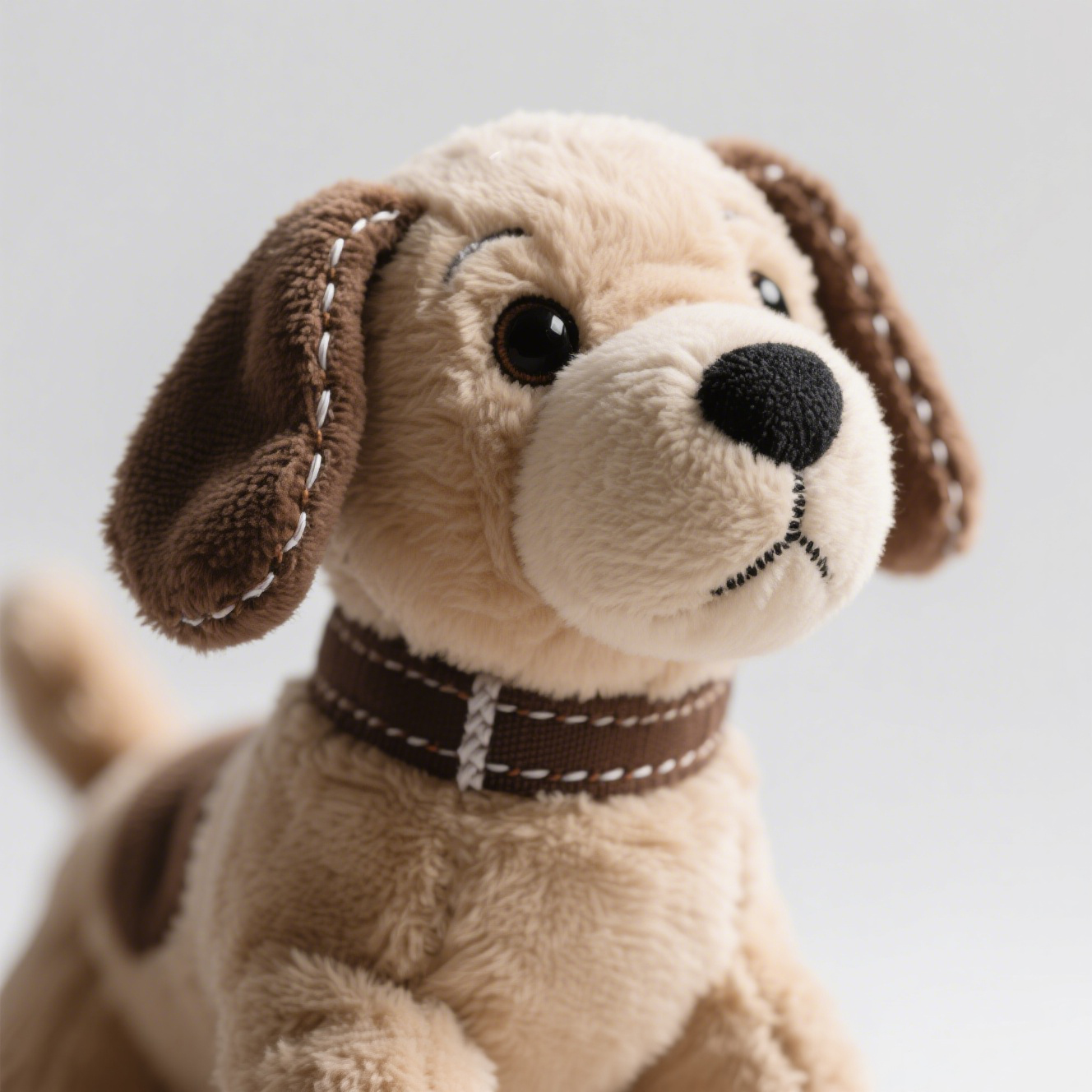
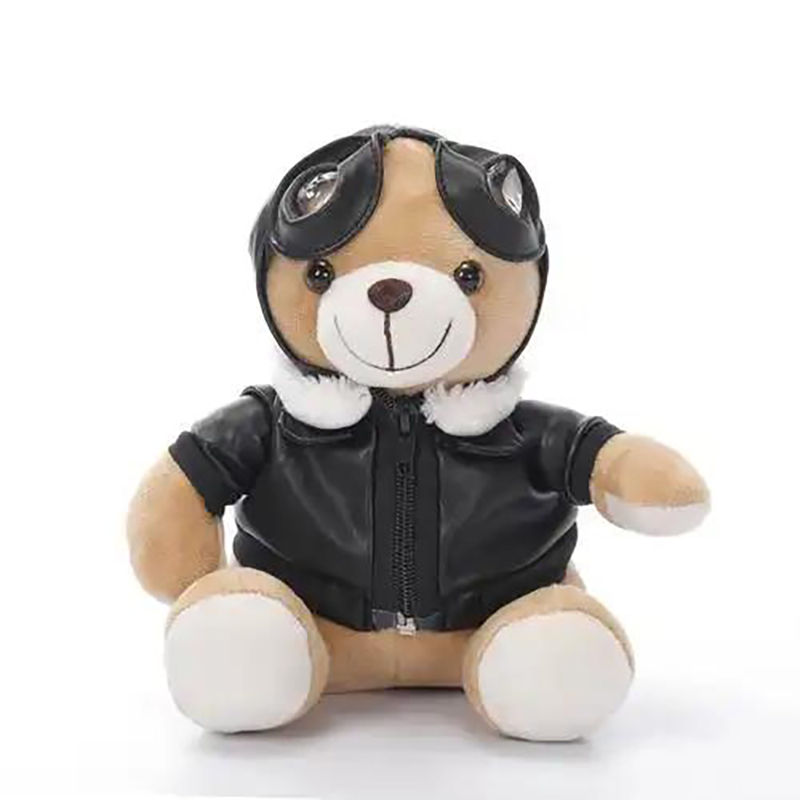
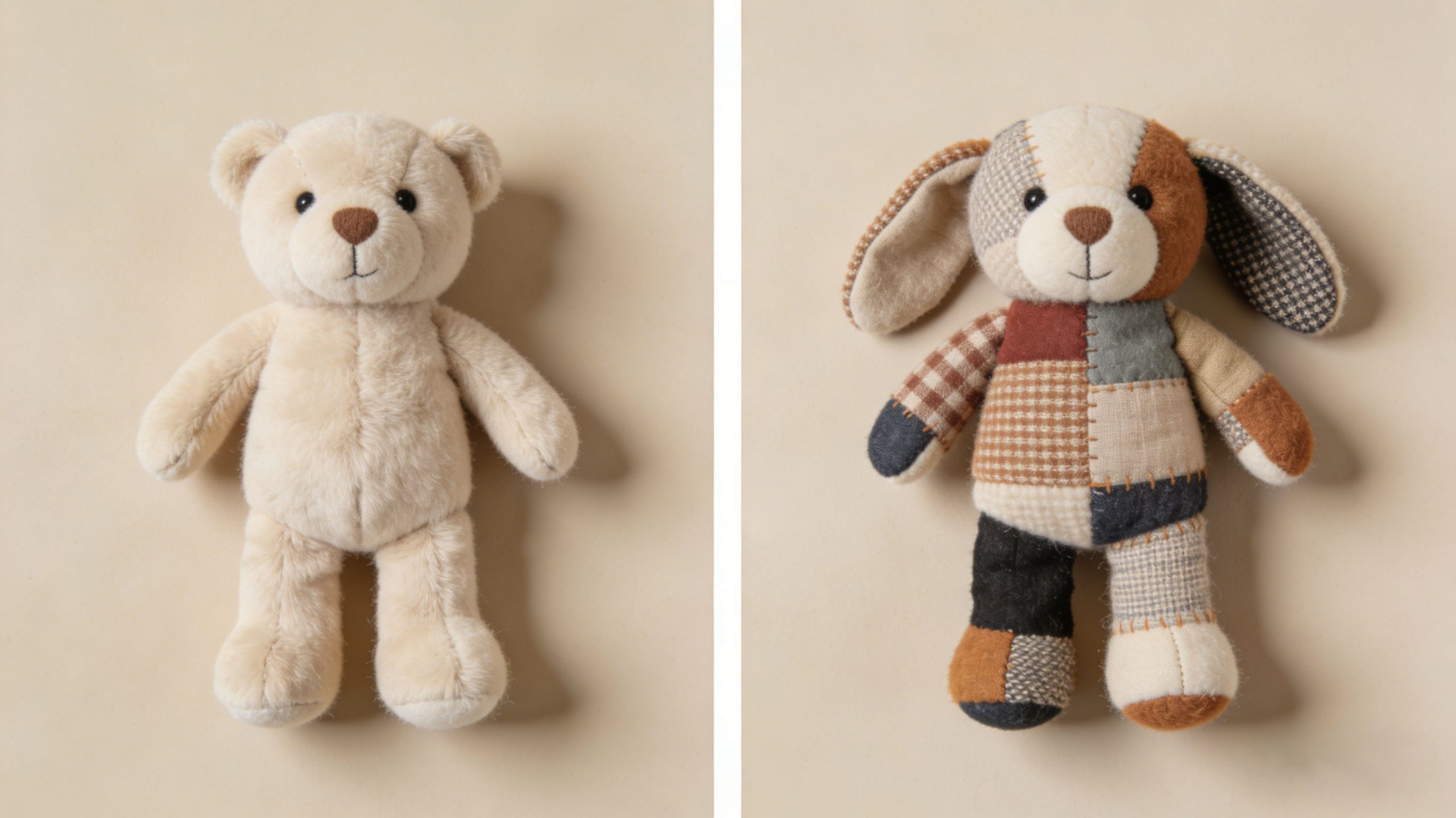
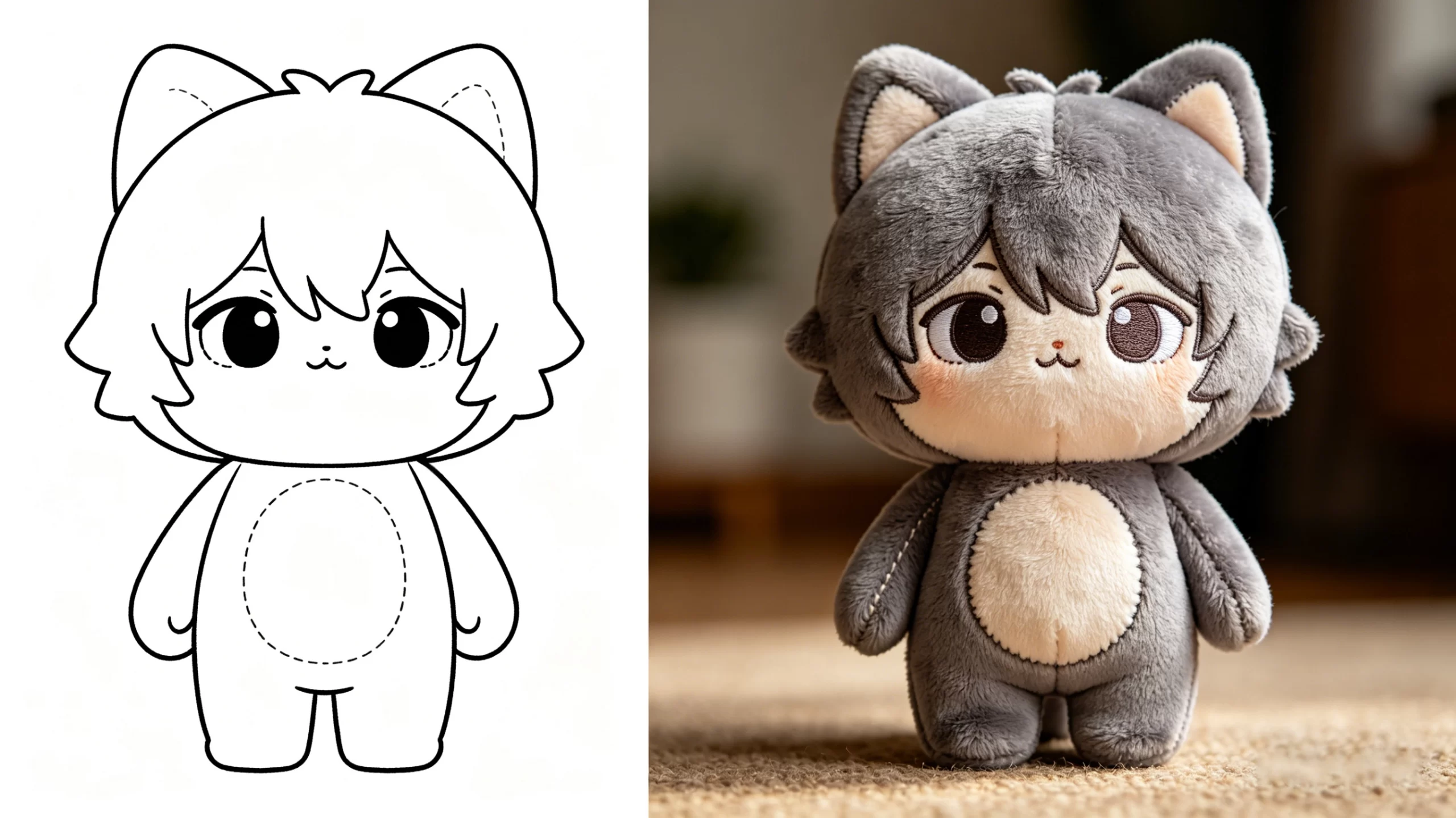
Furthermore, translating a stylized 2D screen character into a soft, sewn 3D textile object inevitably requires structural compromises—converting floating hair spikes into multi-layer felt or velboa panels, simplifying micro-details into clean satin embroidery, and adapting rigid props into safe plush accessories. Establishing a disciplined licensed character plush approval workflow ensures that creative adaptations are approved step-by-step without derailing your retail launch date.
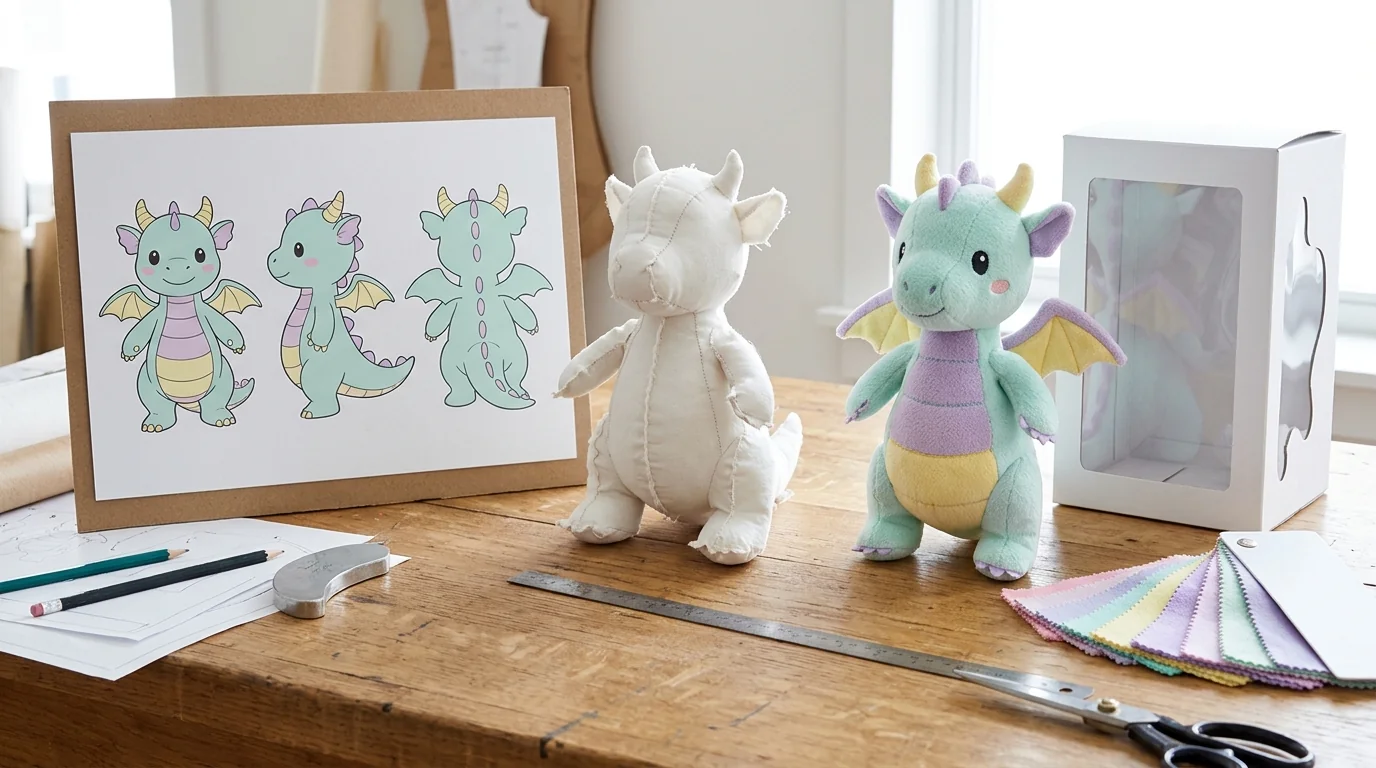
As detailed on our custom anime and IP character plush manufacturing page, aligning character fidelity, chibi proportion rules, and IP-specific packaging requirements at the start of the project keeps both licensor creative directors and retail buyers on the same page.
2. What Approvals Should a Licensed Character Plush Project Track? (The 5 Stage Gates)
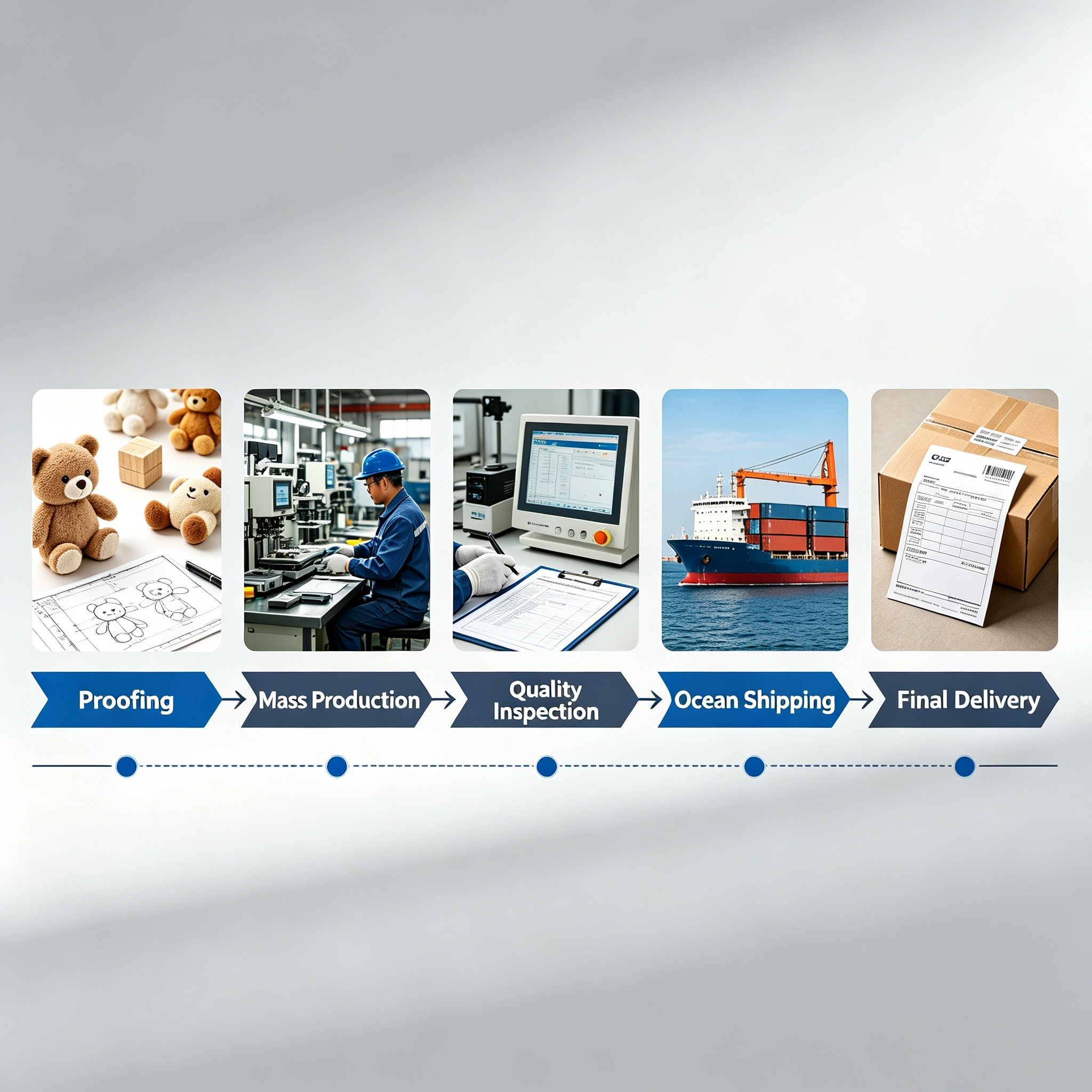
For project managers asking what approvals should a licensed character plush project track, major entertainment and corporate licensors typically enforce five sequential sign-off gates:
| Approval Gate | Submitted Deliverable | Key Licensor & Brand Evaluation Criteria | Typical Turnaround |
|---|---|---|---|
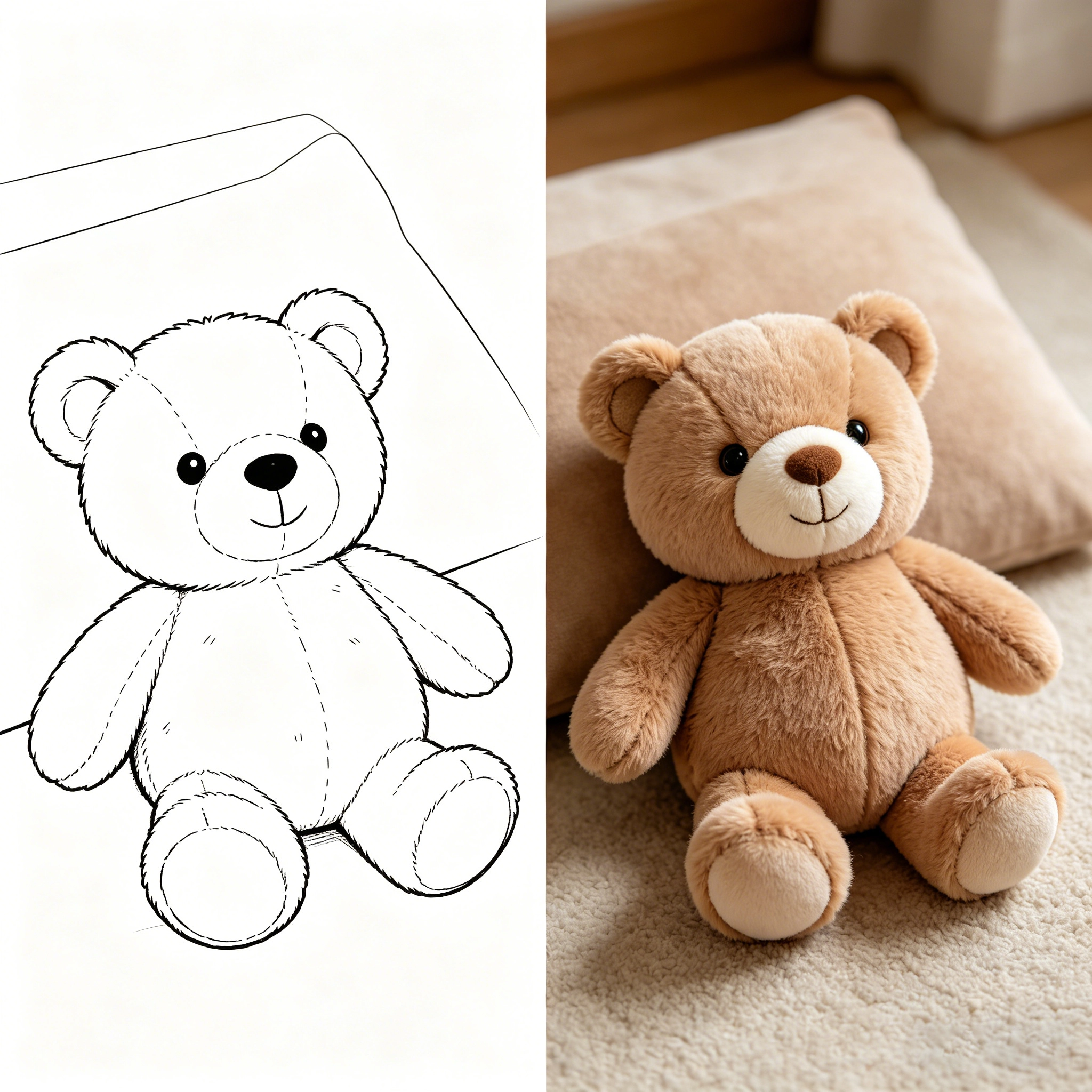
| Gate 1: 2D Plush Concept & Turnaround | 5-view 2D plush-adapted ortho artwork (Front, Left, Right, Back, Top) + PMS callouts | Character proportion adaptation (1:1 vs Chibi), line-art simplification for sewing seams | 3 – 5 business days |
| Gate 2: 3D Form / Silhouette Sample (V1) | Physical prototype or 360° studio photo/video turnaround (focusing on shape & expression) | Head-to-body ratio, facial embroidery placement, hairstyle volume, seated posture | 7 – 10 days build + review |
| Gate 3: Color, Material & Trim (CMT) | Physical bulk fabric swatch card, embroidery strike-off on fabric, hardware samples | Pantone FHI/PMS shade accuracy under D65 light, fabric pile texture, outfit details | 5 – 7 business days |
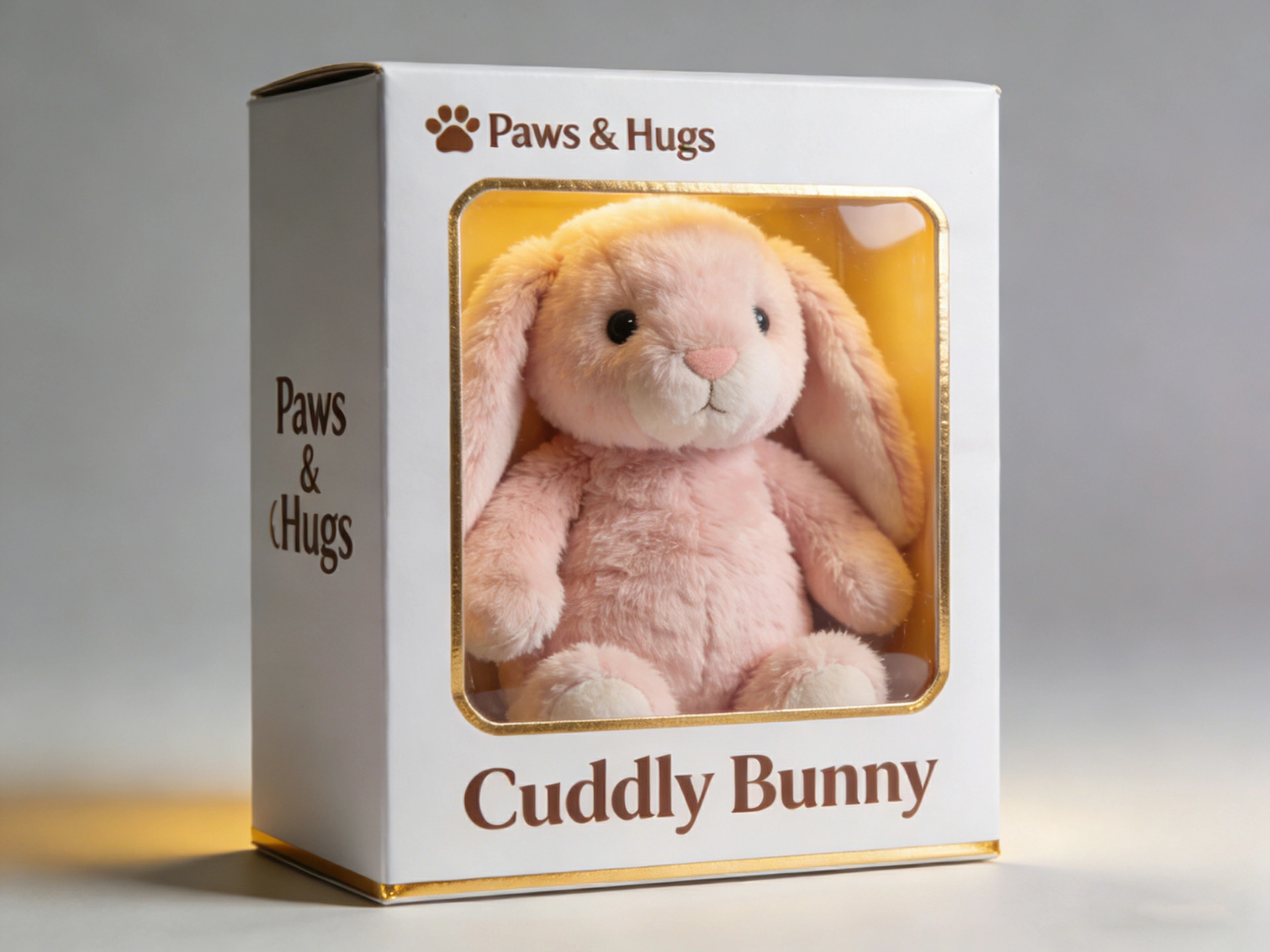
| Gate 4: Packaging, Legal & Hologram Art | Vector PDF dielines for woven tush label, hangtag, hologram sticker placement, window box | Exact ©/™ legal line wording, font size, logo clear-space rules, anti-counterfeit seal | 5 – 7 business days |
| Gate 5: Pre-Production (PP) / Golden Sample | Complete finished plush in final bulk fabric with sewn-in labels and printed retail box | Final holistic sign-off authorizing mass production + third-party lab testing | 7 – 10 days final check |
Attempting to skip Gate 1 (2D plush-adapted turnaround) by sending a raw movie poster or 3D video game polygon model directly to the sewing room is the most common cause of Gate 2 rejection. Always have your designer or the factory’s custom plush development and pattern team illustrate where seam lines, fabric color blocks, and embroidered eyes will sit on a plush-proportioned turnaround first.
3. How Should Brands Coordinate Artwork and Plush Sample Approvals Between Licensor and Factory?
In a plush licensing project workflow, the licensee or brand product manager sits between the creative licensor and the manufacturing plant. Answering how should brands coordinate artwork and plush sample approvals efficiently comes down to three operational habits:
- 1. Pre-Screen Factory Photos Before Submitting to the Licensor: Licensors have strict submission portals (such as Mediabox, BrandComply, or internal brand boards) and often take 5 to 10 business days to review a submission. Always have the factory send studio turnaround photos to your internal team first so you can catch obvious seam or color tweaks before burning a formal licensor submission round.
- 2. Translate Creative Licensor Notes Into Technical Millimeters: A licensor’s art director may write ‘he doesn’t look mischievous enough.’ Before forwarding that note to the factory pattern room, translate it into concrete geometry (e.g., ‘Rotate both upper eyelid embroidery lines inward by 4 degrees and lower the mouth stitch by 3 mm’).
- 3. Run Packaging Dieline Approvals in Parallel With V2 Sampling: Do not wait until the plush toy is 100% finished to start designing the woven tush label and hangtag. As soon as Gate 2 (3D silhouette) is approved, lock in the box dimensions and submit the packaging dielines for Gate 4 review so printed labels and boxes arrive at the factory on time.
4. Which Character and Packaging Files Need Strict Version Control?
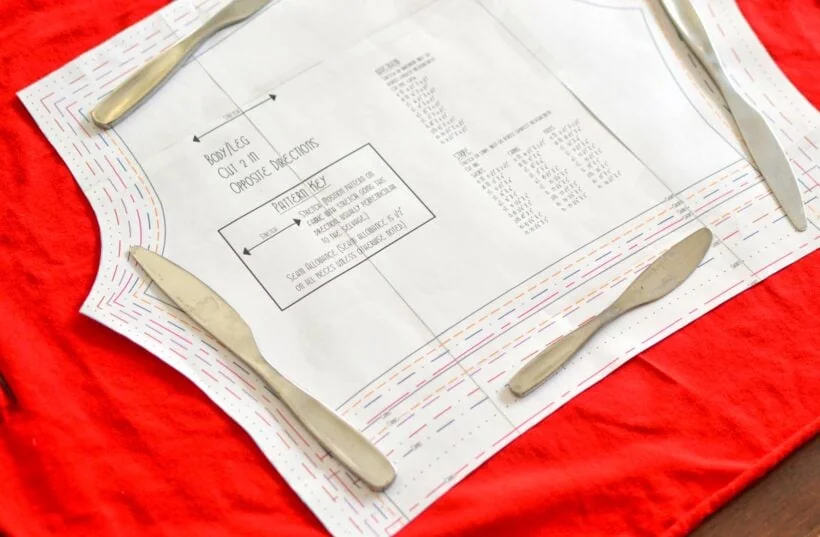
Because licensed projects involve multiple revision rounds across artwork, embroidery, labels, and boxes, printing an outdated file version on 5,000 retail boxes or woven labels is an expensive mistake. When buyers ask which character and packaging files need version control, enforce strict file-naming conventions (`ProjectCode_SKU_Component_v2.1_Date_Status.ai`) across five master assets:
1. **2D Character Turnaround & Embroidery Vector Files (`.ai` / `.eps` / `.dst`)**: Tracks exact eye highlight shapes, mouth line weights, and Pantone thread codes.
2. **Woven Tush Label & Care/Tracking Label Artwork**: Tracks the mandatory licensor copyright string (e.g., `© 2026 Studio Name. All Rights Reserved.`), batch tracking code, and regulatory symbols.
3. **Hangtag & Retail Window Box Dielines (`.pdf` / `.ai` with Outlined Fonts)**: Tracks UPC/EAN/JAN barcodes, age-grading icons, and hologram security sticker placement.
4. **Master Bill of Materials (BOM) & Measurement Spec Sheet**: Locks approved fabric dye lots, net stuffed gram weight, and point-to-point dimensions.
5. **Compliance & Social Audit Certificates**: Verifies that the production lot meets plush toy safety standards and compliance under U.S. CPSC / ASTM F963 and European EN 71 toy safety directives, alongside any ethical factory audit documentation required by the licensor.
5. Frequently Asked Questions (FAQ)
Q: How many physical Pre-Production (PP) samples do entertainment licensors usually require for final sign-off?
A: Most entertainment and gaming licensors require 2 to 6 identical final PP/Production Archive samples shipped in their completed retail packaging—keeping archive units for their brand library and returning one signed Golden Sample to the licensee.
Q: How do you handle complex anime hair or multi-layered outfits that cannot be sewn from a single plush fabric?
A: OEM pattern engineers combine multi-fabric construction—using short velboa for skin, layered double-sided high-density felt or foam-backed minky for hair spikes, and sublimated twill or tricot for detailed outfits—to preserve character silhouette without fragile loose parts.
Q: Can the factory apply official licensor anti-counterfeit hologram stickers during packing?
A: Yes. Either the licensee ships sequential numbered security hologram rolls to the factory under strict inventory reconciliation, or the factory orders them from the licensor’s nominated print vendor and applies each sticker to the designated hangtag box during final packing.
Q: What happens if a licensor requests a minor legal text update on the tush label after the plush sample is approved?
A: Because woven tush labels and paper hangtags are produced on separate narrow-loom and offset printing lines, a text-only update on the label artwork only requires a new digital proof and label strike-off approval without needing to re-sample the plush body itself.
Q: How do we protect confidential unreleased character IP during factory sampling?
A: Sign a mutual Non-Disclosure Agreement (NDA) before sharing style guides, restrict prototype handling to a closed sample room, use coded SKU numbers instead of public franchise titles on internal work orders, and prohibit factory showroom display.
6. Execute Flawless Licensed Character Plush Production With Wehao Toys
Launching an Official Licensed Character, Game Mascot, or Brand Collaboration Plush? Navigating multi-stage licensor approvals requires a manufacturing partner that understands character fidelity, strict IP confidentiality, precision Pantone matching, and retail-ready packaging execution. Wehao Toys supports global licensees, IP owners, and agencies from 2D turnaround adaptation through final Golden Sample sign-off. Contact Wehao Toys for a Custom Plush Toy Project today to review your character style guide and set up your sampling and approval schedule.