
Wehao Toys Editorial Team

What are the best dog toys for active dogs

Active dogs often exhibit a variety of play styles that can range from vigorous fetching to enthusiastic chewing. This diversity in play behavior means that a one-size-fits-all approach doesn’t work when it comes to selecting toys. Understanding the nuances of your dog’s preferences will help you in selecting toys that keep them engaged and active throughout the day.   Before selecting toys, it’s important to understand your dog’s play style. Some dogs enjoy fetching and running, while others prefer chewing or problem-solving activities. Consider your dog’s preferences to find toys that will keep them entertained and active. Observing your dog during playtime will give you valuable insights into their natural tendencies and preferences.   Different breeds often have characteristic play styles; for example, retrievers might love fetching, while terriers may enjoy digging. Understanding these inclinations can help you tailor the toy selection to your dog’s natural instincts, ensuring they get the most out of their playtime. Additionally, knowing your dog’s energy levels and habits will assist in selecting toys that not only entertain but also help expend their energy effectively.   Interactive dog toys are perfect for keeping your dog mentally stimulated. These toys require your dog to think, solve problems, and often offer rewards in the form of treats. Mental stimulation is just as important as physical exercise for dogs, and interactive toys provide an excellent way to challenge your dog’s mind.   Puzzle toys challenge your dog’s brain and keep them entertained for hours. These toys usually involve hiding treats inside compartments that your dog must figure out how to open. Engaging your dog in such mental exercises can help reduce anxiety and prevent destructive behavior that often stems from boredom.   Treat-dispensing toys reward your dog for their effort, making playtime more rewarding. These toys are particularly effective for food-motivated dogs, offering them an incentive to play and explore.   Outdoor toys are designed to withstand the elements and are perfect for dogs who love to play outside. These toys must be durable and weather-resistant to ensure they can handle the rugged outdoor environment.   These classic toys are great for a game of fetch. Fetch toys can help your dog burn off energy while strengthening your bond through interactive play.   Tug toys are perfect for interactive play between you and your dog. They also promote healthy teeth and gums through the act of tugging.   For dogs that are tough on their toys, durability is key. Look for toys made from strong materials like rubber or nylon. These toys are designed to withstand aggressive chewing and rough play, making them ideal for dogs who tend to destroy standard toys quickly.   These toys are designed to withstand the toughest chewers. They are often made from reinforced materials and come with guarantees to ensure longevity.   Chew toys satisfy your dog’s natural urge to chew while keeping their teeth clean. Chewing is a natural behavior that helps reduce stress and can prevent destructive tendencies.   Exercise is crucial for keeping your dog healthy and happy. Toys that encourage physical activity are essential for active dogs. These toys help maintain a healthy weight, improve cardiovascular health, and provide a productive outlet for your dog’s energy.   Fetch toys are perfect for encouraging your dog to run and retrieve. These toys offer an excellent way to provide your dog with the exercise they need to stay healthy.   Agility toys and equipment can provide both physical and mental exercise. They offer a structured way to challenge your dog’s agility and obedience.   When selecting toys for your active dog, consider the following tips to ensure you choose the best options: Durability: Look for toys made from strong, durable materials that can withstand your dog’s play style. Durability ensures your investment in dog toys is worthwhile. Size Appropriateness: Choose toys that are the right size for your dog to prevent choking hazards. Size considerations are crucial for your dog’s safety. Safety: Ensure the toys do not have small parts that can be ingested. Regularly inspect toys for wear and tear to maintain their safety. Variety: Offer a mix of toys to keep your dog engaged and prevent boredom. A diverse toy selection caters to different play styles and keeps your dog mentally stimulated.   Choosing the best toys for your active dog involves understanding their play style and selecting toys that match their needs. From interactive puzzle toys to durable chew toys and exciting outdoor options, there is a wide variety of toys available to keep your dog entertained and healthy. Remember to always supervise your dog during playtime, and regularly inspect toys for wear and tear to ensure they remain safe for your furry friend. With the right toys, you can keep your active dog happy and engaged, providing them with the physical and mental exercise they need. Investing in quality toys not only enhances your dog’s quality of life but also strengthens the bond between you and your pet.

What is the difference between a plush and a stuffed toys for pet

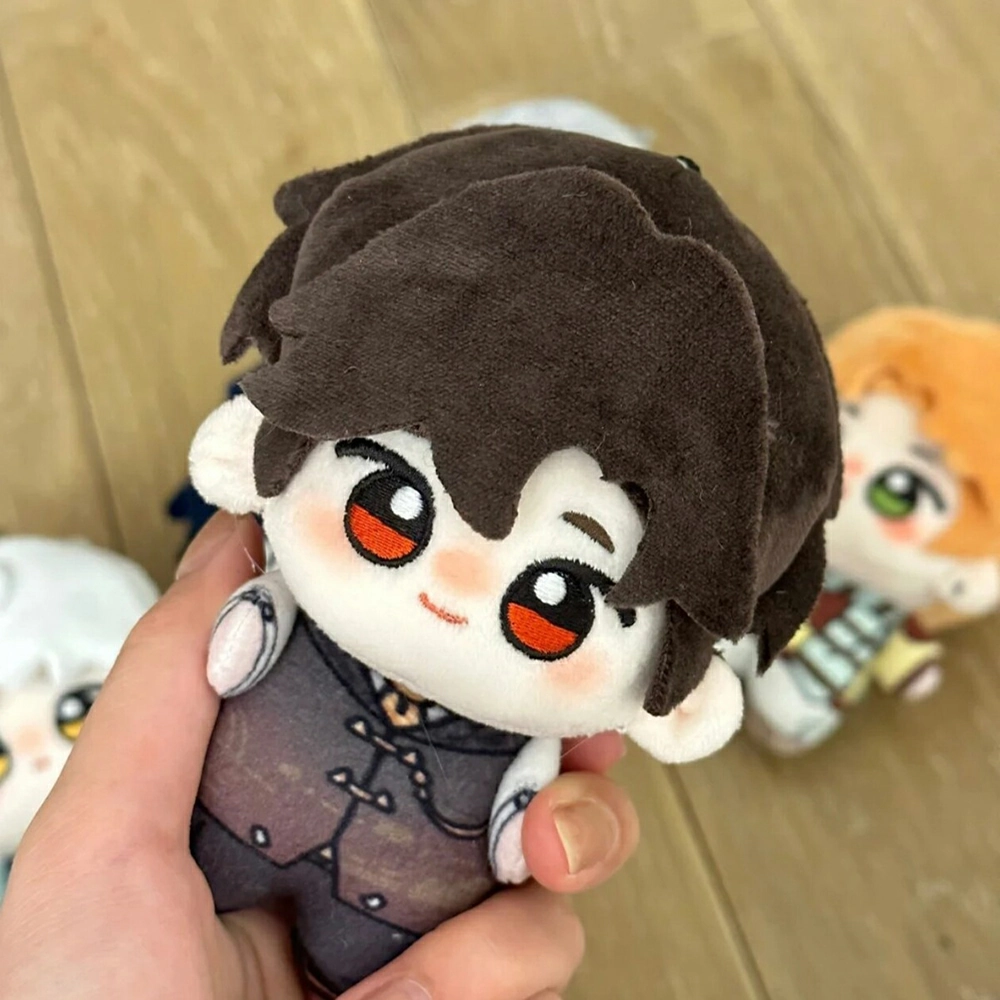
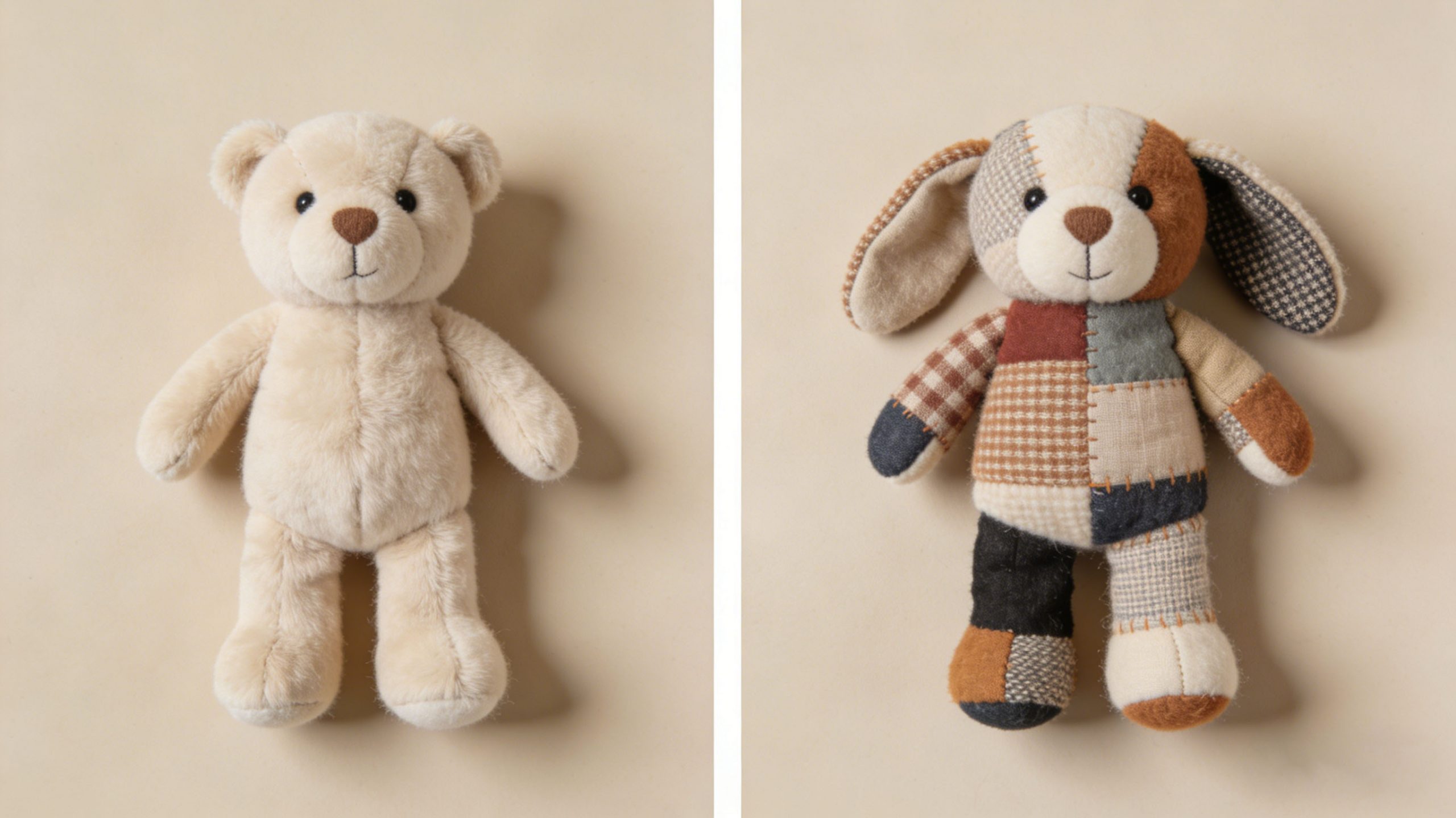
When it comes to selecting the perfect toy for your pet, the choices can be overwhelming. Among the myriad options, plush and stuffed toys remain popular picks. But what exactly sets these two types apart, and how do you know which is best for your furry friend? In this article, we’ll dive into the nuances between plush and stuffed toys for pets, exploring their benefits, material differences, and what makes them stand out. Understanding Plush and Stuffed Toys The terms “plush” and “stuffed” are often used interchangeably, but they have distinct characteristics, especially when it comes to pet toys. Plush Pet Toys Plush toys are typically soft and made from a fabric that mimics the feel of fur. These toys are designed to be cuddly, providing comfort and a sense of security to pets. They are often filled with a softer stuffing and may come in a variety of shapes and sizes, such as animals or whimsical creatures. Stuffed Animal Toys Stuffed toys, on the other hand, are filled with stuffing materials that may range from cotton to synthetic fibers. While they can also be soft, they might not have the same plush surface feel. Stuffed toys can be more diverse in terms of their outer materials, sometimes using fabrics that are more durable than those found in plush toys. Benefits of Plush Toys for Pets There are several benefits to choosing plush toys for your pet. These include: Softness and Comfort Plush toys offer unparalleled softness, making them ideal for pets who enjoy snuggling. Their furry-like texture can mimic the feeling of cuddling with another animal, providing a sense of companionship. Gentle on Teeth For pets with sensitive teeth or gums, plush toys can be a great option. Their soft surfaces pose less risk of damage or discomfort compared to harder toys. Variety and Appeal Plush toys come in countless designs, from realistic-looking animals to brightly colored characters. This variety can capture your pet’s interest and encourage playful interactions. Advantages of Stuffed Animal Toys Stuffed toys also have their unique advantages, which may make them suitable for certain pets or play styles. Durability Stuffed toys often use materials that are more resistant to wear and tear, making them a good choice for pets that are a bit rougher with their playthings. Their robust construction can withstand more vigorous play and tugging. Interactive Features Many stuffed toys come with built-in features like squeakers or crinkle sounds, which can enhance the interactive play experience. These elements can keep your pet engaged and entertained for longer periods. Versatility Stuffed toys can serve multiple purposes—from playtime entertainment to comfort objects. They can be thrown for fetching games or used as a soothing presence during rest times. Key Differences Between Plush and Stuffed Toys Understanding the differences between plush and stuffed toys can help you make an informed decision when selecting toys for your pet. Material and Texture The primary difference lies in the materials used. Plush toys are characterized by their soft, fuzzy exteriors, while stuffed toys may have varied textures depending on the outer fabric used. Filling and Construction Plush toys usually have a softer filling, providing a more squishable texture. In contrast, stuffed toys can have denser fillings, offering a firmer feel that may be more suitable for certain types of play. Purpose and Usage Consider how your pet interacts with their toys. If they enjoy gentle play or need comfort, a plush toy is likely ideal. If they are more active and enjoy chewing, a sturdier stuffed toy might be the better option. Choosing the Best Pet Toy When deciding between plush and stuffed toys, it’s essential to consider your pet’s personality, size, and play style. Pet’s Size and Chewing Habits Larger pets or those with strong chewing habits might fare better with durable stuffed toys that can withstand their strength. Conversely, smaller or gentler pets may prefer the softness of a plush toy. Safety Considerations Always prioritize safety when selecting toys. Ensure that any toy you choose is free from small parts that could pose a choking hazard and that the materials are non-toxic. Trial and Error Sometimes, finding the perfect toy involves a bit of trial and error. Don’t hesitate to experiment with different types of toys to see which your pet prefers. Conclusion Ultimately, the choice between plush and stuffed toys for pets depends on your pet’s needs and preferences. Both types offer distinct advantages, from the soft comfort of plush toys to the durability and interactive features of stuffed toys. By understanding these differences, you can select the best pet toys to provide your furry friend with hours of enjoyment and companionship. Remember, a happy pet is a healthy pet, and the right toy can play a significant role in their overall well-being.

Best Interactive Cat Toys Catnip Toys for Playful Cats

Why Interactive Cat Toys Are Important Interactive cat toys are designed to engage your cat’s natural instincts, such as hunting, pouncing, and chasing. They not only provide entertainment but also offer mental and physical benefits. Understanding these benefits can help you choose the most suitable toys for your cat. Mental Stimulation Cats are intelligent creatures that thrive on mental challenges. Interactive toys that require problem-solving or mimic prey can keep your cat’s mind sharp and reduce boredom. These toys often include puzzles or interactive features that engage your cat’s curiosity. By stimulating your cat’s brain, you can also prevent behavioral issues that arise from boredom. Moreover, mental stimulation is particularly important for indoor cats who may not have the same opportunities to explore as their outdoor counterparts. Providing toys that challenge their minds can offer an enriching experience that mimics the variety of stimuli they would encounter outside. This not only keeps them entertained but also promotes cognitive health. Physical Exercise Just like humans, cats need regular physical activity to stay healthy. Toys that encourage movement, like chasing or jumping, can help keep your cat fit and prevent obesity. Engaging in regular play helps maintain your cat’s weight and muscle tone, reducing the risk of health issues such as diabetes or arthritis. Additionally, physical exercise through play can help alleviate stress and anxiety in cats. A physically active cat is often a happier and more content cat. Regular play sessions offer an outlet for pent-up energy and can lead to improved behavior and mood. Bonding Time Playing with interactive toys can strengthen the bond between you and your cat. Whether it’s a feather wand or a laser pointer, these toys provide an opportunity for you to engage with your pet and enjoy quality time together. Engaging in interactive play sessions fosters trust and understanding between you and your feline friend. Furthermore, interactive playtime can be a great way to learn more about your cat’s personality and preferences. Observing how your cat interacts with different toys can provide insights into their natural instincts and what types of play they enjoy the most. This knowledge can guide you in selecting the best toys and activities for your pet. Top Interactive Cat Toys Let’s dive into some of the best interactive cat toys available on the market today. These toys cater to various play styles and preferences, ensuring there’s something for every cat. 1. Feather Wands Feather wands are a classic interactive toy that cats love. They mimic the movement of birds, enticing cats to jump and swat at the feathers. This type of play can satisfy your cat’s hunting instincts and provide excellent exercise. The variety of feather wands available, from simple designs to those with bells or other attachments, allows you to choose the perfect one for your cat. Feather wands are also easy to use and can be a fun way for children to interact with cats under supervision. They encourage active play and can be used to entice even the laziest of cats into a game. Regular sessions with a feather wand can become a much-anticipated part of your cat’s daily routine. 2. Laser Pointers Laser pointers are a popular choice among cat owners. The unpredictable movement of the laser dot can drive cats wild as they try to catch the elusive light. However, it’s important to never shine the laser directly into your cat’s eyes and to end the play session with a tangible toy your cat can catch. This ensures your cat feels a sense of achievement and avoids frustration. Laser pointers are ideal for high-energy cats that enjoy a good chase. They are also convenient for owners, as they require minimal effort to operate. Just a few minutes of play with a laser pointer can provide substantial exercise and entertainment for your cat. 3. Puzzle Feeders Puzzle feeders are a fantastic way to combine mealtime with playtime. These toys challenge your cat to solve a puzzle to access their food, which can slow down eating and provide mental stimulation. They’re perfect for cats who eat too quickly or need to lose weight. The added challenge can make mealtime more rewarding and engaging. Many puzzle feeders are adjustable, allowing you to change the difficulty level as your cat becomes more adept at solving them. This adaptability ensures that your cat remains challenged over time. Additionally, using puzzle feeders can help prevent digestive issues related to rapid eating and keep your cat entertained. 4. Catnip Toys Catnip toys are a favorite among many cats. The scent of catnip can send cats into a playful frenzy, providing endless entertainment. Look for toys filled with high-quality catnip for the best results. The effects of catnip are temporary but can provide a burst of energy followed by a period of relaxation. Catnip toys come in various forms, including plush toys, balls, and even scratchers infused with catnip. They can be particularly beneficial for cats that need encouragement to play. It’s important to note that not all cats respond to catnip, as sensitivity is genetic, but for those that do, these toys can be highly stimulating. 5. Interactive Ball Toys Interactive ball toys, like those with bells or lights inside, can keep your cat engaged for hours. These toys often move unpredictably, encouraging your cat to chase and bat them around. The variety in design means you can find balls that suit your cat’s preferences, whether they enjoy sound, movement, or light. Some interactive balls are motorized, providing continuous entertainment without your direct involvement. These toys are excellent for keeping your cat occupied while you’re busy or away. They provide physical exercise and mental stimulation, making them a versatile addition to your cat’s toy collection. Tips for Choosing the Right Interactive Cat Toys When selecting toys for your cat, consider the following tips to ensure you choose the best options: Know Your Cat’s Preferences Every cat is unique, and their toy preferences can vary. Pay attention to what types of play your cat enjoys—whether it’s chasing, pouncing, or solving puzzles—and choose toys that cater to those interests. Observing your cat’s behavior with different toys can provide valuable insights into their likes and dislikes. Consider your cat’s age and energy level when selecting toys. Kittens may prefer toys that cater to their boundless energy, while older cats might enjoy more relaxed, puzzle-based toys. Tailoring your choices to your cat’s individual preferences ensures they remain engaged and satisfied. Safety First Always prioritize safety when choosing cat toys. Avoid toys with small parts that could be swallowed or pose a choking hazard. Regularly inspect toys for wear and tear, and replace them as needed. Ensuring that toys are made from non-toxic materials is also crucial for your cat’s safety. Be cautious with toys that have strings or ribbons, as these can pose a strangulation risk if not used under supervision. Safe play ensures your cat can enjoy their toys without any risk of injury, giving you peace of mind. Rotate Toys Cats can quickly become bored with the same toys. To keep things interesting, rotate your cat’s toys regularly. This will keep playtime exciting and prevent your cat from losing interest. By introducing new toys or reintroducing old favorites, you can maintain your cat’s enthusiasm for play. A toy rotation system also helps keep your home organized and prevents clutter. It allows you to periodically check toys for safety and cleanliness, ensuring your cat always has access to fun, safe, and hygienic playthings. Conclusion Interactive cat toys are an essential part of keeping your feline friend happy and healthy. They provide mental stimulation, physical exercise, and opportunities for bonding. With the wide variety of toys available—from feather wands and laser pointers to catnip-filled treasures—you’re sure to find something that will delight your playful cat. So, explore the options and watch your kitty enjoy endless hours of fun! Remember, the best interactive cat toys are those that cater to your cat’s individual preferences and needs. Happy playing!

Where how can I find someone to custom make plush items

In today’s world, finding unique and personalized gifts can be a challenge. But what if you could create a custom plush item tailored exactly to your preferences? Whether it’s a custom stuffed animal that looks like your pet, a personalized plush toy for a child’s birthday, or a unique plush design for a special event, there are artisans and companies ready to bring your vision to life. This article will guide you through the process of finding someone to custom make plush items, ensuring you get the perfect personalized stuffed toy. Before diving into where and how you can find a custom plush maker, it’s important to understand what custom plush items are and why they are so special. Custom plush items are stuffed toys designed and made to meet specific personal preferences and requirements. They can range from plush replicas of pets to characters from your favorite books or movies, or even completely original designs. The possibilities are endless, and the result is a one-of-a-kind item that holds personal significance. Why Choose Personalized Plush Toys? Personalized plush toys make for unique gifts that can be cherished for a lifetime. They allow you to express creativity and sentimentality in a tangible form. Whether for a child’s comfort, a collector’s pride, or a memorable keepsake, custom plush toys hold a special place in the hearts of those who create and receive them. Finding the Right Custom Plush Maker There are various avenues to explore when searching for someone who can bring your plush ideas to life. Below are some effective ways to find a skilled artisan or company for your custom plush project. Online Marketplaces Online marketplaces are a great starting point for finding custom plush makers. Websites like Etsy, Amazon Handmade, and eBay host a variety of artisans who specialize in personalized stuffed toys. These platforms allow you to browse through portfolios, read customer reviews, and directly contact sellers to discuss your design ideas. Specialty Plush Design Companies There are companies dedicated exclusively to creating custom plush items. These businesses typically have teams of designers and skilled artisans who can take your concept from idea to reality. Companies such as Budsies, Custom Plush Innovations, and My Plush Toy offer comprehensive services that include design consultation, prototyping, and final production. Freelance Designers Freelance platforms like Upwork and Fiverr can connect you with individual designers who specialize in plush toy design. By working with freelancers, you have the flexibility to collaborate closely on your design and potentially save on costs compared to larger companies. Local Artisans and Craft Fairs Attending craft fairs and local artisan markets can be a rewarding experience if you’re looking to find someone to custom make plush items. These events often feature talented crafters who can offer personalized services and the opportunity to discuss your project face-to-face. What to Consider When Choosing a Custom Plush Maker Selecting the right person or company for your custom plush project is crucial to achieving the desired outcome. Here are some factors to consider: Experience and Expertise Research the maker’s experience in creating custom plush items. Look at their portfolio to ensure they have the skills and style that match your vision. Experienced plush designers are more likely to understand the nuances of fabric selection, construction techniques, and design execution. Communication and Collaboration Effective communication is key to ensuring that your ideas are accurately translated into the final product. Choose a maker who is open to collaboration and willing to listen to your input throughout the design and creation process. Budget and Pricing Custom plush items can vary significantly in price depending on complexity, materials, and the maker’s expertise. Set a budget beforehand and discuss pricing with potential makers to ensure transparency and avoid unexpected costs. The Custom Plush Creation Process Understanding the process of creating a custom plush item can help set realistic expectations and timelines. Initial Consultation The first step is to discuss your ideas with the maker. Share any reference images, sketches, or descriptions that illustrate your vision. This consultation helps the maker understand your needs and provide input on feasibility and design options. Design and Prototyping Once the initial concept is agreed upon, the maker will create a detailed design or prototype. This stage may involve selecting fabrics, colors, and embellishments. You may receive progress updates and have the opportunity to request changes before final production. Final Production After the design is approved, the maker will proceed with crafting the final plush item. Depending on complexity, this stage can take several weeks. Once completed, the plush item is usually shipped to your specified address. Conclusion Finding someone to custom make plush items is an exciting journey that allows for creativity and personalization. Whether you’re looking for a heartfelt gift or a unique collectible, the world of custom plush toys offers endless possibilities. By exploring online marketplaces, specialty companies, freelance designers, and local artisans, you can find the perfect partner to bring your plush vision to life. Remember to consider experience, communication, and budget when selecting a maker, and enjoy the collaborative process of creating a one-of-a-kind plush item that will be cherished for years to come. Embrace the magic of personalized plush toys and let your imagination soar with the creation of a unique and special keepsake. Whether for yourself or a loved one, a custom plush item is sure to bring joy and nostalgia.

Behind the Scenes The Art of Designing a Custom Stuffed Animal of Your Pet

Ever wondered how your beloved pet could be turned into a huggable stuffed animal? With the growing trend of personalized plush toys, many pet owners are exploring the world of custom stuffed animal design. This article takes you behind the scenes to uncover the fascinating process of transforming your furry friend into a cuddly keepsake. Pets hold a special place in our hearts. They’re our companions, our confidants, and in many ways, our family. The desire to capture their essence in a tangible form is what drives the creation of personalized stuffed animals. Whether it’s a dog, cat, rabbit, or even a more exotic pet, each custom plush toy is a tribute to the unique bond between owner and pet. Why Choose a Custom Stuffed Animal? Custom stuffed animals are more than just toys; they’re cherished mementos. People choose personalized plush toys for various reasons. Some want to memorialize a beloved pet that has passed away, while others simply wish to celebrate the quirks and personality of a living companion. These plush creations serve as comforting reminders of the joy pets bring into our lives. The Process of Designing a Custom Stuffed Animal Creating a custom stuffed animal of your pet involves a detailed and thoughtful process. Here’s how it typically unfolds: Step 1: Gathering Information and Photos The first step in designing a personalized stuffed animal is gathering as much information as possible about the pet. This includes photos from different angles, details about the pet’s size, fur color, and any distinctive features. The more detailed the information, the more accurate the final product will be. Step 2: Conceptualizing the Design Once the information is collected, designers begin to conceptualize the stuffed animal. This involves sketching out ideas and deciding on materials that will best replicate the pet’s appearance and texture. The goal is to capture the unique characteristics that make the pet special. Step 3: Crafting the Prototype With a clear design in mind, the next step is crafting a prototype. This involves creating a pattern, selecting fabrics, and sewing the initial version of the stuffed animal. The prototype serves as a model for the final product and is used to make adjustments and improvements. Step 4: Fine-Tuning Details After the prototype is complete, designers focus on fine-tuning details. This can include adjusting colors, refining facial features, and ensuring that the stuffed animal accurately reflects the pet’s likeness. This stage is crucial for achieving a lifelike representation. Step 5: Final Production Once all adjustments are made, the final version of the custom stuffed animal is produced. Skilled artisans carefully sew, stuff, and assemble the toy, ensuring that every detail meets the highest standards of quality. The result is a beautifully crafted plush toy that mirrors the pet’s personality and appearance. The Materials Used in Custom Stuffed Animal Design Creating a custom stuffed animal requires a variety of materials, each chosen for its ability to mimic the pet’s unique characteristics. Here are some commonly used materials: Fabrics: High-quality fabrics are selected based on the pet’s fur type. Soft, plush fabrics are often used to replicate the texture of a pet’s coat. Stuffing: Polyester fiberfill is commonly used to give the stuffed animal its shape and ensure it is soft and huggable. Threads and Embroidery: Durable threads are used for sewing, while embroidery techniques are employed to create detailed facial features. Eyes and Nose: Safety eyes and noses are chosen to match the pet’s appearance, ensuring a realistic look. The Role of Artisans in Personalized Plush Toy Creation The creation of personalized stuffed animals is a blend of art and craftsmanship. Skilled artisans play a vital role in bringing these toys to life. Their expertise in sewing, embroidery, and design is essential for capturing the essence of each pet. These artists work meticulously to ensure every detail is perfect, from the curve of a smile to the twinkle in the eyes. The Emotional Impact of Custom Stuffed Animals Personalized stuffed animals hold a deep emotional significance for pet owners. They offer comfort, evoke memories, and provide a sense of connection to a beloved pet. Whether displayed on a shelf or held close during tough times, these plush toys serve as enduring symbols of love and companionship. How to Order a Custom Stuffed Animal of Your Pet Interested in turning your pet into a plush toy? Here’s how you can order one: Choose a Reputable Company: Look for a company that specializes in custom stuffed animals and has positive reviews. Submit Photos and Details: Provide high-quality photos and detailed information about your pet to ensure accuracy. Collaborate on Design: Work with designers to create a concept that captures your pet’s unique traits. Review the Prototype: Once the prototype is ready, provide feedback for any necessary adjustments. Receive Your Custom Plush Toy: After final production, your personalized stuffed animal will be shipped to you. Conclusion The art of designing a custom stuffed animal of your pet is a heartfelt endeavor that combines creativity, craftsmanship, and a deep appreciation for the bond between humans and animals. These personalized plush toys are more than just fabric and stuffing; they’re a testament to the love and joy that pets bring into our lives. Whether as a tribute to a cherished companion or a joyful celebration of a living pet, custom stuffed animals are a unique way to keep our furry friends close to our hearts forever.

Why doesn t my dog take an interest in dog toys?

Dogs are naturally curious and playful creatures, so it can be puzzling when your furry friend shows no interest in dog toys. Understanding why your dog might not be interested can help you choose the right toys and ensure your pet stays happy and stimulated. By delving into the nuances of canine behavior and preferences, you can create a more engaging environment for your dog. Before diving into solutions, it’s essential to understand why your dog may not be interested in toys. Dogs, like people, have varied tastes and preferences. Here are some common reasons why your dog might not be enthusiastic about playing with toys. Personality and Preferences Just like humans, dogs have unique personalities and preferences. Some dogs might be more inclined to play with toys, while others may prefer different types of stimulation, such as interaction with humans or other dogs. Understanding your dog’s personality is crucial in determining the best way to engage them. The Introverted Dog Some dogs may appear introverted, preferring quiet time and solitude over energetic play. These dogs might enjoy softer, plush toys that they can cuddle with rather than active play toys. Recognizing this trait can help you cater to their unique needs. The Social Butterfly Conversely, some dogs thrive on social interaction. These dogs often prefer playing with humans or other dogs over toys. Engaging them with toys that involve human interaction, such as tug-of-war ropes, can be more successful. The Explorer Some dogs are natural explorers, more interested in their environment than toys. For these dogs, toys that mimic natural elements, like those that make animal sounds or have textures similar to nature, might spark more interest. Health Issues If your dog usually loves toys but suddenly loses interest, it might be due to a health issue. Physical discomfort can significantly affect your dog’s willingness to play, and understanding these issues is vital. Dental Health Concerns Dental problems can make chewing and playing painful. Regular dental check-ups can ensure your dog’s teeth are healthy and not causing them discomfort. Consider softer toys if dental issues are suspected. Arthritis and Joint Pain Arthritis or joint pain can make movement uncomfortable, leading to a decline in interest in physical play. Providing toys that require less physical effort or adjusting playtime to be less strenuous can help. General Health and Well-being Other health issues, such as gastrointestinal discomfort or fatigue, can also impact your dog’s interest in toys. Regular vet visits and monitoring your dog’s behavior for signs of illness are essential. Lack of Exposure Dogs that have not been exposed to toys early in life might not understand their purpose. Introducing toys gradually and providing positive reinforcement can help older dogs who lack this experience. Puppies vs. Older Dogs Puppies often learn through play, so it’s crucial to introduce toys early. Older dogs, however, may need patience and encouragement to learn to enjoy toys. Positive Reinforcement Techniques Using treats and praise to encourage interaction with toys can be effective. Positive reinforcement helps your dog associate toys with good experiences. Gradual Introduction

Email WhatsApp Phone Top
Scroll to Top