
Plush Toy Knowledge

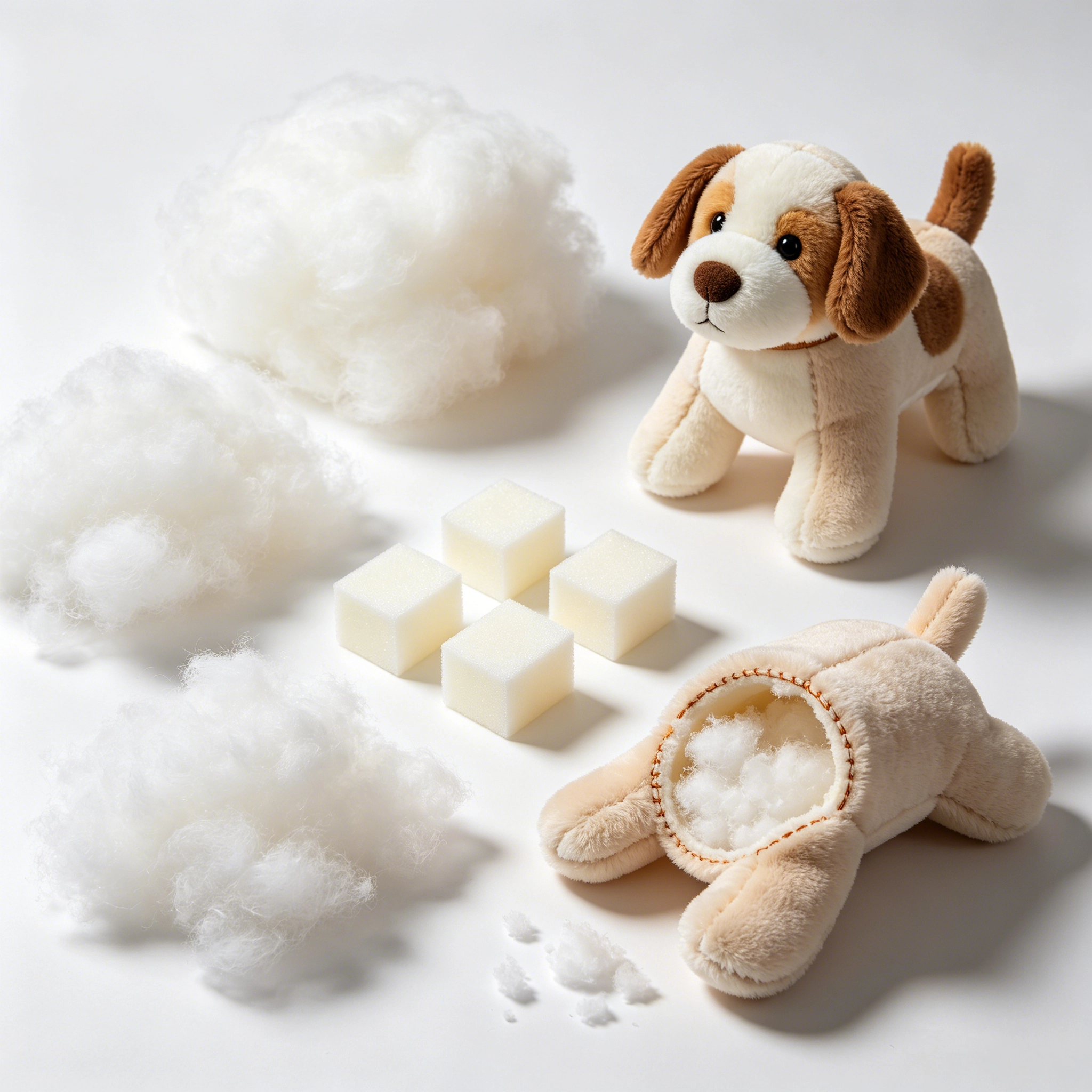
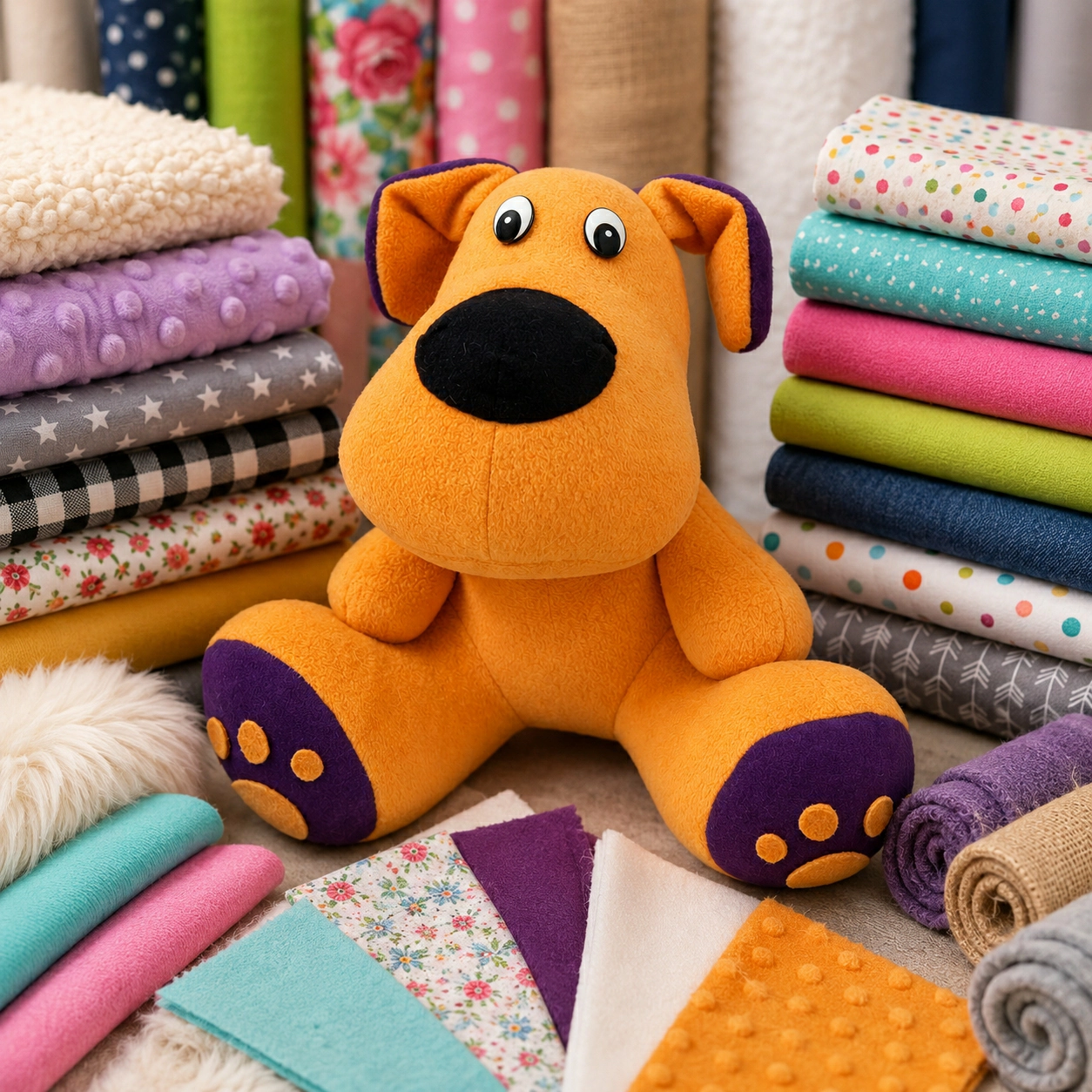
Learn about custom plush toys, stuffed animal materials, plush toy structure, safety standards, stuffing options, embroidery techniques, and manufacturing knowledge. This category covers educational guides for plush toy development, fabric selection, durability, and quality control for OEM and ODM plush toy projects.

Mini Plush Toys & Plush Keychains: Structure & Hardware

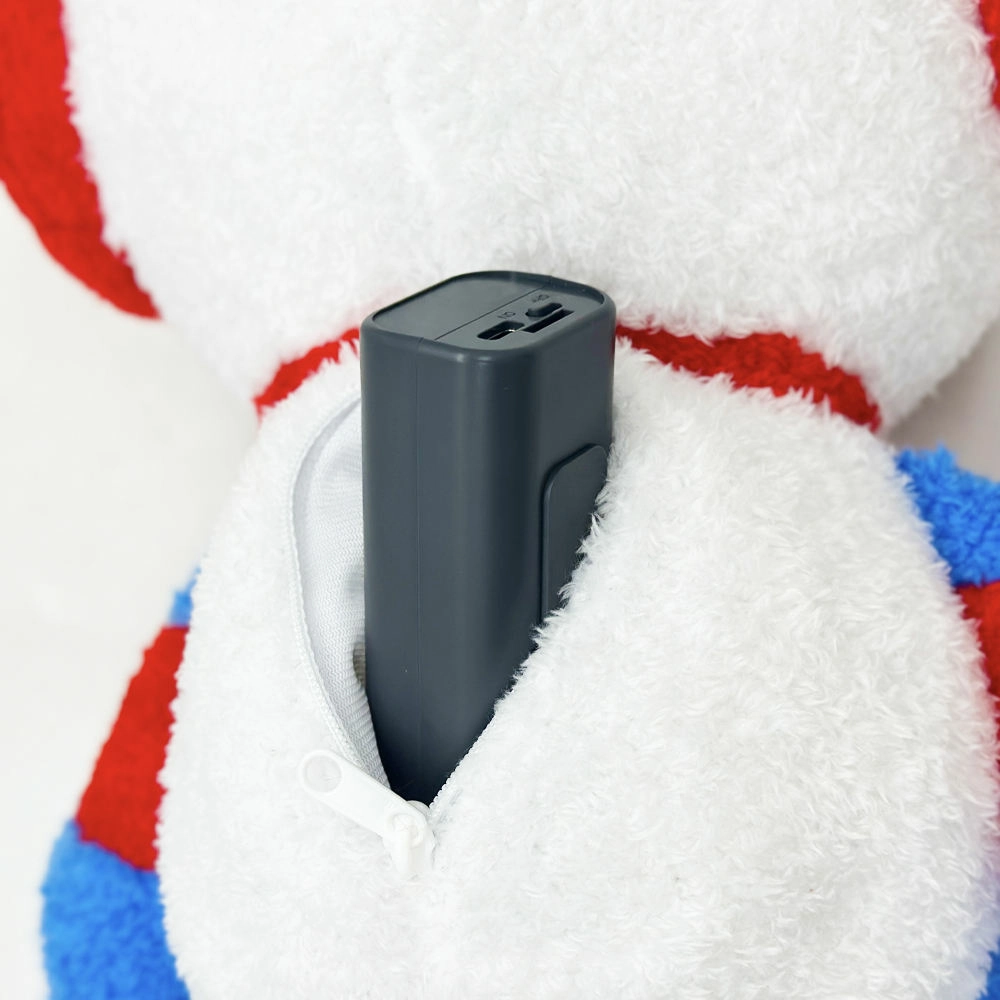
Answer Block Mini plush toys and plush keychains are defined by their compact structure and integrated hardware, where stitching strength, attachment type, and internal reinforcement directly determine durability and cost. In practical projects, most quality issues come not from fabric, but from how the hardware and structure are combined in a limited size. What Defines

Small Details on Plush Toys: Eyes, Noses & Accessories

Answer First Small parts on plush toys—such as eyes, noses, and accessories—directly affect safety, cost, and production stability.In most custom projects, these details determine whether a design can move efficiently from concept to mass production. Why Small Parts Matter More Than They Seem Small components are not decorative details; they define how a plush toy

Short Pile vs Long Pile Plush: Pros & Cons Explained

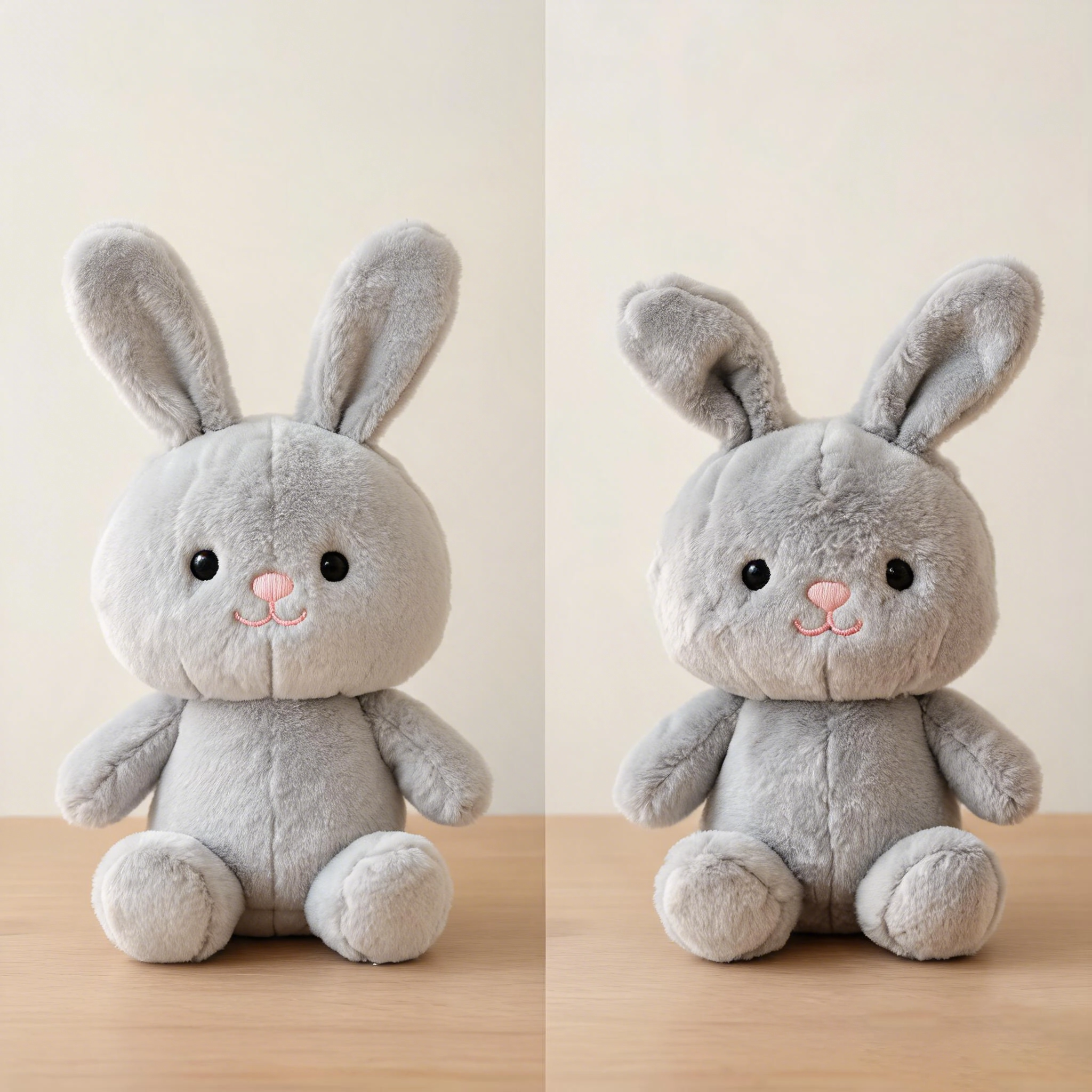
Short Answer: What’s the Difference? Short pile plush has a surface length typically under 5mm and delivers a smooth, clean finish with clear details. Long pile plush usually ranges from 10–30mm and creates a soft, fluffy appearance but reduces detail sharpness. The discuss which fabric suits your design between them is not aesthetic alone—it directly

Email WhatsApp Phone Top
Scroll to Top