
Quick Answer
Bulk stuffed animals work best for brand campaigns when they are planned as a useful campaign asset, not simply as a cheap giveaway. The right order balances the distribution plan, minimum order quantity, product complexity, and lead time.
For a fully custom project, 500–1,000 pieces per design or colourway is usually a practical planning range. Some simple first orders may be possible at 200–300 pieces, but the unit cost will normally be higher. A reliable quotation also needs the size, design, branding method, packaging, target market, and delivery destination.
Start With the Campaign Function, Not the Character
A custom promotional plush project should begin with its distribution role, not with a character sketch.
Ask one simple question first: what should the stuffed animal do for the campaign? A trade-show giveaway needs to be compact and easy to carry. A client gift can justify a larger, more detailed design. A retail add-on needs packaging and a stronger shelf presentation.
| Campaign goal | Suitable bulk stuffed animal direction | What matters most |
|---|---|---|
| Trade show or launch | Mini plush, plush keychain, small mascot | Portability, quantity, visible branding |
| Corporate gifting | Teddy bear, animal character, mascot plush | Perceived value, presentation, logo placement |
| Fundraising or community event | Recognisable animal or local mascot | Emotional connection, repeat visibility |
| Retail promotion | Collectible series, seasonal plush, branded character | Packaging, display appeal, reorder potential |
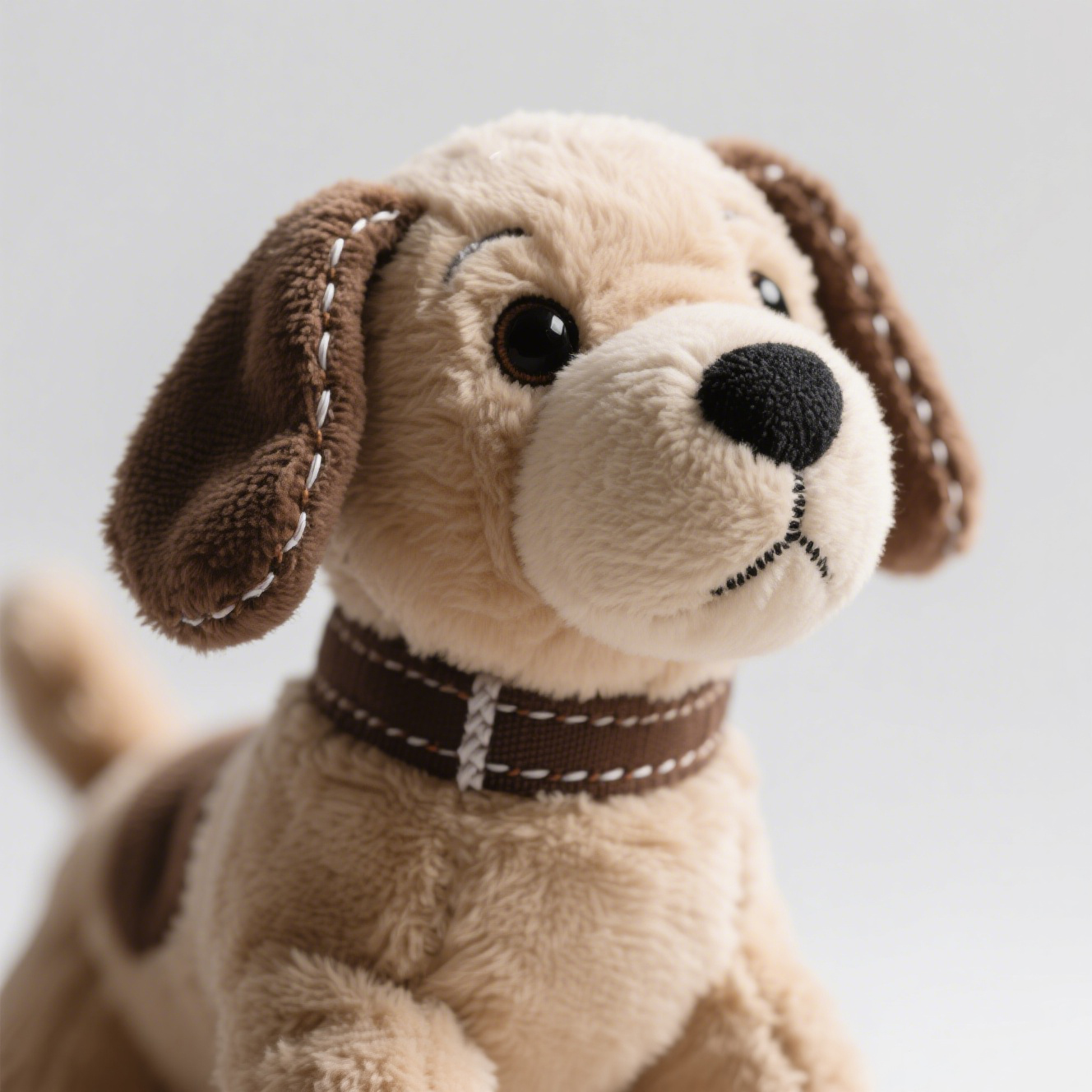
For stuffed animals in bulk, the most useful design is often not the most detailed one. It is the one that people can understand immediately, carry easily, and connect with the campaign after the event.
MOQ Is a Production Decision, Not a Negotiation Line
Many buyers ask for the lowest possible MOQ before deciding what they want to produce. That often creates the wrong starting point.
For custom plush toy projects, 500–1,000 pieces per design or colourway is a practical planning range. This allows suppliers to prepare fabric, embroidery files, labels, cutting patterns, and production time more efficiently.
Smaller orders can work when the design is simple, the fabric is available, and the packaging is not highly customised. However, lower MOQ does not automatically mean lower risk or lower total cost. A 200-piece order with a custom shape, several fabric colours, embroidered artwork, and a printed gift box can be harder to control than a 500-piece standard plush.
A useful campaign brief should confirm:
- Planned quantity and number of colourways
- Finished plush size
- Artwork, logo, or mascot reference
- Intended use and target audience
- Packaging requirements
- Target market and required delivery date
What Actually Changes Bulk Stuffed Animal Pricing?
There is no responsible fixed price for bulk plush toys before the product is defined. A vague “best price” request forces a supplier to guess the structure, materials, and finishing details.
The main cost drivers are usually clear.
| Cost factor | Lower-cost direction | Higher-cost direction |
|---|---|---|
| Size | Mini plush or compact keychain | Large display plush or oversized mascot |
| Shape | Simple animal silhouette | Multi-part character with unusual proportions |
| Facial details | Printed or simple embroidery | Dense embroidery, appliqué, layered details |
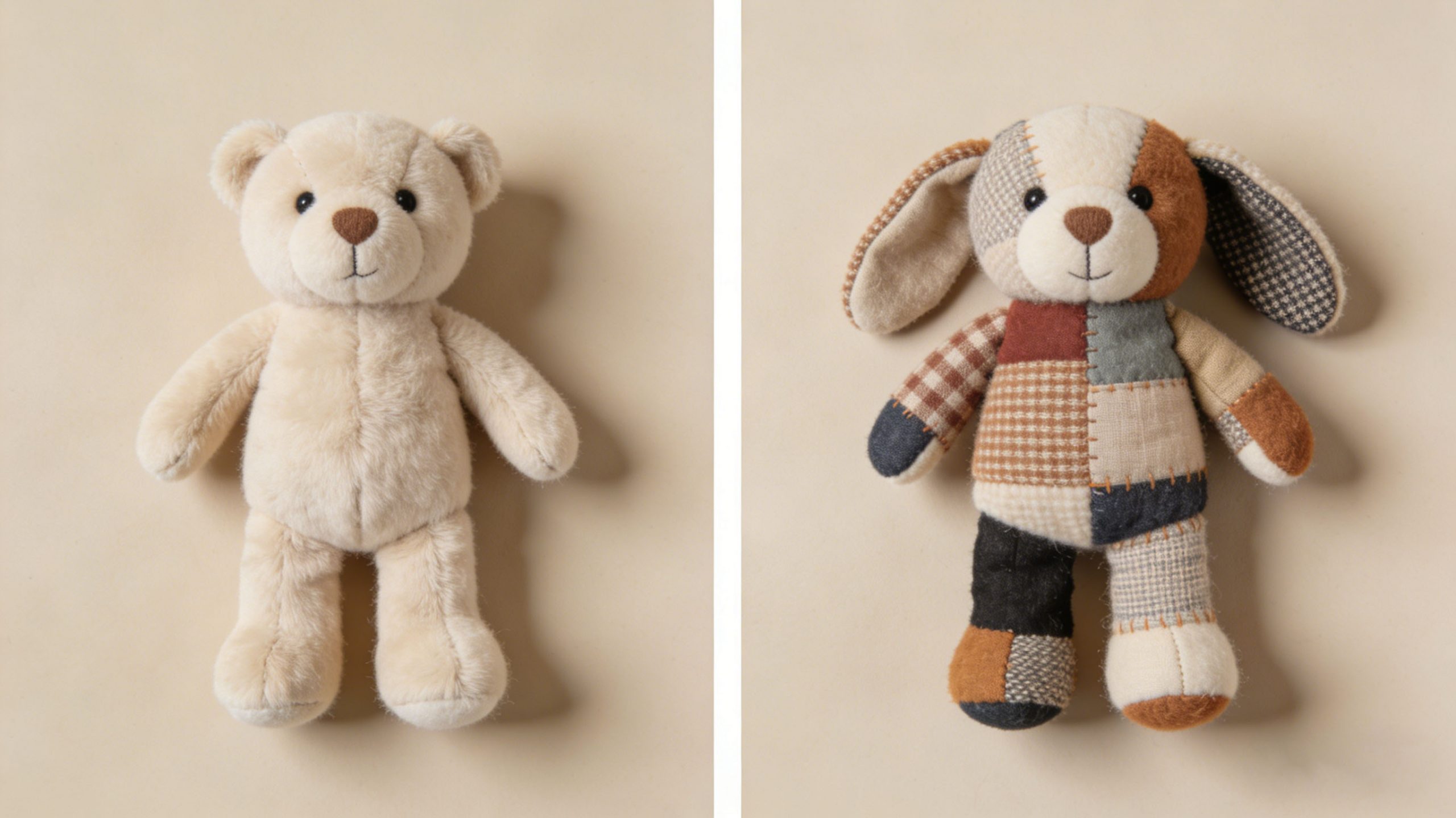
| Materials | Standard short plush or minky | Custom fabrics, faux fur, special textures |
| Branding | Woven label or simple embroidery | Custom clothing, multiple logo placements, accessories |
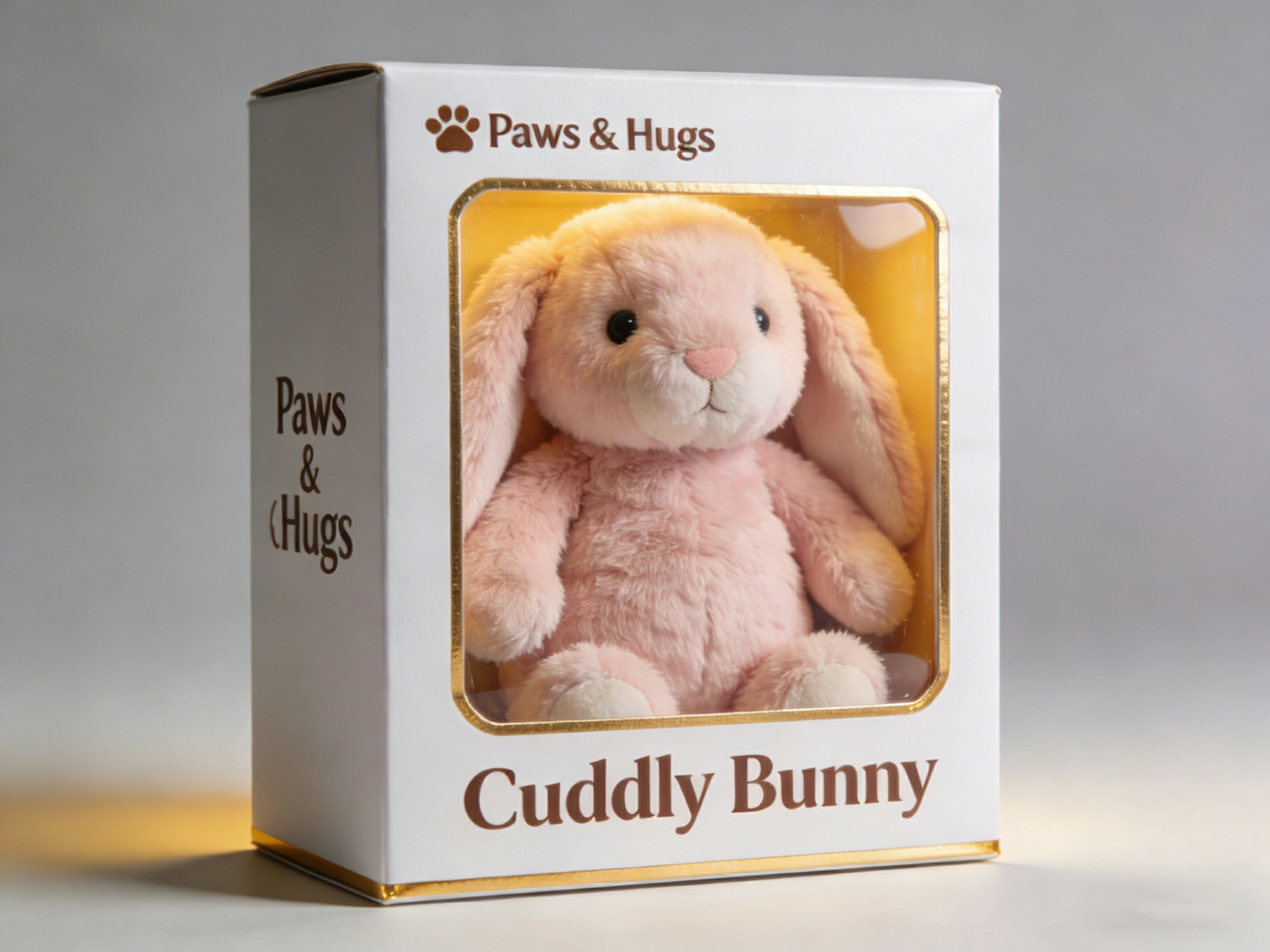
| Packaging | Standard polybag | Printed box, display packaging, inserts, barcode labels |
| Quantity | One design in a larger run | Multiple low-volume variants or colourways |
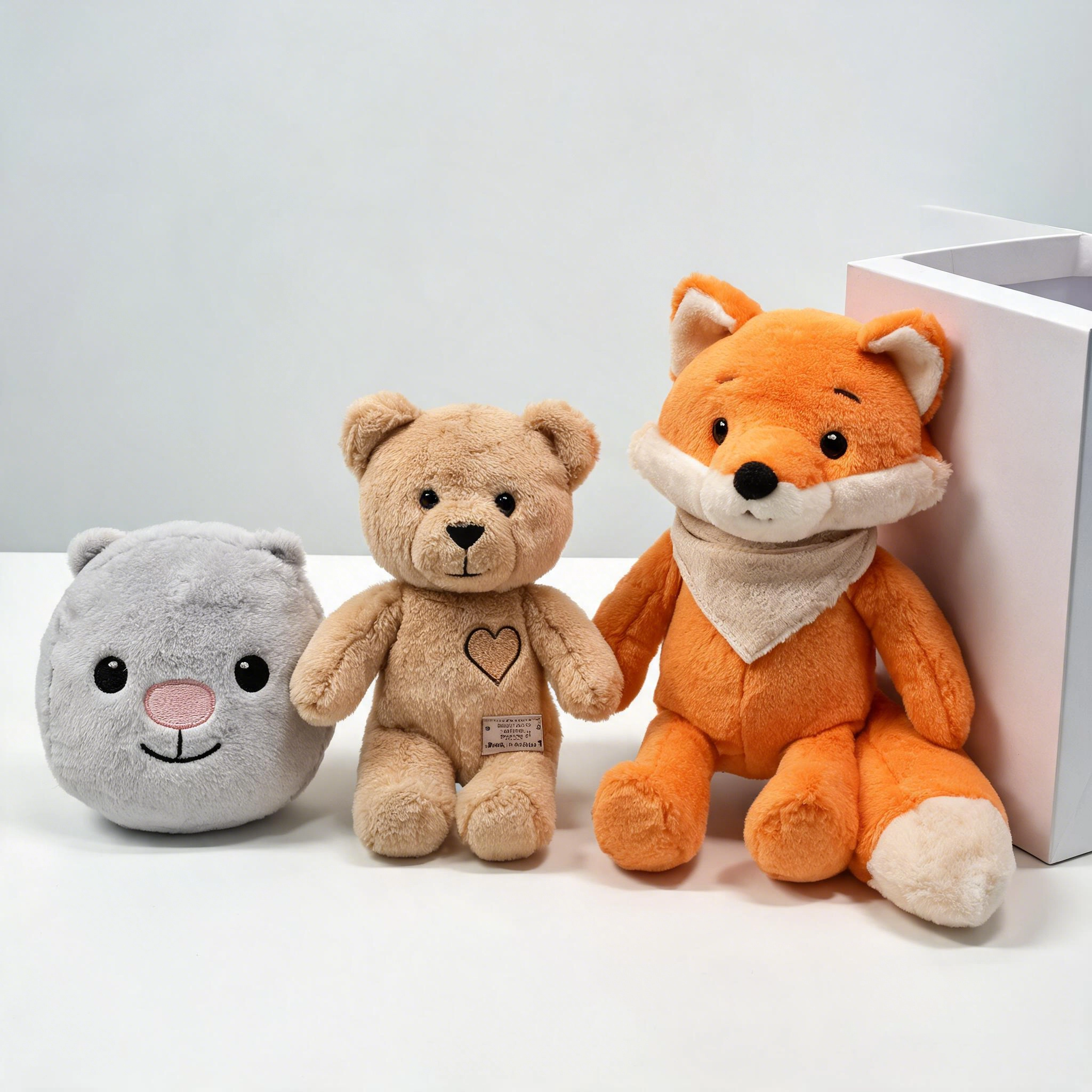
One common mistake is treating the plush itself and its packaging as separate decisions. For campaign products, the packaging may change the total landed cost, carton size, and shipping plan more than expected.
We usually recommend approving the product format first, then deciding whether the campaign needs a basic protective bag, a branded retail package, or no individual packaging at all.
Match the Plush Format to the Distribution Plan
The same brand concept can become very different products.
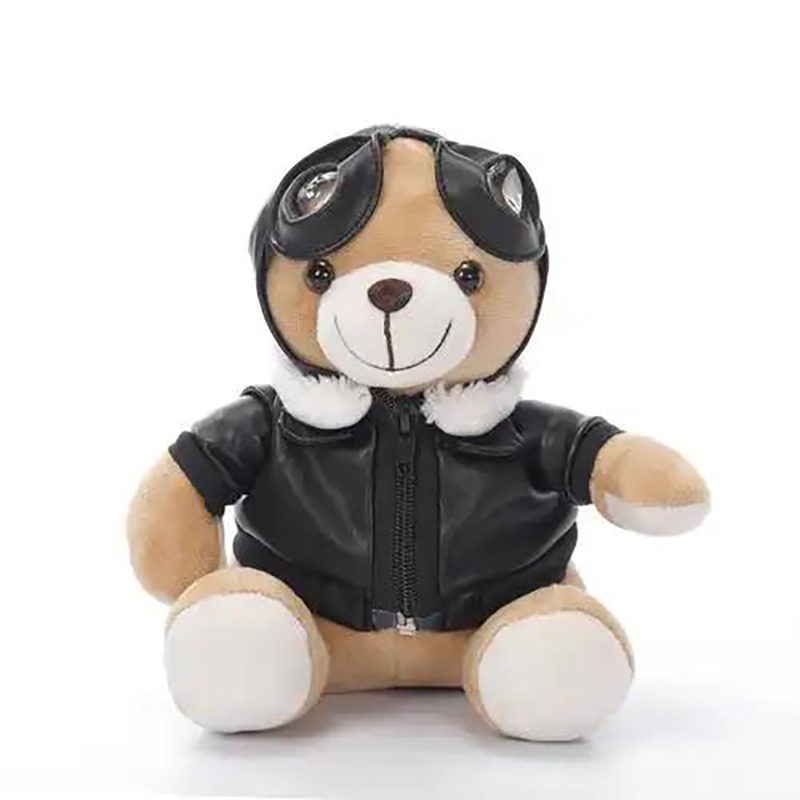
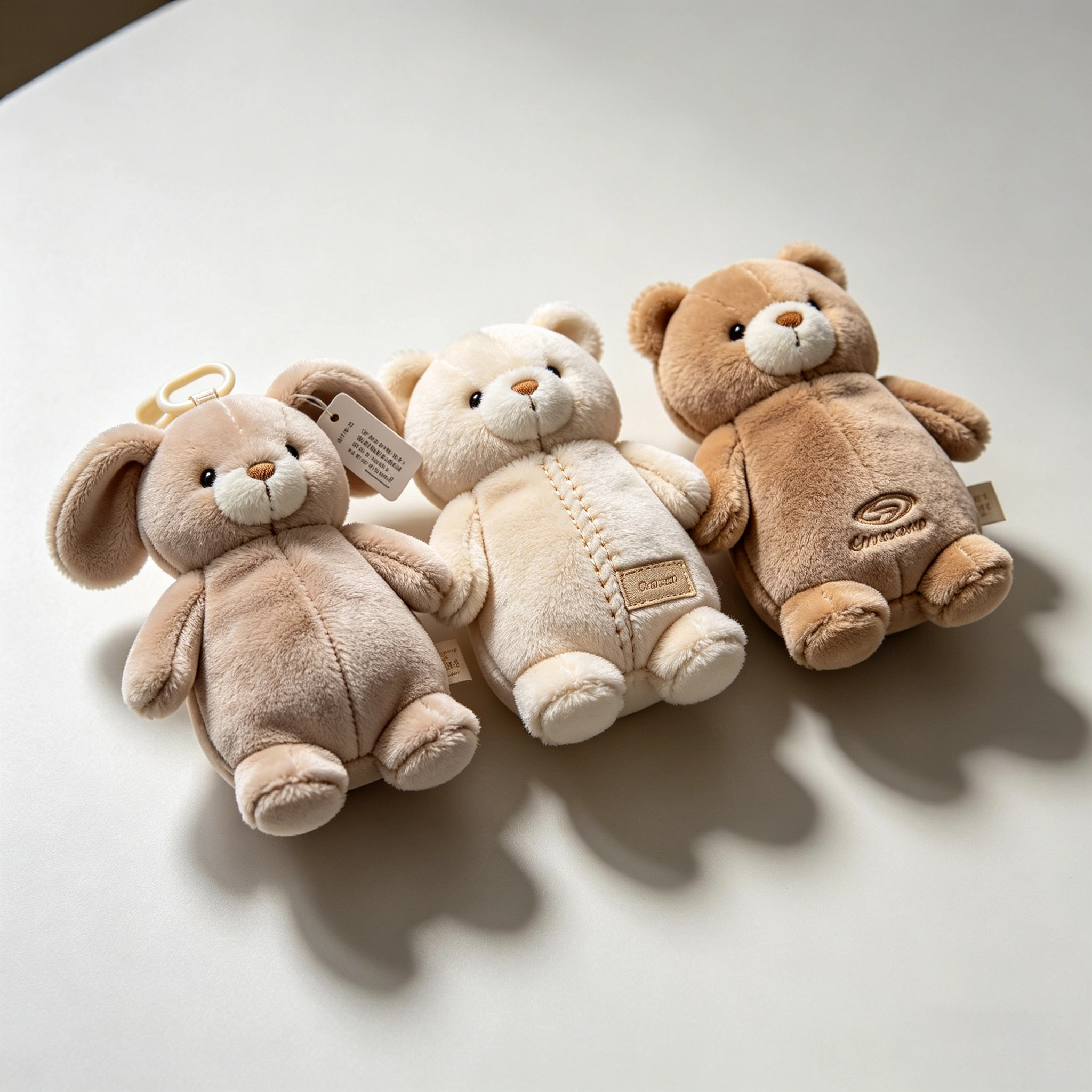
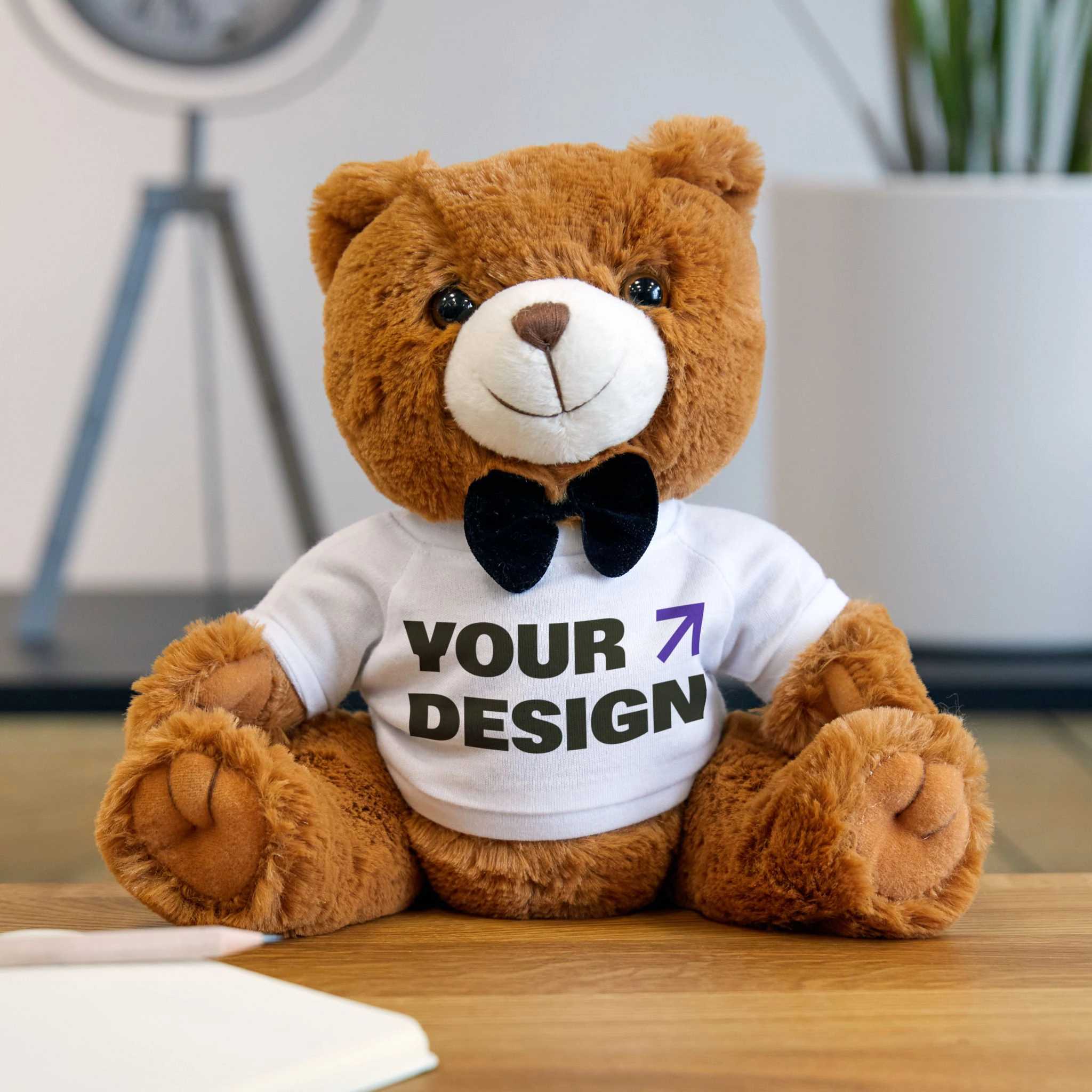
A plush keychain is useful when the campaign needs wide distribution and a lower shipping volume. A mini mascot can work well for event bundles or staff gifts. A teddy bear with a removable shirt gives more space for branding, but the shirt adds sewing, printing, and sizing decisions.
Bulk soft toys are often strongest when the branding is built into the product naturally. A woven label, embroidered chest detail, hangtag, or small accessory can look more intentional than placing a large logo on every surface.
Avoid adding details just because they look impressive in a digital mock-up. Long ribbons, detachable accessories, plastic parts, or complex clothing may add cost, approval time, and compliance questions without improving campaign results.
Branding Should Survive Distribution
A campaign plush may be photographed, packed into bags, carried through an event, and kept on a desk or shelf. The branding needs to remain clear after all of that.
For simple logos, embroidery is often more durable and more premium-looking than a large printed patch. For detailed artwork, a printed T-shirt or hangtag may reproduce the design more accurately. Neither method is always better.
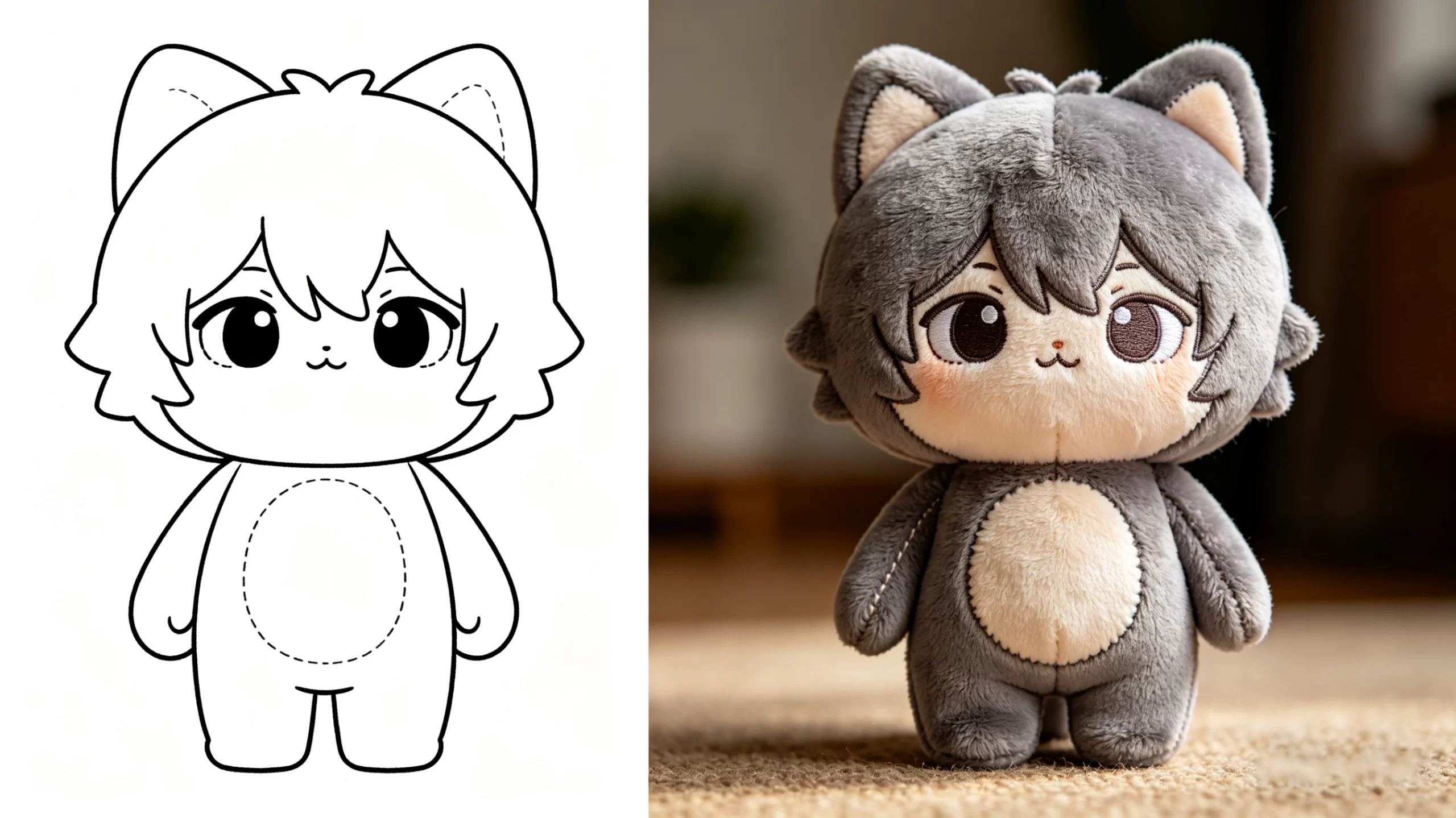
The right choice depends on the artwork, plush size, expected use, and budget. During sampling, review the logo at the real product scale. A logo that looks clear on a screen can become too small, crowded, or distorted on a 10 cm plush.
Plan Backward From the Campaign Date
A fixed event date should be shared before quotation, not after the sample is approved.
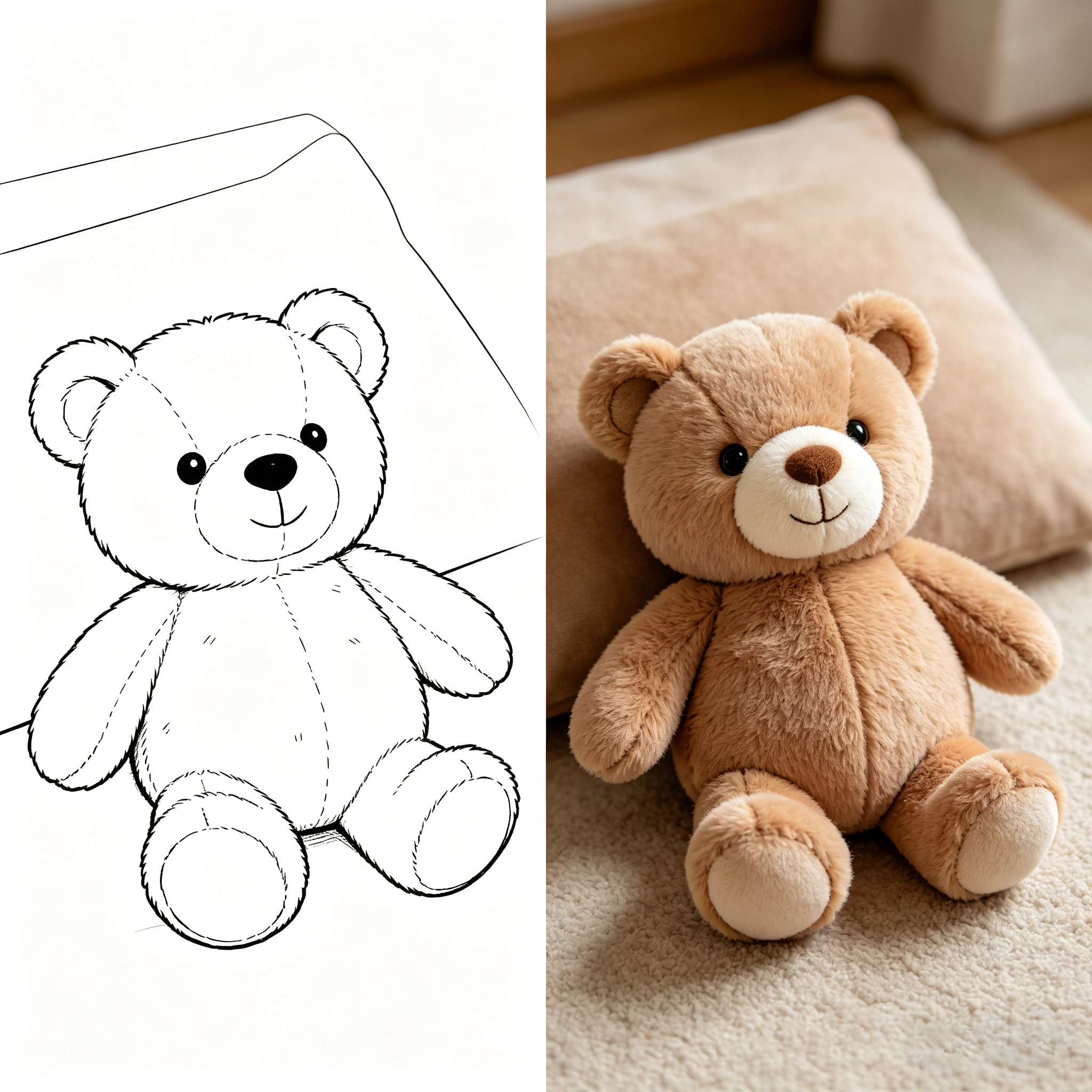
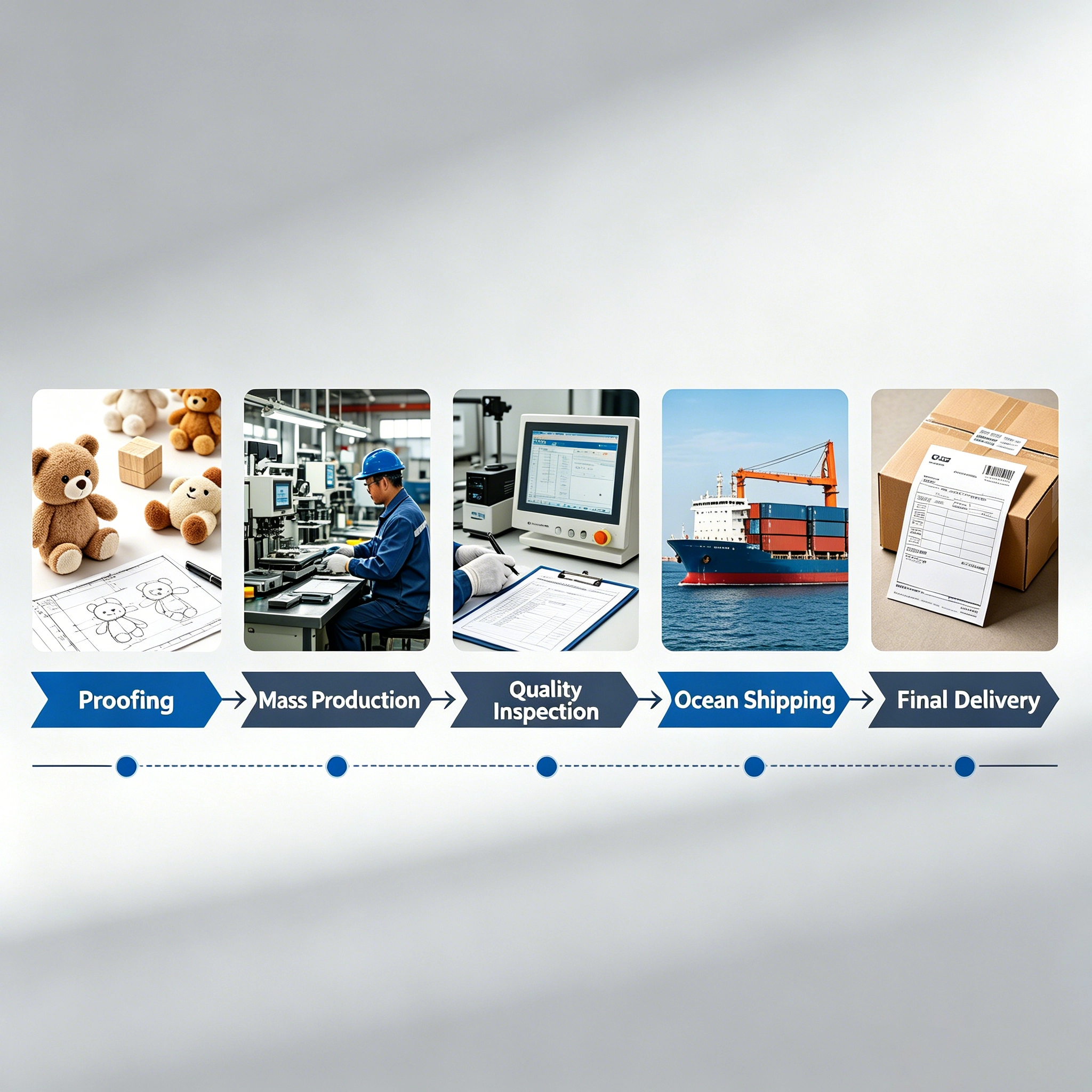
Standard samples often take about 7–15 days once details are confirmed. Complex characters, special accessories, or several revision rounds can take longer. Bulk production is normally planned after written sample approval, with the final schedule depending on design complexity, quantity, packaging, and shipping method.
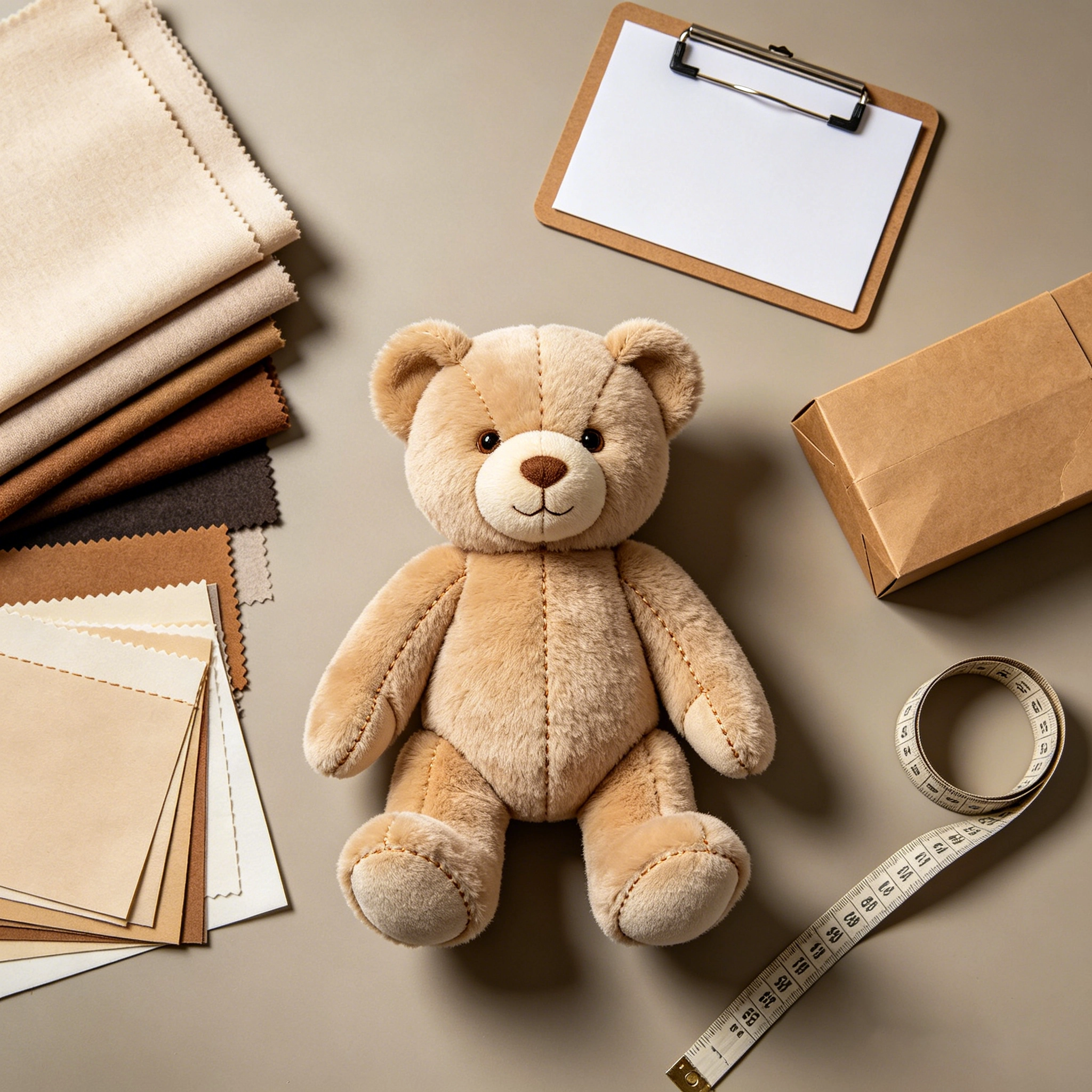
A physical plush toy sample is the only reliable way to approve size, fabric hand feel, logo placement, and packaging together.
For time-sensitive campaigns, work backward from the date the goods must arrive at the destination. Leave room for sample review, revisions, production, inspection, freight booking, customs clearance, and unexpected artwork changes. The most avoidable delay is approving a sample while the packaging artwork is still unfinished.
When Child-Market Compliance Needs to Enter the Brief
Do not treat a marketing plush as automatically exempt from toy rules simply because it is a giveaway.
When an item is intended for children, review children’s plush toy safety standards and decide its market, age grade, and components before the sample is made. For US campaigns, review the CPSC’s Toy Safety Business Guidance before assuming that a promotional plush is outside toy requirements.
For EU distribution, consult the European Commission’s guidance on placing toys on the EU market before finalising product details and packaging.
This matters most when the plush includes plastic eyes, detachable clothing, cords, magnets, sound modules, batteries, or small accessories. A simple embroidered-face plush is often easier to assess than a complex character with many added parts.
Key Takeaways
- Start with the campaign’s distribution goal before choosing a plush format.
- Treat MOQ as part of production planning, not as a standalone number.
- Pricing changes most with size, shape, branding, packaging, and quantity.
- Approve the actual sample before committing to bulk production.
- For children’s campaigns, confirm market and compliance requirements before development begins.
FAQ About Bulk Stuffed Animals for Brand Campaigns
Can two colourways share one MOQ?
Usually, MOQ is calculated by design and colourway because different colours may need separate fabric preparation, embroidery setup, labels, or production planning. Closely related variants can sometimes be reviewed together, but this should be confirmed from the final specifications.
Is vector artwork necessary for a bulk stuffed animal order?
It is helpful for logos, printed clothing, hangtags, and packaging. A clear PNG or PDF can still be enough for an initial review, but vector artwork reduces the risk of blurred edges or incorrect logo proportions during production.
Can a bulk plush order be shipped compressed?
Some soft plush products can be packed more efficiently, but compression should be reviewed carefully for long-pile fabrics, structured accessories, or products that need a premium presentation. The final packing method should protect the approved shape and appearance.
Who should approve the final sample?
The person responsible for artwork, product quality, packaging, and campaign timing should all review it before approval. Splitting approval across several teams after production begins often leads to preventable changes and delays.
Can a campaign plush later become a retail product?
Yes. The core plush can remain the same while labels, hangtags, barcodes, packaging, and compliance information are adapted for retail. Plan this possibility early if a successful giveaway may later become part of a product line.
What information should be sent for a first quotation?
Send the design reference, approximate size, quantity, destination country, preferred branding method, packaging idea, target audience, and required delivery date. This gives the supplier enough information to recommend a realistic direction instead of a rough guess.
How should brands order bulk stuffed animals for a campaign with a fixed date?
Start with the delivery deadline, then allow time for design review, sampling, revisions, production, inspection, and shipping. The earlier the campaign brief includes the event date and destination, the more accurately the project can be planned.
Ready to Review Your Campaign Plush Idea?
A strong bulk stuffed animal campaign does not require finished technical drawings before the first conversation. A logo, mascot, rough sketch, product reference, planned quantity, target date, and destination are enough to begin a practical review. We can help you compare formats, identify cost-sensitive details, and decide what should be confirmed before sampling.
Contact Wehao Toys for a Custom Plush Toy Project