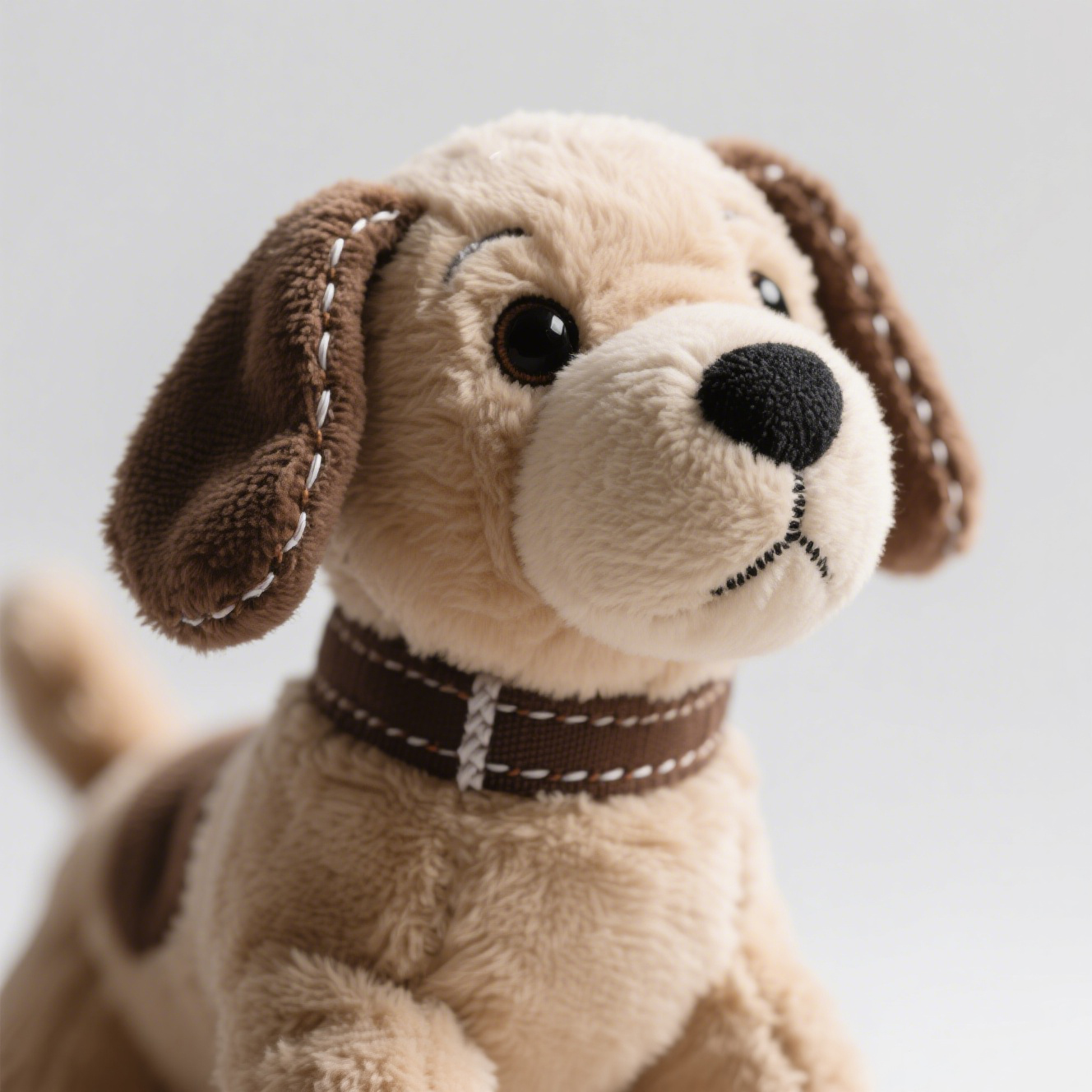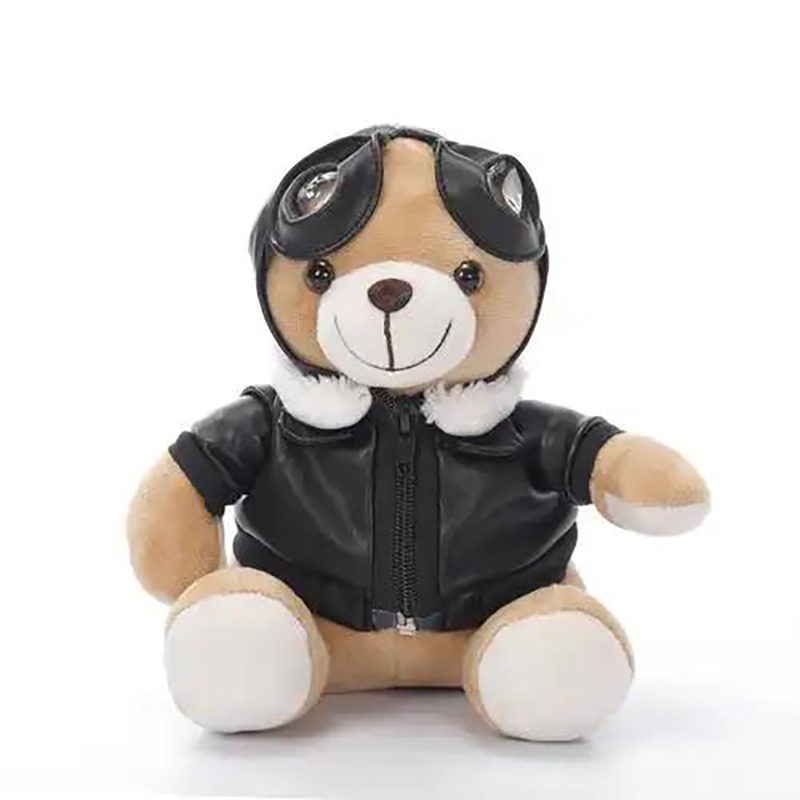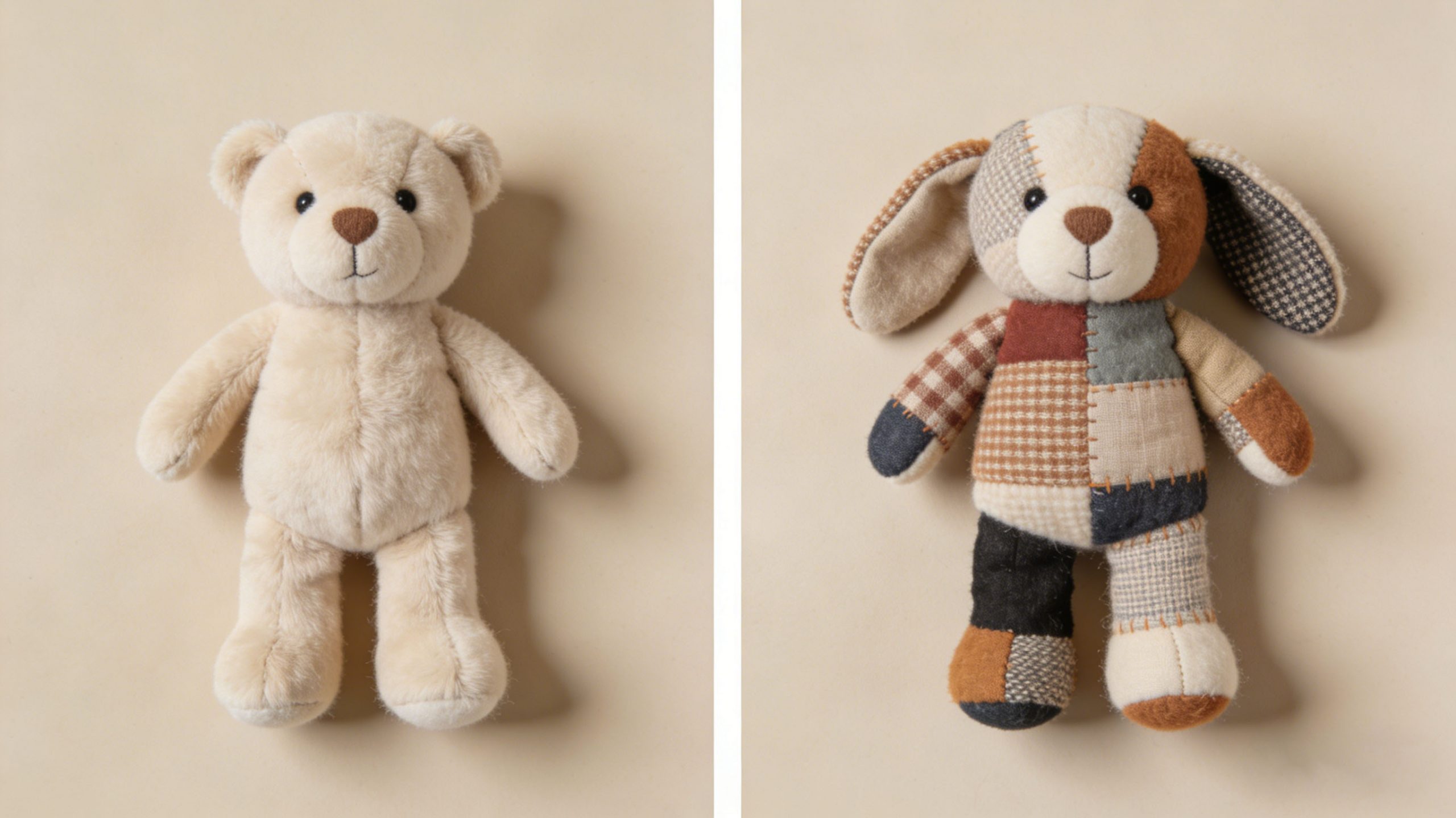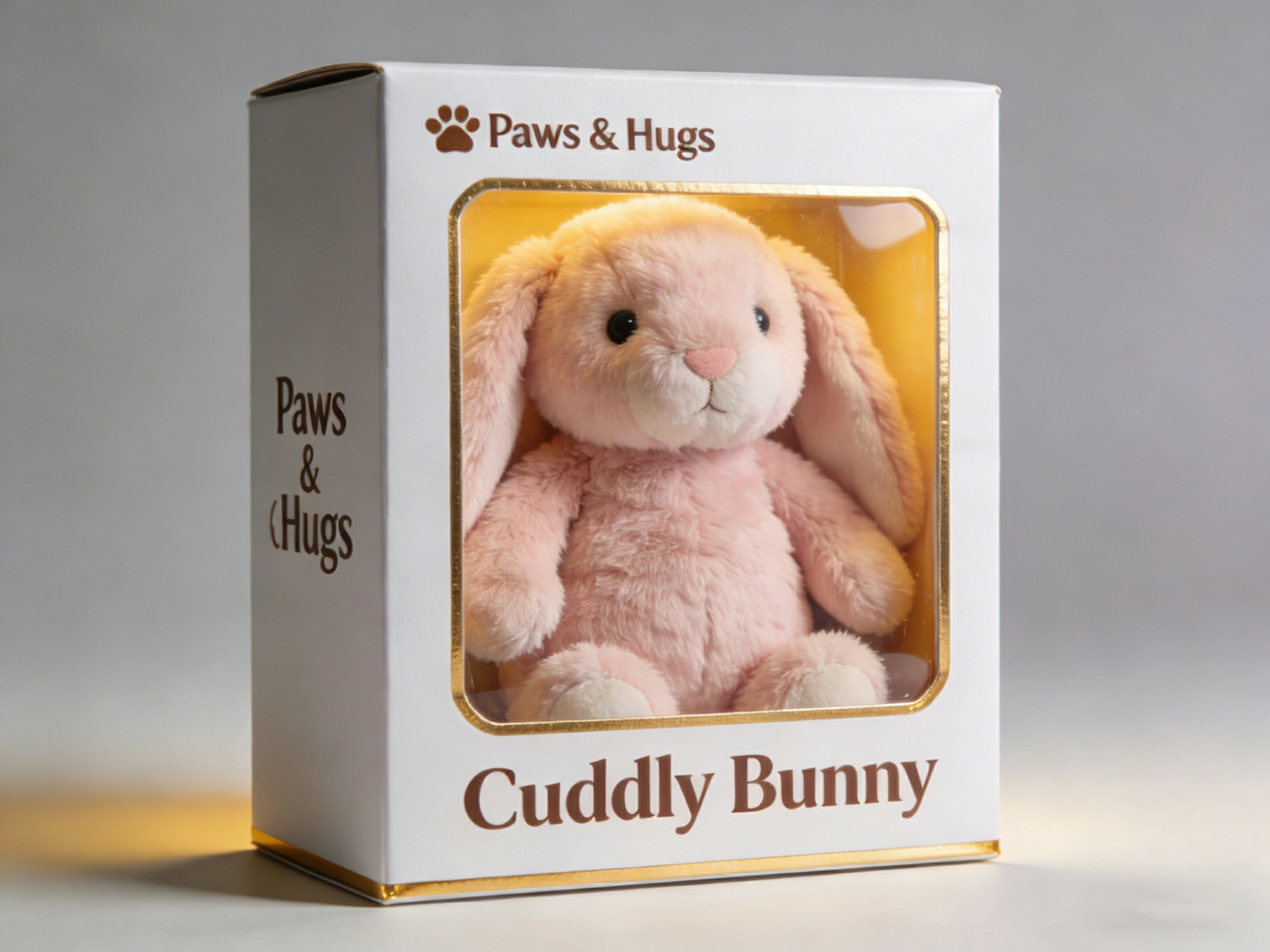

Branded merchandise becomes more memorable when people experience it as an object they want to keep rather than advertising they happen to receive. Plush can support this because it combines physical touch, recognizable shape, character expression and repeated visibility in one product.
That does not mean every plush toy creates stronger brand recall than a useful bag, bottle or piece of apparel. The advantage appears when the plush translates something distinctive about the brand into a physical object. A generic teddy bear with a large logo may still feel like ordinary merchandise. A recognizable mascot, character or carefully developed visual symbol can work very differently.
Branded Merchandise Is Remembered When It Becomes More Than Advertising
The basic case for physical branded merchandise is already strong. PPAI’s Product Power 2026 consumer research reported that 83% of surveyed U.S. consumers said receiving a promotional product made them feel appreciated, while 90% said it improved their perception of the brand. About 72% associated branded merchandise with positive emotions such as pride, belonging or gratitude.
Those figures apply to branded merchandise as a category, not specifically to plush toys. They also come from U.S. consumers, so they should not be treated as an automatic benchmark for every European market. What they do show is that physical merchandise can carry emotional meaning beyond simple logo exposure.
Another useful signal is retention. Recent PPAI research involving more than 3,400 U.S. consumers found that nearly 90% kept branded merchandise either regularly or occasionally. Once an item stays with someone, the brand has more opportunities to be seen again.
This is where plush can become interesting for a brand merchandise program. Its role is not simply to carry a logo. Its role can be to give the brand a physical form worth keeping.
Why Plush Adds More Memory Cues Than a Printed Logo Alone
Most conventional company swag separates the product from the brand. The bottle is still a bottle. The notebook is still a notebook. Branding is usually added onto an existing object through printing, engraving or embroidery.
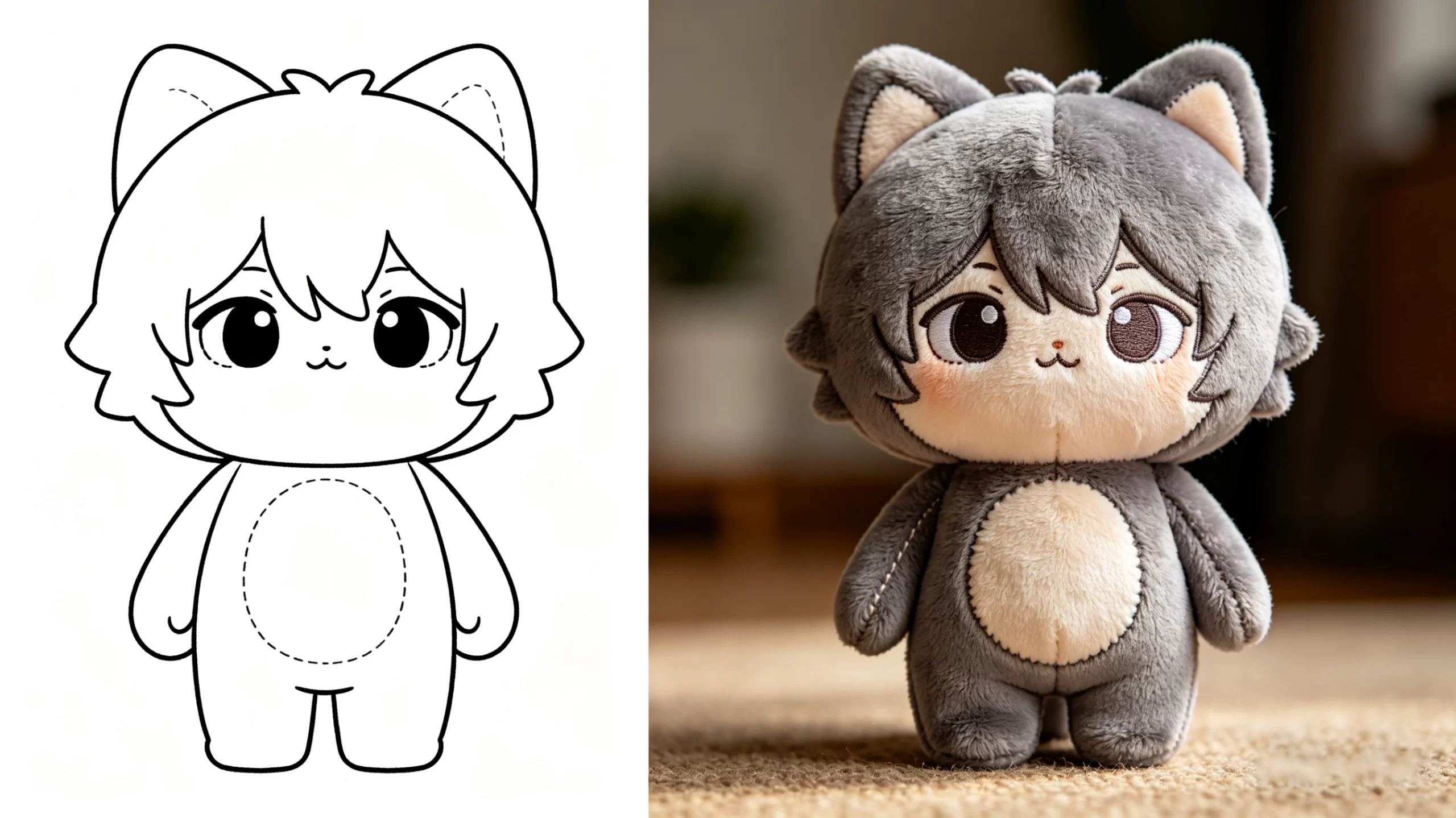
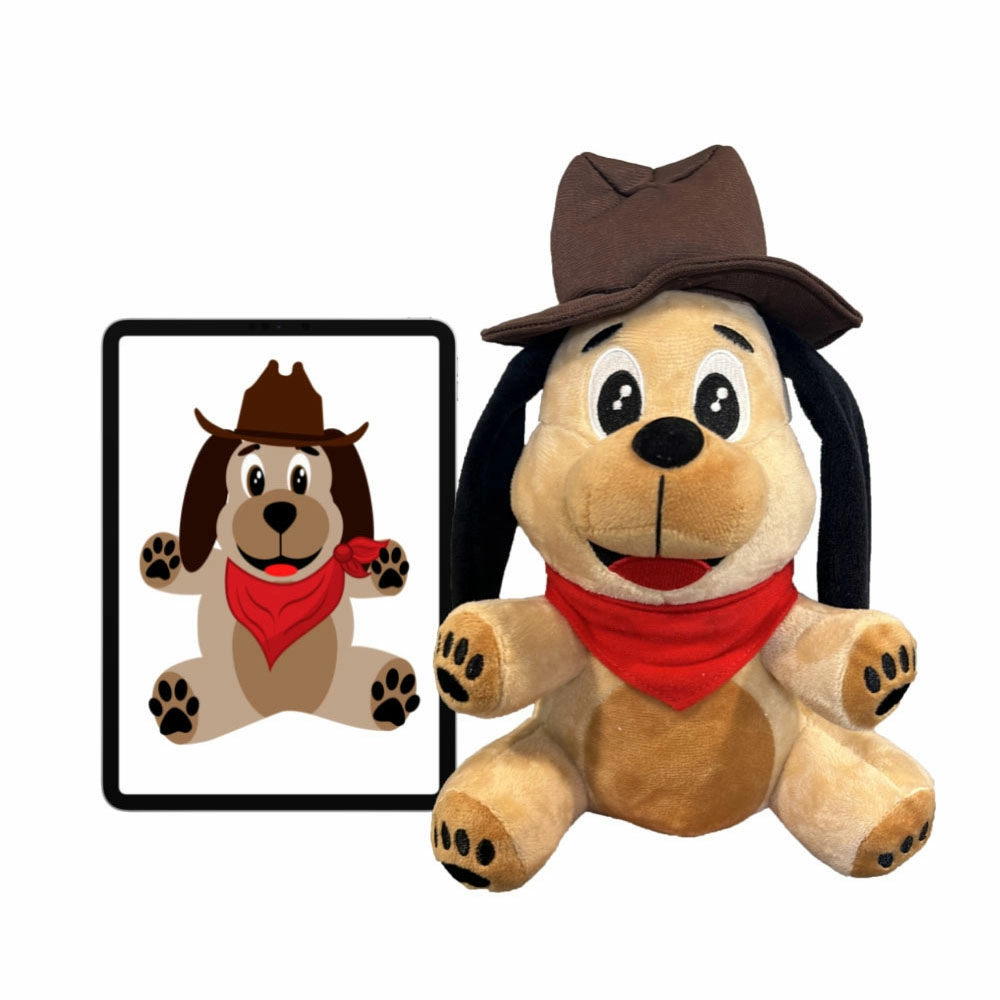
A custom character plush can operate differently. The shape itself can become the branding.
If a company already has a mascot, animal symbol or recognizable character, the customer does not always need to read a logo to know what the object represents. Silhouette, facial features, colors and proportions can become recognition cues of their own.
Touch adds another layer. Consumer research published in the Journal of Consumer Research found that merely touching an object can increase perceived ownership, while the quality of the touch experience can also influence valuation. That study was not about plush merchandise, so it should not be interpreted as proof that softness automatically creates brand loyalty. It does explain why the physical feel of merchandise should not be treated as a minor production detail.
For campaign buyers, the important question is not whether plush looks cute, but whether the product format gives the brand a distinct physical identity.
Emotional Recall Depends on Design, Not Just Softness
A plush toy is not memorable simply because it is soft.
If ten companies hand out similar teddy bears wearing different printed shirts, the recipient may remember receiving a teddy bear but fail to remember which company supplied it. The product category has been remembered while the brand has been lost.
Stronger recall normally needs distinctive cues.
| Design Cue | What It Can Help People Remember | Main Risk |
|---|---|---|
| Recognizable silhouette | The overall brand character | Generic shapes look interchangeable |
| Facial expression | Character personality | Small changes can weaken recognition |
| Brand colors | Visual identity | Fabric and screen colors may differ |
| Surface texture | Physical experience | Cheap hand feel can reduce perceived value |
| Portable format | Repeated visibility | Oversized designs may stay at home |
| Display-friendly shape | Desk or shelf presence | Poor balance reduces display value |
| Character story or edition | Campaign context | Too much complexity can dilute the idea |
This distinction matters during design development. Buyers sometimes focus heavily on where the logo should appear while giving less attention to the character’s face, silhouette or fabric feel. For character-based custom merch, those elements may carry more recognition than another printed logo.
The Brand-Recall Loop: Receive, Touch, Keep, Re-See
The useful way to think about plush merchandise is not as one advertising impression. It is a possible sequence of repeated interactions.
Receive → Touch → Keep → Display or Carry → See Again → Remember the Brand
A small plush character may first be received as a gift. The recipient handles it, takes it home and places it on a desk. A plush keychain may move onto a backpack. A larger mascot may stay in an office, store or reception area.
None of these outcomes is guaranteed. The product has to earn its place.
However, when it does remain visible, brand exposure changes from a single campaign moment into repeated contact with the same physical object. That is one reason retention matters so much in branded merchandise.
The strongest branded merchandise ideas for plush toy campaigns therefore start with one question:
Where should this product still be one month after the customer receives it?
That question often produces better design decisions than asking how large the logo should be.
What Turns Custom Merch Into Forgettable Company Swag
Plush loses most of its potential when the design becomes generic.
One common problem is putting the company’s logo onto a standard animal that has no connection with the brand. This may still be useful as low-cost company swag, but it gives the recipient very few reasons to associate the shape with one specific company.
Another problem is over-branding. Making the logo larger does not automatically make the item more desirable. If the product starts to feel like an advertisement rather than merchandise, the likelihood of long-term display may fall.
Poor material selection creates a similar problem. PPAI research has found that consumers use product feel, weight and texture when judging promotional-product quality. With plush, those factors are especially visible because touching the surface is part of the product experience.
There is also a campaign-fit problem. If the campaign is specifically a trade show, portability and distribution speed may matter more than emotional recall alone. A large plush might create attention at the booth but become inconvenient for thousands of visitors to carry around.
The best custom merch is therefore not the plush with the most branding. It is the plush where brand recognition and product desirability support each other.
Choose the Plush Format by Where the Memory Should Happen
Different plush formats create different types of repeated exposure.
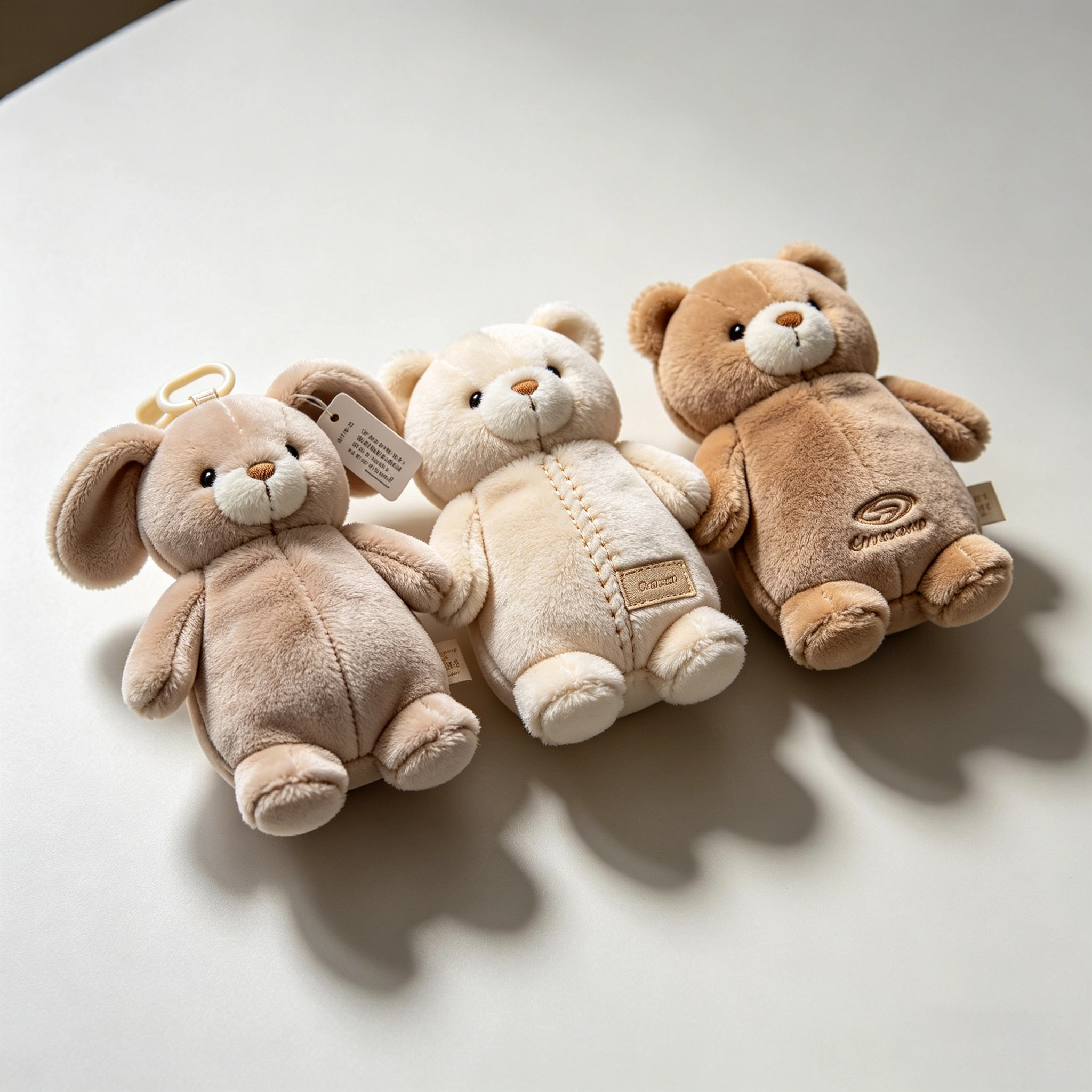
A plush keychain can stay on a bag and travel with the recipient. A mini mascot can stay on a desk. A medium character plush can work better as a client gift, employee recognition item or limited campaign reward. A collectible series can create repeated interaction when several characters or editions are developed over time.
This does not mean brands should automatically build several SKUs. More characters, colors and accessories can mean more sampling, separate embroidery files, material allocation and inventory planning.
Instead, decide what behavior you want after distribution.
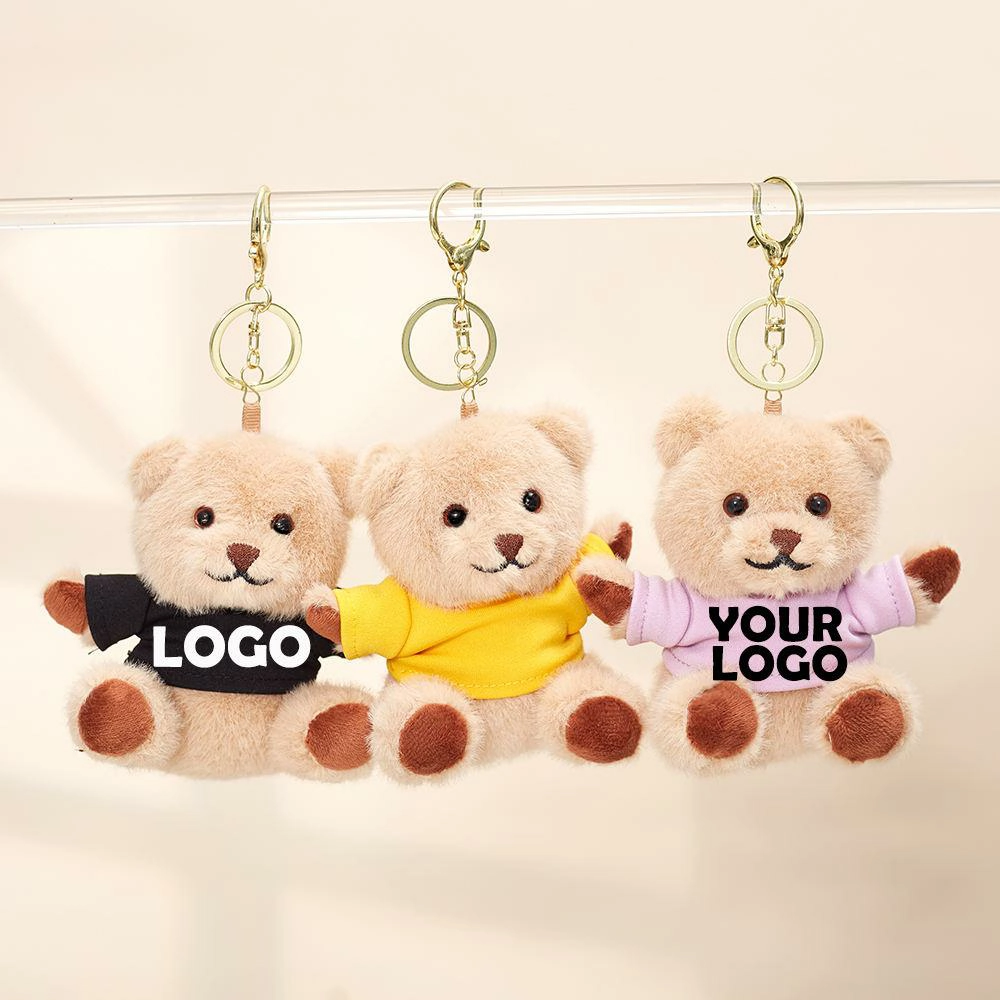
If portability matters, smaller formats usually make more sense. If the merchandise should feel like a premium gift, increasing size and improving material quality may provide more value. If the objective is character recognition, the clearest silhouette may be more important than either size or packaging.
For a gift-with-purchase campaign, the merchandise also needs to feel desirable enough to support the purchase threshold. For event distribution, the product needs to remain practical to store, transport and hand out.
The same mascot can therefore require different product formats for different campaigns.
Sample for Recognition Before You Sample for Decoration
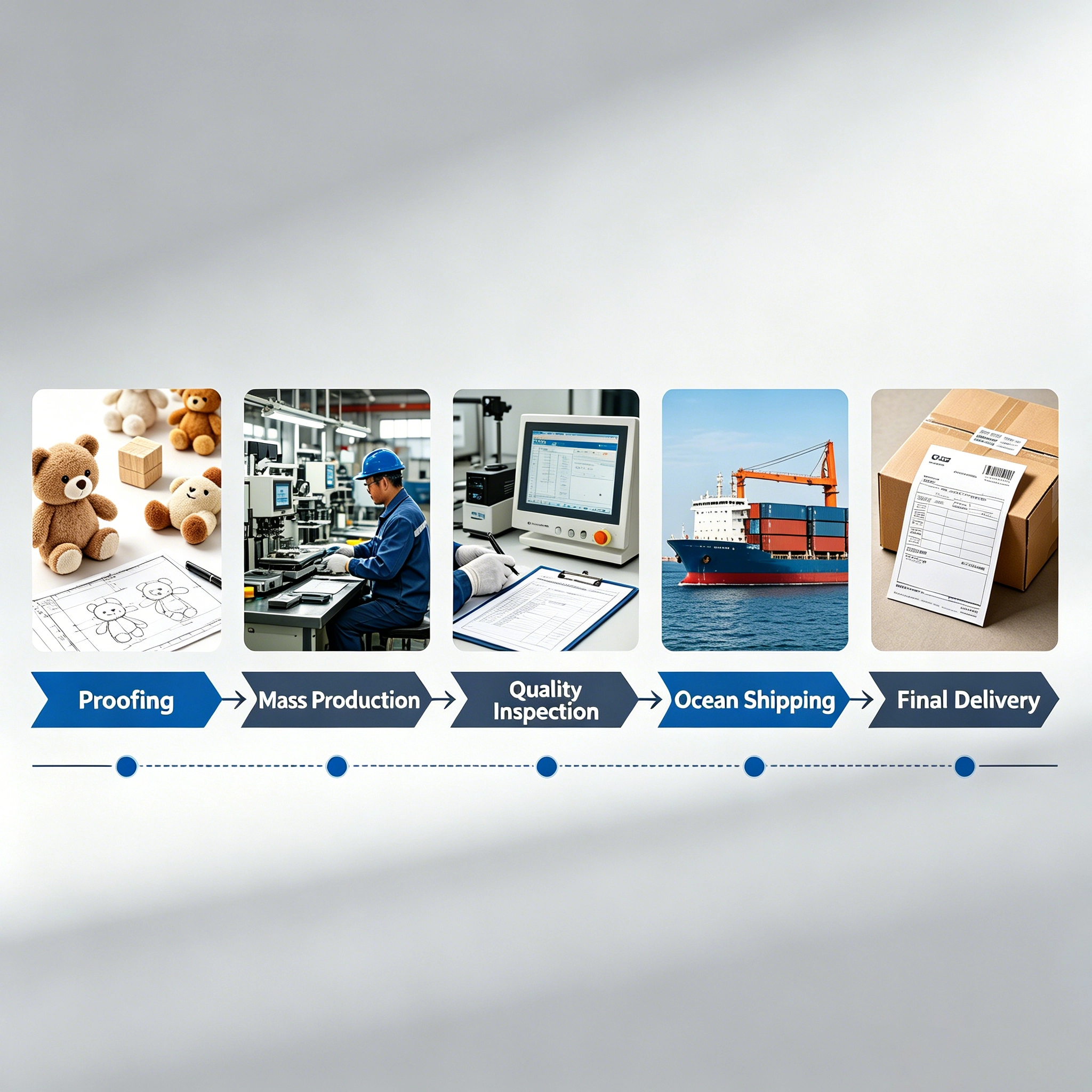
Sampling is where emotional branding becomes a physical product.
In our sampling experience, one of the easiest mistakes is approving the individual details while missing the overall character. The embroidery may match the artwork. The fabric color may be close. The logo may be correctly positioned. Yet the finished plush can still feel wrong because the eyes are slightly too far apart, the head shape is too narrow or the stuffing changes the silhouette.
This is why we usually recommend reviewing the first prototype from a distance before inspecting small details.
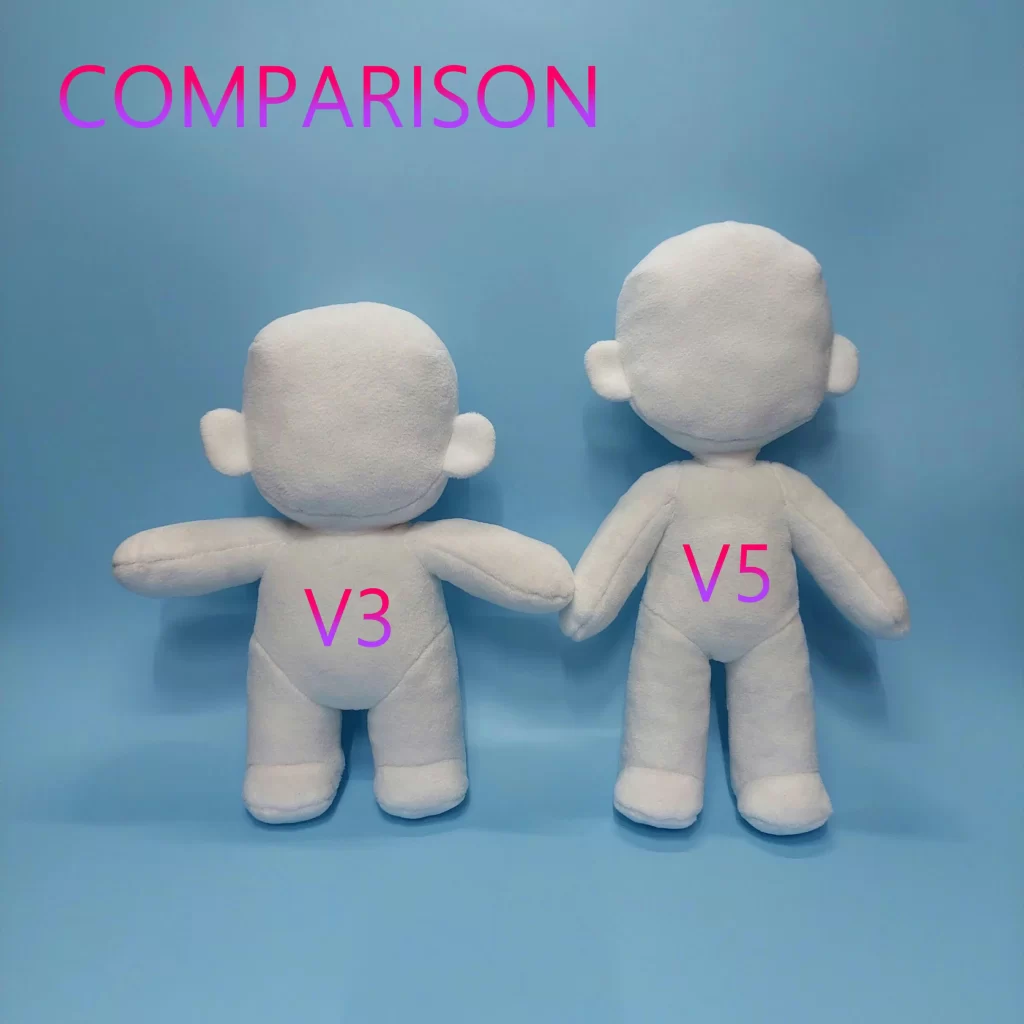
Ask whether someone familiar with the brand could recognize the character without reading the logo.
Then inspect:
- silhouette and proportions;
- facial expression;
- main brand colors;
- fabric texture and pile length;
- embroidery position and density;
- stuffing firmness;
- clothing or accessories;
- logo visibility;
- how the product sits, hangs or displays.
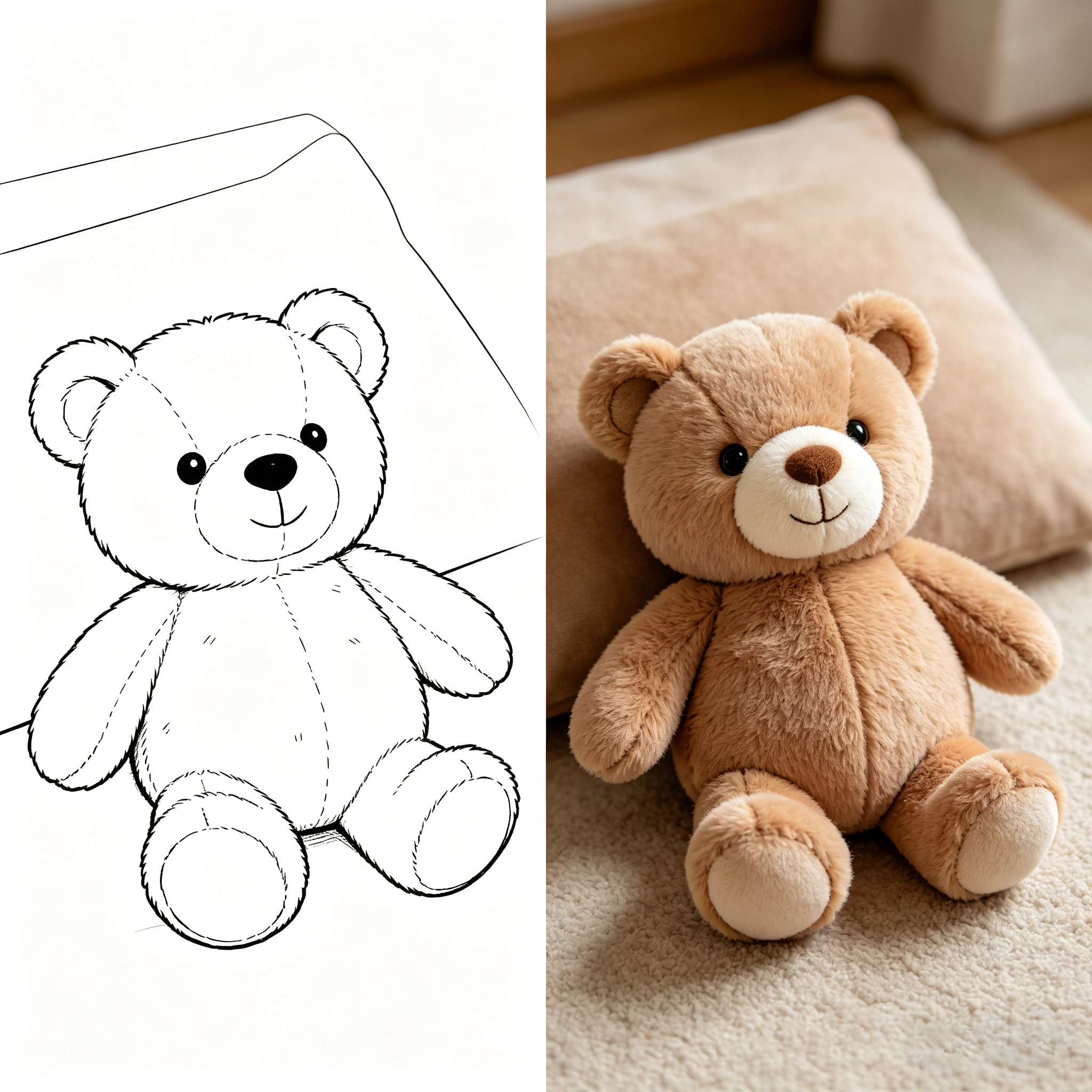
A physical sample lets the team judge the silhouette, fabric hand feel, embroidery, stuffing balance and brand colors together.
For character-led brand merchandise, these are not separate production details. Together they create the final recognition experience.
A Practical Pre-Production Recall Check
Before approving branded plush merchandise for production, a brand team can use a simple test.
First, temporarily hide the logo.
Can people who already know the brand still identify the character, symbol or visual identity?
Second, consider where the product will live after distribution.
Would someone reasonably attach it to a bag, keep it on a desk, place it on a shelf or give it to someone else?
Third, handle the sample.
Does the fabric, stuffing and construction feel consistent with the level of quality the brand wants to communicate?
Finally, check whether the product still makes sense without the campaign explanation. The strongest branded merchandise usually remains understandable after the event banner, sales message or promotional packaging disappears.
If the plush only works when a salesperson explains what it represents, the design may need stronger visual identity.
Key Takeaways
Plush toys can create stronger emotional recall when they turn recognizable brand assets into physical objects people want to touch, keep and see again.
The important advantages are not simply softness or cuteness. They come from the combination of:
- tactile interaction;
- recognizable character design;
- distinctive silhouette and colors;
- repeated display or carrying;
- perceived product quality;
- emotional or campaign context.
However, plush is not automatically better branded merchandise. Generic shapes, poor hand feel, oversized logos and weak character translation can remove most of the advantage.
For brands developing custom merch, the strongest starting point is therefore not, “Where should we put our logo?”
A better question is:
“What part of our brand can become an object people will still recognize and want to keep?”
FAQ
Can branded plush merchandise work if our company does not have a mascot?
Yes. A plush product can be developed around an animal, product symbol, simplified brand icon or campaign character instead of an existing mascot. However, using a generic teddy bear with only a printed logo usually creates weaker visual ownership than developing something distinctive.
Should a company logo be embroidered directly onto the plush?
Not always. Depending on the design, the logo can appear on clothing, a woven label, embroidery area, hang tag or packaging. The best position should support recognition without making the plush look like an oversized advertisement.
Does a larger plush toy create stronger brand recall?
Not necessarily. Larger products may create stronger visual presence, but small plush keychains and mini mascots can gain more repeated exposure because people can carry or display them easily. Format should follow the expected post-campaign use.
What artwork should a brand provide for custom plush development?
Character artwork, front and side views, brand guidelines, Pantone references and vector logos are useful starting materials. If exact character recognition matters, reference images showing proportions and facial details can also reduce interpretation during sampling.
Can the same branded plush design be used for customer campaigns and employee gifts?
Usually yes. The core plush can remain the same while packaging, hang tags, clothing, inserts or presentation are adapted for different audiences. This can preserve brand consistency while avoiding unnecessary redevelopment.
What if branded plush toys may be given to children in the U.S. or Europe?
The intended user, product construction and distribution market should be defined before production. If the product falls within applicable toy requirements, relevant U.S. or European testing, labeling and compliance obligations should be evaluated rather than treating the item only as promotional merchandise.
Turn Your Brand Character Into Merchandise People Want to Keep
If you are evaluating plush for a branded merchandise program, send your mascot, logo, character artwork or campaign concept together with the expected quantity, target market and delivery date. We can review whether a mini plush, mascot, keychain or other format best supports your branding goal and evaluate the design before sampling begins.
Contact Wehao Toys for a Custom Plush Toy Project