
Quick Answer
A gift with purchase plush works when the free item feels desirable enough to influence the buying decision while remaining closely connected to the brand. Unlike many short-life promotional giveaways, a well-designed plush can become a desk item, bag charm, collectible or keepsake after the original campaign ends.
However, adding a soft toy does not automatically make a GWP marketing campaign stronger. The campaign works best when the plush has a clear reason to exist: a recognizable mascot, seasonal character, limited-edition design or visual connection to the product being purchased. The design, perceived quality, campaign threshold and production plan all need to support the same positioning.
Why Plush Can Add More Value Than an Ordinary Gift With Purchase
Most promotional items compete for the same thing: continued attention after they are handed out. Current U.S. promotional-product research gives useful context. In PPAI’s 2025 consumer study, 54% of respondents said they still had the last promotional item they received, while 61% clearly remembered the brand that gave it to them. Poor material or construction was also the leading immediate rejection factor.
Plush has a useful advantage in this environment because its value is not based only on function. Shape, texture, character and collectibility can all contribute to why someone keeps it. A small mascot may sit on a desk. A plush keychain may stay on a bag. A seasonal character may become part of a collection. These are different retention mechanisms from those of a pen, cup or discount voucher.
This does not mean plush will outperform every other promotional item. If the customer has no connection with the character or the product looks generic, its softness alone will not rescue the campaign. The strongest concept normally links the physical toy to something the customer already recognizes from the brand.
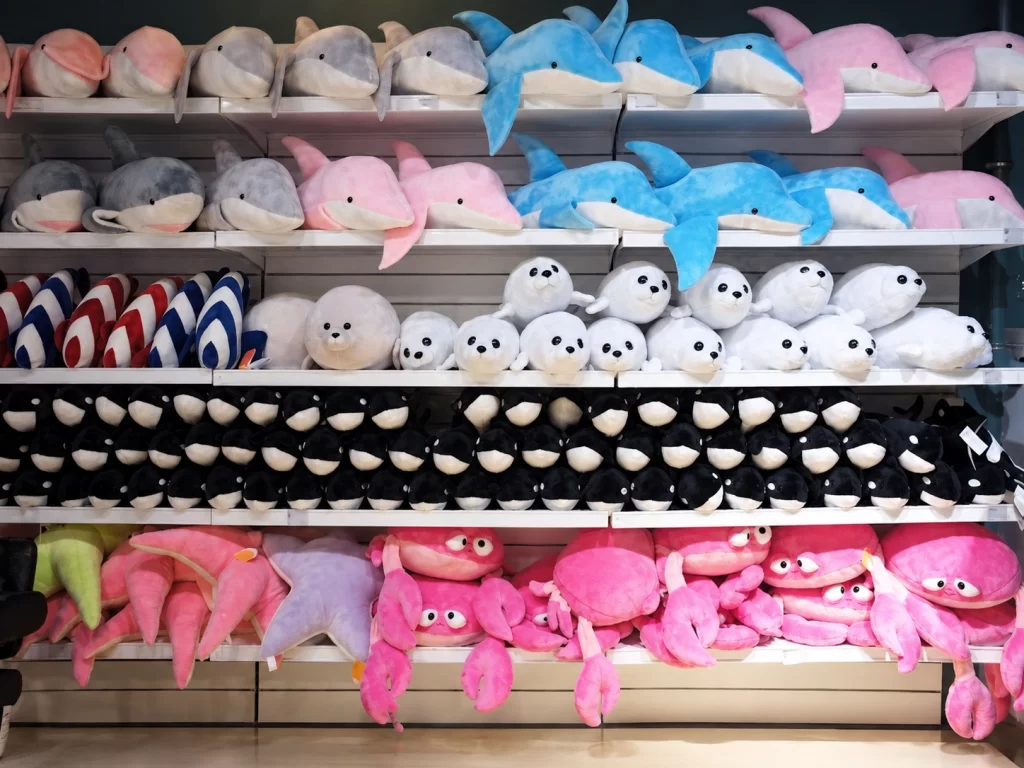
A Good GWP Plush Must Feel Like a Product, Not Leftover Promotion
One mistake in GWP marketing is treating the free item as the cheapest possible addition to the order. Consumers do not evaluate the manufacturing invoice. They evaluate what they see and touch. Fabric feel, stuffing balance, expression, stitching, branding and packaging can therefore influence the perceived value of the campaign more than a small difference in production cost.
This is especially important with plush because customers handle the product immediately. A thin body, rough fabric or distorted facial embroidery can make the item feel inexpensive within seconds. PPAI’s research similarly found that consumers use feel, texture and construction as signals of promotional-product quality.
In our sampling experience, brands sometimes focus first on making the logo larger. We usually recommend the opposite when the logo begins to weaken the character design. A recognizable plush with controlled branding often feels more desirable than a soft toy covered with oversized promotional graphics.
Where Gift With Purchase Plush Works Best
Plush is most useful when the campaign already has an emotional, visual or collectible story. It should reinforce the reason for purchase rather than become an unrelated extra. Brands planning these types of campaigns can also evaluate different promotional plush toys according to retail, event and branded-gifting requirements.
Purchase-Threshold Campaigns
A retail brand can offer a small plush when customers reach a defined spending threshold. This gives the gift a clear qualification rule and can make the offer feel more substantial than a small price reduction.
Research on premium promotions also suggests that the way a free product is framed can influence purchase intention. Experimental work published in the International Journal of Research in Marketing found that framing a target product as the free gift can increase feelings of luck and purchase intention under certain conditions.
Product Launches and Seasonal Drops
A limited plush can extend the identity of a new product launch. Beauty brands might convert a campaign icon into a mini character, while food, fashion or lifestyle brands can create seasonal versions tied to a launch theme.
The limitation is timing. A custom character cannot usually be developed as late as printed promotional material. Pattern development, fabric selection, embroidery, sampling and bulk production all need physical approval stages.
Character and Mascot Campaigns
This is often where plush has the strongest brand connection. An existing mascot already has visual recognition, which gives the GWP product a purpose beyond carrying a logo.
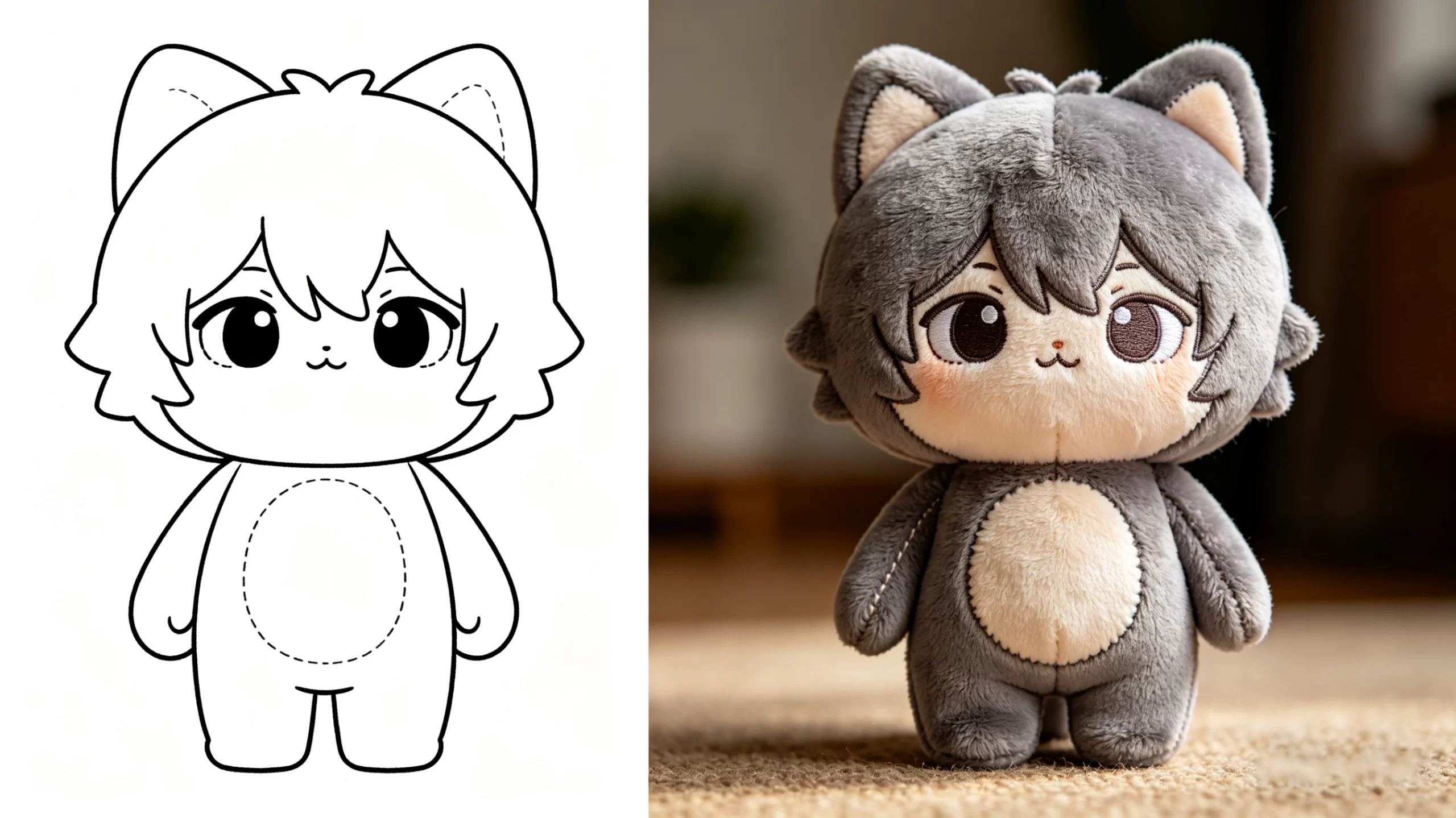
Brands considering this route should simplify the character carefully rather than copy every two-dimensional detail. Very small accessories, thin limbs, sharp graphic edges or complicated clothing may need to be translated into embroidery, appliqué or simplified fabric panels before the design can be produced consistently.
Loyalty and VIP Programs
Plush can also work as a reward rather than a mass giveaway. A special colorway, anniversary version or member-exclusive outfit can make the gift feel deliberately restricted.
There is also evidence that offering consumers a choice between promotional gifts can improve perceived value in some situations. A 2024 Journal of Retailing study found that providing a choice set could increase perceived value and purchase intention under certain promotional conditions.
Operationally, however, choice creates another problem: inventory. Two plush colors can mean two material plans, two stock balances and a higher risk that one variation runs out before the other. Marketing flexibility therefore has to be balanced against production and allocation complexity.
Which Plush Format Fits the Campaign?
The best gift with purchase plush ideas for retail brands usually come from the campaign mechanics rather than from choosing the cutest toy.
| Plush Format | Best Campaign Use | Main Advantage | Main Tradeoff |
|---|---|---|---|
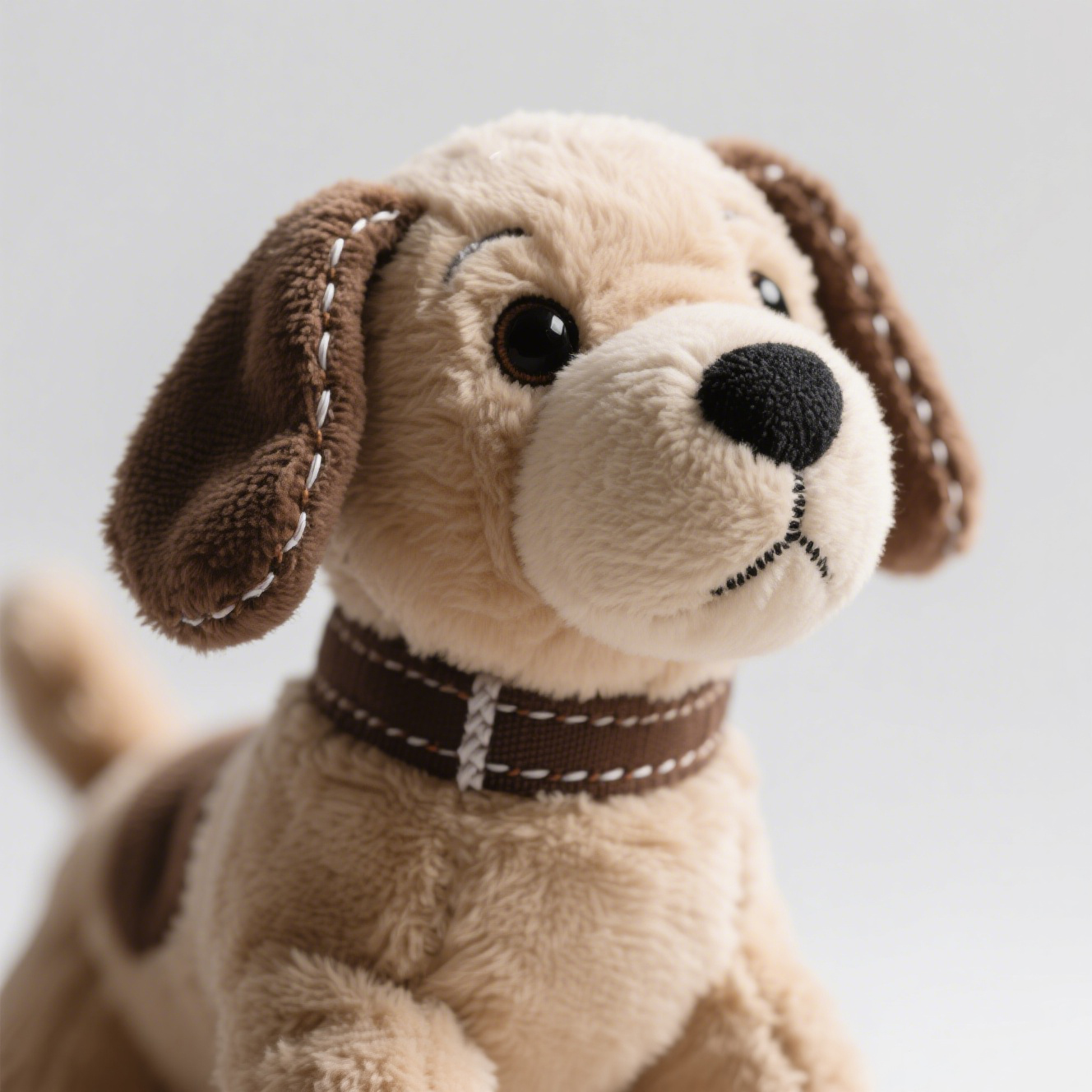
| Mini mascot plush | Retail threshold GWP | Strong character recognition | Small details may need simplification |
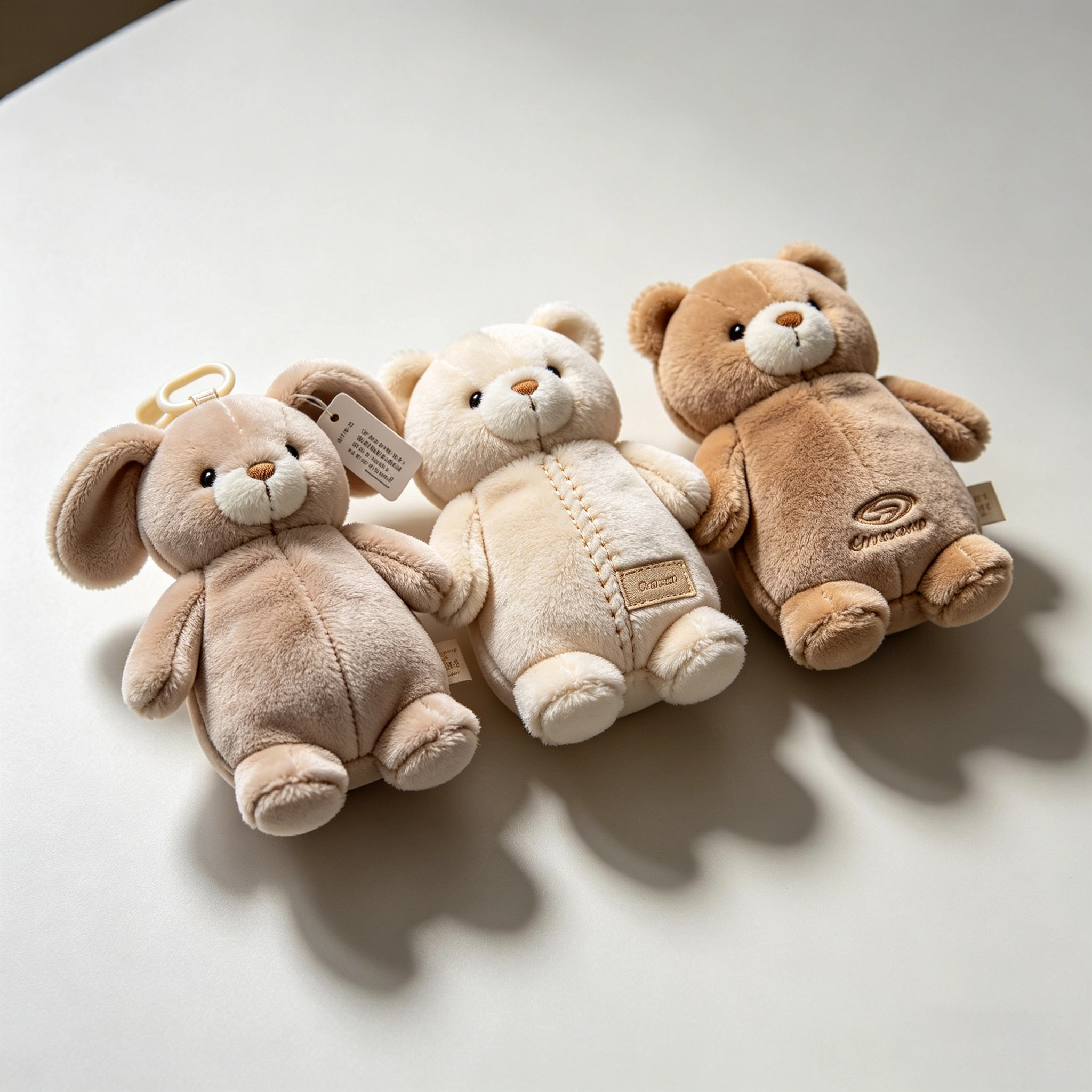
| Plush keychain or bag charm | Fashion, beauty and lifestyle promotions | Remains visible after the campaign | Attachment point needs stronger construction |
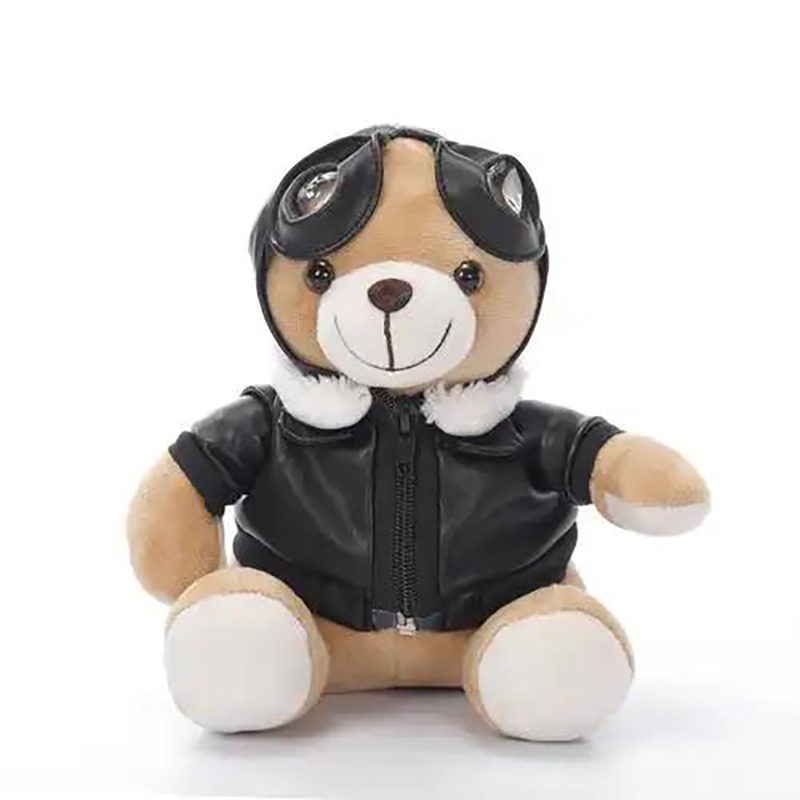
| Teddy bear with clothing | Corporate or broad-audience campaigns | Clear branding area | Can feel generic without a stronger concept |
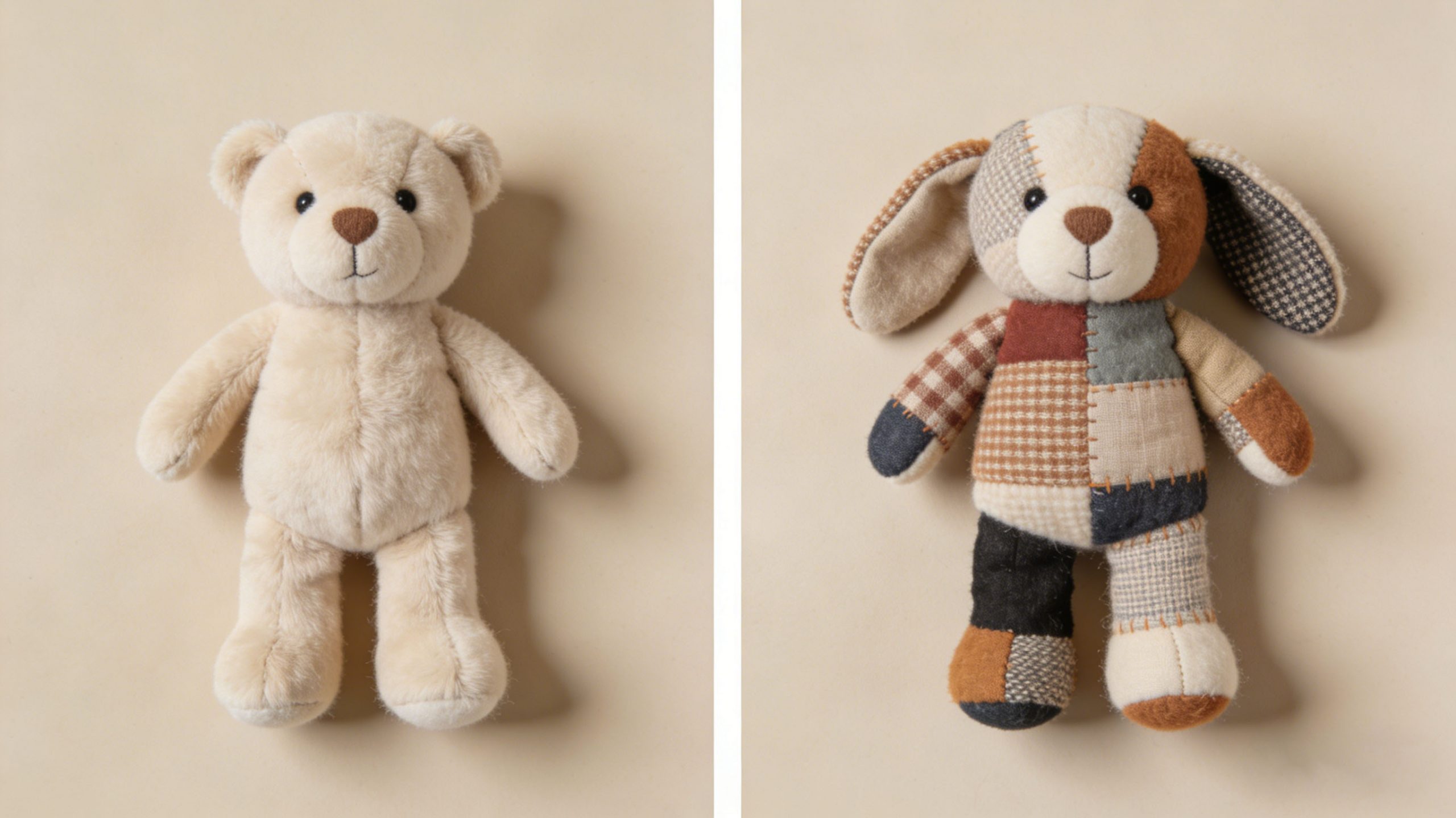
| Small stuffed character | Seasonal and product launches | Good collectible potential | More pattern development than a flat design |
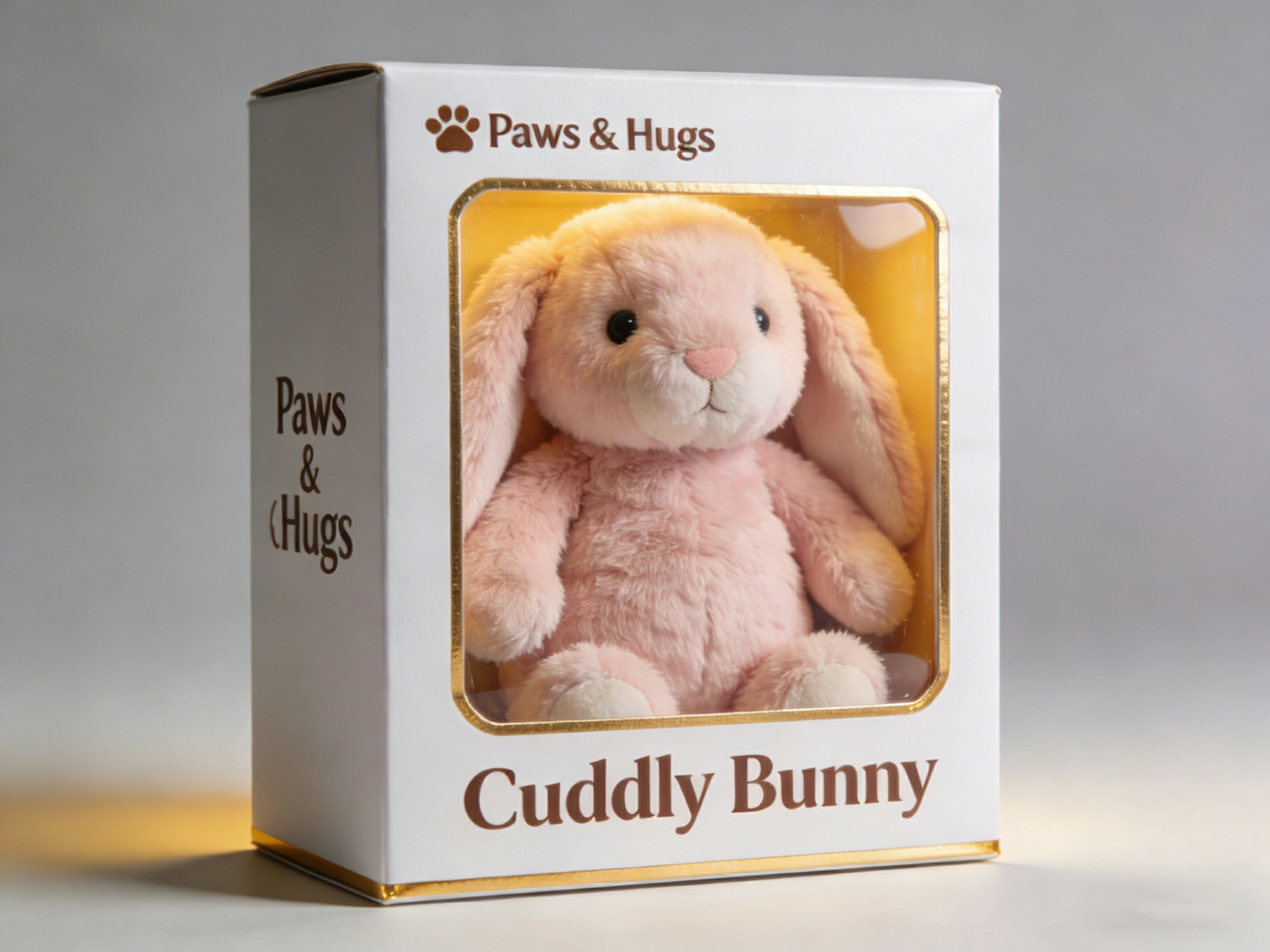
| Premium boxed plush | VIP or higher-value purchase rewards | Strong presentation value | Higher packing and freight volume |
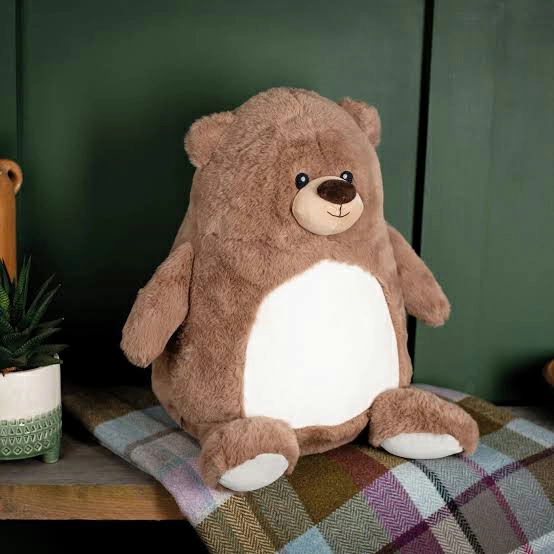
A brand with a recognizable character should normally develop that character first. A company without one may get better results from a simple animal or object inspired by the campaign rather than forcing its logo into a mascot design. Brands that already have a recognizable character can also evaluate whether it is suitable for development as a custom mascot plush toy.
Size also matters. Large plush has stronger visual impact but consumes carton space quickly. For high-volume retail distribution, a smaller design with a clear silhouette often gives a better balance between perceived value and logistics.
Do Not Let “Free” Make the Gift Look Cheap
There is a less obvious risk in gift with purchase campaigns: consumers may mentally discount the value of something simply because it is free. Research published in the Journal of Consumer Psychology found that free-gift positioning can reduce perceived value when customers have little other information about what the gift is worth. Providing value or brand context can reduce this effect.
For plush, this means presentation matters. “Free soft toy” communicates something different from “limited campaign character available with qualifying purchase.” The manufacturing cost may be identical, but the second version gives the item a clearer identity.
Retail packaging can reinforce this further. A hangtag, small display card, campaign sleeve or presentation box can make the product look intentionally developed rather than added at the last minute. For lower-cost promotions, even a well-designed tag and consistent brand colors may be enough.
Calculate Campaign Cost From the Redeemed Gift Backward
The cheapest EXW plush is not necessarily the cheapest GWP campaign. Buyers should calculate the complete cost of putting one usable gift into the customer’s hands.
That calculation can include:
- plush unit cost;
- custom labels and hangtags;
- retail or campaign packaging;
- safety testing when applicable;
- freight and import charges;
- warehousing;
- distribution to stores or fulfillment centers;
- campaign overage;
- leftover inventory.
Quantity also changes the product decision. Buyers planning bulk stuffed animals for brand campaigns should evaluate design complexity and campaign volume together rather than separately. A more detailed mascot may work for a controlled premium promotion but become unnecessarily expensive for a very high-volume giveaway. In contrast, a compact mini plush can reduce both material use and freight volume while still retaining a recognizable brand character.
The useful question is therefore not simply, “What is the lowest plush price?” It is, “What product can deliver the intended campaign value at the planned number of redemptions?”
Sampling Is Where Campaign Value Is Won or Lost
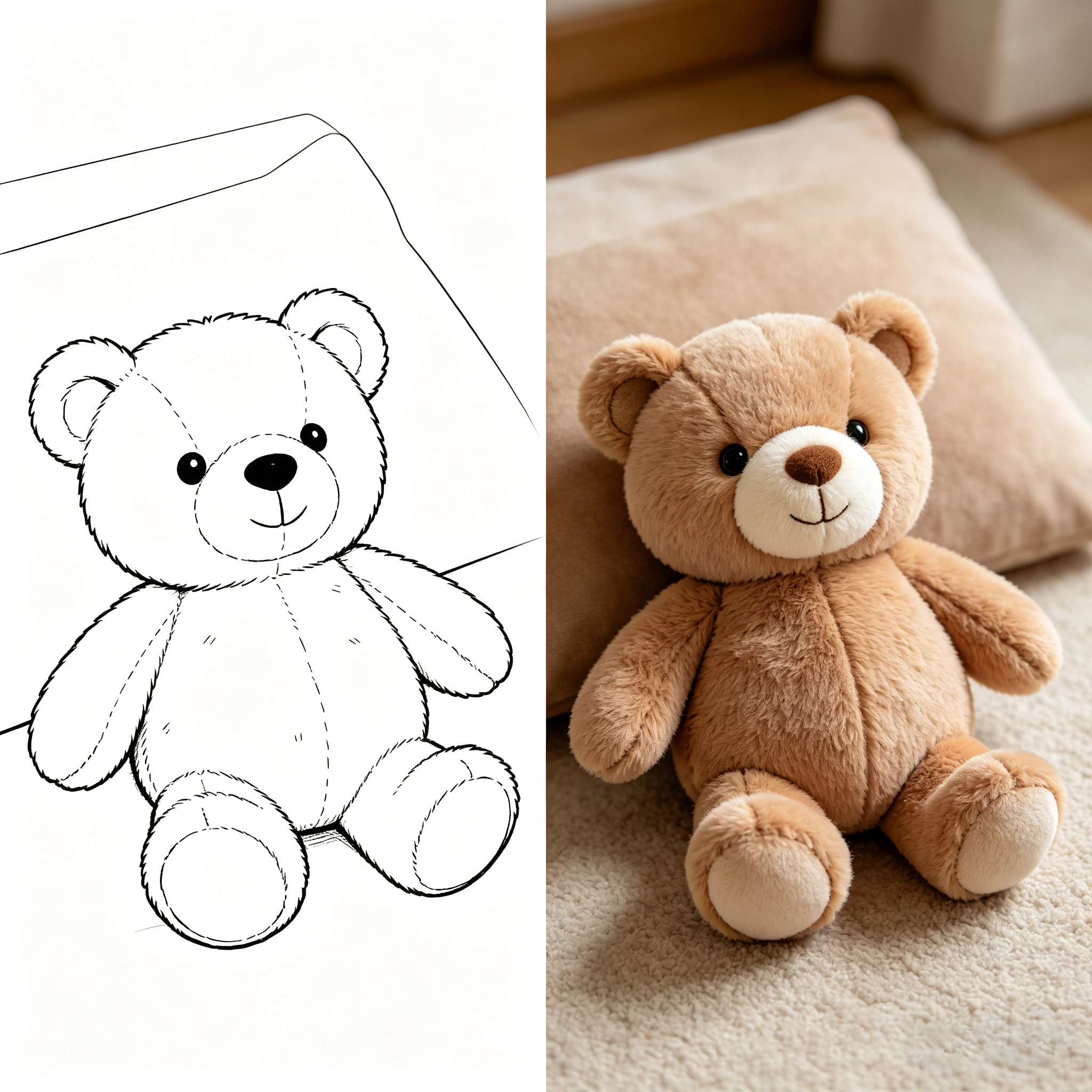
A GWP plush should be reviewed as campaign merchandise, not only as a toy sample. During the sampling stage, the buyer should check whether the first physical impression supports the intended promotion. That includes the hand feel, silhouette, face, logo visibility, stuffing density, accessory attachment and packaging fit.
A common issue we see is late packaging development. The plush gets approved first, and only afterward does the team discover that the product does not sit correctly inside the box or display tray. Another common delay occurs when brand colors are chosen from a screen image but no matching stock fabric exists, forcing either a color compromise or custom material development.
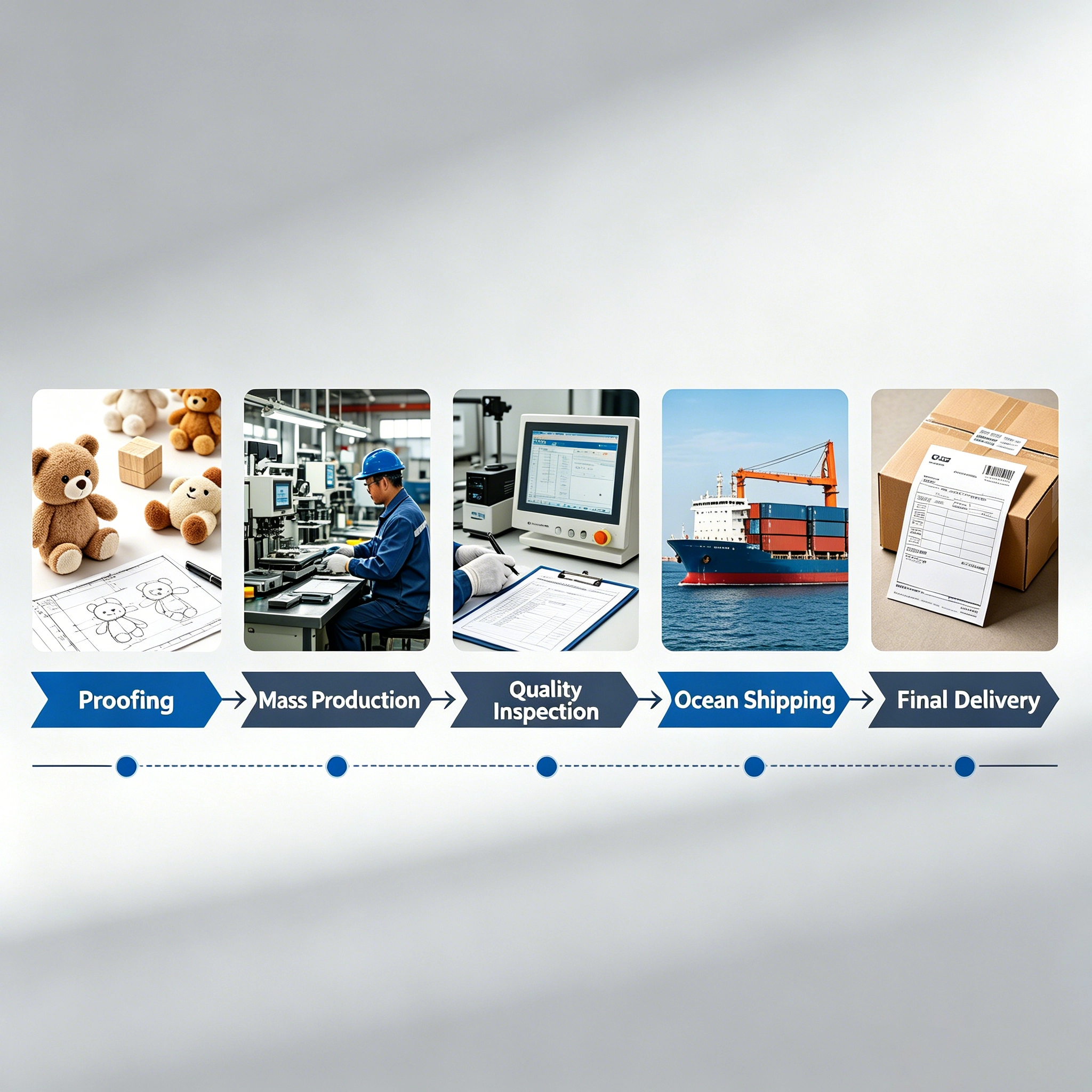
For standard custom projects, Wehao Toys currently lists sampling at about 7–15 days after details are confirmed, while bulk production commonly requires around 25–40 days after sample approval. More complex structures or packaging may require longer.
For a date-sensitive retail campaign, the safest approach is to work backward from the required warehouse arrival date. Sampling, revisions, testing, production, packing and international transport should each have their own time allowance.
A Promotional Giveaway Can Still Be a Regulated Toy
Calling a product a branded gift does not automatically remove toy-safety obligations. What matters is how the product is designed, marketed and intended to be used.
In the United States, CPSC guidance defines a toy as a product designed, manufactured or marketed as a plaything for children under 14. For children’s toys intended primarily for ages 12 and under, applicable requirements can include third-party testing and a Children’s Product Certificate. ASTM F963 also includes specific requirements for stuffed and beanbag-type toys, including seam performance.
EU brands should make the same decision early. The European Union adopted Regulation (EU) 2025/2509 in November 2025. It entered into force on January 1, 2026, but its main application begins on August 1, 2030 after the transition period. Brands launching campaigns before then still need to confirm the rules currently applicable to their product while preparing for the new framework where relevant. More information is available through the European Commission guidance on EU toy safety.
This is why age positioning, distribution market and product structure should be part of the original campaign brief rather than questions raised after production has started. Applicable plush toy safety standards and compliance requirements should also be reviewed before bulk production begins.
Key Takeaways
A gift with purchase plush creates the most value when the customer would still want the item even if the promotional message were removed.
For retail brands, the strongest projects usually share five characteristics:
- the plush connects clearly with the brand or campaign;
- the design feels intentionally developed rather than cheaply added;
- the product format matches the distribution method;
- campaign economics are calculated using landed and distribution costs;
- sampling and compliance begin early enough to protect the launch date.
A plush GWP is therefore not simply another free item. When the concept, perceived value and sourcing plan are aligned, it can become a physical extension of the campaign that remains with the customer after the promotion ends.
FAQ About Gift With Purchase Plush
Can the same GWP plush be reused for another campaign?
Yes, especially if the core design represents a long-term mascot rather than one temporary promotion. Brands can change clothing, hangtags, packaging or color accents for later campaigns without completely rebuilding the character.
Should the retail price or value of the free plush be shown?
It depends on the campaign strategy and local promotional rules. From a marketing perspective, giving the gift a clear reference value or limited-edition context can help prevent it from feeling like an unwanted free item, but brands should have their legal or retail team review any promotional-value claims.
Can several stores receive different plush versions?
Yes, but regional variations create separate inventory requirements. If different stores, countries or sales channels receive different colors or outfits, quantities should be planned by SKU before bulk production instead of splitting finished stock at the last minute.
What information should a brand send before requesting a GWP plush quotation?
A useful brief should include the artwork or campaign concept, preferred size, expected quantity, destination market, target customer, required delivery date, branding method and packaging idea. The supplier can then evaluate whether the concept fits the campaign budget and timeline.
Can a plush GWP be packed together with the main retail product?
Often yes, but the combined packaging should be reviewed during sampling. The buyer needs to confirm fit, product protection, pack-out time, carton dimensions and whether the main product or plush has any market-specific labeling requirements.
Can a GWP plush later become a retail product?
Yes. A successful promotional character can sometimes be developed into merchandise later, but the retail version may need different packaging, labeling, barcode information, quantity planning and compliance documentation.
Planning a Plush Gift With Purchase Campaign?
If you are evaluating a plush toy for a retail promotion, purchase-threshold offer or limited campaign, send your artwork, campaign concept, estimated quantity, target market and required delivery date. These details make it easier to evaluate the right plush format, branding method, sampling plan and packaging direction before you commit to the promotion.
Contact Wehao Toys for a Custom Plush Toy Project