
Quick Answer
Custom plush can work well as corporate gifts when the product has a clear connection to the organization, campaign, recipient, or occasion. A mascot plush can represent a company character, a charity plush can become a supporter symbol, and a smaller plush can work as an event keepsake or recognition gift. The important point is that these projects do not all need the same product.
Plush is also not a universal replacement for practical business gifts such as bags, drinkware, apparel, or technology accessories. Its strongest role is usually different. Plush works best when a company has a visual identity, mascot, story, cause, community, or occasion that benefits from becoming a physical object people can keep.
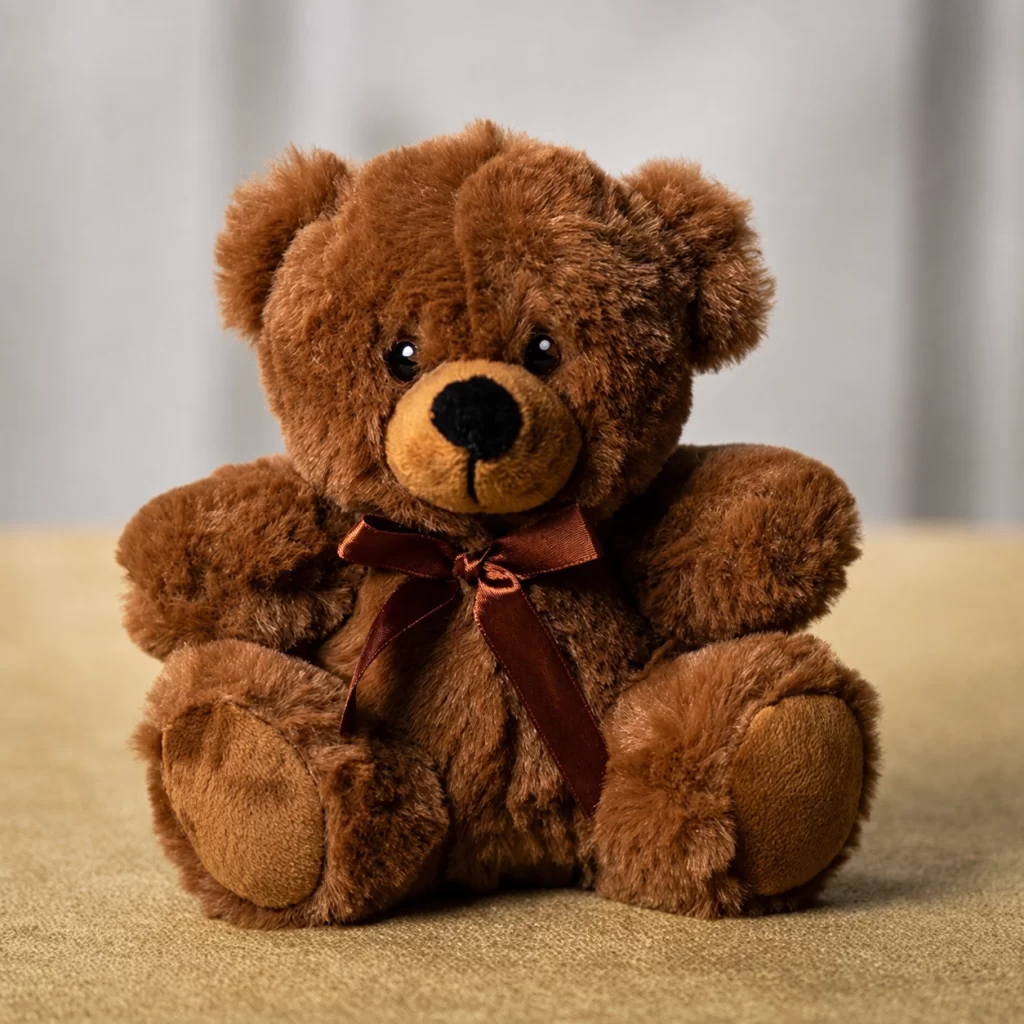
Corporate Gifts Work Best When the Plush Has a Reason to Exist
A common mistake is choosing a plush toy simply because it feels more interesting than standard promotional gifts. The better question is why the recipient should connect this particular plush with the organization. If that connection is weak, even a well-made product can feel like unrelated merchandise with a logo added afterward.
Recent PPAI research on branded merchandise found that nearly 90% of consumers keep branded merchandise regularly or occasionally, while 66% said they prefer fewer, higher-quality items rather than more lower-cost products. The same research also highlights usefulness, quality, relevance, and emotional value as factors behind retention. These findings apply to branded merchandise generally, not specifically to plush toys, but they still provide an important lesson: the product has to earn its place with the recipient.
For plush, relevance often comes from recognition rather than pure utility. A familiar mascot, meaningful animal, company character, local symbol, or campaign theme gives the object a reason to exist. For buyers searching for corporate gift plush ideas for brand campaigns, we usually recommend finding this connection before deciding the size, fabric, or packaging.
Brand, Charity, and Event Projects Need Different Gift Logic
Calling every project a “corporate gift” can hide major differences in how the product will actually be used. A client appreciation gift, a charity fundraiser item, and an event giveaway may all use custom plush, but they have different recipients, distribution methods, budgets, and expectations.
| Project | Main Recipient | Typical Role of Plush | Product Direction | Presentation Priority |
|---|---|---|---|---|
| Brand / corporate | Clients, employees, partners | Recognition, relationship building, anniversary or brand culture | Mascot, teddy bear, character plush | Higher |
| Charity / nonprofit | Donors, supporters, sponsors, community | Supporter symbol, donor thank-you, fundraising merchandise | Cause-related mascot, animal or mini plush | Medium |
| Event | Attendees, invited guests, qualified leads, VIPs | Keepsake, reward, audience engagement | Mini plush, keychain, mascot or tiered gift | Depends on recipient |
Brand and Relationship Gifts
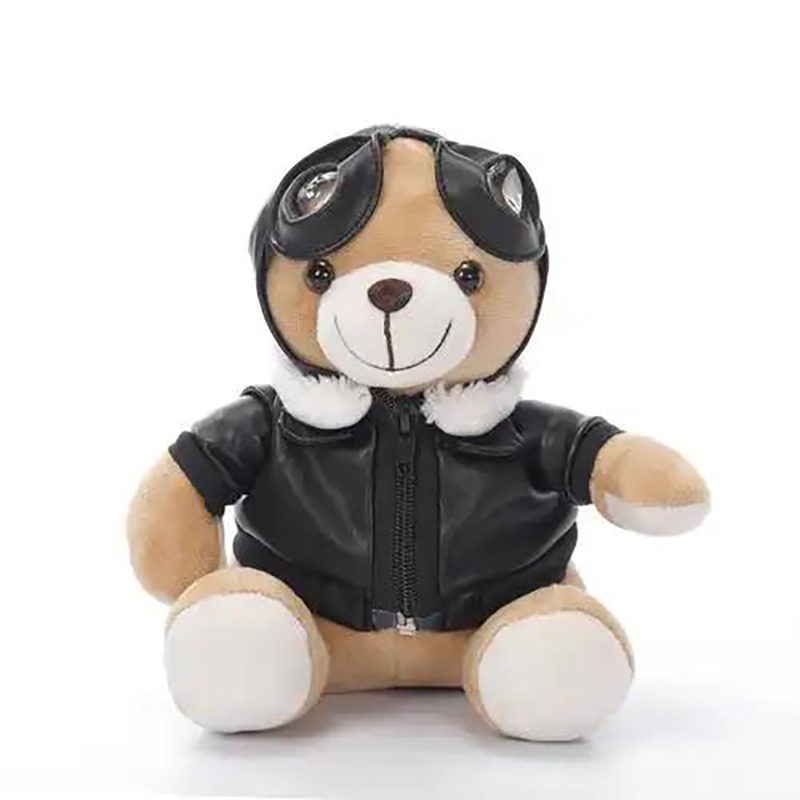
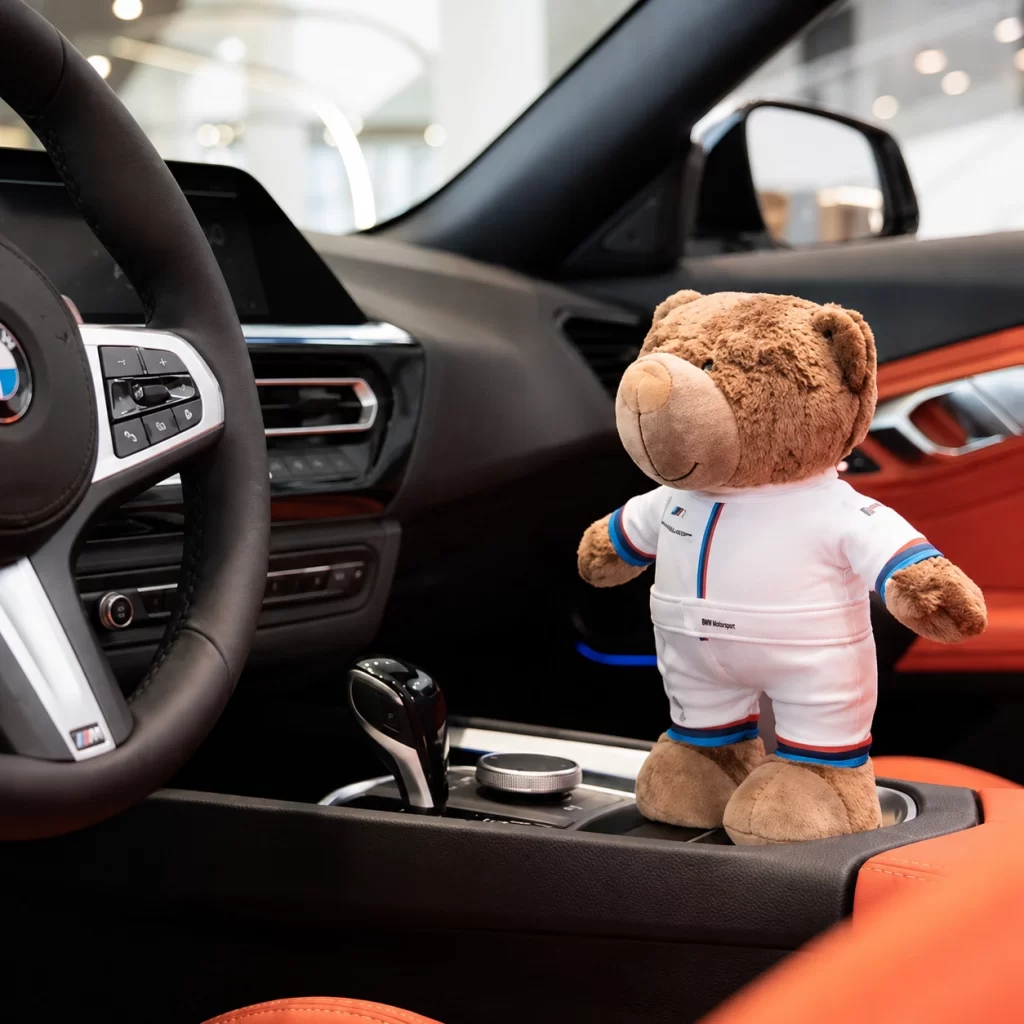
For client appreciation, employee recognition, onboarding, company anniversaries, or partner gifts, perceived value normally matters more than maximum distribution. A medium-sized mascot or classic bear format can give the design enough surface area for facial details, clothing, embroidery, and a more deliberate presentation. For classic bear-led programs, a corporate gift teddy bear can create clear space for clothing, embroidery, and gift presentation.
The biggest risk is over-branding. Business gifts are still gifts. If the chest, clothing, foot, tag, box, and accessory all repeat the same logo, the product can start to feel more like advertising stock than a considered gift.
Charity and Supporter Projects
Charity projects need a different starting question: is the plush being sold to raise funds, given to donors, distributed at an event, included in a sponsor program, or used as a long-term supporter symbol? Those models change the required quantity, target cost, packaging, and branding hierarchy.
A charity without its own mascot can sometimes use an animal or symbol strongly connected with its mission. However, the connection needs to be immediately understandable. Choosing a generic cute animal and placing the organization name on a tag does not automatically create emotional relevance.
Co-branded projects also need visual discipline. When a charity, corporate sponsor, and campaign identity all need recognition, the plush itself does not need to carry every message. One identity can lead on the product while supporting logos and explanations move to the hangtag or insert.
Event and Audience Gifts
Events create another challenge because recipients may not have equal value to the organization. A general attendee, an invited partner, a speaker, a qualified buyer, and a VIP guest do not necessarily need the same gift level.
For exhibition-specific distribution, trade show giveaways need a different quantity and carry-size logic from client gifts. A compact mini plush or keychain can be easier for broad event distribution, while a larger presentation version may be reserved for speakers, partners, prize winners, or important meetings.
If the project is mainly a broad campaign giveaway, a dedicated promotional plush strategy is usually a better planning reference than treating every unit as a premium gift.
Choose the Plush Format by Recipient Level and Distribution
The strongest corporate gift programs often start with the handover moment. Ask where the recipient receives the product, how they will carry it, whether it is shipped individually, and whether the gift needs to look complete before the box is opened.
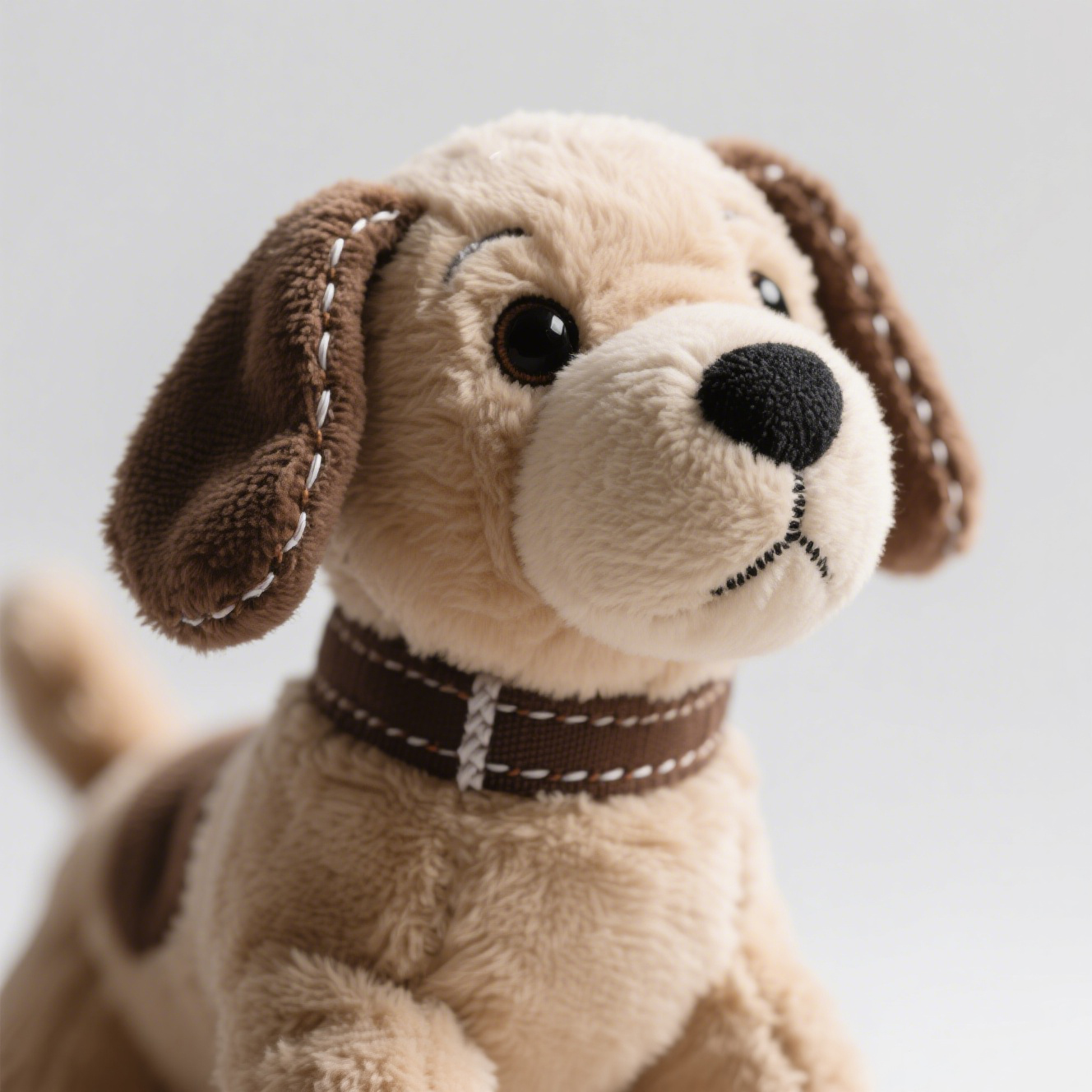
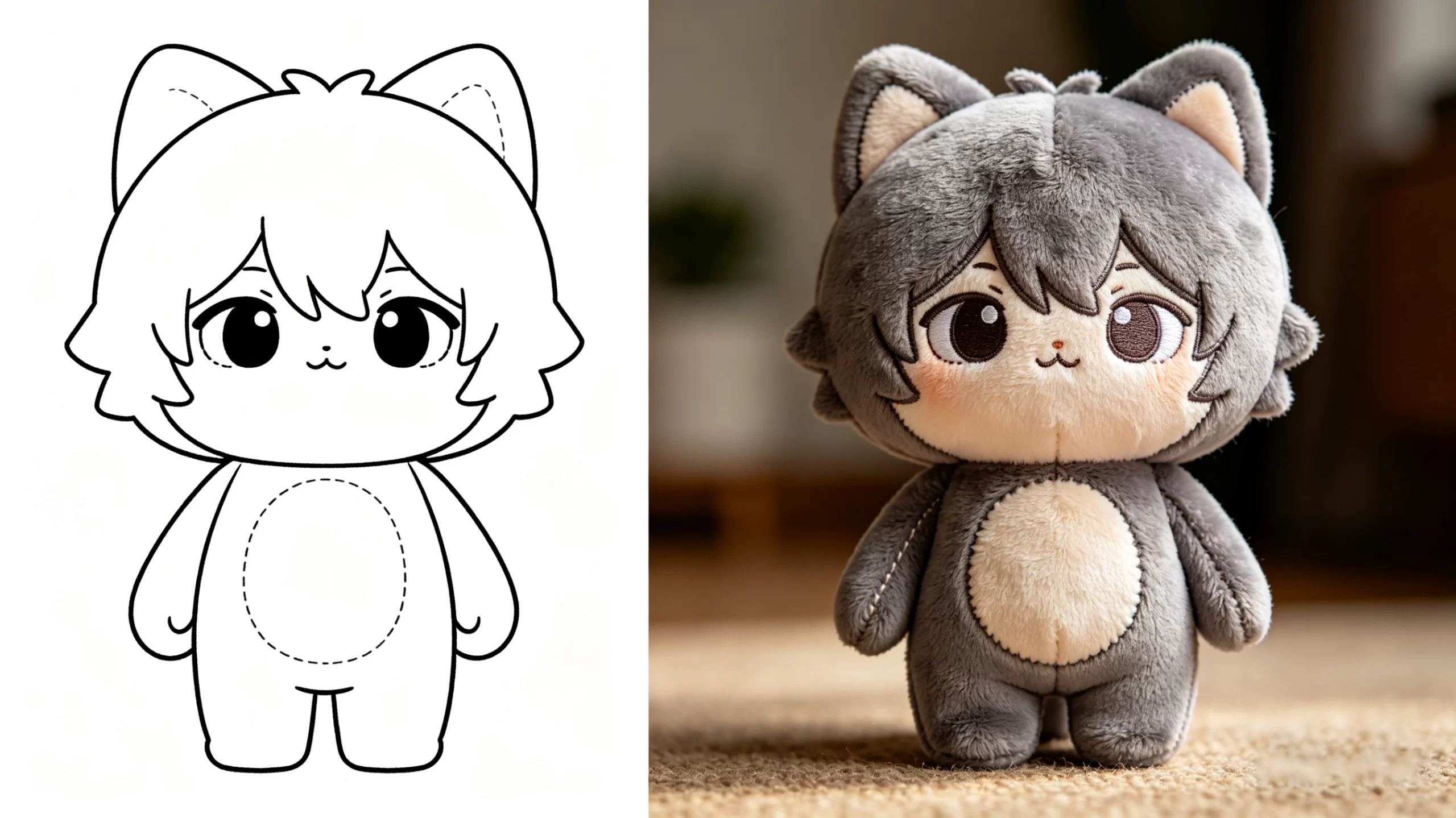
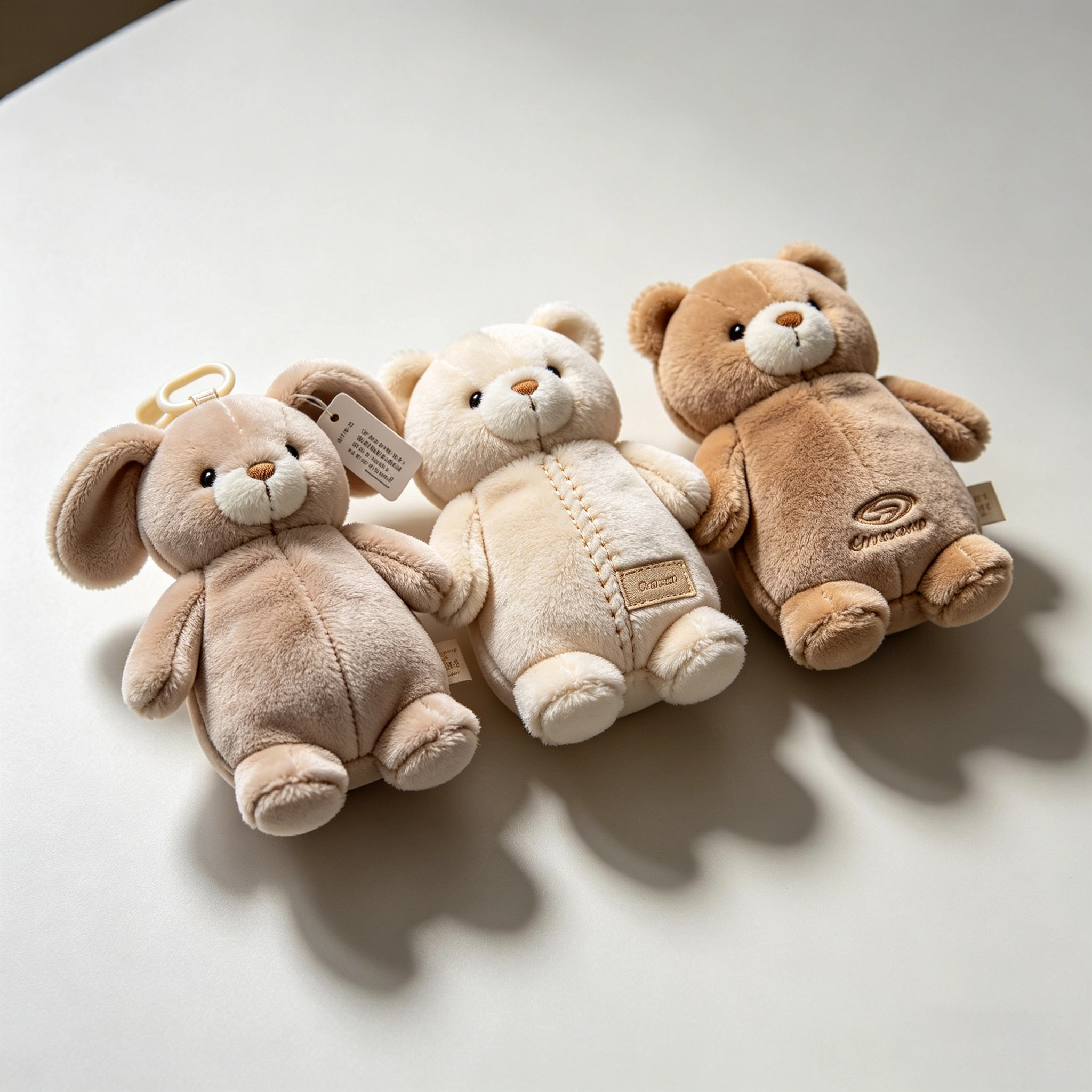
A mascot plush usually works best when the company or organization already owns a recognizable character. A teddy bear provides a familiar gift structure and room for clothing or accessories. Mini plush and plush keychains work better when portability, mailing volume, or wider distribution matters. A simple animal can also work for a charity or organization when that animal already has meaning within the campaign.
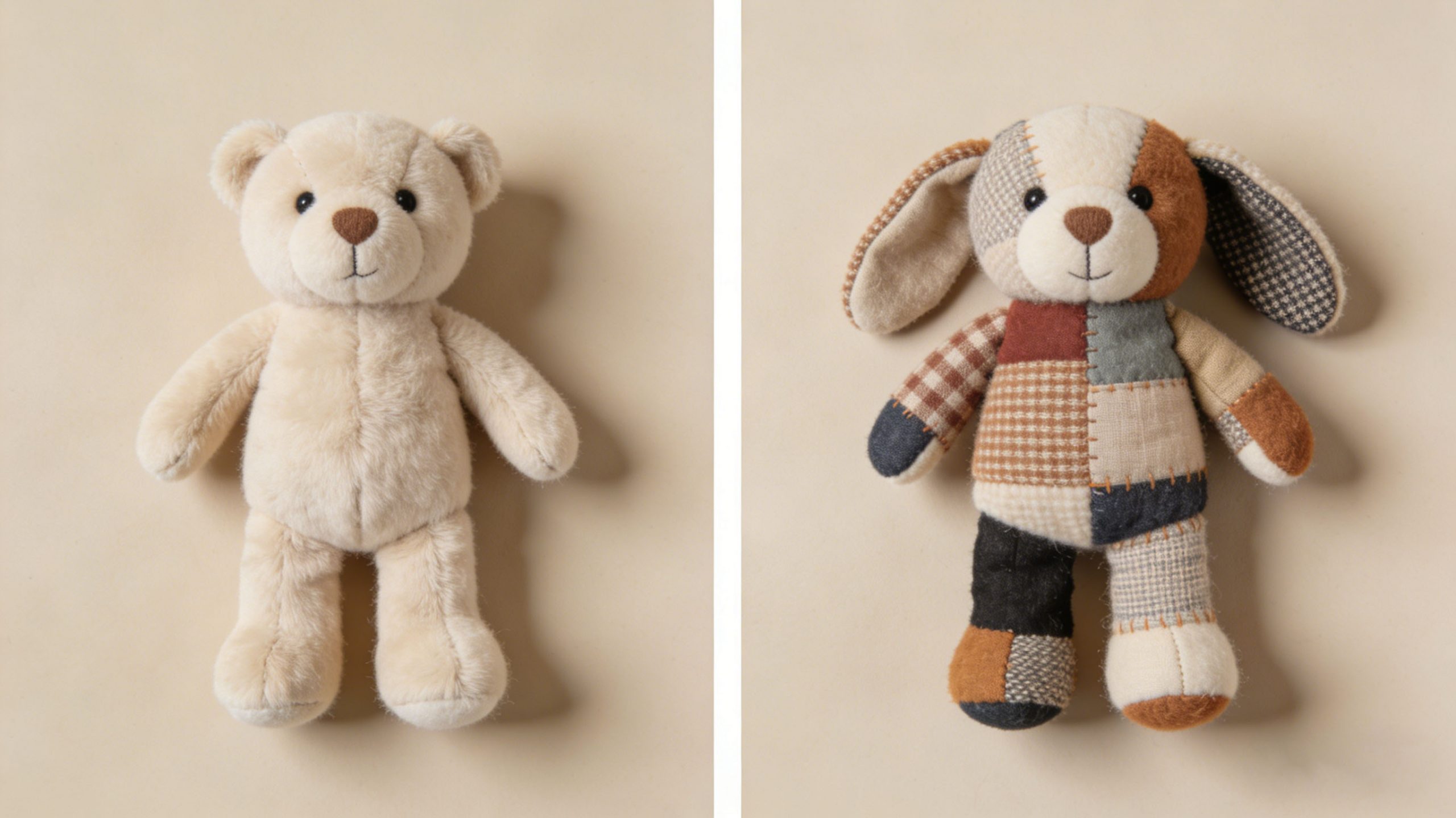
There is no need to turn every gifting program into several completely different plush designs. In many projects, one core character can be adapted through size, clothing, hangtags, or packaging. However, every additional size, colorway, accessory, or construction change can create another sample or production setup, so apparent variety can quickly create hidden complexity.
Branding Should Feel Integrated Into the Gift
Company gifts often become visually weaker when branding is treated as a checklist. Logo embroidery, woven labels, printed clothing, hangtags, packaging, and inserts are all available, but using every method at once rarely improves the result.
We usually recommend identifying a primary brand cue and a secondary information layer. The primary cue might be the mascot itself, an embroidered symbol, a specific company color, or a small piece of branded clothing. Campaign dates, sponsor logos, URLs, QR codes, longer messages, and legal information can then move to a tag, insert, or package where they are easier to read.
This is particularly useful for charity partnerships and sponsored events. The plush can remain visually clean while the removable print components explain the partnership. It also makes the main product more evergreen if the same character will be reused after one campaign ends.
Packaging Can Carry the Message the Plush Should Not
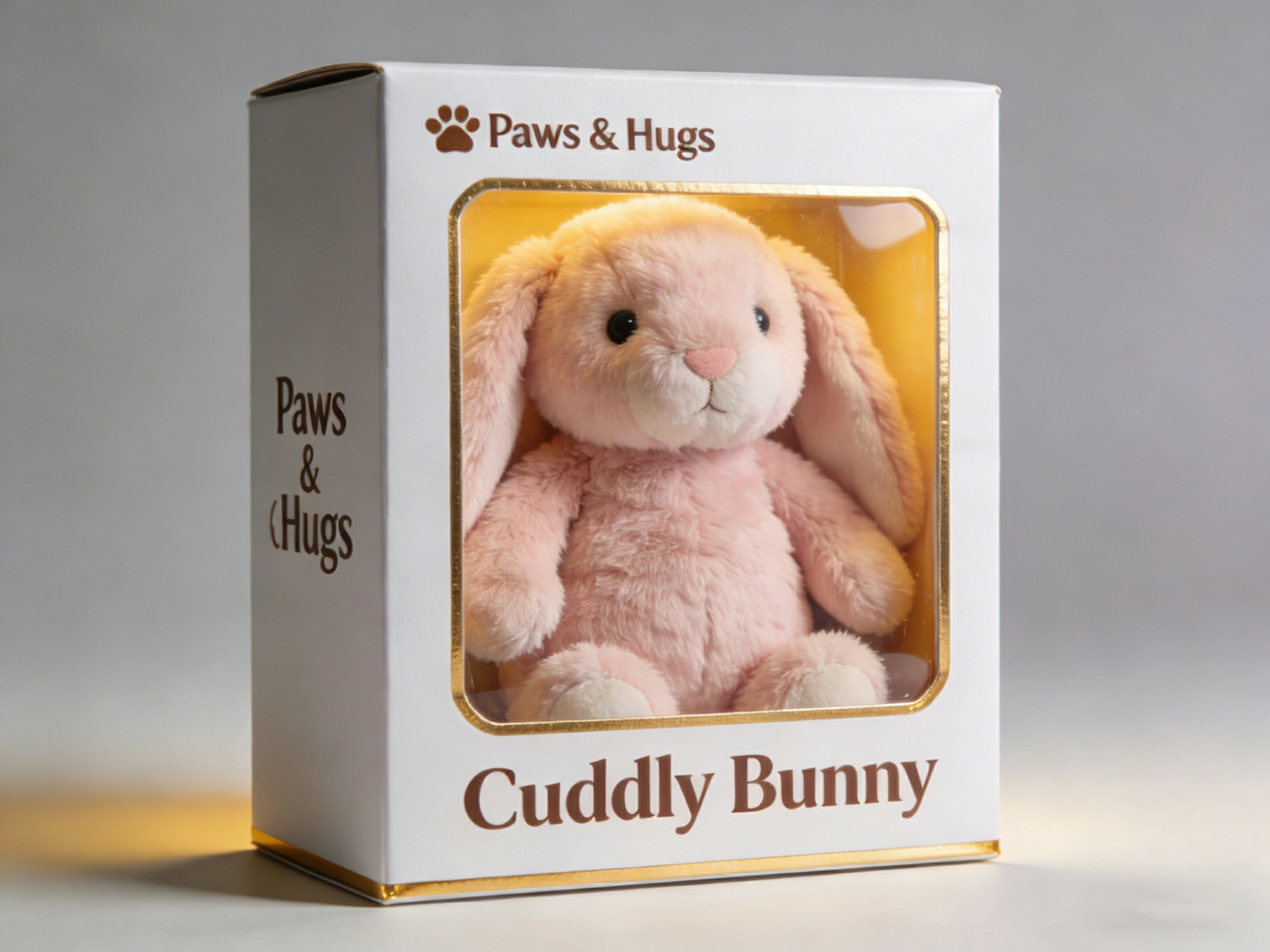
Packaging requirements should follow the gifting moment rather than automatically choosing the most expensive option. A client gift sent directly to an office may justify a rigid box, tissue, insert, or presentation sleeve. An event item handed out in large numbers may only need protective packing and a clear hangtag.
If packaging carries much of the story, labels, inserts, and gift boxes should be reviewed as part of the product rather than as an afterthought. An insert can explain why the recipient is receiving the gift, introduce the mascot, acknowledge a charity partner, or carry a QR code without covering the plush itself with printed messages.
Packaging also affects shipping volume. A large presentation box may look excellent during sample review but can increase carton size and logistics cost significantly across hundreds or thousands of company gifts. Premium presentation therefore needs to be judged against the real distribution plan, not only the product photograph.
The Hidden Procurement Risk Is Project Fragmentation
Corporate gift projects often involve more internal decision-makers than ordinary product orders. Marketing may approve the character, purchasing may control cost, CSR may approve charity messaging, the event team may control the deadline, and another department may review packaging or legal information. When those approvals happen separately, a seemingly simple plush can enter repeated revision loops.
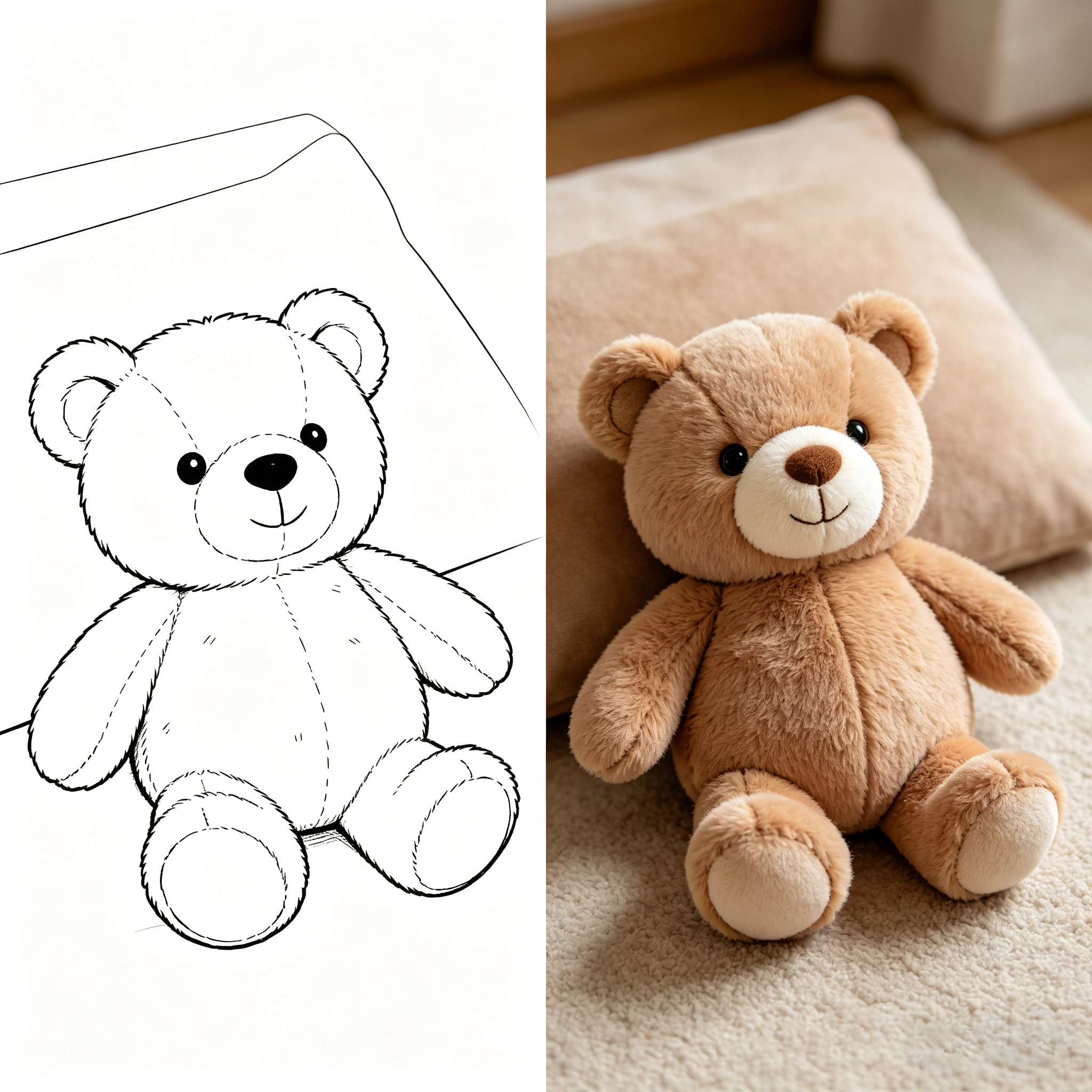
In our sampling experience, the physical sample is where these decisions should come together. A physical sample is where the team can judge the character, fabric, logo scale, and packaging together. Normal custom plush sampling may take around 7–15 days after requirements are confirmed, but another approval round can easily add time if major details change. Wehao Toys currently uses the same 7–15 day range as its normal sampling guidance.
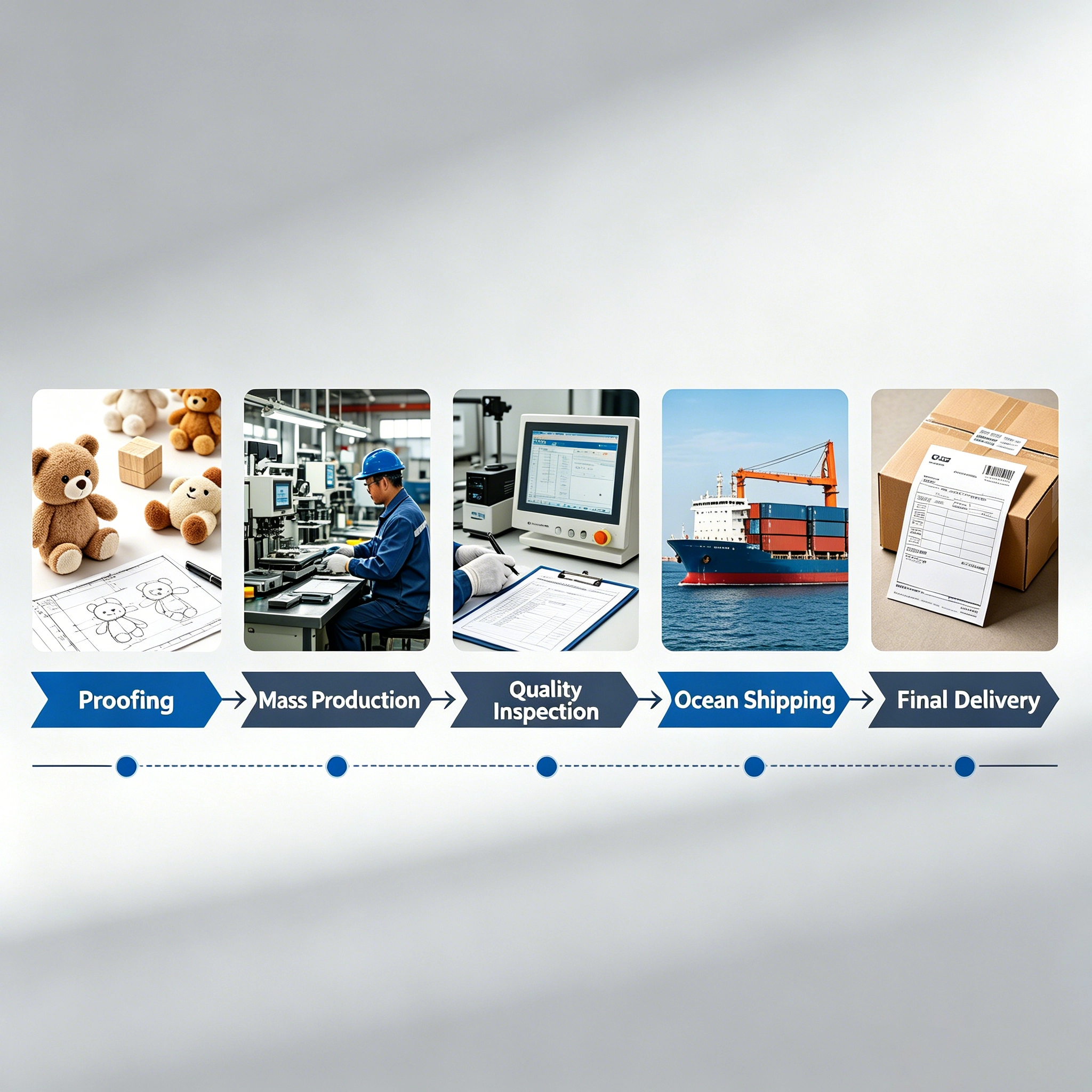
Fixed event and gifting dates should therefore be treated as arrival deadlines. Production completion is only one milestone. Inspection, packing, international freight, customs, domestic delivery, and possible multi-location distribution still happen afterward.
Another hidden issue is recipient segmentation. Creating three completely separate plush designs for executives, employees, and event attendees may sound attractive, but it can multiply sampling, material setup, and MOQ requirements. In many cases, keeping one core plush design while changing the packaging or presentation by recipient tier is easier to control.
Corporate Gift Does Not Automatically Define the Compliance Category
Calling a plush product a corporate gift does not by itself decide which product rules apply. The intended user, product design, marketing, distribution method, age positioning, and destination market matter.
In the United States, a product designed or intended primarily for children 12 or younger can be treated as a children’s product, which changes testing and certification obligations. A plush given mainly to adults may be classified differently depending on its design and intended use, so simply writing “corporate gift” on a purchasing brief is not enough to settle the question.
In the EU, toys are generally defined around products designed or intended for play by children under 14. The EU toy-safety framework is also currently in a transition period following Regulation (EU) 2025/2509, so buyers planning European distribution should confirm the applicable requirements for the actual launch date and intended user before finalising the product and labels.
For mixed-audience charity and event projects, this is worth deciding before sampling. A design intended for children may need different components, attachments, labeling, and testing from an adult-oriented desk or recognition gift.
Key Takeaways
- Custom plush works best as a corporate gift when the product has a clear connection to the brand, recipient, cause, or event.
- Brand, charity, and event projects should not automatically use the same format or presentation.
- Match product size and complexity to the recipient tier and distribution method.
- Build branding into the character or product instead of covering every surface with logos.
- Use packaging and inserts for secondary messages, sponsor information, campaign dates, and QR codes.
- One core plush with different presentation tiers can be easier to manage than several completely separate designs.
- Review product classification and compliance according to the intended user and destination market, not simply the phrase “corporate gift.”
FAQ About Custom Plush Corporate Gifts
1. Can the same plush design be used for clients, employees, and event attendees?
Yes. One core character can often be retained while size, clothing, tags, packaging, or presentation changes between recipient groups. However, major size or construction changes may require separate sampling and production setup.
2. Can a charity logo and corporate sponsor logo appear on the same plush?
Yes, but both logos do not necessarily need to appear directly on the toy. A cleaner approach is often to place the primary identity on the plush and use a hangtag, insert, or packaging panel for supporting sponsor information.
3. Can we customize an existing plush instead of developing a fully custom character?
In some projects, yes. An existing or semi-custom format can be adapted with clothing, embroidery, labels, or packaging, which may reduce development complexity. It provides less visual ownership than a completely custom mascot.
4. Can corporate plush gifts be shipped to several offices or event locations?
Yes, but quantities, carton marks, addresses, recipient groups, and delivery deadlines should be confirmed before final packing. Split shipments can change freight costs and warehouse handling requirements.
5. Do we need final vector artwork before asking for a quotation?
Not always. Clear logos, sketches, mascot references, approximate size, quantity, destination, use case, and deadline are normally enough for an initial evaluation. Better artwork becomes more important before embroidery, printing, tags, and packaging are finalized.
6. Can a corporate gift plush be reordered for another campaign?
Usually yes. Reusing an approved pattern can make repeat development easier, although fabric availability, color batches, packaging and pricing should be reconfirmed before each production run.
7. Who should own the final approval inside our company?
Ideally, one project owner should consolidate feedback from marketing, purchasing, brand, CSR, event, and compliance teams before sending revisions. Conflicting feedback from several departments is a common cause of unnecessary sample revisions.
Planning a Custom Plush Corporate Gift Project?
If you are developing a plush gift for clients, employees, a charity partnership, company event, or branded campaign, send us your logo, mascot, reference artwork, approximate quantity, destination, and required delivery date. We can help review the most practical plush format, branding method, packaging direction, and sampling requirements before you commit to production.
Contact Wehao Toys for a Custom Plush Toy Project